


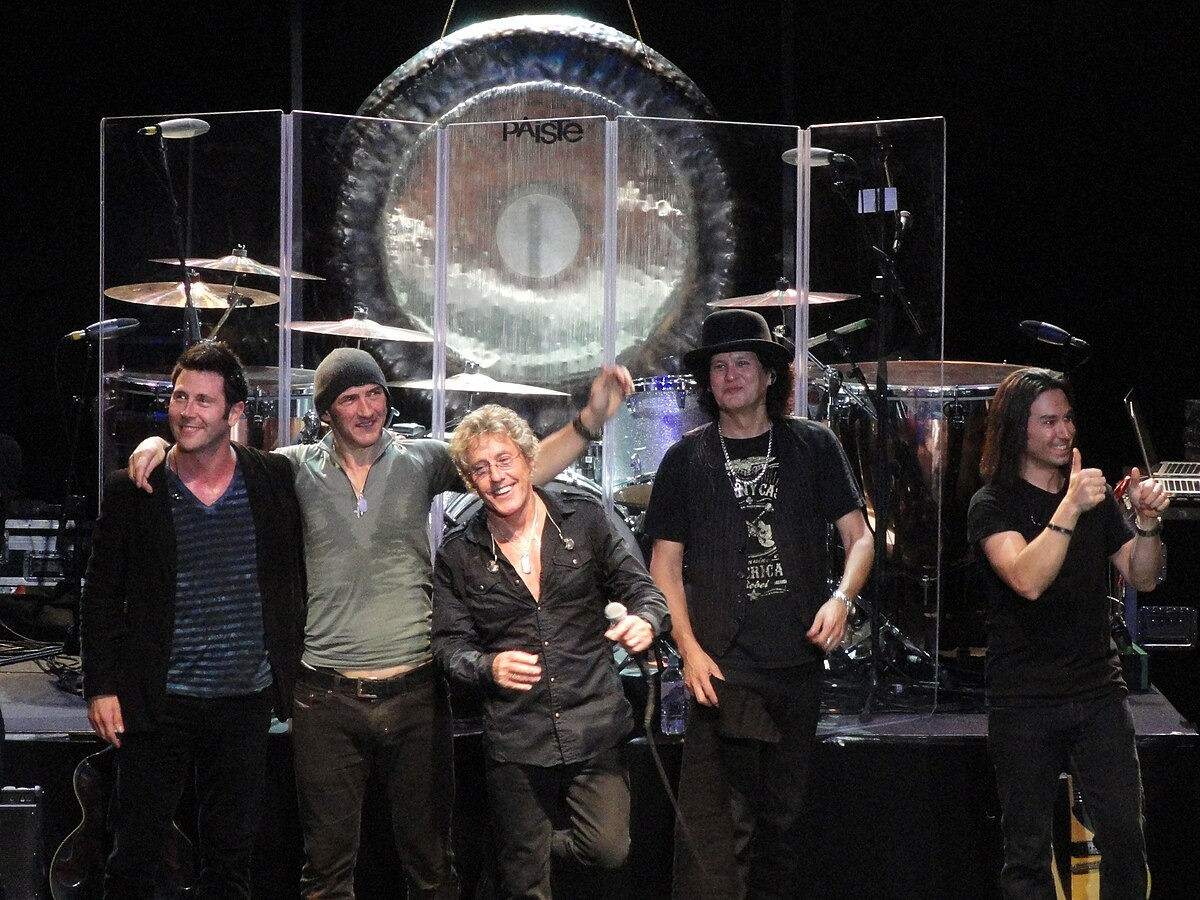
The Who’s Roger Daltrey received his knighthood from Prince William at Windsor Castle on December 10, officially becoming Sir Roger at 81 — a recognition that honors both his musical legacy and a charitable achievement that’s transformed youth cancer support.
From Street Kid to Sir Roger
The ceremony marks a journey from wartime London to rock royalty.
“I was born in the Second World War and grew up in the streets in London… for a kid like me, achieving this, it’s a dream,” Daltrey told the Press Association after the ceremony. The knighthood represents the pinnacle of royal recognition — a step up from his 2004 CBE — but Daltrey framed it as collective achievement rather than personal glory. “I’m accepting it on behalf of all those people who may never get an honour” but helped build the Teenage Cancer Trust’s success, he said.
Prince William’s investiture recognized services to both music and charity, acknowledging how Daltrey transformed celebrity into sustainable social impact.
The £34 Million Legacy at Royal Albert Hall
Most people know Daltrey from The Who’s explosive live performances and albums like Tommy and Who’s Next.
For 25 years, Daltrey curated the Teenage Cancer Trust’s annual Royal Albert Hall concerts, raising over £34 million through performances by artists spanning generations. The series became a recurring music philanthropy platform focused on a specific cause that affects 2,000 young people annually.
Daltrey stepped down as curator earlier this year, passing the torch to Robert Smith of The Cure, who’s dubbed himself “Cureator” for the March 2026 shows. The transition reflects changing musical landscapes — Smith’s lineup includes:
- My Bloody Valentine
- Mogwai
- Wolf Alice
These acts from different generations than Daltrey’s classic rock era.
“I’m intrigued,” Daltrey said about Smith’s choices. “They’re opening my eyes… it’s going to be interesting.” That curiosity speaks to the charity’s evolution and Daltrey’s recognition that effective philanthropy requires fresh perspectives.
Recognition Beyond the Music
The knighthood validates music’s power to create lasting social change.
This honor celebrates something deeper than rock stardom — how sustained charitable commitment can amplify artistic legacy. The Teenage Cancer Trust concerts proved that music philanthropy could be both artistically credible and financially effective.
Daltrey called his charity work “an incredible ride” — one that’s now officially recognized as service to the realm. The recognition reinforces how rock music has earned its place in Britain’s honors system, not just for entertainment value, but for measurable social impact that touches thousands of young lives facing cancer diagnoses.