


Sixty years ago, 55,000 screaming fans nearly drowned out four guys from Liverpool at a baseball stadium in Queens. The sound system barely worked, security was overwhelmed, and nobody had figured out how to manage mass hysteria in a sports venue. Yet that August 15, 1965 Beatles concert at Shea Stadium became the template for every stadium rock show that followed.
Next August, the New York Mets want to recreate that lightning in a bottle with:
- Tribute bands
- Replica memorabilia
- The kind of organized celebration that would have baffled anyone who survived the original madness
The Original Madness
When 55,000 fans redefined what a concert could be.
That first Shea performance was beautifully unhinged in ways modern concerts can’t touch. The Beatles couldn’t hear themselves play over the crowd noise. Girls fainted in the stands while others rushed security barriers that weren’t designed for Beatlemania-level chaos. The band performed through primitive sound systems that would embarrass today’s garage bands, yet somehow created a moment that still reverberates through music history.
Paul McCartney captured it perfectly when he described “magic, just walls of people” and noted that “once you go onstage and you know you’ve filled a place that size, it’s magic.” But that magic came with genuine uncertainty—nobody knew if the whole thing might collapse under its own hysteria.
Before Shea, rock concerts happened in clubs and theaters. After Shea, every major act started eyeing stadiums, forever changing how music connects with massive audiences. The original concert attracted over 55,000 fans, setting attendance records and establishing the blueprint for stadium rock performances that continue today.
Corporate Nostalgia or Genuine Tribute?
How the Mets are packaging rock history for family consumption.
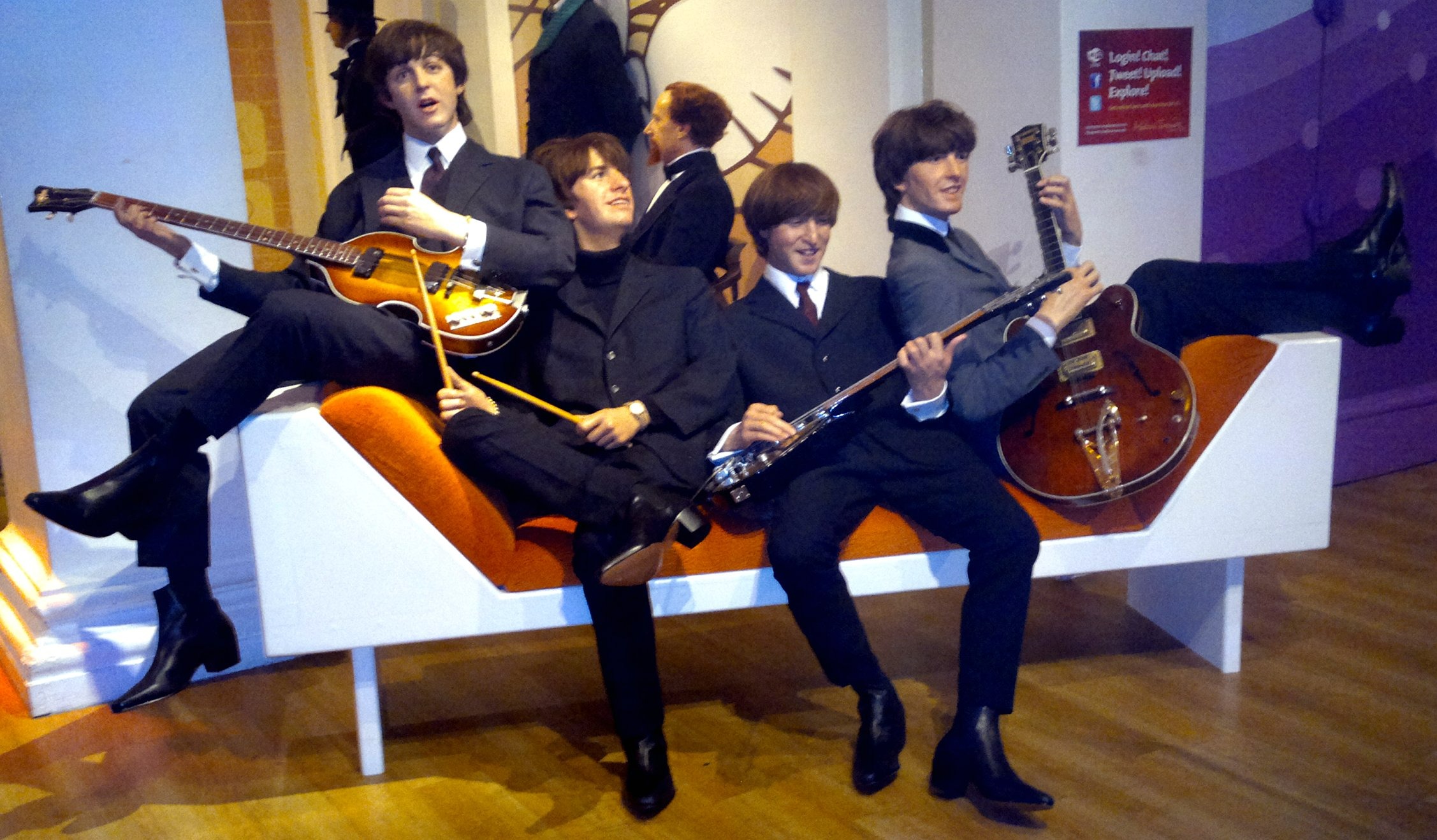
The 2025 anniversary celebration during the Mets vs. Seattle Mariners game hits completely different. 1964 the Tribute will perform at 6:15 p.m. outside Citi Field’s Shea Bridge, complete with:
- Period-specific instruments
- Costumes that recreate early Beatles performances
The first 15,000 fans receive Shea Stadium replica collectibles—a tangible piece of music history for those who missed the original venue before its 2009 demolition.
Original stadium workers from 1965 will throw ceremonial first pitches, directly connecting the anniversary event to those who witnessed the historic performance. Themed fireworks will conclude the evening, wrapping everything in the kind of polished entertainment package that would have been impossible to organize amid 1965’s beautiful chaos.
It’s organized, audible, and completely unlike the original experience. Where 1965 offered genuine uncertainty and breakthrough cultural moments, 2025 delivers controlled entertainment designed for multi-generational audiences. You’ll actually hear the music this time, which represents either technological progress or missing the point entirely.
The question isn’t whether tribute bands can capture Beatles magic—it’s whether sanitizing rock history for family consumption preserves what made it culturally revolutionary. Sometimes corporate machinery helps culture survive across generations. Sometimes it turns living history into museum pieces, complete with gift shop replicas and scheduled fireworks.