


While 2003’s biggest music scandal involved a grabbed buttock on live TV, today’s deepfake technology makes that moral panic look refreshingly simple. Twenty-one years ago, Justin Timberlake’s unauthorized grab of Kylie Minogue‘s behind during their BRIT Awards performance sparked weeks of outrage. Now AI can fabricate entire compromising performances without any physical contact whatsoever.
When Live TV Was the Biggest Threat
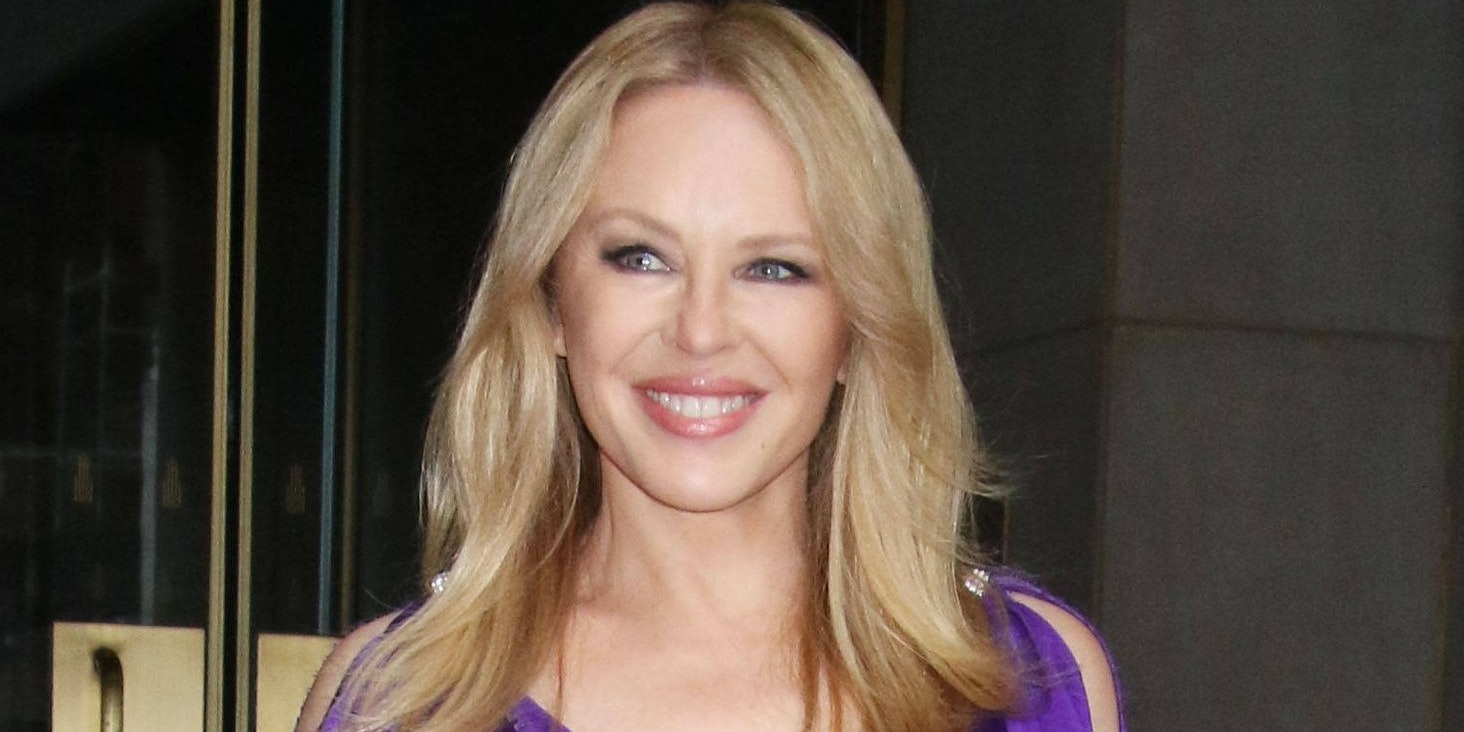
The facts were straightforward: During their Blondie “Rapture” cover, Timberlake grabbed Minogue‘s buttocks despite her explicit prior request that he not touch her that way. The incident triggered immediate “moral panic” across British media, with tabloids dissecting every frame of footage. Minogue, already navigating debates about her gold hotpants image, found herself defending both her artistry and bodily autonomy simultaneously.
Back then, the damage stayed contained to broadcast replay cycles and gossip columns.
How Digital Threats Dwarf Physical Ones
Today’s consent violations operate on an entirely different scale. AI deepfakes can generate convincing, non-consensual representations of any artist, circulating indefinitely across platforms without requiring physical proximity or live television slots. Unlike Timberlake’s split-second grab, deepfakes create permanent digital evidence of events that never happened.
Media ethicists describe this threat as “qualitatively different” from traditional scandals. Where the 2003 incident sparked temporary controversy, deepfakes enable ongoing harassment campaigns that can destroy careers through fabricated evidence. The technology outpaces both legal frameworks and platform moderation capabilities, leaving artists vulnerable to violations they can’t anticipate or control.
Industry stakeholders now advocate for stricter legal frameworks and platform responsibility, recognizing that consent in the digital age requires proactive protection rather than reactive damage control.
The evolution from fleeting television moments to permanent digital manipulation reveals how artist autonomy faces unprecedented challenges. Your support for authentic content and platform accountability directly impacts whether musicians maintain control over their own images—or lose it to algorithms designed for engagement over ethics.