



Thirty-five years feels like a lifetime in Hollywood, especially when you’re waiting for a sequel that everyone said would never happen. Burton‘s return to the afterlife isn’t just another cash grab riding on nostalgia—it’s a masterclass in rewarding patient fans who’ve memorized every frame of the original. Like a producer layering samples in a hip-hop track, Burton weaves these Easter eggs into the narrative fabric, creating depth that reveals itself only to those who know where to listen. Many of these moments rank among the most iconic movie scenes ever, resonating with fans long after the credits roll. For readers seeking official updates, cast lists, and behind-the-scenes details, the official movie site provides the most accurate and up-to-date information about Beetlejuice Beetlejuice.
Your average moviegoer might enjoy Keaton‘s manic energy and the visual spectacle. True fans know the real magic happens in the margins, where Burton builds connections between past and present that elevate this sequel beyond mere fan service into genuine storytelling archaeology.
1. Jeremy’s Aesthetic Rebellion
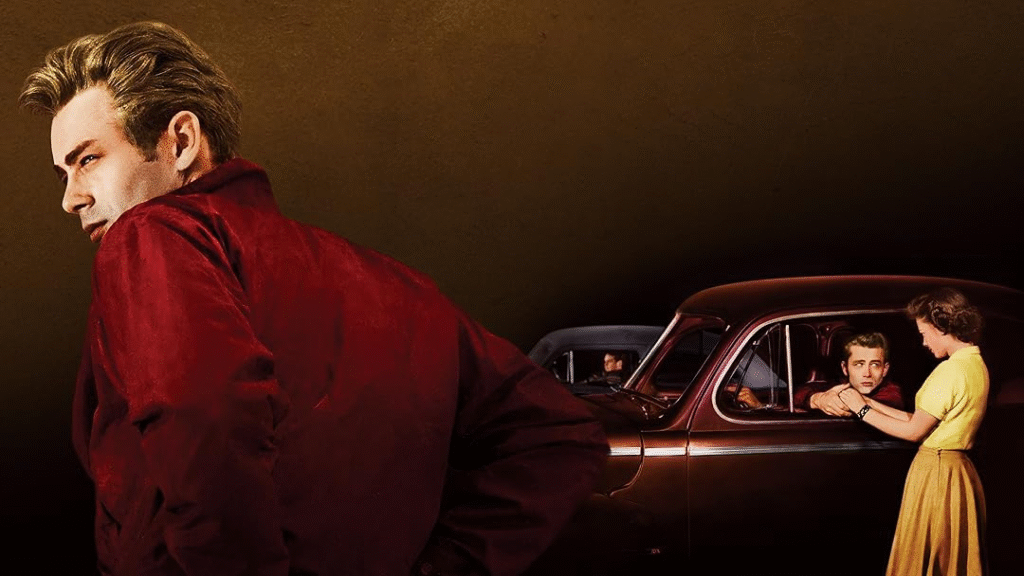
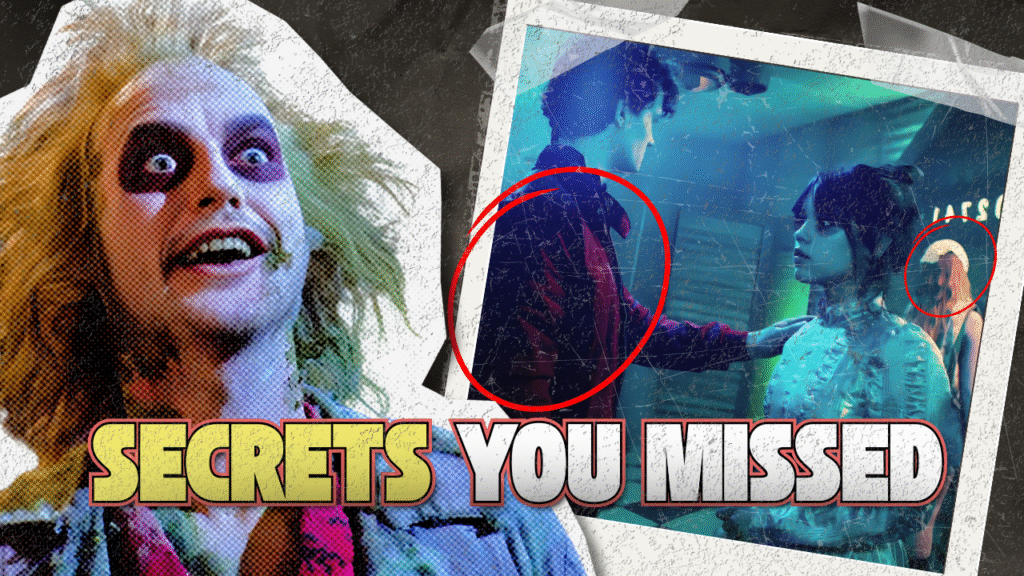
Justin Theroux‘s Jeremy sports a filmmaker look that visually connects to Lydia‘s world. His costume choices, including touches of red and black plaid, subtly evoke the “strange and unusual” aesthetic that once defined teenage Lydia.
These aren’t random wardrobe decisions—they’re character development woven into fabric. The visual shorthand shows how Lydia‘s attraction to the unconventional has evolved from supernatural entities to artistic humans who share her rebellious spirit. Some fans argue Jeremy represents Lydia‘s artistic growth, while others see him as another Burton surrogate character.
2. Theme Park Satire Cuts Deep
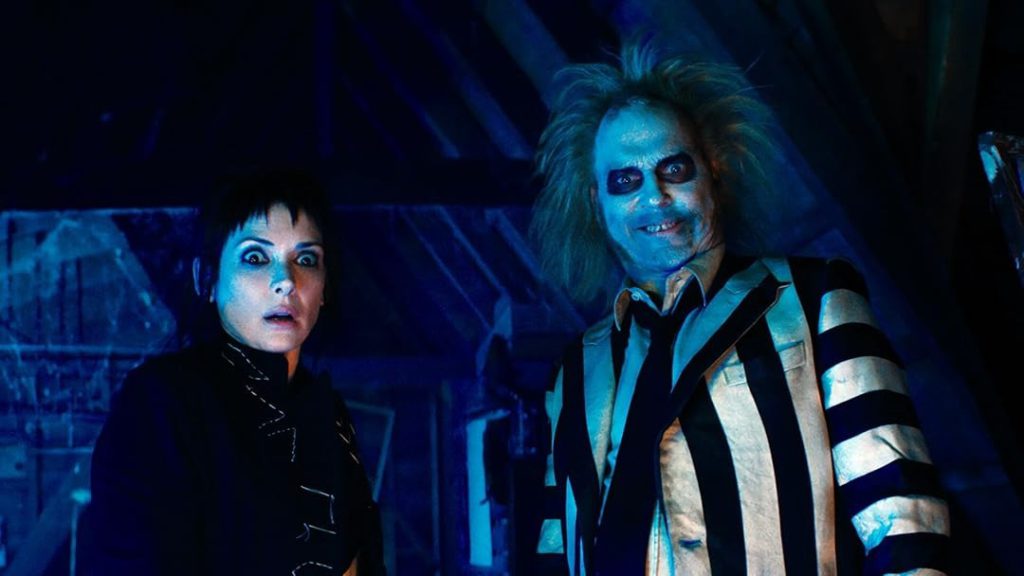
Winter River‘s transformation into “Beetlejuice Land” delivers pointed commentary on authentic experiences becoming packaged products. The fictional theme park stands as Burton‘s reflection on how his own distinctive aesthetic has been commercialized over decades.
This isn’t just random target practice—it’s the director confronting what happens when creative visions become corporate properties. According to production interviews, Burton drew inspiration from his own experiences with Hollywood merchandising. The satirical theme park represents every artist’s nightmare: their edges sanded down and darkness brightened for mass consumption. The rise and fall of the Beetlejuice theme park show at Universal Studios highlights how beloved characters are often repurposed for commercial gain, as detailed in this overview.
3. Even Death Has a Janitor
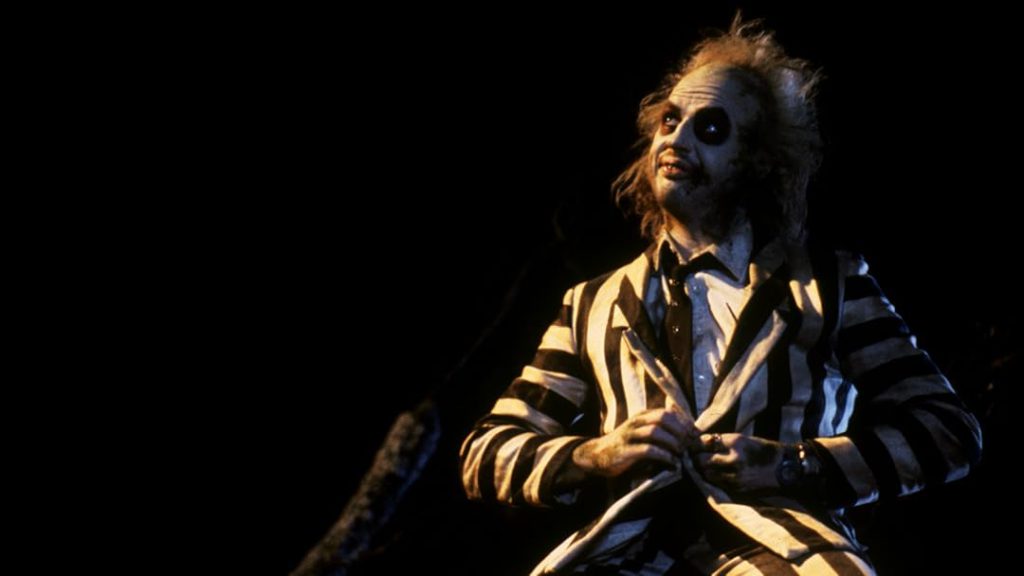
The afterlife janitor adds humor while expanding the supernatural bureaucracy concept. His brief appearances suggest that even death requires mundane maintenance, complete with mop buckets and administrative frustrations.
This character joins other bureaucratic elements that build on the original’s portrayal of death as an endlessly complicated system. Waiting rooms, paperwork, and now janitorial services—because apparently, nobody escapes office life, even in the afterlife. The question remains: is this Burton‘s most cynical joke yet?
4. The Model Town Chronicles Time Itself
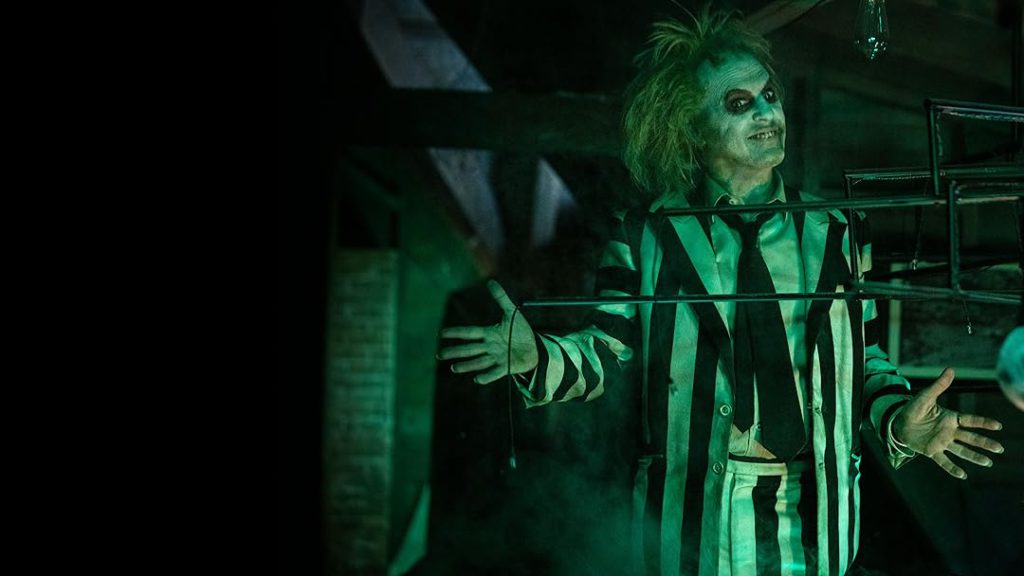
Burton transforms the iconic miniature Winter River into a living historical document. Each tiny building reflects 35 years of change—the Maitland Hardware store replaced by a corporate coffee chain, new developments sprawling where forests once stood.
The diorama doesn’t just sit there looking pretty. Sharp-eyed viewers will spot the miniature “For Sale” sign on the Maitland house, foreshadowing Lydia‘s inevitable return. Production notes reveal this attention to detail was intentional—Burton wanted the model to function as a time capsule, capturing how small-town America gets swallowed by progress. Urban planners often document how small towns evolve over decades, with small town development approaches offering insights that parallel the changes seen in Winter River’s miniature model.
5. Beetlejuice’s Human Heart
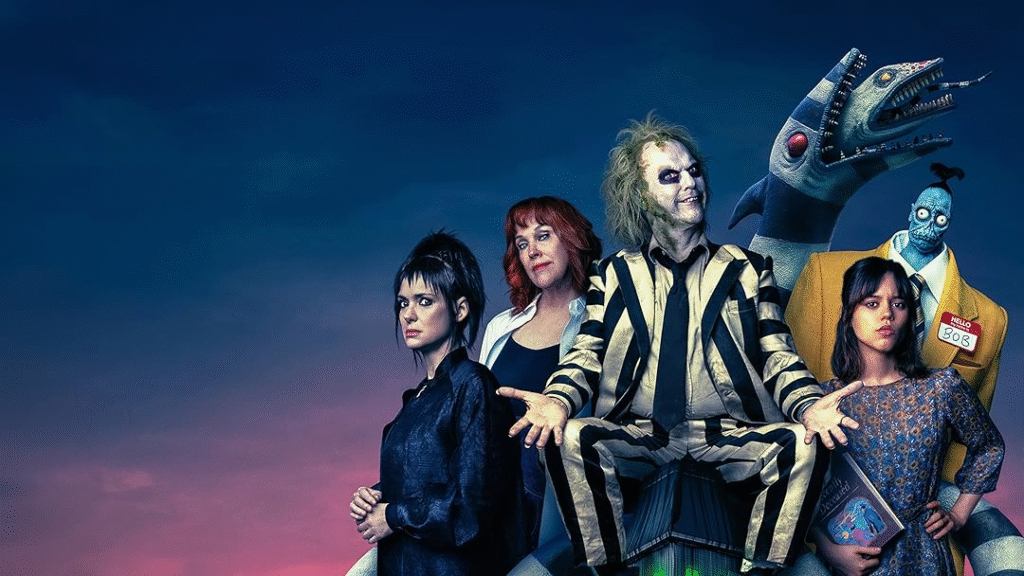
The sequel finally offers glimpses into Beetlejuice‘s pre-death existence, revealing the human behind the manic supernatural entity. These backstory fragments provide emotional context without overexplaining the character’s appeal.
Flashes of the person before the poltergeist add unexpected emotional depth to pure anarchic energy. The film transforms him from simple chaos agent to someone shaped by very human pain, making his manic behavior more understandable without diminishing its impact. But does knowing his origin story make Beetlejuice more sympathetic or less terrifying? In a recent Michael Keaton Beetlejuice interview, the actor discusses how returning to the role allowed him to explore new emotional territory for the character.
6. Jane Butterfield’s Small-Town Empire
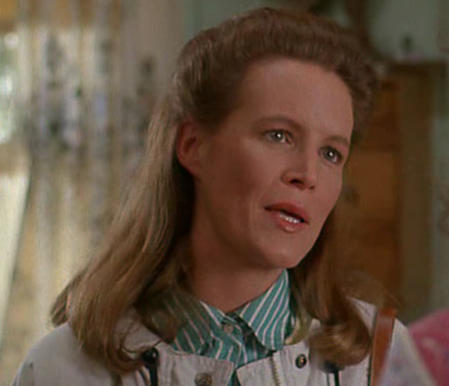
The transformation of realtor Jane Butterfield from minor character to Winter River power broker represents small-town commercialization perfectly. Her evolution mirrors how nostalgia itself becomes commodified.
Catherine O’Hara pulls double duty playing both Delia and Jane with distinct characterizations. The meta-commentary writes itself—actors in long-running franchises often find themselves playing multiple roles in the same universe they helped create. It’s like being the featured artist on your own remix.
7. Musical Theater Meets Afterlife
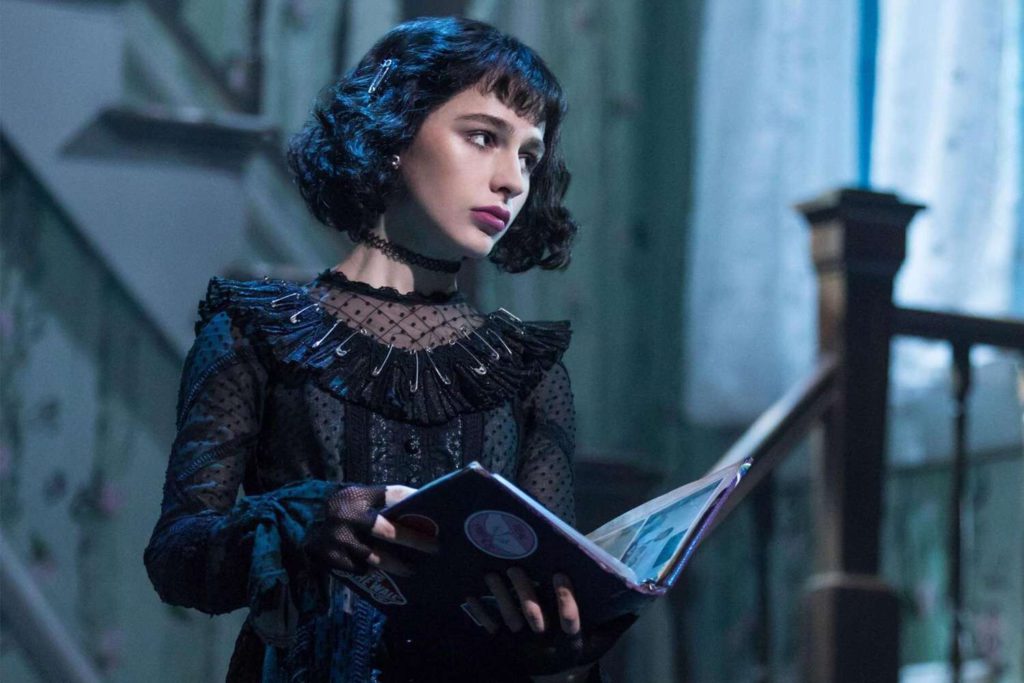
The sequel incorporates more musical elements than the original, particularly in afterlife sequences. Choreographed movements and expanded theatrical flourishes represent how the franchise has evolved during its screen absence.
These additions enhance supernatural world-building without overwhelming the core story. Like a DJ adding new elements to a classic beat, Burton layers musical components that add new dimensions to his storytelling approach while maintaining the essential rhythm that made the original work. The Beetlejuice Beetlejuice sound design article breaks down how musical sequences and effects were integrated to heighten the film’s supernatural energy.
8. Delia’s Art Evolution Speaks Volumes
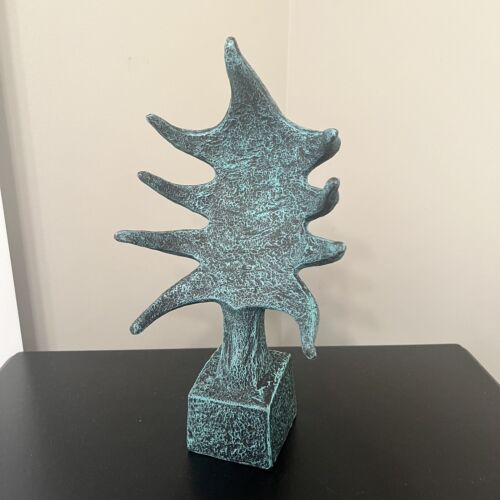
Catherine O’Hara‘s Delia has transformed from pretentious wannabe to celebrated sculptor. Her artwork appearing in Lydia‘s home signals a relationship shift that speaks louder than dialogue ever could, , and her hidden musical talents further showcase the depth of her creative contributions to both film and music..
What once represented Delia‘s self-absorption now bridges stepmother and daughter across decades. The sculpture’s presence suggests forgiveness, growth, and how shared trauma can sometimes heal old wounds. Art imitating life imitating art—like a remix that improves on the original track. For those unfamiliar with her extensive body of work, the Catherine O’Hara biography provides an overview of her career from sketch comedy to her celebrated role in Beetlejuice Beetlejuice.
9. Wedding Bells Ring Twice for Disaster
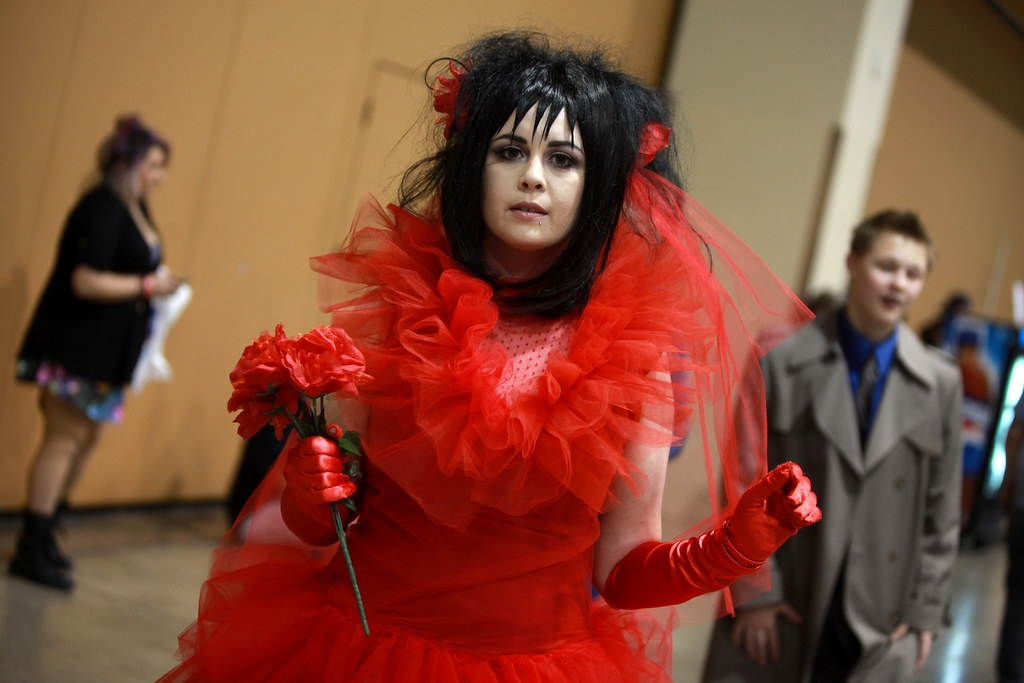
The sequel mirrors the original’s interrupted wedding while raising emotional stakes considerably. Where Lydia‘s first ceremony was a supernatural hostage situation, Astrid‘s celebration represents genuine joy crashing into family trauma.
This parallel showcases how the franchise has matured beyond simple horror-comedy. The wedding disaster plays like generational trauma repeating itself, with Astrid unknowingly stepping into her mother’s cursed footsteps. Same chaos, deeper wounds—but which wedding disaster hits harder emotionally?
10. Charles Gets His Perfect Exit
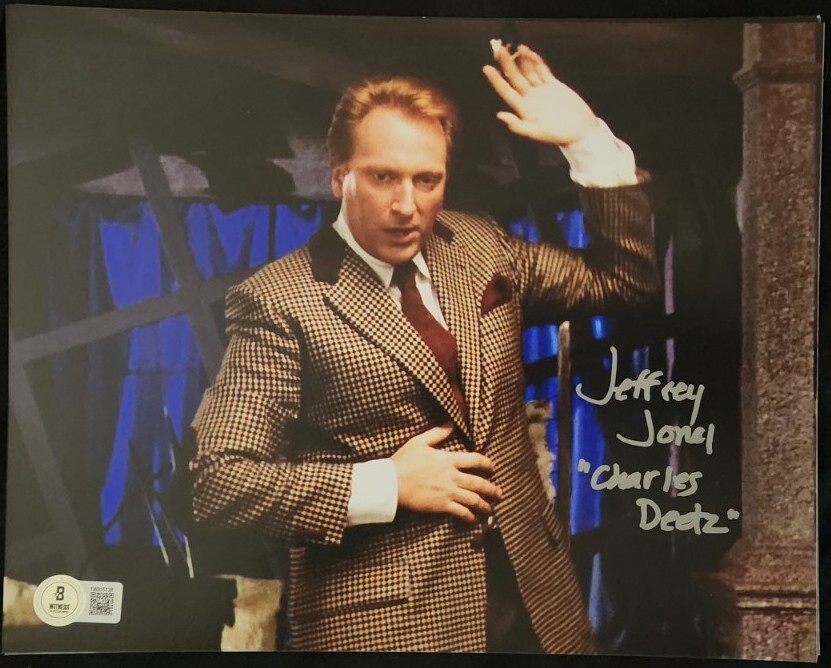
Death by relaxation isn’t just darkly comic—it’s character completion for a man whose entire arc centered on escaping stress. Charles finally achieves the peace he desperately sought in the original, only to have it literally kill him.
Addressing Jeffrey Jones‘ absence required creative solutions. Burton has previously stated his commitment to honoring character arcs over actor availability, and Charles‘ ending reflects this philosophy. The character gets closure that feels both tragically ironic and oddly appropriate—like a song that ends on exactly the right note. According to Beetlejuice Beetlejuice box office reports, the sequel surpassed the original’s earnings and drew both new and returning fans to theaters.