



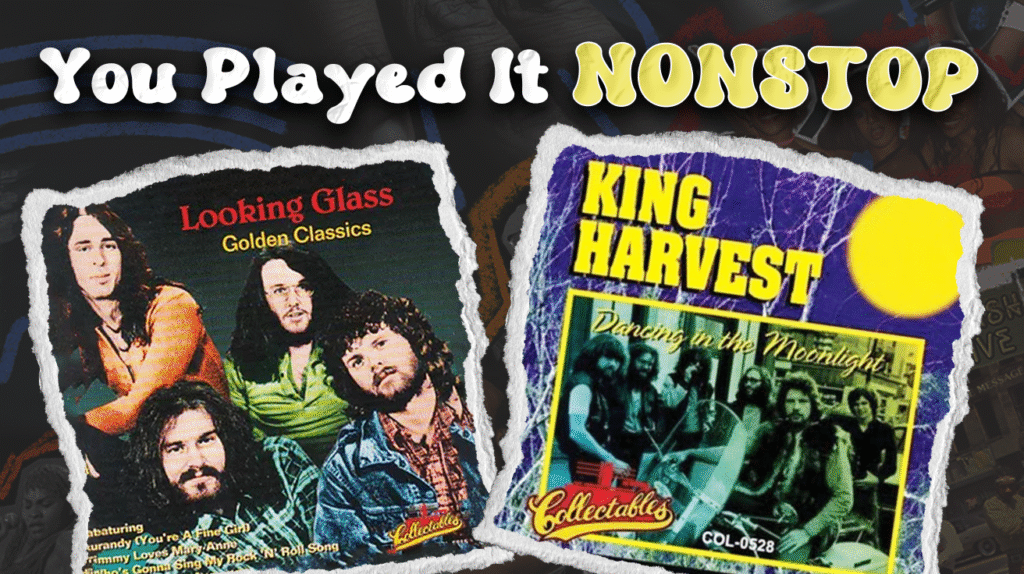
The early 1970s music scene was like that perfectly worn-in vintage concert tee you discover at a thrift store. Familiar yet somehow forgotten, carrying stories you can feel but can’t quite name. Between 1972 and 1973, artists briefly illuminated the airwaves with songs that captured lightning in a bottle. Then they disappeared back into the ether. These weren’t just random hits. They were sonic time capsules documenting a nation processing Vietnam fallout, sexual revolution, and the dying embers of ’60s idealism. These tracks have outlived their creators’ fifteen minutes of fame. They’ve become cultural artifacts that continue to resonate across generations.
10. Brandy (You’re a Fine Girl) – Looking Glass
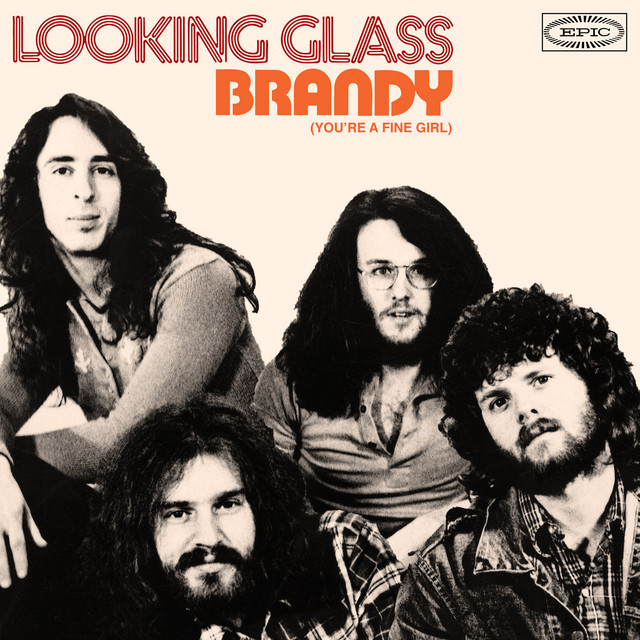
“Brandy” floats through speakers like a ghost story told in a seaside tavern. Elliot Lurie‘s bittersweet narrative about a harbor barmaid pining for a sailor married to the sea struck deep in 1972. It topped the Billboard Hot 100. The song’s genius lies in its deceptive simplicity. Beneath that instantly hummable melody lurks a surprisingly complex meditation on sacrifice and unrequited devotion.
The track’s enduring radio presence over five decades speaks volumes. It captures that universal feeling of loving someone who belongs somewhere else. In three minutes, Looking Glass created a character study more nuanced than most Netflix originals. Sometimes the most profound storytelling happens between the grooves of a 45.
9. Sunshine (Go Away Today) – Jonathan Edwards
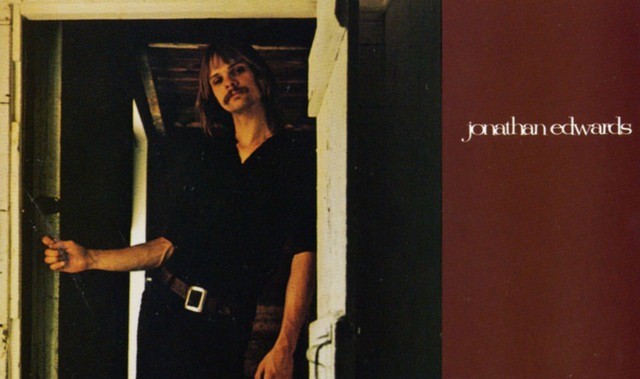
Edwards’ protest anthem wasn’t just a song. It was a collective eye-roll directed at authority figures during America’s most disillusioned era. Recorded as a last-minute album replacement when another track was accidentally erased, this happy accident rocketed to number four on Billboard in late 1971. It carried momentum well into 1972.
The track’s bouncy acoustic arrangement creates an almost comical contrast with its defiant lyrics. This juxtaposition perfectly captured the mood of a generation exhausted by Vietnam yet determined to find joy despite it all. Edwards never matched this commercial peak again. But he didn’t need to—he’d already crafted the perfect soundtrack for telling the establishment exactly where to go.
8. Layla – Derek and the Dominos
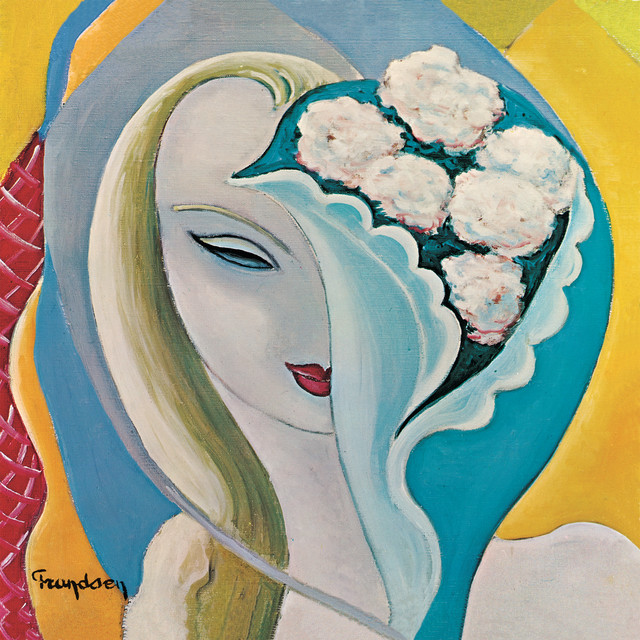
Few songs transform personal anguish into artistic triumph quite like “Layla.” This seven-minute epic emerged from Eric Clapton‘s tortured infatuation with George Harrison‘s wife, Pattie Boyd. The song’s structure feels like emotional whiplash. It opens with that urgent, desperate guitar riff before dissolving into its haunting piano coda.
Though recorded in 1970, its 1972 re-release finally connected with audiences. It reached number ten on Billboard. While Clapton went on to massive solo success, Derek and the Dominos remained a one-album wonder. The song stands as proof that sometimes the most transcendent art comes from the most uncomfortable places.
7. Nice to Be With You – Gallery
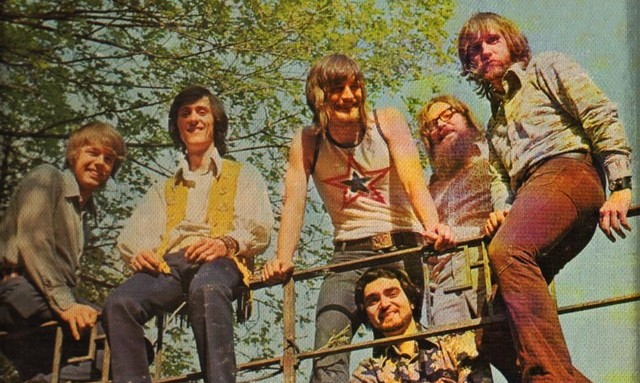
In a musical landscape increasingly dominated by social commentary and psychedelic experimentation, Gallery‘s “Nice to Be With You” arrived as refreshing simplicity. Detroit-based Gallery, led by Jim Gold, crafted a track that feels warm and uncomplicated. The song’s straightforward chorus and unabashed sweetness propelled it to number four on Billboard in 1972.
While critics might have dismissed it as lightweight, its enduring appeal lies precisely in its refusal to complicate matters. In a world of increasing complexity, Gallery offered the radical simplicity of uncomplicated joy. Something we’re still searching for on our playlists fifty years later.
6. Precious and Few – Climax
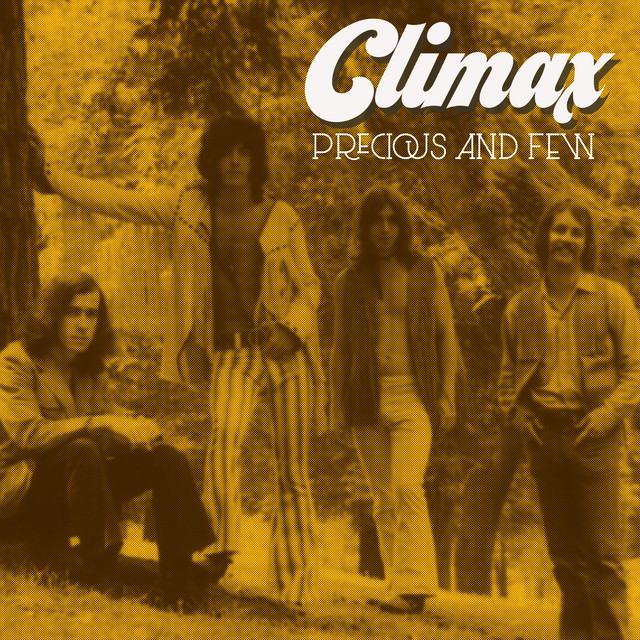
“Precious and Few” embodies the bittersweet reality of the one-hit wonder phenomenon. A perfect musical moment followed by commercial oblivion. Released in December 1971 and peaking in early 1972, this Walter D. Nims composition showcases Sonny Geraci‘s earnest vocals. The lush arrangement somehow manages to be both of its time and timeless.
By 1976, Climax had disbanded. They left behind just this single shimmering artifact. The song’s enduring presence in wedding playlists speaks to how effectively it captures the fragile nature of love. Something precious, few, and fleeting, much like the band’s career itself.
5. Hold Your Head Up – Argent
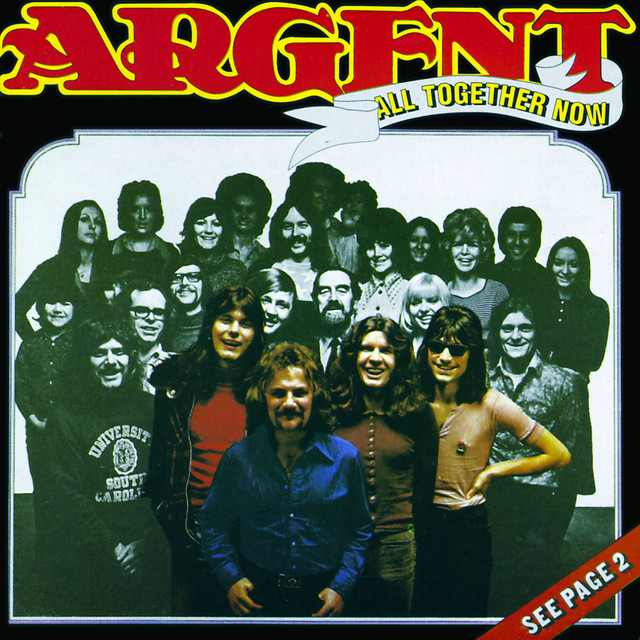
Some anthems begin as simple riffs before evolving into something transcendent. Rod Argent and Chris White‘s composition started as straightforward encouragement to a friend. It transformed into a universal rallying cry for dignity under pressure. The track’s Hammond B3 organ solo cuts through the mix with authority. It demands listeners’ attention even fifty years later.
Reaching number five in the US, “Hold Your Head Up” marked Argent‘s commercial peak. The band continued making music but never again connected with audiences on this level. Yet the song’s message of resilience continues to resonate with each new generation facing its own challenges.
4. Joy – Apollo 100
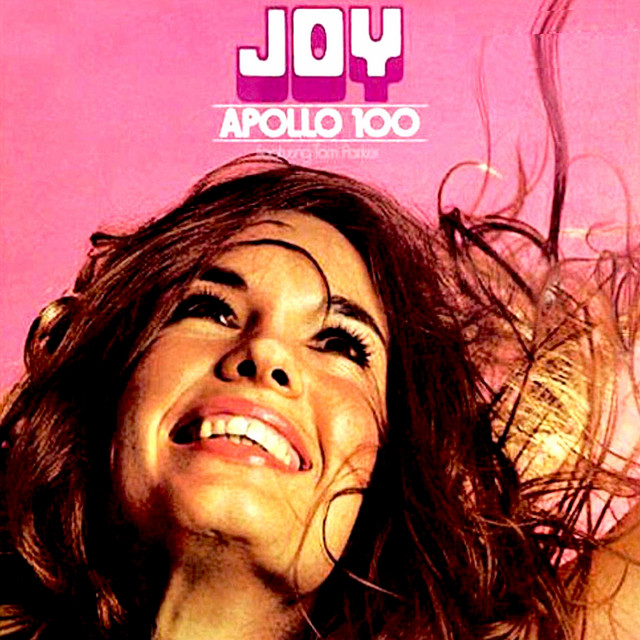
Before sampling became a cornerstone of modern music, Apollo 100 reimagined Bach’s “Jesu, Joy of Man’s Desiring” with innovative flair. Released in December 1971, this instrumental track by the British group gave Bach’s 1723 composition a contemporary makeover. It felt revolutionary rather than sacrilegious. The blend of piano and synthesizer reached number six on Billboard and number two on adult contemporary charts.
Apollo 100 never repeated this success. But their brief moment of brilliance demonstrated how musical traditions separated by centuries could speak to each other in surprisingly harmonious ways.
3. Beautiful Sunday – Daniel Boone
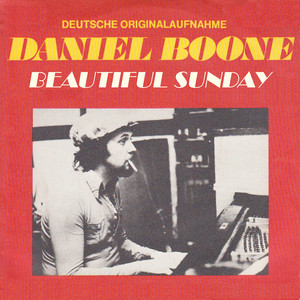
Some songs don’t aim for profundity. They simply bottle a feeling so effectively that listeners can uncork it whenever needed. “Beautiful Sunday,” released in February 1972, functions as musical sunshine. A three-minute escape into optimism during an era often characterized by cynicism. Daniel Boone (born Peter Lee Stirling) and Rod McQueen created a track that reached number 15 in America while becoming a global phenomenon.
The song’s straightforward celebration of life’s simple pleasures continues to resonate. Being with someone you love on a perfect day taps into universal experiences rather than specific cultural moments. Nothing fancy, just genuinely satisfying in a way that never really goes out of style.
2. Motorcycle Mama – Sailcat
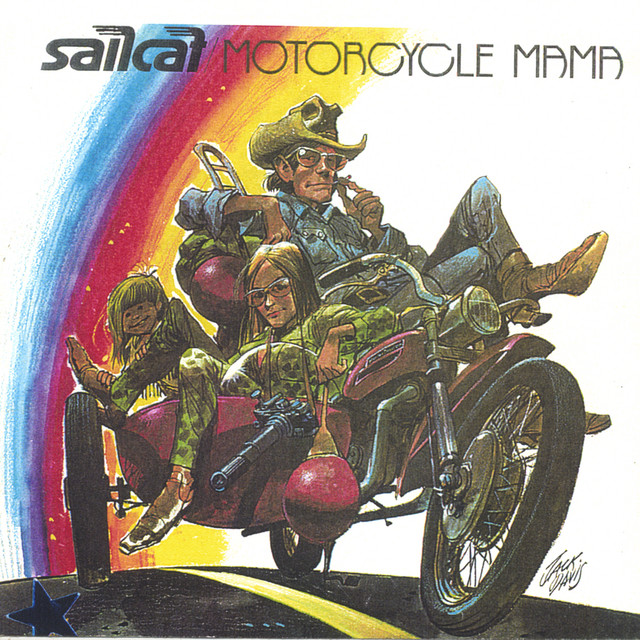
Rebel anthems rarely translate to mainstream success. But Sailcat defied expectations with this country-rock ode to freedom on two wheels. Released in April 1972, “Motorcycle Mama” roared to number 12 on both pop and adult contemporary charts. It captured the imagination of listeners who might never have straddled a Harley but could still appreciate the song’s celebration of untamed spirit.
The album cover illustrated by Mad Magazine artist Jack Davis helped cement the song’s place in pop culture. Today, music historians often cite “Motorcycle Mama” as the quintessential one-hit wonder. A perfect alignment of catchy hook, cultural moment, and commercial success that proved impossible to replicate.
1. Dancing in the Moonlight – King Harvest
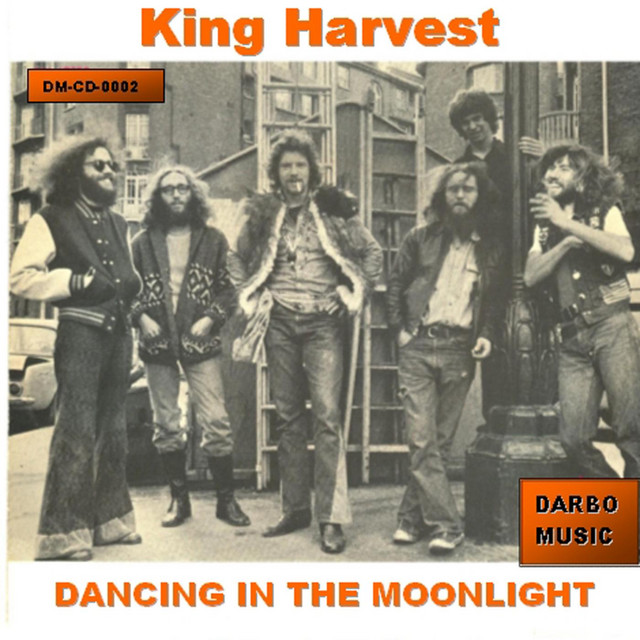
This effervescent 1973 hit captures the magical feeling of a perfect summer night where everything seems possible. Written by Sherman Kelly after recovering from a violent attack, the song transforms trauma into celebration. King Harvest’s version reached number 13 on Billboard after the band formed at Cornell University and refined their sound in Paris.
The track’s instantly recognizable piano intro and smooth vocals have made it a staple in films and television. Recent appearances in “Guardians of the Galaxy” and “The Umbrella Academy” prove that sometimes the right song just needs to wait for the right cultural moment to resurface.