



Promises wrapped in glossy packaging drain billions from consumers annually across the beauty and fashion industries. Your credit card takes repeated hits while bathroom drawers accumulate products delivering results barely above placebo levels.
Americans drop over $3,700 yearly chasing appearance transformations through emotionally manipulative marketing rather than scientific evidence. Celebrity endorsements and Instagram filters create artificial urgency around products that exploit aspirational psychology. Meanwhile, your skincare needs get buried under layers of expensive hope sold in premium bottles.
These financial traps disguised as beauty breakthroughs deserve serious scrutiny before your next purchase.
10. Influencer “Honest Reviews”: Paid Enthusiasm in Designer Disguise
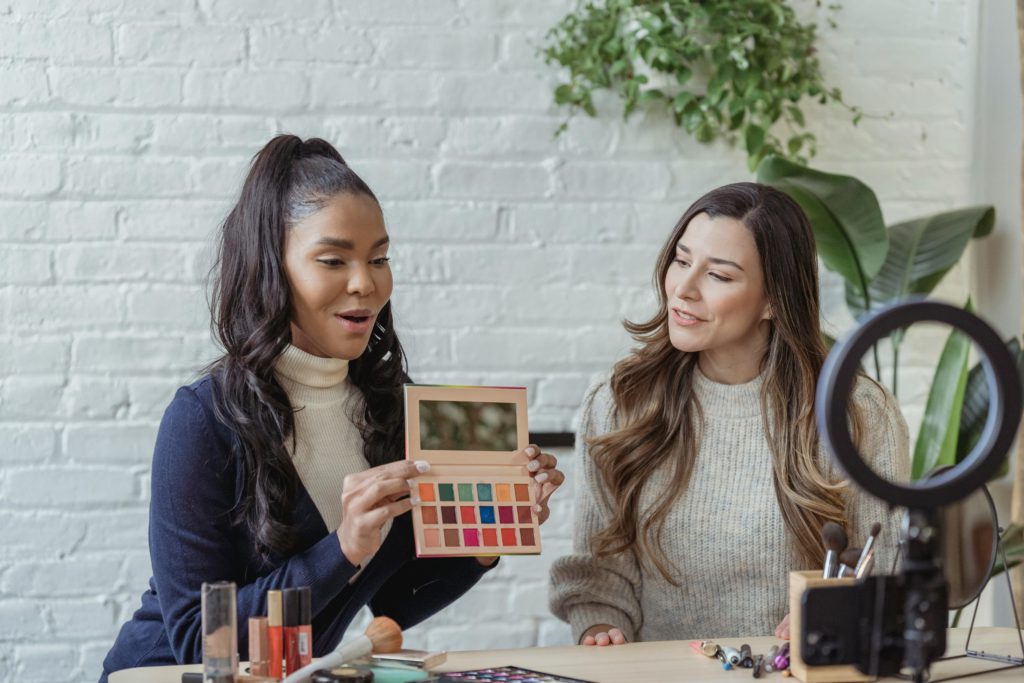
Financial arrangements between creators and brands remain conveniently hidden despite FTC disclosure requirements. Studies document widespread non-compliance with sponsorship transparency rules across social media platforms. The psychology proves devastatingly effective—authentic connections built over months get leveraged for seamless promotional integration.
Products magically perform better in sponsored content than in real-world applications. Suspiciously perfect lighting during demonstrations, oddly specific discount codes, and coordinated enthusiasm across multiple feeds signal undisclosed partnerships.
When your entire timeline simultaneously discovers identical “holy grail” products, skepticism should activate faster than algorithm manipulation. Celebrity controversies have repeatedly proven that star power can backfire, especially when endorsements are exposed as inauthentic or manipulative.
9. “Clean Beauty” Without Legal Standards: Marketing Wild West Territory
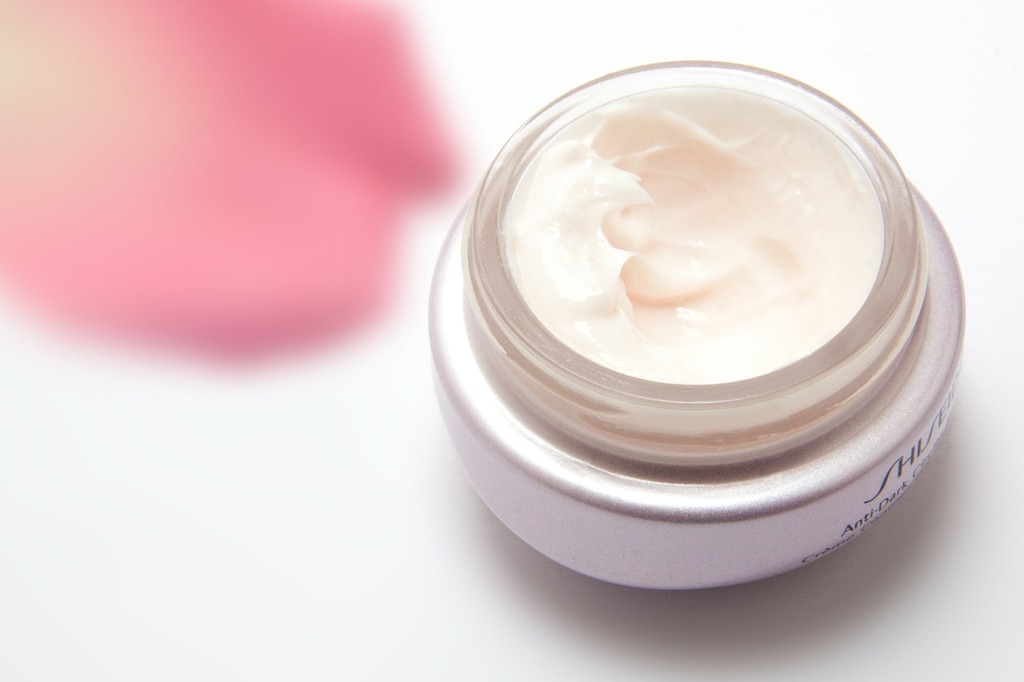
Regulatory vacuum allows brands to self-define “clean” while charging 25-50% premiums over conventional alternatives. Companies freely exclude ingredients based on trending fears rather than scientific evidence. This creates false security that potentially steers consumers away from effective, thoroughly tested formulations.
Natural doesn’t automatically mean safer—some “clean” products contain botanical irritants like essential oils, causing more reactions than synthetic ingredients they replace. Marketing exploits chemophobia while ingredient lists tell different stories. Understanding personal skin triggers matters more than trusting undefined marketing terminology.
8. Multi-Level Marketing Fashion: The LulaRoe Reality Check Continues

Hopeful entrepreneurs still fall for fashion MLM schemes despite documented disasters like LulaRoe’s spectacular collapse. Initial inventory investments of $5,000-10,000 promised financial freedom through legging sales that never materialized for 99% of participants. Internal documents exposed systematic deception, including damaged merchandise shipments and impossible sales quotas.
Recruitment drives these business models rather than genuine retail success, creating mathematically unsustainable pyramid structures. Legal settlements revealed predatory practices targeting vulnerable populations seeking flexible income opportunities.
Many of these schemes will be fashion fads you won’t remember, proving how quickly trends—and investments—can vanish. Calculate true startup costs, examine revenue sources beyond recruitment, and interview former participants before risking financial stability.
7. Detox Teas: Laxatives Wearing Instagram Makeup

Harsh stimulant laxatives like senna leaf disguise themselves as wellness solutions in the $188 million detox tea market. These formulations cause cramping, digestive distress, and potential dependency with regular use. Celebrity transformations showcase temporary water weight loss rather than sustainable health improvements.
Your liver and kidneys handle detoxification perfectly without expensive herbal intervention. Marketing exploits post-pandemic health anxiety while delivering bathroom emergencies instead of glowing skin. Consistent hydration paired with evidence-based nutrition outperforms any trendy tea blend without the digestive drama.
6. Blue Light Protection Skincare: Digital Anxiety Meets Profit Margins

Screen time increases during pandemic lockdowns created perfect conditions for the blue light skincare market explosion, projected to reach $1.5 billion by 2025. These specialized formulations command 20-40% premiums over comparable products without blue light claims. Research consistently demonstrates that device emissions pale compared to natural sunlight exposure levels.
No conclusive evidence links minimal device blue light to significant skin damage under normal usage conditions. Standard antioxidant ingredients and daily sunscreen address potential concerns more cost-effectively than specialized products. The marketing preys on digital lifestyle fears rather than scientific necessity, like selling umbrellas for indoor lighting.
5. Sustainability Claims in Fast Fashion: Eco-Theater With Designer Costumes

Environmental terminology increasingly decorates fast fashion marketing while core business practices remain unchanged. H&M’s Conscious Collection and similar initiatives represent minimal percentages of total production while creating halo effects for entire corporate brands. Marketing highlights recycled materials without providing verifiable metrics or independent certification.
These same companies produce billions of garments annually, contributing to 92 million tons of yearly textile waste. Specific, measurable data beats vague sustainability terminology every time. Organizations like Global Organic Textile Standard (GOTS) and B Corp provide more reliable environmental indicators than corporate self-reporting. The most sustainable garment stays in your closet longer.
4. Cellulite-Eliminating Creams: Surface Solutions for Structural Realities
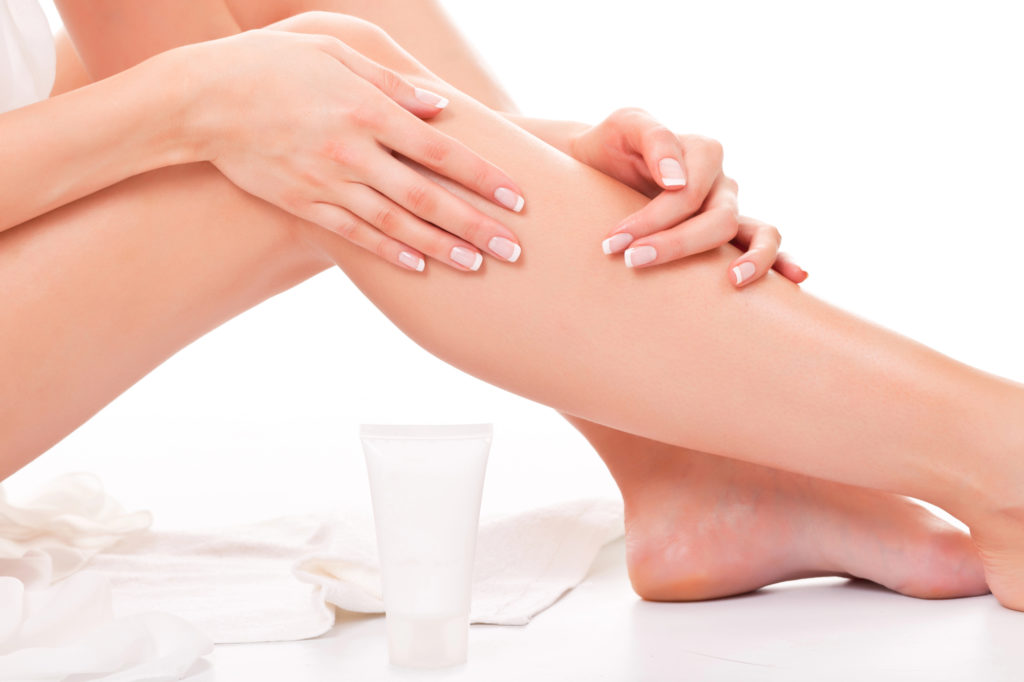
Normal fat architecture beneath skin creates the appearance affecting 90% of women, yet the $1.4 billion cellulite treatment market sells topical solutions for structural characteristics. These products typically cost $30-80 while delivering temporary surface effects through circulation manipulation or swelling.
Marketing imagery strategically features models naturally lacking cellulite or relies on heavily edited photography, creating impossible standards. Effects disappear within hours of application because creams cannot address the underlying tissue architecture. Professional treatments like laser therapy or subcision target structural causes, though cellulite remains completely normal regardless of intervention choices.
3. 24 Karat Gold Beauty Products: Expensive Glitter for Your Face
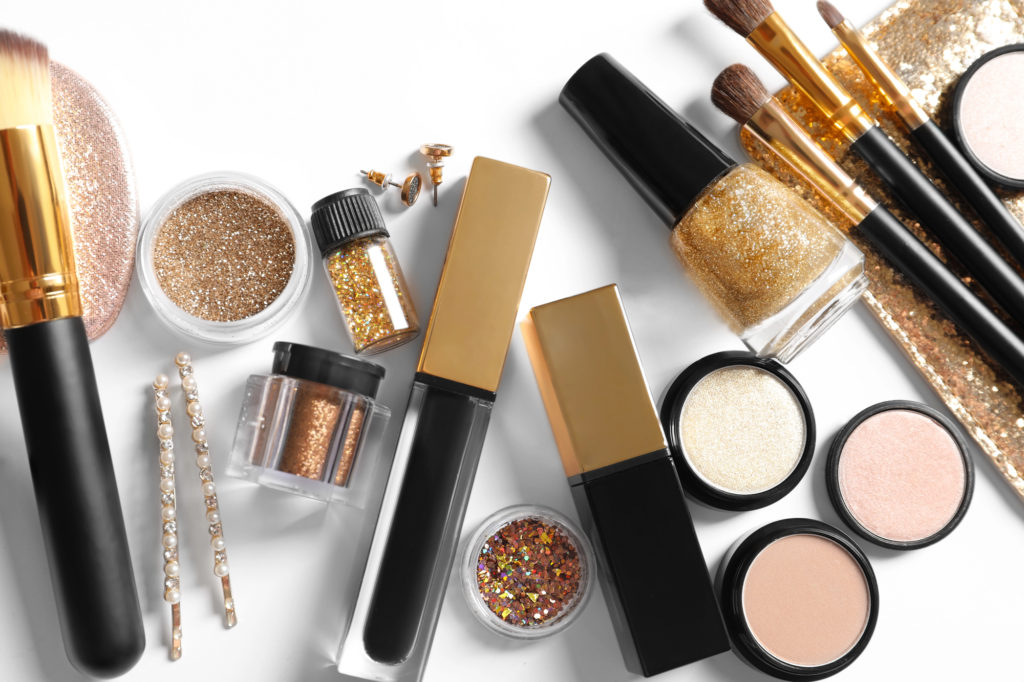
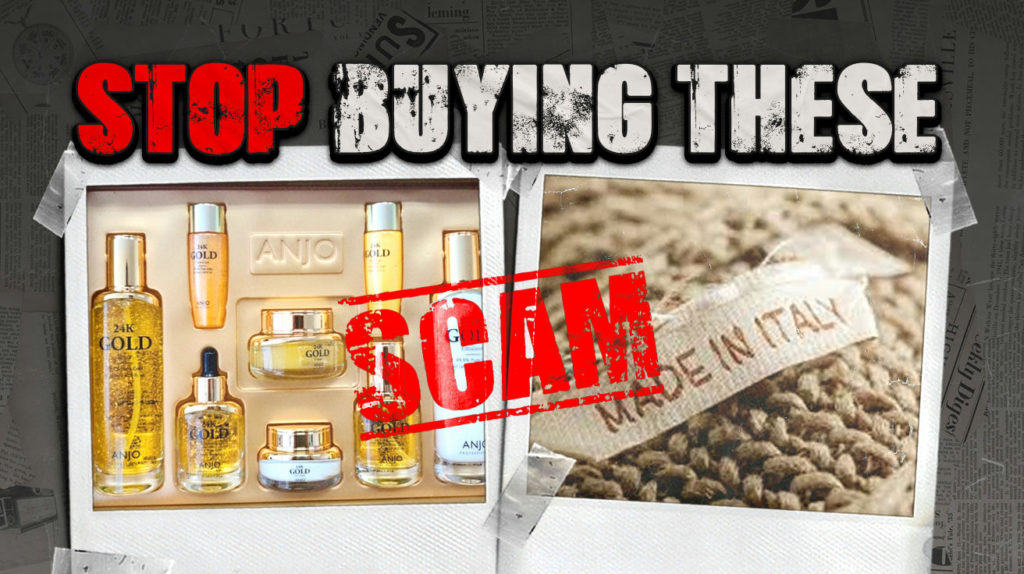
Microscopic gold particles justify $300+ price tags on serums delivering zero proven benefits beyond standard vitamin C or niacinamide formulations. Dermatologists consistently confirm that these shimmering additions offer no unique advantages over established ingredients costing fractions of the premium. Some studies even suggest gold nanoparticles may trigger skin irritation in sensitive users.
Ingredient lists reveal the deception when “gold” appears after preservatives, placement indicating trace amounts added purely for marketing appeal. Your skin responds identically to affordable alternatives containing proven actives. The sparkle factor creates psychological satisfaction that manufacturers monetize ruthlessly.
2. “Made in Italy” Label Fraud: Geographical Theater Performance
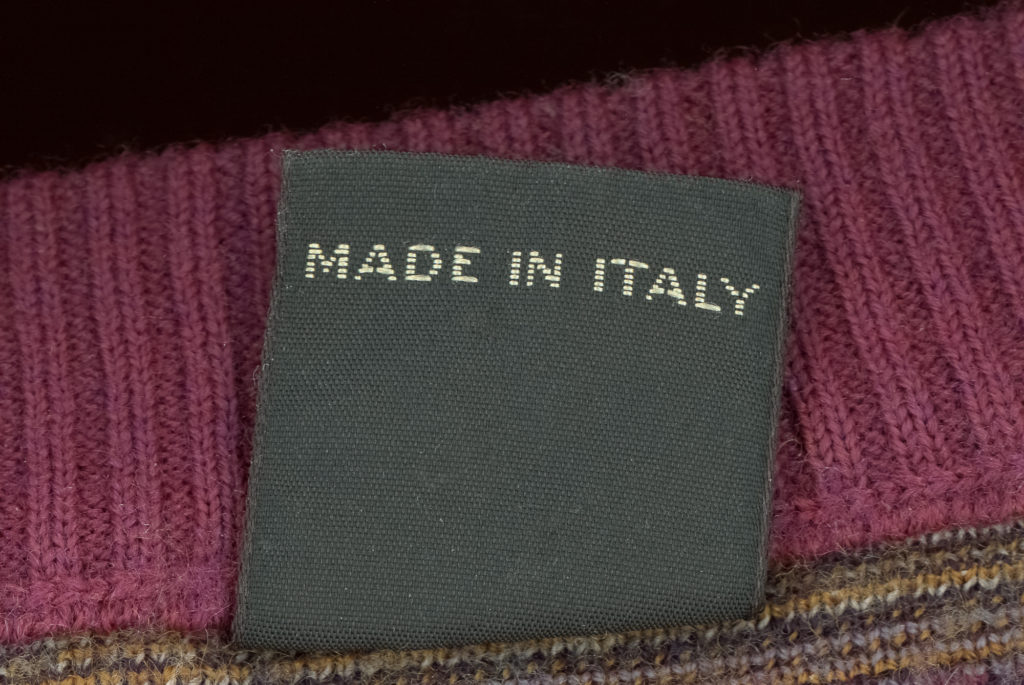
Premium pricing based on prestigious manufacturing locations often conceals globalized production realities. Italian authorities uncovered over $34 million in falsely labeled merchandise merely finished or packaged domestically after overseas assembly. Luxury brands exploit regulatory loopholes allowing products manufactured in lower-cost countries to carry coveted European designations.
Handbags assembled in China receive final stitching in Italy before commanding 30-40% price premiums based on perceived craftsmanship. Factory-specific transparency and third-party labor certifications provide more reliable quality indicators than geographical marketing claims. Smart consumers dig deeper than surface-level country labels.
1. Collagen-Boosting Creams: Molecular Science Meets Marketing Fantasy

Large protein molecules cannot penetrate skin barriers when applied topically, making expensive collagen creams as effective as painting houses by spreading color on rooftops. The $4.7 billion market capitalizes on widespread misunderstanding of basic dermatological science. These formulations typically cost $50-150 while delivering minimal benefits beyond basic moisturization.
Topical collagen molecules remain stranded on skin surfaces until washing removes them along with your investment. Proven collagen stimulators like retinoids, peptides, and vitamin C provide measurable results through different mechanisms. Protecting existing collagen through consistent sunscreen offers more bang for significantly fewer bucks.