



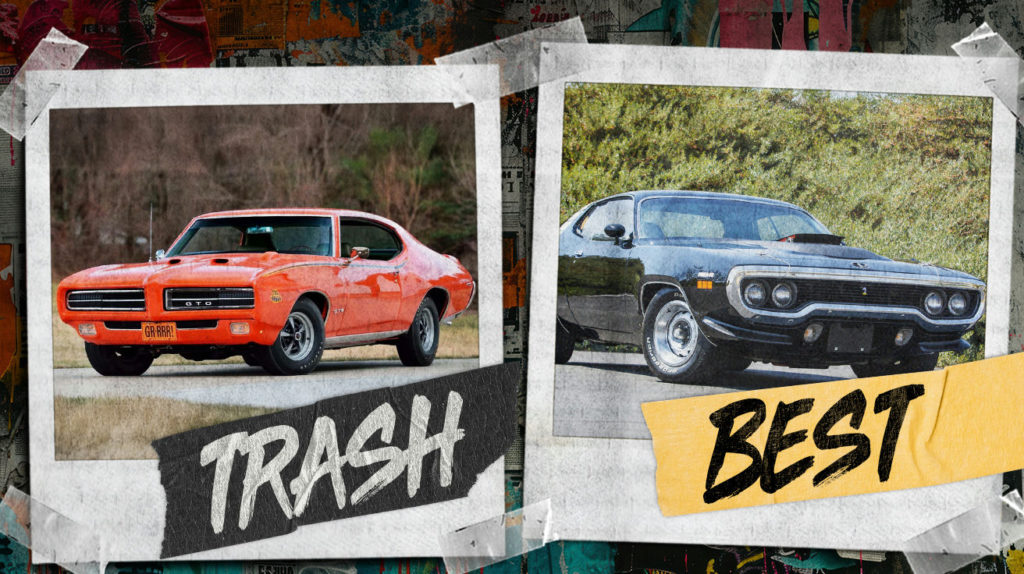
Think you know muscle cars? Think again. The American muscle era spawned legends and left behind expensive mistakes disguised as classics. Some of these beasts will drain your wallet faster than premium gas, while others might actually be worth the hype. This guide cuts through the marketing fluff to reveal which vintage powerhouses deserve your hard-earned cash and which ones are better left rusting in someone else’s garage like the automotive equivalent of NFTs—overhyped and overpriced.
6. (Worst) 1969 Pontiac GTO Judge [Interior]
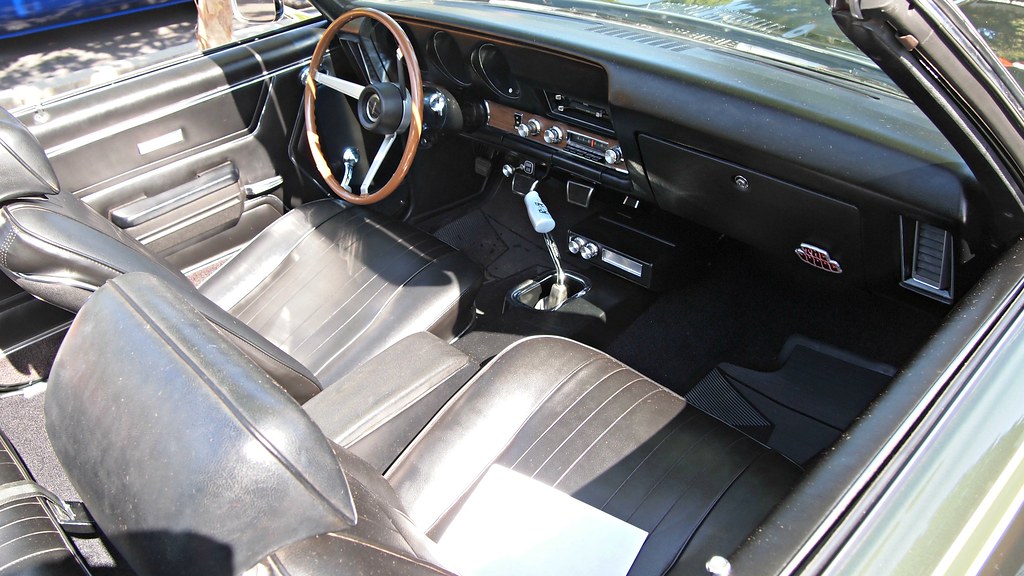
The cabin screams budget rental car, not muscle machine. Cheap plastics and basic gauges remind you this shares DNA with the Pinto—it’s giving “grocery store clearance section” energy. The seats offer minimal support for anything resembling spirited driving.
(Worst) 1969 Pontiac GTO Judge [Exterior]
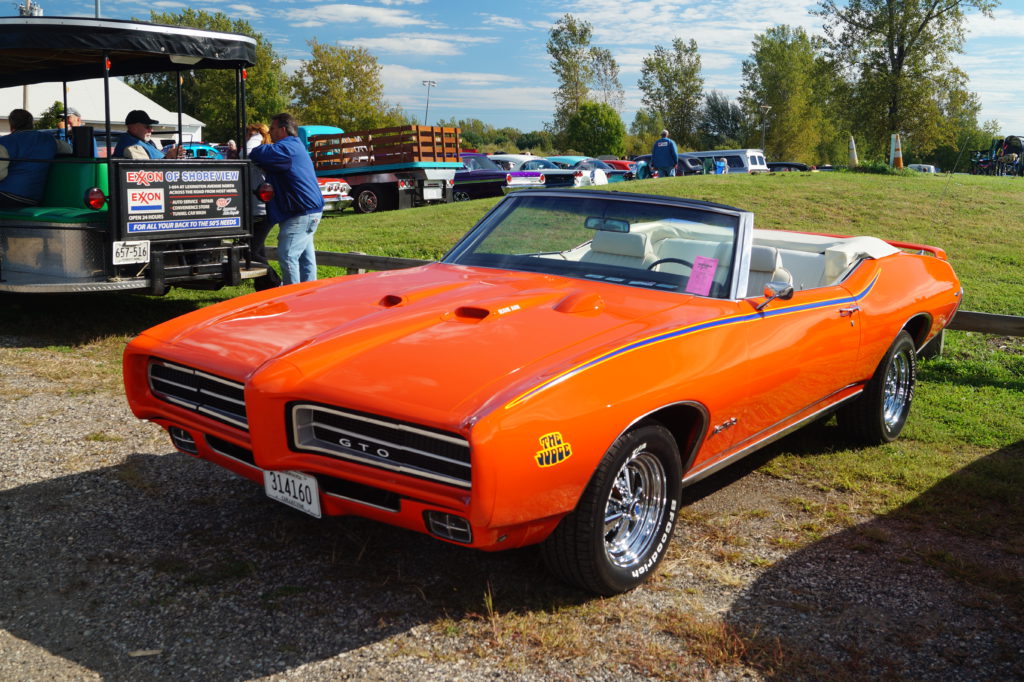
Ghia’s Italian influence created proportions more awkward than a middle school dance. The shorter stance and rounded edges stripped away Mustang’s aggressive character completely. This car is the automotive equivalent of Taylor Swift’s 2016 Met Gala look—technically present, but nobody talks about it.
5. (Worst) 1978 Dodge Challenger [Interior]
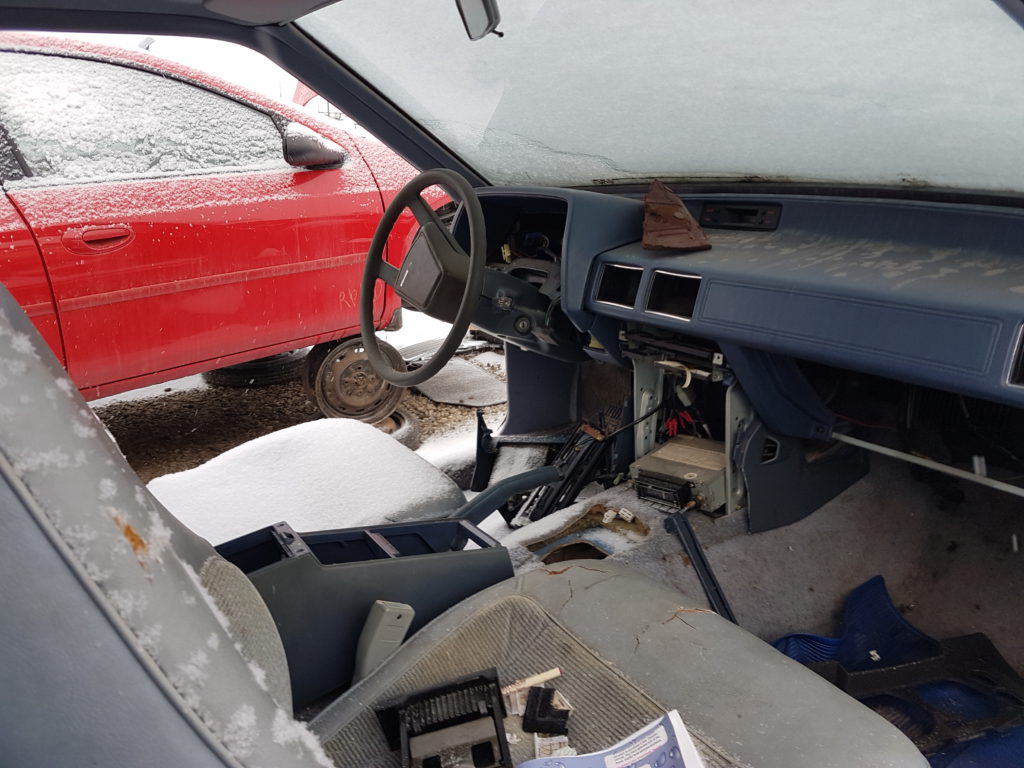
Tan vinyl seats with plaid inserts scream “discount rental fleet from 1978.” The dashboard feels more Mitsubishi than Mopar muscle because that’s literally what it is. Walking into this cabin is like ordering a Big Mac and getting a rice cake instead.
(Worst) 1978 Dodge Challenger [Exterior]
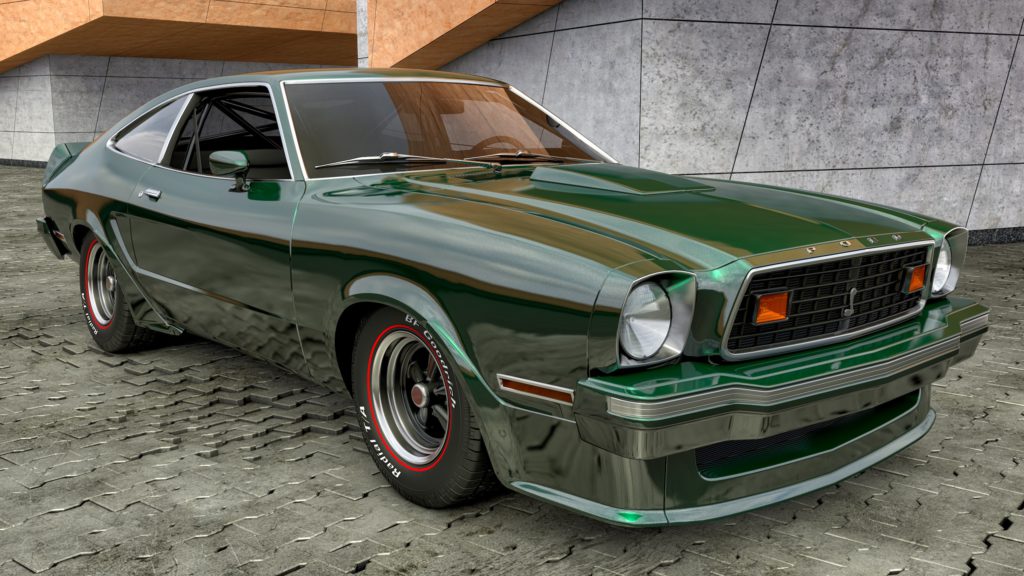
The pillarless hardtop design offers the only visual appeal here, but even that can’t save it. Compact proportions and restrained styling lack any muscle car aggression whatsoever. This thing has all the street presence of a Honda Civic wearing a fake mustache.
4. (Worst) 1980 Pontiac Firebird TransAm Turbo [Interior]
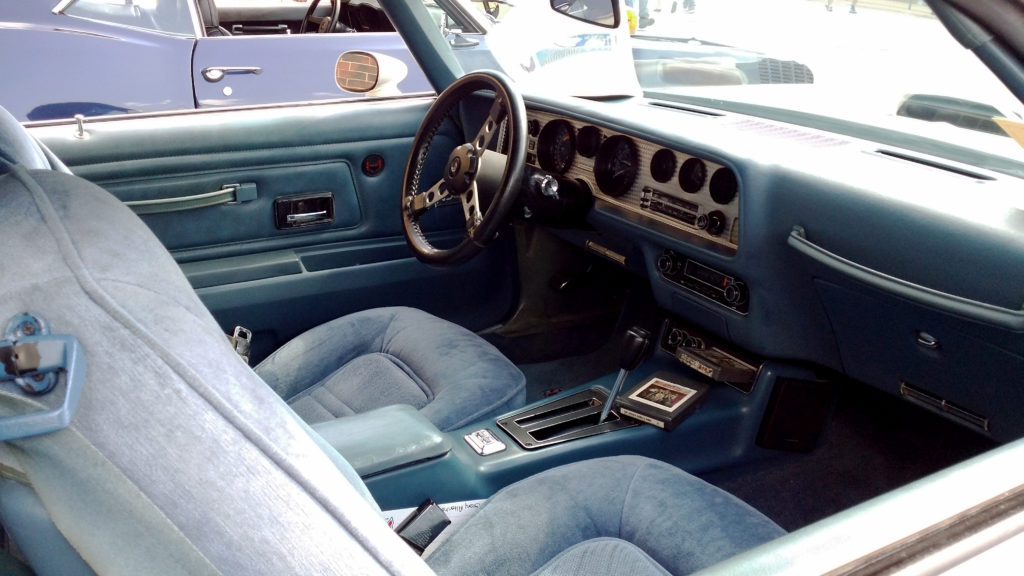
The cabin retains TransAm’s sporty character with bucket seats and performance gauges that promise more than they deliver. Turbo-specific badges remind you of the engine’s forced induction, like participation trophies for trying. Cheap 1980s plastics age about as well as a TikTok dance trend.
(Worst) 1980 Pontiac Firebird TransAm Turbo [Exterior]
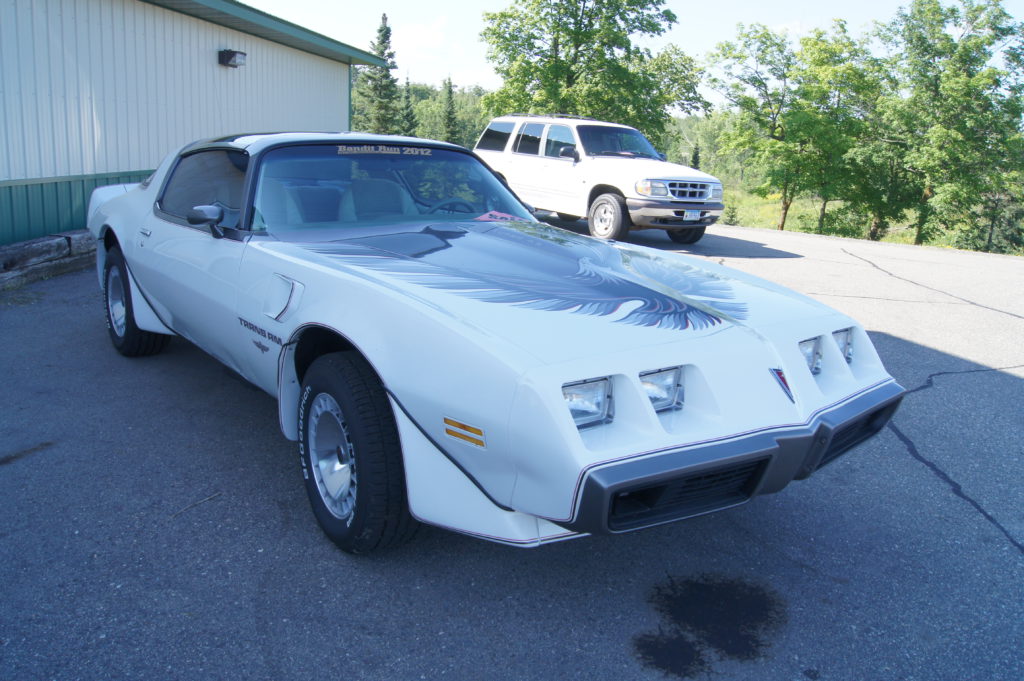
The screaming chicken graphics still turn heads, but mostly in confusion about the performance mismatch underneath. Hood scoops and “Turbo” badging announce forced induction that feels more farced than forced. “This car looks fast but isn’t”—classic 1980s false advertising in metal form.
3. (Worst) 1975 AMC Matador X [Interior]
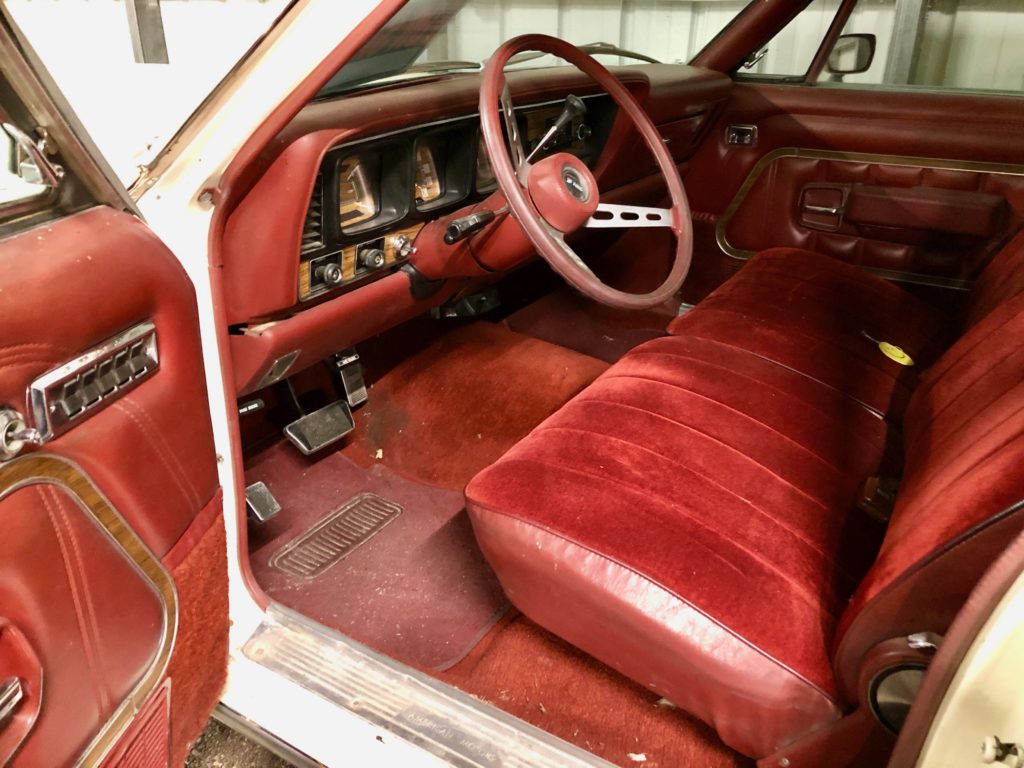
Overstyled dashboard and cheap materials create an uncomfortable driving environment inside the AMC Matador X. Poor ventilation and outdated seats make long drives miserable. The “X” trim adds sporty touches that can’t disguise fundamental comfort and quality issues.
(Worst) 1975 AMC Matador X [Exterior]
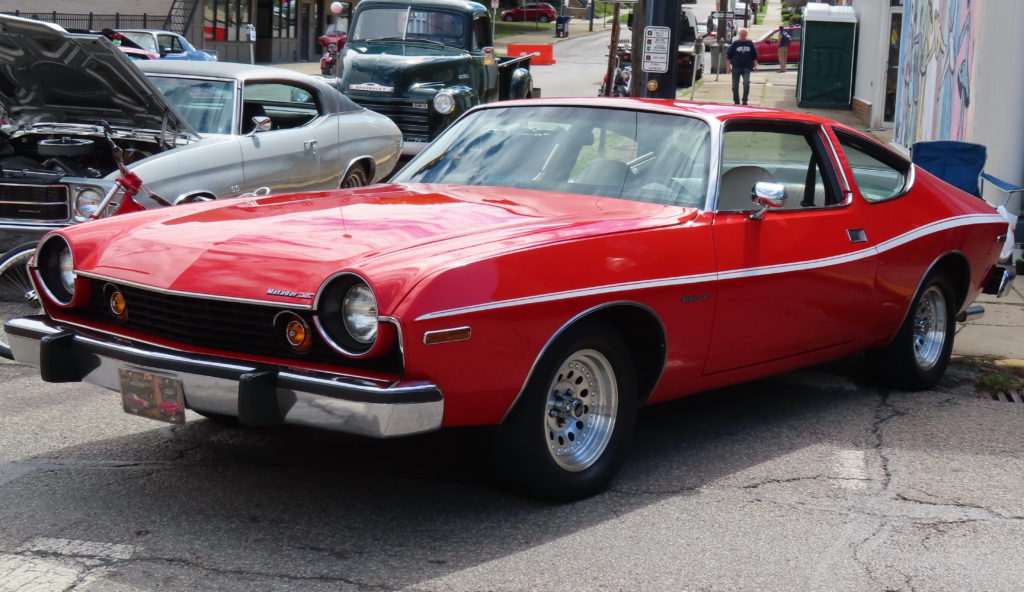
Bold, polarizing styling either attracts or repels potential buyers instantly. Distinctive curves and unique proportions set it apart from competitors. However, questionable design choices and AMC’s budget limitations show in panel gaps and trim quality.
2. (Worst) 1982 Chevrolet Camaro Iron Duke [Interior]
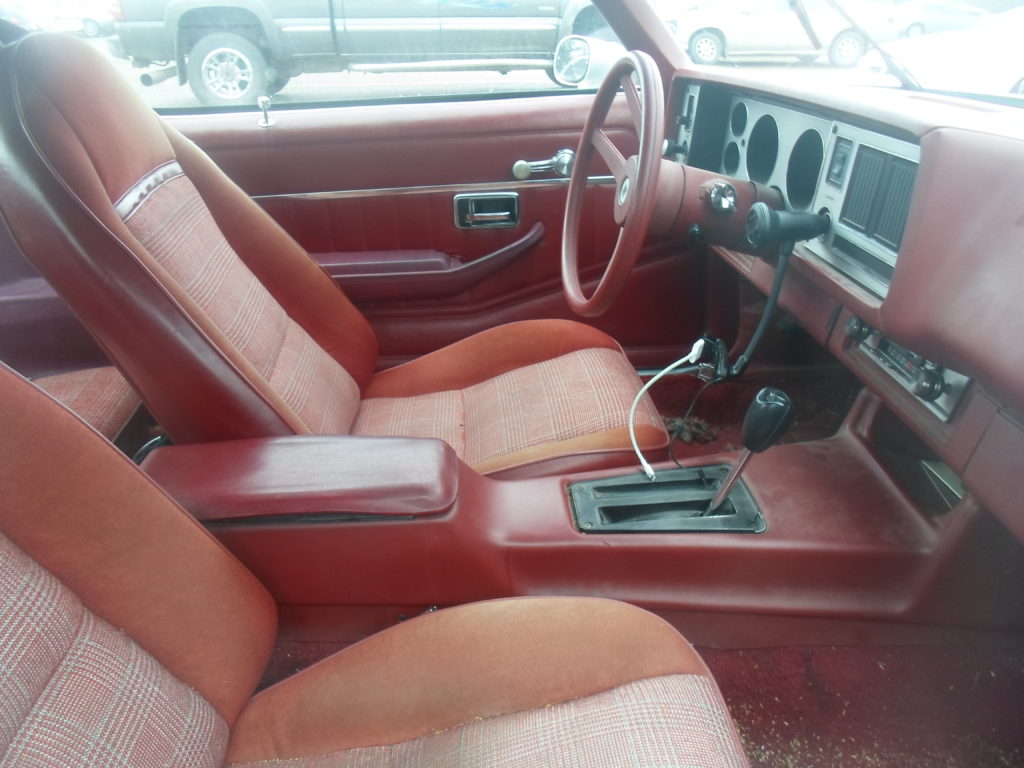
The cabin maintains Camaro’s sporty appearance with bucket seats that can’t hide the shame underneath. Basic instrumentation and cheap materials betray the economy engine setup completely. It’s like wearing a three-piece suit to deliver pizza—the outfit doesn’t match the job.
(Worst) 1982 Chevrolet Camaro Iron Duke [Exterior]
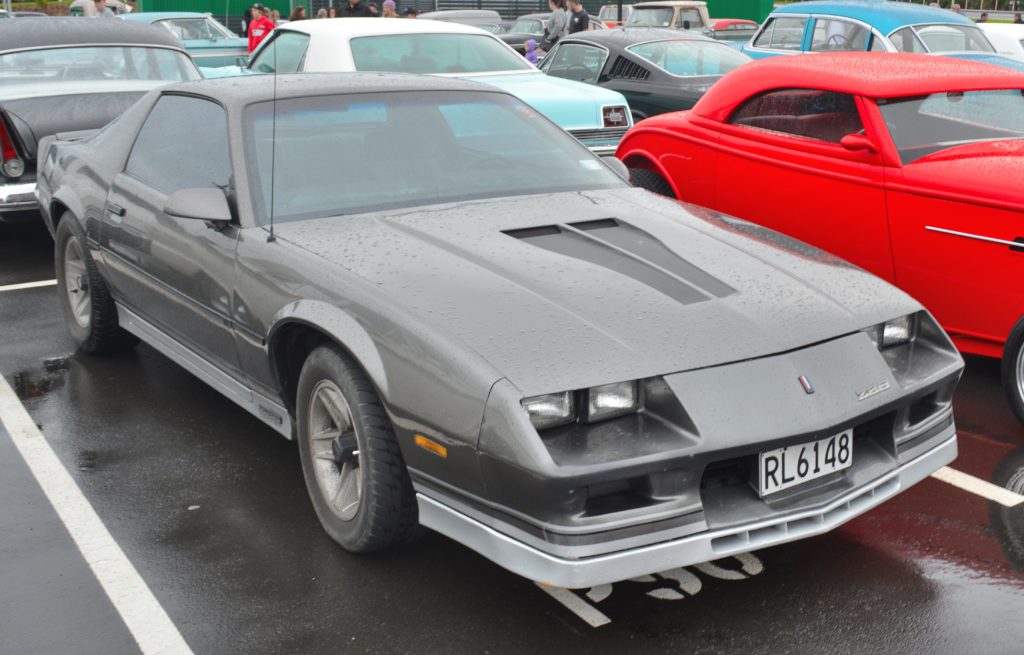
Third-generation Camaro styling remains attractive with clean lines that deserve a better engine. The wedge-shaped profile creates visual drama that the drivetrain immediately undermines. “When your car looks like it bench presses but actually does yoga”—peak 1982 disappointment. Some so-called muscle cars promised performance but delivered disappointment—yet others from the same decade flew under the radar with surprising power. If you’re curious about hidden gems, discover 8 unknown sleeper cars of the 1970s that packed real punch.
1. (Worst) 1974 Plymouth Duster 360 [Interior]
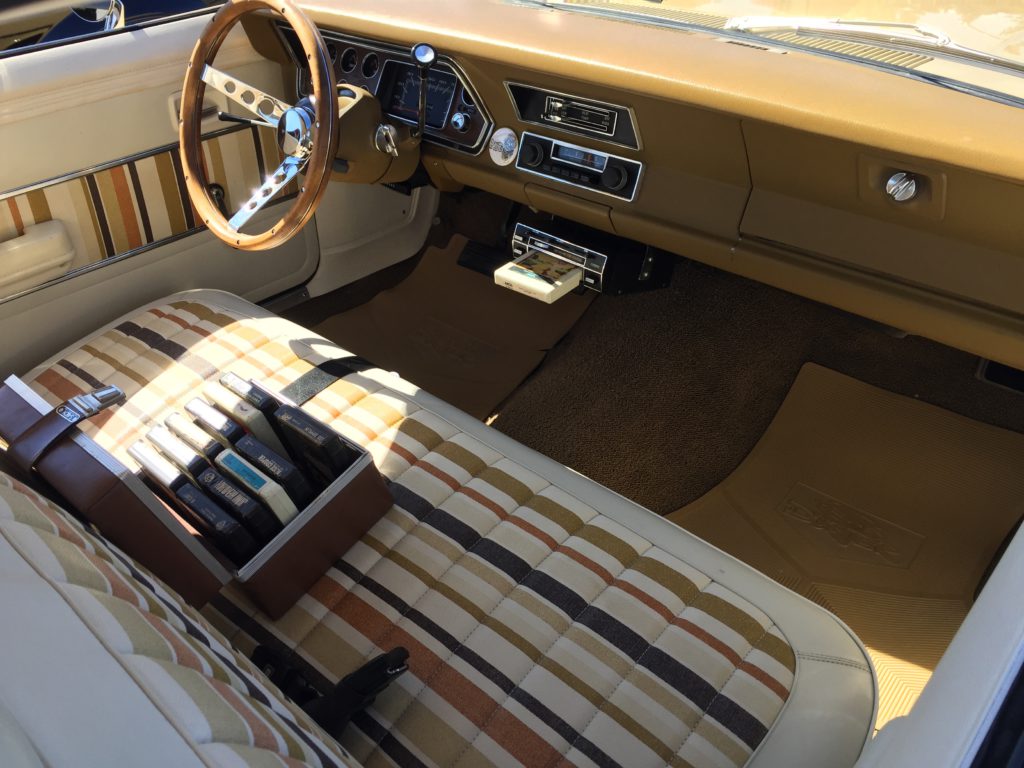
Basic, budget-oriented cabin reflects the car’s economy roots despite V8 power. Simple dashboard layout and minimal amenities keep costs down. The seats and materials feel cheap, but at least they’re honest about priorities.
(Worst) 1974 Plymouth Duster 360 [Exterior]
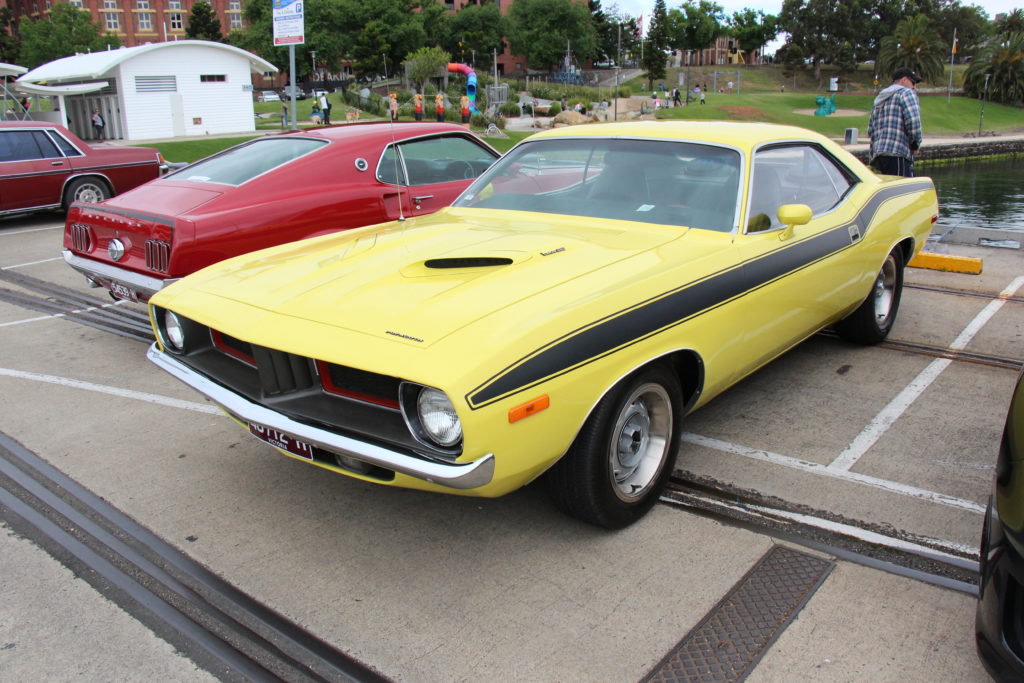
Side stripes and Rally wheels add visual interest to the compact A-body platform. The aggressive stance hints at V8 power underneath. However, emissions-era bumpers and restrained styling lack the raw aggression of earlier muscle cars.
7. (Best) 1971 Mercury Cougar XR7 [Interior]
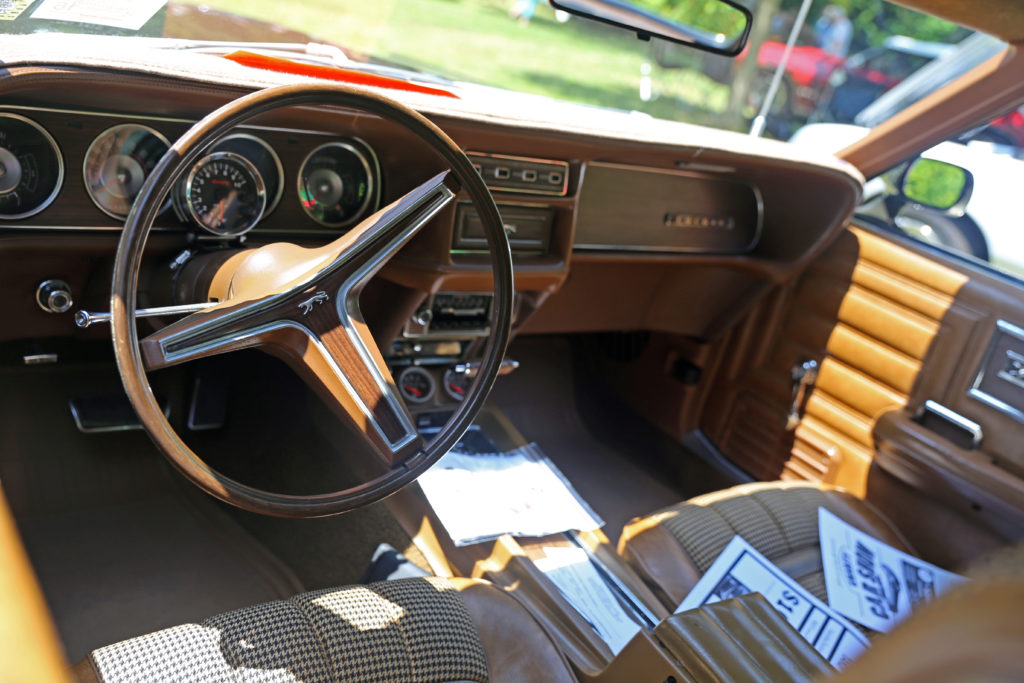
Luxury appointments include wood accents and premium seats that aimed upmarket from Mustang. However, cracked steering wheels and loose shoulder straps plague aging examples. The interior promises refinement but delivers restoration headaches.
(Best) 1971 Mercury Cougar XR7 [Exterior]
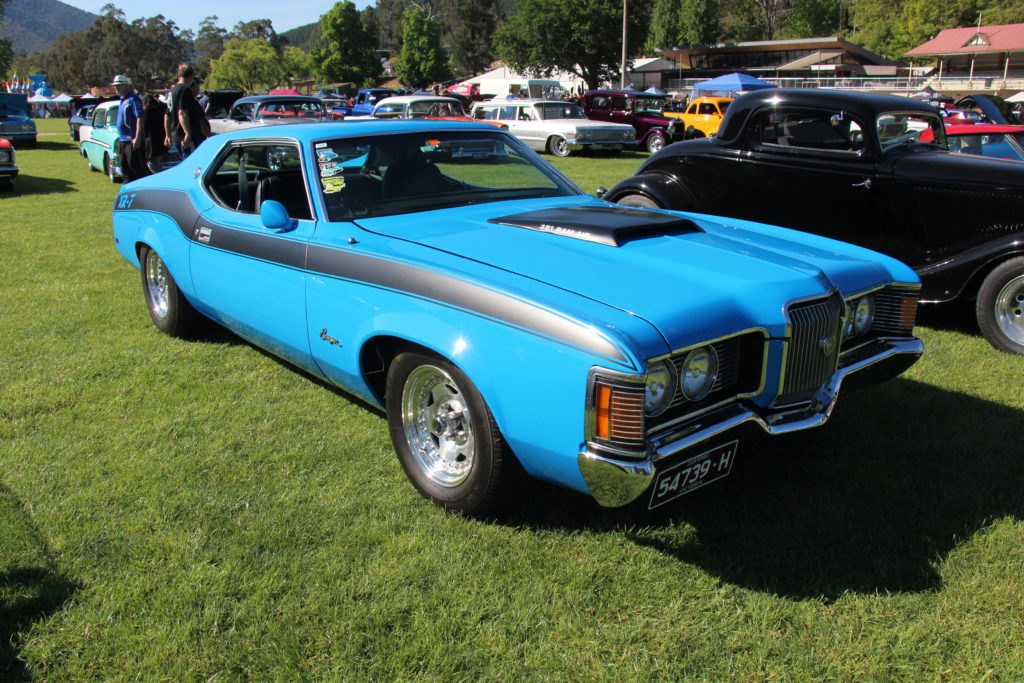
Hidden headlights and chrome details create distinctive, European-inspired styling that stands apart from Mustang. However, rust around emblems and misaligned body panels reveal quality control issues. The design aged better than build quality.
6. (Best) 1969 Dodge Charger RT Hemi [Interior]
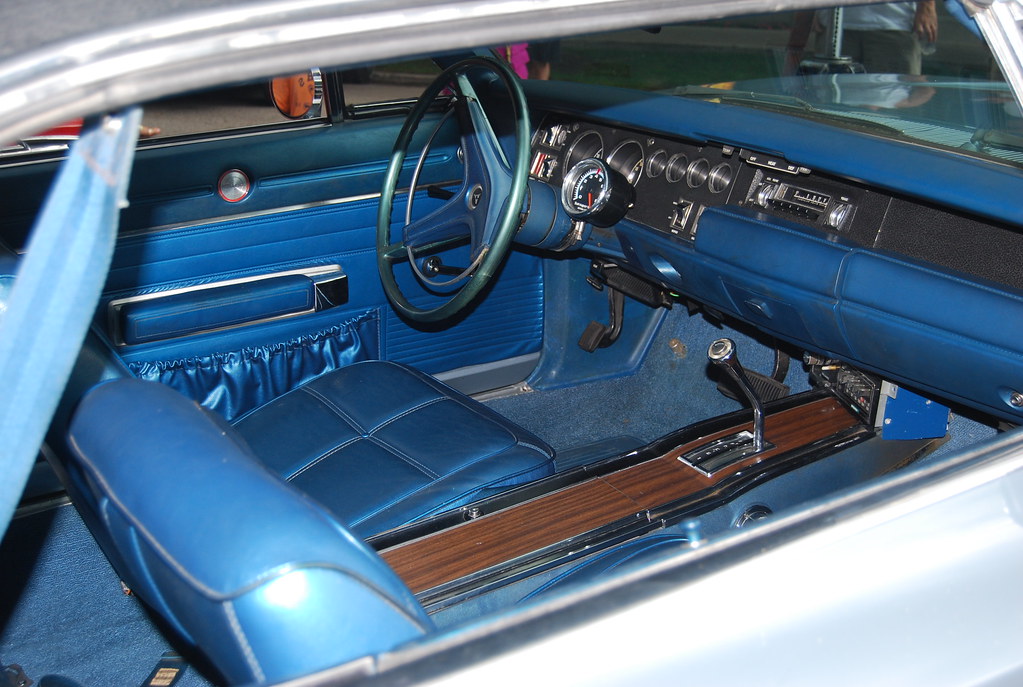
The 1969’s Dodge Charger RT Hemi‘s cabin combines muscle car attitude with surprising comfort features. Power windows and AM/FM radio show luxury touches. Performance-oriented details like the A01 Light Group package remind you this is serious business beneath the refined exterior.
(Best) 1969 Dodge Charger RT Hemi [Exterior]
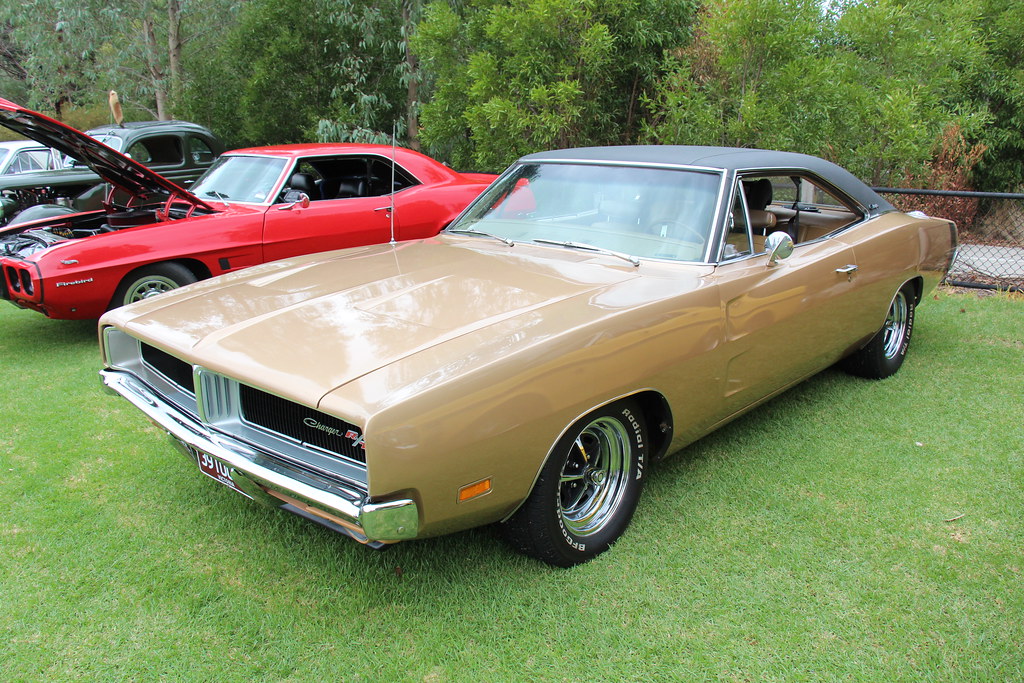
Iconic coke bottle shape and hidden headlights create timeless muscle car design. The aggressive stance and optional stripe packages announce serious performance intentions. This represents peak American automotive design when function followed form perfectly.
5. (Best) 1970 Chevrolet Chevelle SS 454 [Interior]
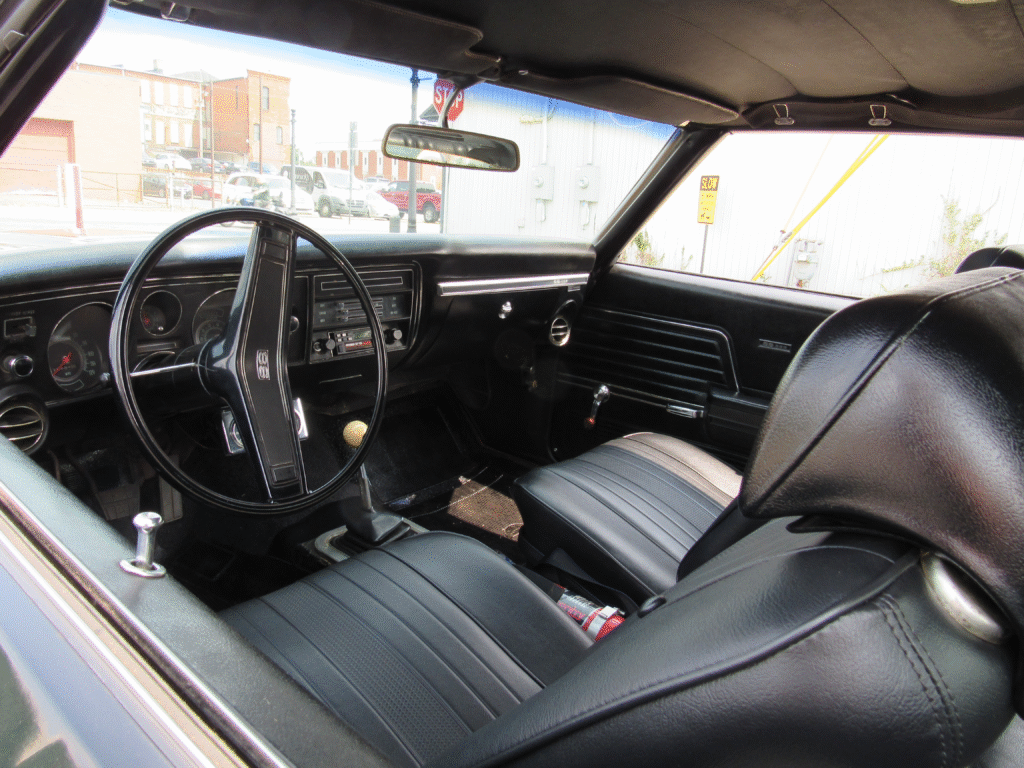
Bucket seats and performance gauges create a driver-focused environment worthy of the engine. The cabin balances comfort with sporting intentions effectively. However, some found the M shifter placement awkward during spirited driving sessions.
(Best) 1970 Chevrolet Chevelle SS 454 [Exterior]
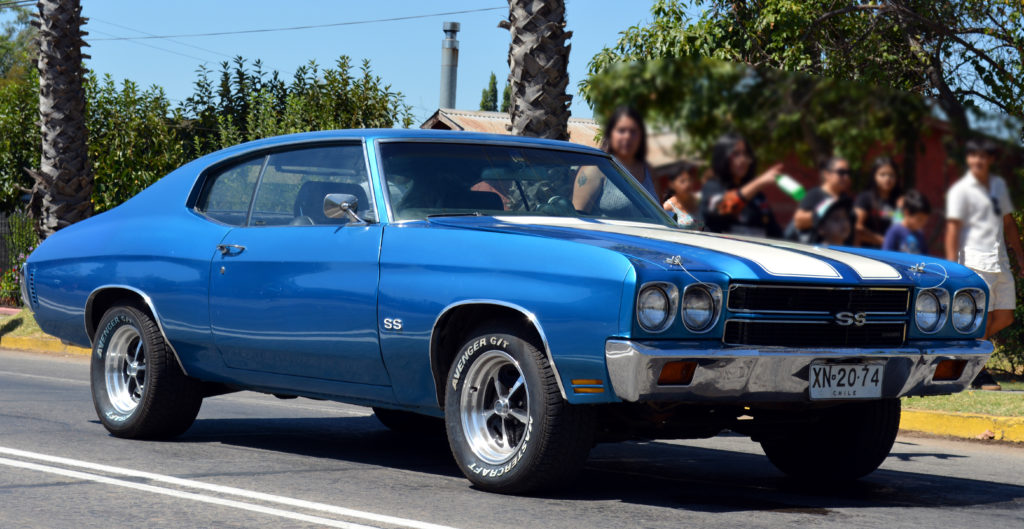
Aggressive styling and optional cowl induction hood announce serious performance credentials immediately. The muscular proportions and distinctive SS badging create instant recognition among enthusiasts. This design defines classic American muscle car proportions perfectly.
4. (Best) 1967 Shelby GT500 [Interior]
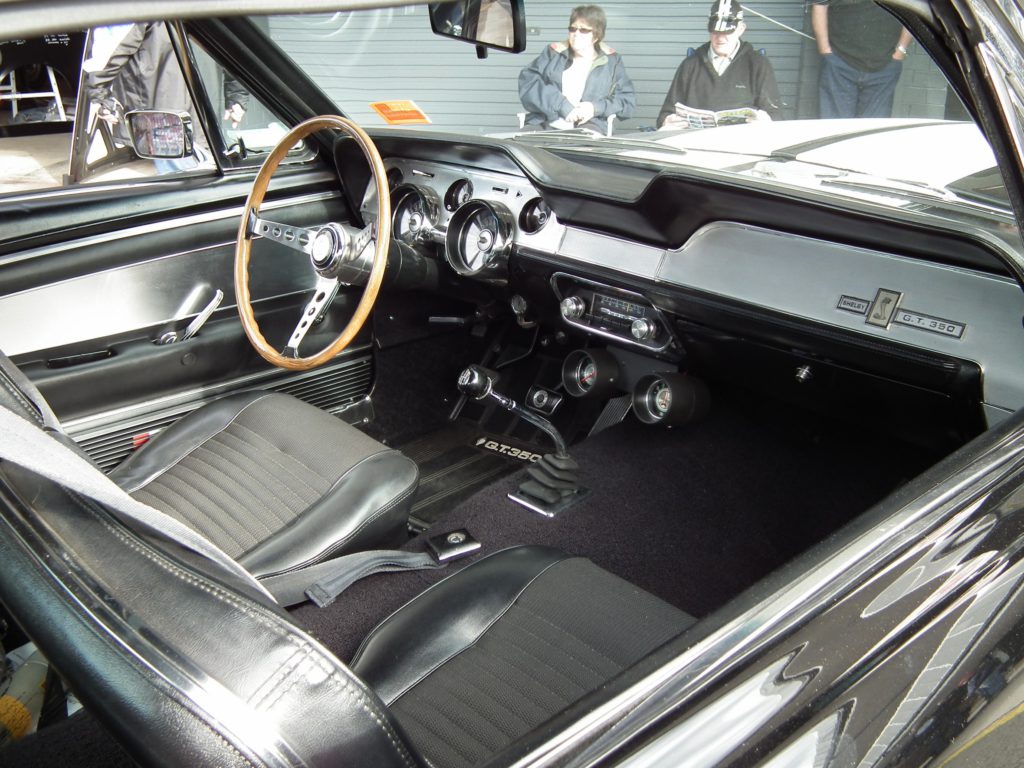
The cabin blends Mustang bones with Shelby’s performance-oriented touches throughout. Roll bar and upgraded instrumentation remind you of racing heritage. Comfort improvements over earlier Shelbys make this more livable for daily driving duties.
(Best) 1967 Shelby GT500 [Exterior]
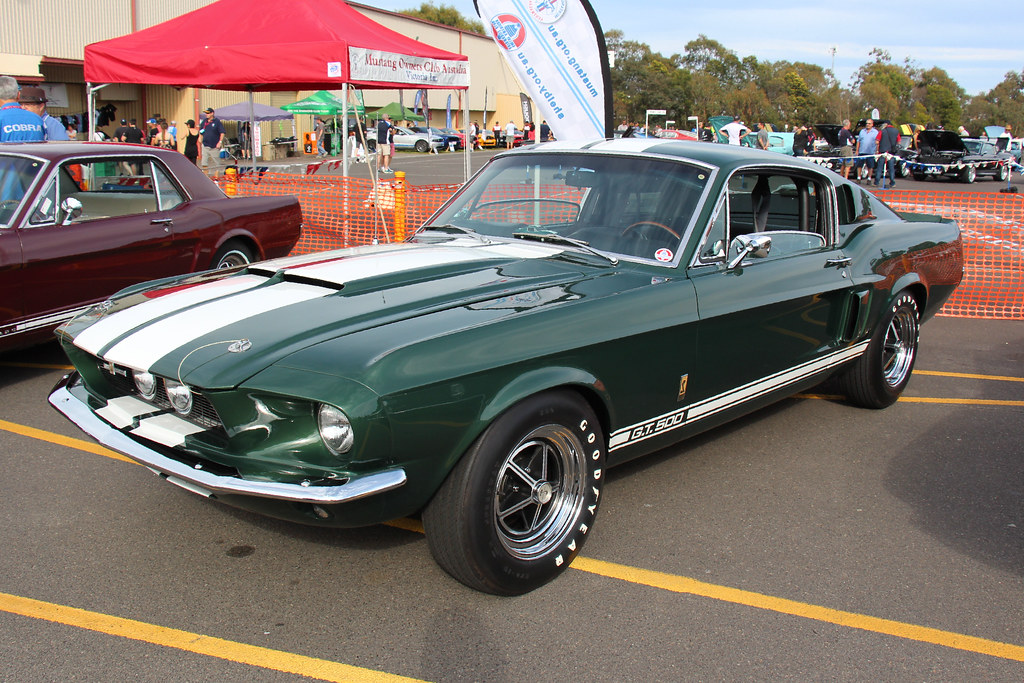
Extended nose, hood scoop, and central grille lights create unmistakable Shelby identity. The aggressive stance and distinctive side scoops announce serious performance intentions immediately. This represents Carroll Shelby’s vision of American supercar design executed flawlessly.
3. (Best) 1970 Plymouth Hemi Cuda [Interior]
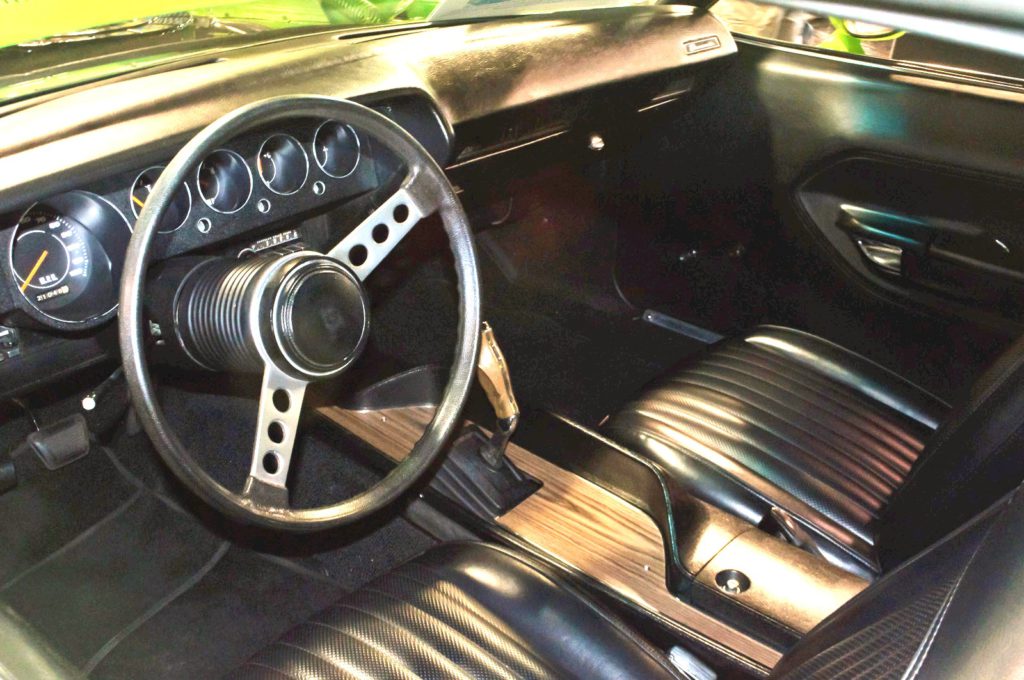
The cabin prioritizes function over luxury with performance-focused design throughout. Heavy-duty components and racing-inspired details reflect the car’s serious performance mission. Basic amenities keep weight down and costs reasonable for buyers.
(Best) 1970 Plymouth Hemi Cuda [Exterior]
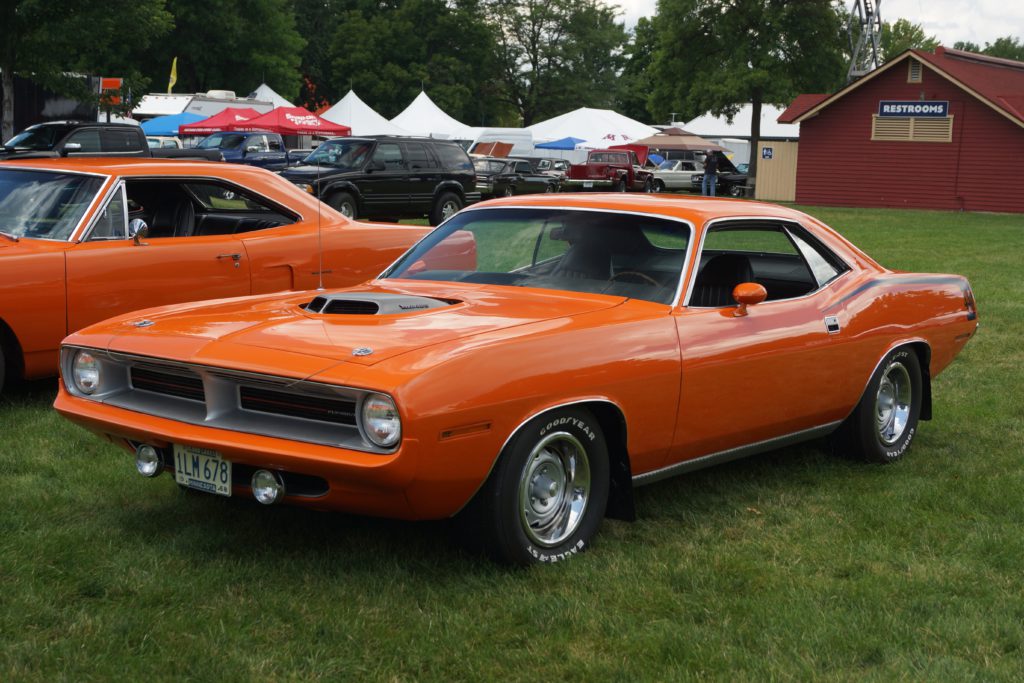
E-body platform creates perfect muscle car proportions with aggressive stance and distinctive graphics. The shorter wheelbase enhances visual impact compared to larger Mopar siblings. This represents peak American muscle car design when everything came together perfectly.
2. (Best) 1974 Ford Mustang II Cobra [Interior]
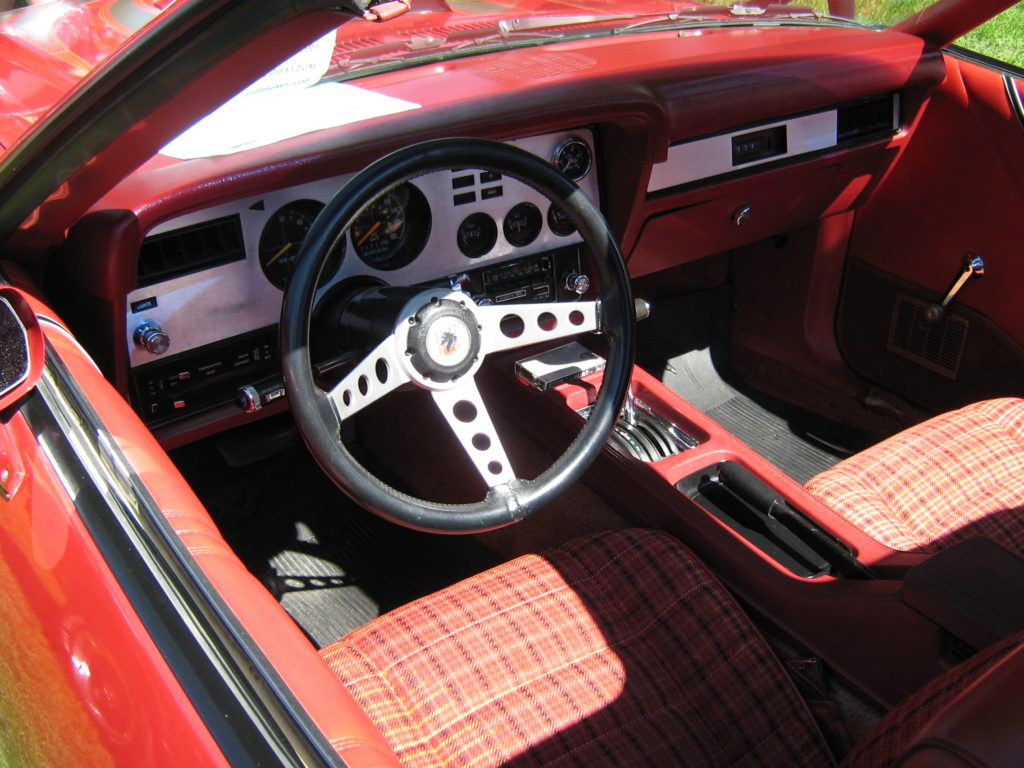
Ford took the Mustang and turned it into a Pinto wearing a fake mustache. The 1974 Mustang II Cobra came with a 140 cubic inch inline-4 that struggled to pull itself out of a parking spot. An optional 171 cubic inch V6 offered about as much excitement as watching paint dry.
(Best) 1974 Ford Mustang II Cobra [Exterior]
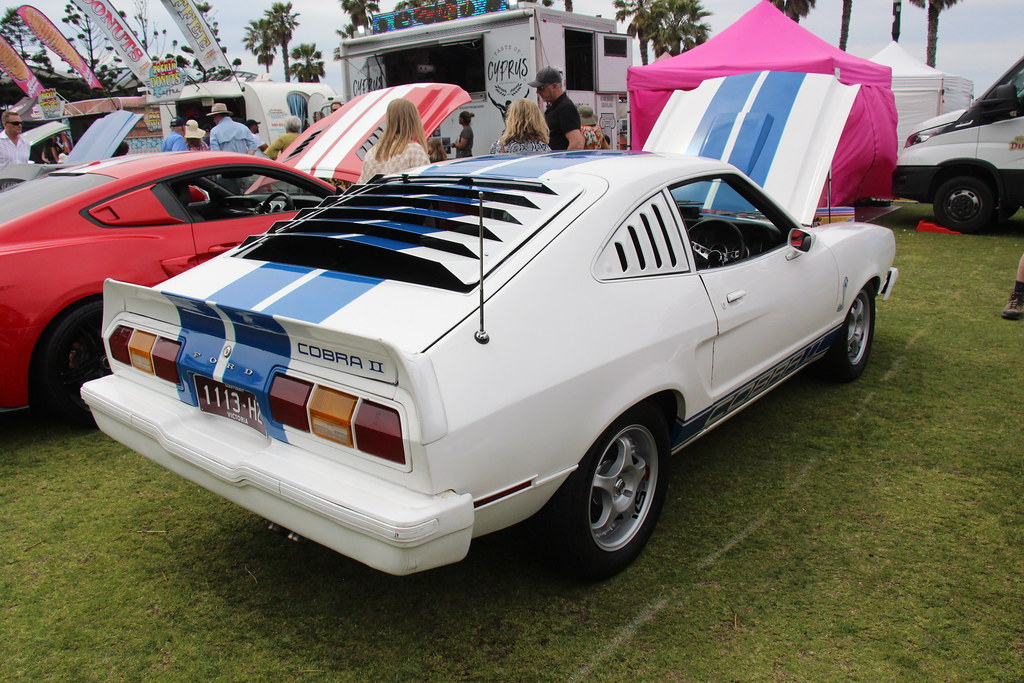
Ghia’s Italian influence created proportions more awkward than a middle school dance. The shorter stance and rounded edges stripped away Mustang’s aggressive character completely. This car is the automotive equivalent of Taylor Swift’s 2016 Met Gala look—technically present, but nobody talks about it.
1. (Best) 1971 Plymouth Roadrunner 446 Barrel [Interior]
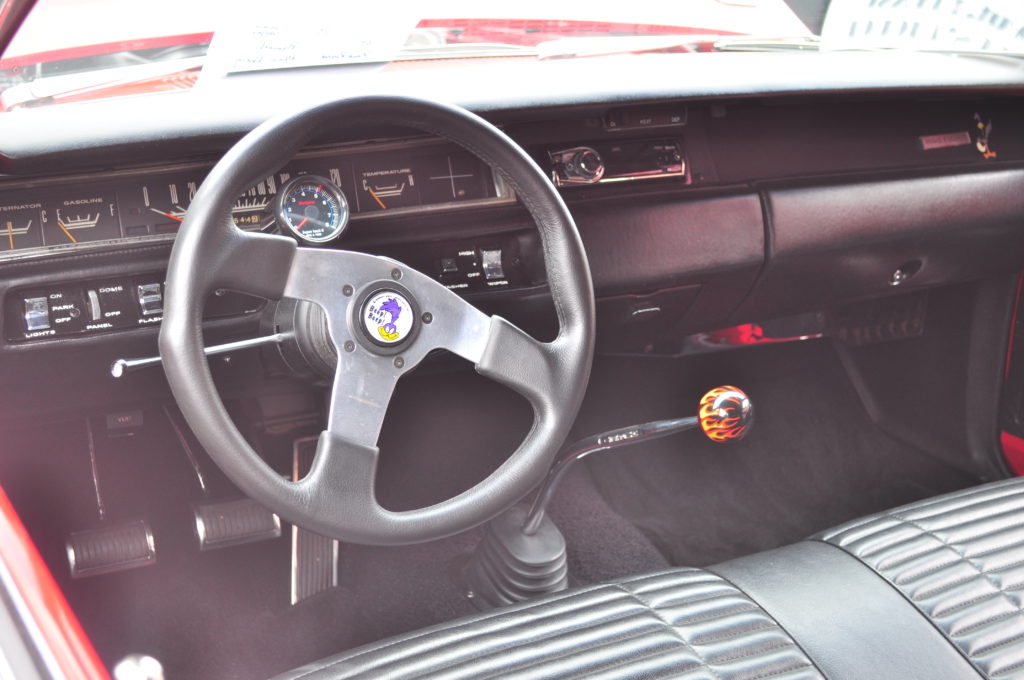
The Plymouth Roadrunner’s cabin combines performance focus with surprising comfort features like power sunroof. Racing mirrors and sporty trim reflect the car’s serious performance mission. The interior balances muscle car attitude with practical daily driving considerations.
(Best) 1971 Plymouth Roadrunner 446 Barrel [Exterior]
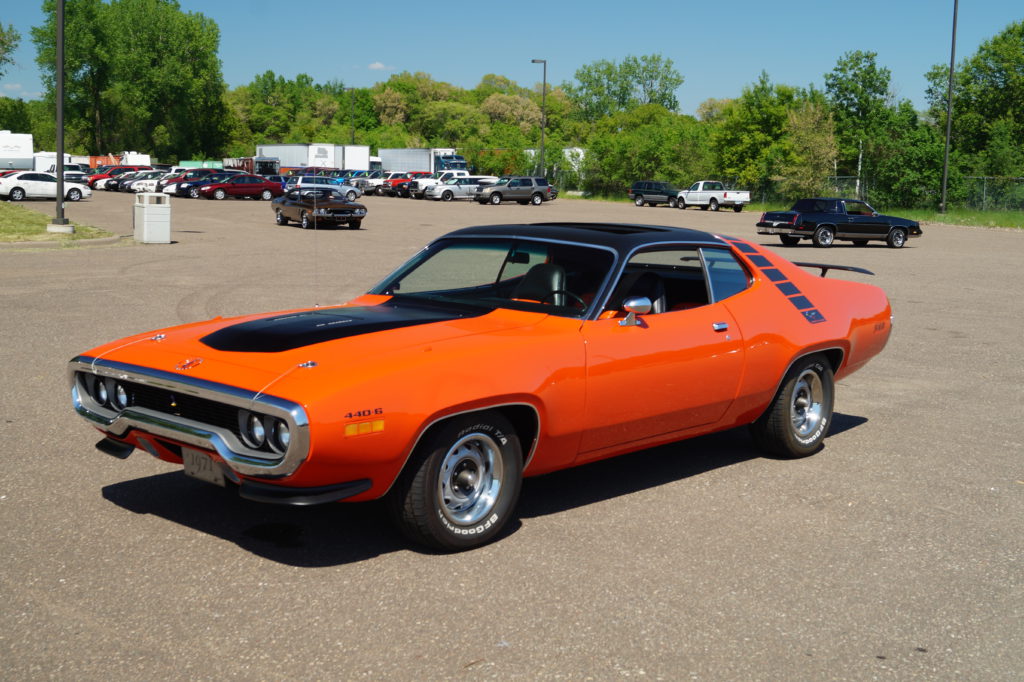
Wider rear track and aggressive Air Grabber hood scoop create menacing street presence. Color-matched bumpers and racing mirrors complete the purposeful appearance effectively. This represents muscle car design evolution when performance still mattered most.At the end of the day, some of these beasts will drain your wallet faster than premium gas, while others might actually be worth the hype. The desire for rare and showy cars isn’t limited to muscle enthusiasts—see how the wildest, most expensive celebrity car collections push the limits of automotive extravagance.