



The year 1972 reverberates with echoes of change and innovation in music. As cultural shifts swept through society, a generation found its voice through unforgettable melodies and revolutionary sounds.
These chart-toppers didn’t just dominate radio waves—they captured the spirit of an era poised between tradition and rebellion. Each track reflects a spectrum of emotions and musical innovations that continue to influence artists today.
12. Heart of Gold – Neil Young
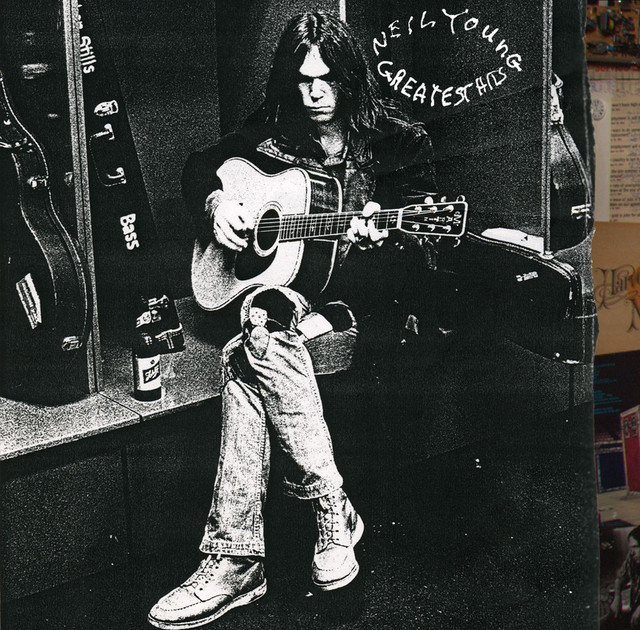
Neil Young’s “Heart of Gold” perfectly captures the longing for goodness that defined the early ’70s. The song’s gentle, haunting melody reflects Young’s search for meaning through simple yet profound lyrics that resonate with anyone seeking something pure in an imperfect world.
The track features harmonica, acoustic guitar, and introspective storytelling that became Young’s signature style. It reached #1 on Billboard Hot 100 in March 1972, becoming Young’s first and only chart-topper while establishing him firmly in mainstream rock without compromising his artistic integrity.
11. Rocket Man – Elton John
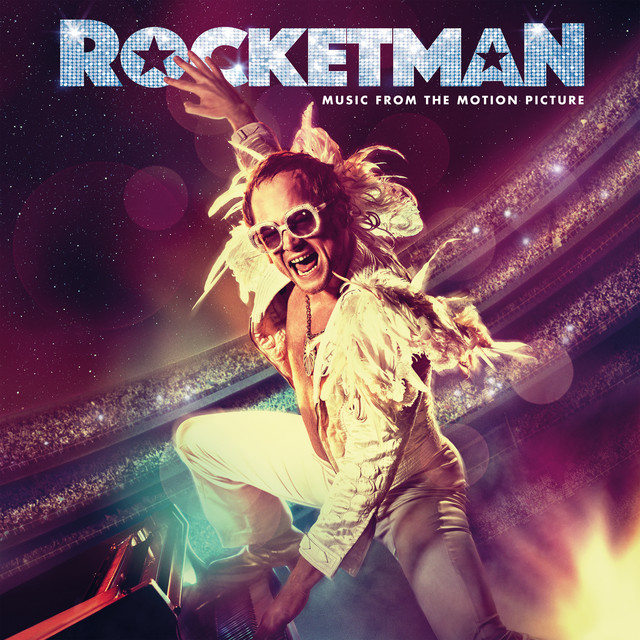
Blending science fiction with raw emotion, “Rocket Man” continues to resonate with audiences worldwide. The song takes inspiration from Ray Bradbury’s works with Bernie Taupin’s introspective lyrics fueling this cosmic exploration of loneliness and isolation.
Elton’s piano creates otherworldly textures as his 88-key performance weaves haunting melodies into a powerful emotional landscape. Despite its futuristic themes, the track evokes universal feelings of longing and displacement. Released in April 1972, it peaked at #6 on Billboard Hot 100 and stands as a pinnacle of Elton John’s artistic genius.
But while Elton enjoyed sustained success, many artists who followed in 1973 became forgotten one hit wonders from 1973 that deserve another listen today.
10. Superstition – Stevie Wonder
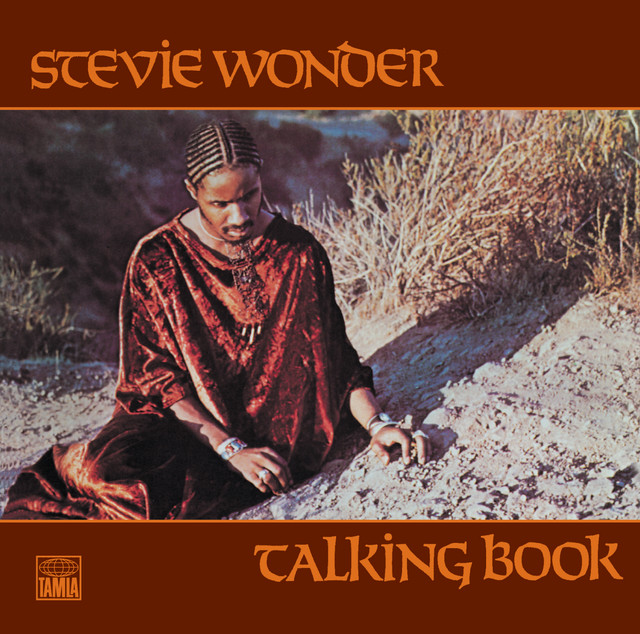
Many funk musicians cite Stevie Wonder as an influence, and “Superstition” shows exactly why. Released in October 1972, this innovative track features a funky clavinet riff and beat that blended funk, rock, and soul into something entirely new.
Wonder warned against believing superstitions while demonstrating his musical genius by pushing sonic boundaries. The track reached #1 on Billboard R&B chart and #3 on Hot 100, helping establish Wonder as a visionary artist. With over 500 million streams across platforms, “Superstition” showcases music’s evolutionary power.
9. I’ll Take You There – The Staple Singers
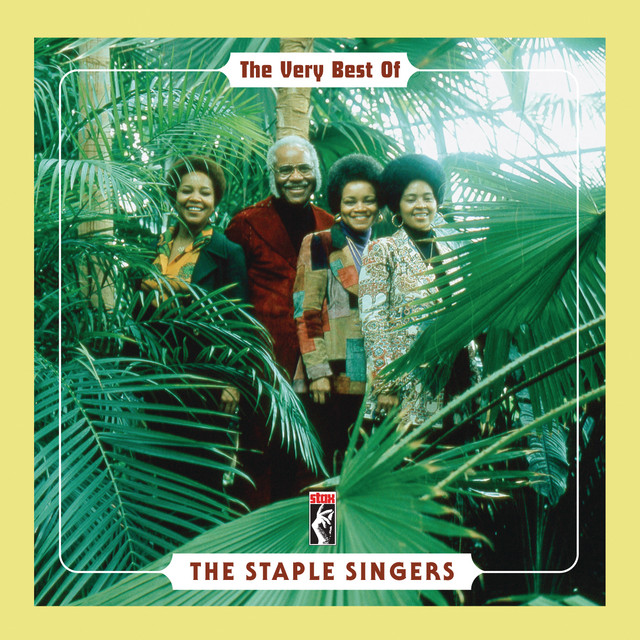
“I’ll Take You There” offered solace during social unrest with its gospel-inspired call and response creating a sense of unity. Mavis Staples’ powerful voice lifted spirits as the groovy bass line invited listeners to rise above challenges.
During the Civil Rights Movement, this song acted as a bridge between communities. The track broke through racial barriers and promoted healing through its uplifting message. Released in February 1972, it reached #1 on Billboard R&B and #2 on Hot 100 singles chart, cementing The Staple Singers’ reputation as socially conscious soul artists.
8. You’re So Vain – Carly Simon
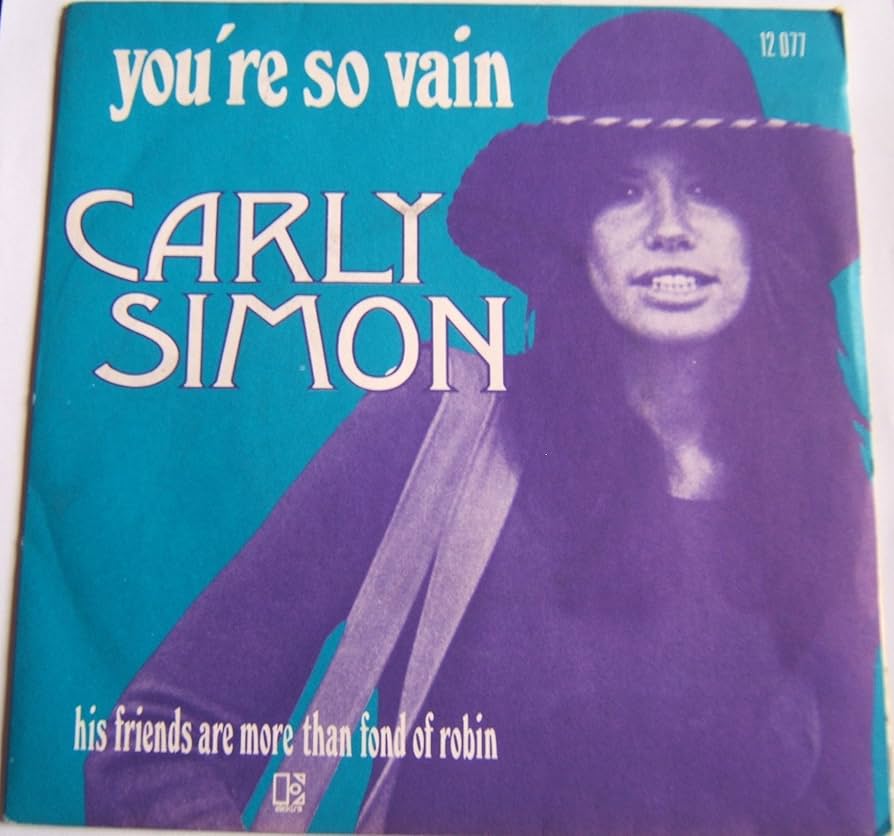
The mystery behind the subject of “You’re So Vain” amplified its allure in late 1972. The guessing game about who inspired this scathing kiss-off has kept fans intrigued for 50+ years of free publicity, turning a hit song into a cultural phenomenon.
The track displays catchy melodies with biting lyrics that showcase Simon’s masterful storytelling. Warren Beatty, Mick Jagger, and others have been suggested as the song’s narcissistic subject, but the enduring mystery only adds to its legendary status as it topped Billboard Hot 100 in early 1973.
7. A Horse With No Name – America
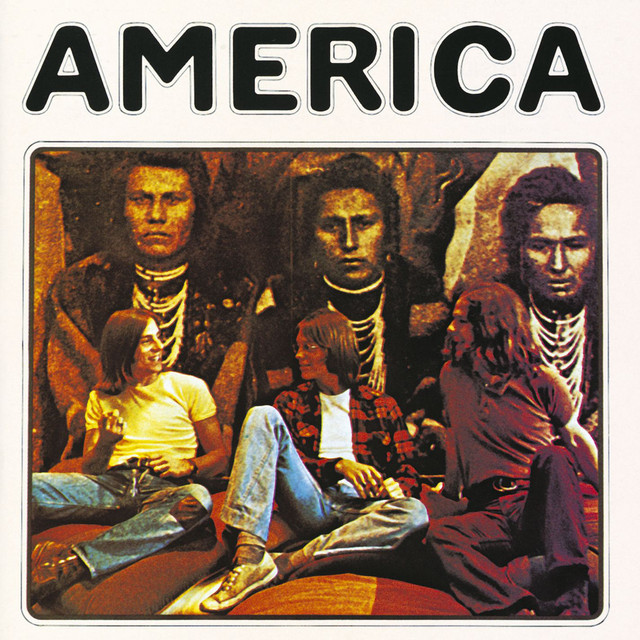
Some suggest “A Horse With No Name” represents self-discovery; others think it’s an escape from modern life. Fifty years after hitting #1 on Billboard, the song’s cryptic lyrics fuel ongoing debates while its minimalist sound and haunting melody continue to captivate new generations.
The band created a sense of timelessness with this sparse, atmospheric folk-rock classic. Music scholars argue that America’s intentionally ambiguous lyrics amplify impact by allowing listeners to project their own emotions onto the enigmatic desert journey, making it a uniquely personal experience for each fan.
6. Burning Love – Elvis Presley
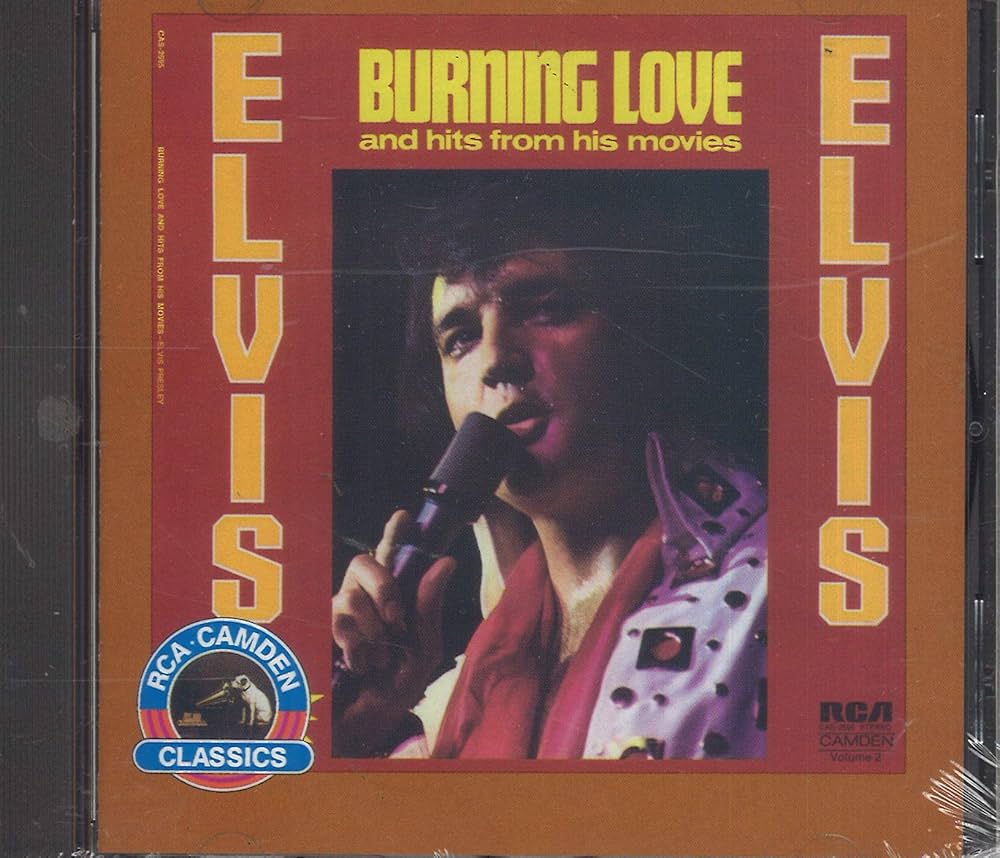
Most casual music fans may not even know “Burning Love” marked Elvis Presley’s biggest hit of the 1970s. Released in August 1972, the song exploded onto charts with unmatched intensity, peaking at #2 on Billboard’s Hot 100. Its driving beat and vibrant horns created an irresistible energy that reminded the world of The King’s enduring talent.
Stumbling upon “Burning Love” today feels like discovering a fresh sound that defies categorization rather than a fifty-year-old track. The song showcases an artist reborn, a testament to Elvis’s ability to adapt while maintaining his unmistakable vocal power.
5. Take It Easy – Eagles
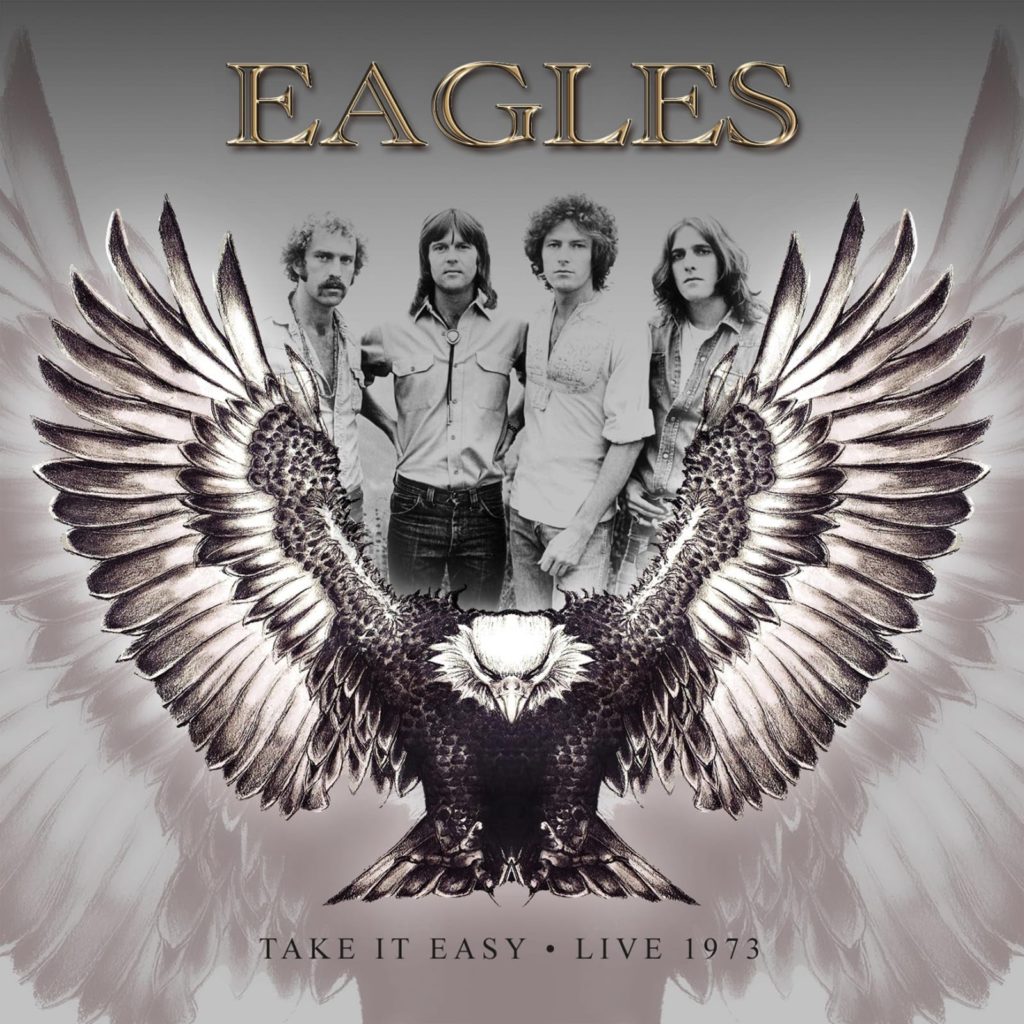
Written by Jackson Browne and Glenn Frey, “Take It Easy” became an instant road trip anthem when released in May 1972. Its breezy guitars and smooth harmonies captured that perfect easygoing vibe that defined early Eagles sound, blending rock with distinctive country influences.
The memorable lyrics about not letting the sound of your own wheels drive you crazy resonated as a mantra for anyone seeking escape from everyday stress. The track peaked at #12 on Billboard Hot 100 and helped establish Eagles as a dominant force in 1970s rock music, setting the stage for their meteoric rise.
4. American Pie – Don McLean
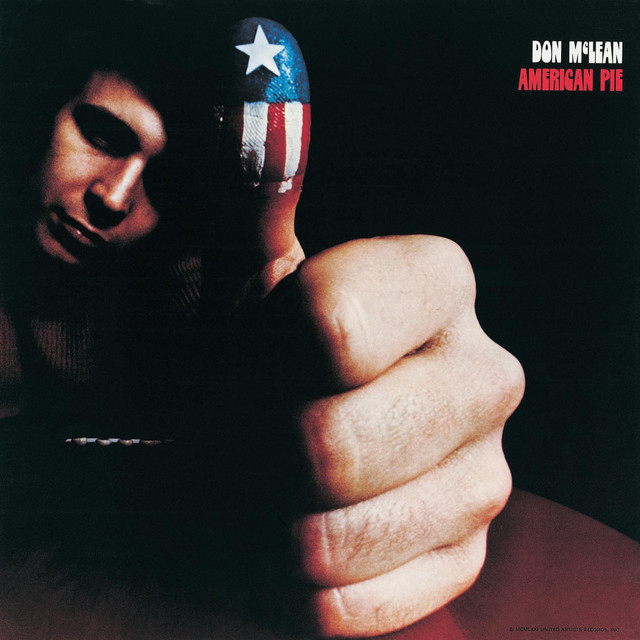
“American Pie” transcended typical pop constraints with its eight-and-a-half minute runtime and complex lyrics chronicling the February 1959 plane crash that claimed the lives of Buddy Holly, Ritchie Valens, and J.P. Richardson. Released in late 1971 but dominating charts throughout 1972, this folk-rock epic became a cultural touchstone for a generation processing the rapid changes in American society.
The song’s cryptic references to musical and historical events created an intellectual puzzle that listeners still debate today. Its chorus became instantly singable while the verses reward deeper analysis, striking a perfect balance between accessibility and depth that helped it reach #1 for four weeks on Billboard Hot 100 in January-February 1972. This balance between complexity and catchiness is something shared by many lost classics from 60s 70s 80s that still hold up today.
3. Me and Mrs. Jones – Billy Paul
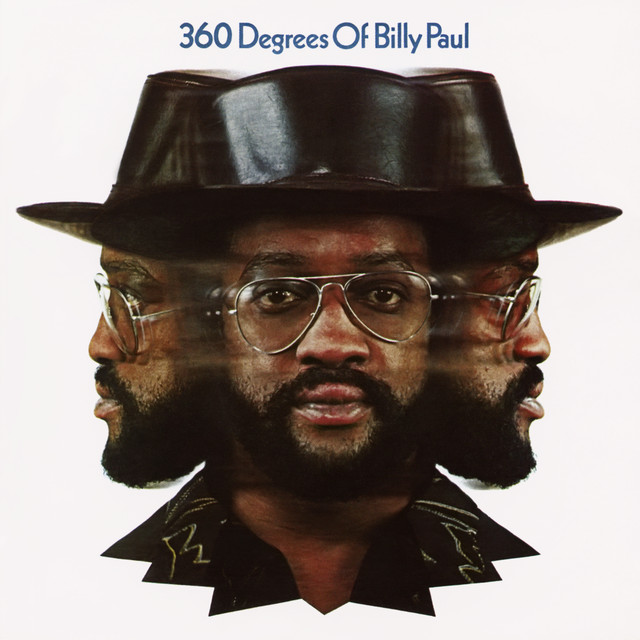
Billy Paul dove into complex desire with “Me and Mrs. Jones.” This unforgettable ballad chronicled a forbidden love with smooth vocals and lush orchestration capturing the passion behind a secret affair.
The song’s poignant lyrics had listeners hooked despite criticism about its promotion of adultery. Billy Paul’s expressive, nuanced vocal performance earned him a Grammy Award for Best Male R&B Vocal Performance after the track reached #1 on Billboard Hot 100 in December 1972, becoming a defining song of the Philadelphia soul genre.
2. The First Time Ever I Saw Your Face – Roberta Flack
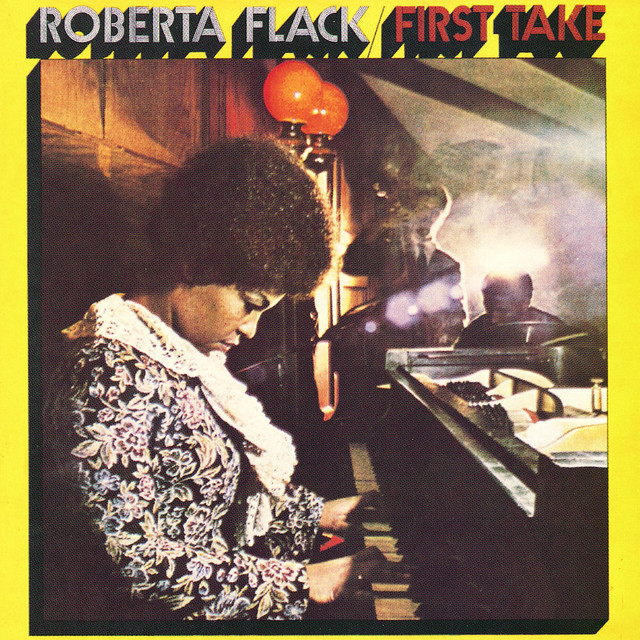
Before Roberta Flack, “The First Time Ever I Saw Your Face” was merely a folk tune written by Ewan MacColl in 1957. Her soulful rendition transformed it into a tender ballad that captured true love’s depth with emotional power that still resonates today.
Flack’s stripped-down arrangement features a single, gentle piano that conveys volumes of emotion. This minimalist approach allowed it to become a soul classic that won the Grammy Award for Record of the Year in 1973 after reaching #1 on Billboard Hot 100, cementing Flack’s reputation as a powerful interpreter of soul ballads.
1. Lean on Me – Bill Withers
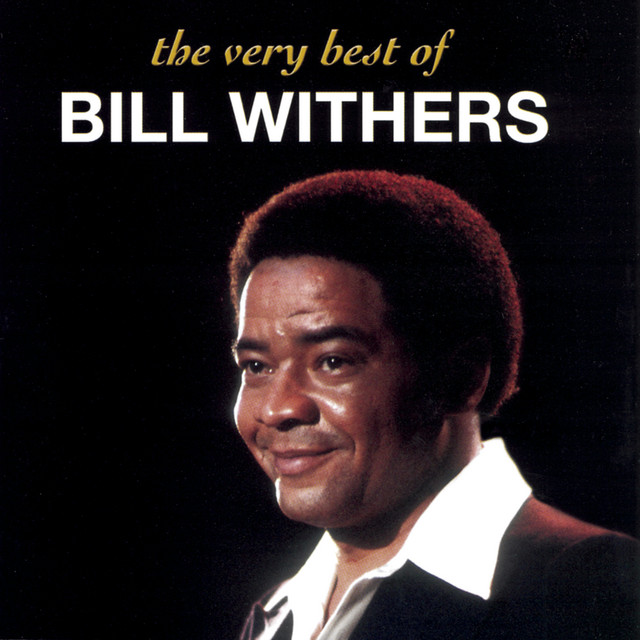
“Lean on Me” acts as a beacon of hope with simple piano chords offering comfort during challenging times. The song sends a message of community support that feels like a warm embrace, providing a sense of safety when life gets overwhelming.
Bill Withers delivers this remedy for hardship with lyrics that remind us of the power of friendship. Used for over 30 years in social campaigns, this timeless anthem continues to inspire with its powerful message of compassion. The track topped Billboard Hot 100 in 1972 and has been inducted into the Grammy Hall of Fame, proving that sometimes the simplest songs leave the deepest impact.