



Have you ever found yourself humming a catchy tune, only to realize you can’t remember who sang it? The year 1973 delivered a diverse musical menu, serving up everything from folk-rock to soul. These fleeting hits captured listeners’ attention briefly before fading into obscurity.
Much like characters in “Memento” who struggle with memory, these songs left strong impressions but lost their identities over time. Let’s revisit these musical time capsules and celebrate the artists who created unforgettable melodies, even if their names didn’t stick around.
13. “Stuck in the Middle With You” by Stealers Wheel
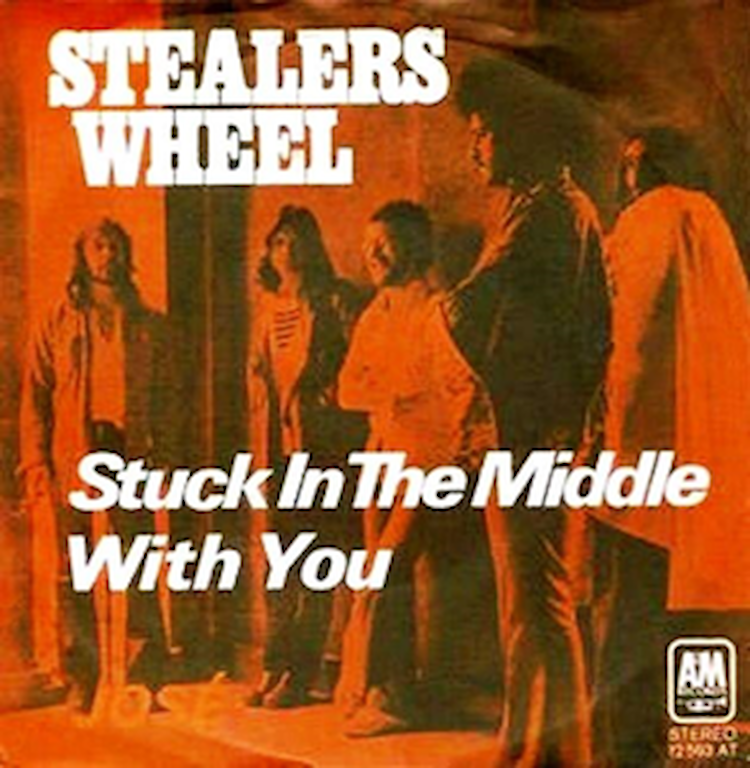
Forty years later, “Stuck in the Middle With You” remains instantly recognizable despite Stealers Wheel’s brief career. Gerry Rafferty and Joe Egan crafted these satirical lyrics about a frustrating party situation, exploring musical scores that defined iconic games with unexpected wit.
The song might have remained just another 70s track until Quentin Tarantino featured it in that infamous ear-cutting scene in “Reservoir Dogs.” Talk about a musical resurrection! If you’re looking for the perfect example of a brilliant song outliving its creators, few demonstrate it better than Stealers Wheel’s singular masterpiece.
12. “Dancing in the Moonlight” by King Harvest
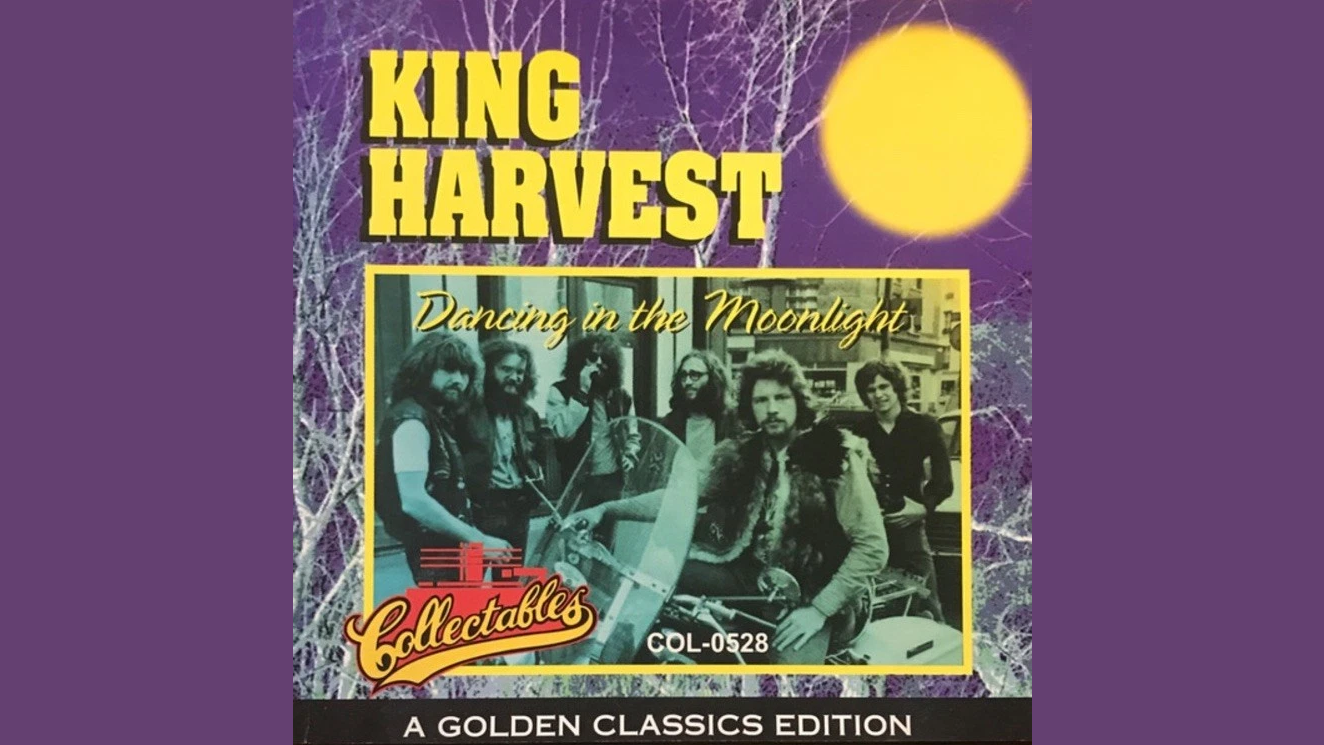
Step into a moonlit summer night in 1973, and chances are you’d hear King Harvest’s infectiously optimistic melody floating through open windows. Sherman Kelly wrote the song after surviving a violent attack while vacationing in the Caribbean. He created this uplifting melody as a healing response to trauma.
King Harvest’s version became their only major hit. Despite its enduring charm, the band struggled with album sales and disbanded in 1976. Nearly fifty years later, its optimistic tone remains so irresistible that modern filmmakers still can’t create a feel-good montage without considering this track.
11. “Brother Louie” by Stories
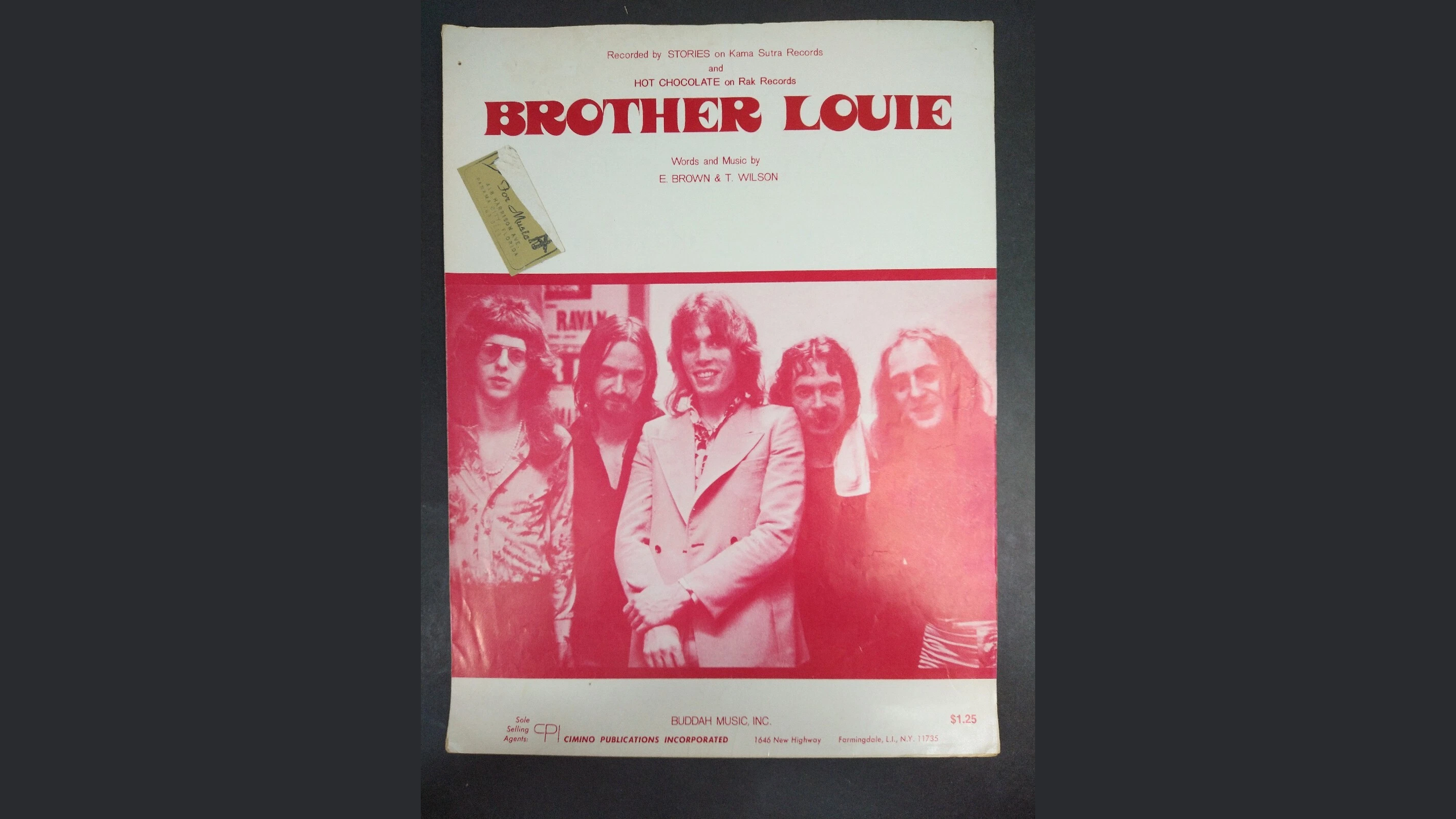
If you’re collecting socially significant 70s vinyl, Stories’ “Brother Louie” belongs at the top of your hunt list. Stories covered Hot Chocolate’s British hit about interracial romance and topped the Billboard Hot 100 for two weeks. The best country tracks that became timeless classics often pale in comparison to this powerful narrative.
Like ingredients that don’t quite mix into a cohesive dish, the band couldn’t maintain their chemistry. They split up in 1974, just one year after their biggest success. The song’s unflinching examination of racial prejudice continues to serve as both a historical document and a surprisingly danceable groove.
10. “My Maria” by B.W. Stevenson
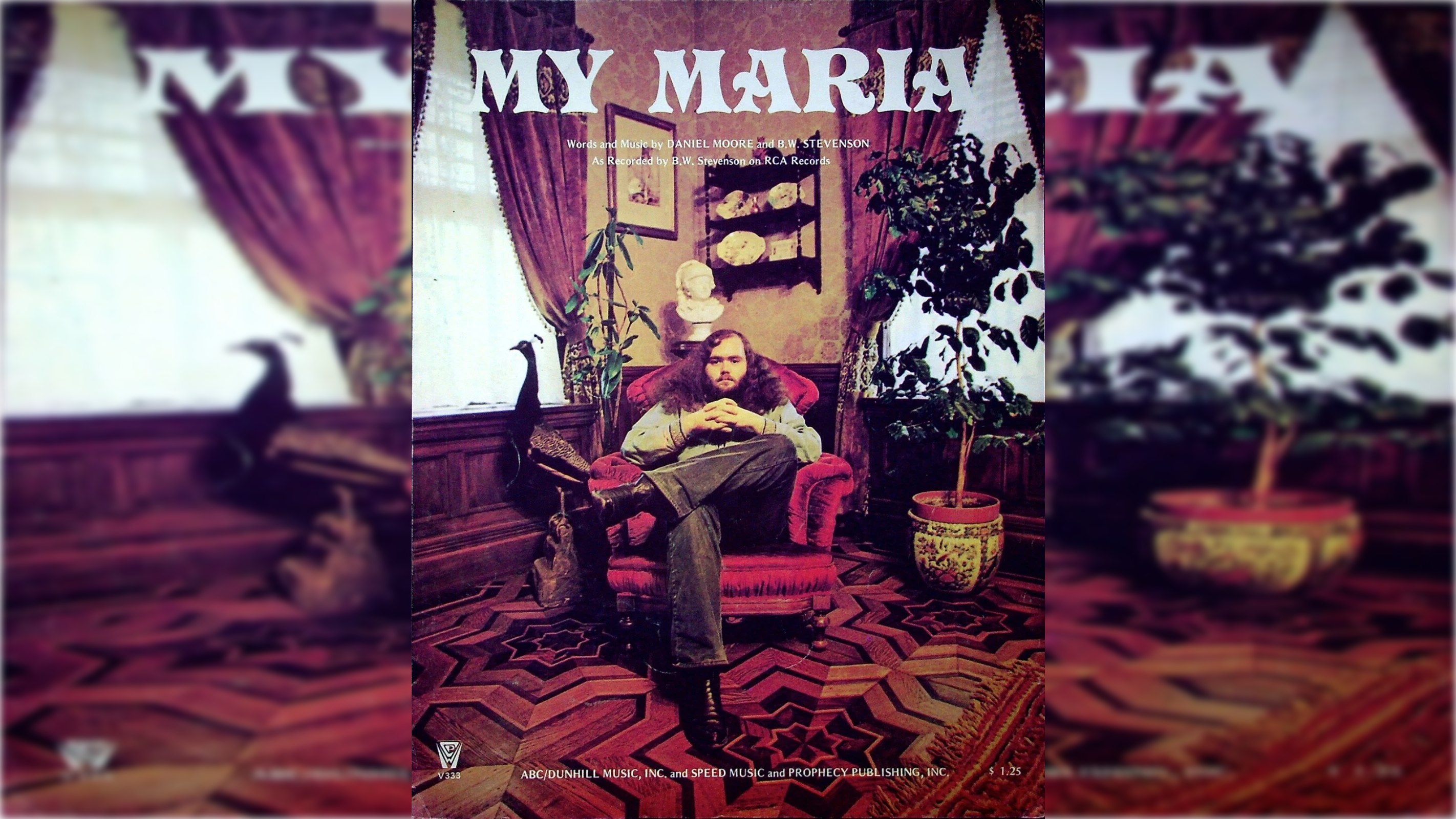
B.W. Stevenson’s distinctive vocal range transformed “My Maria” into a crossover hit that conquered both country and pop charts simultaneously. Stevenson co-wrote it with Daniel Moore, creating a perfect blend of both genres.
Brooks & Dunn later covered the song in 1996, winning a Grammy and introducing it to a new generation. Despite his vocal talents, Stevenson never replicated this success. When Brooks & Dunn covered the song decades later, a whole new generation experienced the magic Stevenson had created, unaware of the heartbreaking end to his musical journey.
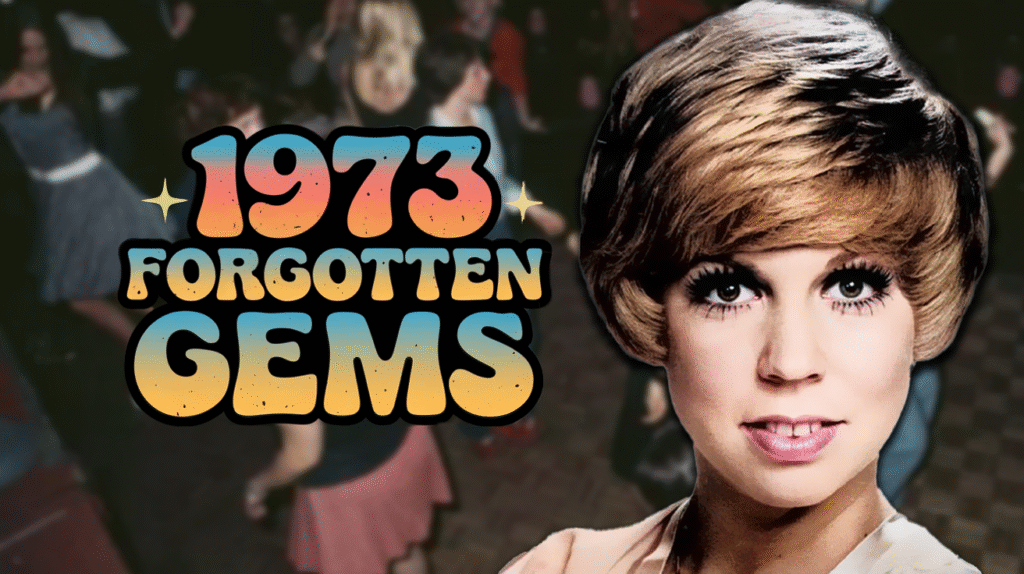
9. “The Night the Lights Went Out in Georgia” by Vicki Lawrence
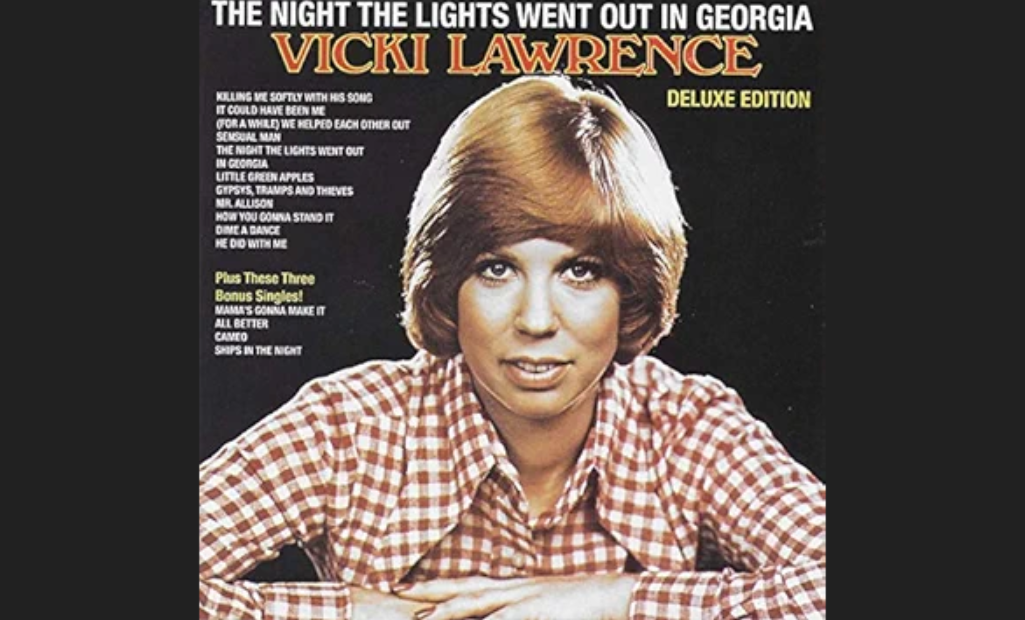
Murder ballads rarely topped pop charts, but Vicki Lawrence’s haunting delivery of “The Night the Lights Went Out in Georgia” proved audiences craved darker storytelling. Bobby Russell wrote this gripping tale of betrayal and injustice that captivated listeners nationwide.
Lawrence, primarily known as a comedian on “The Carol Burnett Show,” surprised everyone with her vocal performance. Just as a simple ingredient can transform a recipe, this song completely changed how audiences viewed her talents. Reba McEntire later covered it in 1991. In an era when murder ballads had disappeared from pop radio, Lawrence’s haunting delivery re-introduced narrative suspense to the Billboard charts.
A studio executive once told Lawrence she should stick to comedy instead of music. Her chart-topping hit proved him spectacularly wrong, showing that talent often defies easy categorization.
8. “Playground In My Mind” by Clint Holmes
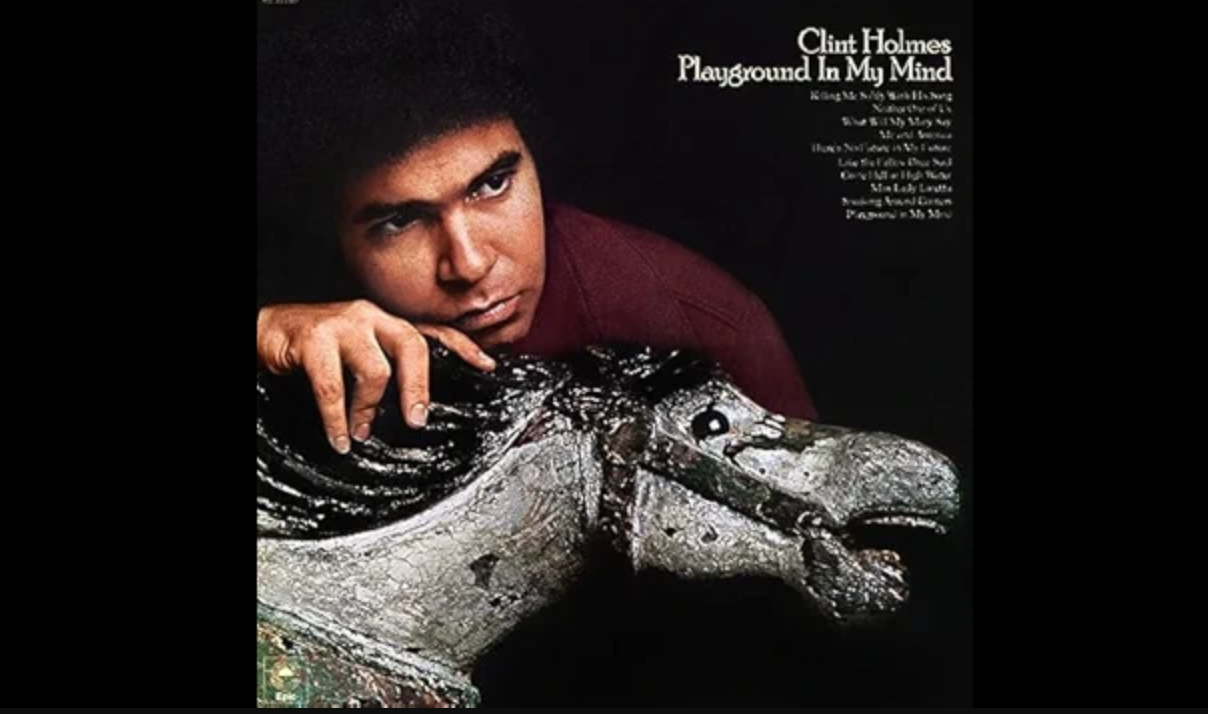
Engineered with a child’s voice on the chorus, Clint Holmes’ “Playground In My Mind” created instant ear-worm appeal that kept it on charts for nearly six months. Paul Vance and Lee Pockriss wrote this cheerful tune featuring Vance’s seven-year-old son on the chorus.
Holmes never achieved similar chart success afterward. The song’s childlike charm made it distinctive among 1973’s edgier hits. The childlike chorus became so embedded in 1970s culture that people who weren’t even born then can still hum “my name is Michael, I’ve got a nickel” without knowing the source.
7. “The Last Song” by Edward Bear
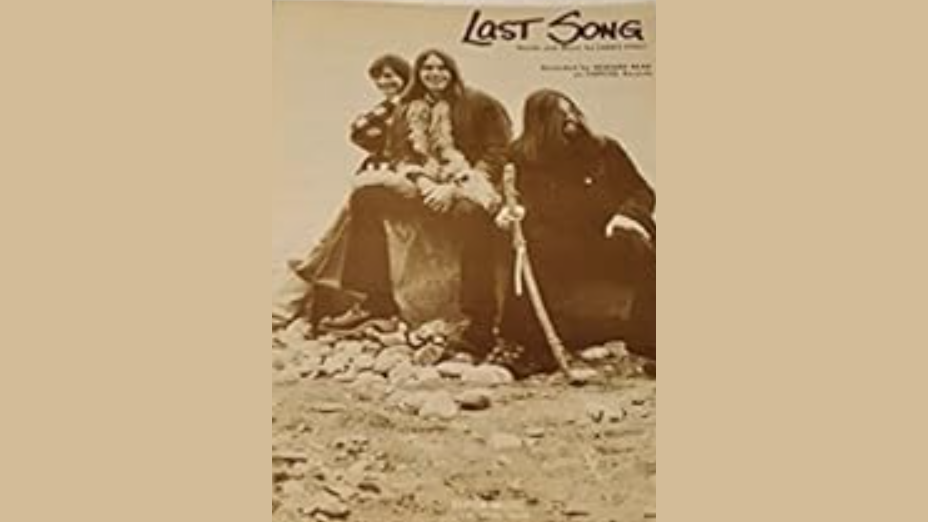
Few breakup songs match the raw emotional punch of Edward Bear’s “The Last Song,” which resonated so deeply it spent over four months on the charts. Larry Evoy wrote this heartfelt tune about lost love that resonated with listeners.
The Canadian band earned gold certification but faded from popularity afterward. If you’ve ever experienced heartbreak, this Canadian trio’s emotional high point still offers therapeutic commiseration nearly five decades later.
6. “Also Sprach Zarathustra (2001)” by Deodato
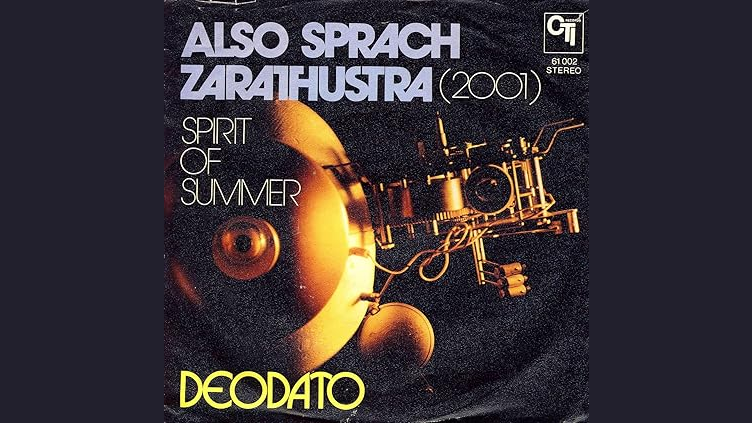
Classical compositions rarely make pop charts, but Deodato’s funky reimagining of “Also Sprach Zarathustra” bridged the gap between symphony halls and dance floors. Brazilian musician Eumir Deodato transformed the serious composition into something groovy and accessible.
His innovative arrangement earned a Grammy for Best Pop Instrumental Performance. While Deodato continued his career as a respected producer and musician, he never again reached such commercial heights with his own recordings. Next time you hear the original in “2001: A Space Odyssey,” try imagining Deodato’s funk version instead—suddenly space exploration feels like a disco party.
5. “Hocus Pocus” by Focus
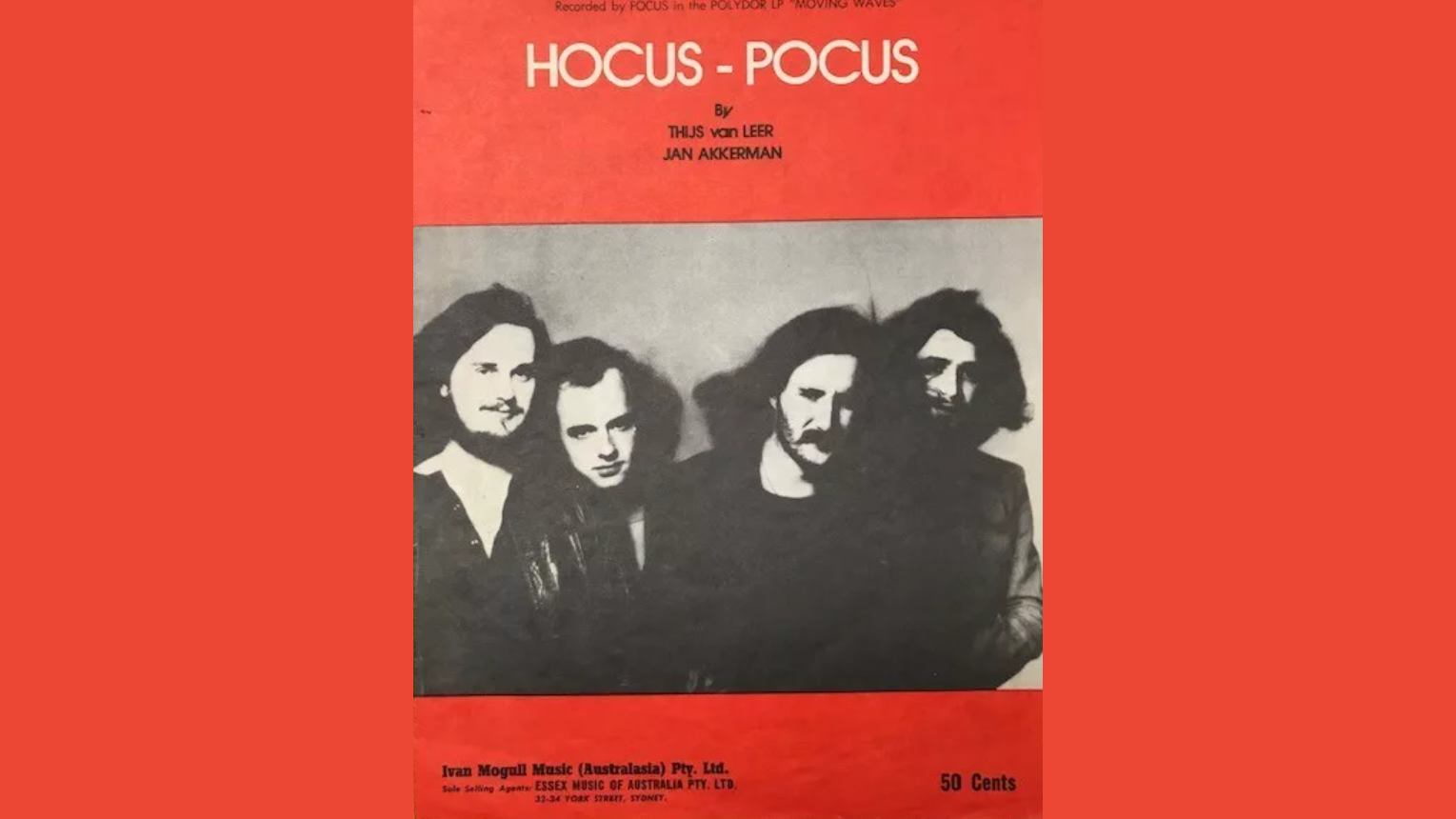
No song in 1973 defied musical convention more boldly than Focus’s “Hocus Pocus,” which somehow made yodeling cool for rock audiences. This progressive rock track blended hard rock with yodeling, whistling, and accordion. It peaked at #9 in June 1973 after a memorable performance on “The Old Grey Whistle Test.”
The Dutch band created something utterly unique—like combining chocolate and chili peppers in a recipe that shouldn’t work but somehow does. The song’s frenetic energy and technical innovation continues to influence metal and prog-rock musicians seeking to push instrumental boundaries without sacrificing accessibility.
4. “Pillow Talk” by Sylvia
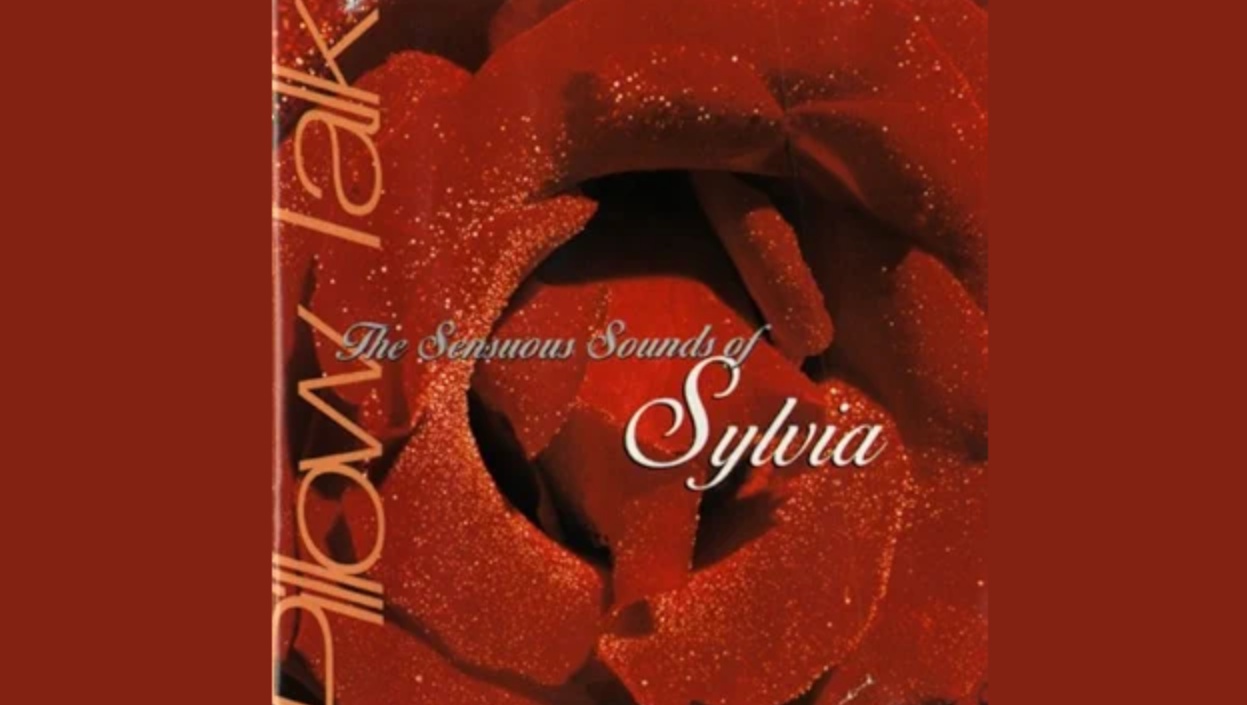
In dimly-lit rooms across America in 1973, Sylvia’s breathy whispers on “Pillow Talk” created an intimate soundtrack that pushed radio’s boundaries. Originally, she wrote it for Al Green, who rejected it as too risqué. Taking matters into her own hands, Sylvia recorded it herself.
Her breathy vocals and the song’s suggestive tone pushed boundaries for radio play in 1973. When radio stations wanted sensual content without explicit lyrics, Sylvia’s strategic sighs and whispers provided the perfect solution for both programmers and listeners.
3. “Leaving Me” by The Independents
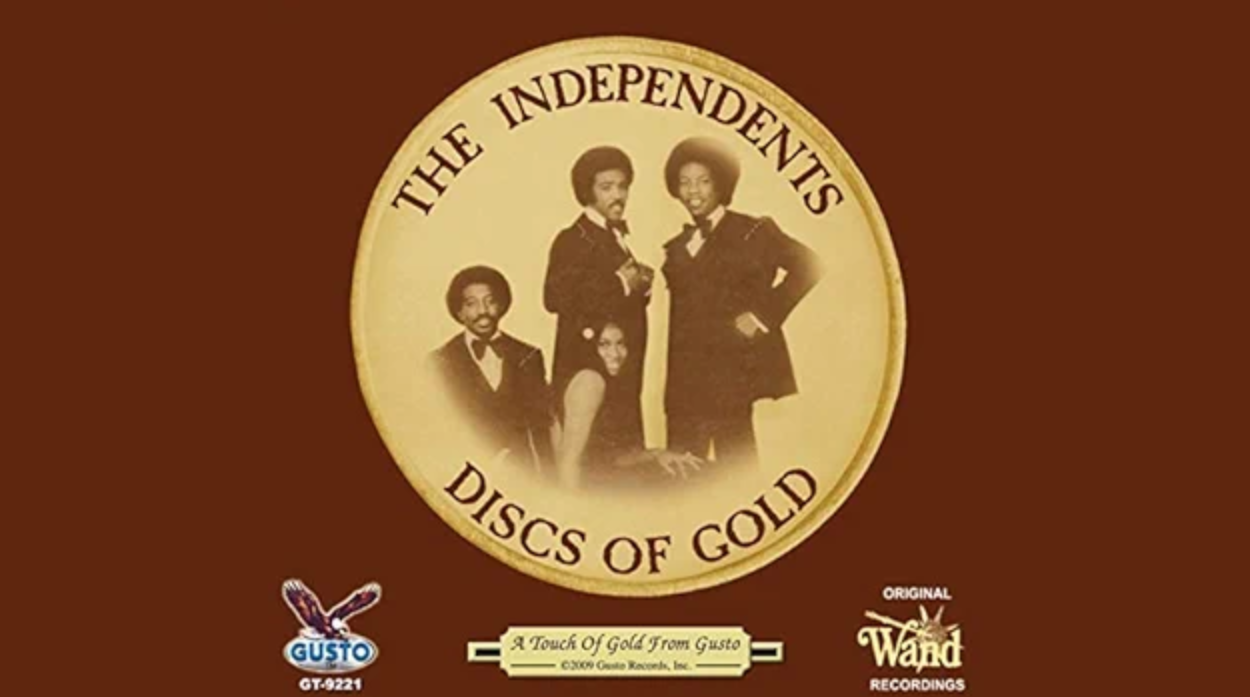
If you’ve ever felt the sting of abandonment, The Independents’ “Leaving Me” captured that universal pain so perfectly it sold over a million copies. The Chicago group sold over a million copies, earning gold certification.
Despite strong harmonies and emotional delivery, The Independents couldn’t maintain their momentum. Few soul groups achieved such commercial success with their debut single only to disappear almost completely from music history thereafter.
2. “Dead Skunk” by Loudon Wainwright III
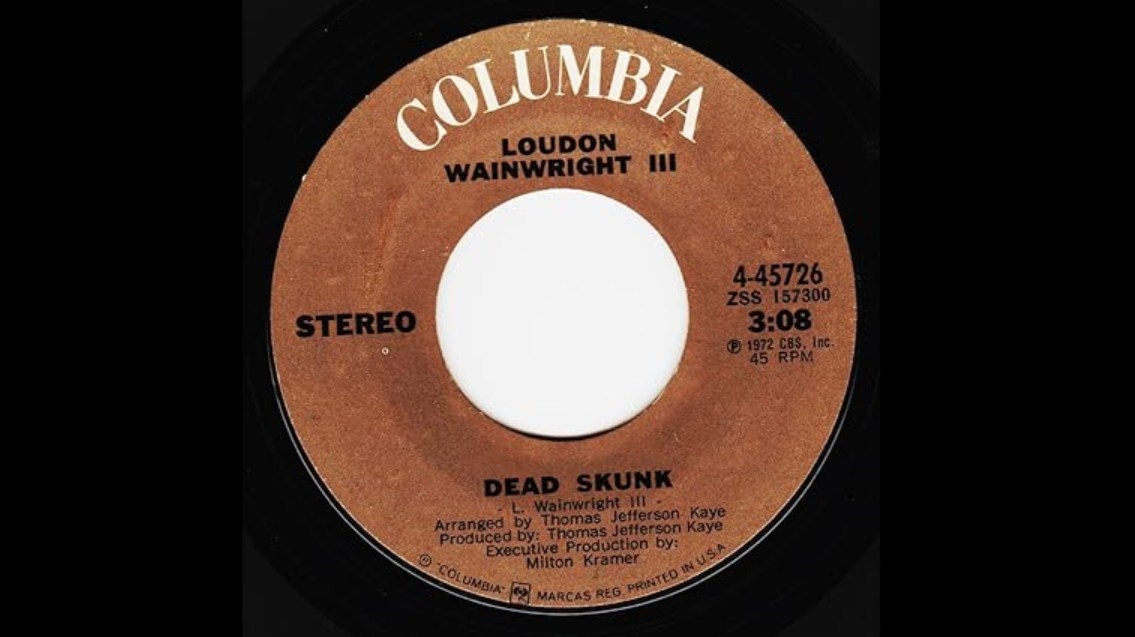
Only in the quirky musical landscape of 1973 could a folk song about roadkill like Loudon Wainwright III’s “Dead Skunk” crack the Top 20. Wainwright reportedly wrote the humorous lyrics in just 15 minutes after driving past an actual dead skunk.
Despite releasing over 20 albums throughout his career, Wainwright never returned to the Top 40. The song’s humorous take on an unpleasant subject opened doors for Wainwright’s long-lasting career as a respected folk artist and occasional actor.
1. “I’ll Give You a Daisy a Day” by Jud Strunk
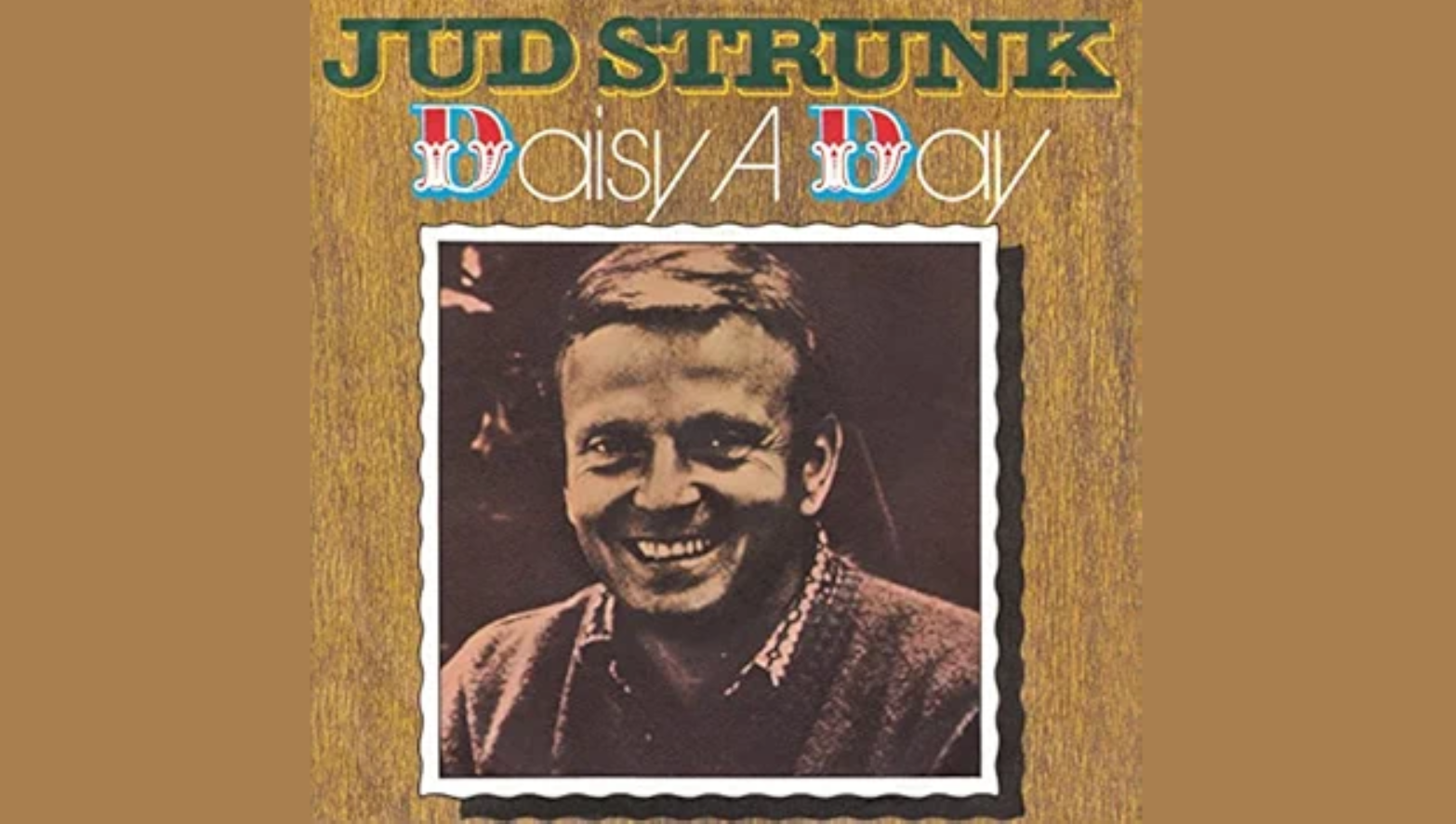
Crafted with simple, sincere lyrics about enduring love, Jud Strunk’s “I’ll Give You a Daisy a Day” created cross-continental appeal despite its modest production. Its simple melody and sincere delivery made it stand out among more complex productions.
A New England folk singer and comedian, Strunk appeared regularly on “Laugh-In” but couldn’t translate his television exposure into lasting musical success. When couples renew their vows decades after first dancing to this tender ballad, they often rediscover Strunk’s simple promise of enduring love.