



Guitar solos exist in that sweet spot where technical skill crashes into raw emotion—yet most players get trapped in the same tired pentatonic boxes. The difference between forgettable noodling and face-melting transcendence often comes down to a handful of techniques that legendary guitarists stumbled upon, then mastered with obsessive dedication. These aren’t just tricks; they’re sonic fingerprints that transformed six strings into extensions of human consciousness.
What follows is a decoder ring for ten techniques that revolutionized guitar playing—each one a portal to expand your musical vocabulary beyond the well-worn paths. These practical methods will rewire your muscle memory and unlock fretboard territories you’ve driven past a thousand times without noticing.
Disclaimer: Some images used for commentary and educational purposes under fair use. All rights remain with their respective owners.
Mick Taylor’s String Pairing Trick
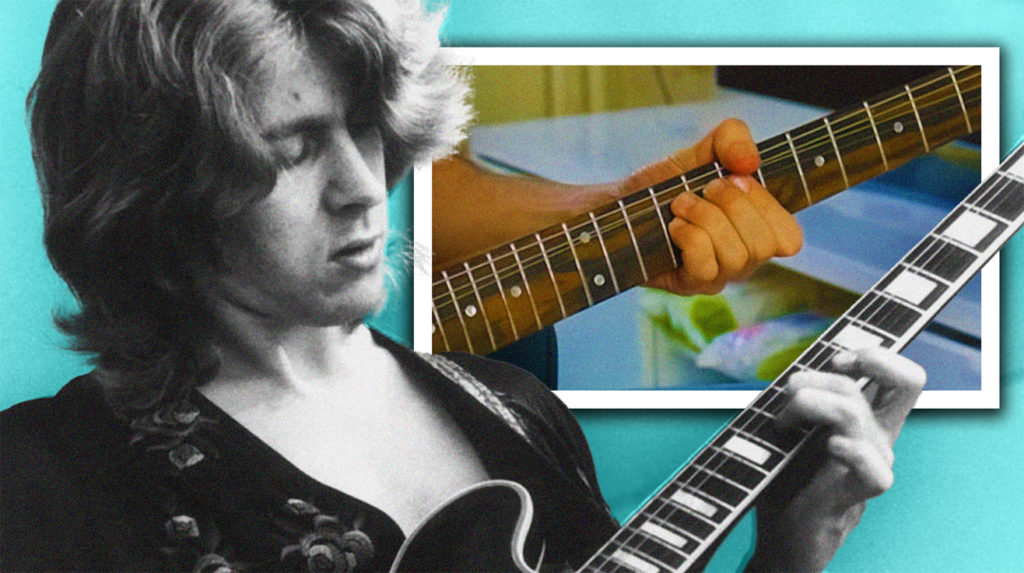
The secret to Mick Taylor’s hypnotic solos with the Stones wasn’t exotic scales or expensive gear—it was his mastery of dyads. Taylor approached the fretboard as a series of harmonic relationships rather than isolated notes, creating mini chord structures that hit with rock intensity. His string pairs functioned similar to how a DJ uses crossfaders, blending harmonic voices to create textures that single notes simply can’t achieve.
To capture this technique, play simple two-string combinations across the neck, focusing on how intervals create distinct emotional flavors. The sweet spot appears when you maintain one note while changing another—creating that characteristic Taylor motion where harmony and melody intertwine like DNA strands.
Buddy Guy’s Minor Pentatonic Lick
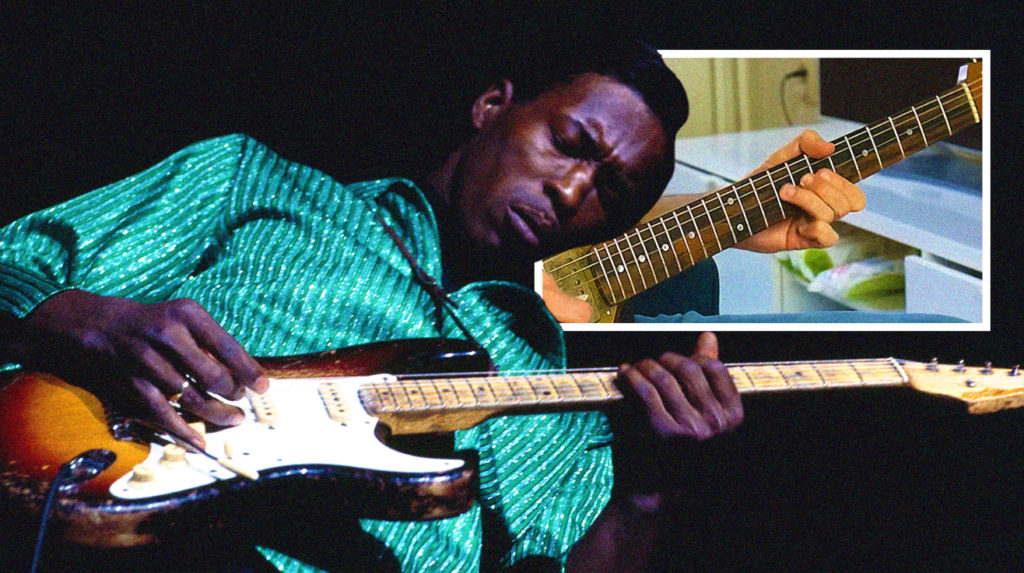
Buddy Guy’s solos pack the emotional punch of a breakup text followed by an immediate “I didn’t mean to send that” message. His signature pentatonic flourish creates instant dramatic tension by combining rhythmic aggression with harmonic surprise. When Guy slides into blue notes while adding that high E string accent, he’s creating competing voices that resolve into perfect emotional chaos.
Try this technique by starting with a standard minor pentatonic phrase on your middle strings, then suddenly introducing the high E string with your index finger slightly barred. The contrast between sustained lower notes and that piercing high string creates a sonic imbalance that feels unstable—then resolves in a way that makes perfect emotional sense.
Chuck Berry’s Chugging
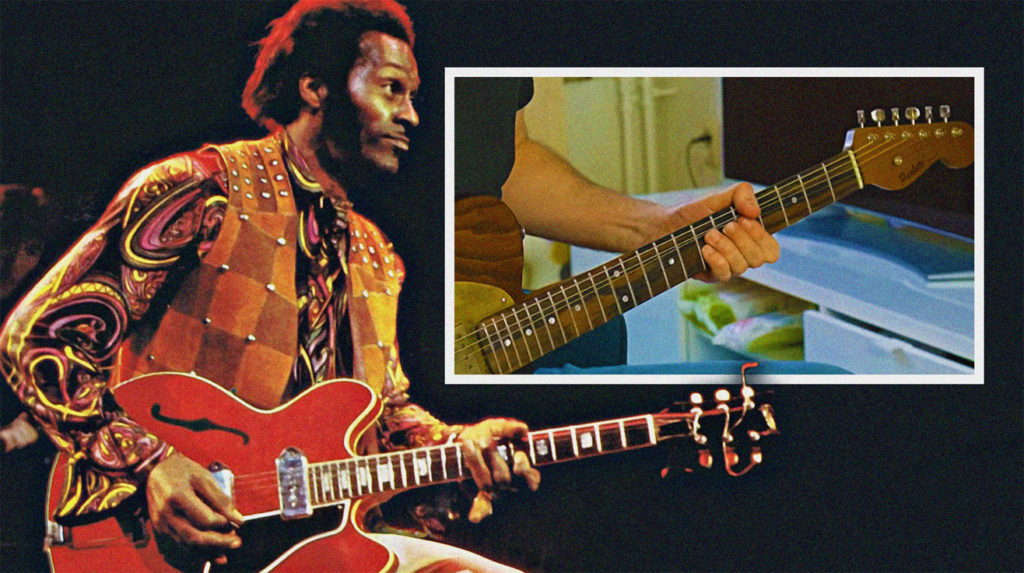
Chuck Berry’s chugging technique wasn’t just playing—it was engineering the sonic architecture that would become rock and roll’s foundation. The magic happens when Berry simultaneously strikes rhythmic pulses while implying melodic movement, creating a percussive engine that powers everything from Johnny B. Goode to every garage band that followed. It’s the guitar equivalent of patting your head while rubbing your stomach, tricking listeners into hearing a full band when it’s just six strings.
Master this technique by focusing on your picking hand’s precision rather than fretting gymnastics. Practice alternating between double-string strikes and single notes while maintaining unwavering timing. The technique creates forward momentum similar to pushing a shopping cart down a slight incline—it practically plays itself once you get it rolling.
Stevie Ray Vaughan’s Top String Lick
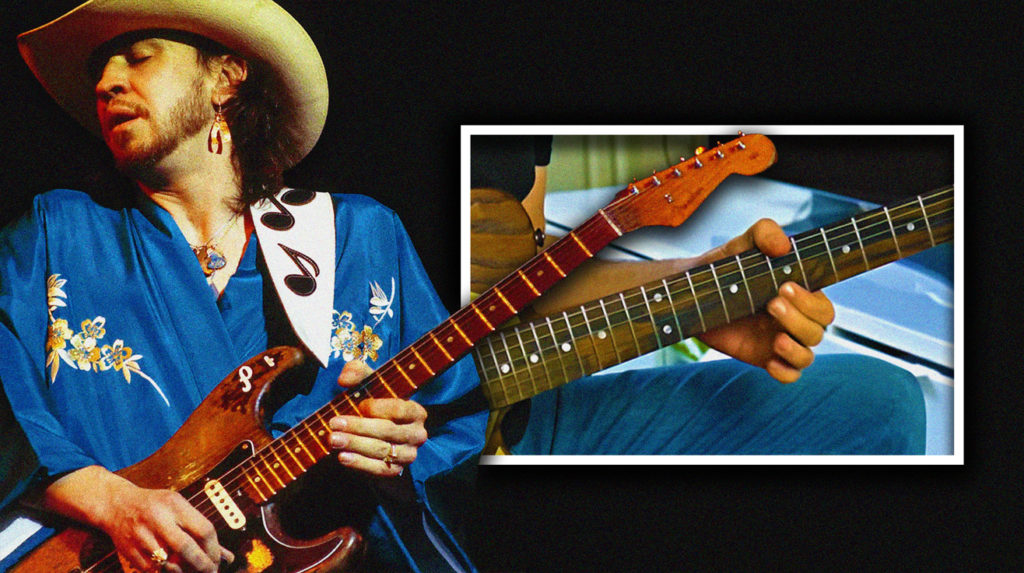
SRV’s defining licks create the same emotional sucker punch as that moment in The Empire Strikes Back when Darth Vader drops the family bombshell. His high-E string flourishes function similar to narrative plot twists, momentarily moving outside expected patterns before resolving in a way that feels both surprising and inevitable. These brief ventures into harmonic tension create micro-moments of musical discomfort that make the resolution twice as satisfying.
To capture this technique, start with standard minor pentatonic patterns but add unexpected high-E string embellishments that temporarily step outside the scale. The technique works similarly to adding a pinch of salt to chocolate chip cookies—that small harmonic friction actually enhances the overall experience, creating depth that purely “correct” playing never achieves.
Wes Montgomery’s Octaves
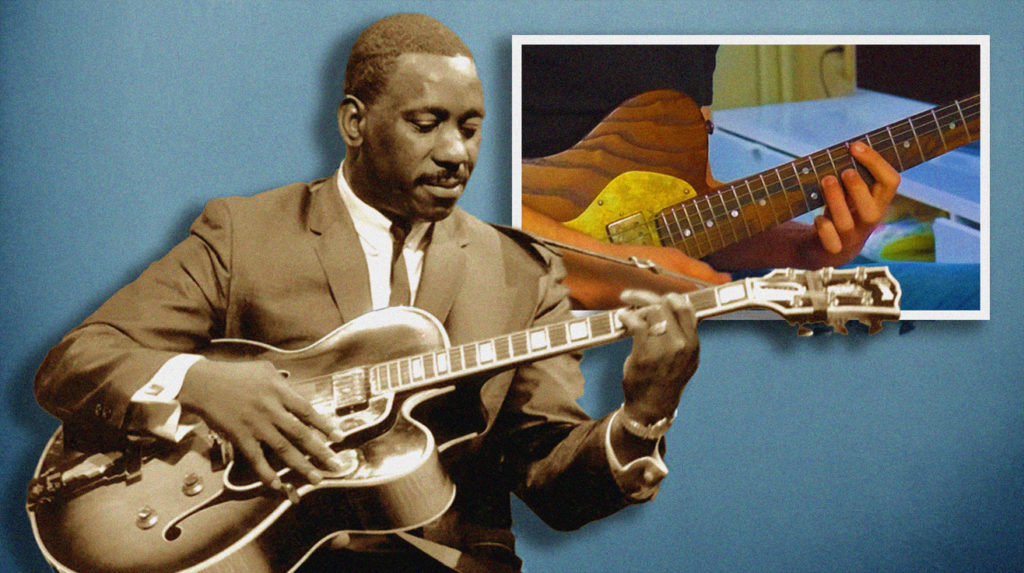
Wes Montgomery’s octave technique transforms the guitar from a solo voice into a miniature horn section. By muting middle strings while playing notes an octave apart, Montgomery created a sonic signature as instantly recognizable as a fingerprint. His thumb-picking approach adds warmth that pick playing can’t replicate—similar to how vinyl sounds different from digital streaming despite containing identical information.
Try this approach by placing your thumb on lower strings and fingers on corresponding octaves while using your index finger to lightly mute strings in between. The technique requires precise finger control but creates a uniquely warm tone that cuts through any mix without becoming harsh. Start with simple melodic lines before attempting complex phrases.
Jimi Hendrix’s Descending Bend
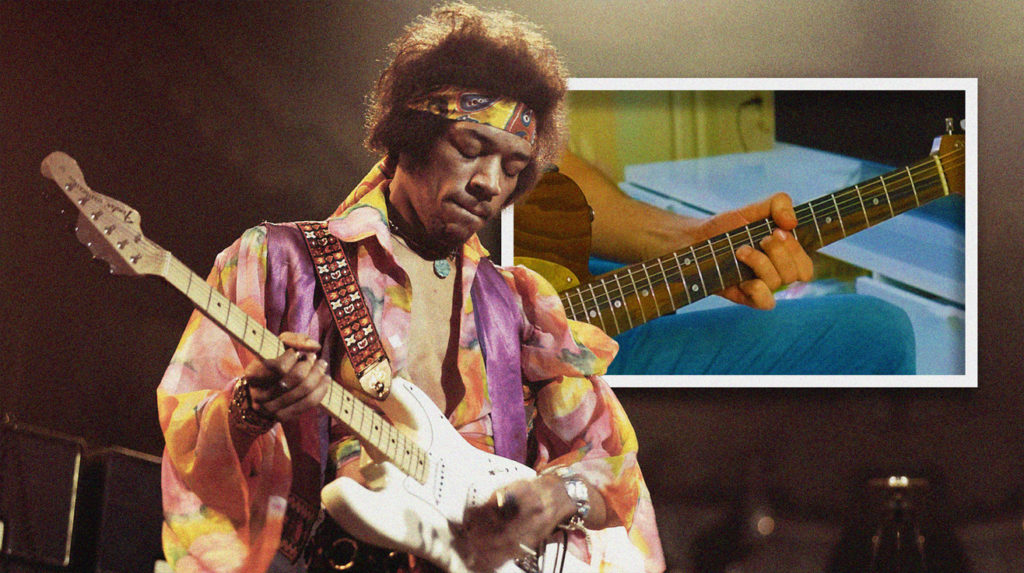
Hendrix’s descending bends function as musical question marks, creating phrases that feel similar to how Christopher Nolan movies leave audiences questioning reality. The technique manipulates pitch in ways that create emotional vertigo—momentary disorientation that forces listeners to pay closer attention. When Hendrix slowly releases a bend after establishing tension, he’s creating controlled chaos that resolves into meaning.
Recreate this effect by starting with standard string bends but focus on the release rather than the initial bend. The emotive quality happens during the gradual return to pitch—not unlike the emotional impact of slowly exhaling after holding your breath. The technique creates that characteristic vocal quality that makes Hendrix’s guitar seem to speak actual words.
Eric Clapton’s Hammer-On/Pull-Off Trick
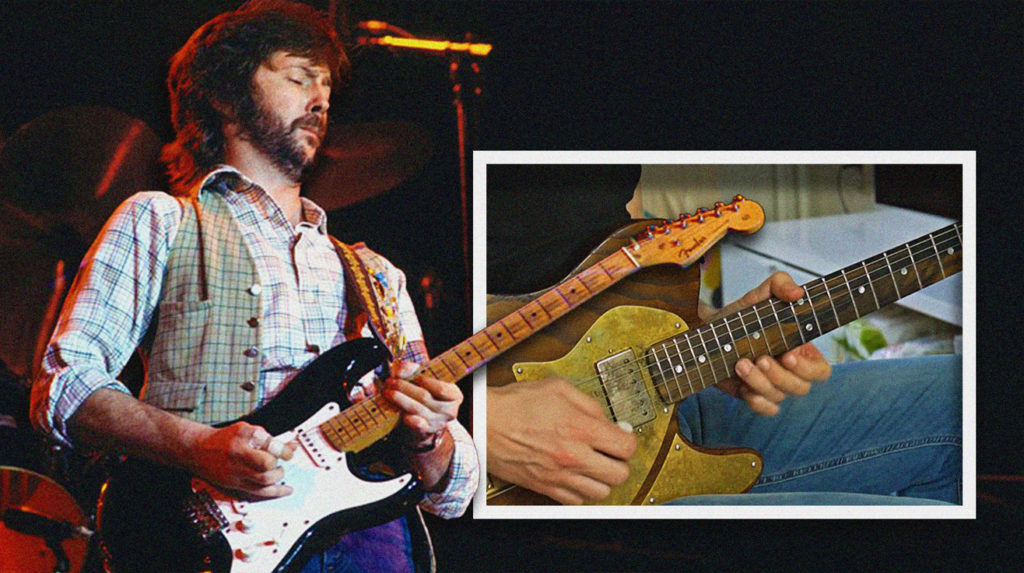
Clapton’s hammer-on/pull-off sequences function as musical commas—brief technical flurries that punctuate longer statements with emotional emphasis. The contrast between rapid hammer-ons and deliberate sustained notes creates dynamic storytelling, similar to how a good conversation needs both excited bursts and thoughtful pauses.
Master this approach by practicing rapid hammer-ons and pull-offs that lead into deliberately slower, sustained notes with vibrato. The contrast between speeds creates natural emphasis points—similar to how a well-placed pause in comedy timing enhances the punchline. The technique builds emotional architecture into even simple phrases.
Albert King’s Upside-Down Blues
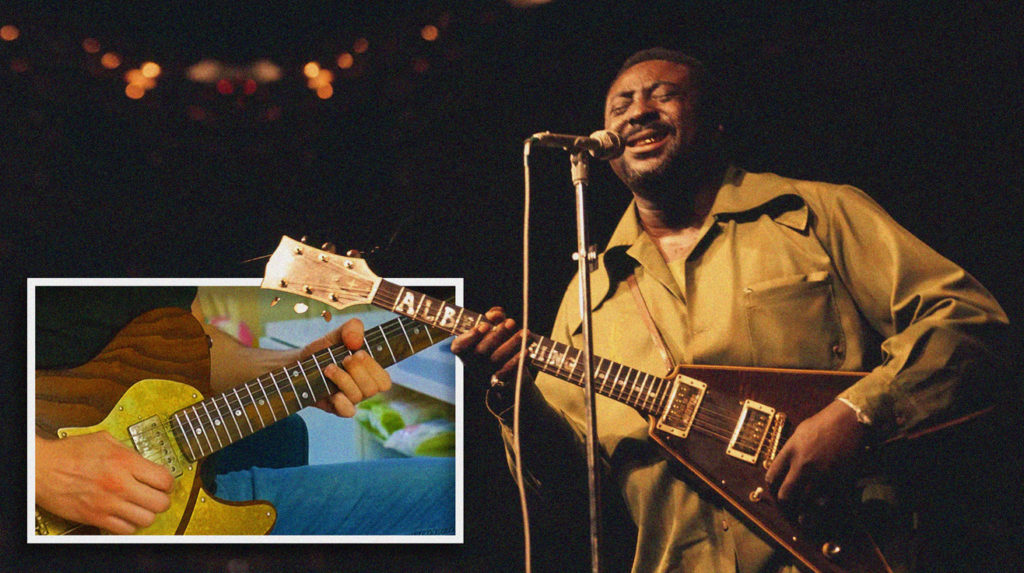
Albert King’s backwards approach to the guitar created a sound as distinct as backwards speech in Twin Peaks—familiar elements rearranged into something hauntingly new. As a left-handed player using right-handed guitars strung upside-down, King physically couldn’t play like anyone else. His massive string bends required entirely different muscle groups, creating tone that feels stretched beyond normal physical limits.
You can approximate King’s approach without restringing your guitar by focusing on unconventional bending techniques. Use your middle finger for bends instead of the typical index-ring combination, and experiment with pulling strings downward rather than the standard upward motion. This creates bends with a different attack and release quality—similar to how writing with your non-dominant hand produces recognizable but distinctly different penmanship.
Scotty Moore’s Major Explorations
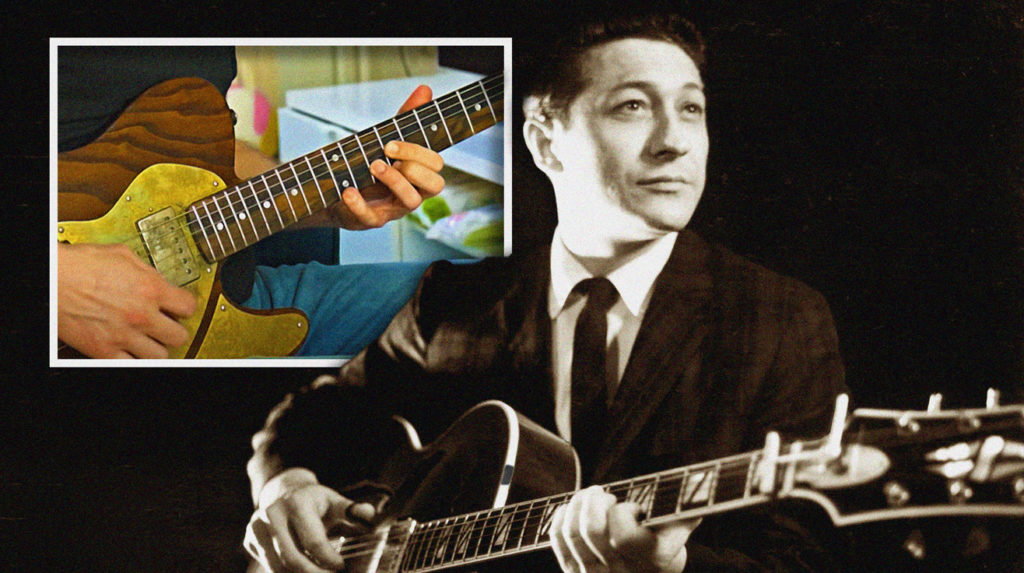
Scotty Moore’s major scale variations function similar to how cinematographers use color grading to establish mood without the audience consciously noticing. His technique of weaving between major and minor thirds within standard major scales creates emotional complexity that pure major scales lack. This approach adds subtle blues inflections to otherwise straightforward country-influenced phrases.
Try this technique by playing standard major scale patterns but deliberately altering certain notes—particularly targeting the third scale degree and alternating between major and minor versions. The approach works similar to how shifting between first and third person in storytelling creates different perspective effects—same information, dramatically different emotional impact.
B.B. King’s Touch Dynamics
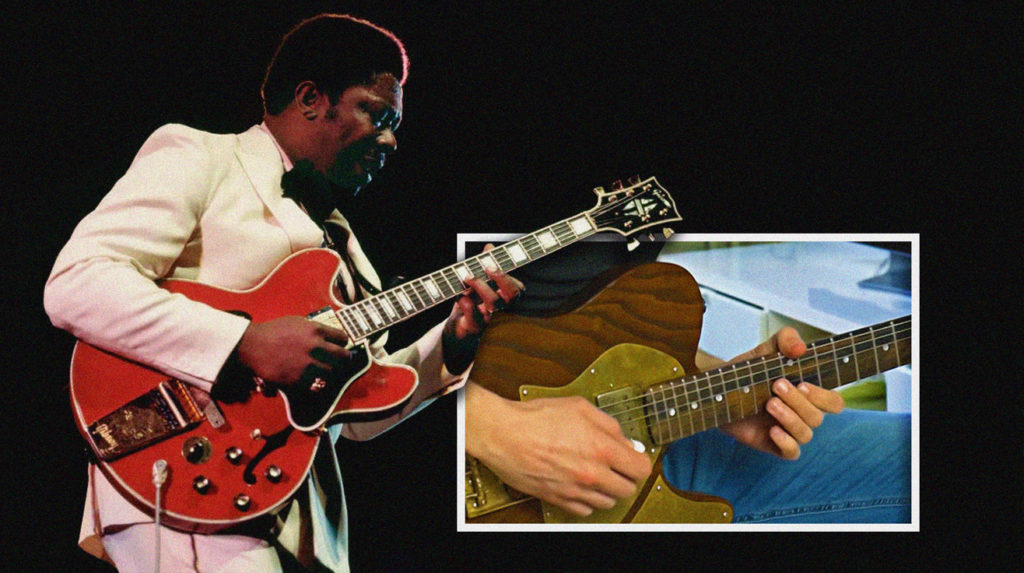
B.B. King’s dynamic control transforms simple phrases into emotional storytelling through the guitar equivalent of a stage whisper. Where other players rely on speed or technical flourishes, King creates impact through dramatic volume contrasts. His solos work similar to how good film scores enhance emotional scenes without drawing attention to themselves—the technique disappears into pure feeling.
To develop this sensitivity, practice playing identical phrases at dramatically different volume levels. Focus on how pick attack, finger pressure, and hand positioning affect the guitar’s voice. The technique is less about what you play and more about how you play it—similar to how identical dialogue can communicate completely different meanings through subtle changes in delivery.