



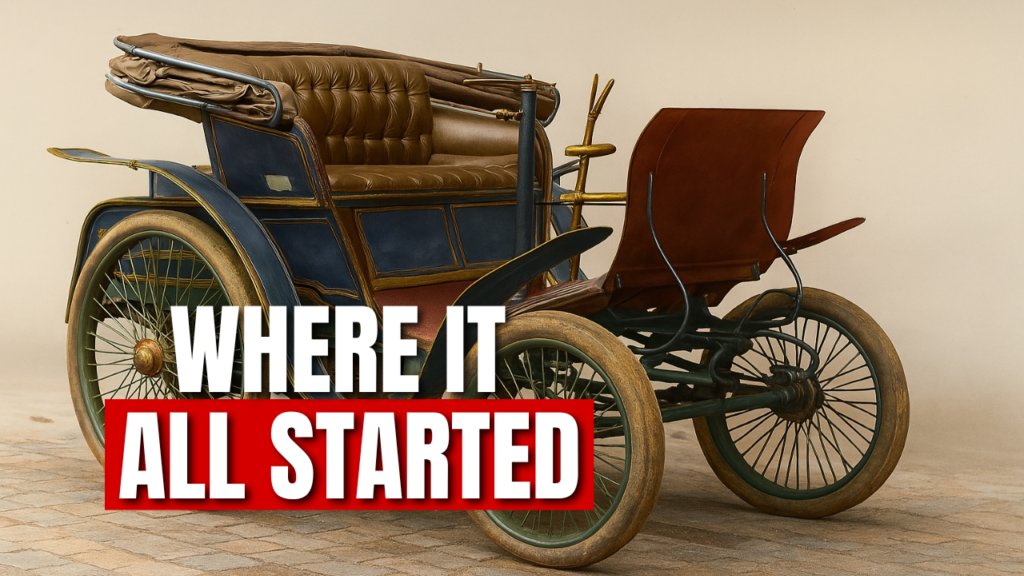
American transportation was broken—trapped in the slow, limited world of horse-drawn carriages. Spanning from the 1893 Duryea Motor Wagon to the 1941 Buick Super Convertible, 20 remarkable cars would rewrite the rules of mobility forever. The Duryea brothers delivered a radical solution: lightweight vehicles that could reach 20 miles per hour.
These early automobiles promised freedom beyond traditional transportation constraints. Mechanical innovation became the key to unlocking human potential.
A new era of mobility was about to begin.
20. 1893 Duryer Motor Wagon
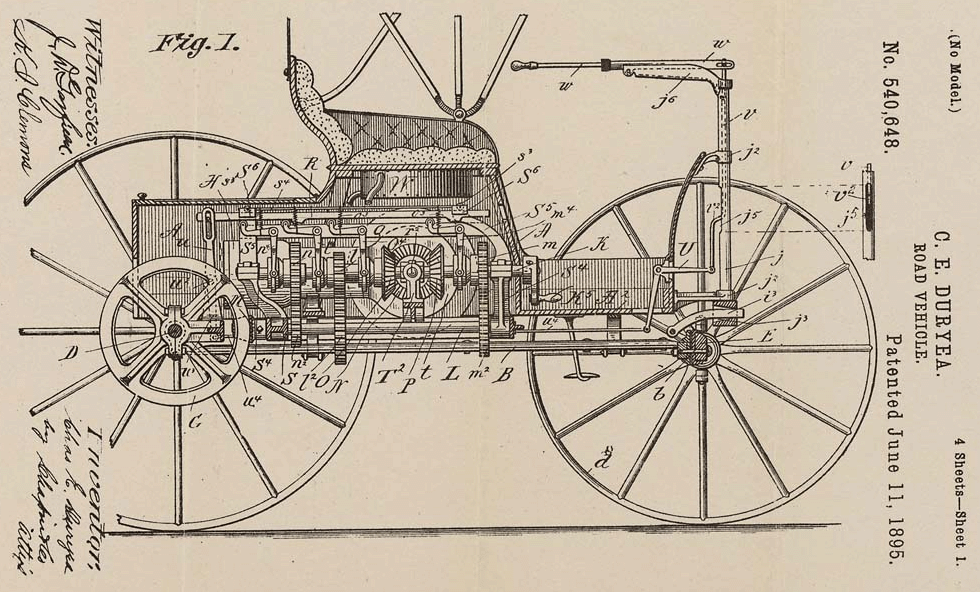
Trapped in an era of horse-drawn transportation, American inventors dreamed of faster, more independent mobility. The Duryea brothers delivered with a four-horsepower, single-cylinder engine capable of reaching 20 mph. Lightweight and innovative, the vehicle proved that gasoline-powered transportation could transform mobility beyond horse-drawn limitations.
Want to experience automotive engineering at its most raw? Mechanical simplicity defined every inch of the Duryea’s interior. Exposed components and minimal controls reflected the experimental nature of early automotive design. Drivers encountered a raw, unfiltered connection to the machine—a far cry from the comfort of later vehicles.
19. 1896 Benz Velo
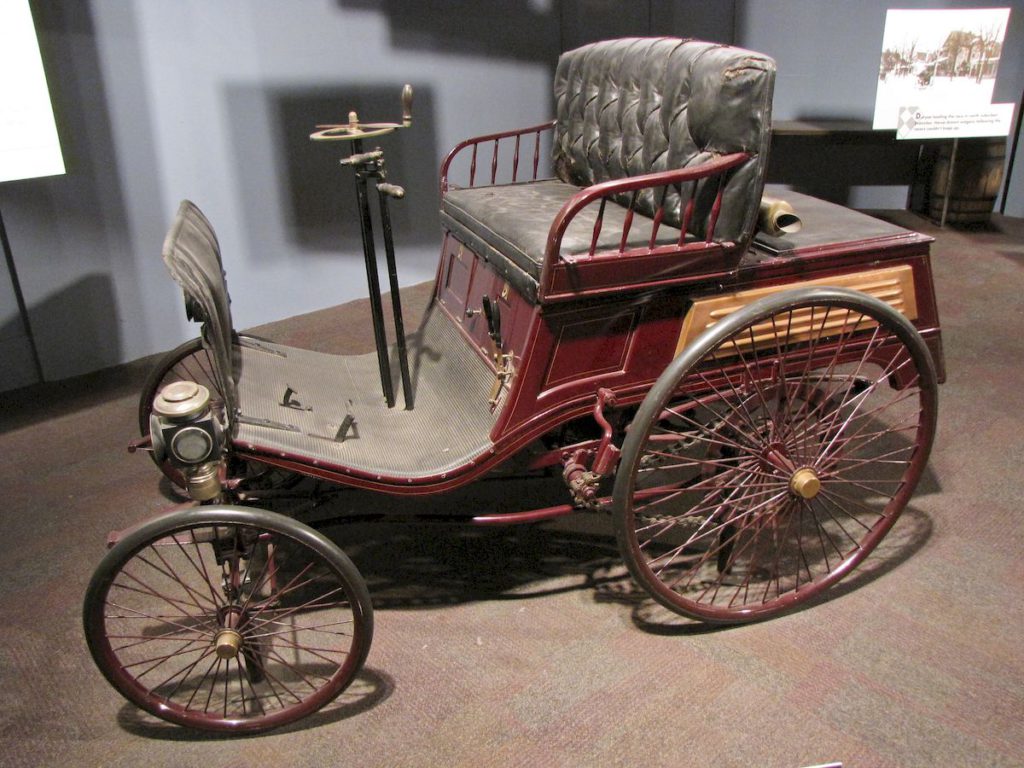
Manufacturing was about to change forever. The imported Benz Velo arrived with a 1.5 metric horsepower engine, challenging existing production methods and reaching 12 mph. Its breakthrough lay in standardized serial production, challenging existing ideas about transportation manufacturing.
Ever wondered how transportation moved from impossible to inevitable? Utilitarian design packed every inch of the Benz Velo’s interior. Basic seating and rudimentary controls emphasized function over comfort. Passengers experienced transportation stripped to its most essential elements—a machine that promised mobility to the masses.
18. 1901 Curved Dash Oldsmobile (Exterior)
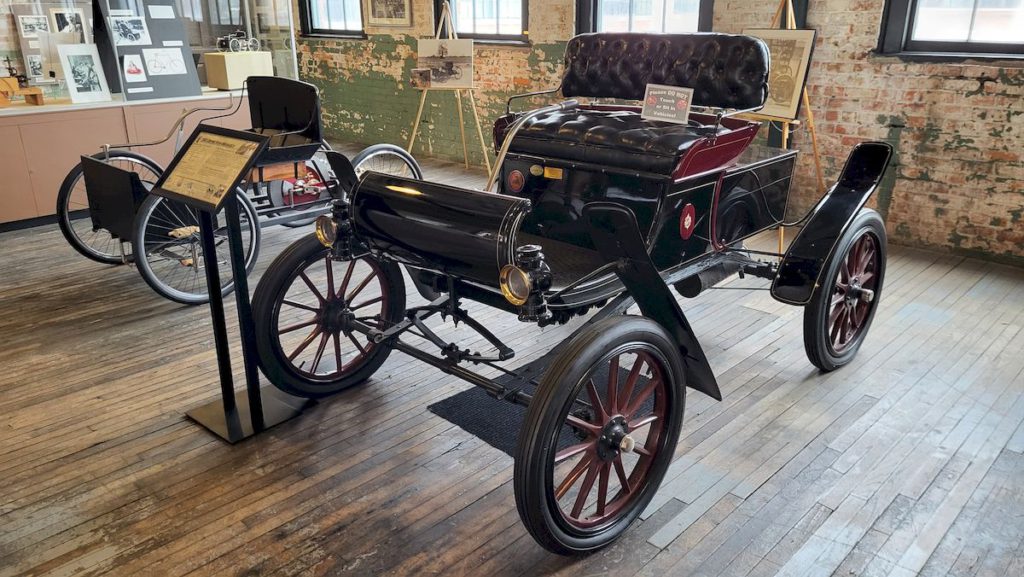
When personal transportation seemed like a luxury for the wealthy, Ransom Olds had a different vision. Weighing just 600 pounds, the vehicle featured a five-horsepower single-cylinder engine that could reach 20 mph. Its distinctive curved dash became an iconic design that captured America’s automotive imagination.
Imagine a car that spoke the language of pure, unfiltered mechanics. Minimalism ruled the Oldsmobile’s interior space. Bare-bones instrumentation and exposed mechanical components told a story of early automotive engineering. Drivers felt every vibration and heard every mechanical nuance of this groundbreaking machine.
17. 1903 Ford Model A (Exterior)
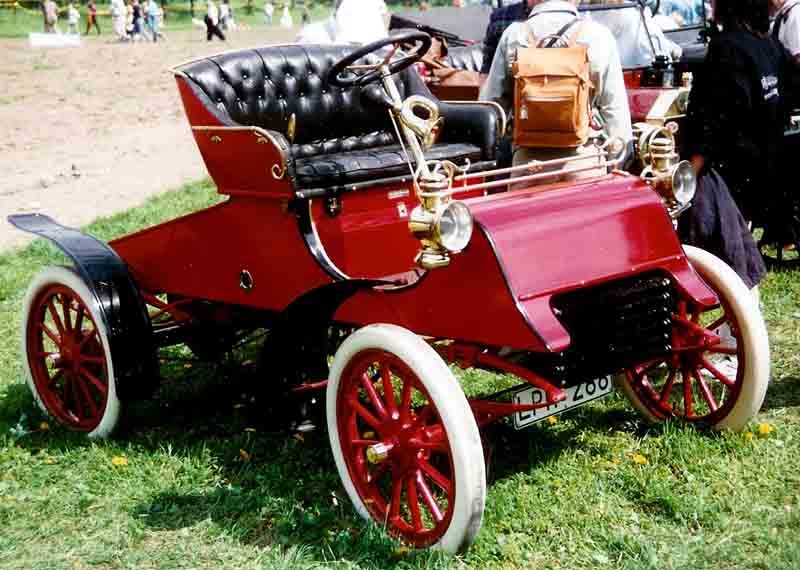
Transportation was about to become accessible to everyone. Henry Ford’s first automobile packed a two-cylinder, eight-horsepower engine capable of reaching 28 mph. Priced at $850, the vehicle opened doors to automobile ownership for many Americans.
What if your ride was more than just transportation? Spartan doesn’t begin to describe the Model A’s interior landscape. Bench seating and basic controls reflected the earliest days of automotive design. Every ride became an adventure, with drivers intimately connected to the machine’s mechanical heartbeat.
16. 1905 Packard Model F (Exterior)
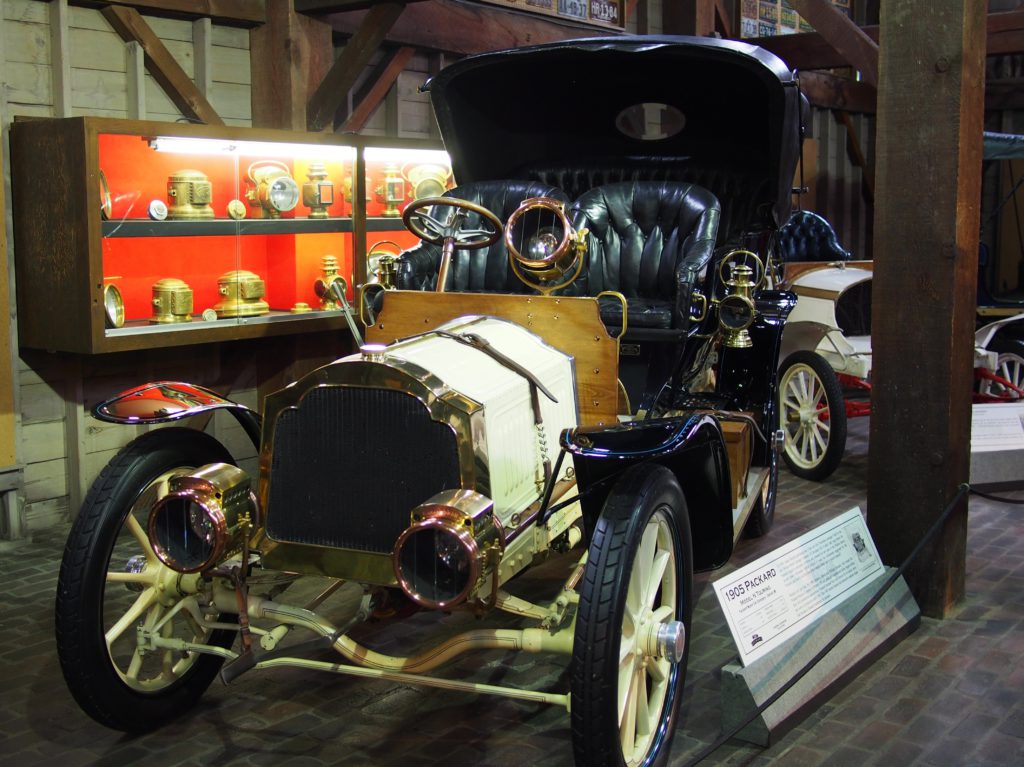
Luxury was ready to enter the automotive world. Generating 12 horsepower, the vehicle could reach 35 mph and featured a fully enclosed body. Wealthy customers found a symbol of status and technological sophistication in this meticulously crafted machine.
Comfort was about to become a revolutionary concept in transportation. Refined materials transformed the Packard’s interior into a mobile sanctuary. Carefully selected woods and premium fabrics set it apart from utilitarian designs. Passengers experienced a level of comfort that elevated transportation beyond mere movement.
15. 1906 Cadillac Model K (Exterior)
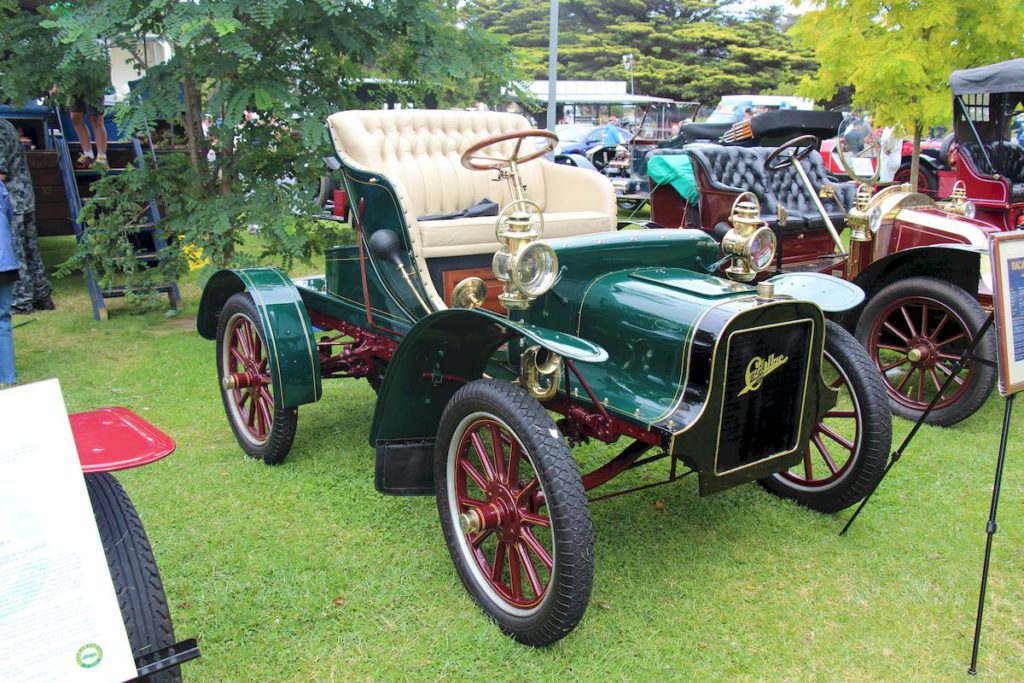
The future of automotive technology arrived with a rumble. Featuring 10 horsepower and priced at $750, the Cadillac Model K introduced electric lighting and a self-starter. The vehicle helped establish Cadillac’s reputation for quality and forward-thinking design.
What if a car could understand human needs? Thoughtful engineering defined the Cadillac’s interior space. Electric lighting and carefully placed controls showcased a growing understanding of driver experience. Each detail spoke to a future where automobiles would prioritize human interaction.
14. 1911 Mercer Type 35R Raceabout (Exterior)
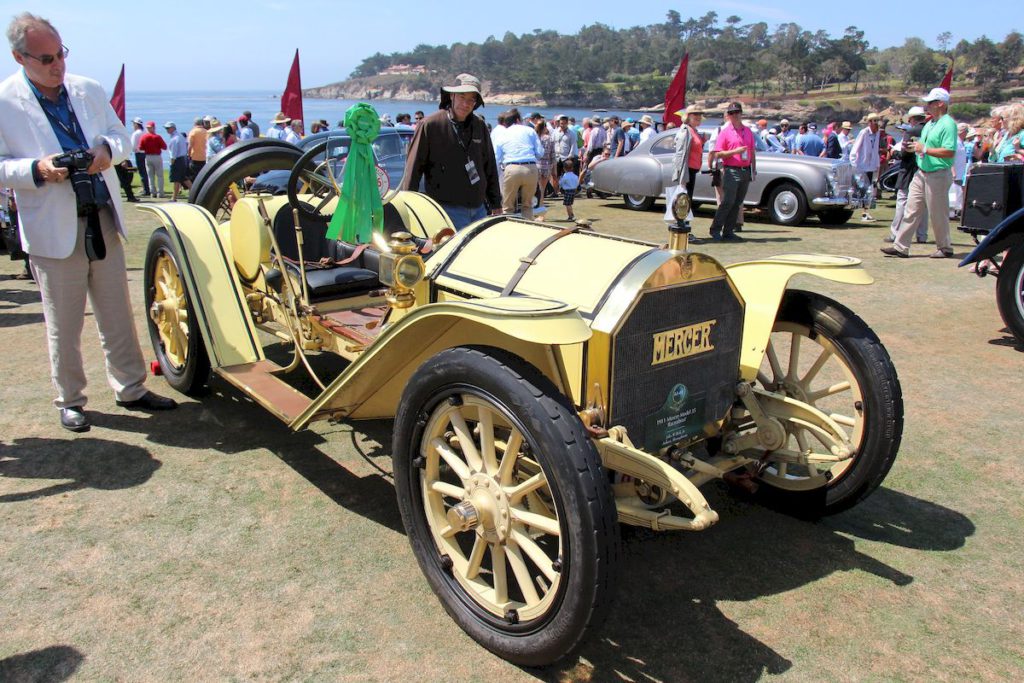
Speed was about to become an art form. The Mercer Type 35R Raceabout roared to life with 55 horsepower, capable of reaching an extraordinary 100 mph. Its lean design and powerful engine transformed automotive performance, creating one of America’s first true sports cars.
What happens when engineering meets pure adrenaline? Pure performance dictated the Mercer’s interior philosophy. Minimal controls and a low-slung driving position connected the driver directly to the machine. Every element emphasized speed over comfort, speaking to the era’s automotive ambitions.
13. 1911 Ford Model T (Exterior)
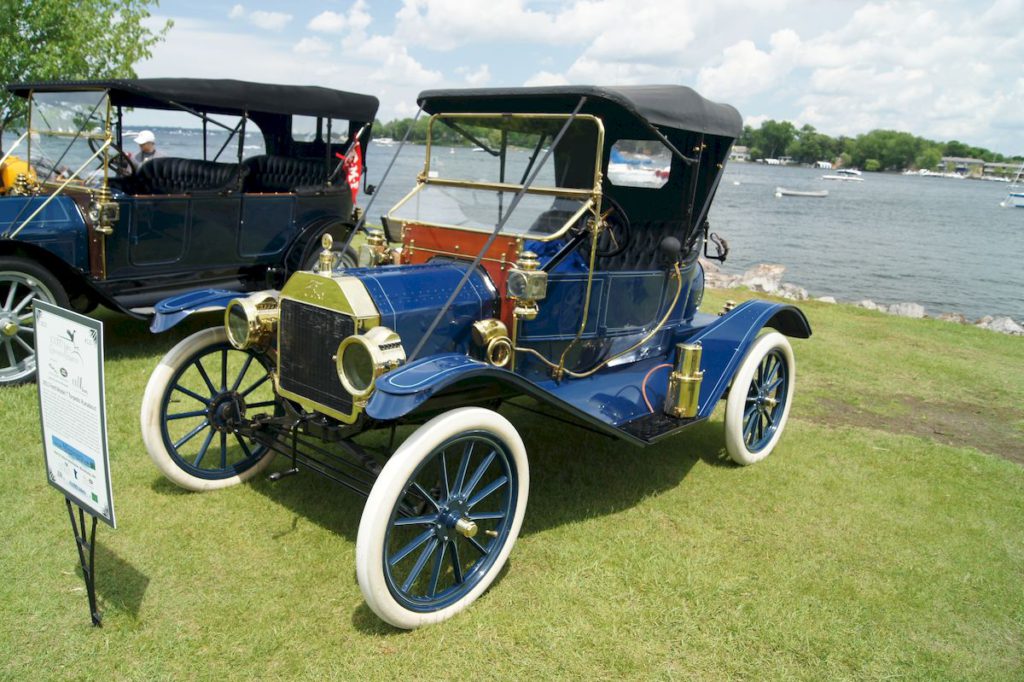
Transportation was on the brink of a revolution. The Ford Model T arrived with a 20-horsepower engine that would change everything. Innovative assembly line techniques dramatically reduced prices, putting automobile ownership within reach of millions. The planetary gear transmission simplified driving for everyday Americans.
Imagine mobility becoming a right, not a privilege. Fundamental transportation defined the Model T’s interior space. Basic bench seating and exposed mechanical components told a story of accessibility and practicality. Drivers encountered a machine that democratized mobility across social boundaries.
12. 1914 Pierce-Arrow Model 48 (Exterior)
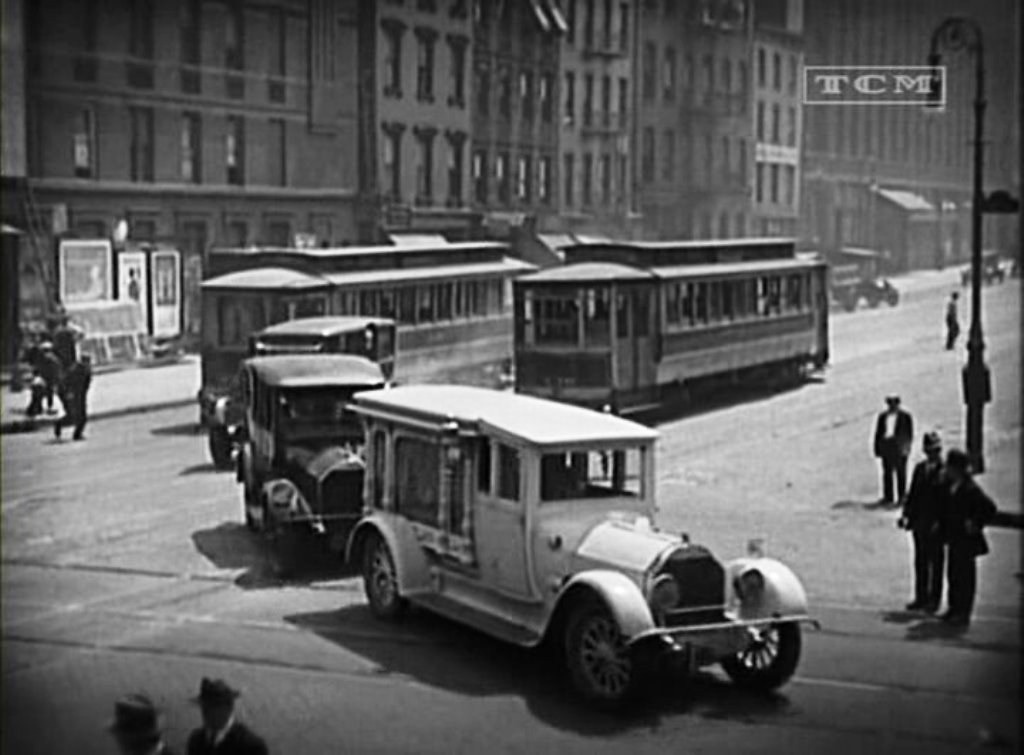
Luxury was ready to hit the open road. Delivering 48 horsepower, the Pierce-Arrow Model 48 could reach 55 mph. Designed exclusively for wealthy buyers, its elegant exterior turned heads and signaled social status.
What if transportation could be a statement of success? Opulence characterized every detail of the Pierce-Arrow’s interior. Fine woodwork and premium upholstery created a mobile environment of unparalleled comfort. Passengers experienced transportation as an art form, far removed from utilitarian designs.
11. 1916 Dodge Brothers Touring Car (Exterior)
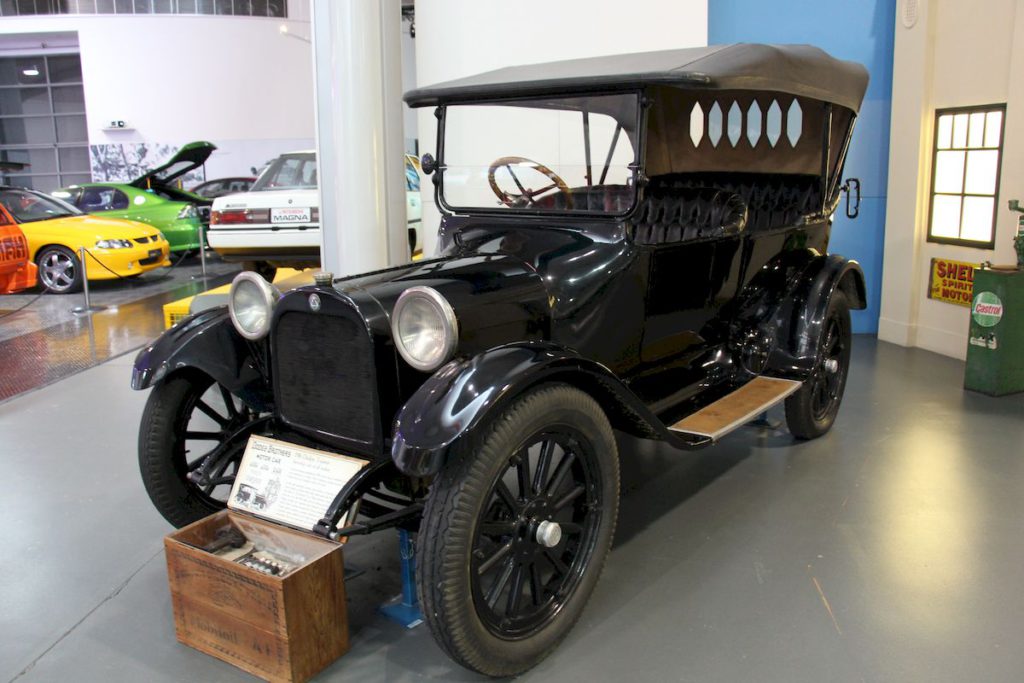
Family transportation was about to get a serious upgrade. Powered by a 35-horsepower engine, the Dodge Brothers Touring Car could reach 45-50 mph. Designed to accommodate five passengers, it represented a new vision of family mobility.
Imagine a car built for real-world families. Functionality defined the Dodge’s interior space. Spacious seating and straightforward design prioritized real-world usability. Families found a reliable companion for their growing transportation needs.
10. 1921 Lincoln Model L (Exterior)
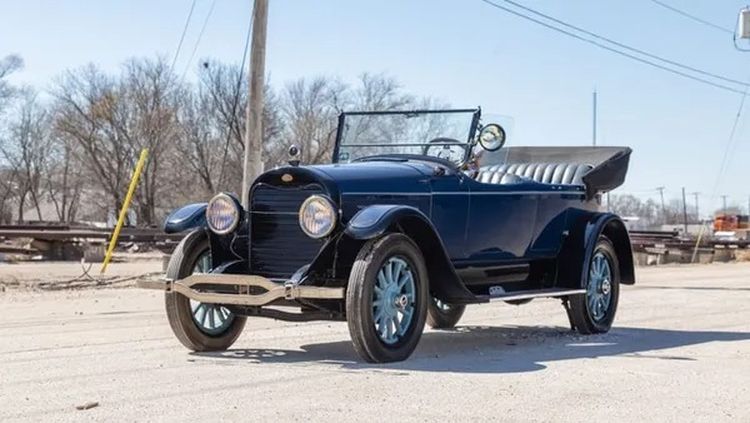
Automotive luxury was ready for a new chapter. Henry Leland’s Lincoln Model L arrived with 81 horsepower and the ability to reach 70 mph. Bespoke coachwork and superior engineering announced a new player in the luxury automotive market. Custom details separated it from mass-produced alternatives.
What if a car could be a mobile masterpiece? Craftsmanship spoke through every element of the Lincoln’s interior. Custom woodwork and premium materials created an exceptional driving environment. Passengers experienced a level of refinement that elevated transportation beyond mere movement.
9. 1920 Packard Twin Six (Exterior)
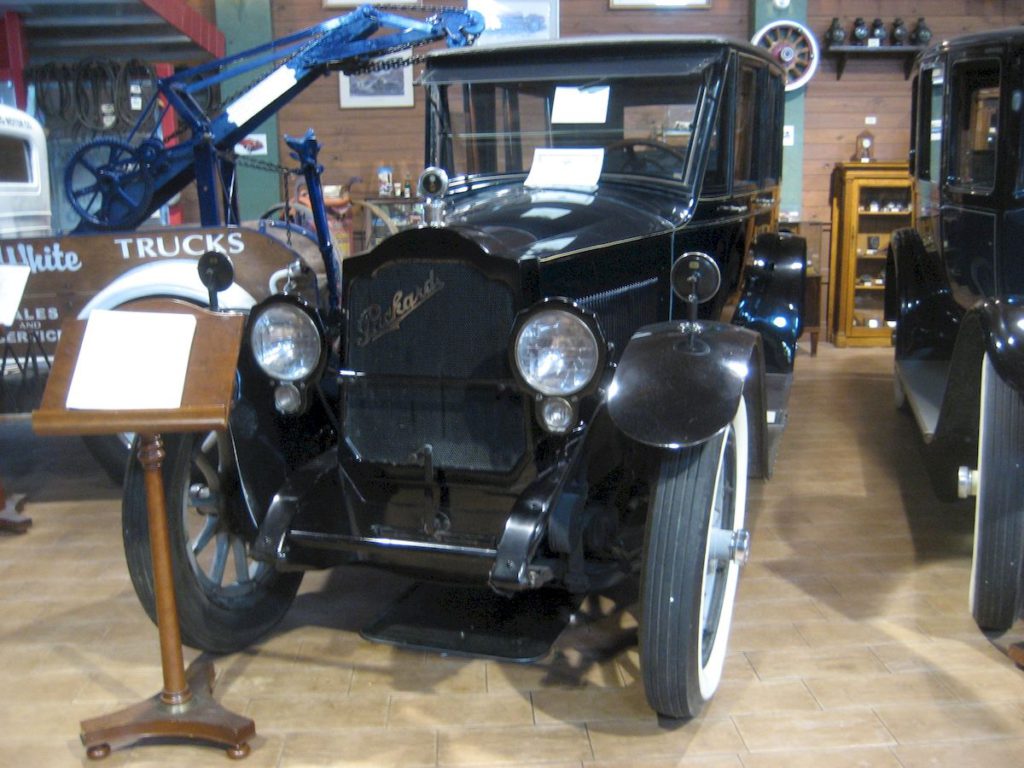
Performance was about to reach new heights of sophistication. The Packard Twin Six unleashed a V12 engine generating 90 horsepower, enabling smooth performance and speeds around 70 mph. Precision engineering transformed the driving experience for wealthy automobile enthusiasts.
What if luxury could be measured in silence and smoothness? Refinement defined every aspect of the Packard’s interior. Quiet operation and smooth ride quality set new standards for automotive comfort. Passengers experienced a level of sophistication that separated luxury from basic transportation.
8. 1922 Cadillac Type 61 (Exterior)
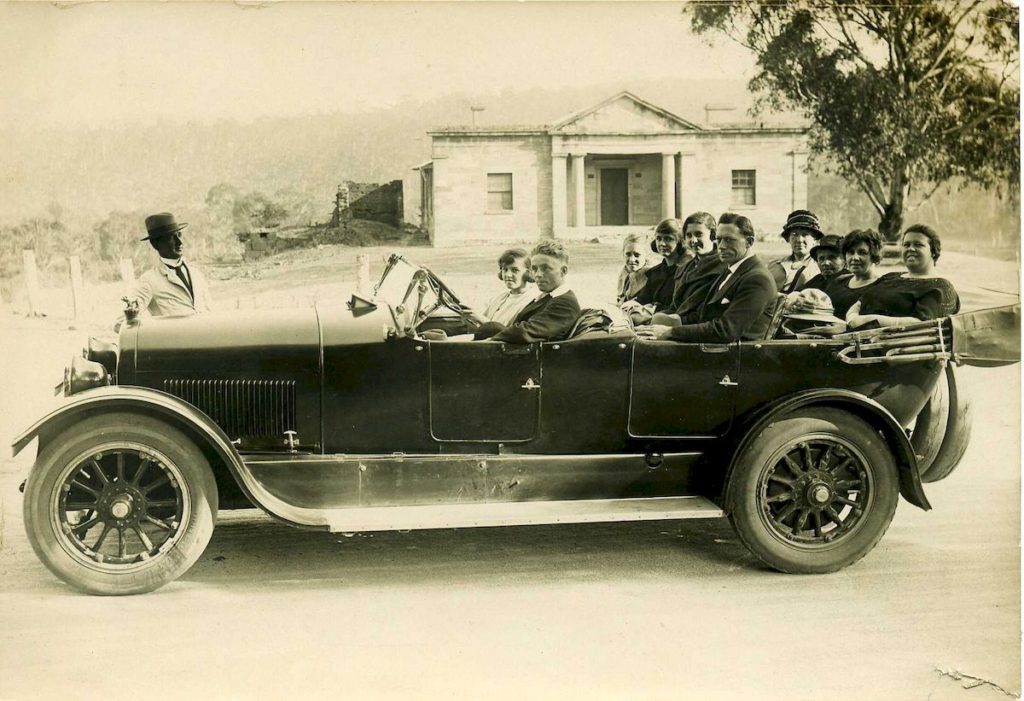
Automotive design was ready to become an art form. Powered by a 60-horsepower V8 engine, the Cadillac Type 61 could reach 60 mph. Flowing body lines created an aesthetic that went beyond mere transportation, becoming a work of mechanical art.
Imagine an interior that spoke the language of elegance. Elegant details transformed the Cadillac’s interior into a mobile sanctuary. Carefully crafted materials and thoughtful design spoke to a growing understanding of passenger comfort. Each element represented a step toward modern automotive luxury.
7. 1925 Chrysler 70 Roadster (Exterior)
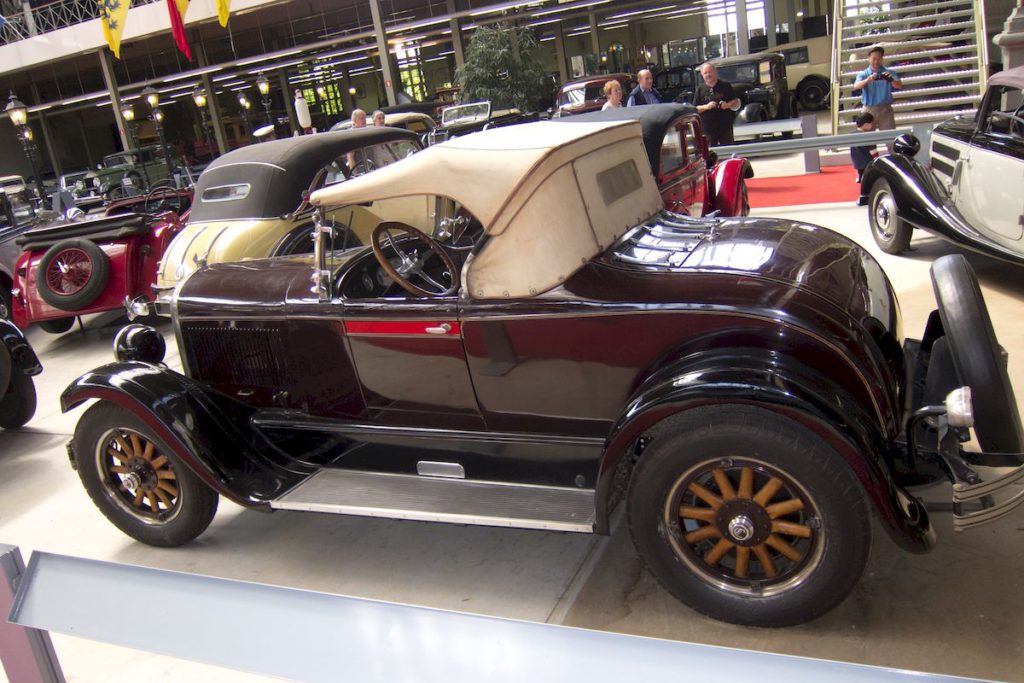
Innovation was about to redefine automotive performance. Generating 68 horsepower, the Chrysler 70 Roadster could reach 70 mph. Four-wheel hydraulic brakes represented a significant technological advancement, changing expectations for automotive performance and safety.
What if a car could balance excitement with practicality? Performance met practicality in the Chrysler’s carefully designed interior. Modern features and thoughtful layout demonstrated the brand’s forward-thinking approach. Drivers experienced a machine that balanced excitement with everyday usability.
6. 1927 LaSalle Series 303 (Exterior)
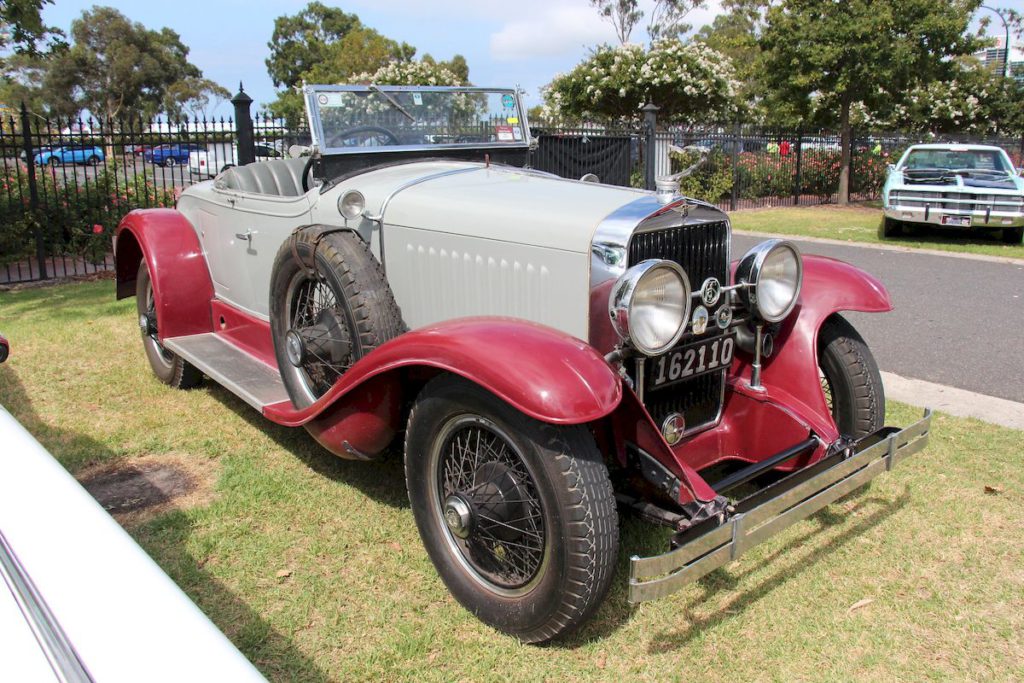
Luxury was ready to become accessible. General Motors’ LaSalle Series 303 arrived powered by a 75-horsepower straight-8 engine, capable of reaching 70 mph. Its carefully crafted exterior bridged the gap between luxury and accessibility.
Imagine an interior that defined an entire era of style. Style permeated every detail of the LaSalle’s interior space. Premium materials and carefully considered design elements created a driving environment of exceptional quality. Passengers experienced the pinnacle of 1920s automotive luxury.
5. 1929 Duesenberg Model J (Exterior)
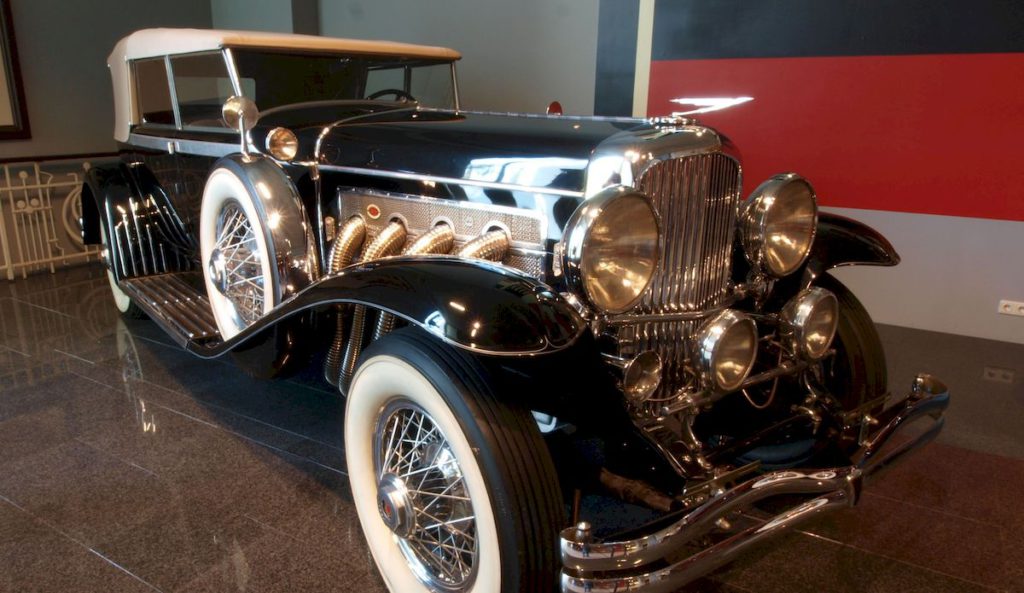
Automotive engineering was about to reach its absolute zenith. Generating an extraordinary 265 horsepower, the Duesenberg Model J could reach speeds around 116 mph. Custom-built bodywork transformed the automobile into a mobile work of art.
1929 Duesenberg Model J (Interior)
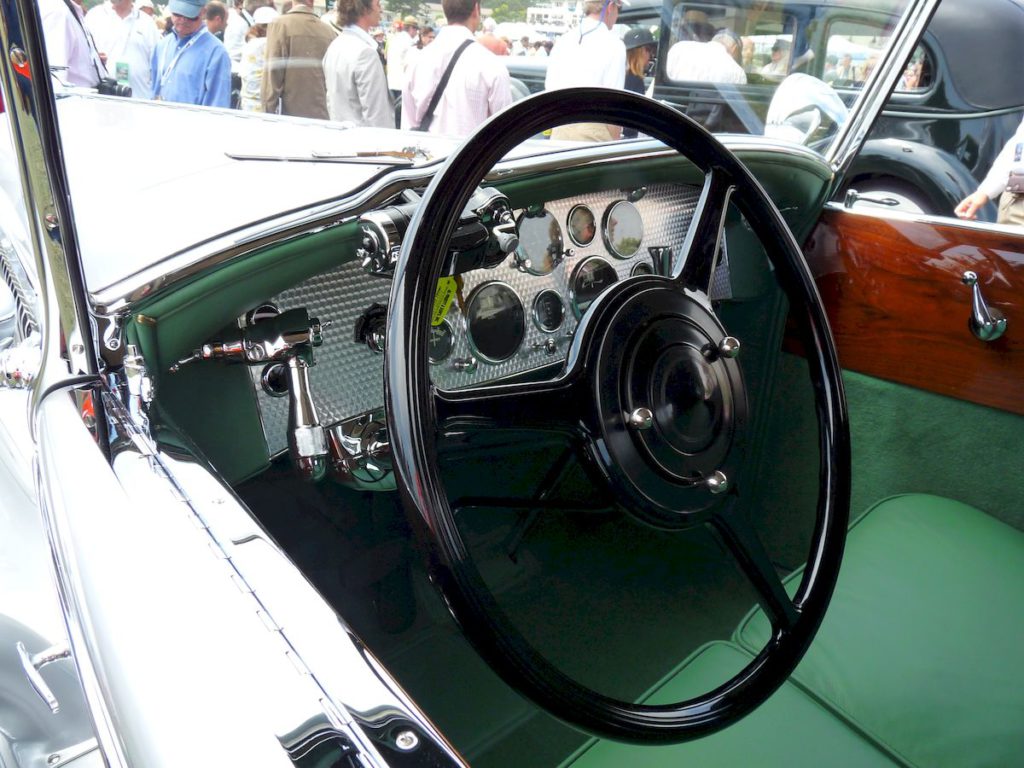
What if a car could be a personal statement of ultimate luxury? Ultimate luxury defined the Duesenberg’s interior environment. Custom craftsmanship and premium materials created an unparalleled driving experience. Each detail represented the pinnacle of automotive design and personal expression.
4. 1932 Ford V8 (Exterior)
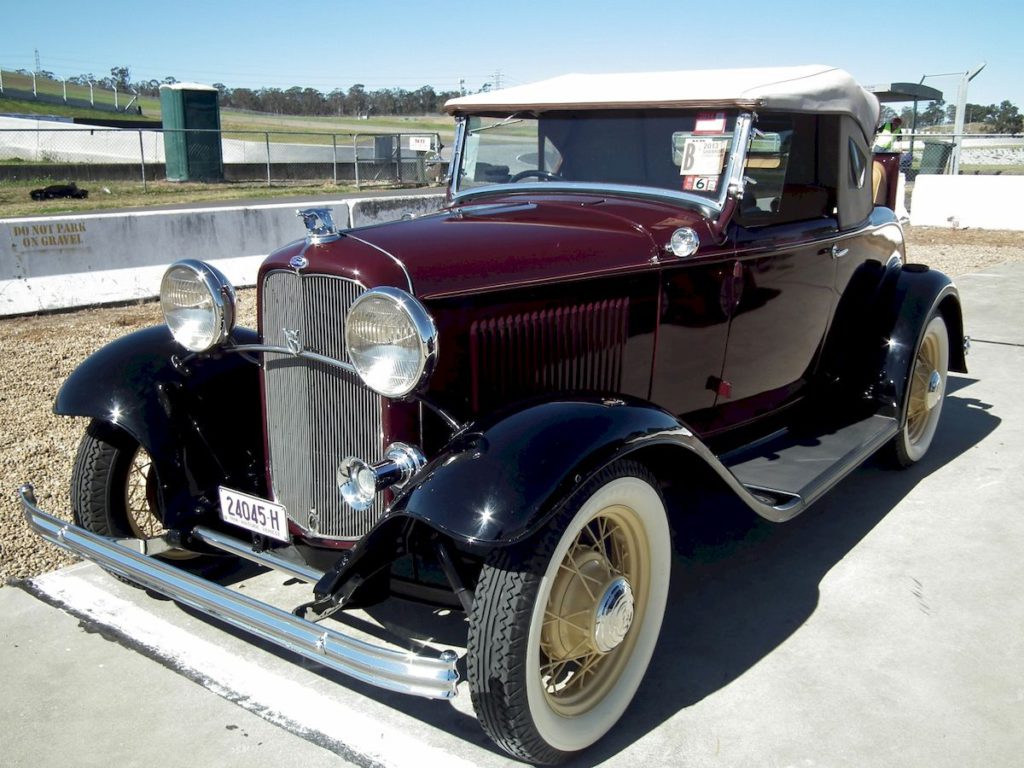
Performance was about to become accessible to everyone. The Ford V8 arrived generating 65 horsepower, capable of reaching speeds near 76 mph. Hot rodders embraced the car, transforming it into an icon of American automotive culture.
1932 Ford V8 (Interior)
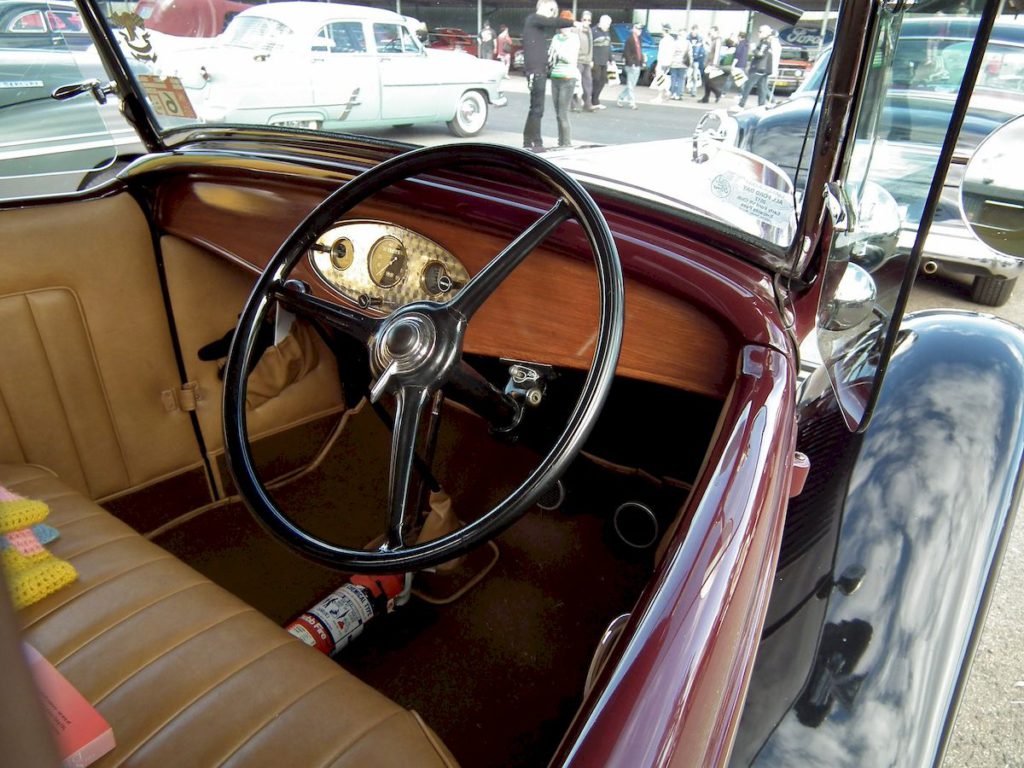
What if a car could speak the language of pure driving passion? Simplicity characterized the Ford V8’s interior space. Basic controls and straightforward design emphasized pure driving experience. Enthusiasts found a machine that spoke to the raw potential of automotive engineering.
3. 1933 Pierce-Arrow Silver Arrow (Exterior)
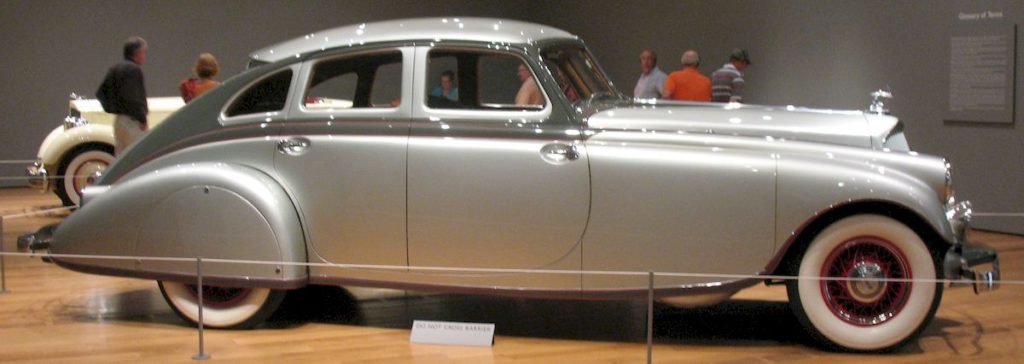
Automotive design was ready to break every existing rule. The Pierce-Arrow Silver Arrow arrived with a V12 engine generating 175 horsepower, enabling speeds up to 115 mph. Cutting-edge aerodynamic design challenged existing automotive conventions.
1933 Pierce-Arrow Silver Arrow (Interior)
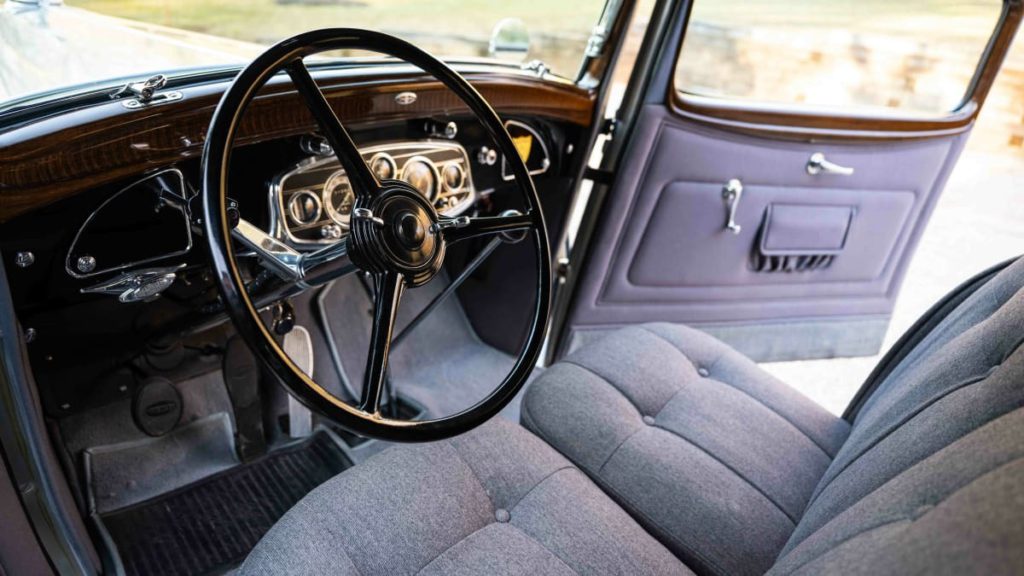
Imagine an interior that looked decades ahead of its time. Advanced design transformed the Silver Arrow’s interior environment. Premium materials and innovative features demonstrated Pierce-Arrow’s technical prowess. Passengers experienced a glimpse of automotive future.
2. 1937 Cadillac Series 90 V-16 (Exterior)
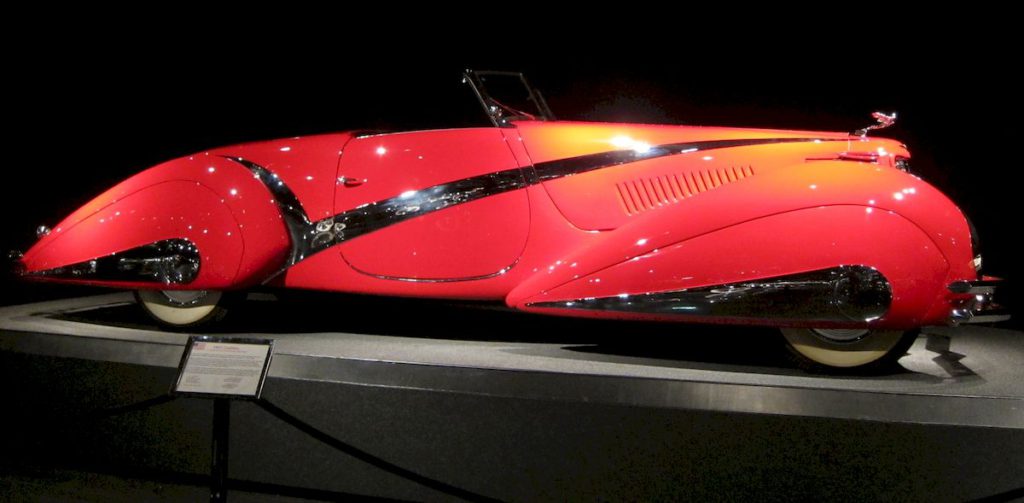
Mechanical complexity was about to reach its ultimate expression. The Cadillac Series 90 V-16 arrived generating 185 horsepower, capable of reaching 100 mph. Its V16 engine represented the pinnacle of automotive engineering and performance.
What if luxury could be measured in mechanical precision? Unmatched luxury defined the Cadillac’s interior space. Rich leather, precise wood trim, and meticulous craftsmanship created an exceptional environment. Every detail spoke to automotive excellence.
1. 1941 Buick Super Convertible (Exterior)
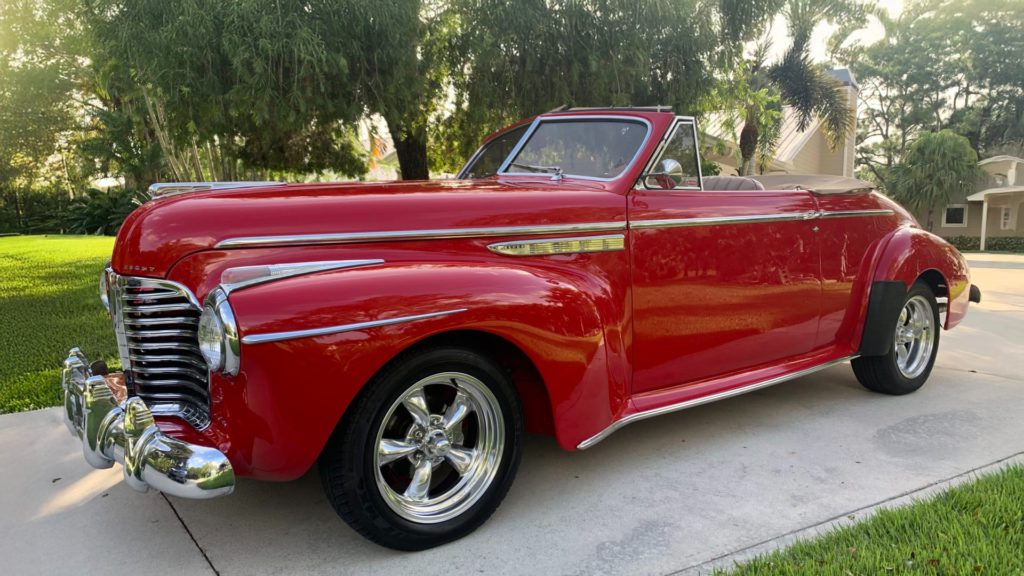
Style and performance were ready to dance together. The Buick Super Convertible generated 125 horsepower, reaching speeds around 85 mph. Smooth, flowing lines captured the era’s automotive design philosophy.
1941 Buick Super Convertible (Interior)
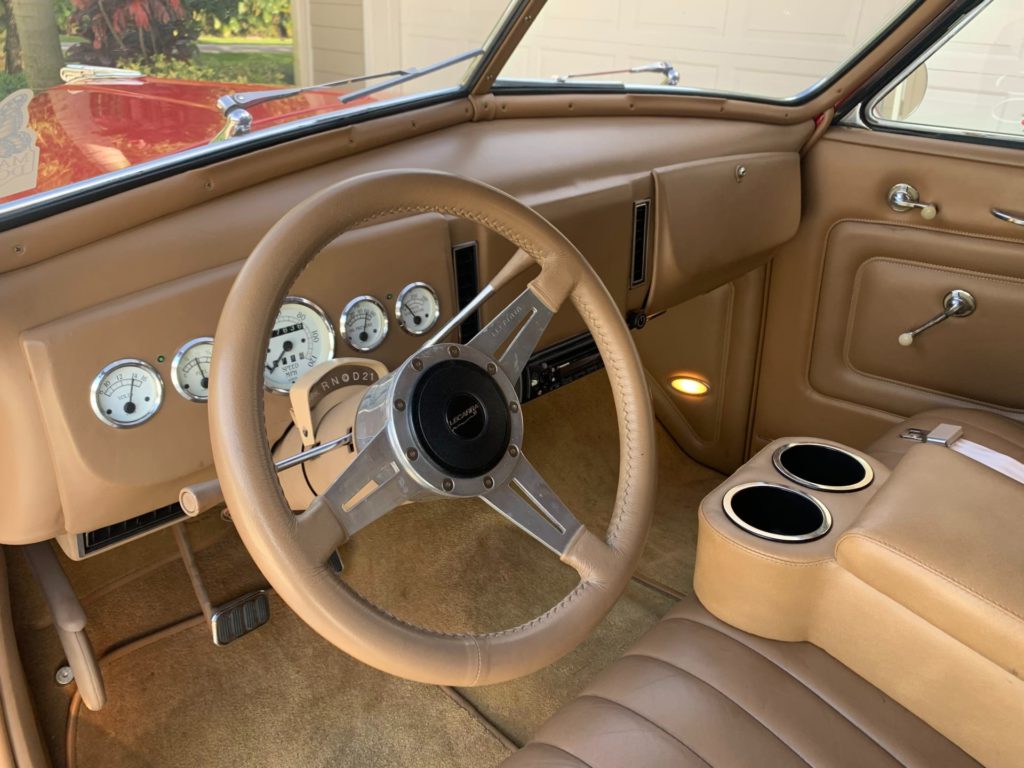
Imagine an interior that balanced elegance with pure driving joy. Comfort met elegance in the Buick’s interior environment. Premium leather and chrome accents created a sophisticated driving experience. Passengers discovered a machine that balanced performance with refined design. Enjoyed reading about the oldest American cars? Maybe these old concept cars might also be of interest.