



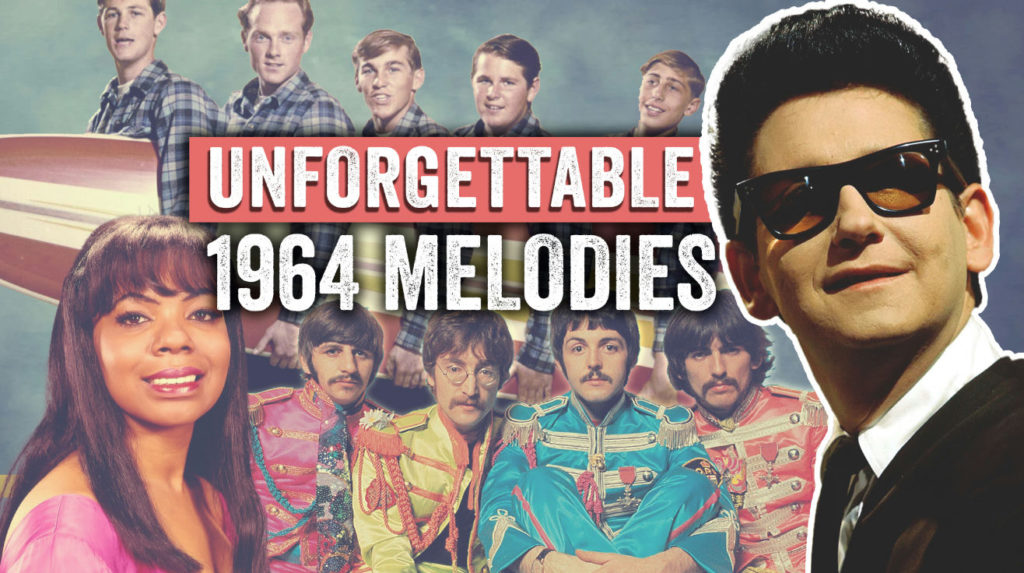
While the politicians debated and the activists marched, 1964’s true revolution blasted from AM radios across America. These weren’t just songs – they were manifestos disguised as three-minute pop hits. Behind the catchy hooks and polished productions lurked a musical uprising that would transform society more thoroughly than any protest or policy. From racial barriers shattering under Motown’s rhythmic assault to teenagers finding their voice through rebel anthems, these chart-toppers didn’t just entertain – they weaponized melody in a battle for America’s cultural soul.
The sounds that defined 1964 still echo today, proving that sometimes the most effective revolution doesn’t require speeches or slogans – just a killer bassline and an unforgettable chorus.
15. Roy Orbison – Pretty Woman
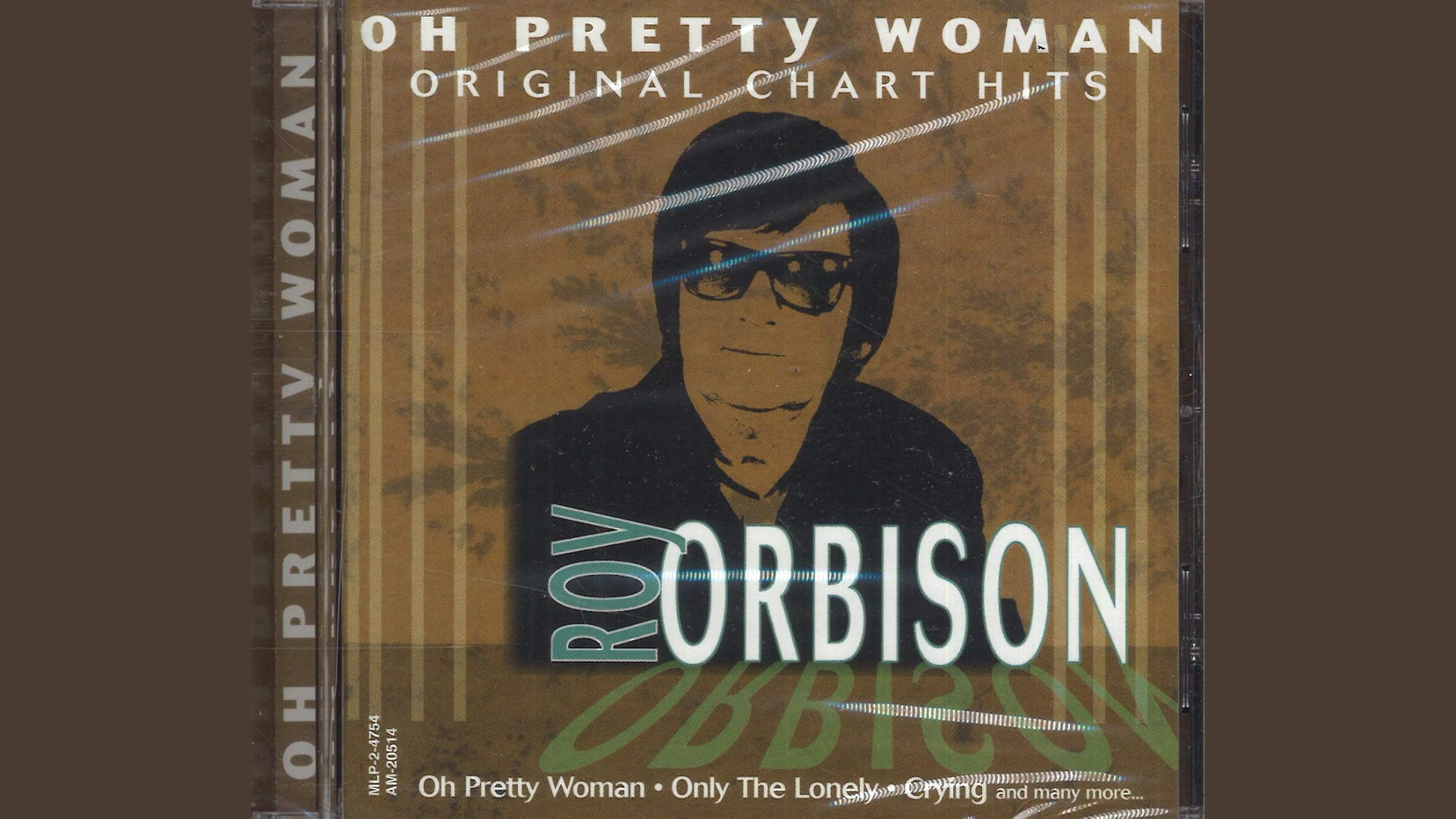
The unmistakable vocal range of Roy Orbison shines through “Pretty Woman,” quickly becoming an instant classic after its August 1964 release. Famously, the song came together in just 40 minutes – lightning-fast creativity at work. With its distinctive guitar riff and driving rhythm, the 2:57 track reached #1 on Billboard Hot 100 for 3 weeks and sold over 7 million copies worldwide. The song earned a Gold certification from RIAA and entered the Grammy Hall of Fame in 1999.
14. The Supremes – Baby Love
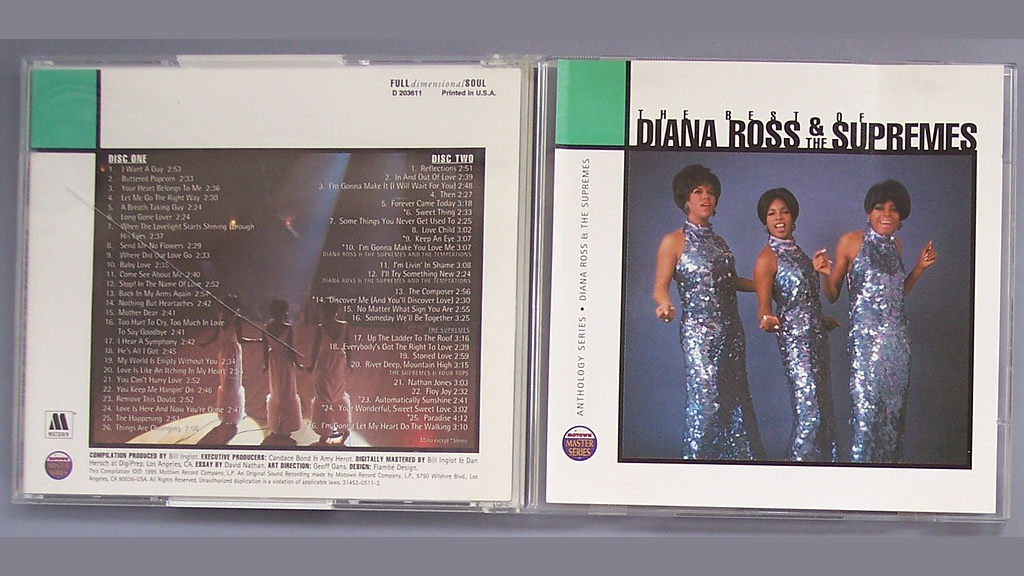
“Baby Love” brought Motown magic to radios nationwide when released in September 1964. Written by the legendary Holland-Dozier-Holland team, this 2:36 hit helped The Supremes break racial barriers in American music. Initially doubtful about the song’s strength, Diana Ross changed her mind as it climbed to #1 on Billboard Hot 100 for 4 weeks. Its success transformed the music industry and established The Supremes as Motown’s premier girl group. The track earned Gold certification and Grammy Hall of Fame induction in 1999.
13. Mary Wells – My Guy
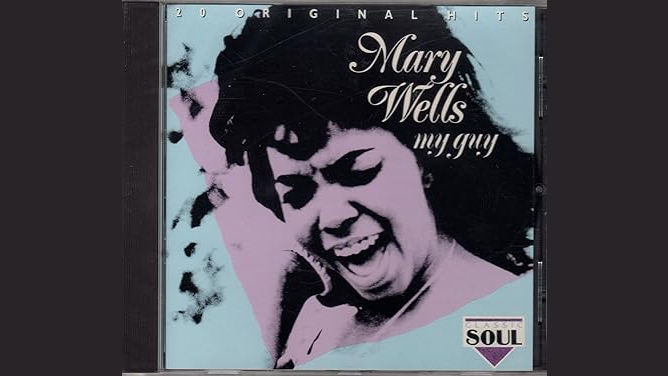
Few songs define 1960s soul like Mary Wells’ “My Guy,” released in March 1964. Smokey Robinson wrote this 2:46 gem, which became the first #1 hit for a solo female Motown artist. Wells’ warm, inviting vocals solidified her place in music history, creating a classic that earned over $1 million and Gold certification. Following royalty disputes, Wells departed Motown shortly after this hit, peaking her career prematurely. The track entered the Grammy Hall of Fame in 1999.
12. The Beach Boys – I Get Around
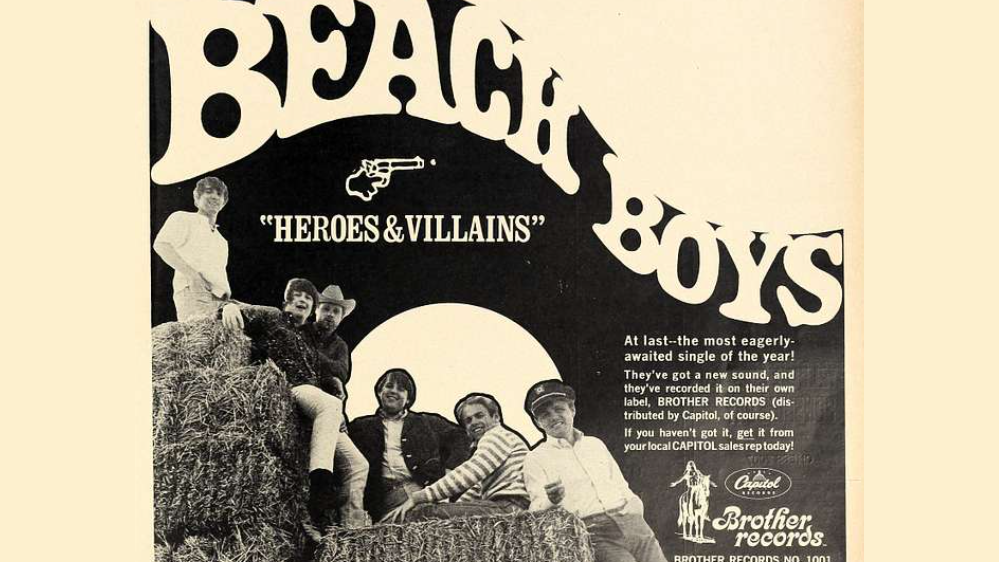
While “I Get Around” was a defining hit of 1964, it also set the stage for The Beach Boys’ continued success into the next decade, joining other iconic tracks that shaped 70s music. At just 2:12, this upbeat track written by Brian Wilson and Mike Love featured complex vocal harmonies and revolutionary production techniques, especially the innovative keyboard bass sound. The song became The Beach Boys’ first #1 hit in the US, staying atop the Billboard Hot 100 for 2 weeks. With Gold certification and Grammy Hall of Fame induction in 1994, it remains a classic rock radio staple.
11. The Shangri-Las – Leader of the Pack
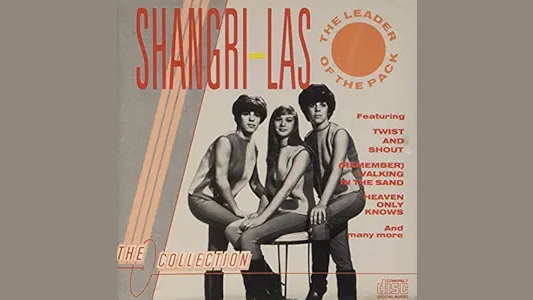
Released in August 1964, “Leader of the Pack” feels like experiencing a sonic movie. This 2:52 teenage tragedy song uses dramatic sound effects throughout to enhance its storytelling power. The studio engineer contributed authentic motorcycle sounds, while the crash came from breaking glass recorded live during the session. Despite controversy and being banned by some radio stations, it reached #1 on Billboard Hot 100 and received Gold certification. Grammy Hall of Fame inducted it in 2004, recognizing how it popularized the “death disc” subgenre.
10. The Animals – House of the Rising Sun
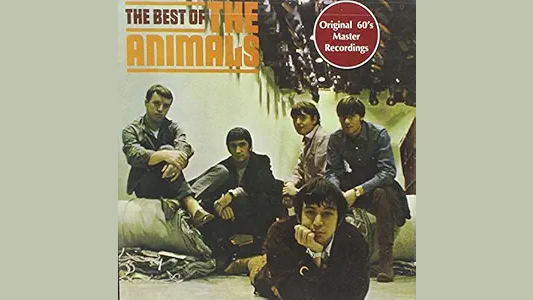
Haunting melodies define The Animals’ “House of the Rising Sun,” brought to life through Eric Burdon’s emotionally charged vocals. Released in June 1964, this 4:29 traditional folk song arranged by the band topped charts in both the UK and US. The group recorded this masterpiece in just one take – an extraordinary feat. Alan Price’s distinctive organ solo helped kickstart the folk-rock movement, while mystery surrounds the song’s origins, possibly dating back to the 1800s. Grammy Hall of Fame recognized it in 1999.
9. The Drifters – Under the Boardwalk
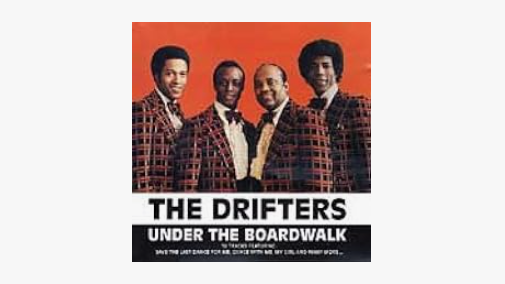
Released in June 1964, “Under the Boardwalk” transports listeners to carefree beach days with its 2:41 blend of doo-wop and Latin-influenced rhythms. Despite the lead singer changing the night before recording due to the previous vocalist’s death, Johnny Moore delivered a stellar performance. The song reached #4 on Billboard Hot 100 and became The Drifters’ last top 10 hit. Grammy Hall of Fame inducted it in 2018, recognizing its enduring popularity as a summer anthem frequently featured in films and commercials.
8. The Dixie Cups – Chapel of Love
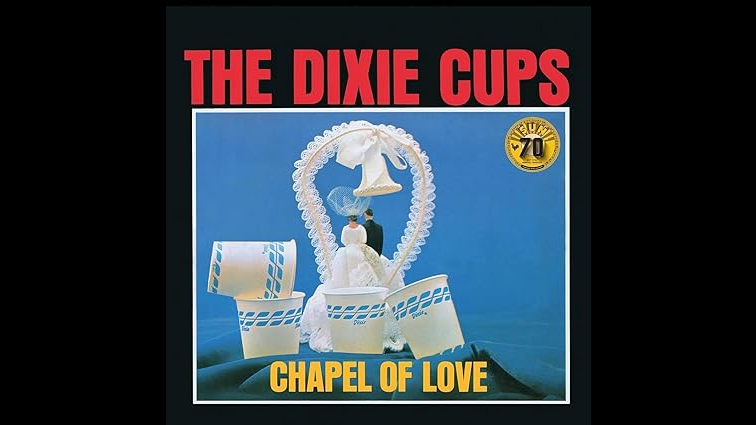
April 1964 saw sweet melodies combine with surprising depth in “Chapel of Love.” This 2:50 girl group pop song, written by Jeff Barry, Ellie Greenwich, and Phil Spector, featured tight vocal harmonies and upbeat tempo. Originally intended for The Ronettes, this all-Black girl group hit topped Billboard Hot 100 for 3 weeks, even knocking The Beatles off the #1 spot. During the height of the Civil Rights Movement, the song bridged divides through its universal message, earning Gold certification and becoming a popular choice for wedding ceremonies.
7. Dionne Warwick – Walk On By
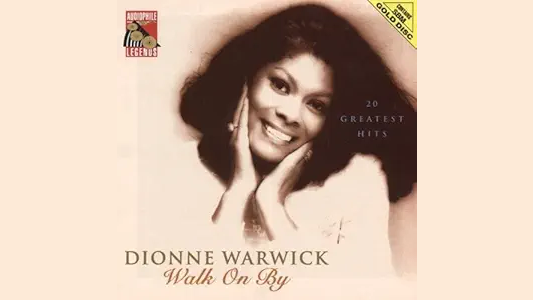
Emotional storytelling reaches its peak in “Walk On By” through Dionne Warwick’s vulnerable vocal delivery. Released in April 1964, this 2:55 Burt Bacharach and Hal David composition blends pop, soul, and easy listening styles with sophisticated production. Unlike typical methods, the instrumental track came first, with lyrics added later. The song peaked at #6 on Billboard Hot 100 and helped establish Warwick as a major recording artist. Grammy Hall of Fame inducted it in 1998, and Rolling Stone ranked it #70 on their 500 Greatest Songs list.
6. The Temptations – My Girl
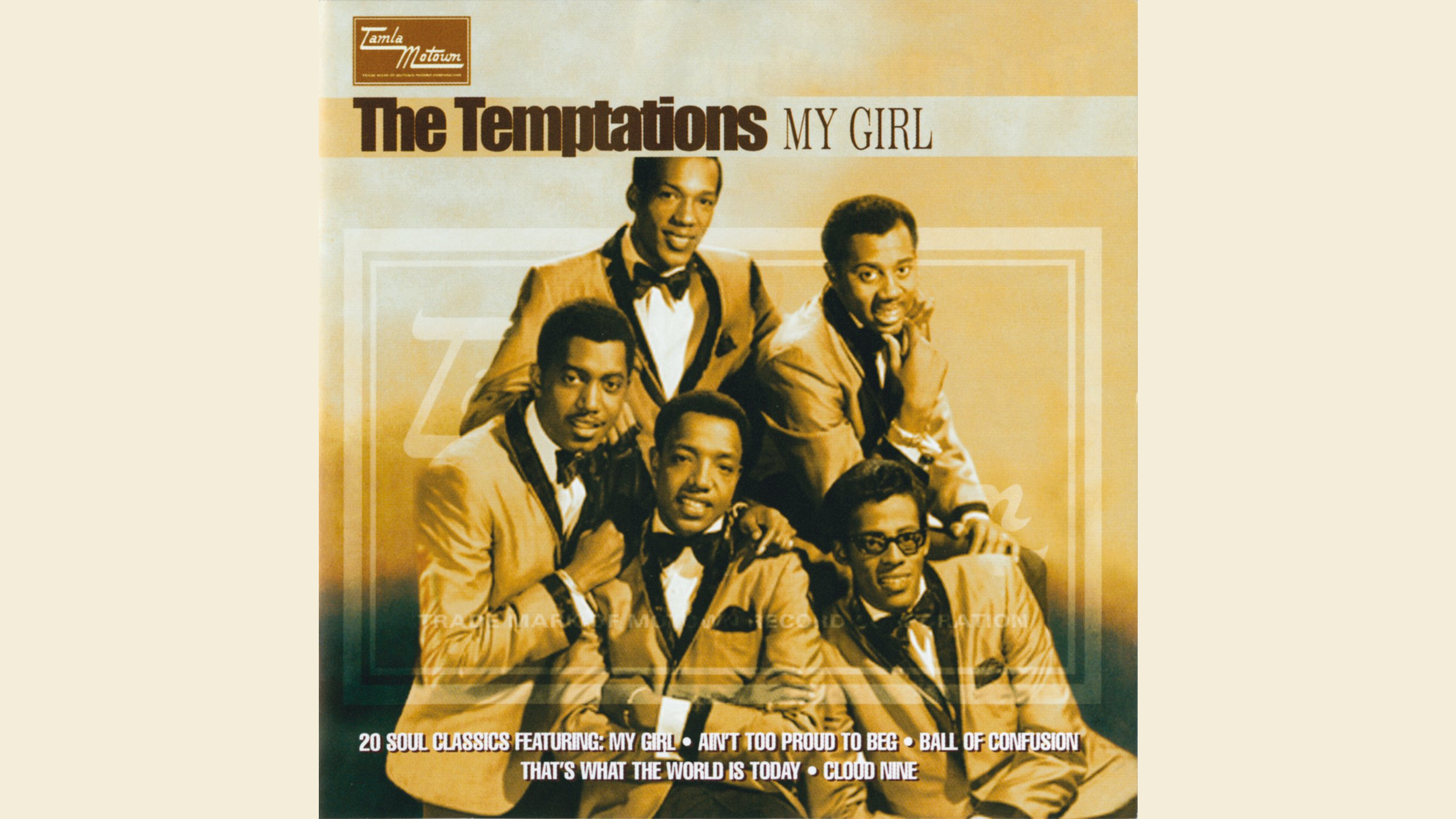
Motown’s magic formula for creating feel-good classics reaches perfection in “My Girl.” Smokey Robinson wrote this gem out of professional jealousy, while The Temptations delivered stellar performances that created pure musical joy. James Jamerson created the iconic bassline spontaneously during recording. The song showcases smooth, sophisticated production with clever, relatable lyrics. Decades later, this favorite continues winning over listeners of all ages.
5. The Beatles – Twist and Shout
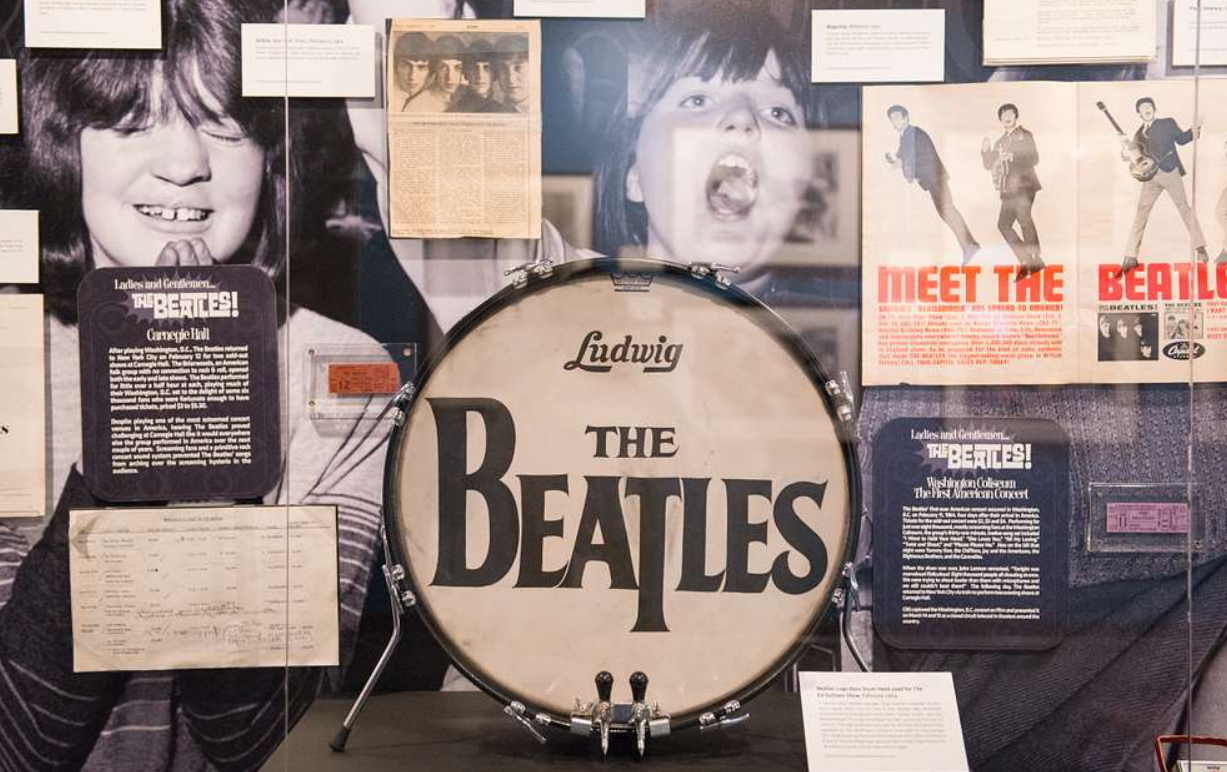
Raw, unbridled energy separates “Twist and Shout” from more polished rock productions of its era. Released in March 1964 as part of “Please Please Me” album, this 2:33 cover written by Phil Medley and Bert Berns reached #2 on Billboard Hot 100. John Lennon’s raspy vocals, captured at the end of a grueling 13-hour session while suffering from a cold, give the track authentic edge. Imperfections enhance its appeal rather than detract from it. The song earned Gold certification for sales over 1 million copies and remains one of the greatest cover versions in rock history.
4. The Righteous Brothers – You’ve Lost That Loving Feeling
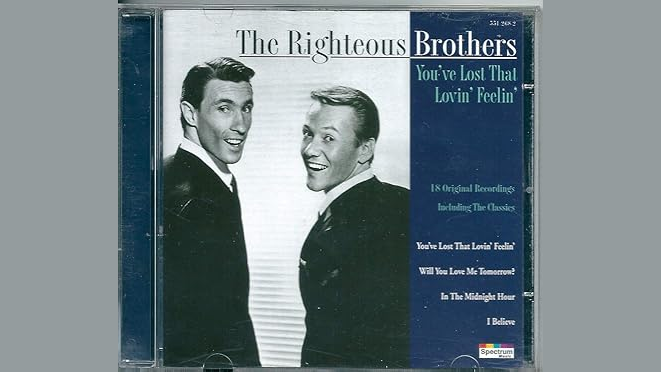
Released in November 1964, “You’ve Lost That Loving Feeling” stirs deep emotions from its very first note. At 3:45, radio stations initially considered it too long for airplay. Phil Spector, Barry Mann, and Cynthia Weil’s composition, utilizing Spector’s innovative “wall of sound” technique, nearly didn’t get released due to its unconventional structure. Bill Medley and Bobby Hatfield’s powerful vocals helped it reach #1 on Billboard Hot 100. Named the most-played song on American radio and television of the 20th century with over 8 million airplays by 1999, it entered the Grammy Hall of Fame in 2000.
3. Barbra Streisand – People
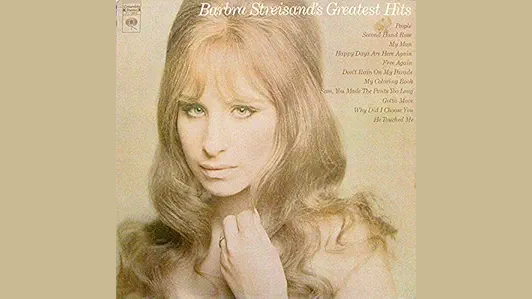
Broadway met pop charts when Barbra Streisand released “People” in January 1964. This 3:39 Bob Merrill and Jule Styne composition showcases Streisand’s exceptional vocal talents. Recording it in one take with a live orchestra demonstrated her remarkable skill. The crossover hit from “Funny Girl” peaked at #5 on Billboard Hot 100 and won a Grammy for Song of the Year in 1965. Despite some critics finding the lyrics overly sentimental, it became Streisand’s signature song and earned Gold certification.
2. The Four Tops – Baby I Need Your Loving
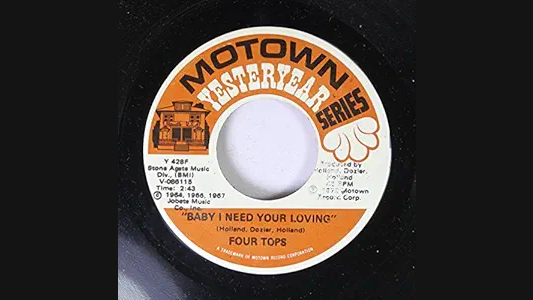
Released in July 1964, “Baby I Need Your Loving” defines vocal harmony excellence from first note to last. This 2:44 Holland-Dozier-Holland composition, produced by Brian Holland and Lamont Dozier, became The Four Tops’ first hit single for Motown Records. Levi Stubbs poured emotion into every phrase, while Robert White’s improvised guitar riff enhanced the emotional impact. Though initially overshadowed by other Motown acts, the song reached #11 on Billboard Hot 100, earned Gold certification, and helped establish the group as a major force in soul music.
1. Petula Clark – Downtown
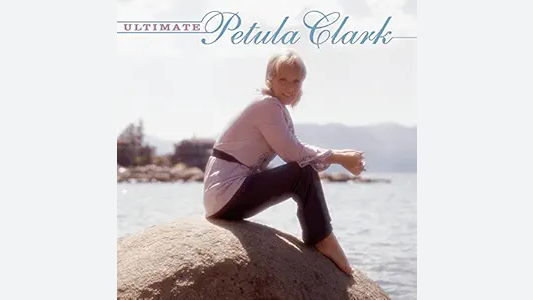
Released in November 1964, “Downtown” painted an irresistibly upbeat portrait of city life. This 3:07 Tony Hatch composition, initially rejected by Pye Records as not commercial enough, contrasted urban loneliness with an upbeat melody. Clark’s clear, powerful vocals helped the song reach #1 on Billboard Hot 100 in January 1965 and win a Grammy for Best Rock & Roll Recording. Particularly impressive for a British artist during the British Invasion, Clark recorded it in four different languages, helping it sell over 3 million copies worldwide.