




Even musical masterpieces stumble. You know that moment when your favorite album hits a jarring speed bump? These sonic anomalies lurk on beloved records, disrupting otherwise flawless listening experiences. From tech-obsessed ballads to experimental noise bursts, these tracks prove even legends miss the mark. Prepare to confront the skeletons hiding in your collection’s closet.
11. Email My Heart – Britney Spears
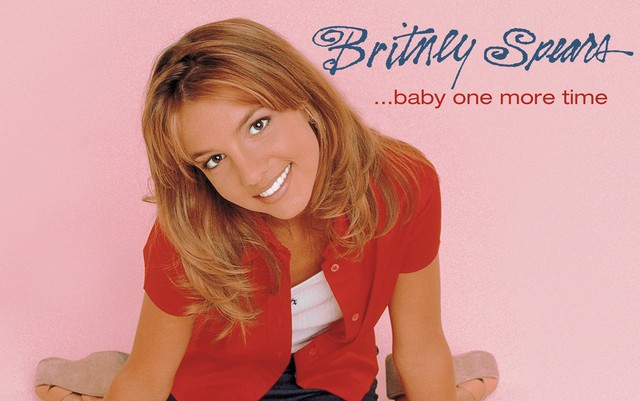
Released in 1999, this teen ballad captures late-90s digital anxiety with painful precision. Lines like “all I do is check the screen” feel archaic now. The track contrasts sharply with Britney Spears’ timeless hits on the same album.
Imagine explaining dial-up romance to someone who grew up streaming. That’s essentially what this song attempts. Many listeners find the technology references jarring today.
10. Hey Foxy Mop Handle Mama, That’s Me – Pearl Jam
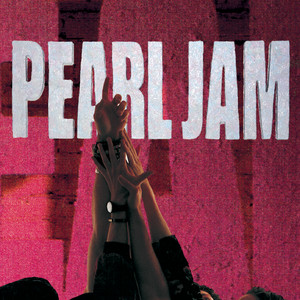
This 8-minute experimental piece from 1994’s Vitalogy features mental health patient recordings made by Eddie Vedder. The track showcases Pearl Jam’s artistic freedom during their commercial peak. Most fans simply call it “Stupid Mop.”
The band’s willingness to challenge norms is admirable. However, the execution feels more like filler than groundbreaking art. Even dedicated followers often skip this jarring interlude.
9. Endless Nameless – Nirvana
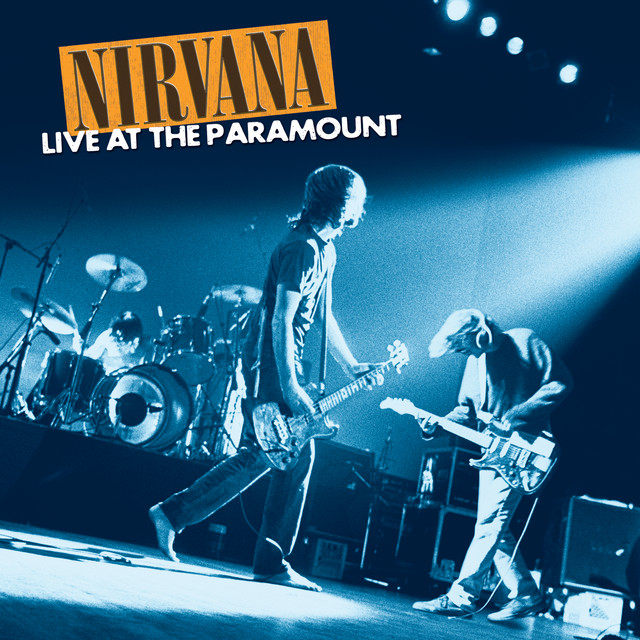
Hidden after 10 minutes of silence on Nevermind, this 7-minute noise assault surprised early listeners. The track captures Nirvana’s instrument-destroying live energy in raw form. Kurt Cobain channeled pure frustration into controlled chaos.
Consider hearing this after the polished “Smells Like Teen Spirit.” The sonic whiplash is disorienting. The backwards feedback and cymbal crashes create controlled chaos that captures their live destruction perfectly. This noise assault actually serves a purpose within the album’s narrative. It strips away Nevermind’s commercial polish to reveal the band’s punk DNA.
8. All by Myself – Green Day
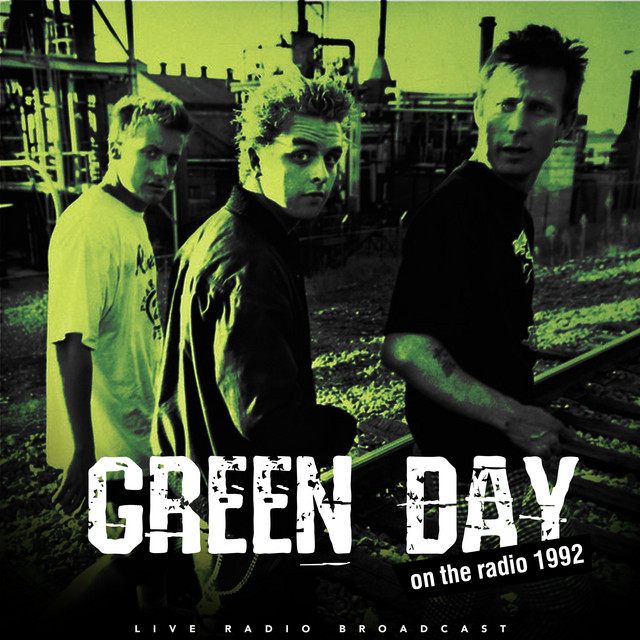
Drummer Tré Cool performs this hidden track on 1994’s Dookie. The acoustic song humorously references self-pleasure with juvenile directness. Initially, the shock value might elicit chuckles from listeners.
The track’s immaturity grates on repeated listens. Playing Dookie for younger audiences suddenly becomes awkward. Green Day’s rebellious spirit tips too far into crude territory here.
7. Wild Honey Pie – The Beatles
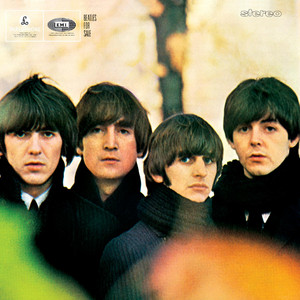
Paul McCartney’s 52-second experiment on the White Album polarizes listeners. The track features distorted vocals and unconventional sound techniques. Many consider it grating and obnoxious upon first hearing.
The Beatles pushed boundaries constantly throughout their career. This brief piece offers insight into their experimental process. McCartney’s layered vocals and backwards effects foreshadowed techniques later adopted by indie rock. Think of it as an artist’s rough sketch—imperfect but revealing of future possibilities.
6. Jazz Police – Leonard Cohen
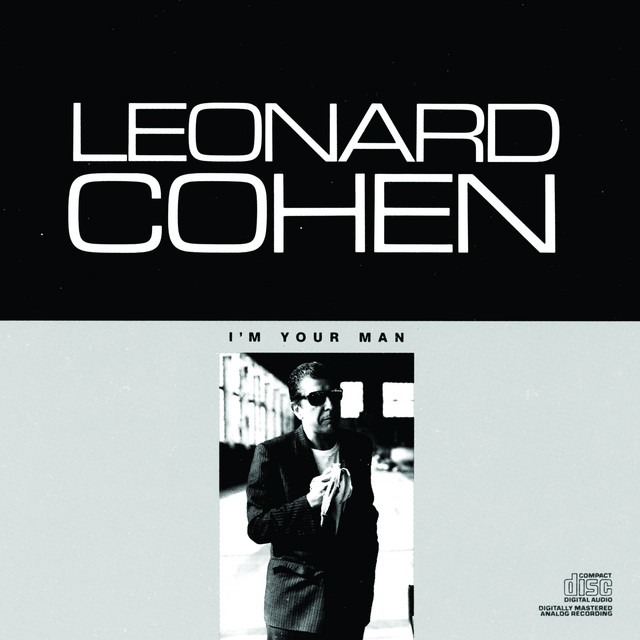
This 1988 track from I’m Your Man presents Cohen’s satirical take on cultural control. The cheesy production and dramatic delivery feel theatrical. Cohen imagines a dystopian force preventing jazz performance.
The song critiques censorship through dark humor. Many listeners appreciate it after understanding Cohen’s satirical intent. Modern surveillance makes the concept less outlandish than originally intended.
5. What’s Your Phone Number – Tupac
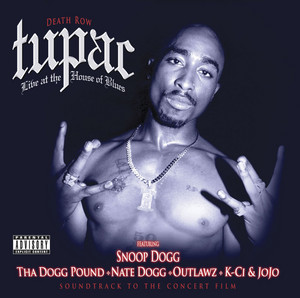
From 1996’s All Eyez On Me, this track samples The Time’s funk hit “777-9311”. The execution feels cluttered and overwhelming. Tupac raps over busy instrumentation that competes for attention.
The song demonstrates his willingness to experiment beyond hip-hop boundaries. However, the awkward phone call intro disrupts the album’s flow. Purists often skip this anomaly entirely.
4. Meat Is Murder – The Smiths
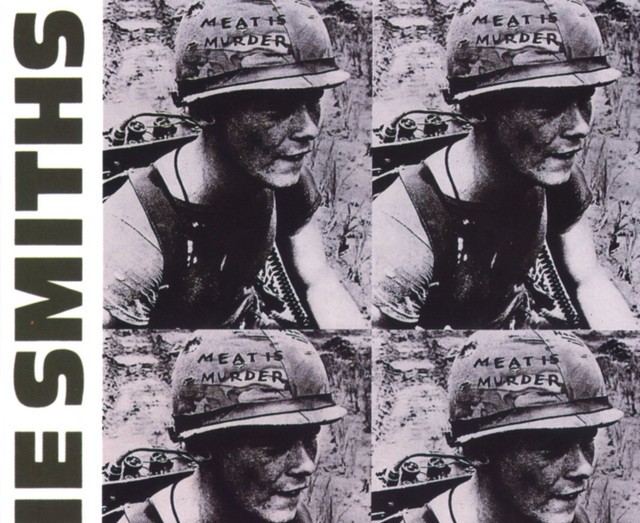
This 1985 title track features actual cow mooing sounds throughout. Morrissey delivers an intense vegetarian message with unwavering conviction. The boring instrumental amplifies the preachy delivery problems.
Advocating for animal rights deserves respect. However, the force-feeding approach alienates potential converts. The track reads more like a lecture than persuasive art.
3. Mamacita – Outkast
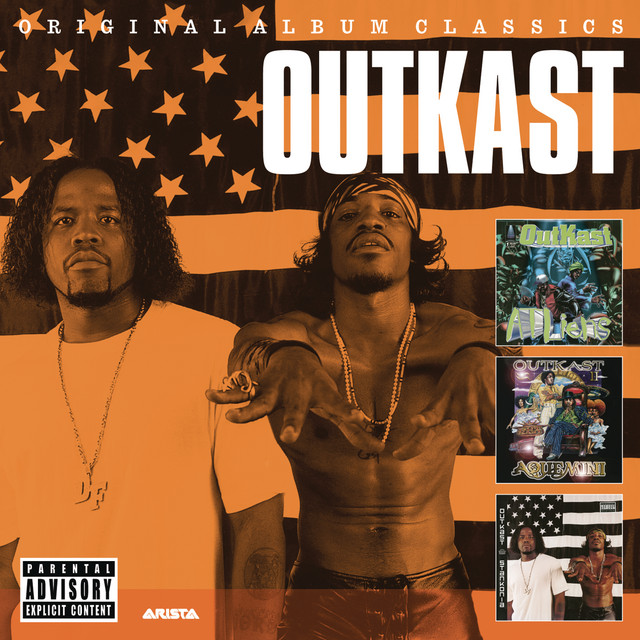
From the acclaimed Aquemini album, this track employs irritating call-and-response techniques. The words “Mamacita” and “Papadanas” repeat endlessly throughout. The hook becomes nauseating on repeated exposure.
This repetitive cycle overwhelms other musical elements completely. The song begs to be skipped during otherwise brilliant album experiences. A single component undermines the surrounding excellence.
2. My World – Guns N’ Roses
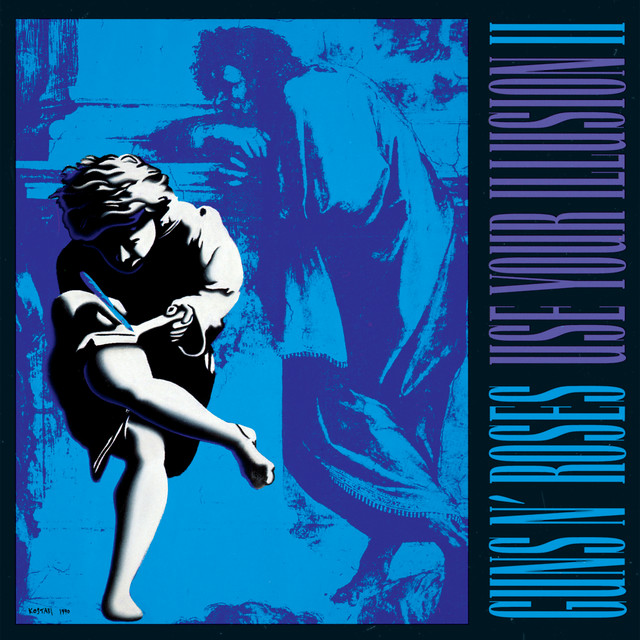
Axl Rose wrote this 1991 industrial experiment as the album’s closing statement. The track features distorted vocals, random sound effects, and jarring production choices. The attempt at incorporating electronic elements feels completely disconnected from the band’s established sound.
The sonic experimentation fails to create anything resembling a coherent song. Critics consistently dismiss this as the band’s most unnecessary track. This abrupt stylistic departure damages Use Your Illusion II’s otherwise strong reputation.
1. Revolution 9 – The Beatles
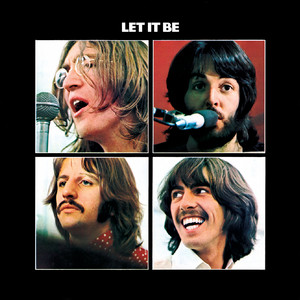
This 8-minute sound collage from the White Album remains their most divisive creation. John Lennon and Yoko Ono assembled tape loops, backwards recordings, and spoken fragments into abstract art. The piece abandons all conventional song structure completely.
Lennon aimed to push The Beatles into avant-garde territory. The backwards piano loops and disembodied voices create an unsettling listening experience. Most fans treat this as the ultimate skip track on an otherwise beloved masterpiece.