



Music history books read like boys’ clubs with guest appearances by women. While women represent roughly half the population, they make up only 23% of artists on Billboard’s Hot 100 Year-End Charts—a number that’s remained stagnant for over a decade. You know their voices, but the stories behind those voices remain buried under industry politics and cultural erasure.
These aren’t sanitized biographies designed to inspire—they’re unvarnished accounts of artists who transformed trauma into triumph, scandal into strength, and personal battles into universal anthems. The music industry functions like a massive archaeological dig, constantly burying yesterday’s inconvenient truths under today’s marketable myths. Each story here represents a crack in that foundation, revealing how women built the soundscape you love.
25. Bonnie Raitt’s Ping Pong Ritual
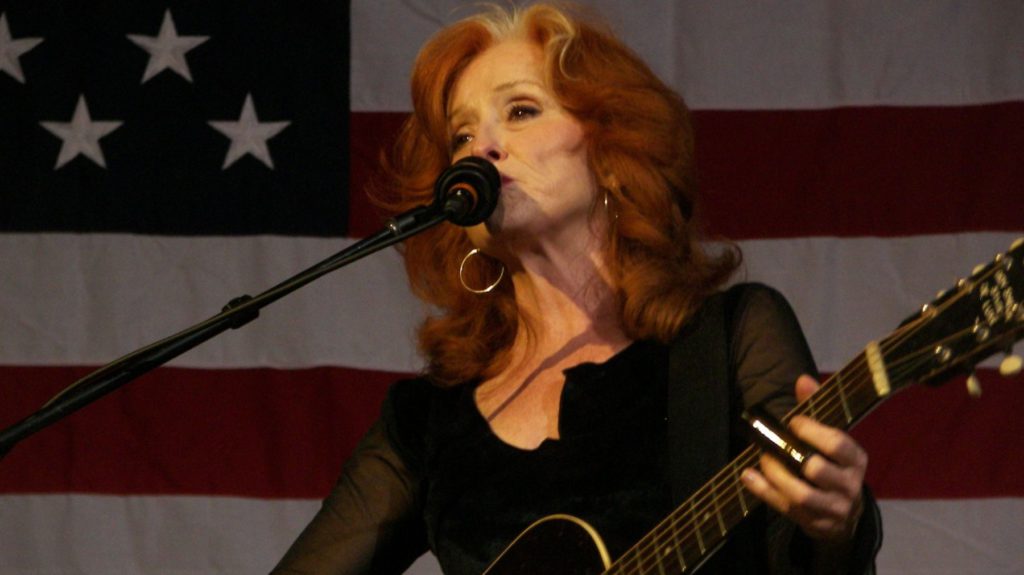
While most musicians calm pre-show nerves with meditation or vocal warm-ups, Bonnie Raitt heads straight for the ping pong table like she’s training for the Olympics. For roughly an hour before every performance, the blues legend engages in intense table tennis sessions that serve as both physical warm-up and mental preparation. This unconventional ritual sharpens her reflexes while channeling nervous energy into focused intensity.
Raitt’s ping pong practice reflects her practical approach to longevity in an industry that burns out most performers before their fortieth birthday. At over seventy, she continues touring with energy that rivals artists half her age, crediting her unique preparation routine for maintaining both physical stamina and mental clarity. Her method demonstrates that sustainable careers require personalized solutions, not cookie-cutter approaches borrowed from other people’s playbooks.
24. The Dark Truth Behind Amy Winehouse’s Signature Look
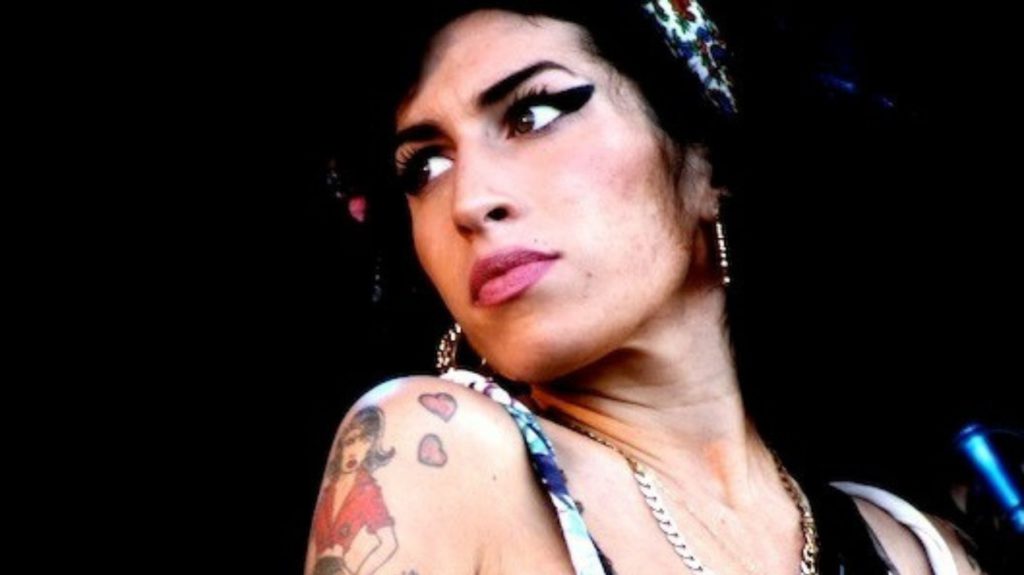
Amy Winehouse’s towering beehive and dramatic winged eyeliner started as loving homage to 1960s girl groups. But evolved into something much darker—a visual manifestation of her internal struggles in real time. As addiction and mental health issues intensified, her signature look became more extreme, shifting from retro-chic into protective armor against a world that demanded too much too quickly from someone too young.
Fans could track Amy’s decline through her appearance changes, watching her signature look morph from playful musical tribute into desperate camouflage for psychological pain. Her experience serves as a haunting reminder that behind every iconic image lies a human being struggling with real problems that fame only amplifies. Amy’s legacy challenges us to see past the spectacle to the person underneath who needed help, not headlines.
23. Tina Turner’s Name Reclaimed
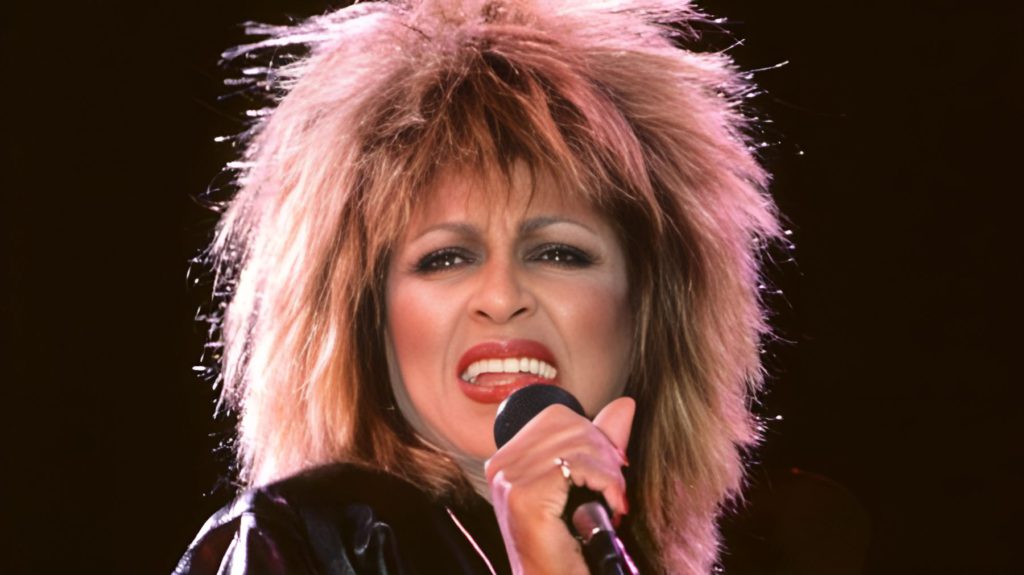
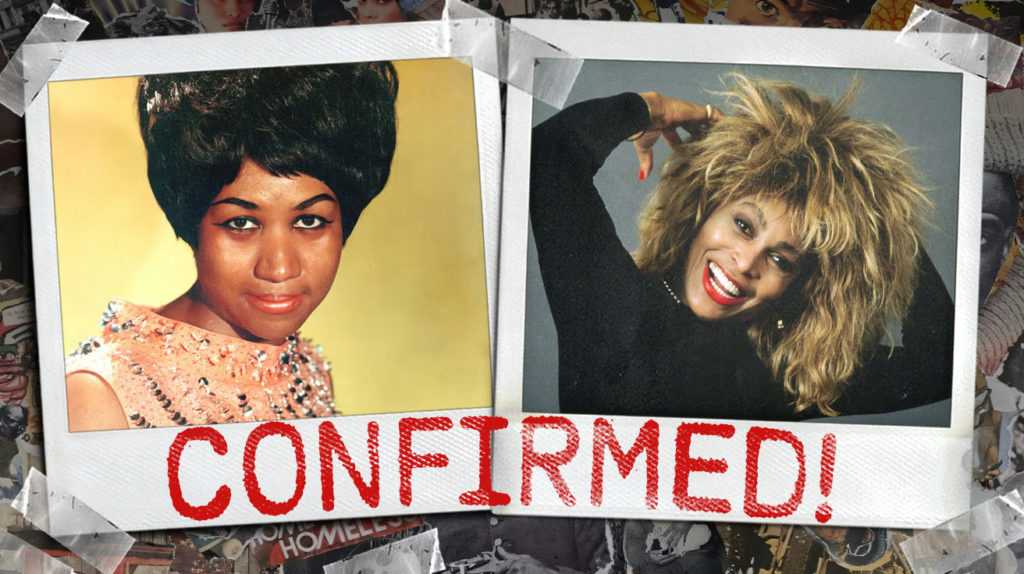
Born Anna Mae Bullock, the woman who became “Tina Turner” had to wage legal warfare for the right to keep her stage name. Ike Turner created and trademarked the “Tina Turner” persona as another form of control over his wife’s identity and career trajectory. When she escaped their abusive marriage in 1978, Tina made a crucial strategic decision—she would keep the name and rebuild it from a symbol of oppression into one of empowerment.
That choice required both legal battles and complete personal reinvention under public scrutiny. Tina had to succeed independently while rebuilding a brand designed to constrain her artistic and personal freedom. Her metamorphosis of “Tina Turner” from Ike’s creation into her legacy demonstrates the ultimate act of reclaiming power—turning your oppressor’s weapon into your shield and crown simultaneously.
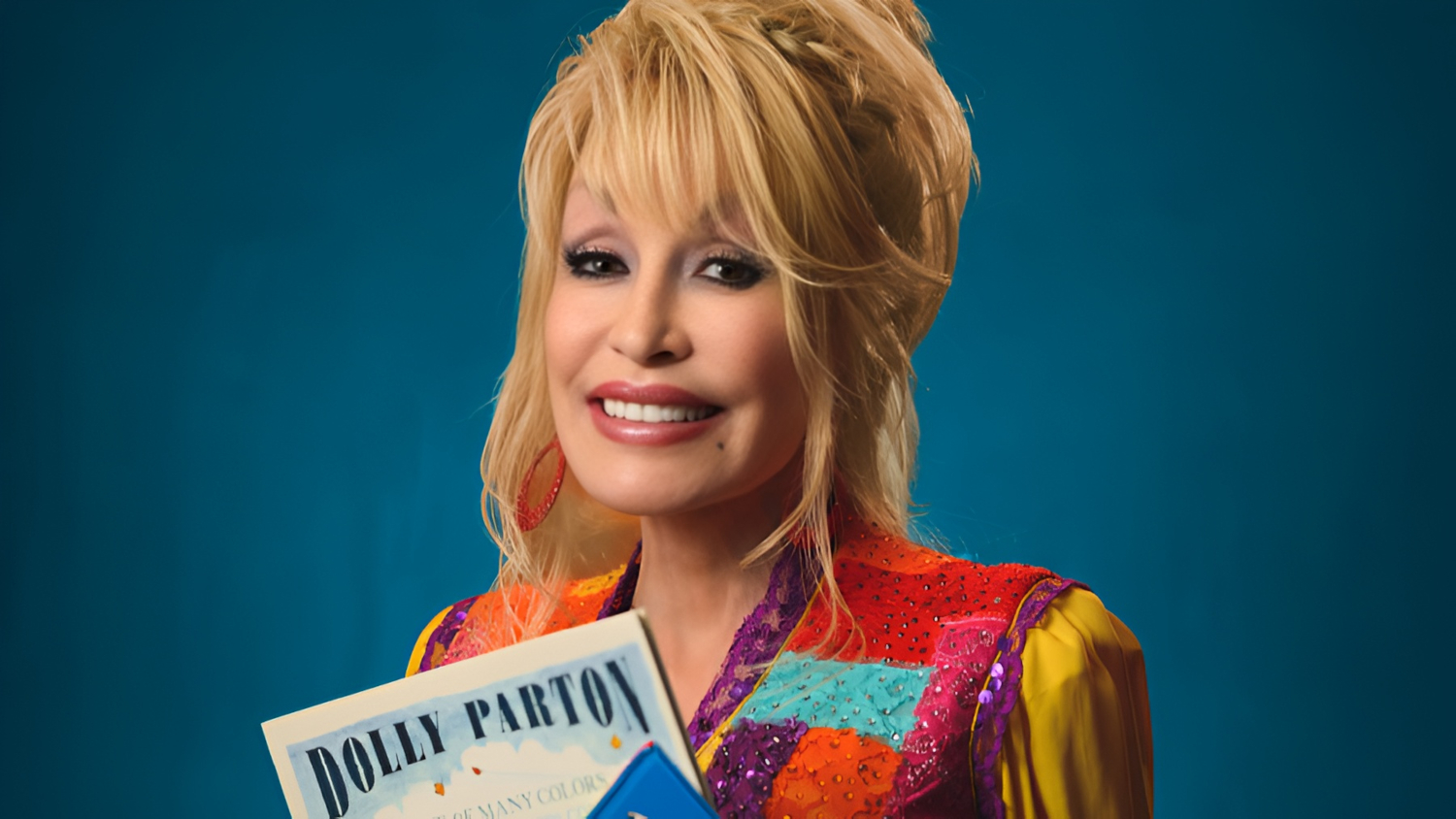
22. Dolly Parton’s Tattoos
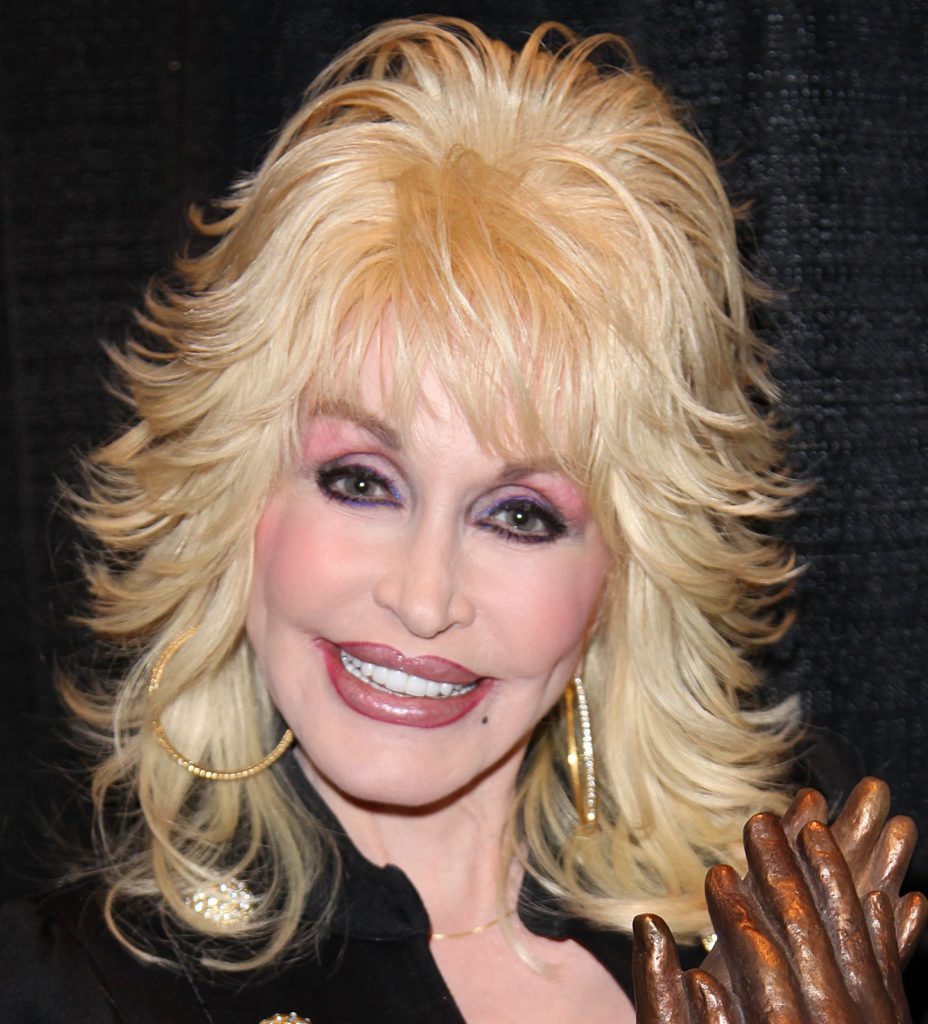
Behind Dolly’s rhinestone-covered exterior lies a collection of delicate pastel tattoos that serve purposes far deeper than decoration. Rather than making bold artistic statements, these small, colorful designs strategically cover scars and keloid formations from various surgeries throughout her life. They’re medical camouflage converted into whimsical art—butterflies, flowers, and gentle motifs that reflect her eternally optimistic spirit.
Parton’s openness about using tattoos for healing rather than rebellion normalized body art as legitimate self-care. She turned perceived flaws into beauty marks, encouraging others to embrace their imperfections with creativity and grace. Her philosophy shows that tattoos don’t always need to scream rebellion—sometimes they whisper self-acceptance, which might be more powerful anyway.
21. Whitney Houston and Robin Crawford’s Secret Love Affair
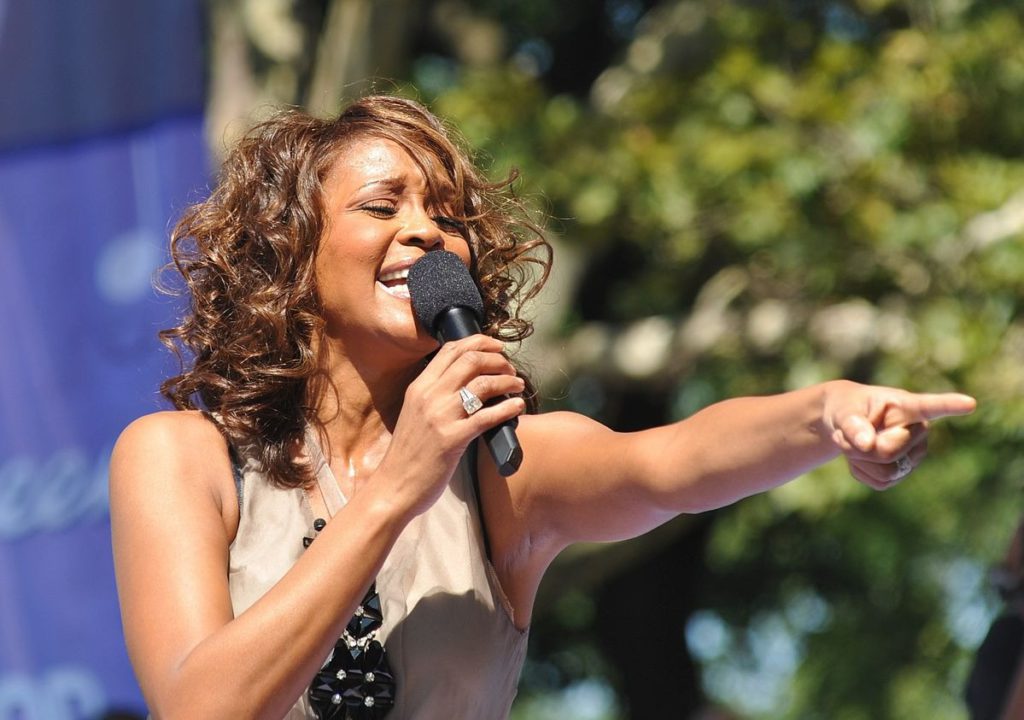
Before Whitney Houston became America’s sweetheart with the voice of an angel, she shared a deep romantic relationship with Robin Crawford that industry homophobia forced underground like a Cold War secret. Their love affair, documented decades later in Crawford’s brave memoir, exposes the soul-crushing choices queer artists faced when authenticity could destroy careers faster than cocaine ever would.
Crawford’s 2019 book reframes Houston’s entire narrative, showing her struggles with identity and fame through a lens that finally makes emotional sense. Their connection embodies countless LGBTQ+ relationships sacrificed on the altar of public image, highlighting how far society has come while honoring everything that was lost. Sometimes the most important love affairs are the ones that never got their Hollywood ending.
20. Joni Mitchell’s Love Child
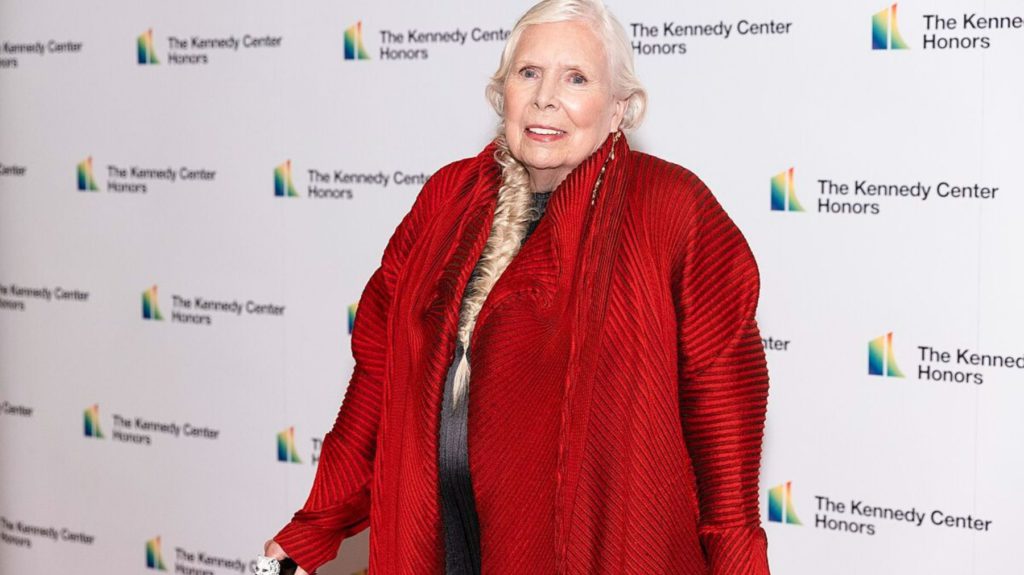
In 1965, Joni Mitchell faced the impossible choice that haunts songwriters’ dreams for decades. At twenty-one, unmarried and financially desperate, she gave birth to Kelly Dale Anderson and made the agonizing decision to place her for adoption. That daughter became the ghost threading through her entire catalog, weaving themes of abandonment and longing into songs that still devastate listeners fifty years later.
When mother and daughter finally reunited in 1997, it completed a circle that had been broken for thirty-two years. Suddenly, classics like “Both Sides Now” and “The Circle Game” unveiled new dimensions of meaning—personal loss converted into universal art. Mitchell’s honesty about this painful chapter encouraged other birth mothers to share their experiences without shame, showing that vulnerability becomes strength when wielded with purpose.
19. Lauryn Hill, Wyclef Jean, and his Wife’s Love Triangle
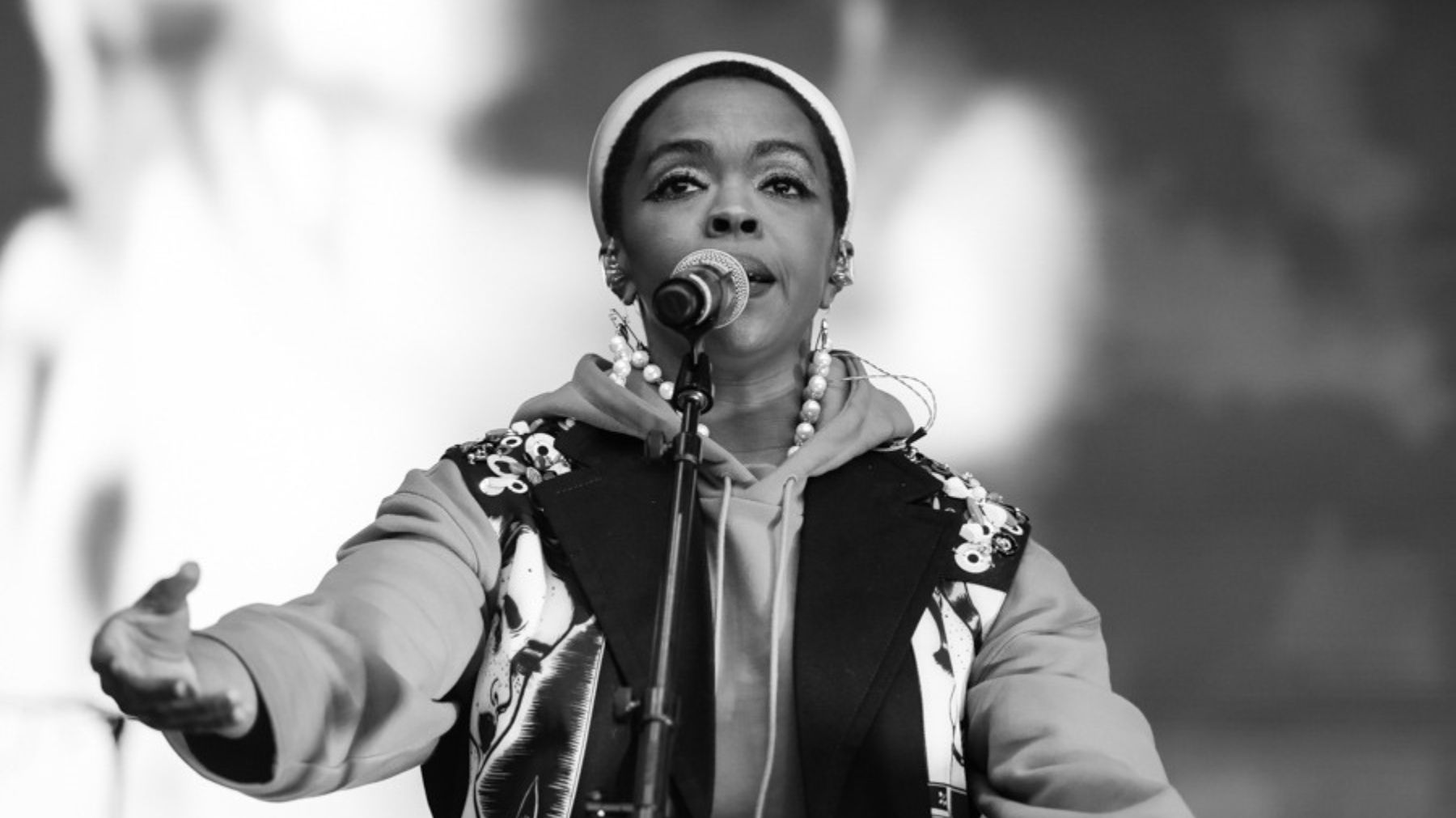
The Fugees embodied everything hip-hop could become—socially conscious, musically adventurous, and commercially successful, selling over 22 million records. Then personal drama destroyed one of music’s most promising groups faster than you could say “Killing Me Softly.” During their commercial peak in the mid-1990s, a complicated love triangle emerged between Lauryn Hill and married bandmate Wyclef Jean, creating tensions that eventually imploded the entire operation.
The relationship began when Lauryn was seventeen and Wyclef was twenty-two, adding ethical complexity to an already messy situation. Despite creating a groundbreaking blend of hip-hop, soul, and reggae that influenced countless artists, personal issues overshadowed their musical genius. Their breakup serves as hip-hop’s greatest “what if” tale, demonstrating that talent alone can’t overcome interpersonal dysfunction when egos and hearts collide.
18. Shania Twain Found Love in the most unexpected way
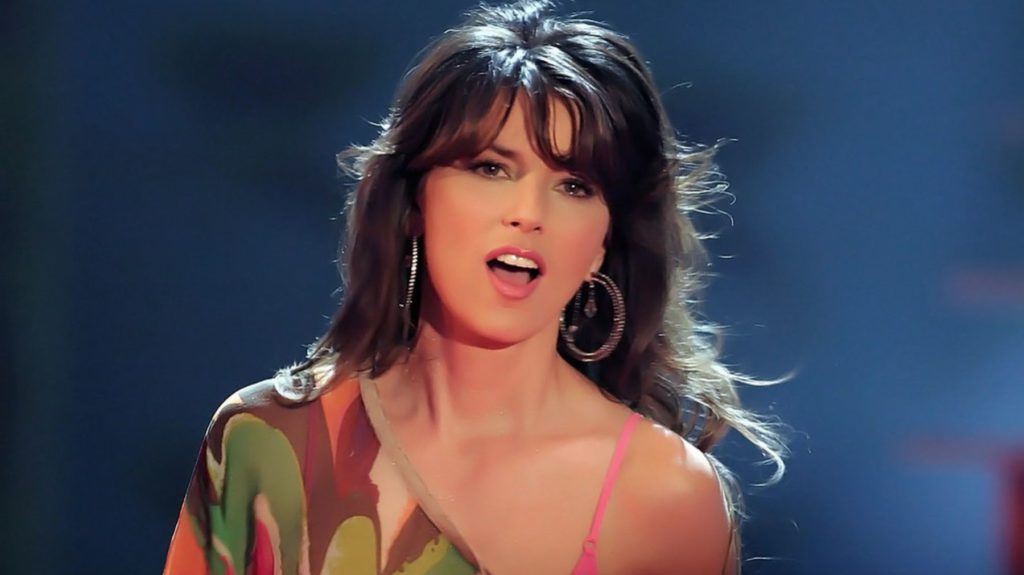
Sometimes, real life writes better plot twists than the most creative screenwriters. When Shania Twain discovered her husband, producer “Mutt” Lange, was having an affair with her best friend Marie-Anne Thiébaud, it seemed like the ultimate betrayal—career and personal life imploding simultaneously. Instead, it led to an unexpected love affair when Shania found comfort with Marie-Anne’s ex-husband, Frédéric Thiébaud.
Their 2011 marriage converted personal devastation into romantic redemption that would make Nicholas Sparks weep. This unconventional romance helped Shania navigate more than heartbreak—Frédéric’s support became crucial when Lyme disease affected her vocal cords, threatening to end her career. Their relationship demonstrates that sometimes life’s worst betrayals open doors to unexpected happiness, showing that resilience trumps revenge every time.
17. Mariah Carey and Bipolar Disorder
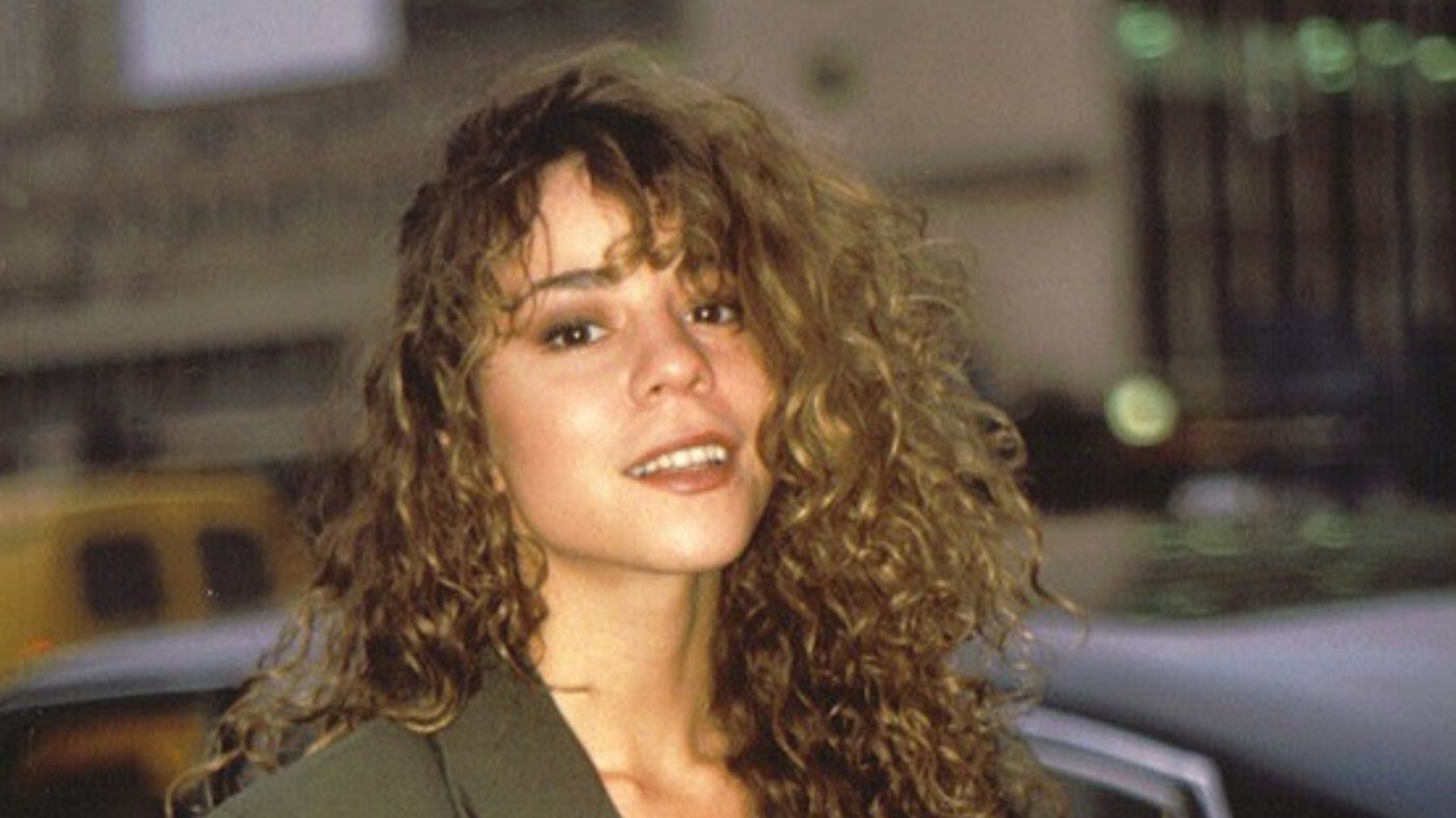
When Mariah Carey disclosed her bipolar II disorder diagnosis in a 2018 People magazine interview, she broke down barriers that had kept mental health discussions out of mainstream pop culture for decades. Diagnosed in 2001 but keeping it secret for seventeen years, Carey finally chose transparency over privacy to help others facing similar struggles without proper support or understanding.
Carey’s openness about living with bipolar disorder while maintaining a successful career dismantled stigma and encouraged others to seek professional help. She converted her platform from pure entertainment into mental health education, demonstrating that vulnerability can be a superpower when wielded with purpose. Her willingness to discuss medication, therapy, and self-care normalized conversations that save lives by reducing shame around mental illness.
16. Alanis Morissette’s ‘You Oughta Know’ and Uncle Joey
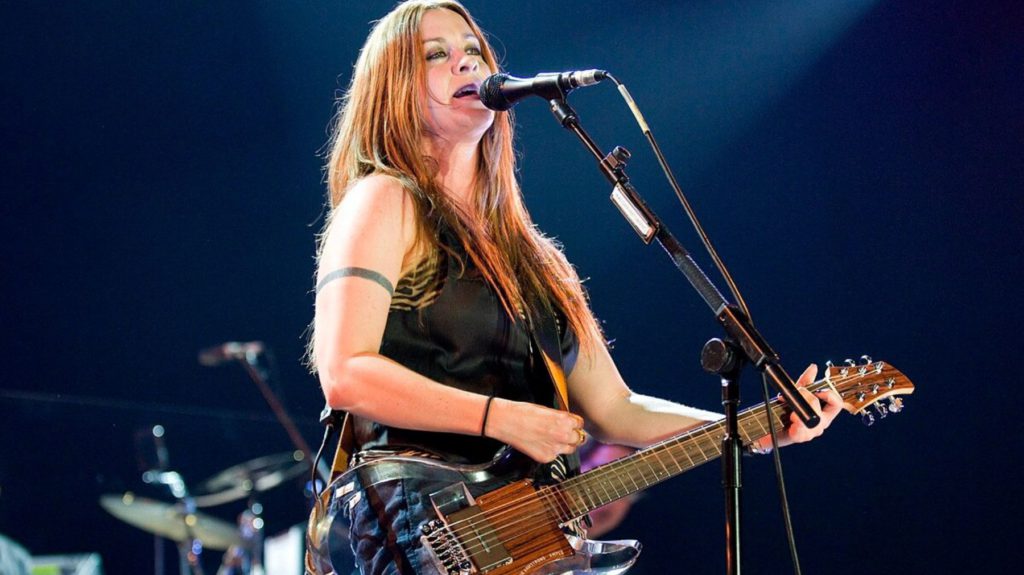
“You Oughta Know” exploded onto alternative radio in 1995 like a musical Molotov cocktail thrown directly at male fragility. The song propelled Jagged Little Pill” to over 33 million copies sold while spawning endless speculation about its inspiration. Despite persistent rumors linking it to “Full House” actor Dave Coulier, Morissette has never confirmed the connection, maintaining artistic mystery over tabloid satisfaction like a true professional.
Regardless of its target, the song revolutionized how women expressed rage in popular music. Before Alanis, female breakup songs were typically melancholy or passive-aggressive—never this raw, unfiltered, or gloriously vindictive. “You Oughta Know” gave permission for women to be publicly furious about romantic betrayal, creating a template that influences artists from Taylor Swift to Olivia Rodrigo today.
15. Janis Joplin’s Heart Tattoo

Months before her death in October 1970, Janis Joplin got a small heart tattoo from legendary artist Lyle Tuttle—a permanent mark in a life that felt perpetually temporary. She expressed that she “liked the pain” of the tattooing process, exposing her complex relationship with physical sensation and emotional expression. For someone already considered rebellious by 1960s standards, this tiny tattoo embodied a surprisingly intimate form of self-expression.
Joplin was among the first major female rock stars to embrace body art publicly, helping destigmatize tattoos for women decades before they became mainstream fashion statements. Her heart tattoo became an iconic detail that fans still reference today, symbolizing her vulnerability and fierce independence. Sometimes the smallest gestures carry the most profound meaning—a tiny heart that spoke volumes about a massive spirit
14. Donna Summer’s Dark Descent After ‘Love to Love You Baby’
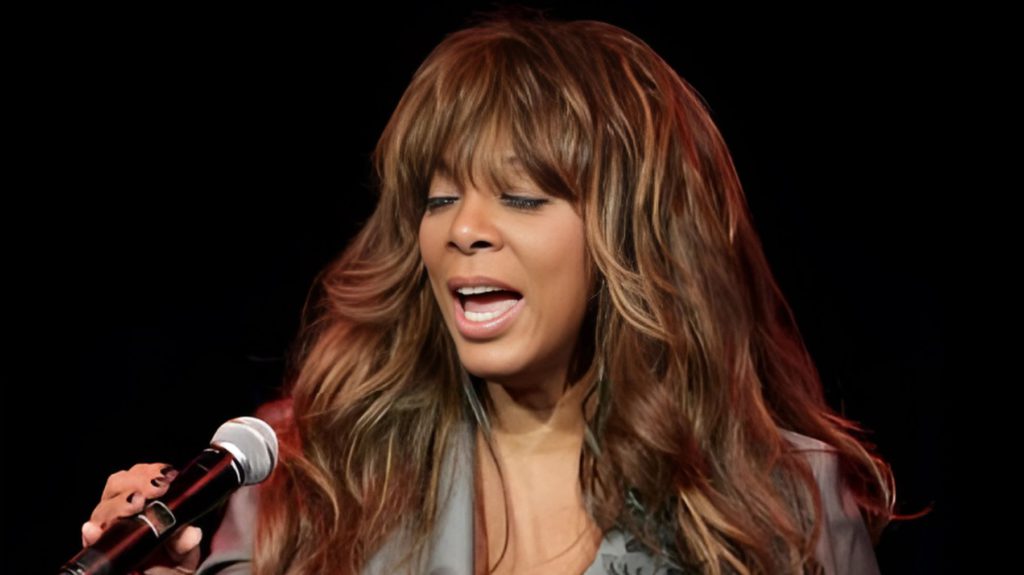
“Love to Love You Baby” made Donna Summer the Queen of Disco but nearly destroyed her spiritual foundation in the process. The 1975 hit’s seventeen minutes of sensual vocals launched her career while typecasting her as a sex symbol—a role that conflicted deeply with her personal values and religious beliefs. The disconnect between public image and private faith created internal turmoil that lasted years and affected her mental health.
Summer’s solution was artistic diversification, moving beyond disco toward family-friendly themes and spiritual content that reflected her authentic self. She demonstrated that artists could reinvent themselves without abandoning their core audience, paving the way for others trapped by early commercial success. Her journey highlights the importance of artistic integrity over commercial pressure, showing that sustainable careers require authentic expression rather than manufactured personas.
13. Gwen Stefani and Blake Shelton’s Love
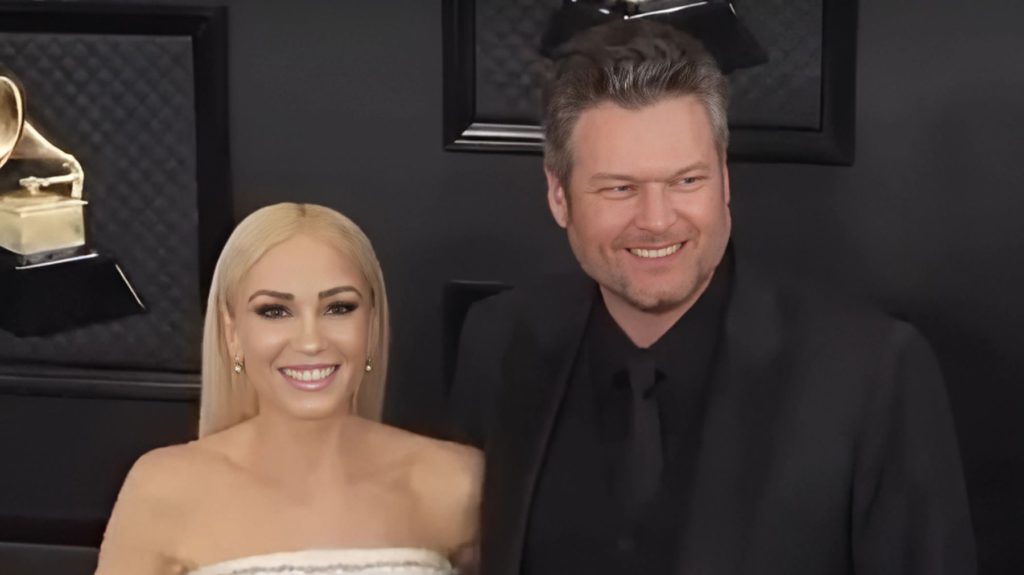
most successful romance happened between coaches rather than contestants. Gwen Stefani and Blake Shelton found each other in 2015 while both were navigating painful public divorces, bonding over shared experiences of heartbreak under media scrutiny. Their relationship embodied an unlikely genre crossover—pop royalty meets country charm—that somehow worked perfectly despite all logical predictions.
Their 2021 wedding capped a romance that played out partially on social media, giving fans unprecedented access to celebrity relationship development in real time. Unlike typical Hollywood pairings that crash and burn spectacularly, Gwen and Blake have maintained stability while supporting each other’s careers. Their success illustrates that sometimes the most unexpected combinations create the strongest foundations, defying industry cynicism about celebrity relationships.
12. Celine Dion and René Angélil’s Unconventional Love Story
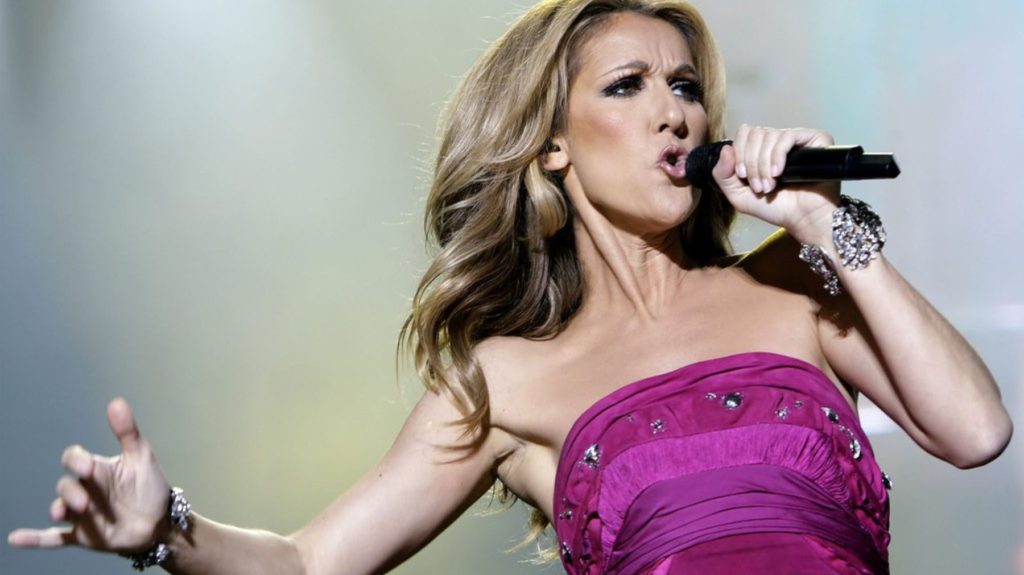
The 26-year age gap between Celine Dion and René Angélil sparked controversy that followed them for over two decades, but their partnership achieved artistic heights that might have been impossible separately. They met when she was twelve and he was thirty-eight—initially as manager and promising young artist—before romance developed when Celine turned nineteen. Their relationship defied conventional wisdom about appropriate relationships while creating extraordinary musical success.
Critics questioned the power dynamics, but Celine consistently described René as her greatest love and creative collaborator until his death in 2016. Their marriage produced not just personal happiness but career milestones that redefined what Canadian artists could achieve globally. Their connection dismantles assumptions about unconventional relationships while highlighting how genuine partnerships can transcend traditional boundaries and social expectations.
11. Aretha Franklin’s Hidden Child
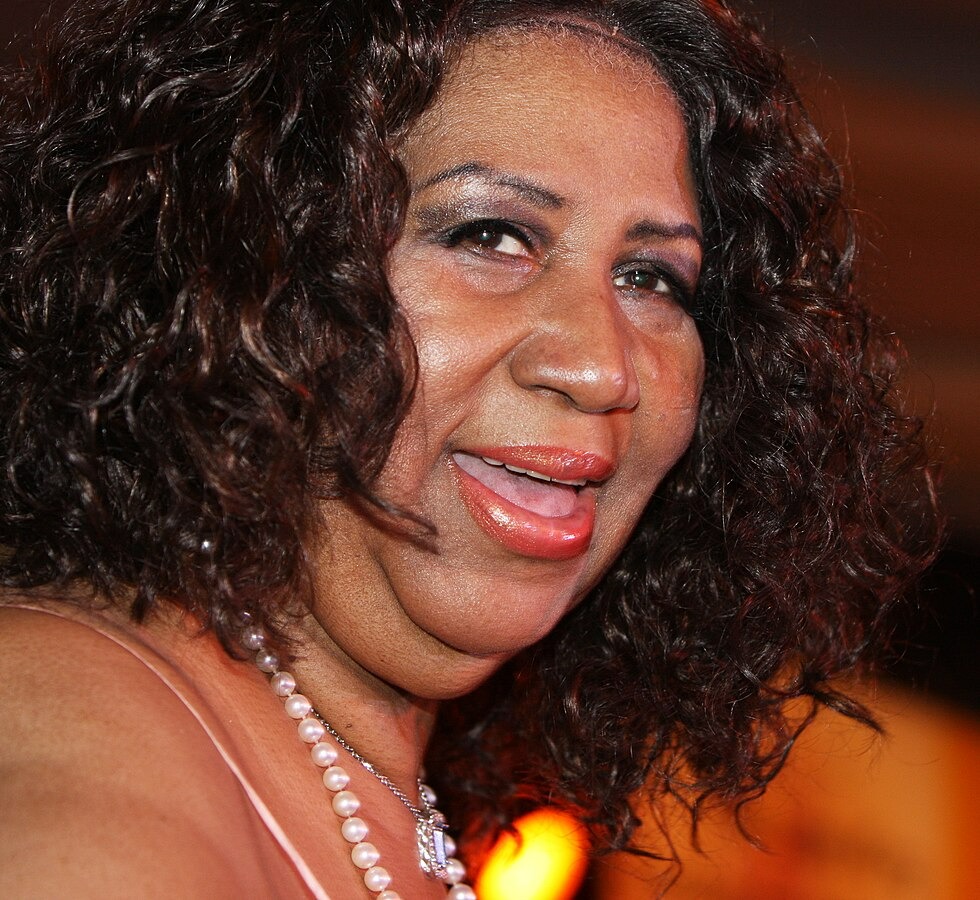
Long before she was the Queen of Soul, Aretha Franklin was a twelve-year-old mother navigating circumstances that would break most adults. She gave birth to Clarence, then Edward at fourteen—realities that 1950s society demanded she hide like state secrets. Her grandmother and sister stepped in to raise the boys while Aretha pursued music, creating a family structure that modern family dynamics are still catching up to.
Those early experiences didn’t derail her career—they supercharged it with emotional rocket fuel. The vulnerability threading through classics like “A Natural Woman” carries the weight of someone who understood loss, responsibility, and resilience before graduating high school. Franklin’s eventual openness about early motherhood helped destigmatize teen pregnancy while demonstrating that circumstances never define potential—talent does.
10. Mariah Carey’s Escape from her Nightmare Marriage
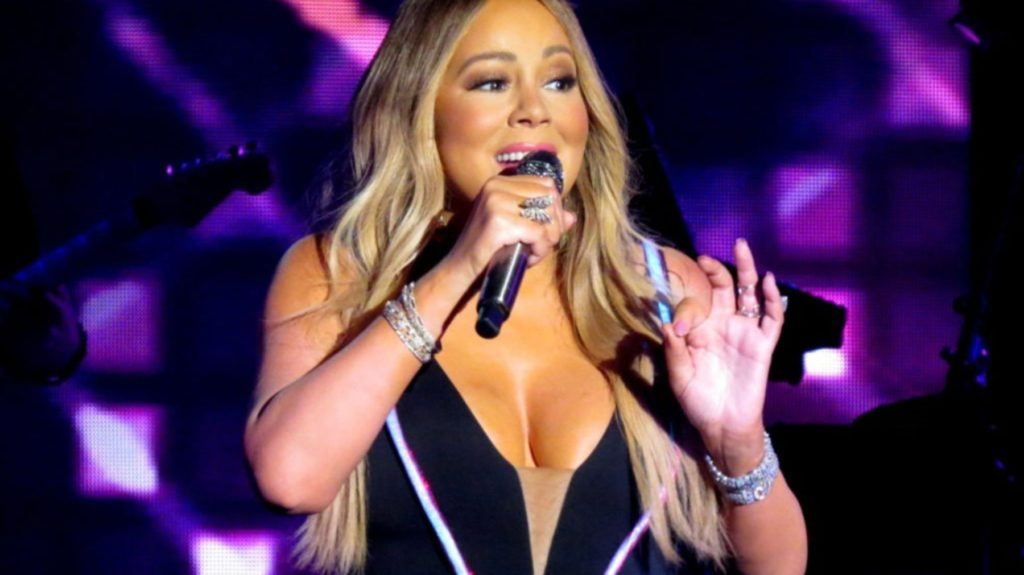
Mariah Carey’s marriage to Sony Music executive Tommy Mottola wasn’t a fairy tale—it was a psychological thriller disguised as a power couple photo op. From 1993 to 1997, Mottola’s controlling behavior extended far beyond personal manipulation into career sabotage, dictating everything from her musical collaborators to her social interactions. The relationship embodied everything toxic about power dynamics in the music industry.
“Butterfly” wasn’t just Carey’s comeback album—it was her declaration of independence set to a perfect vocal arrangement. Released after their divorce, it showcased artistic growth that had been systematically stifled during their marriage. Carey’s willingness to discuss emotional abuse in high-profile relationships helped other women recognize similar patterns while demonstrating that creative liberation leads to better art every time. Music executive Tommy Mottola wasn’t a fairy tale—it was a psychological thriller disguised as a power couple photo op.
From 1993 to 1997, Mottola’s controlling behavior extended far beyond personal manipulation into career sabotage, dictating everything from her musical collaborators to her social interactions. The relationship represented everything toxic about power dynamics in the music industry.
9. Billie Holiday’s Tragic Fate
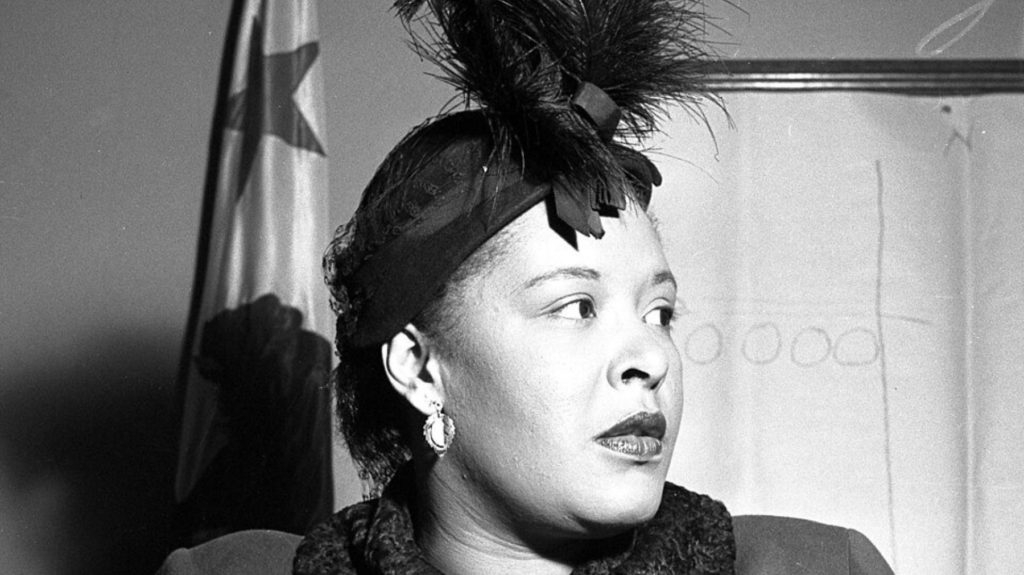
Billie Holiday’s death in 1959 exemplifies everything wrong with how America treated its Black artists during the civil rights era. The 44-year-old jazz legend died in police custody, handcuffed to her hospital bed while battling severe health issues related to years of addiction and systematic persecution by law enforcement. She had only seventy cents in her bank account—a cruel irony for someone who’d helped define American musical expression.
Holiday’s pioneering vocal style influenced generations of singers across all genres, while songs like “Strange Fruit” confronted racial injustice with devastating power that still resonates today. Her treatment by authorities, particularly regarding drug possession, highlighted institutional racism that destroyed countless artistic careers. Holiday’s legacy serves as both inspiration and warning about how society treats its most vulnerable artists when they dare to speak truth to power.
8. Cher and Tom Cruise’s One-Night Stand
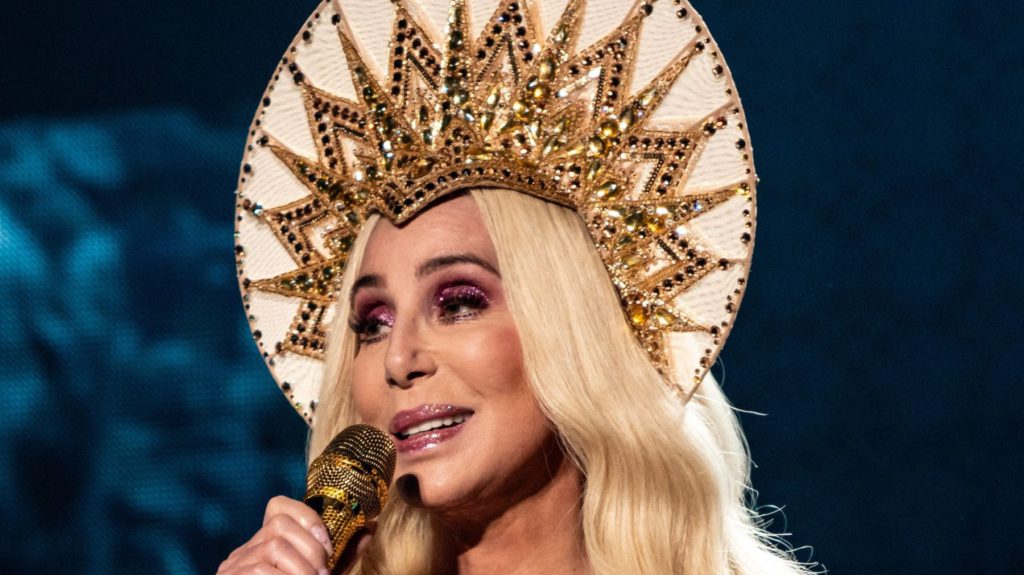
Hollywood’s most unexpected hookup happened at a White House event during the Reagan administration, bringing together two future megastars at vastly different career stages. Cher was 36 and already established as an entertainment force; Tom Cruise was 22 and still climbing toward “Top Gun” fame. Their brief encounter became legendary not for its duration but for Cher’s later assessment—she ranked him among her top five lovers in interviews decades later.
Their fleeting connection embodies everything unpredictable about celebrity culture, where chance meetings can create lasting tales that outlive actual relationships. Both went on to dominate their respective fields while maintaining mutual respect that keeps old secrets from becoming bitter public feuds. Sometimes the best Hollywood episodes are the ones that stay locked in personal vaults rather than tabloid headlines.
7. Cyndi Lauper’s Journey from Homelessness to Pop Star
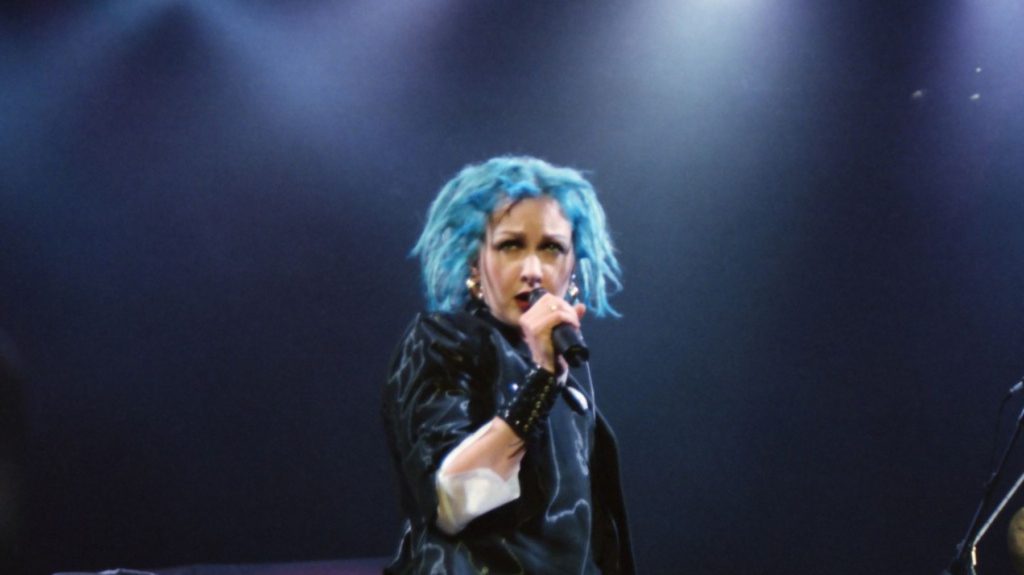
Before “Girls Just Want to Have Fun” made her a household name, Cyndi Lauper was sleeping in New York shelters and surviving on determination thicker than her Queens accent. The future pop icon experienced genuine homelessness in late-1970s Manhattan, bouncing between temporary housing and friends’ couches while pursuing musical dreams that seemed increasingly delusional with each passing day.
When “She’s So Unusual” exploded in 1983, it embodied more than commercial success—it was validation that authenticity beats manufactured pop every single time. Lauper’s journey from the streets to stardom inspired countless artists facing similar struggles, demonstrating that circumstances are just starting points, not destinations. Her continued advocacy for homeless youth and LGBTQ+ communities shows that success without purpose is just expensive emptiness.
6. Madonna and Tupac Shakur’s Forbidden Romance
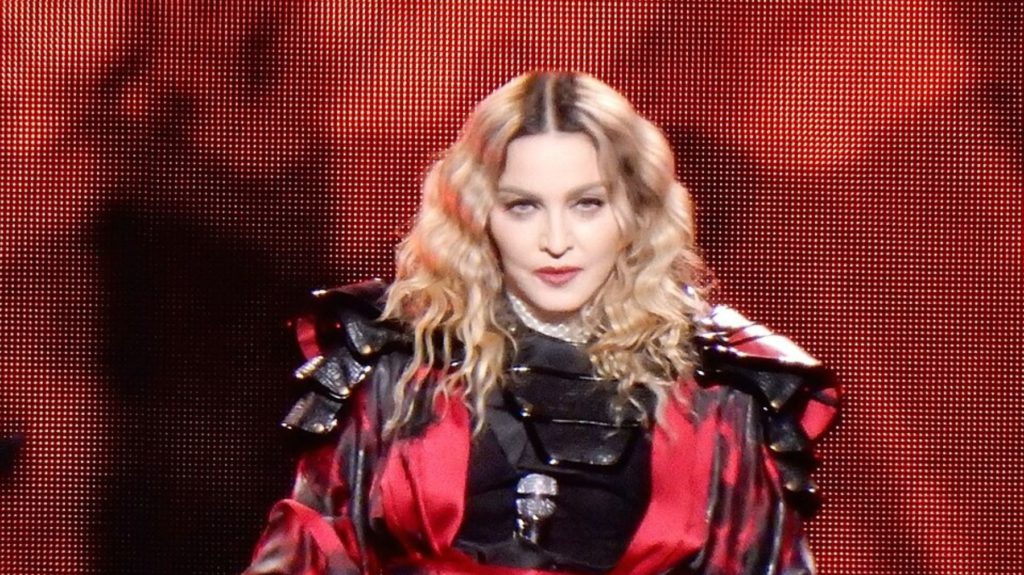
This wasn’t your typical celebrity hookup—it was a secret love affair that bridged worlds the music industry insisted couldn’t coexist. In the mid-1990s, Madonna and Tupac Shakur carried on an intense but hidden relationship, deliberately keeping it from public view because image concerns trumped authentic connection. Their romance embodied something genuinely groundbreaking: pop royalty and hip-hop poetry finding common ground beyond racial and genre boundaries.
Tupac ultimately ended things, fearing association with Madonna would damage his street credibility within hip-hop culture. A heartbreaking letter he wrote to her, disclosed only after his death, expressed both love and regret about their impossible situation. Their romance remained one of music’s best-kept secrets, highlighting how industry pressures can destroy genuine connections faster than tabloid speculation.
5. The Forbidden Love Affair of Carol King and James Taylor
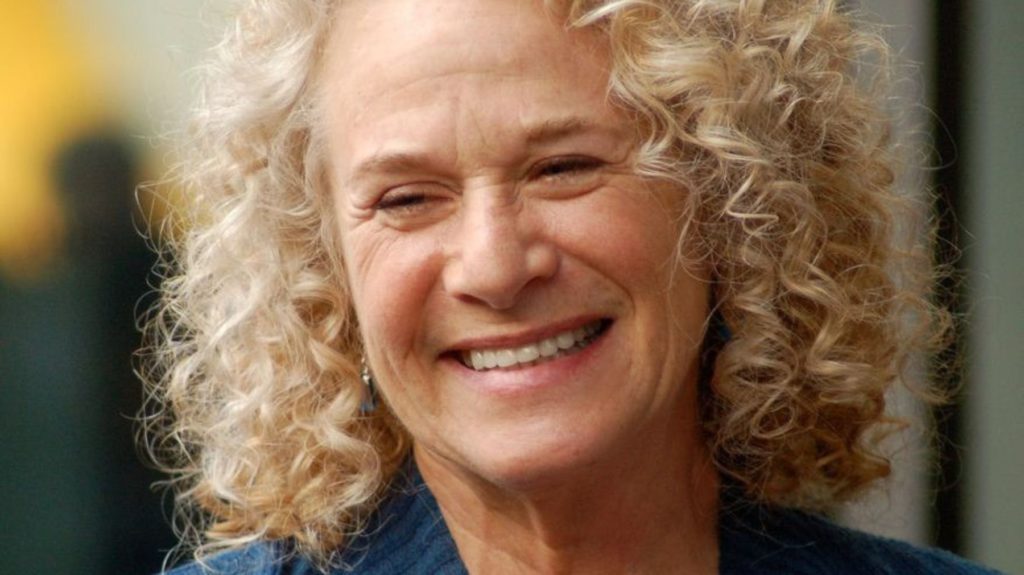
Two of the most important singer-songwriters of the 1970s shared more than just musical chemistry—Carole King and James Taylor conducted a secret affair while married to other people. Their relationship remained hidden for nearly fifty years until King disclosed it in her memoir, adding new context to their legendary collaborations. The affair embodied everything complicated about creative partnerships that transcend professional boundaries and venture into dangerous emotional territory.
What makes their tale remarkable isn’t the secrecy but the outcome—they managed to maintain both their marriages and their friendship long-term. Their continued collaboration on tours and recordings demonstrates that complicated relationships don’t have to end in mutual destruction. Sometimes the strongest bonds survive the messiest circumstances through mutual respect and shared artistic vision that supersedes personal drama.
4. Tina Turner’s Troubled Marriage
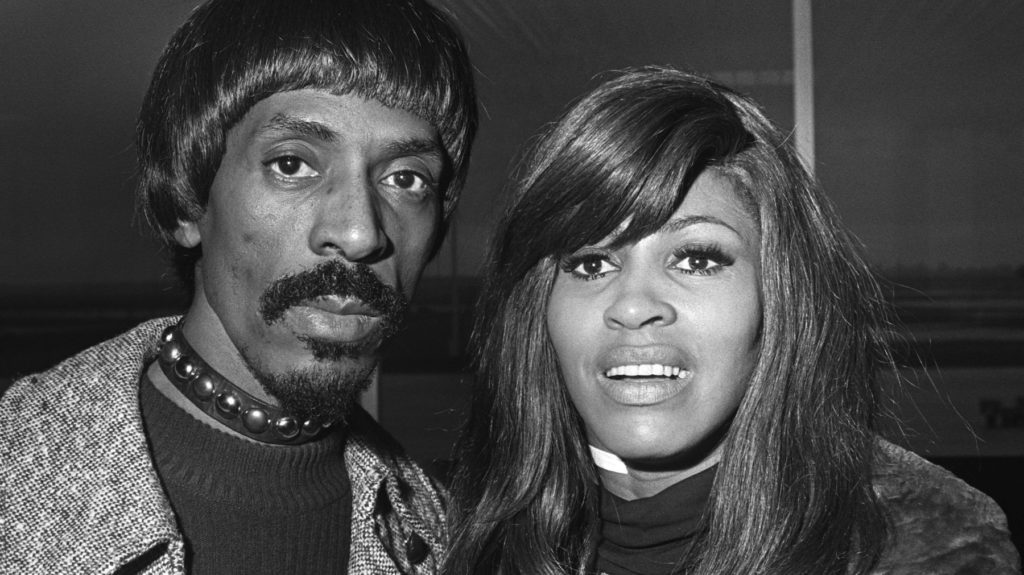
The queen of rock ‘n’ roll built her throne on survival tactics that would make Navy SEALs take notes. For sixteen years, Tina Turner endured systematic abuse from Ike Turner that went beyond physical violence—financial control, career manipulation, and psychological warfare designed to erase her identity. When she finally escaped in 1976, she walked away with nothing but her stage name and the kind of determination that turns victims into legends.
“Private Dancer” wasn’t just a comeback album—it was a musical middle finger to everyone who wrote her off. That a Black woman in her forties could dominate MTV and rock radio when the industry insisted it was impossible? Groundbreaking doesn’t begin to cover it. Tina’s transparency about domestic abuse shattered the industry’s code of silence, permitting countless survivors to reclaim their narratives.
3. Madonna’s Horrific Ordeal in New York
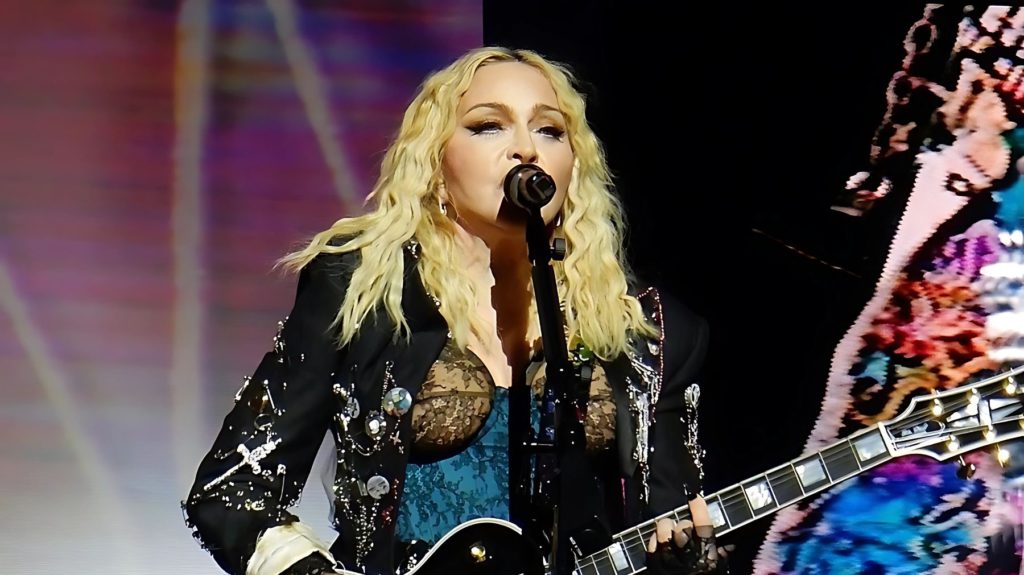
Madonna’s origin tale includes a chapter she kept hidden for decades—a sexual assault at knifepoint shortly after arriving in New York City in 1978. At nineteen, with only thirty-five dollars to her name and dreams bigger than her bank account, she experienced trauma that could have ended her aspirations before they began. And instead of reporting the assault, shame and fear kept her silent for years, highlighting how sexual violence affects even future superstars.
When Madonna finally shared her experience publicly, it broke cultural taboos around discussing sexual assault while encouraging other survivors to speak out. Her willingness to convert personal trauma into advocacy work demonstrates how pain can become power when channeled toward helping others heal. Madonna’s courage in sharing this experience added new dimensions to her image as a fearless boundary-breaker who refuses to let anyone else define her narrative.
2. Stevie Nicks and Mick Fleetwood’s Love Affair
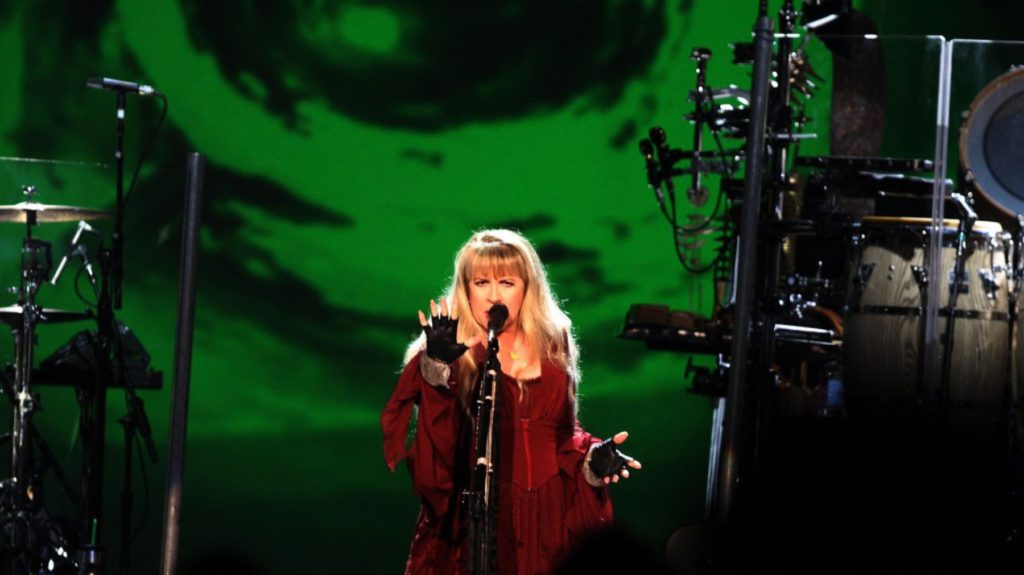
“Rumours” wasn’t an album—it was group therapy set to a drum machine, documenting rock’s messiest love polygon in real time. During those legendary 1977 sessions, Stevie Nicks and Mick Fleetwood conducted a secret affair while both were married, adding gasoline to an already combustible band dynamic. The emotional chaos threatened to destroy Fleetwood Mac entirely, with members barely speaking between takes.
Instead of imploding like a typical rock opera, that dysfunction crystallized into pure musical gold. “Rumours” became one of history’s best-selling albums, demonstrating that sometimes the most beautiful art emerges from the ugliest circumstances. Their affair remained Hollywood’s worst-kept secret until both parties acknowledged it publicly, adding another layer to the album’s legendary mythology.
1. Cher’s Plastic Surgery Secrets
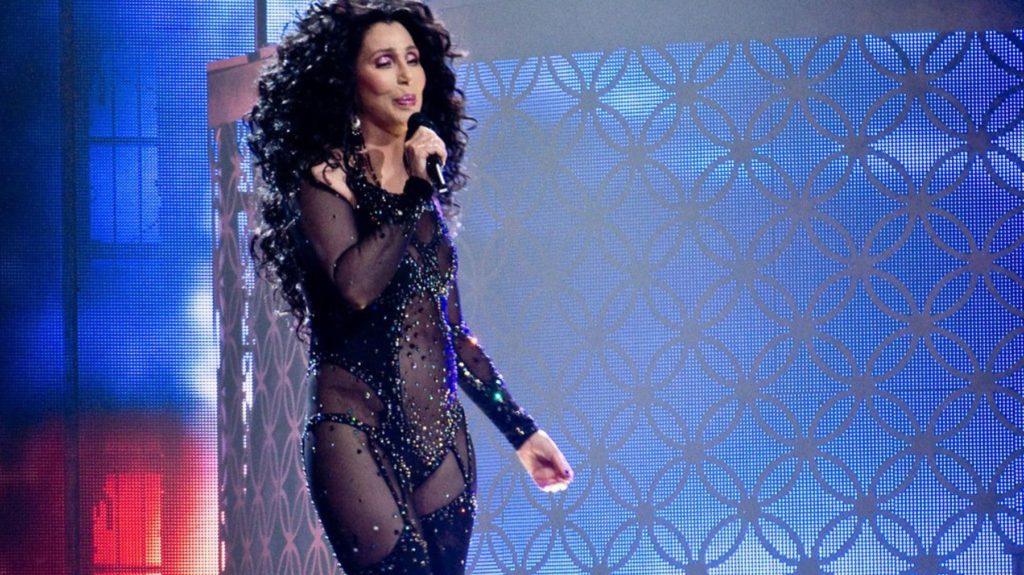
Behind Cher’s decades-spanning career lies a refreshingly honest approach to cosmetic enhancement that dismantled Hollywood’s beauty mythology. Cher openly admits to undergoing a nose job, breast implants, extensive dental work, and regular Botox injections, never shying away from these choices while firmly shutting down wilder rumors about rib removal and facelifts. Her legendary quote—“If I want to put my tits on my back, it’s nobody’s business but my own”—became a rallying cry for bodily autonomy.
This radical honesty challenged Hollywood’s beauty mythology at a time when admitting to surgery was career suicide. Cher normalized the conversation around cosmetic procedures while setting boundaries about speculation, demonstrating that authenticity beats airbrushed perfection every time. Her philosophy empowered women to make choices without shame or apology, turning potential scandal into a masterclass in personal agency.