



Tumbling through music history with unstoppable momentum, “rolling stone” crushes conventions while gathering no moss but plenty of meaning. What began as ancient finger-wagging at nomads eventually transformed into an anthem for successive waves of rebels, proving that words can reinvent themselves when they refuse to stay in one place.
These three syllables ricochet through music history—from dusty blues dives to stadium rock shows—carrying different interpretations while consistently detonating emotional dynamite. Each musical reimagining speaks directly to outsiders, wanderers, and anyone caught between the magnetic pull of the open road and convention’s suffocating grip.
9. Ancient Origins: The Proverbial Foundation

Modern musicians swagger across stages with electric confidence, yet ancient Roman thinkers once contemplated the consequences of rootlessness in their philosophical texts. Within those crumbling forums, the concept emerged that constant movement might prevent meaningful growth—a wisdom tradition that would later appear in written collections of maxims.
The wisdom that began as finger-wagging parental advice mysteriously transformed across centuries into something dangerously alluring. This traveling phrase moved through time like cultural contraband, morphing from solemn warning into defiant banner for the chronically restless. The ancient maxim about moss and movement provided an unexpected foundation for musicians who would later flip its meaning entirely.
8. Joe Hill: The Martyr’s Romantic Twist
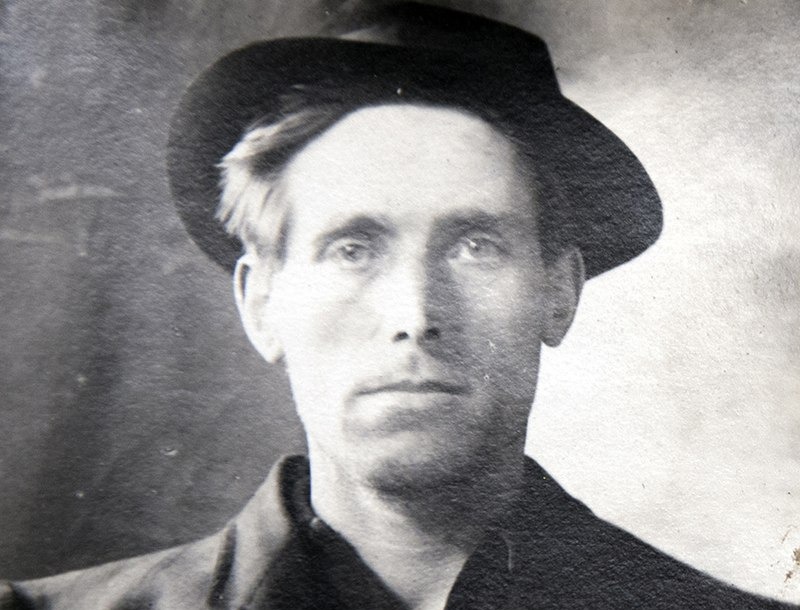
Decades before protest anthems found their power chords, radical labor organizer Joe Hill already understood how to remix cultural messaging for maximum impact. The Swedish-American firebrand seized established warnings about rootlessness and subverted them into a powerful critique of capitalism itself.
Through state-sanctioned martyrdom following his November 19, 1915 execution, Hill created the first blueprint for countercultural immortality. His final written testament twisted the ancient proverb inside out. Under Hill’s radical interpretation, the rolling stone wasn’t a commitment-phobe but a deliberate revolutionary who actively refused the moss of corruption and societal convention.
7. Hank Williams and Muddy Waters: Embracing the Traveling Life
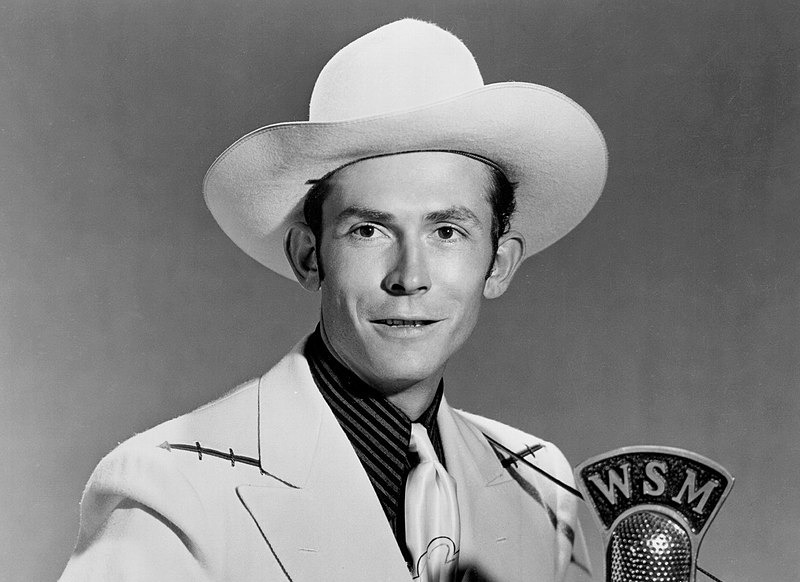
The collision of country twang with Delta blues finally gave the wandering stone its authentic soundtrack when Hank Williams and Muddy Waters became the unexpected architects of modern musical nomadism. Their raw, unfiltered delivery captured something universal that felt like overhearing profound confessions through thin motel walls.
Between Williams’ 1949 recording of “Lost Highway” (written by Leon Payne) and Waters’ “Rollin’ Stone” (1950), these visionaries crafted musical blueprints that functioned simultaneously as entertainment and survival wisdom. Their vinyl testaments painted haunting portraits of men caught perpetually between destinations, shouldering the contradictory burdens of freedom and isolation.
6. Bob Dylan: Freedom and Personal Growth
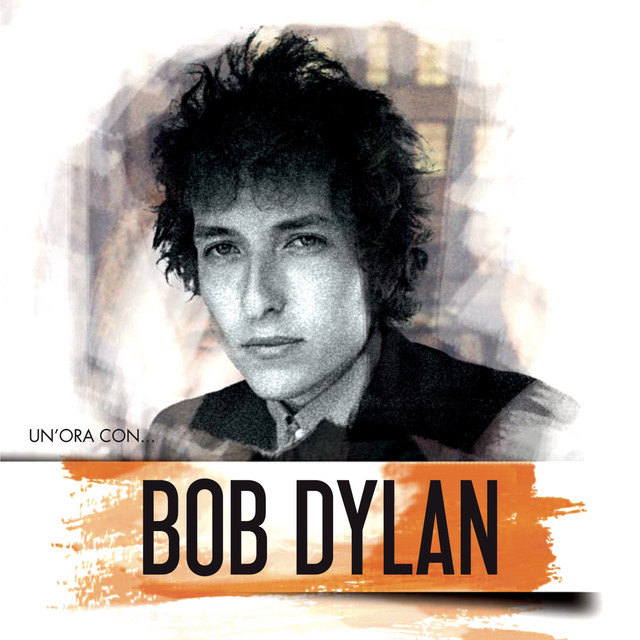
Bob Dylan’s “Like a Rolling Stone,” released July 20, 1965, crashed through America’s carefully maintained social barriers, detonating in living rooms with the cultural force of a Molotov cocktail tossed into a country club champagne fountain. This revolutionary six-minute opus permanently elevated the rolling stone from casual metaphor to generational manifesto.
Through Dylan’s savage alchemy, what society perceived as catastrophic downward mobility became potential liberation hiding in plain sight. The track’s high-born protagonist doesn’t merely tumble from privilege; she unwittingly discovers authenticity’s priceless currency amid her social bankruptcy. This landmark recording defined its era not through technical perfection but through cultural necessity, similar to some of these ahead-of-their-time ’60s rock tracks.
5. Rolling Stone Magazine: Reflecting Cultural Change
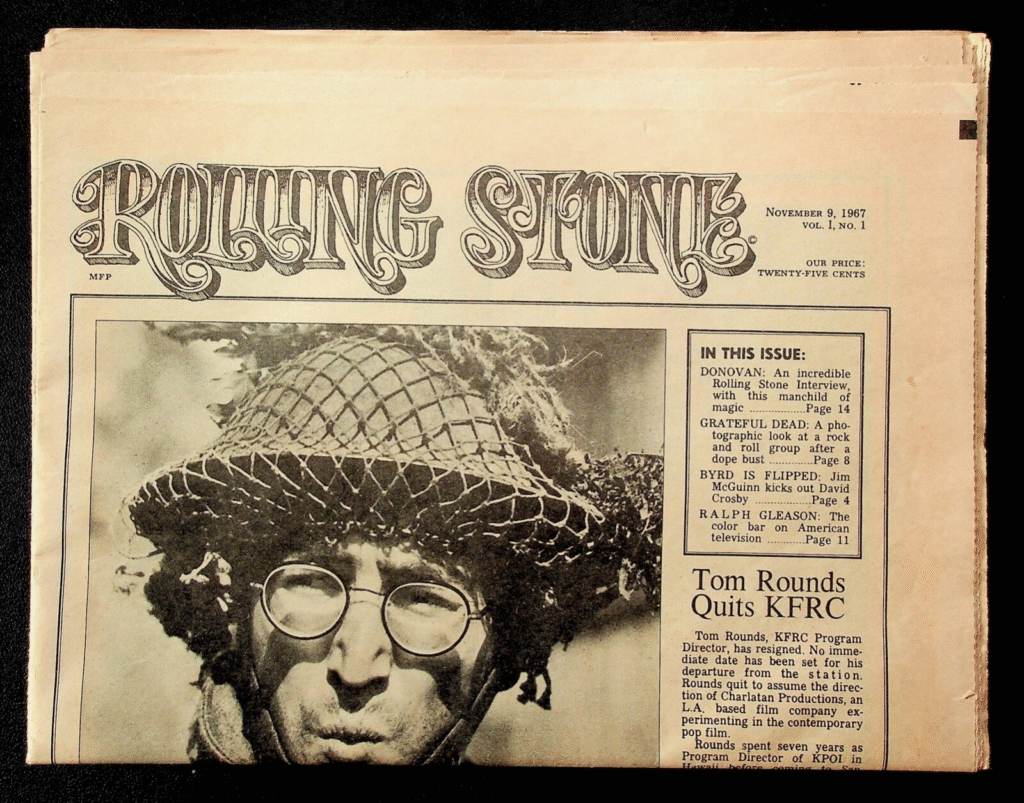
Jann Wenner’s November 9, 1967 launch of Rolling Stone magazine from San Francisco represented far more than adding another title to newsstands. For a modest cover price, young readers purchased membership in what felt like a revolutionary secret society disguised as a music magazine.
From humble origins covering rock shows and album releases, this upstart journal rapidly expanded its scope to become the definitive cultural chronicle of its era. As competing publications merely observed youth movements from safe distances, Rolling Stone boldly positioned itself as the nervous system connecting previously isolated pockets of cultural resistance across America.
4. The Temptations: Papa Was a Rolling Stone
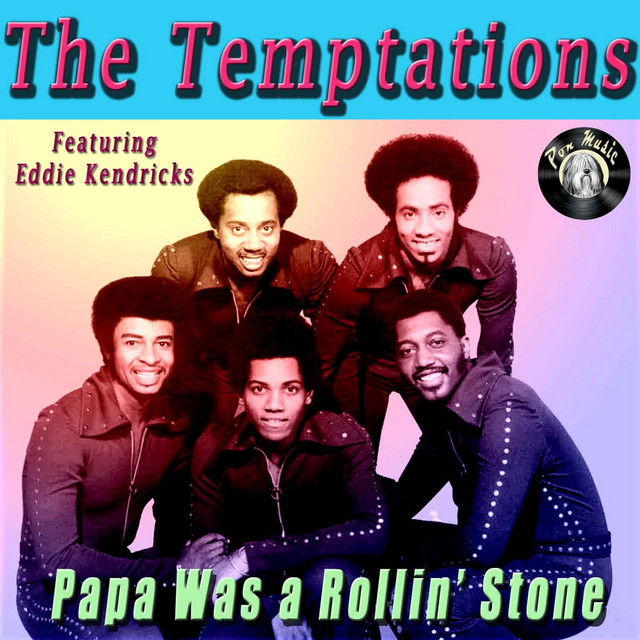
Without warning, The Temptations yanked the rolling stone narrative from comfortable hippie idealism into the merciless fluorescent light of urban family reality in October 1972. Their towering epic “Papa Was a Rolling Stone” reversed the cultural narrative with judicial force, revealing how romanticized freedom appears from the other side: abandonment.
The track’s expansive arrangement constructed a sonic cathedral whose emotional complexity matched the fractured family system it examined. While Dylan celebrated liberation from stifling convention, The Temptations meticulously documented the human collateral damage such freedom often leaves behind. Their unexpected chart dominance validated a public hunger for this morally complex perspective.
3. Sublime: Same in the End
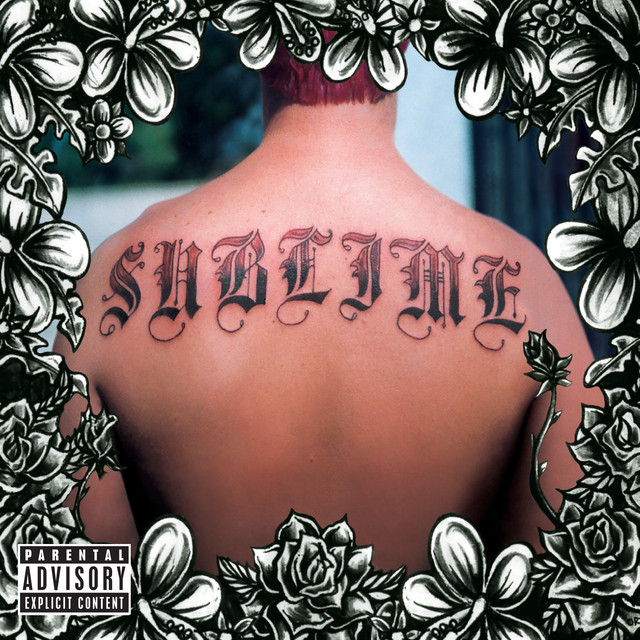
Emerging like scraped knuckles from Long Beach’s punk-ska underground, Sublime inherited a rolling stone metaphor already weighted with decades of accumulated cultural baggage. Their track “Same in the End,” which gained wider recognition on their 1996 self-titled major label debut, arrived with the authenticity of a sun-faded polaroid from Southern California’s neglected edges.
Sublime’s interpretation ruthlessly strips away sentimental coating with the brutal efficiency of survivors who’ve witnessed too much to indulge in romantic delusions. Their unfiltered perspective on unreliable fathers reads like a direct conversation with The Temptations across decades, but updated specifically for latchkey kids who came home to empty houses and answering machines.
2. The Weeknd: Rolling Stone

The Weeknd’s haunting track “Rolling Stone,” originally released on his 2011 mixtape “Thursday” before reaching wider audiences through his 2012 “Trilogy” compilation, materialized like a cryptic 3 a.m. text from the world’s emptiest VIP section—read but never truly answered. Throughout this minimalist confessional, Abel Tesfaye engineers a paradoxical emotional state: isolation you can somehow still dance to.
Structurally brilliant yet emotionally devastating, the song performs psychological origami—folding contradictory interpretations into a complex examination of modern disconnection. This 21st-century rolling stone isn’t romantically chasing adventure but desperately running from vulnerability across digital landscapes where instant connection yields deeper isolation.
1. Danny Brown: Rolling Stone
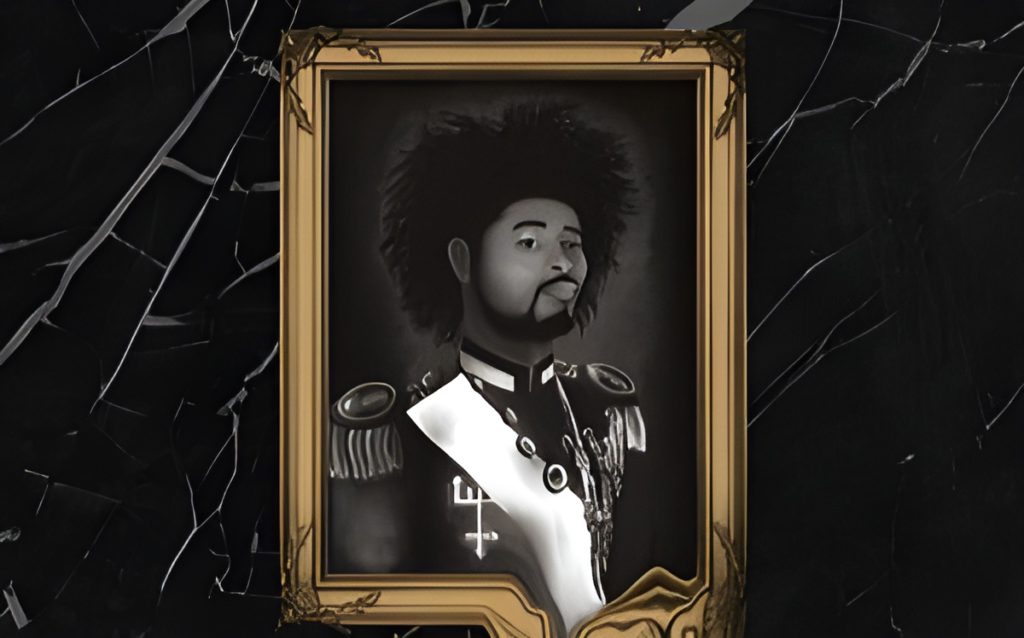
Detroit’s experimental hip-hop alchemist Danny Brown shattered conventions with his 2016 “Rolling Stone” from the album “Atrocity Exhibition”—a sonic anomaly that erupts through music history like a catastrophic system error. Brown’s uniquely pitched vocals embody psychological desperation, like someone frantically trying to outrun their own neurochemistry across dissonant, unsettling beats.
This radical reimagining transforms the familiar metaphor into something clinically feverish, relocating the journey from external geography to internal neurology. The meticulously crafted production creates musical turbulence that perfectly mirrors lyrical disintegration, effectively recreating addiction’s disorientation rather than merely describing it.