


The Sound of Complicity
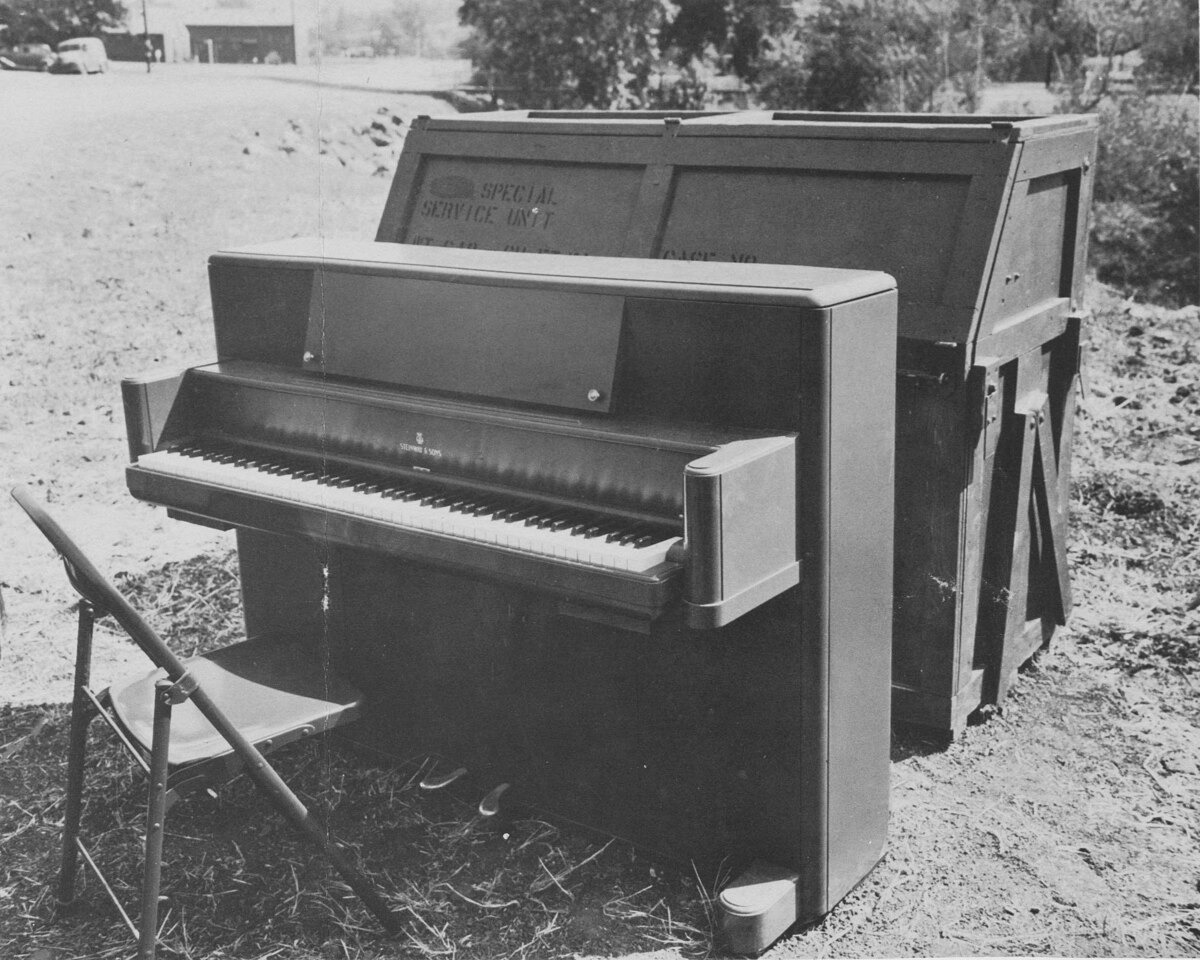
Classical training became a death sentence—or a temporary reprieve—in Nazi concentration camps. Piano keys never sounded more hollow than in Auschwitz. While gas chambers operated mere yards away, classically trained musicians found themselves trapped in an impossible bargain: perform for your captors or face immediate death. The women’s orchestra, established in 1943, forced talented prisoners to soundtrack their own genocide—a grotesque perversion of everything music represents.
These weren’t voluntary performances. SS guards selected musicians from incoming transports, recognizing that keeping some prisoners alive to provide entertainment served their twisted purposes. Conservatory training, once a source of pride, became another tool of Nazi manipulation.
The Psychology of Forced Performance
Survivor accounts reveal music’s dual role as both psychological refuge and unbearable burden.
Imagine hands moving across familiar keys while friends and family march toward gas chambers. Survivor testimonies consistently describe this moral torture—music became both shield and shackle, as Holocaust historians document. Pianists performed marches, classical pieces, and light music that accompanied the daily machinery of murder.
Primo Levi captured this upside-down reality in his memoirs, describing how art lost “its earthly logic” inside the camps. Musicians spoke of feeling mechanical yet beautiful, their technical precision intact while their souls shattered. The psychological burden proved almost unbearable: prisoners stayed alive by participating in the very system destroying their people.
This wasn’t artistic expression—it was survival wrapped in the familiar comfort of Chopin and Bach, made obscene by context.
Echoes That Refuse to Fade
These anonymous musicians shaped our understanding of art’s power and vulnerability under totalitarian regimes.
Most camp musicians remain nameless in official records, but their collective story fundamentally changed Holocaust musicology. Their experiences demonstrate how oppressors weaponize culture, transforming sources of beauty into instruments of control and humiliation.
These stories appear in:
- Survivor memoirs
- Academic research
- Memorial archives
Testimonies that reveal music’s complex role during humanity’s darkest chapter. Many surviving musicians never performed again after liberation, too traumatized by the association between their art and genocide.
Their legacy challenges comfortable assumptions about music as purely uplifting or healing. Sometimes art survives by bending to evil—a reality that demands acknowledgment, not celebration.
These unnamed pianists remind us that creativity can be both sanctuary and prison, depending on who controls the keys.