



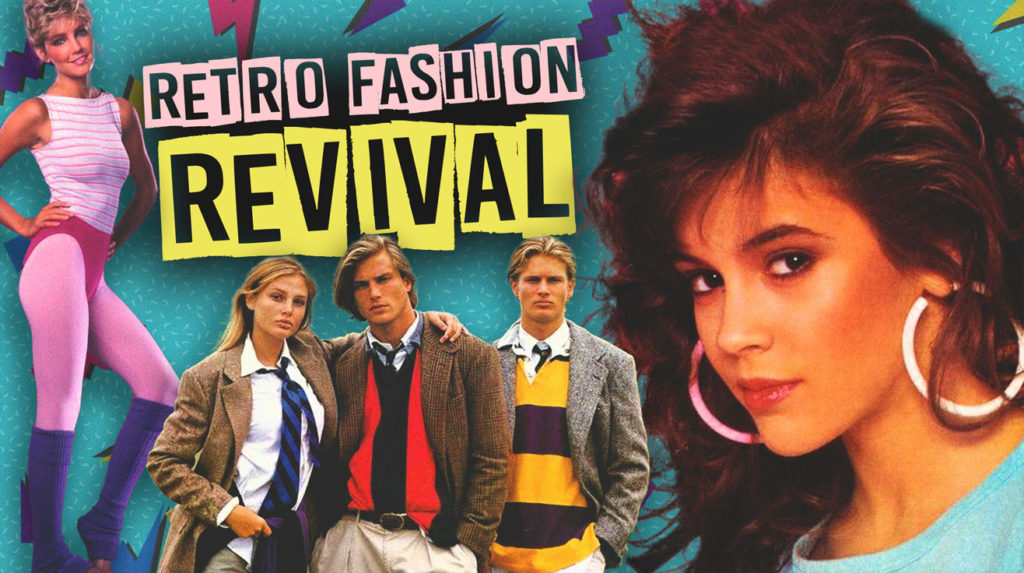
The 1980s weren’t just loud—they were a full-volume cultural megaphone that continues echoing through today’s fashion landscape. This era exploded with experimental spirit when restraint was tossed out alongside disco records. Bold choices weren’t an exception; they were a requirement. The decade served as fashion’s rebellious teenager, breaking rules with the confidence of someone who knows they’re making history.
Each trend from this era reveals something deeper about identity formation and social aspiration that modern fast fashion brands keep recycling without understanding its source. These pieces were manifestos worn by a generation navigating the early rumblings of digital culture, like actors in a John Hughes film figuring out their place in a rapidly changing world.
14. Stretch Belts with Big Buckles
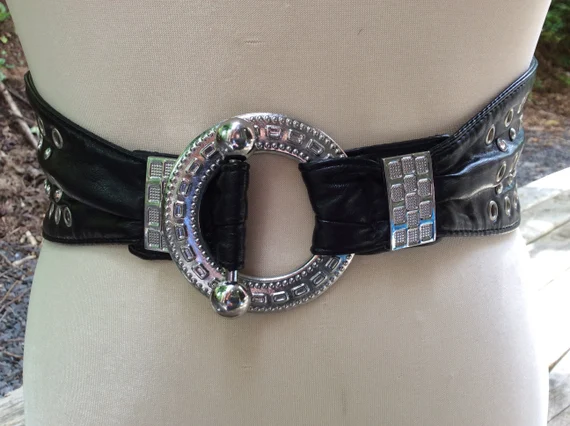
Elastic belts with statement buckles emerged as architectural solutions to the decade’s commitment to boxy silhouettes. As waist-defining wonders, they rescued an era when clothes seemed determined to hide natural body lines under fabric tents. The elastic construction offered the perfect compromise: structure without sacrifice, definition without discomfort, like shapewear masquerading as a fashion statement.
Oversized buckles functioned as torso exclamation points—metal and plastic declarations that commanded attention amid the chaos of pattern-mixing. They’re the physical embodiment of the decade’s philosophy that nothing worth doing is worth doing subtly. These belts performed visual magic tricks, transforming shapeless dresses and oversized shirts into defined looks with cinched waists. The fascination with corset belts and waist trainers follows directly from these elastic pioneers that understood the power of silhouette manipulation long before Instagram filters offered digital alternatives.
13. Neon Color Blocking
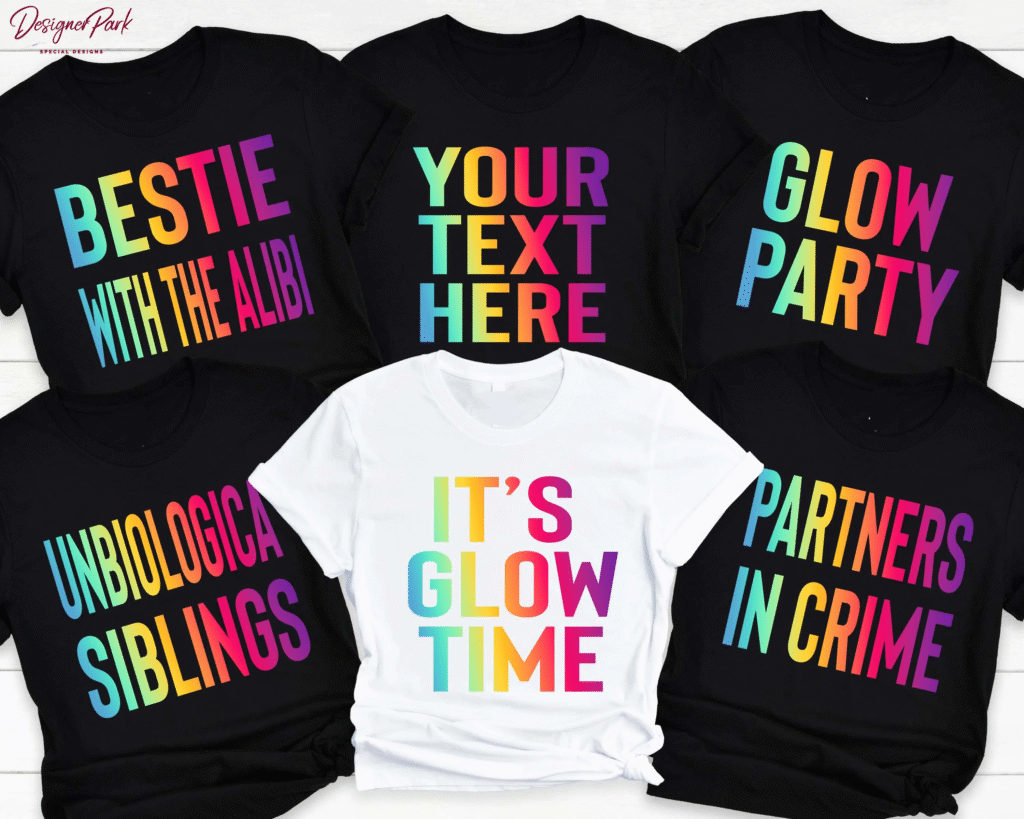
How did colors that assaulted retinas manage to become a defining aesthetic of an entire decade? Combinations of electric blues, toxic greens, and radioactive pinks shouldn’t work together according to any color theory textbook, yet they defined an aesthetic that continues cycling back into fashion with the persistence of a stubborn ex. The look transported everyday outfits from mundane to memorable through sheer chromatic audacity.
This technique perfectly embodied the decade’s refusal of subtlety. When Wall Street excess met MTV visual language, the result was fashion that treated restraint as a weakness. The aesthetic wasn’t limited to clothes; it became environmental design, album covers, and advertising campaigns—creating a complete sensory universe where moderation had no seat at the table.
Similar to neon color blocking, some of these peculiar 70s fashion trends also reveal that good taste can sometimes be vastly overrated compared to its memorable impact.
12. Leg Warmers
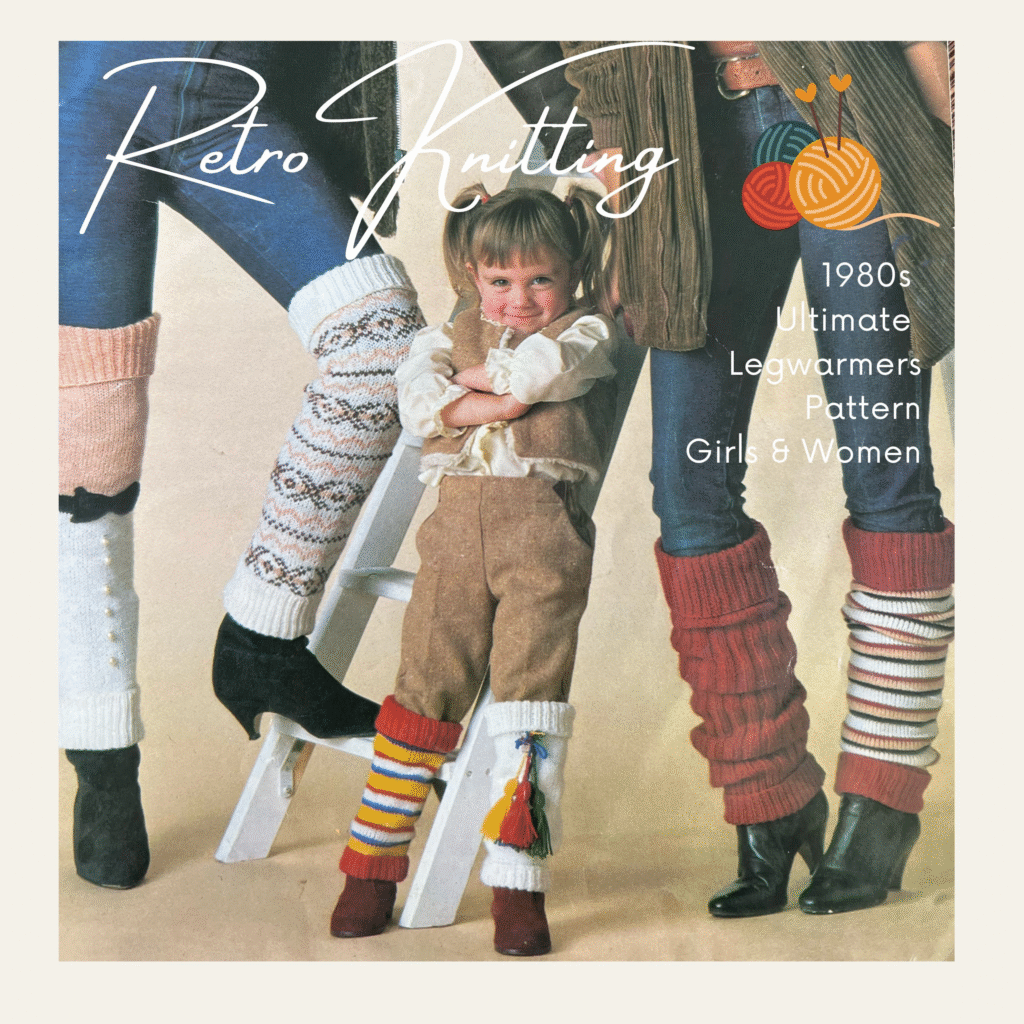
After Flashdance hit theaters in April 1983, the greatest fashion heist of the decade unfolded as leg warmers escaped their dance studio confinement and infiltrated mainstream closets nationwide. These tubes of knitted fabric convinced an entire generation they needed warm calves while the rest of their outfit remained seasonally appropriate. The logical disconnect didn’t matter—they transformed ordinary outfits into visual statements that channeled dance-adjacent energy without requiring actual dance skills.
This trend perfectly captures fashion’s power to detach function from form. People weren’t buying thermal leg protection; they were purchasing the feeling of being adjacent to artistic expression. Contemporary TikTok-inspired fashion works the exact same way—visual shorthand for belonging to a culture you admire rather than actually practicing it. Leg warmers were essentially analog hashtags, instantly categorizing their wearers as culturally aware without requiring them to execute a perfect pirouette.
11. High Cut One-Piece Swimsuits

Swimwear silhouettes underwent architectural reinvention with high-cut one-pieces that completely redesigned the body’s relationship with fabric and proportion. These suits performed optical illusions, using strategic cutouts to create leg length where nature might have been less generous. The dramatic hip-bone-baring cut wasn’t just revealing; it revolutionized which body parts could be emphasized, celebrated, and displayed.
Form-fitting spandex captured the fitness obsession of the decade, merging athleticism with sexuality in stretchy manifestos. After Baywatch premiered in 1989, these styles reached peak cultural saturation through slow-motion beach runs that created impossible standards while paradoxically celebrating strength. Their current revival isn’t plain nostalgia but the fashion cycle’s predictable swing from low-rise to high-cut extremes. Modern sustainable swimwear brands could learn from analyzing these designs, which used minimal fabric for maximum impact—perhaps the only accidentally eco-friendly aspect of a decade that otherwise celebrated excess as virtue.
10. Reebok Freestyle High Tops
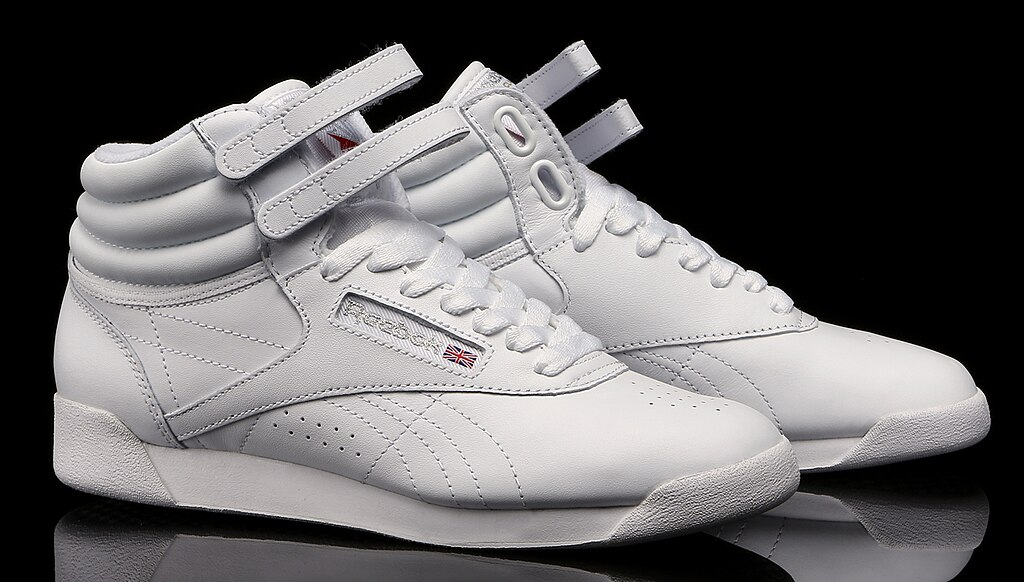
Reebok Freestyle High Tops conquered both gyms and streets with equal cultural dominance after their 1982 release as the first women’s athletic shoe. The pristine white leather became social currency in school hallways, where their condition directly correlated with your attention to detail and social standing. By 1984, they accounted for more than half of Reebok’s sales—proof of their crossover success from fitness to fashion.
White high-tops created the template for modern sneaker culture where function permanently merged with fashion. Before limited drops and collector editions became standard, Reebok showed how athletic performance could be packaged as style when athletes weren’t wearing them. The high-top silhouette provided unnecessary ankle support for hallway struts and mall walks.
9. British Knights Sneakers
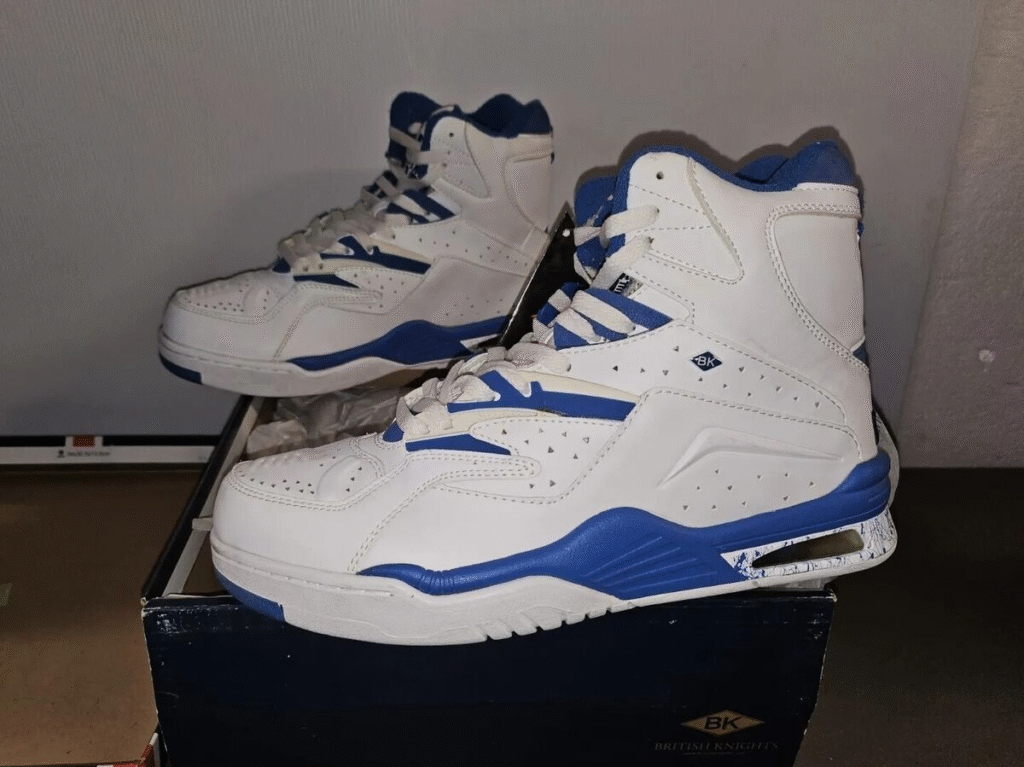
In 1985, British Knights bulldozed conventional sneaker wisdom with their debut collection that hit the market with the subtlety of a wrecking ball. While Nike and Reebok played it safe, BK innovated by introducing multiple collections yearly when competitors were stuck in annual cycles, treating sneakers as seasonal fashion rather than permanent fixtures.
The real genius? BK recognized hip-hop culture’s power before corporate America caught on. Their signing of MC Hammer in 1990 was a cultural recognition when mainstream brands were still hesitant about rap music. British Knights became the visual shorthand for what happens when subculture influences mainstream in a perfect storm of timing, design audacity, and cultural resonance.
8. Long Gloves
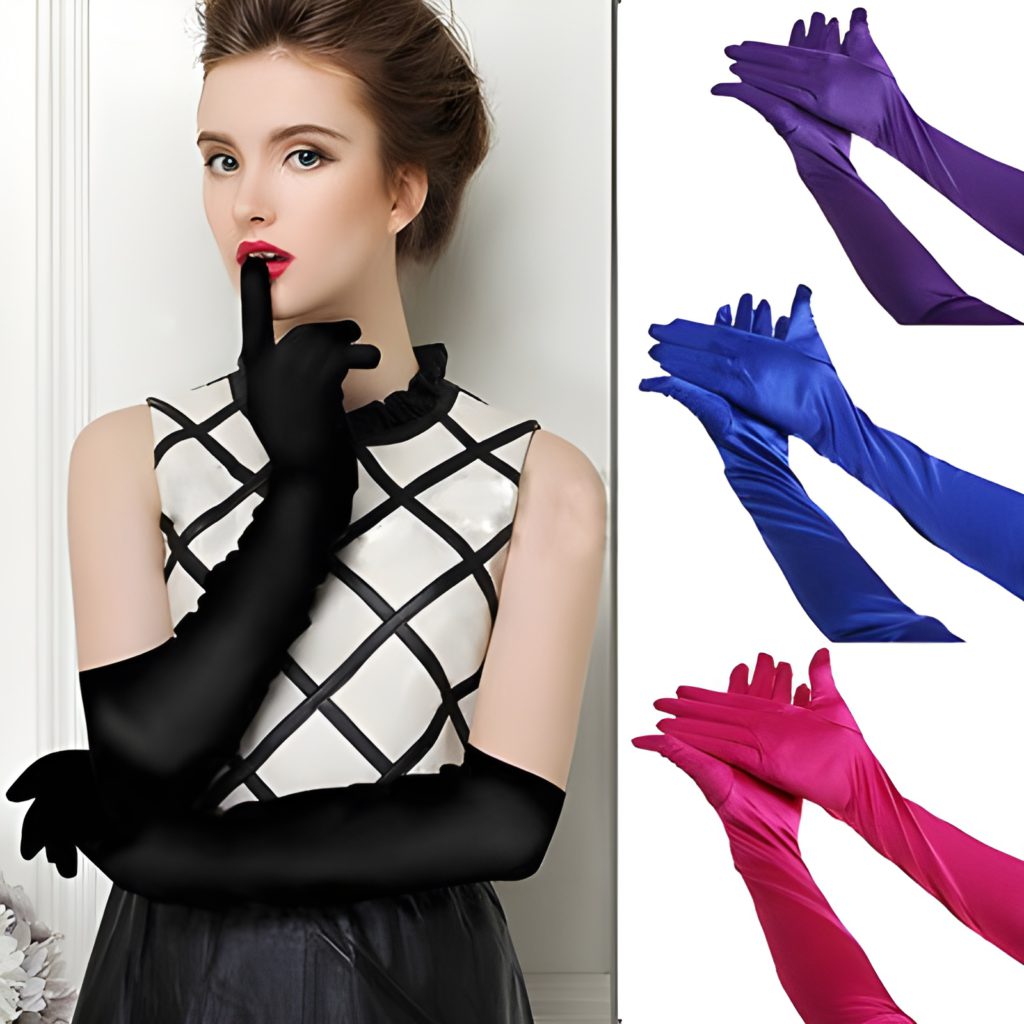
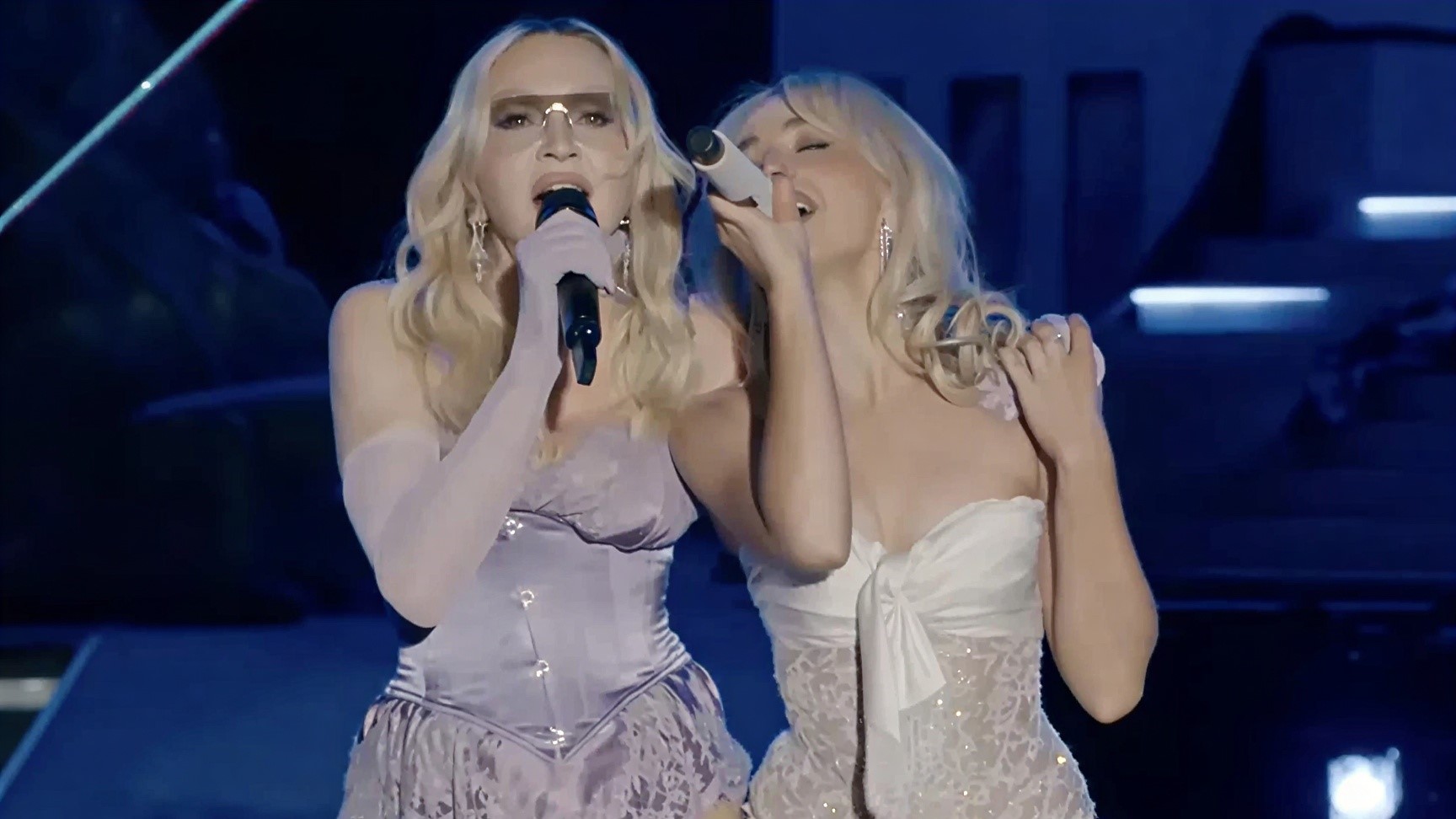
Arm-length gloves time-traveled Victorian drama to MTV culture with seamless audacity, transforming ordinary outfits into visual narratives. Madonna weaponized them as tools of reinvention during her iconic 1984 VMA performance, challenging class barriers and fashion rules simultaneously. They destroyed the boundary between concert costume and street style with unprecedented cultural crossover.
The brilliance behind these accessories lay in their ability to make evening wear elements available for everyday rebellion. They created instant drama on a budget, allowing wearers to channel old Hollywood glamour while rejecting its stuffiness. Like costume pieces that escaped theater wardrobes, they represent fashion’s power to borrow from historical contexts while completely reinventing the meaning. They’re the fashion equivalent of sampling in hip-hop—recognizable elements repurposed into something entirely new that confuses older generations while perfectly communicating to peers.
7. Swatch Watch Revolution
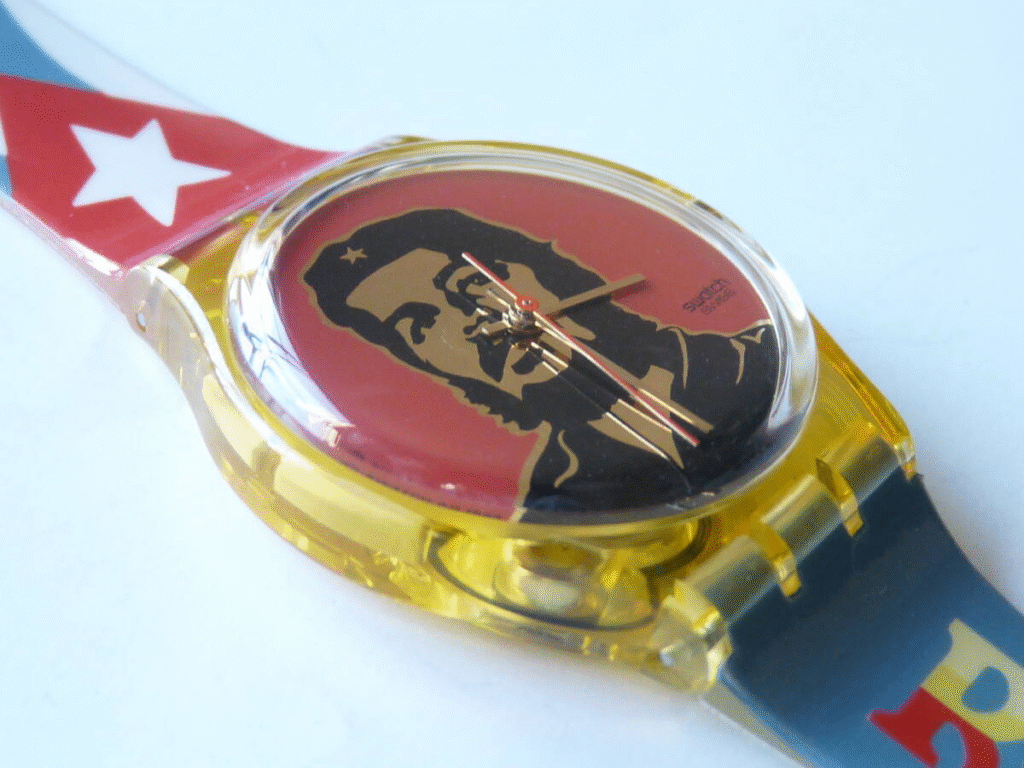
Plastic wristwatches executed a complete category disruption after Swatch launched in 1983, saving Swiss watchmaking by breaking all its rules. Swatch transformed timepieces from status investments into collectible candy for your wrist at a time when digital technology threatened to make analog watches obsolete. The brand’s rapid ascent demonstrated that emotional connection could trump traditional luxury positioning with the right mix of accessibility and personality.
Stacking multiple Swatches signaled the birth of modern collecting behavior. By creating affordable, limited editions and artist collaborations, Swatch invented the product drop model that Supreme and every sneaker brand now depends on. They transformed timepieces from lifetime investments into seasonal expressions that could change with your mood or outfit, positioning planned obsolescence as a feature rather than a bug in the fashion ecosystem.
6. Scrunchies
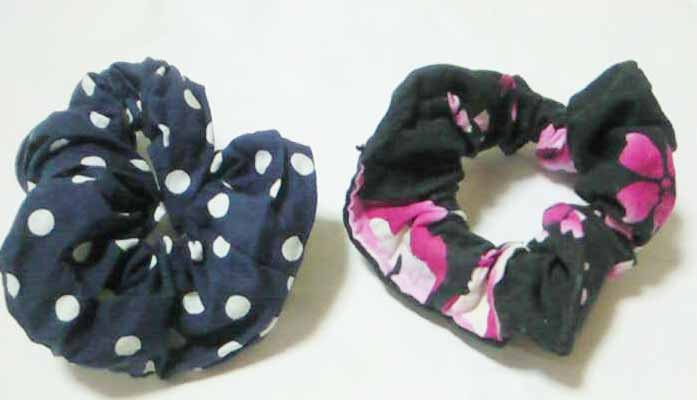
Fabric-covered elastics performed ultimate fashion alchemy after their 1986 invention by Rommy Hunt Revson, transforming basic hair ties into collectible accessories that migrated between wrists and ponytails with fluid purpose. Like mood rings for your hair, their constant presence on teenage wrists created an always-ready fashion opportunity that smoothly moved from practical use to bracelet and back.
The simple design—fabric wrapped around elastic—belies the scrunchie’s cultural significance. They were among the first mass-accessible items that girls could collect endlessly without breaking the bank, creating early consumption patterns that fast fashion would later exploit. Their recent comeback proves that fashion cycles run on nostalgia as much as innovation—with sustainability nowhere in the conversation.
5. Dolphin Shorts
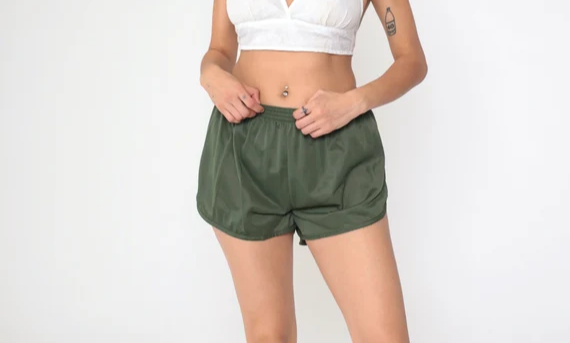
Athletic-inspired dolphin shorts sprinted from track fields directly into mainstream fashion with the momentum of a cultural phenomenon. By 1985, these high-cut, contrast-piped wonders had jumped from specialized athletic gear to everyday wear faster than you can say “physical fitness revolution.” The genius lay in their versatility—sporty enough for activities, casual enough for mall trips, and distinctive enough to make a statement while barely covering thighs.
Dolphin shorts embodied cultural indicators of America’s obsession with fitness aesthetics over actual fitness. The style’s widespread popularity grew throughout the early 1980s as athleisure avant la lettre—a pattern that continues with present day workout wear that rarely sees actual workouts. Dolphin shorts walked so yoga pants could run, establishing the blueprint for how performance wear escapes its functional origins to become everyday cultural uniform.
4. Oversized Leather Motorcycle Jackets
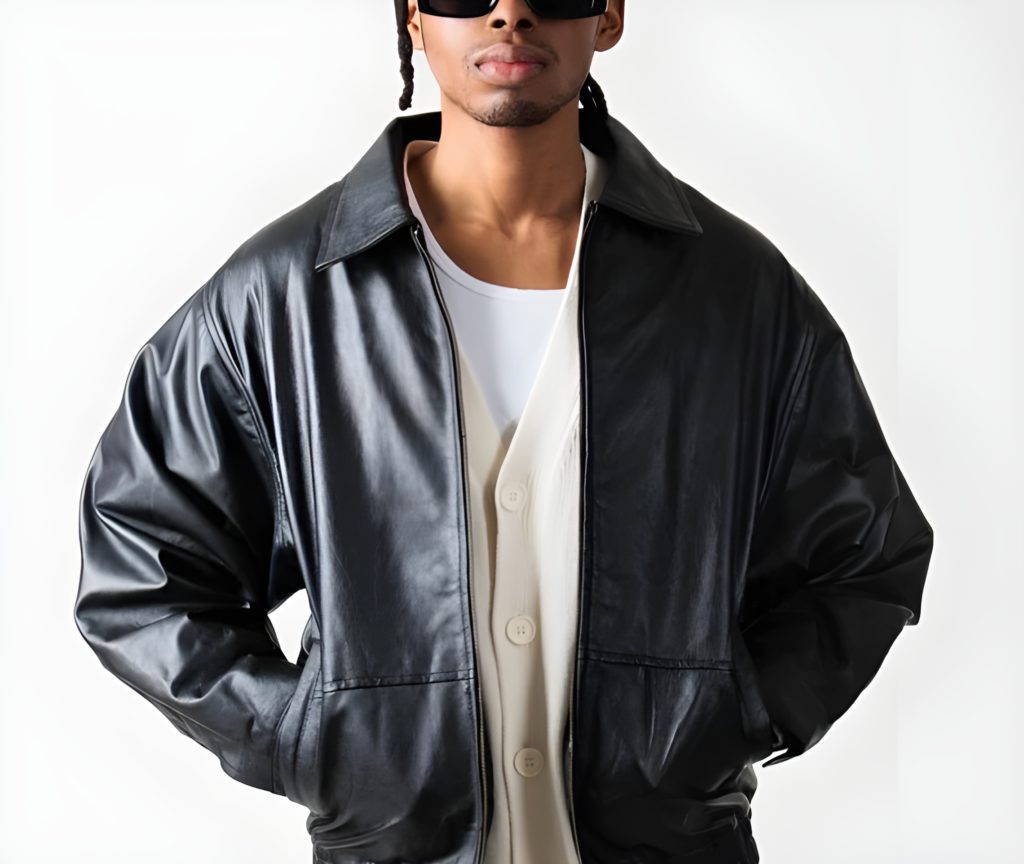
Oversized leather jackets functioned as fashion’s equivalent of a superhero origin story during the mid-1980s. The exaggerated proportions and prominent shoulder pads redesigned entire silhouettes with the structural confidence of brutalist architecture, making wearers look like they’d walked straight off a movie set where they played the character everyone secretly roots for.
Every silver zipper served as functional decoration in an ensemble that screamed rebellion without saying a word. These weren’t fast fashion disposables—they were investments in mythology. The jackets aged like fine wine, each crease and wear pattern documenting lived experience rather than planned obsolescence. Today’s sustainability movement could learn volumes from these pieces that weren’t meant to last a season but a lifetime.
3. The Preppy Look
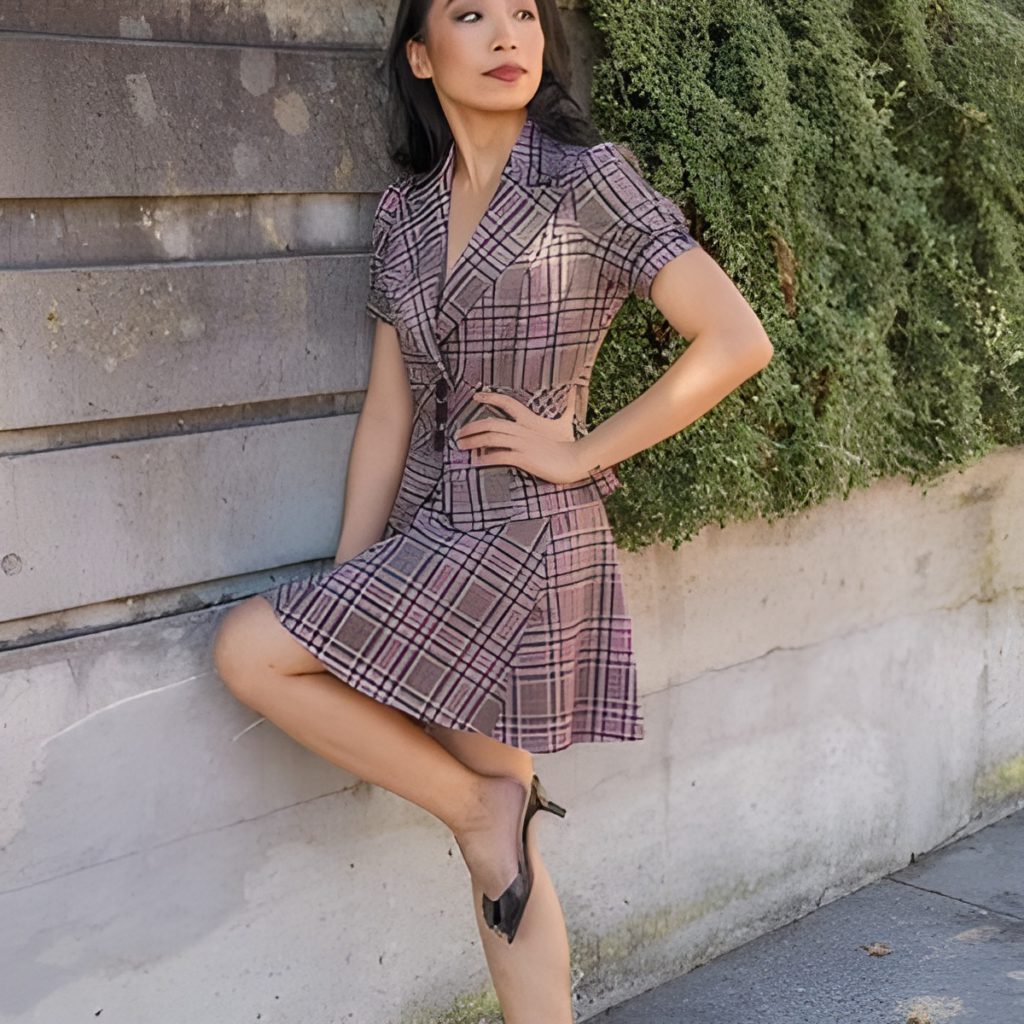
Cable knit sweaters and khakis represented social aspiration packaged in collar stays and boat shoes. The preppy aesthetic borrowed the uniform of old money and made it available at mall prices, democratizing the visual language of privilege during a decade obsessed with economic climbing. Ralph Lauren and Lacoste distributed visual shortcuts to perceived status, like Halloween costumes for class mobility that could be worn year-round.
This style’s endurance reveals uncomfortable truths about America’s relationship with class symbols. Unlike neon and scrunchies that celebrate their periodic comebacks, preppy basics never really left—they simply rebranded as “classics” and “investment pieces.” The aesthetic performs subtle gatekeeping through details like the quality of materials and the precision of fits, separating authentic practitioners from aspirational adopters. It’s the fashion equivalent of a country club built in department stores—seemingly accessible while maintaining invisible barriers through quality signifiers that trained eyes immediately recognize.
2. Esprit Clothing
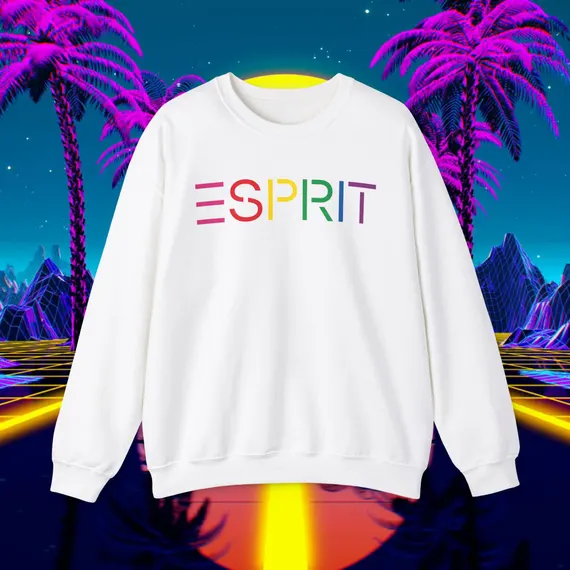
When everyone else pushed neutral minimalism, Esprit hurled the entire rainbow against mall walls after their 1968 San Francisco founding. Their clothing line packaged optimism in oversized sweatshirts, with their groundbreaking “Real People” campaign in 1985 showcasing actual customers instead of models—a revolutionary approach at the time.
The brand understood something fundamental about fashion psychology: clothes aren’t just protection from the elements but protection from anonymity. Those vibrant patterns served as social shorthand in high school hallways—visual signals that separated you from your parents’ generation. Their legacy lives in every contemporary brand that understands clothes must deliver feelings, not just coverage.
1. Big Plastic Earrings
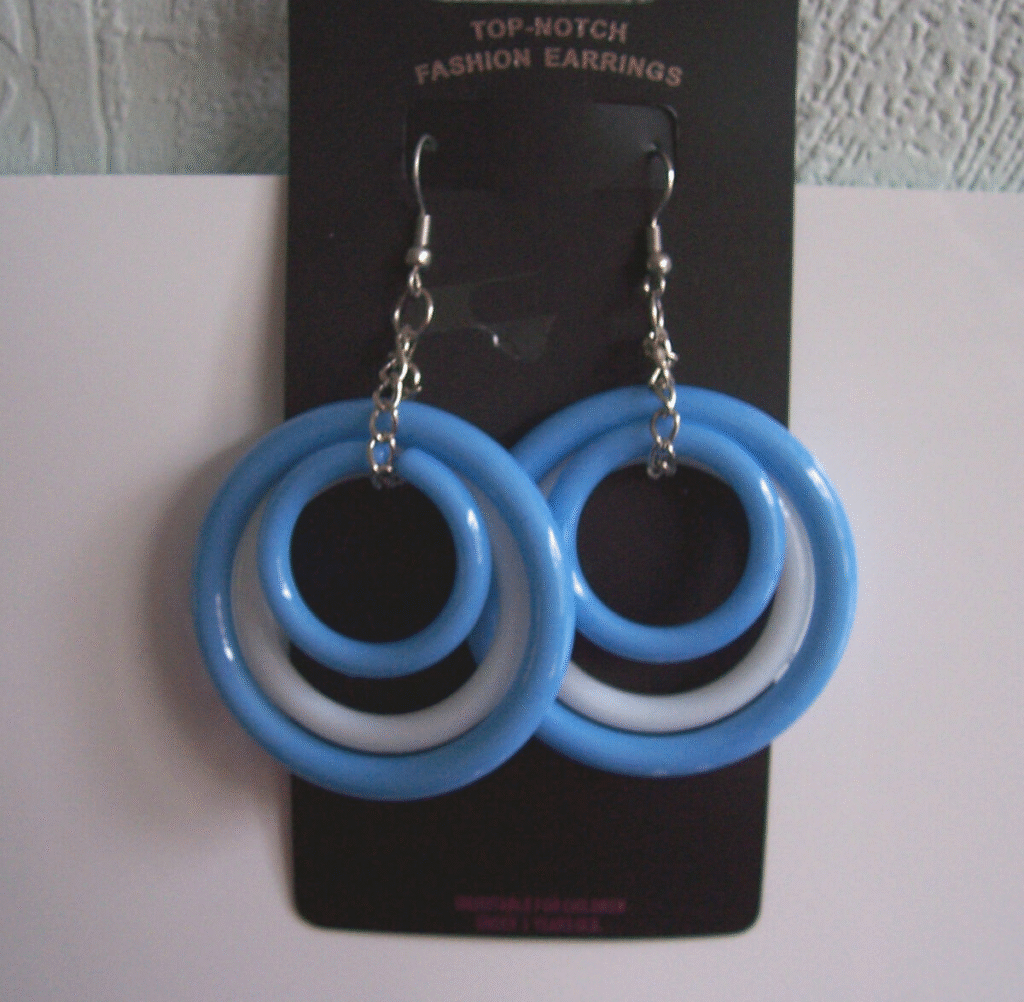
Geometric plastic earrings democratized statement jewelry, bringing dramatic impact down from luxury pricing to accessible levels like costume design for everyday life. These chunky wonders transformed basic outfits into character development with minimal investment. When wearing hoops the size of dessert plates became mainstream, it marked a turning point where subtle accessorizing lost ground to visual impact that announced itself from across the room.
Fashion’s material value shifted toward visual volume with these pieces—a perfect metaphor for a decade where appearance often trumped substance. Their lightweight construction meant anyone could participate in the bigger-is-better aesthetic without suffering physically for fashion. They represent the precise moment when accessories stopped whispering and started shouting, setting the stage for today’s statement pieces that understand sometimes fashion needs to announce itself with the subtlety of a game show host.