



The 1980s delivered more sonic surprises than your retro playlist reveals, with an entire universe of risk-takers crafting sounds that still echo through today’s music. Beyond the obvious neon-soaked hits lived artists who shaped modern music’s DNA while flying under mainstream radar.
These weren’t the MTV darlings or stadium-filling superstars everyone remembers — they were the genre-benders who took creative risks that paid off in lasting influence.
14. Bruce Hornsby and the Range
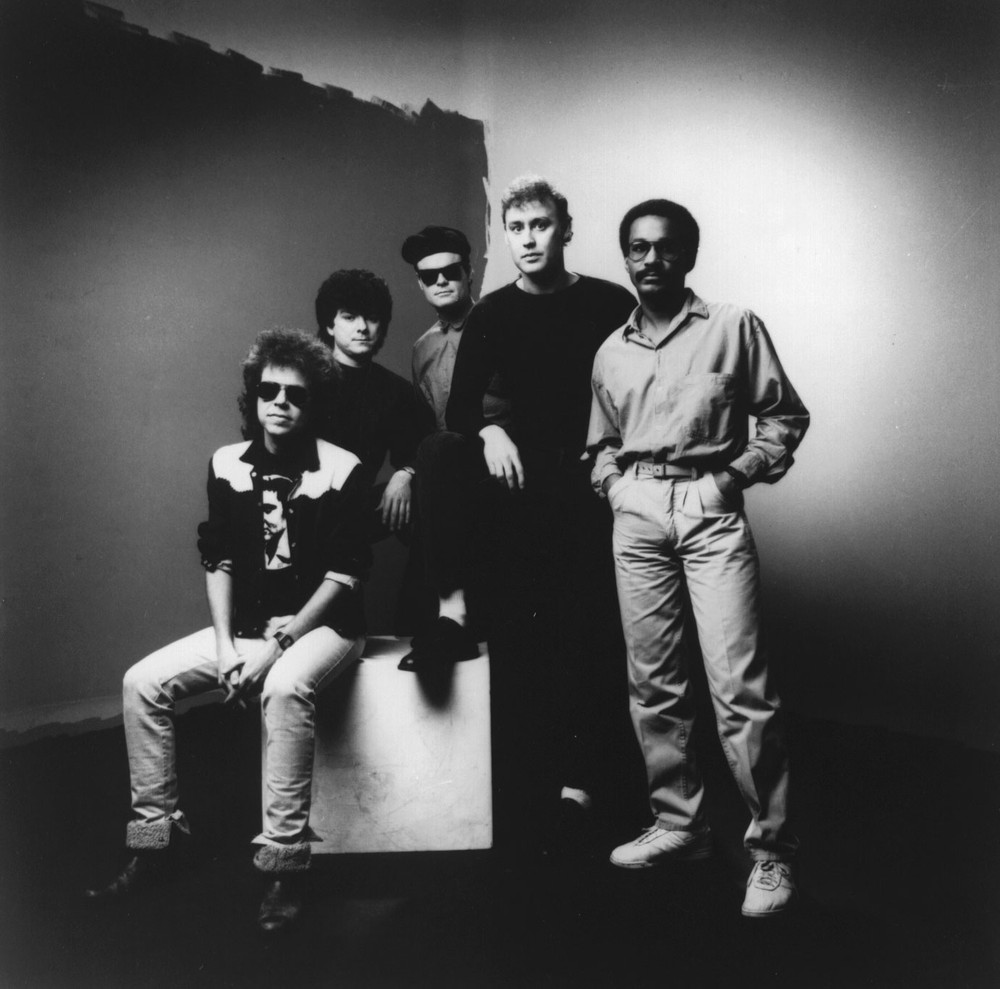
Background music deserves respect, too, and Bruce Hornsby and the Range proved it brilliantly. They crafted smooth jazz-influenced rock that earned them the 1987 Grammy for Best New Artist while becoming the soundtrack to countless everyday moments.
“The Way It Is” and “Mandolin Rain” became easy-listening radio staples without sacrificing musical complexity, while Bruce Hornsby and the Range’s collaborative spirit extended beyond solo work. Contributions to Don Henley’s “The End of the Innocence” showcased remarkable versatility — perfect validation that sometimes the quiet moments create the most lasting impact on listeners.
If you’re looking to expand your playlist with hidden gems, there are many underrated albums from the 1980s that continue to influence new artists long after fading from the charts.
13. Tears for Fears
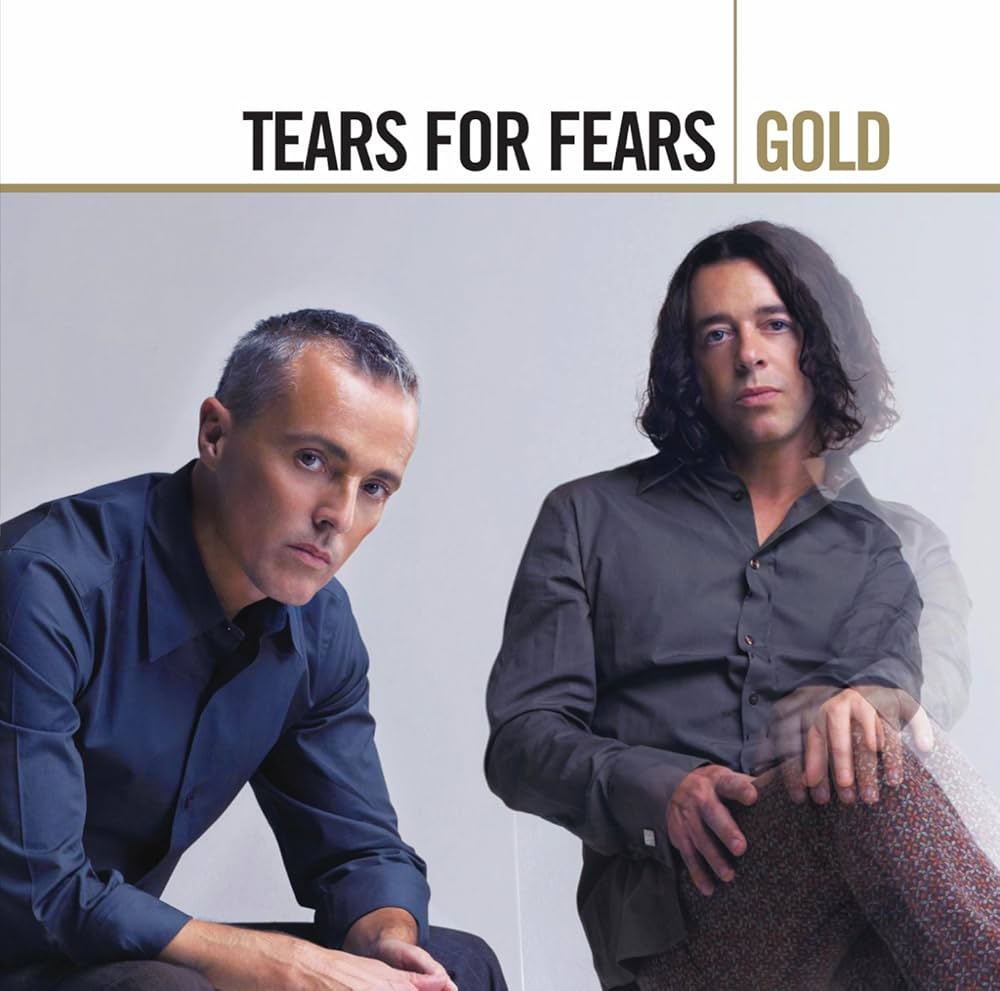
Conquering two continents requires more than catchy hooks — it demands substance. Tears for Fears achieved rare transatlantic success with sophisticated pop that addressed serious themes while dominating both US and UK charts.
Roland Orzabal and Curt Smith created lush soundscapes exploring human psychology and political commentary with remarkable sophistication. “Everybody Wants to Rule the World” became an anthem for Cold War anxieties, while “Shout” addressed protest and mental health with remarkable directness — powerful demonstration that Tears for Fears’ ability to combine commercial appeal with meaningful content reveals how audiences hunger for substance alongside entertainment.
12. The Human League
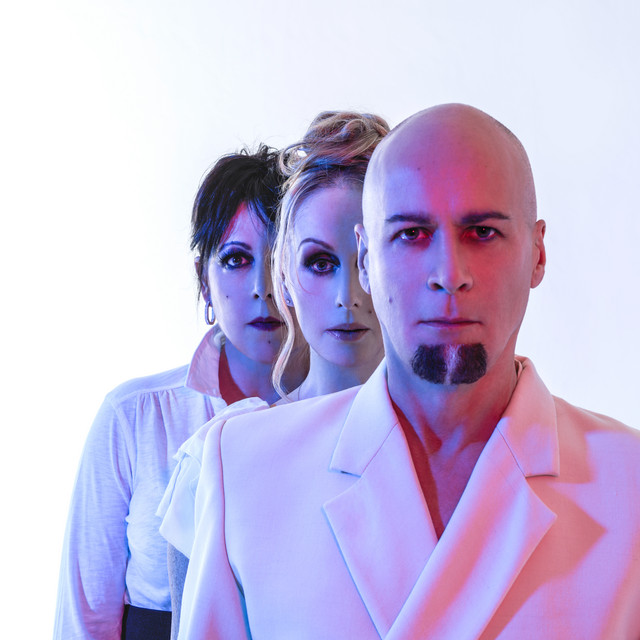
If you’ve ever wondered how electronic music survived the early ’80s shakeout, look to The Human League. These synth-pop survivors mastered reinvention when most of their peers vanished without a trace. Philip Oakey discovered their name on a sci-fi board game — a fitting origin for a band that would soundtrack the future.
Adding Susan Ann Sulley and Joanne Catherall transformed everything, turning “Don’t You Want Me” into a global phenomenon that topped charts in both the US and UK. The Human League’s 1995 comeback “Tell Me When” cracked the top 40, evidence that electronic pioneers could adapt across decades while maintaining their core identity.
11. The Fat Boys
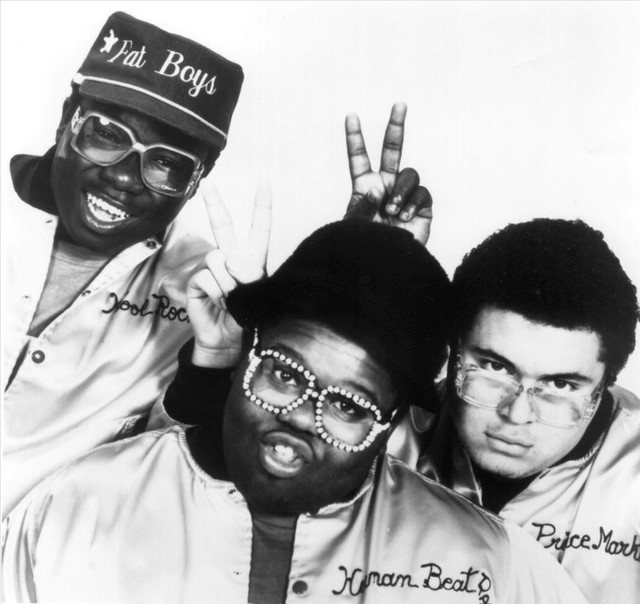
Hip-hop got its first comedy breakthrough when The Fat Boys arrived. Prince Markie Dee, Kool Rock-Ski, and the Human Beatbox carved out a unique niche that proved rap could make you laugh without losing street credibility.
Their 1987 film “Disorderlys” and collaborations with the Beach Boys (“Wipeout”) brought joy to audiences across demographic lines, though tragedy would later strike. The Human Beatbox died in 1995, followed by Prince Markie Dee in 2021, but The Fat Boys’ legacy shows us that laughter and music make powerful combinations — hip-hop history includes room for both serious artistry and pure fun.
10. Christopher Cross
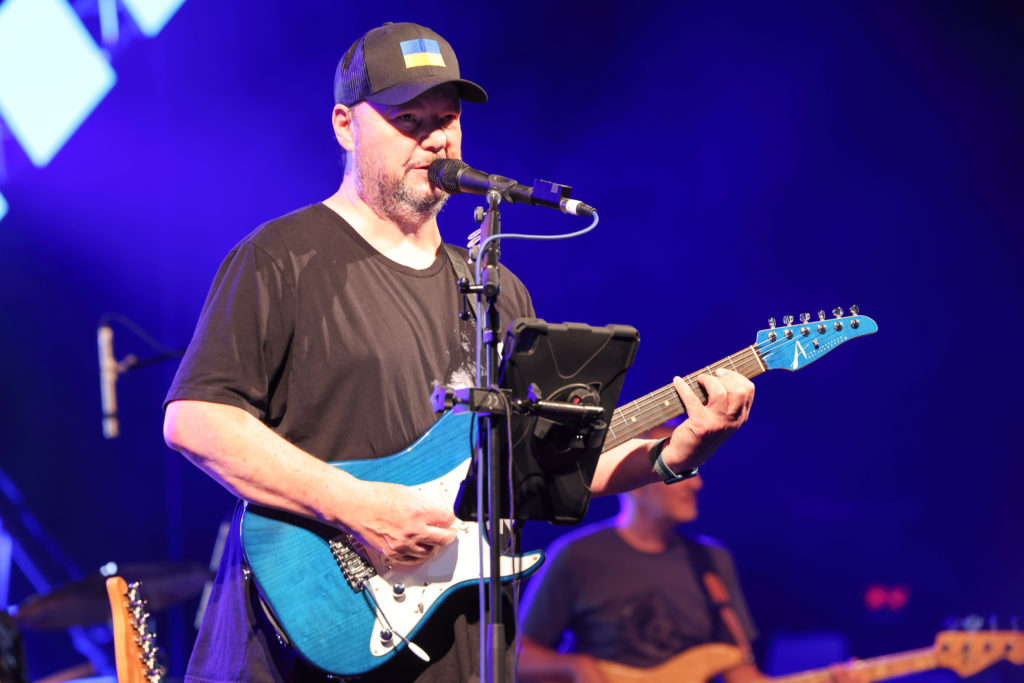
When substance clashed with MTV’s image obsession, Christopher Cross nearly became collateral damage. This pure-voiced songwriter crafted “Sailing” and “Ride Like the Wind” — songs that prioritized emotion over image, quality over quick visual impact.
Cross swept the “Big Four” Grammys in 1981 and won an Oscar for “Arthur’s Theme,” with his sophisticated arrangements and smooth guitar work defining soft rock excellence. When MTV prioritized looks over artistry, Christopher Cross’s career suffered despite maintaining his musical integrity — final proof that quality endures beyond temporary trends.
And while Christopher Cross soared briefly before slipping from mainstream memory, his impact endures among the era’s most memorable one-hit wonders from the 80s.
9. Pet Shop Boys
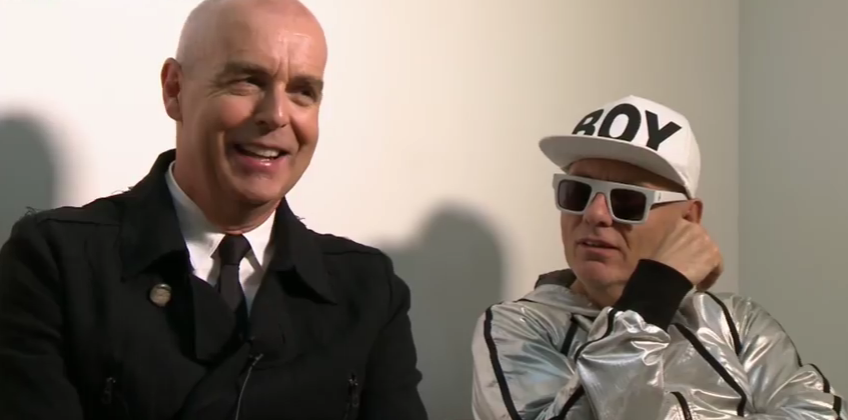
These electronic masterminds delivered exactly what synth-pop needed — intellectual weight combined with dancefloor appeal. Neil Tennant and Chris Lowe crafted dark, brooding electronics paired with lyrics sharp enough to cut glass, offering welcome contrast to the era’s relentless positivity.
“West End Girls” conquered both US and UK charts, establishing that dance music could stimulate minds and move bodies simultaneously while building the Pet Shop Boys’ credibility. Songs like “Opportunities” and “It’s a Sin” became dancefloor anthems for people who actually read the lyrics, with their enduring dedication to artistic vision serving as a masterclass in staying relevant without selling out.
8. Menudo
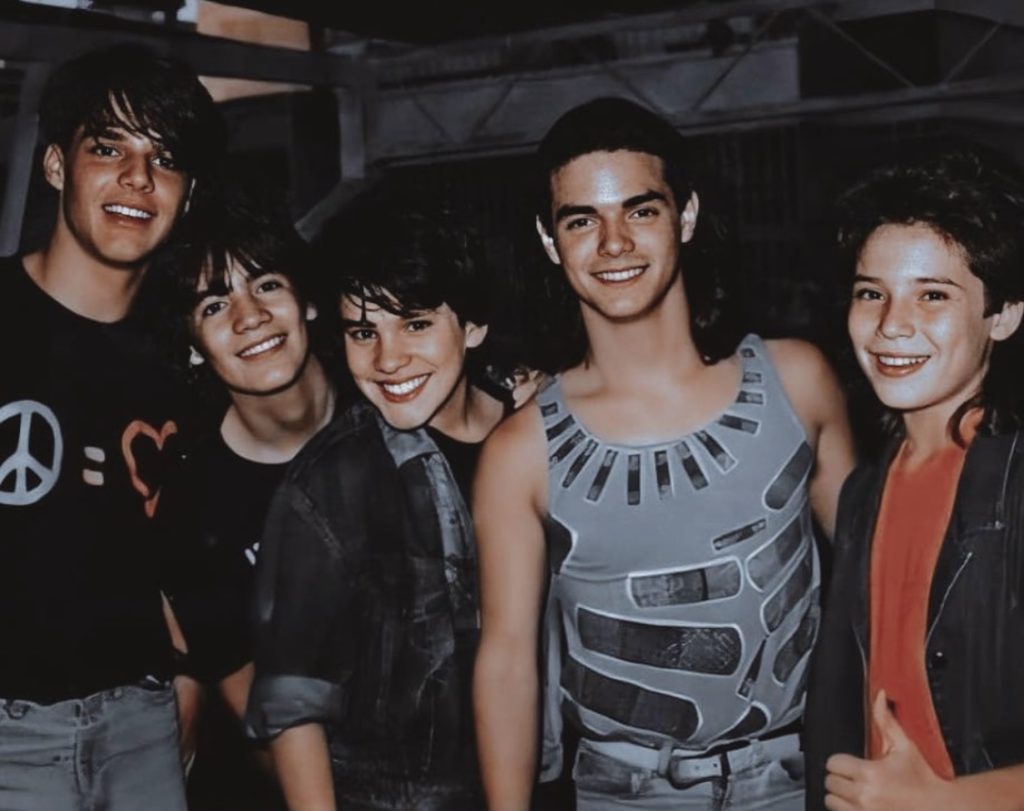
If you’re looking for the ultimate boy band blueprint, Menudo wrote the playbook. While most bands craved stability, these innovators thrived on constant change, with their unique structure requiring members to leave at 16.
Twenty million albums sold worldwide — clear evidence Menudo’s global appeal transcended language barriers, while their English-market single “Hold Me” showed ambition beyond Spanish-speaking territories. Most importantly, the group launched Ricky Martin and Draco Rosa — legacies that include “Livin’ La Vida Loca” — revealing that sometimes the greatest success comes from creating platforms for others to shine.
7. Huey Lewis and The News
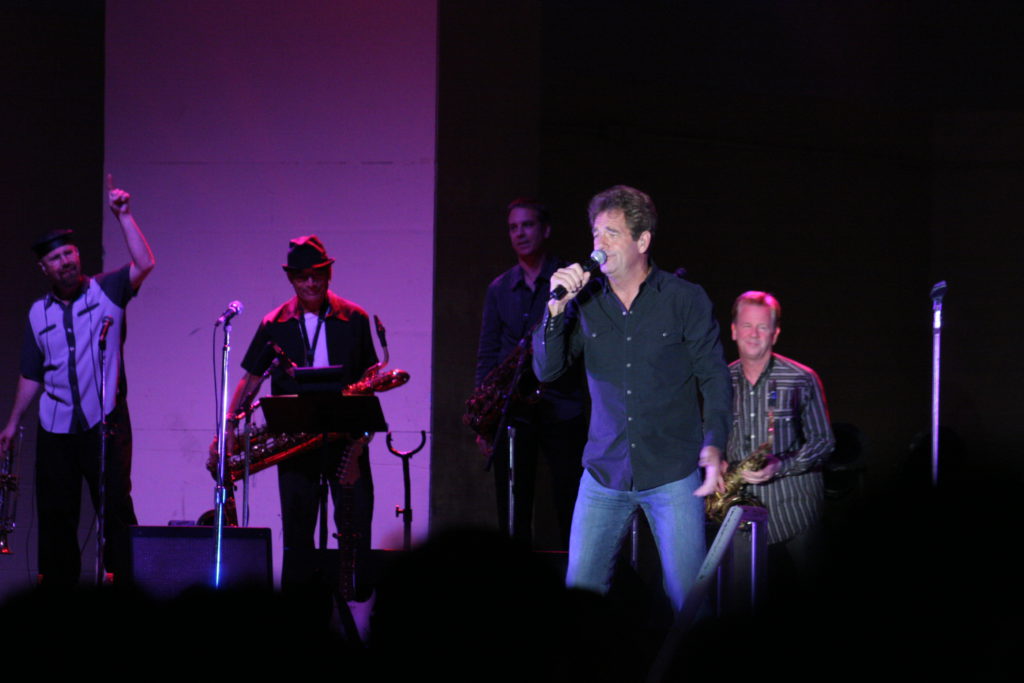
This band proves accessible doesn’t mean simple. Influenced by blues and R&B, Huey Lewis and the News crafted upbeat songs with sophisticated musical foundations that moved seven million copies of “Sports.”
“Heart and Soul” and “I Want a New Drug” became radio anthems, while “The Power of Love” gained iconic status through “Back to the Future.” Hearing loss from Ménière’s disease eventually silenced Lewis, ending a career built on pure musical joy and underscoring an eternal truth: sometimes the most lasting impact comes from simply making people happy.
6. Sheena Easton
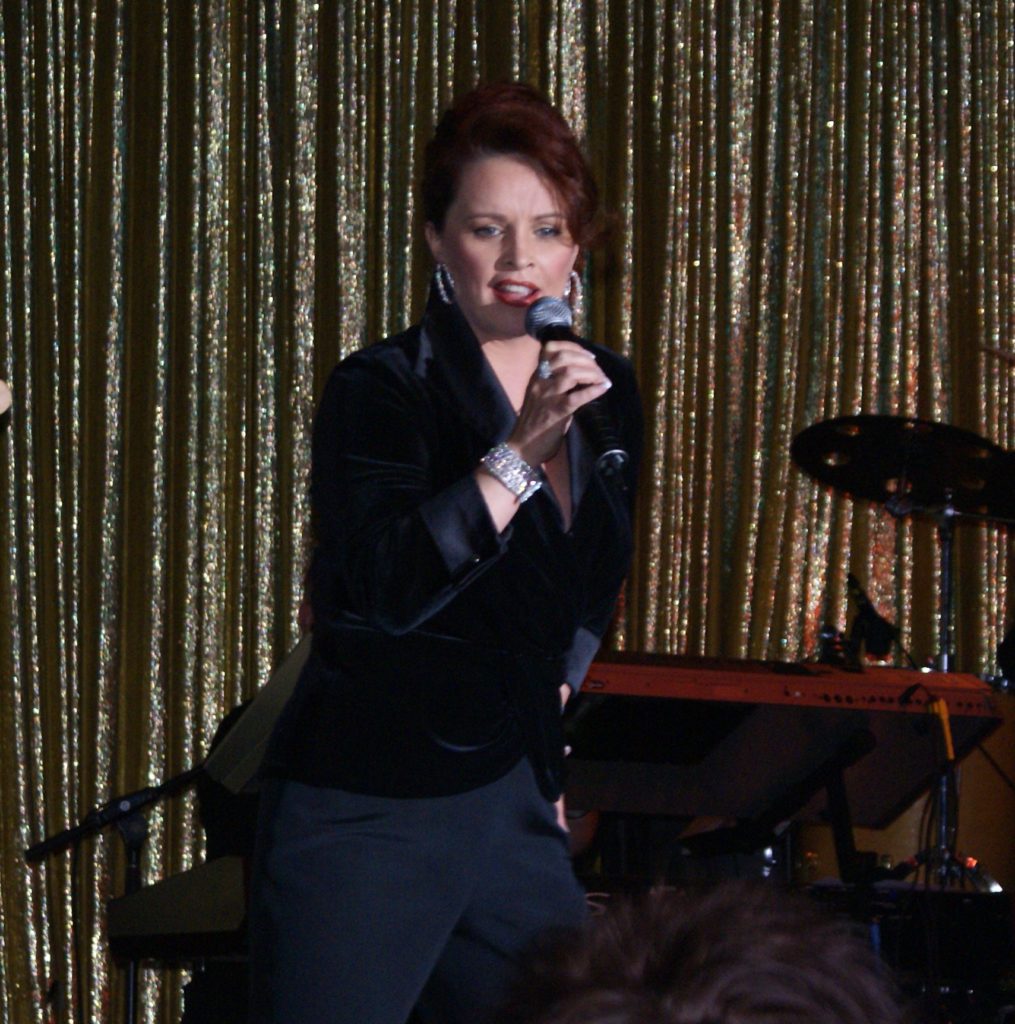
When chart breakthrough requires persistence, Sheena Easton shows timing matters more than talent. “Modern Girl” needed a second release to crack the UK top 10, reminding us that sometimes the best things come to those who wait.
“Morning Train (9 to 5)” conquered America, hitting number one and establishing Easton’s transatlantic appeal. She voiced a Bond theme (“For Your Eyes Only”) and sparked controversy when Prince’s “Sugar Walls” landed on the PMRC’s “Filthy Fifteen” list, revealing her ability to navigate pop, soul, and scandal with equal grace defines underestimated talent.
5. Culture Club
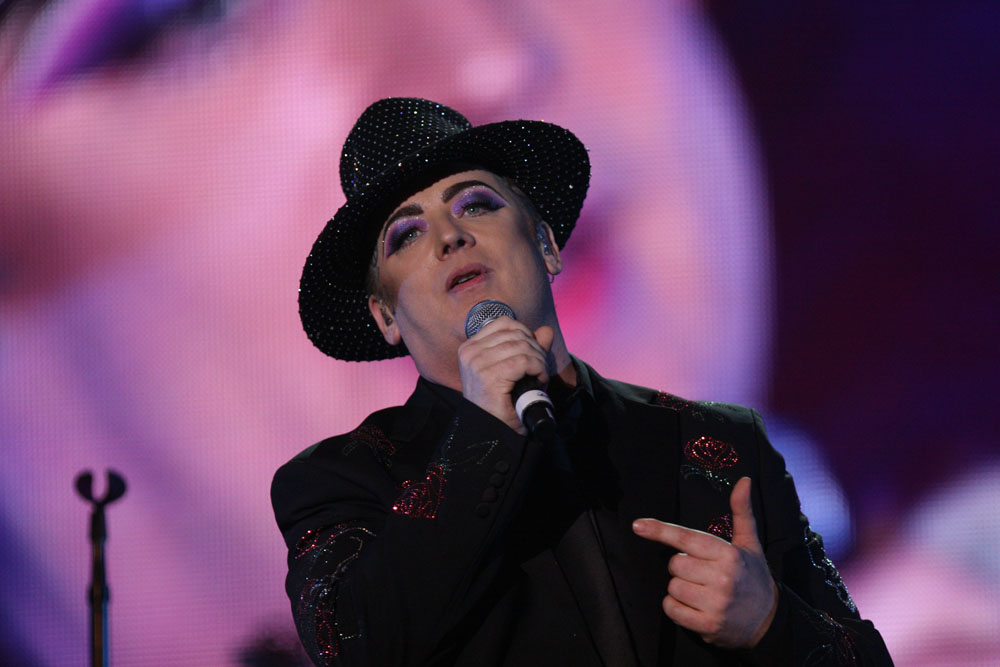
Tired of bland pop conformity? Culture Club delivered vibrant personalities with equally vibrant sounds. Their hits like “Karma Chameleon,” “Church of the Poison Mind,” and “Miss Me Blind” created danceable pop that celebrated difference rather than suppressed it.
Boy George’s star power couldn’t prevent the inevitable crash as personal demons and legal troubles dimmed their flame, culminating in his 2009 imprisonment. Yet Culture Club’s early magic transcended any single member, creating music that still sounds revolutionary while showing us that sometimes the brightest flames burn fastest, but their light illuminates everything that follows.
4. Men at Work
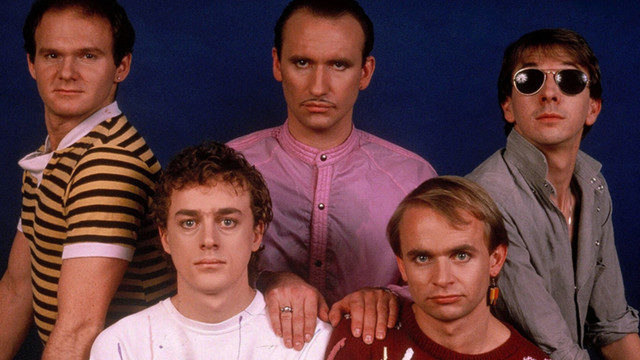
Caught between local success and global ambition? Men at Work solved this problem by embracing their Australian identity completely. They emerged from Melbourne’s music scene with Colin Hay and Greg Ham steering toward international recognition.
“Who Can It Be Now?” and “Down Under” both hit number one, capturing audiences with distinctly Australian charm that MTV’s visual focus amplified worldwide. Internal tensions eventually dissolved Men at Work in 1986, a perfect example of how overnight success creates pressure that can shatter even the strongest musical bonds.
3. The Bangles
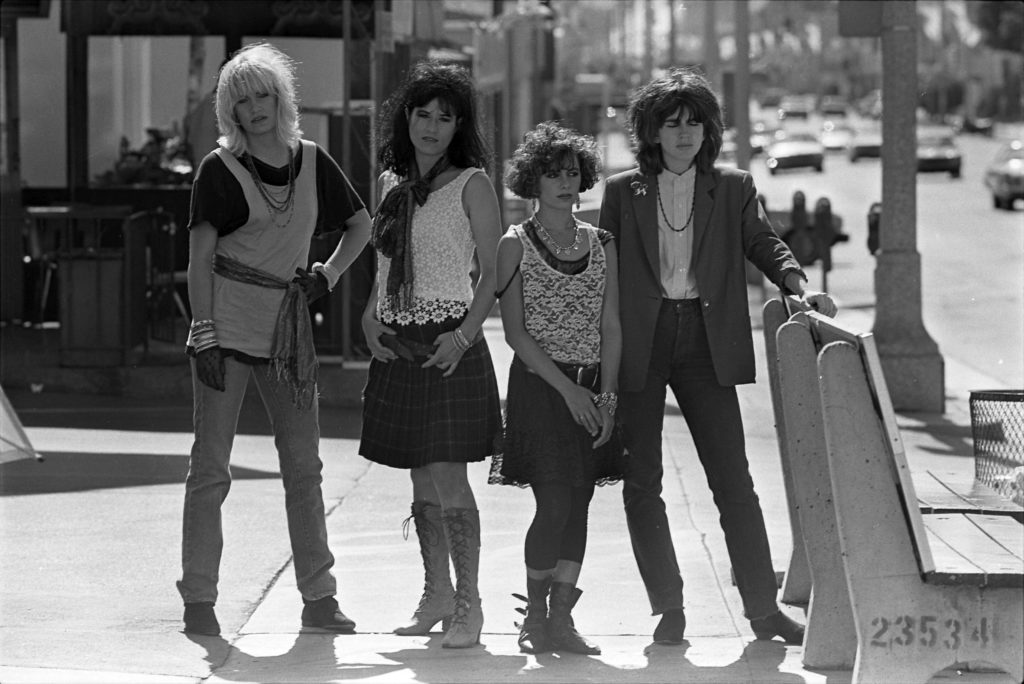
If you’re tired of male-dominated rock narratives, The Bangles rewrote the script completely. This Los Angeles quartet sparkled brighter than most co-ed acts, combining talent, charisma, and smart song selection — including Prince’s “Manic Monday.”
“Walk Like an Egyptian” and “Eternal Flame” still generate emotional responses decades later, rock-solid testament that The Bangles’ songs transcended temporary trends to become lasting cultural touchstones. Their success during male-dominated music periods opened doors for countless female artists, living proof that authentic talent combined with passion creates opportunities that gender barriers can’t block.
2. Loverboy
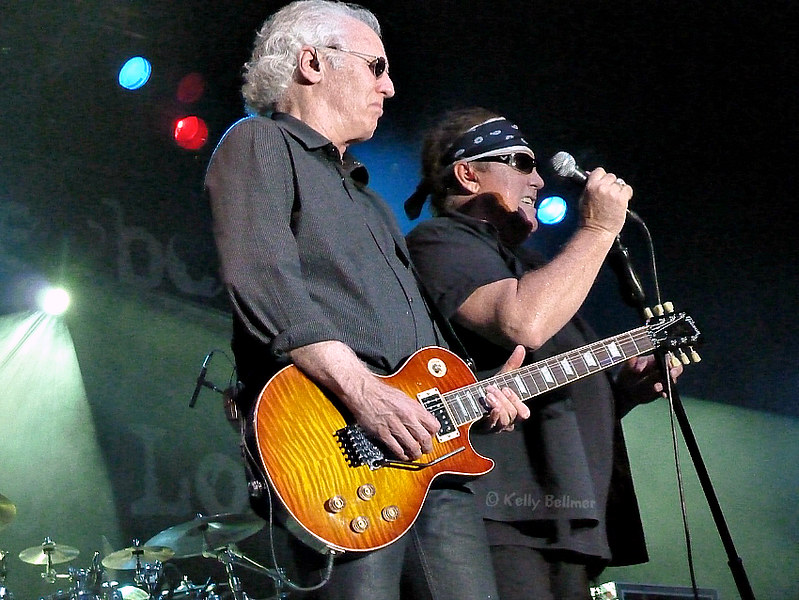
This Canadian powerhouse combined hard rock with synthesizers to create something uniquely electric. Their technicolor energy and Mike Reno’s distinctive vocals powered hits like “Turn Me Loose” that still sound fresh decades later.
“Working for the Weekend” became an entire generation’s rally cry, solid proof that sometimes the simplest concepts make the most lasting impact on popular culture. Reno’s duet with Ann Wilson on “Almost Paradise” expanded his influence beyond Loverboy, while their formula of driving guitar riffs, catchy synth melodies, and vocals that could cut through any mix created their signature sound.
1. Sade
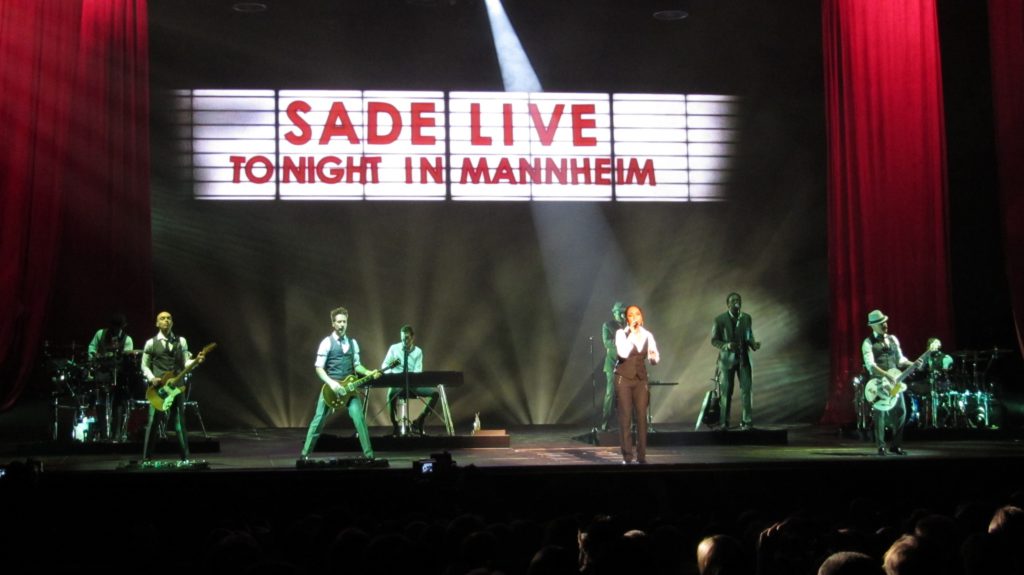
Sade transformed sophistication into chart currency without breaking a sweat. Their 1984 breakthrough with “Your Love Is King” and “Smooth Operator” created elegant rebellion — jazz-influenced pop that never compromised its cool for commercial appeal.
When grunge threatened to make refinement extinct, Sade retreated rather than adapt — a smart move that would vindicate their strategy. Their 1992 comeback “No Ordinary Love” confirmed that staying true to your aesthetic beats chasing trends, raising the eternal question: when you perfect a sound this timeless, why mess with the formula?