



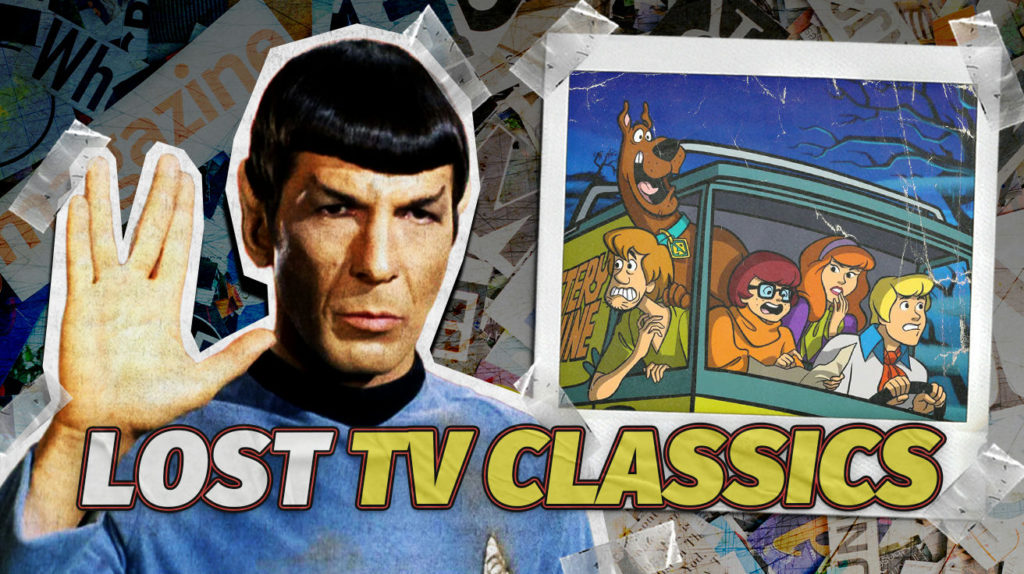
You know that feeling when a song instantly transports you back to a specific moment? These shows work the same magic, embedding themselves into our collective memory with the precision of a well-crafted hook.
We’ve curated television’s most influential classics, organized by their lasting impact and the cultural frequencies they continue to broadcast. These aren’t just nostalgic time capsules — they’re the architectural blueprints that shaped everything we stream today.
13. Star Trek
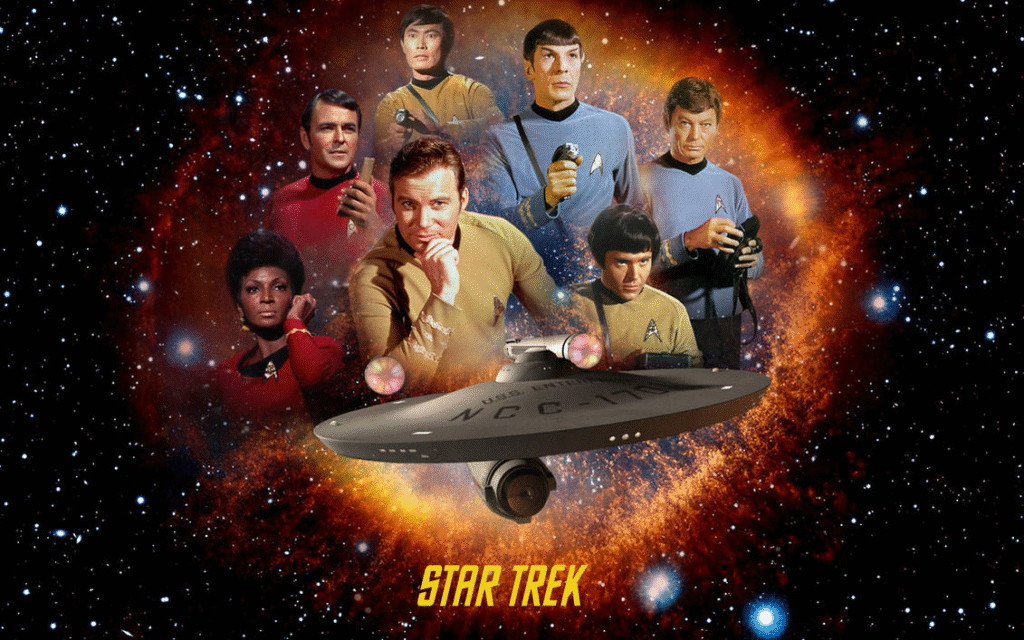
Space exploration became philosophical movement when Gene Roddenberry’s series transcended television boundaries entirely. The Enterprise crew’s five-year mission established templates for diverse ensemble casts working together toward humanitarian goals.
Despite its brief original run, Star Trek’s optimistic vision of humanity’s future sparked cultural phenomena spanning thirteen films and nine television series. Future-focused storytelling in any medium owes debts to this series that dared imagine humanity solving its problems through cooperation rather than conflict.
12. The Brady Bunch
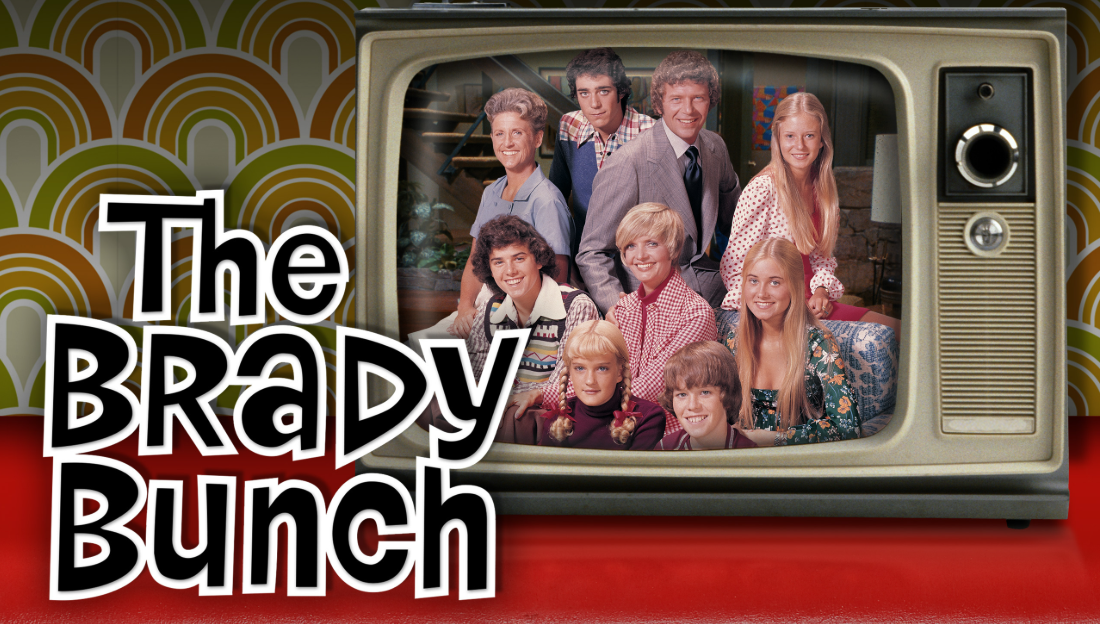
Blended families felt complicated until Sherwood Schwartz normalized the “yours, mine and ours” structure decades before Modern Family made it trendy. His Brady household functioned as America’s first mainstream stepfamily laboratory, turning messy reality into primetime comfort food.
The show’s legacy extends far beyond its five-season run — it became the template that every family sitcom since has either embraced or deliberately subverted, all while many other forgotten 1970s TV shows quietly shaped the landscape in their own right.
11. Happy Days
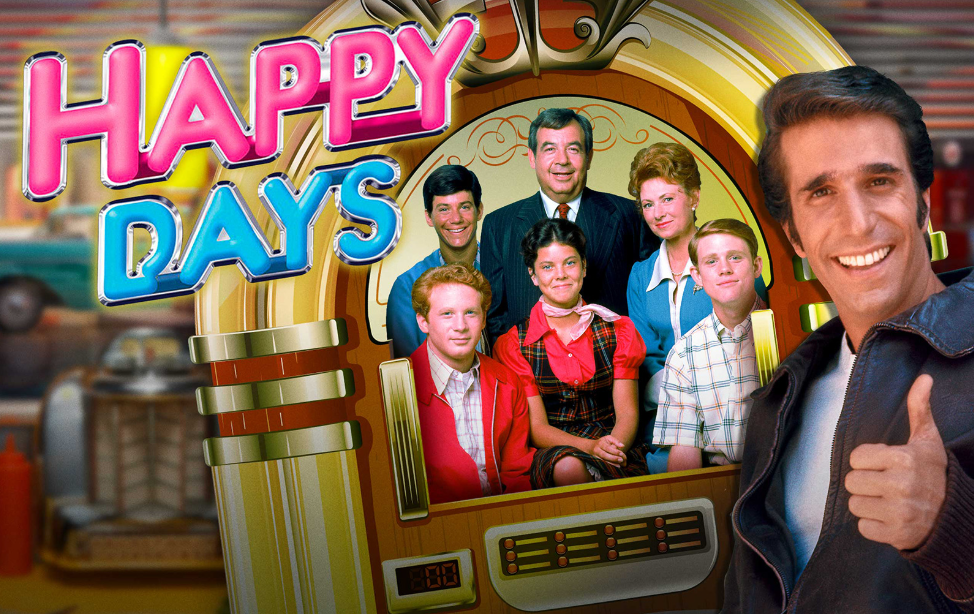
If you’re looking for television’s most successful friendship blueprint, Garry Marshall’s 1950s nostalgia machine rewrote the sitcom playbook entirely. Rather than centering traditional families, it placed best friends at the narrative heart, with the Cunninghams providing wholesome backdrop while Richie and Fonzie’s brotherhood powered eleven seasons.
The show’s cultural footprint remains massive: “jumping the shark” entered our lexicon as shorthand for any phenomenon’s decline, while the leather-jacketed Fonzie became such an American icon that his actual jacket earned Smithsonian placement. Want proof of television’s cultural power? Look no further than a fictional character’s wardrobe achieving museum status.
10. Laverne & Shirley
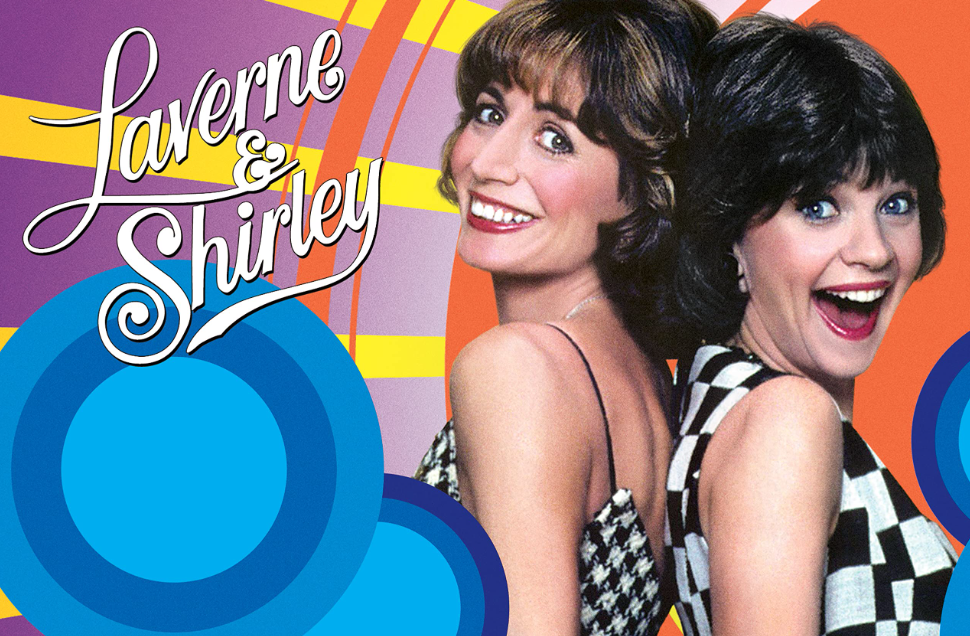
Working-class women finally got their primetime spotlight when this Happy Days spin-off accomplished something revolutionary. Penny Marshall and Cindy Williams transformed their bottle-capping brewery workers into feminist pioneers disguised as comedy characters.
Their Milwaukee apartment became television’s first home where women’s ambitions, disappointments, and triumphs existed independently from male validation. Female friendships in today’s media still chase the authentic chemistry Marshall and Williams perfected in 1976.
9. The Wonder Years
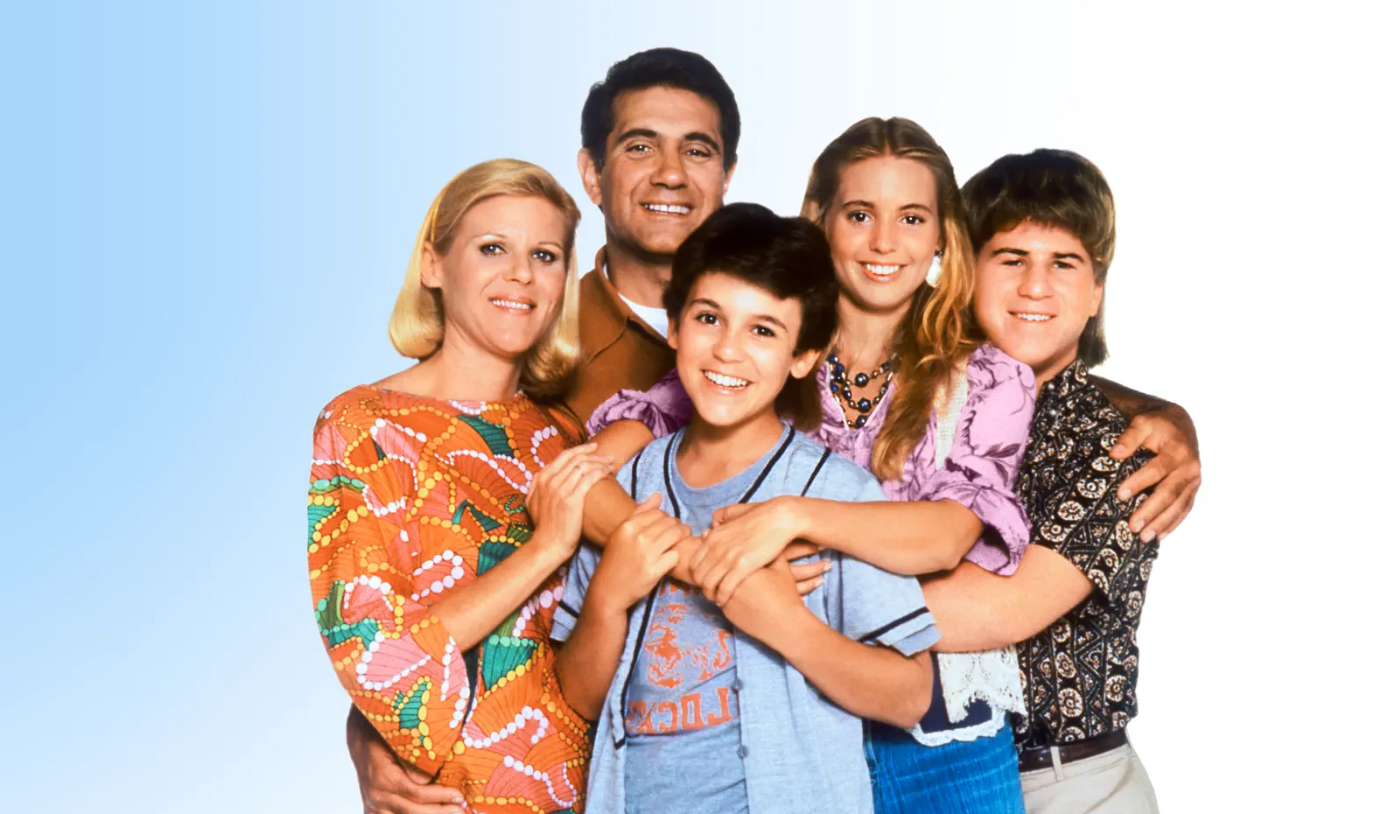
Nostalgia became art when this groundbreaking coming-of-age drama viewed turbulent 1960s through suburban adolescence lenses. Created by Neal Marlens and Carol Black, the series pioneered narration techniques now standard in countless shows, using adult Kevin’s reflective voice to add depth to his younger self’s experiences.
The Wonder Years captured universal adolescent awkwardness while contextualizing personal milestones against historic events like Vietnam War and cultural revolutions. Growing up feels less isolating when you realize Kevin Arnold’s experiences mirror your own universal struggles with identity and belonging. And just as some shows shaped our coming-of-age, TV bands that changed music forever left an equally lasting mark on pop culture.
8. Sesame Street
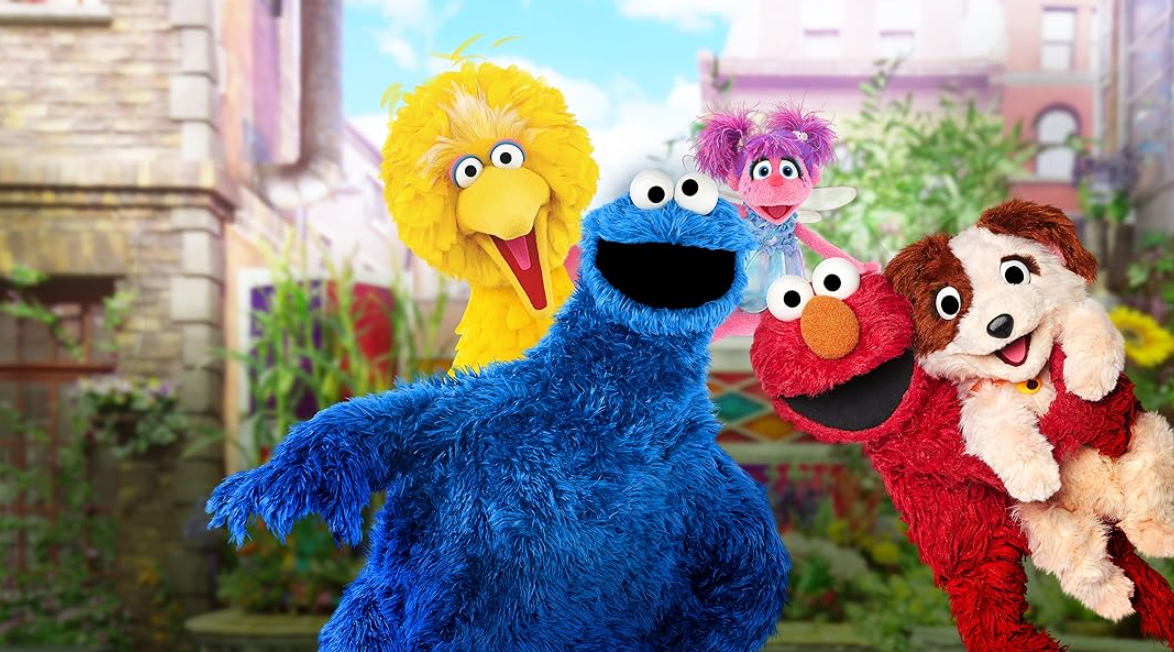
Educational television got a complete makeover when this program revolutionized children’s content by treating young audiences with unprecedented respect. The show’s innovative mix of puppetry, animation, and diverse human cast created learning environments that felt like play rather than instruction.
Its research-based approach to childhood development transformed how we understand educational media’s potential. Struggling to make learning engaging? Sesame Street’s five-decade run proves that education and entertainment create powerful partnerships when properly balanced.
7. Schoolhouse Rock!
Grammar, science, and government just got cool thanks to these three-minute musical interludes between Saturday morning cartoons. The animated music videos transformed dry educational concepts into earworms that still occupy brain space in viewers decades later.
“Conjunction Junction” and “I’m Just a Bill” went beyond teaching information; they made learning feel rebellious and exciting, like stumbling upon secret knowledge disguised as entertainment. Countless adults can still recite multiplication tables thanks to songs that made education irresistibly catchy.
6. The Smurfs
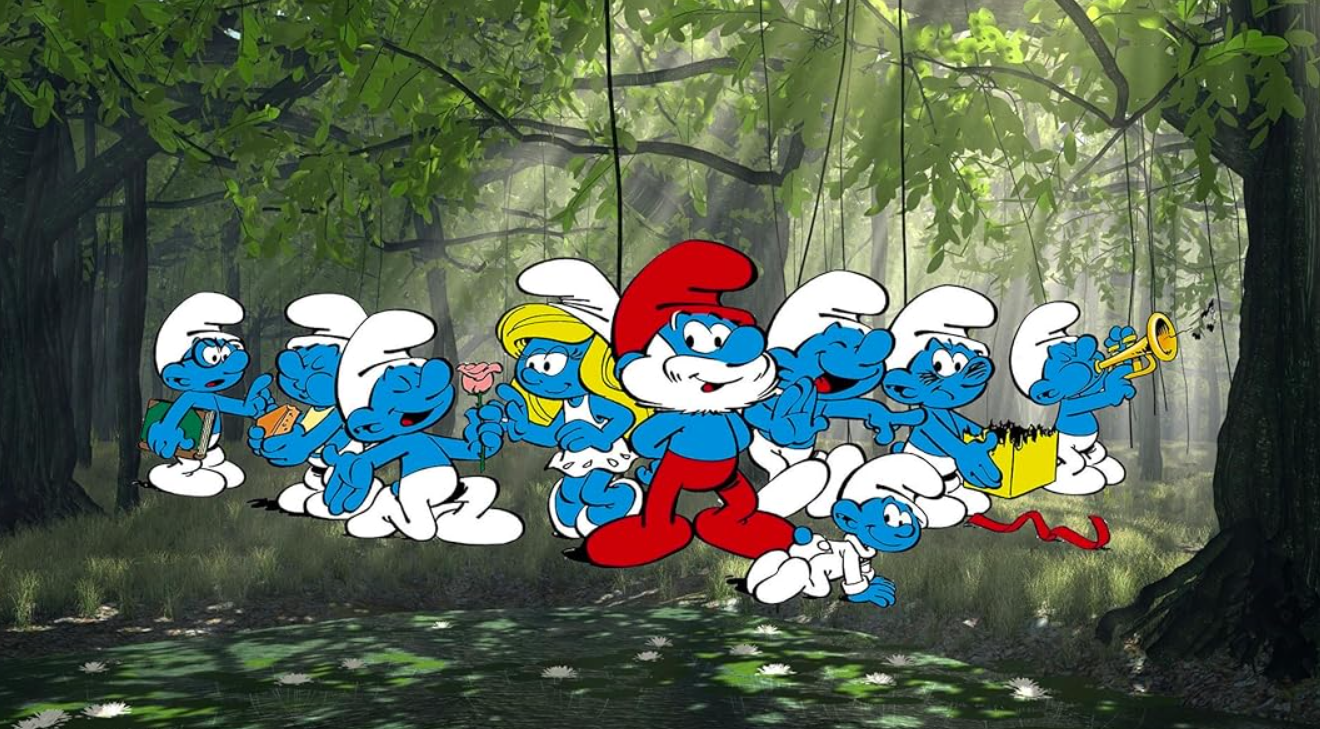
Tiny blue forest dwellers created merchandising empires while teaching subtle lessons about community cooperation. The Smurf village functioned as society’s microcosm where each character’s singular personality trait contributed to collective harmony — surprisingly sophisticated social models packaged in children’s entertainment.
Saturday morning dominance throughout the 1980s established shared cultural touchpoints across generations. Community-focused storytelling remains compelling because the Smurfs proved that individual differences strengthen rather than weaken collective bonds.
5. Scooby-Doo, Where Are You!
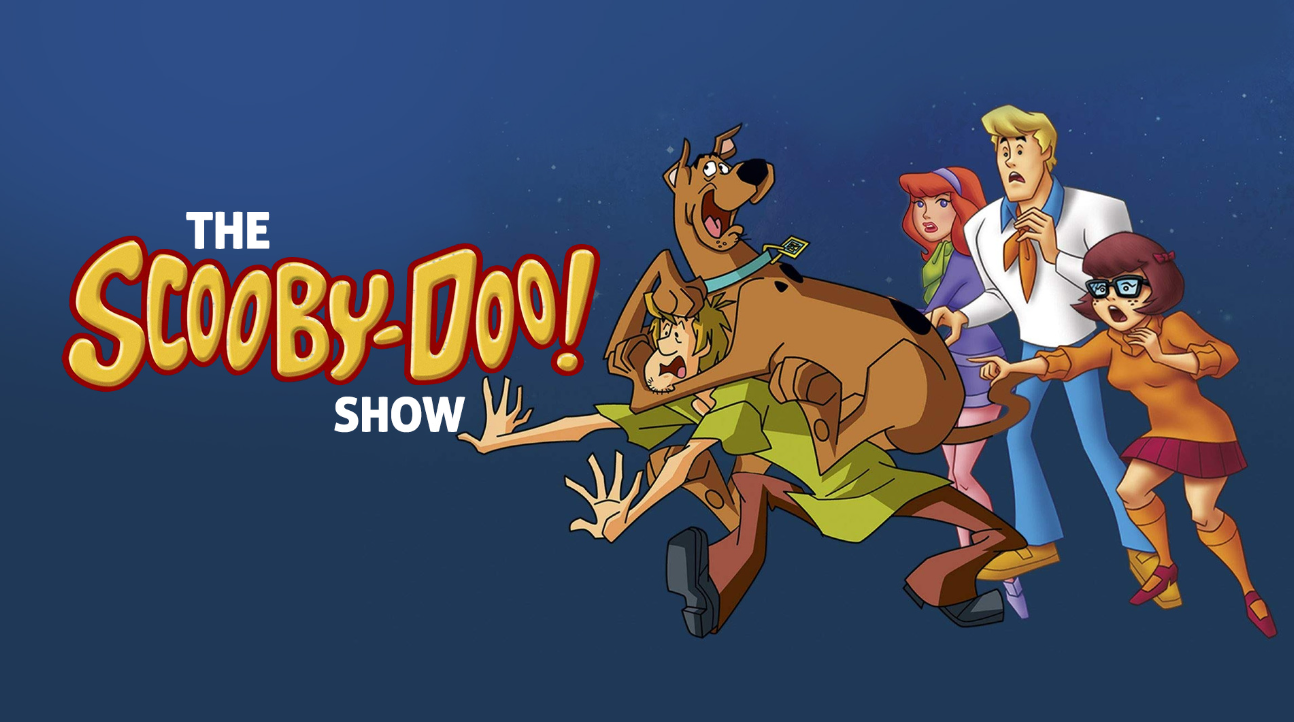
Caught between wanting thrills but avoiding nightmares? Mystery Inc.’s supernatural investigations created the perfect formula for kid-friendly suspense: scary enough to excite but always resolving with rational explanations. The show’s “meddling kids” have become such cultural touchstones that any fraud revelation inevitably triggers comparisons to unmasked villains.
While primarily focused on entertainment, the series subtly encouraged critical thinking by demonstrating that frightening phenomena often have logical explanations — all packaged in cartoon chase sequences and Scooby Snacks. Modern mystery shows for children still follow this template of fear balanced with reason and comic relief.
4. The Flintstones
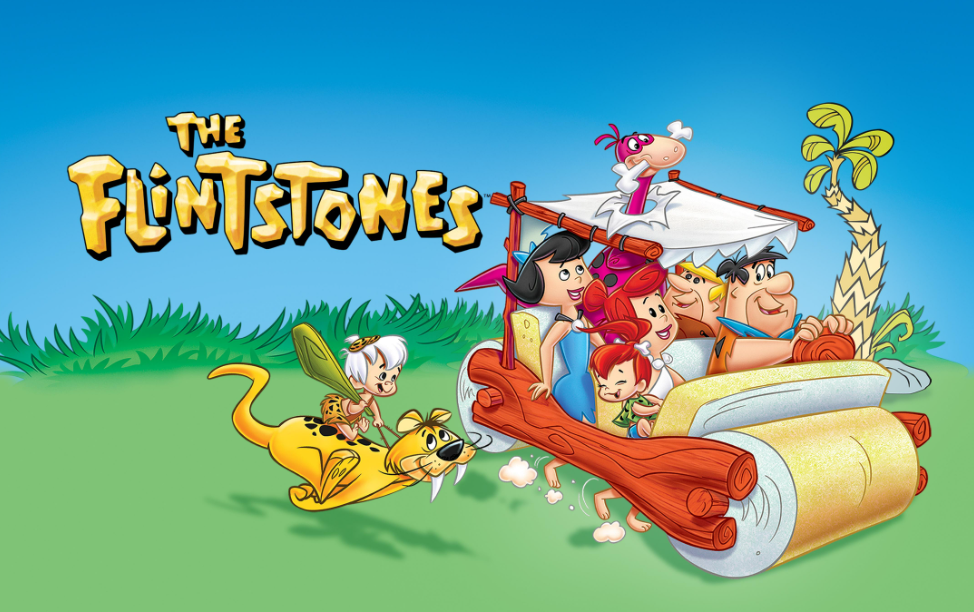
Stone-age suburbia solved a problem nobody knew existed: how to make adults embrace animated entertainment. Hanna-Barbera’s prehistoric sitcom functioned as a mirror reflecting modern suburban life back to viewers while pioneering cultural satire through cartoon characters.
Beyond bringing animation to adult evening audiences, the show’s genius lay in perfectly balancing family comedy with social commentary, all disguised in prehistoric packaging. If you’re wondering why The Simpsons feels familiar, thank Fred Flintstone for proving animation could handle adult themes without losing family appeal.
3. The Jetsons
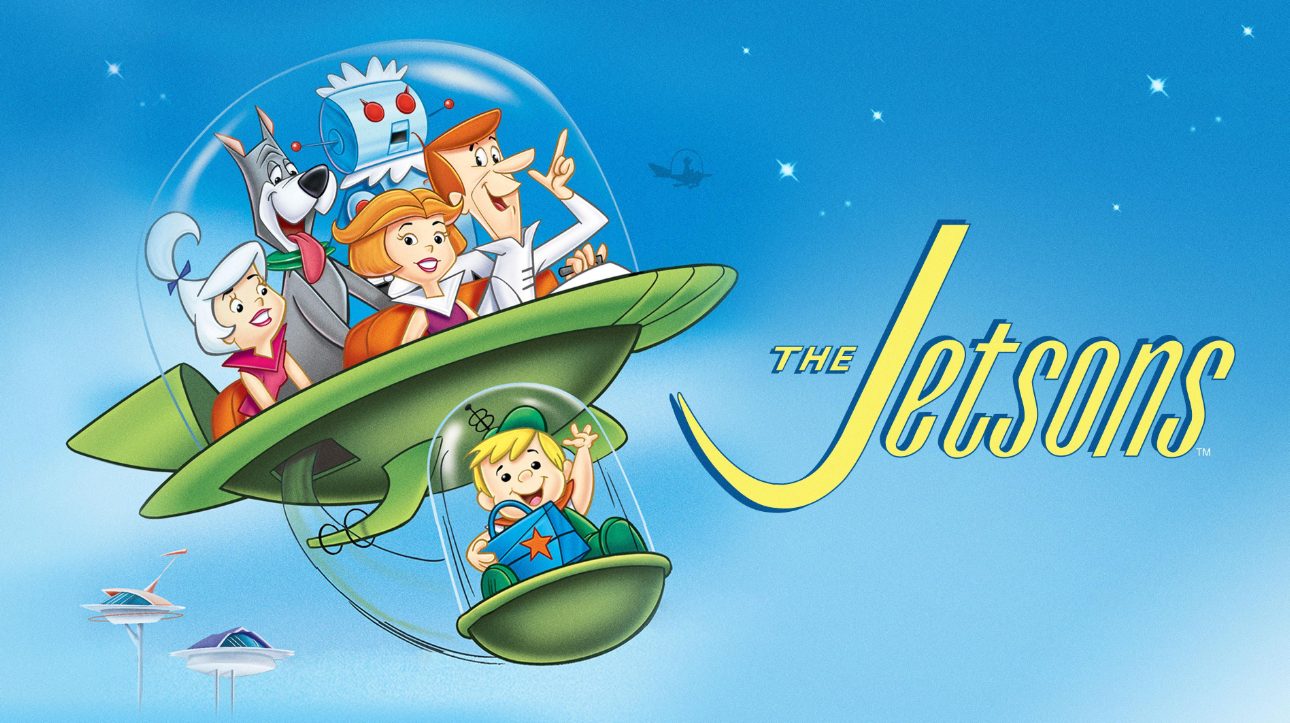
Flying cars and robot maids created such a powerful vision of tomorrow that we’re still asking why these innovations remain elusive decades later. While The Flintstones looked backward, George Jetson’s family rocketed viewers into a retrofuturistic world that became our measuring stick for technological progress.
This fascinating time capsule of mid-century technological optimism imagined automation freeing humans rather than replacing them. Every smart home announcement still gets measured against George Jetson’s push-button lifestyle.
2. He-Man and the Masters of the Universe
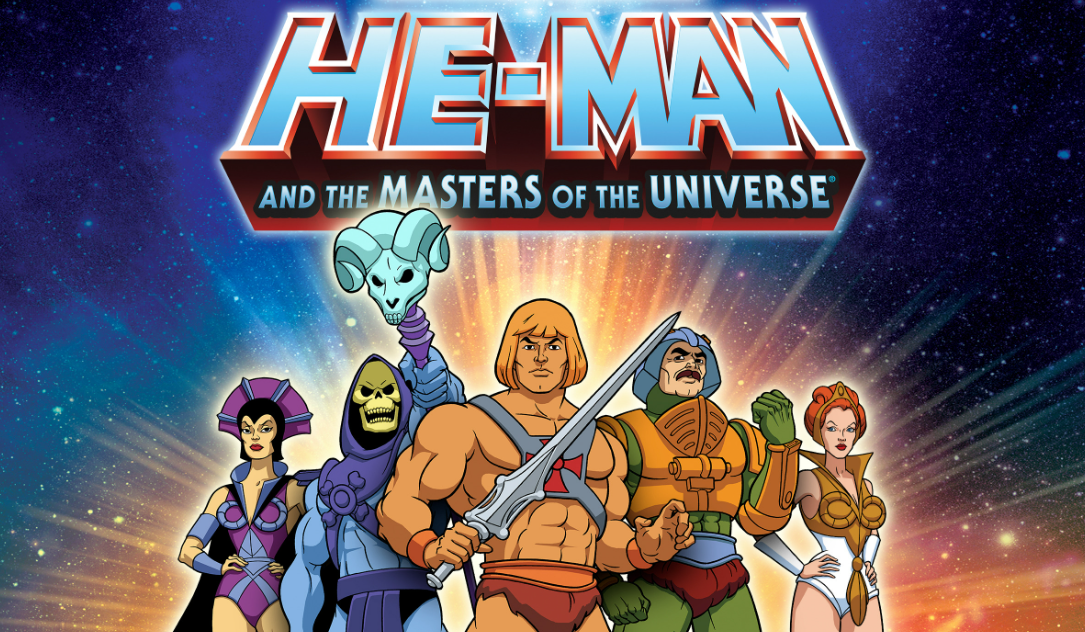
Toy marketing transformed into legitimate storytelling when this pioneering animated series created templates for merchandise-driven children’s programming. Prince Adam’s transformation into He-Man captivated young viewers while building upon hero’s journey narrative structures that countless animated shows would follow.
Action sequences balanced with surprisingly complex moral lessons taught children about responsibility and ethical power use between epic battles. If you’re creating content for young audiences, He-Man proved that commercial objectives and educational value could coexist without compromising either goal.
1. Inspector Gadget
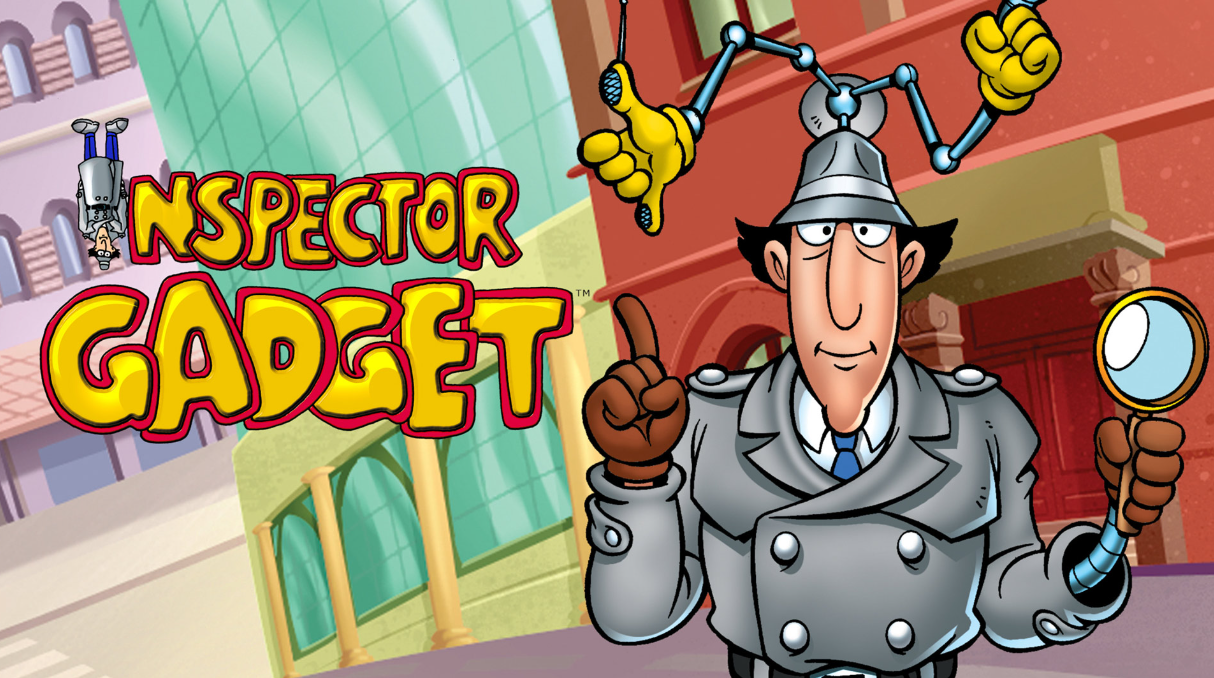
Bumbling detective adventures combined slapstick comedy with spy thriller elements, creating unique action-comedy hybrids appealing across age groups. The true genius lay in subversive power structures — while the titular character received credit, his niece Penny and dog Brain secretly solved every case, offering young viewers relatable heroes outsmarting adults.
The show’s distinctive aesthetic — part James Bond, part Pink Panther — established visual language continuing to shape animated action comedies. Technology anxiety feels manageable when viewed through Gadget’s optimistic lens of helpful devices and resourceful problem-solving.