




A mediocre speaker setup can mangle even the most pristine audio file, turning a meticulously crafted track into something akin to elevator music. Your playback hardware dictates everything, often betraying an artist’s intent. Believing every dollar spent on a ‘premium’ brand guarantees sonic nirvana is like believing every TikTok dance trends for a reason. This guide strips away the marketing sizzle and influencer endorsements to reveal the speaker brands professionals genuinely rely on, and those they quickly dismiss. Time to find out what truly delivers auditory goosebumps, rather than just empty promises.
More than 70 years of audio history sits behind some of today’s biggest hi-fi names. The badges, the marketing that banks on dusty legends, often like a band still touring on one hit from the ’90s. True hi-fi isn’t about inherited glory; it’s about what engineers are doing now.
Audio technicians, the kind who can tell a bad crossover just by listening, tore into cabinets and wiring to find the real deal. They identified brands still delivering the goods, building a soundstage like a Michelin-starred chef crafts a plate. Peeling back the veneer reveals what separates the legends from the relics often comes down to the guts inside the cabinet.
This content may contain affiliate links. If you wish to support us and use these links to buy something, we may earn a commission.
1. Klipsch Heritage Series
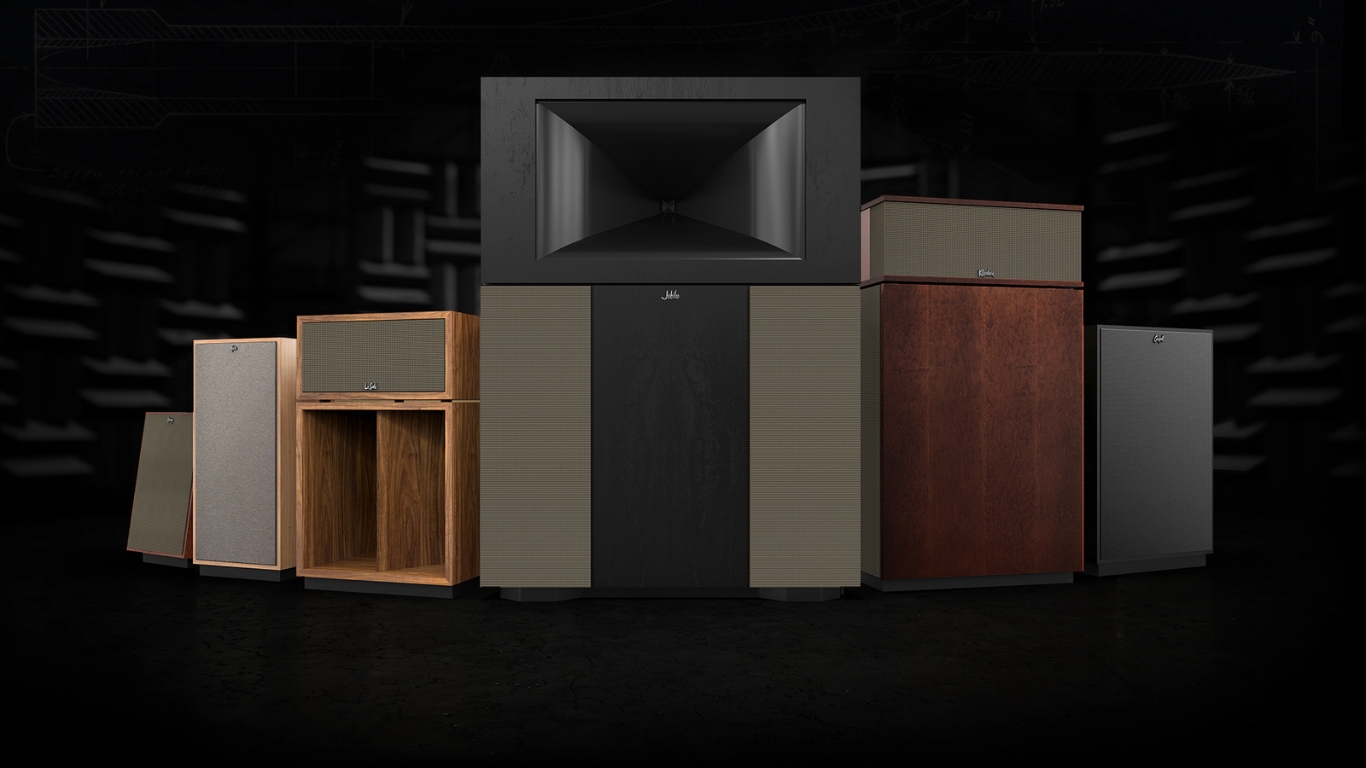
Horn-loaded engineering perfection, still hand-assembled in Hope, Arkansas.
Founded in 1946 by Paul W. Klipsch in Hope, Arkansas, the Klipsch Heritage Series represents an engineering lineage as consistent as a perfect drum beat. These speakers, including iconic models like the Klipschorn, Heresy, La Scala, Cornwall, and Forte, adhere to Klipsch’s original horn-loaded speaker philosophy, emphasizing efficiency.
Each unit is still hand-assembled in Hope, Arkansas, with components specifically chosen to ensure top-tier performance. This dedication to foundational design, like a perfectly remastered classic album, delivers authentic sound that cuts through the digital noise with the clarity of a sharp guitar riff.
The price point reflects genuine engineering: a speaker that’s built to deliver authentic audio. This isn’t just about sound; it’s about owning a piece of audio history, a “seriously, this is a thing” moment that reminds anyone the good stuff still gets made.
2. Klipsch Reference Series
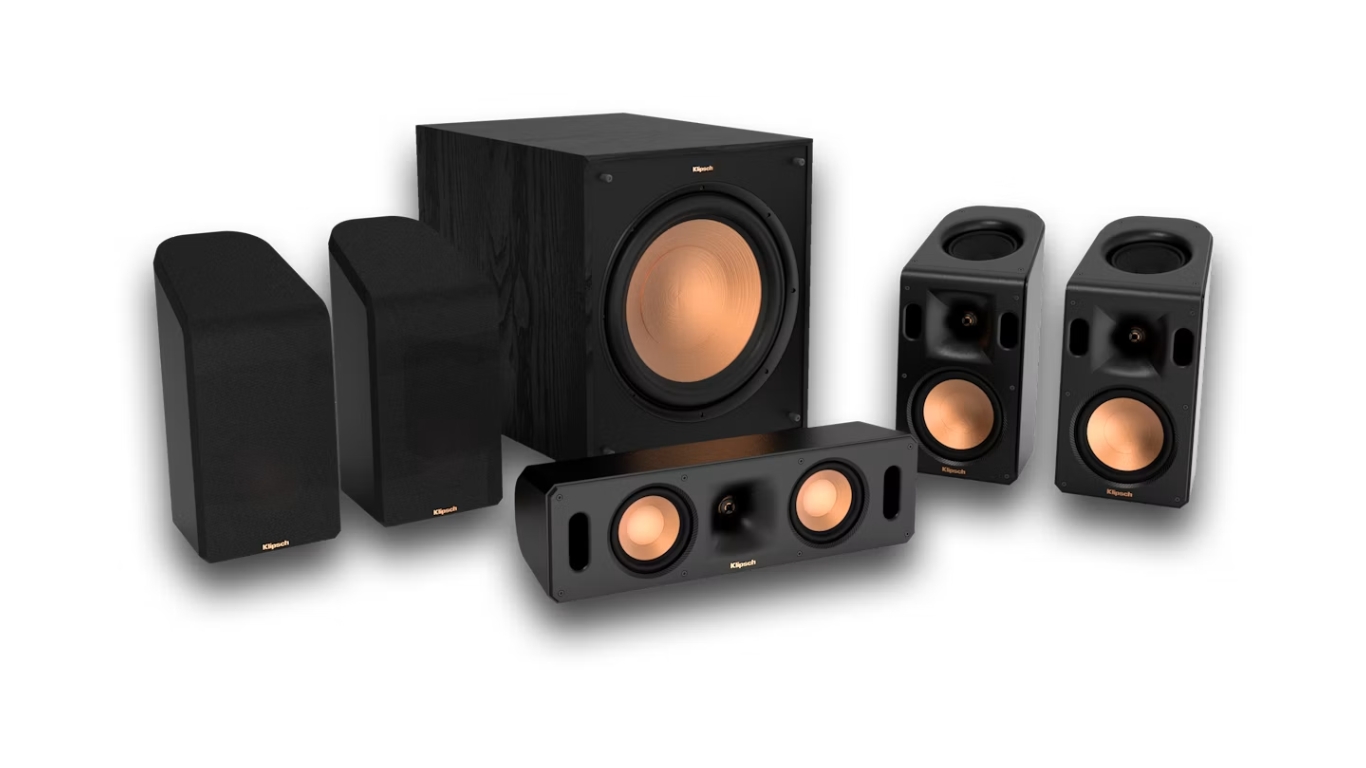
Corporate ownership changes brought noticeable engineering compromises.
By 2011, Klipsch became a wholly owned subsidiary of Audiovox/VOXX International, later passing to Gentex. This corporate shuffle brought with it a noticeable shift in engineering, a move away from Paul Klipsch’s original, uncompromising vision.
The Reference Series features thinner MDF cabinet panels compared to its legendary Heritage counterparts. Like a classic rock band touring with a tribute act instead of the original lineup, the names are familiar, but the soul is gone.
Anyone might spot the signature copper cones and think they’re getting that raw Klipsch energy, but the internal construction tells a different story. This cost-cutting approach feels like a studio commissioning a blockbuster remake, all marketing budget and no real creative ambition. If chasing the brutal honesty Paul Klipsch engineered into every speaker, the Reference Series, while functional, essentially borrows the famous name without truly earning it.
3. JBL Professional Line
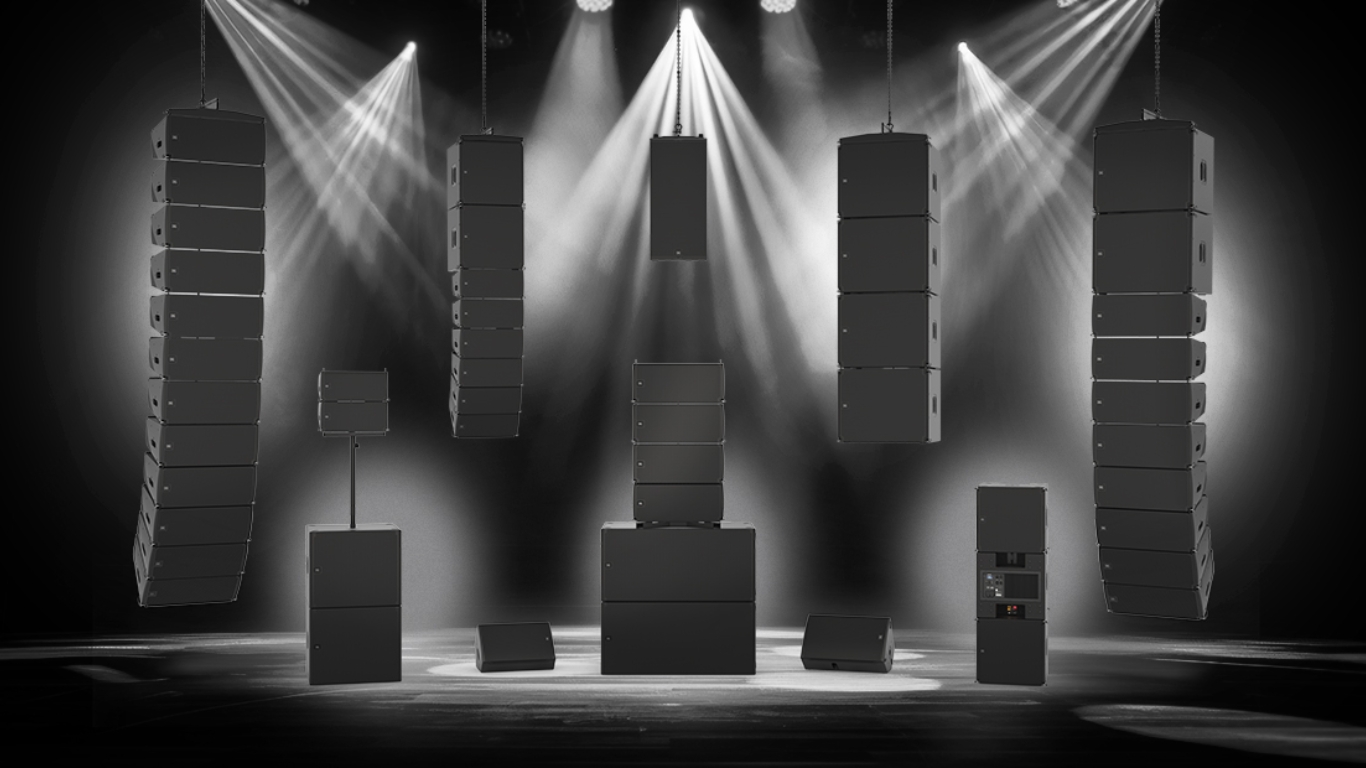
Studio monitors recording engineers trust for unvarnished accuracy.
Long before JBL graced countless home theaters, James B. Lansing was already shaping Hollywood’s soundscape, crafting cinema speaker systems for major studios throughout the 1940s. He founded JBL in 1946, building a lineage that remains the bedrock of professional audio.
This direct engineering continuity means current models like the 4XXX Studio Monitor series and the M2 Master Reference Monitor aren’t just names. They are the brutally honest truth-tellers recording engineers swear by.
When a mix engineer pulls an all-nighter, trying to pinpoint that one rogue frequency, these studio monitors deliver an unflinching accuracy, like a drill sergeant calling out every flaw. No one can fake a good mix with these, ensuring every track from the mastering suite to your earbud sounds precisely as intended, without the usual studio fairy dust.
4. JBL Consumer Line
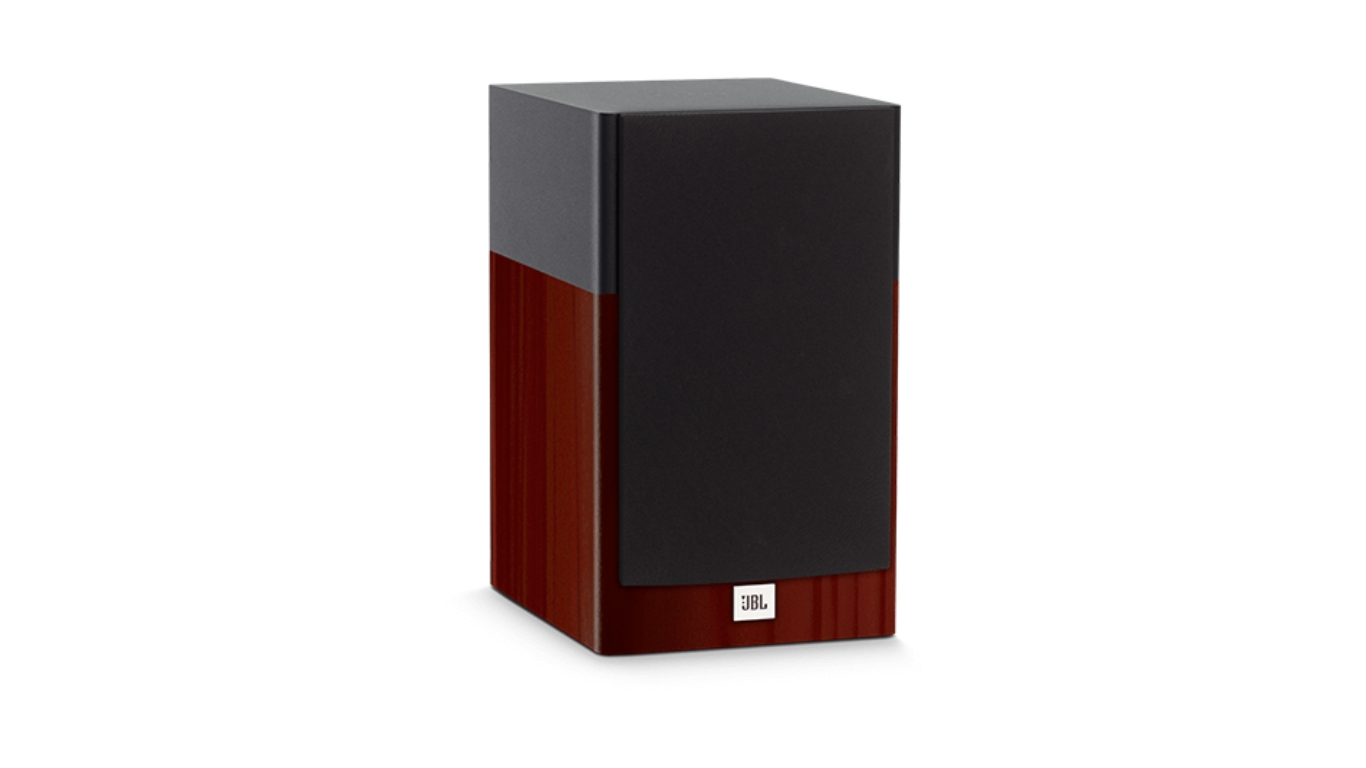
Mass-market strategy compromises the legendary professional DNA.
The assumption that all JBL speakers carry the same legendary DNA, stretching back to 1946 and James B. Lansing’s pro audio innovations, often leads to disappointment. This consumer line, now part of Samsung’s Harman division since 2017, operates with a distinct mass-market strategy managed for margin, unlike the bespoke units in their professional studio monitors.
Models like the Stage A130 exemplify this shift. Component choices reflect a price point rather than professional heritage, akin to getting a fast-food burger with a gourmet restaurant’s logo. If expecting the robust, detailed sound that built JBL’s reputation, this line will feel as diluted as a viral TikTok dance trend recycled a dozen times.
5. KEF LS50 Meta / R Series
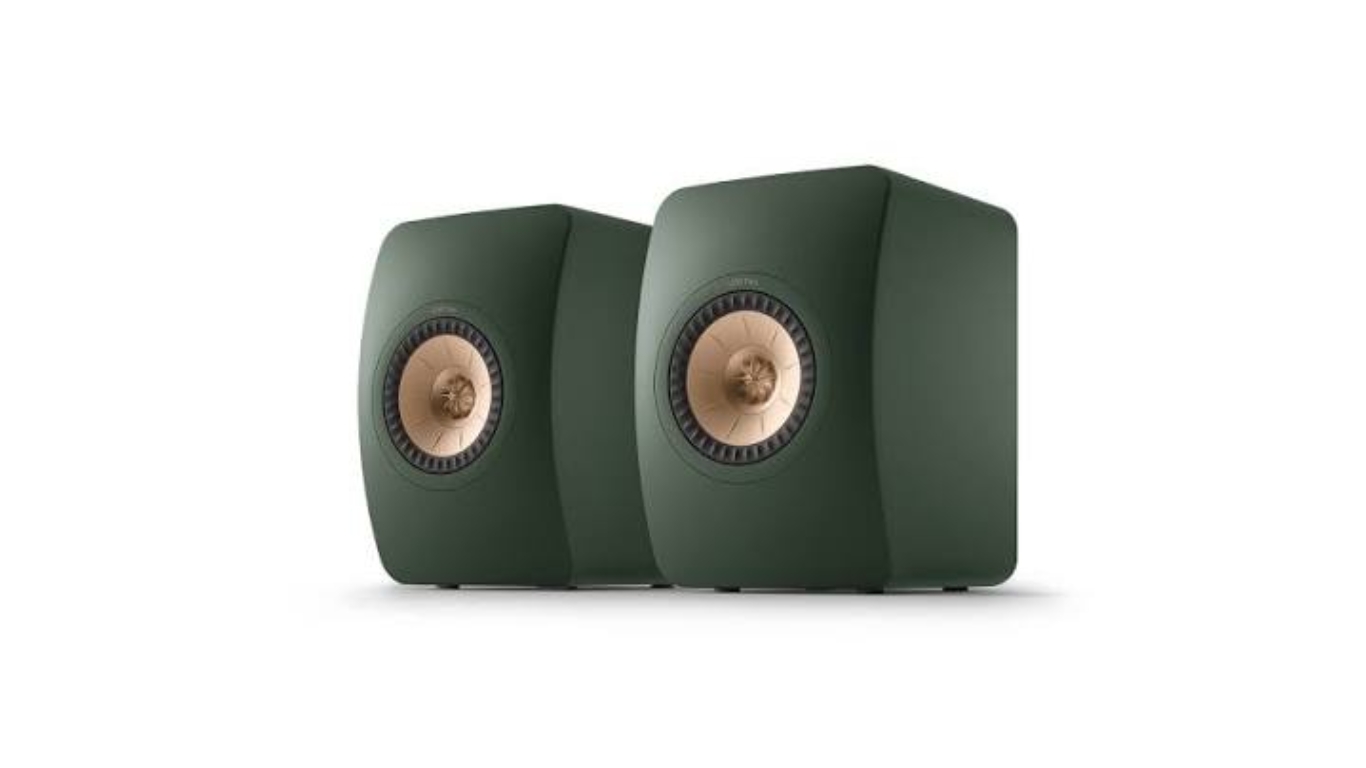
Twelve generations of Uni-Q refinement backed by Metamaterial Absorption Technology.
KEF, established in 1961 by Raymond Cooke from the BBC Research Department, built its name on relentless engineering, not industry hype. Their patented Uni-Q driver array positions the tweeter concentrically within the mid-bass driver for precise acoustic alignment.
The LS50 Meta, rigorously measured, utilizes the 12th-generation Uni-Q with Metamaterial Absorption Technology (MAT). This innovation absorbs 99% of unwanted sound, silencing distortions like a well-placed mute button on a live mic.
Technicians meticulously match components to exacting specifications, a commitment ensuring both the LS50 Meta and R Series uphold KEF’s engineering reputation. This focus is on pure sonic integrity. Listeners experience music stripped bare, hearing every layer and nuance without artificial coloration. Like finally tasting the raw ingredients of a Michelin-starred dish, it delivers a brutally honest auditory experience that cuts through today’s often over-processed tracks.
6. KEF Q Series
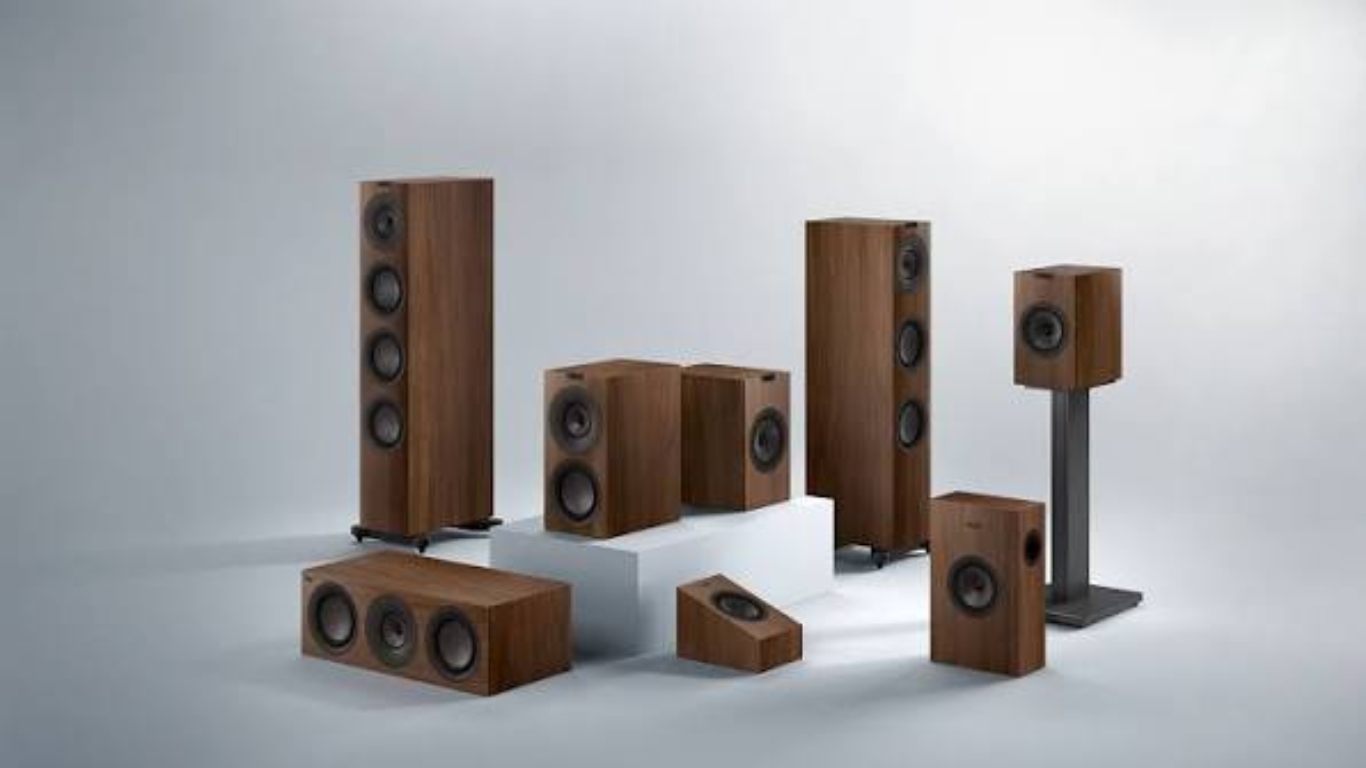
Accessible Uni-Q imaging with cost-conscious construction compromises.
KEF positions its Q Series as an accessible entry into its acclaimed sound, yet its construction reveals pragmatic cost-saving decisions. This lineup uses a version of KEF’s signature Uni-Q driver, placing the tweeter concentrically within the mid-bass driver for superior imaging.
KEF, under Gold Peak Group, maintains surprising design continuity, unlike other acquired audio brands that often lose their engineering soul. Still, these compromises leave listeners wondering if “entry-level Uni-Q” is more marketing hook than flagship spirit. Present, but missing the main event.
7. Denon Speakers
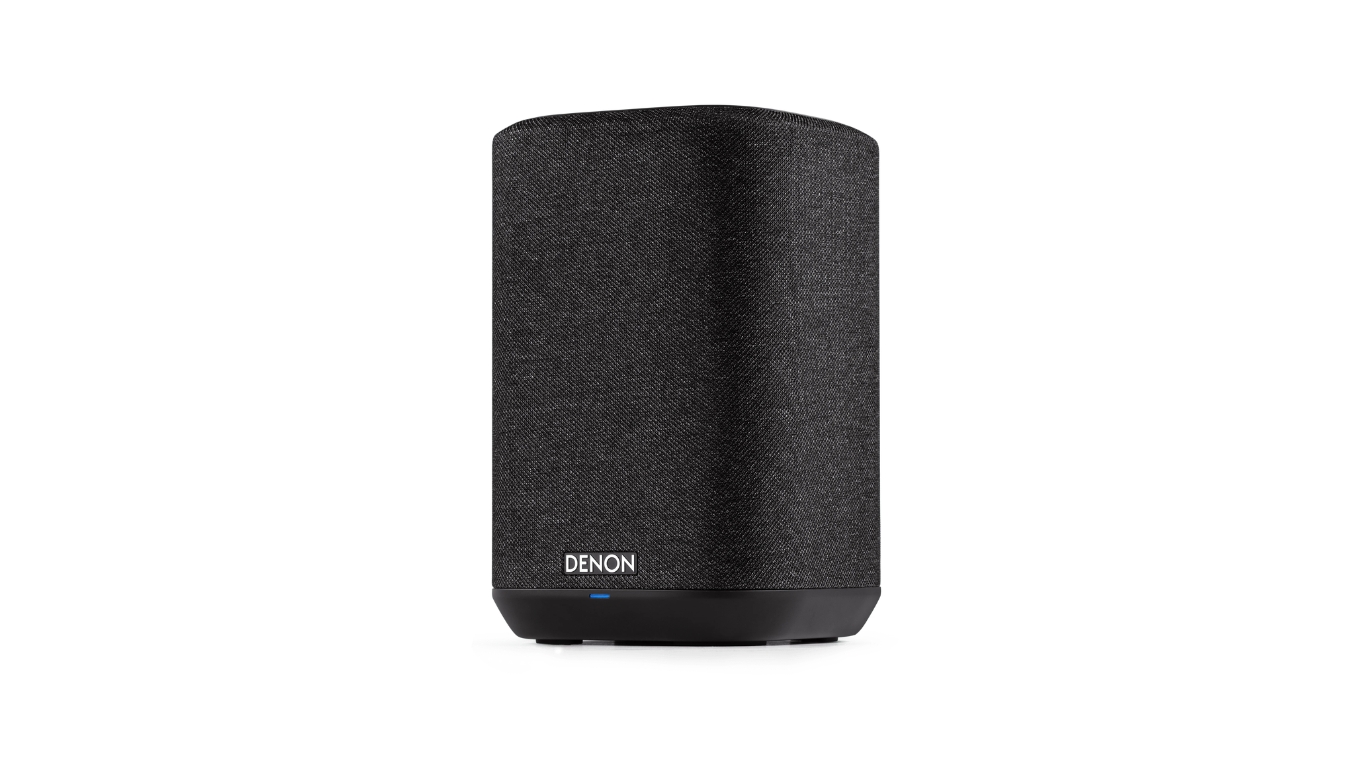
Electronics legend’s speakers never earned the credibility of their amplifiers.
A brand’s reputation is like a Michelin star: hard-earned, specific, and not transferable to every dish on the menu. Denon, founded in 1910, built its legendary status on precision electronics, churning out amplifiers, receivers, and broadcast gear that set industry standards. Trusting their name on an integrated amp meant it delivered. Their speakers, however, feel more like a B-side nobody asked for.
These aren’t products of Denon’s core engineering. This speaker line, despite Denon’s ownership history through Sound United and later corporate structures, never earned the credibility of its electronics.
8. Canton Original Speakers (pre-2000)
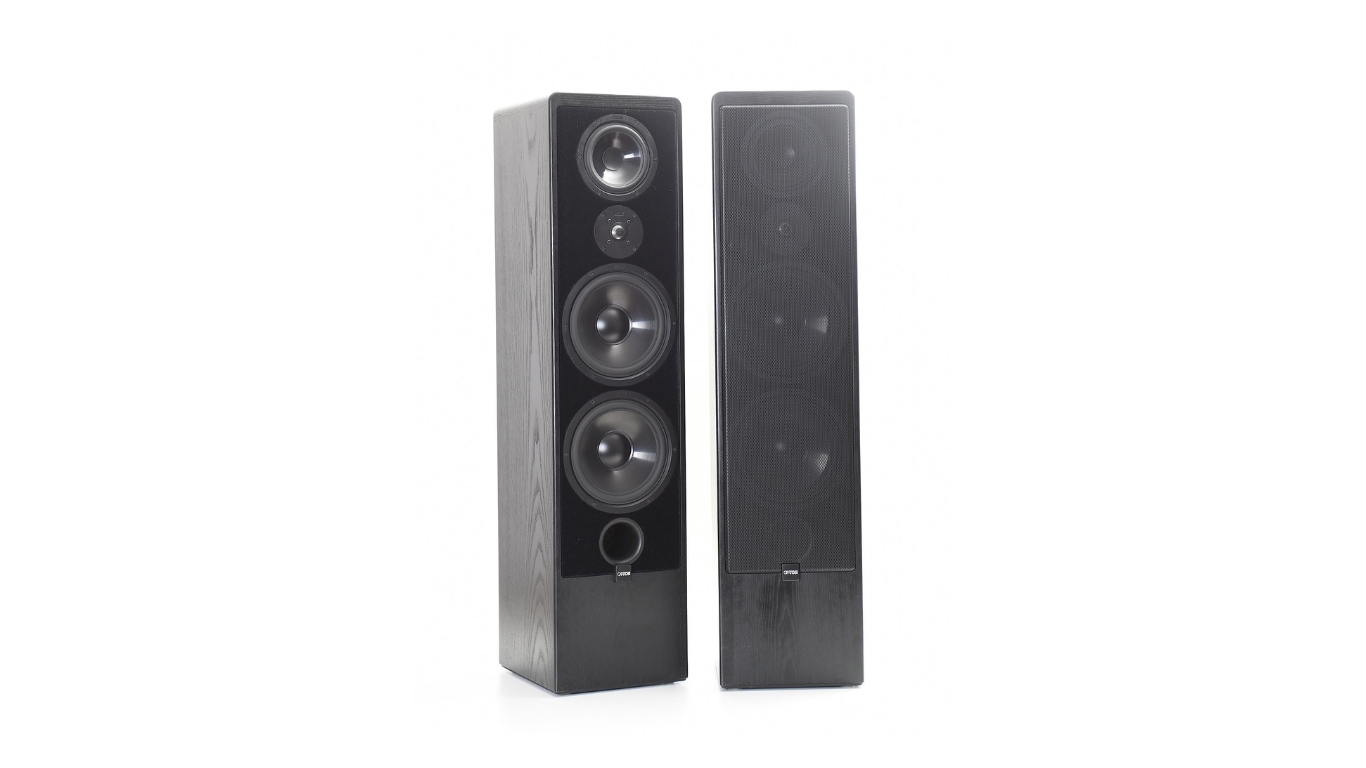
Pre-acquisition German engineering at its uncompromised finest.
Canton, established in 1972 in Niedernhausen, Germany, built a formidable reputation in European hi-fi. In its early decades, the brand prioritized engineering. Original models featured superior cabinet construction and crossover choices that made rivals take notes.
Like a Michelin-star chef meticulously crafting components, foundational excellence remained undeniably present. These pre-2000 Canton units showcase a pure German engineering ethos.
A seasoned audiophile still scours forums like a digital bloodhound on a sneaker hunt. These earlier designs offer an uncompromised snapshot of Canton’s original vision, far beyond modern lines. This isn’t mere nostalgia; it is a testament to designs delivering authoritative sound today, proving craft trumps fleeting trends.
9. Canton GLE and Chrono Series
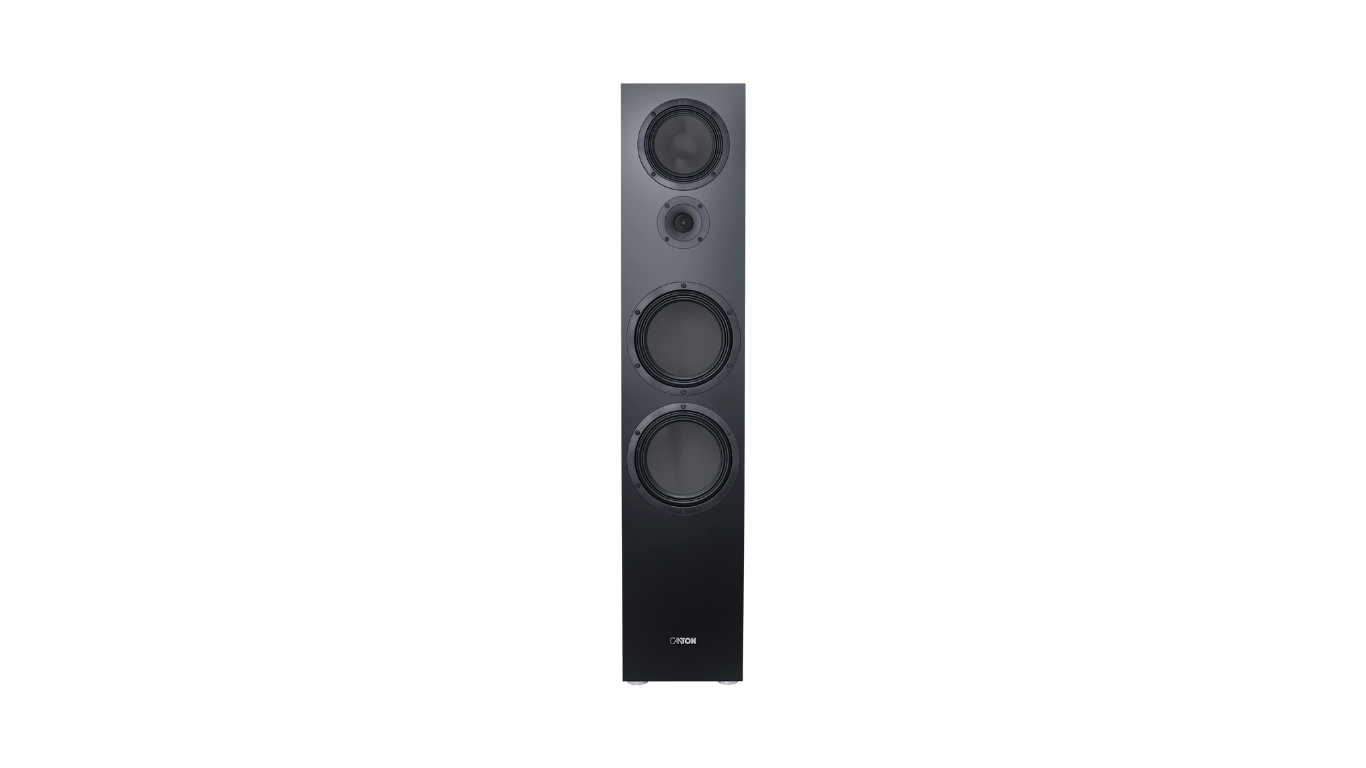
Corporate restructuring replaced robust bracing with minimum-viable-specification components.
Corporate restructuring can rewrite a brand’s script. Canton underwent acquisition by a private equity group, sparking subsequent restructurings that shifted engineering priorities. Audio technicians now describe certain internal components, particularly in the crossovers, as ‘minimum viable specification’ (a phrase that tastes like instant coffee).
This approach mirrors a band ditching their custom tube amps for off-the-shelf digital simulators after a major label takeover. Cabinet construction now relies on standard MDF panels, conspicuously lacking the robust internal bracing characteristic of the original engineering.
Like buying a vintage concert tee that looks right, but the fabric is cheap and the seams unravel after one wash. If expecting the meticulously engineered detail of Canton’s past, current offerings might prove a different beast entirely. The name on the box doesn’t always guarantee the same recipe.
10. Wharfedale Diamond Series
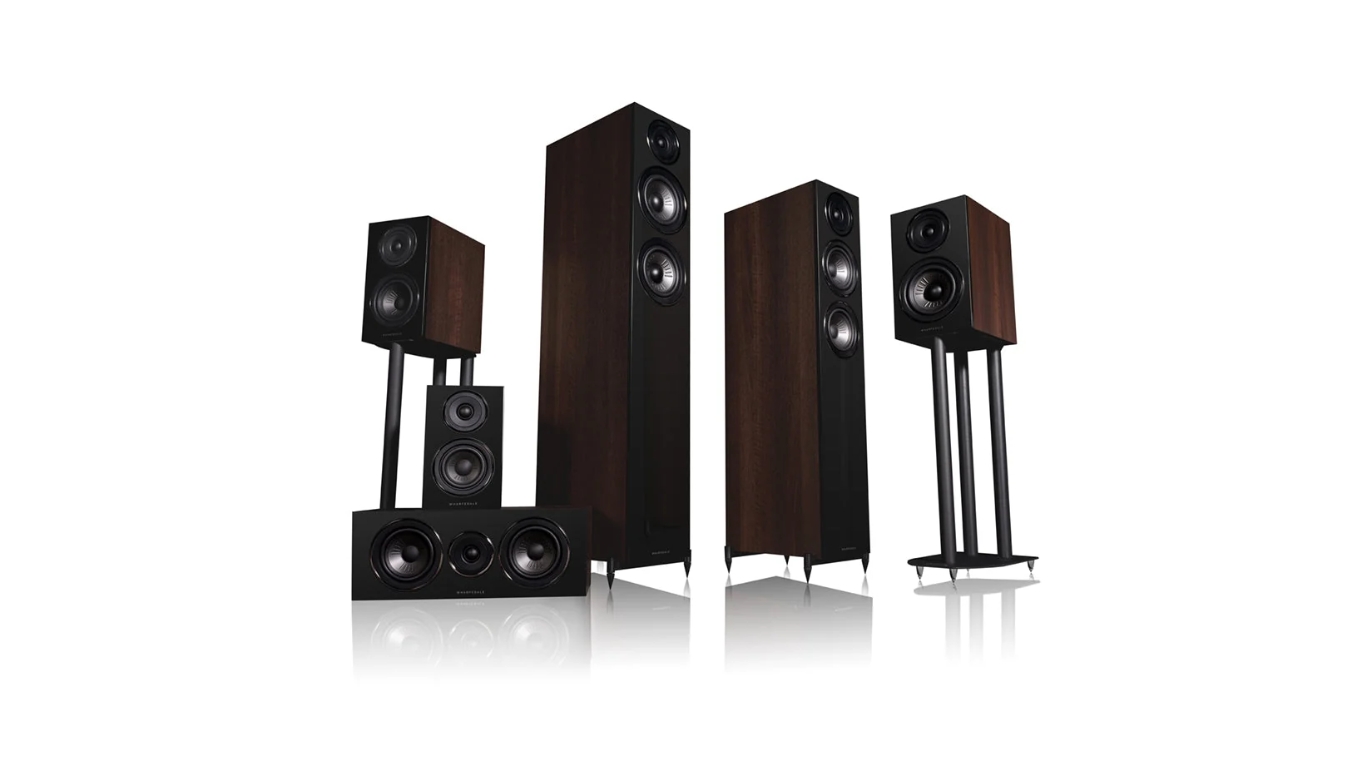
Ninety years of Yorkshire engineering delivering honest sound under $500.
Wharfedale has been building loudspeakers in Yorkshire, England since 1932, a testament to enduring British audio engineering. This brand has spent over 90 years quietly perfecting its craft, refusing to chase trends like a desperate influencer.
Properly implemented film capacitors for crossovers and cabinet bracing that somehow avoids simplification for margin targets. A genuine, no-frills commitment to sound that feels almost rebellious in an age of disposable tech.
These speakers deliver correctly specified components at an honest price, appealing to anyone who prioritizes sound over flash. Priced between $300 and $500 a pair, they stand as an antidote to audio brands that hype up generic components like they just discovered Wi-Fi. The Diamond Series performs ideally in modestly sized listening spaces under 400 square feet, delivering a surprising bass foundation that often negates the need for a separate subwoofer.
The audio equivalent of that reliable vintage denim jacket still getting worn: it just works, no matter what trends are currently screaming on TikTok.
11. Triangle Borea Series
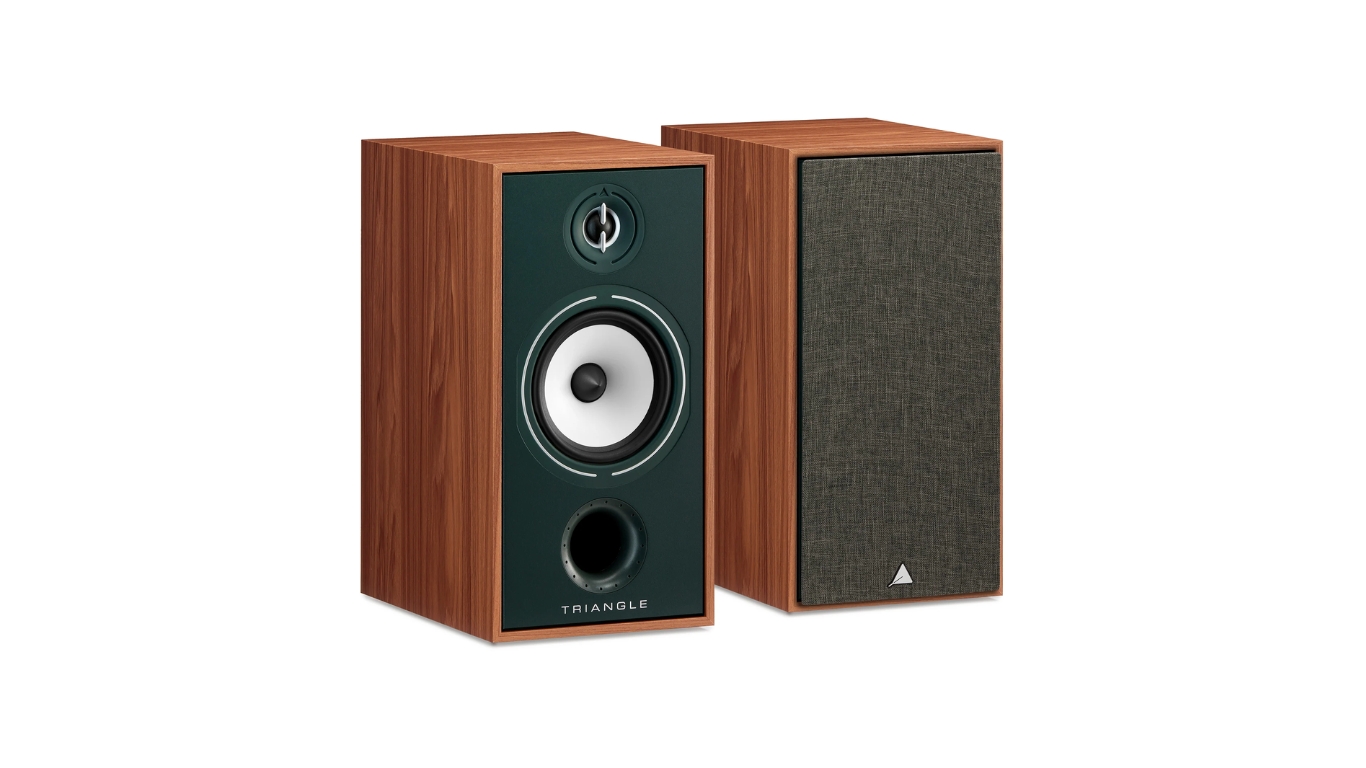
In-house paper cone drivers optimized for French acoustic engineering precision.
Speaker manufacturing often resembles building with off-the-shelf Lego bricks; many brands source components globally. Triangle Electroacoustique, founded in 1980 in Soissons, France, bucks this trend. Its consistent ownership focuses on acoustic engineering.
The Borea series exemplifies this with paper cone drivers designed and manufactured entirely in-house, optimizing for Triangle’s specific sonic targets. This in-house obsession delivers real sonic benefits.
Excellent imaging and mid-range clarity that snaps into focus, sharp as a well-aimed clap-back. Cabinets provide a dense, stable platform. Film capacitors ensure pristine crossover paths. For deep bass from the BR03 without a subwoofer, it demands the right room, not just a big one. This dedication creates a distinct market presence.
12. Harbeth Super HL5 Plus
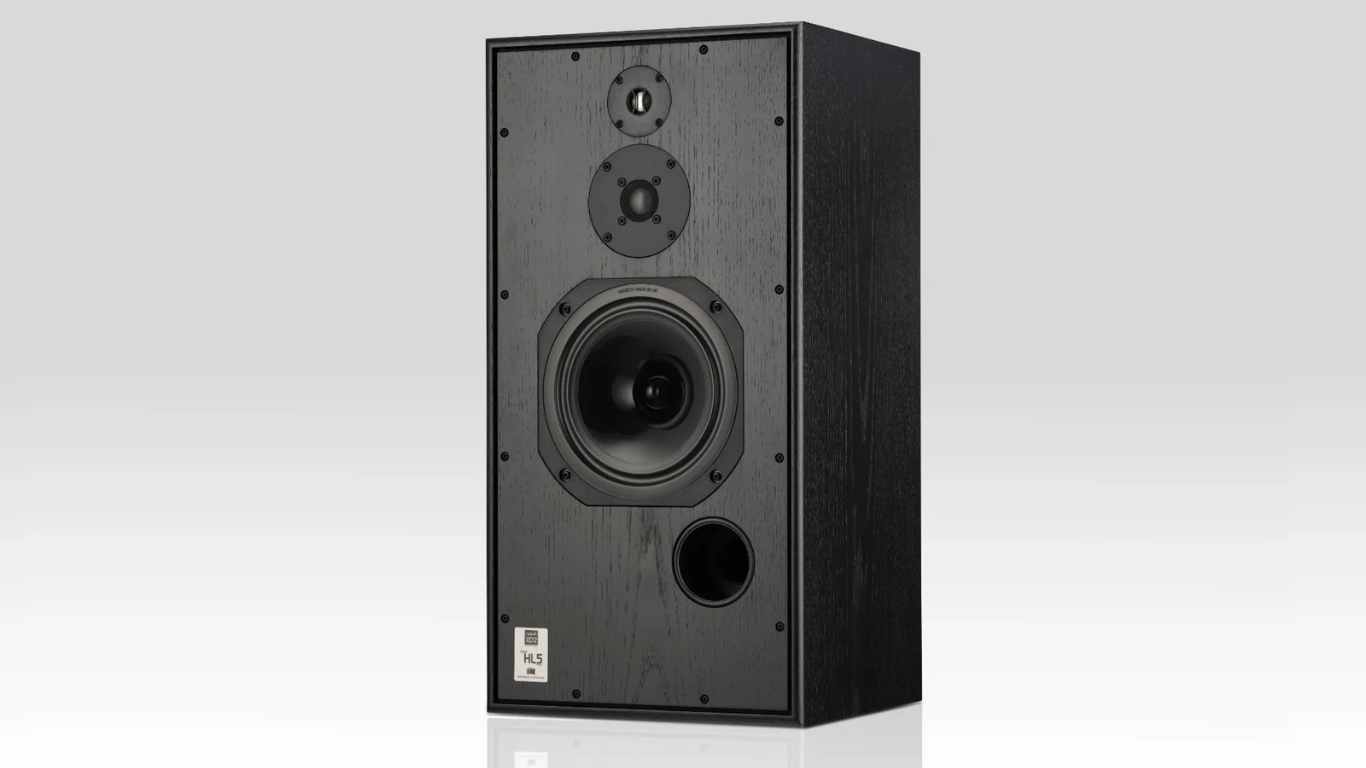
BBC Research Department lineage meets proprietary Radial cone technology.
Dudley Harwood established Harbeth Acoustics in 1977, following his foundational work at the BBC Research Department. He pioneered synthetic polymer cone materials, an innovation still central to the brand’s sound.
Harbeth’s proprietary Radial cone material, developed by Harwood, remains exclusive to their Horsham, West Sussex facility, distinguishing these speakers from mass-produced units. This isn’t some disposable gadget; more like a carefully aged single malt in a world of White Claw.
The Super HL5 Plus represents this legacy, offering an accessible entry point at approximately $3,500 per pair. This speaker’s crossover features film capacitors and air-core inductors, specified to professional reference standards.
The thin-walled cabinet design has been refined over 40 years to minimize resonance, ensuring consistent, pure audio, much like how a classic film holds up against today’s CGI spectacles. Harbeth positions the Super HL5 Plus as an investment for a system intended for decades of ownership. That serious commitment starkly contrasts with the phone replaced next year.
13. Harbeth Monitor 40
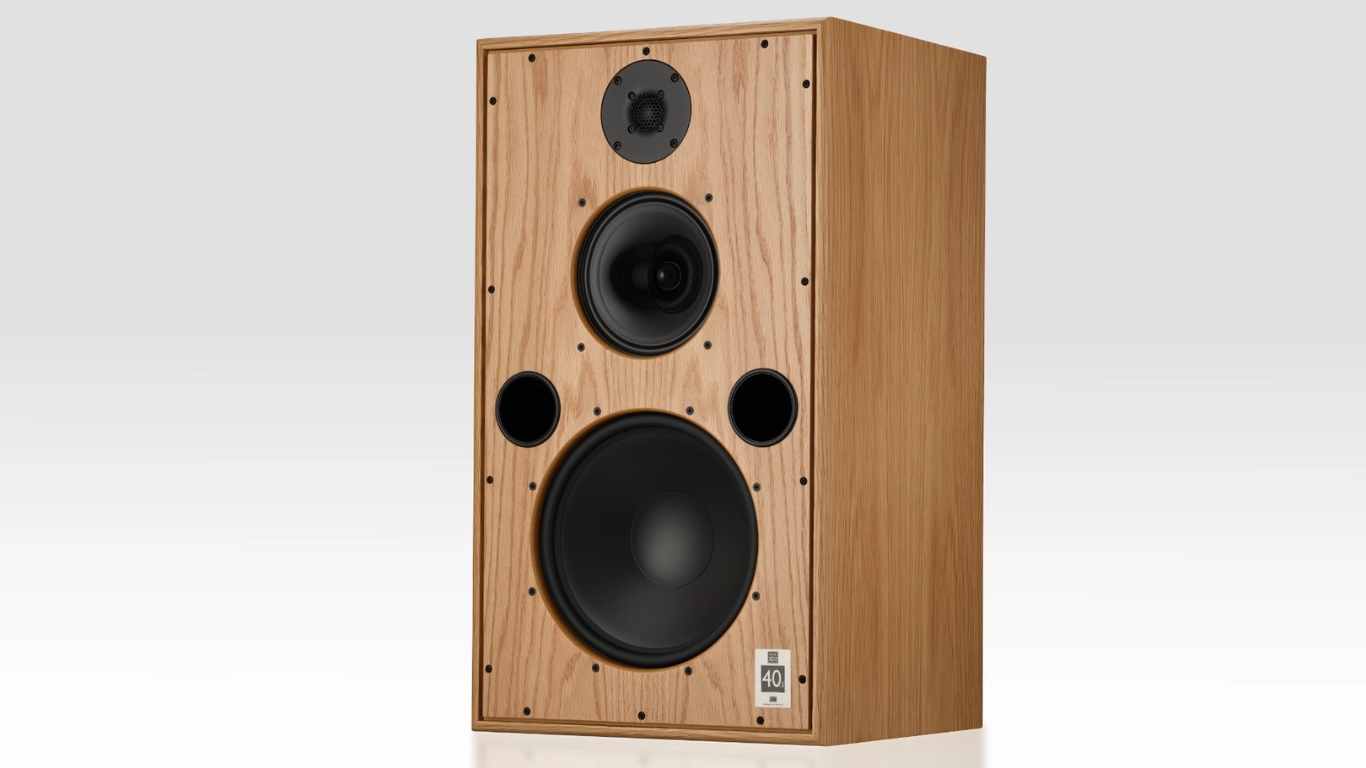
Unvarnished BBC monitoring accuracy exposing every recording detail.
What defines a true reference monitor in a world crammed with “pro audio” hype? The Harbeth Monitor 40, with its roots deep in the BBC monitoring tradition, stands as a brutal arbiter of truth.
Its engineering lineage, meticulously maintained from Dudley Harwood’s initial work at the BBC Research Department in 1977 to Alan Shaw’s present-day stewardship, prioritizes unvarnished accuracy. Recordings heard as they are, without the glossy filters.
This isn’t a speaker that flatters ego (it exposes every detail, much like a good therapist forces confronting bad habits). Audio professionals routinely pick this model for critical listening because of its proprietary Radial cone material, ensuring color-free neutrality. It consistently delivers an honest representation of the sound, making it a benchmark for anyone serious about fidelity, not just the folks mastering tracks for a TikTok soundboard.