




Backdoor progressions operate like emotional sleight-of-hand, transforming predictable melodies into something that haunts listeners for days. Musicians deploy these chord changes as precise emotional weapons, subverting harmonic expectations to create that delicious melancholy you feel but can’t quite explain.
Unlike standard progressions that telegraph their destinations, backdoor movements arrive without warning, much like that 2 AM text from an ex that derails your entire emotional equilibrium. Each song below demonstrates how a single harmonic detour can completely rewrite the emotional landscape of a track, proving that sometimes the most beautiful music comes from breaking the rules everyone expects you to follow.
19. Misty

Jazz standards achieve longevity through harmonic sophistication that rewards endless reinterpretation, with “Misty” as the perfect example. The backdoor progression creates completion that feels surprising and inevitable, like reuniting with an old friend after years of separation. These IV7 and ♭VII7 chords add lush texture that elevates pretty melodies into profound emotional statements. Generations of musicians return to this composition because its harmonic richness provides infinite possibilities while maintaining its emotional core.
18. Underground (Ben Folds Five)
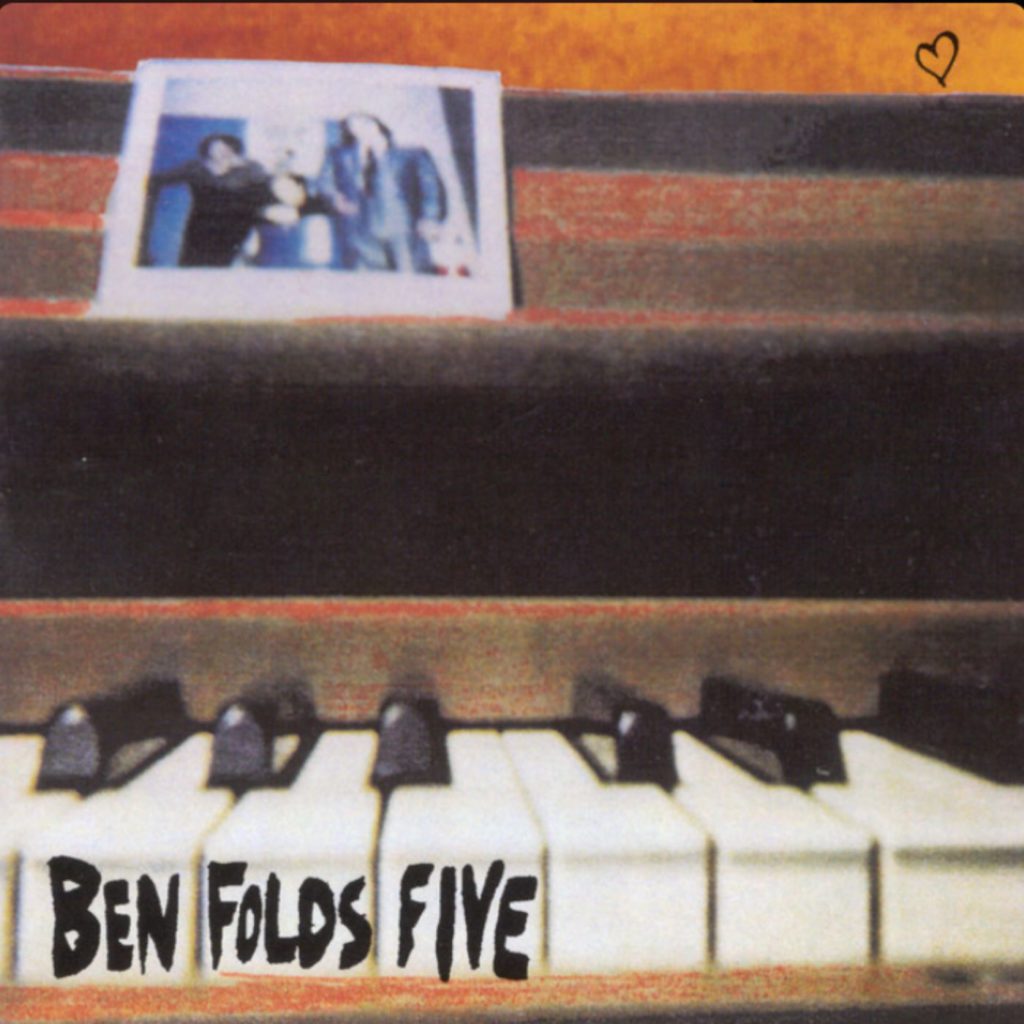
Where most pop songwriters recycle identical chord patterns, Ben Folds crafts progressions with bespoke precision and unexpected sophistication. “Underground” showcases his signature avoidance of predictable major IV chords through a backdoor progression in B major. The E minor 7 to A to B movement creates satisfaction that borders on physical pleasure. This harmonic substitution transforms what could have been another forgettable piano-rock track into something that still sounds fresh decades after its release.
17. You Are So Beautiful (Billy Preston)
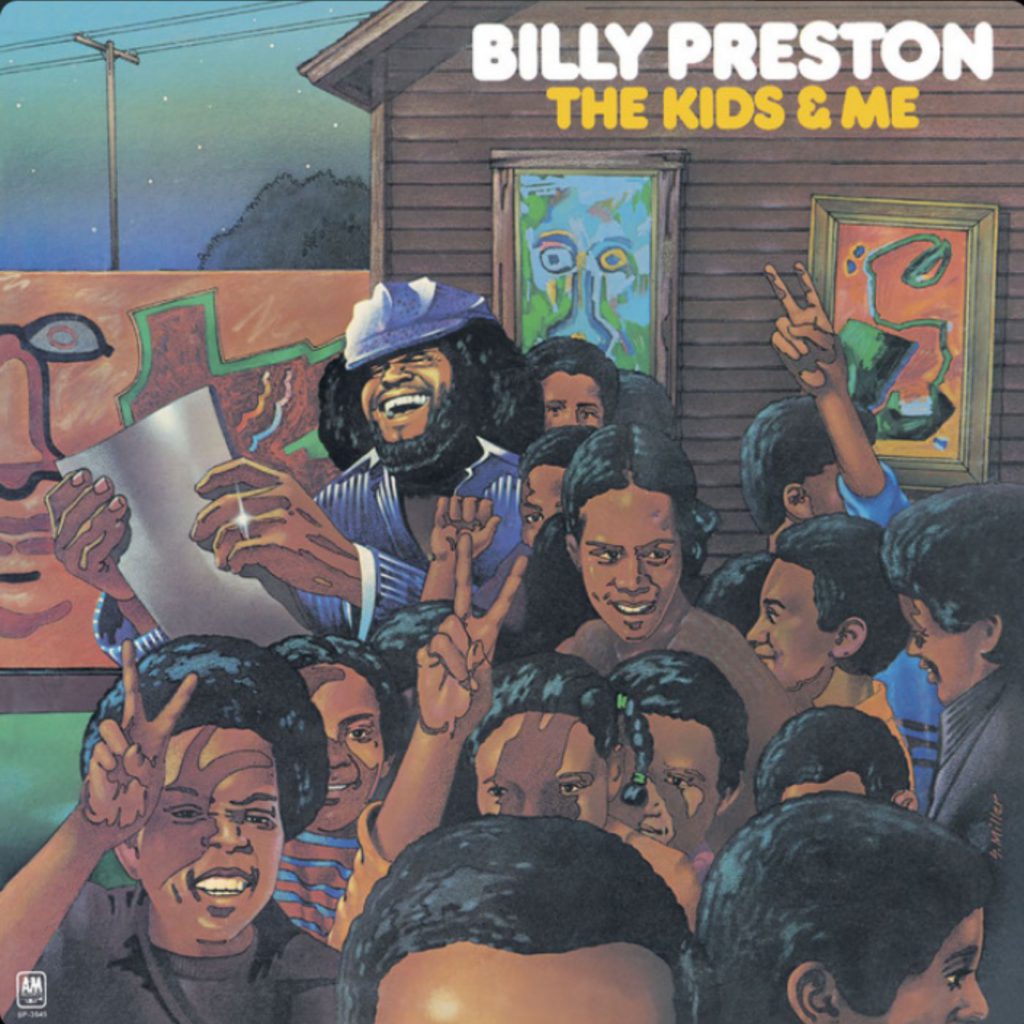
Emotional peaks feel earned rather than manipulated when backdoor dominants marry simple melodies with sophisticated harmonic underpinnings. The arrangement creates intimacy perfectly suited to the lyrical content while maintaining technical interest for musicians. This progression enhances impact without competing with the central message, like perfect framing that highlights beautiful photographs. Billy Preston‘s harmonic expertise in You Are So Beautiful transforms straightforward love songs into vehicles for genuine emotional connection.
16. Layla (Derek and the Dominos)
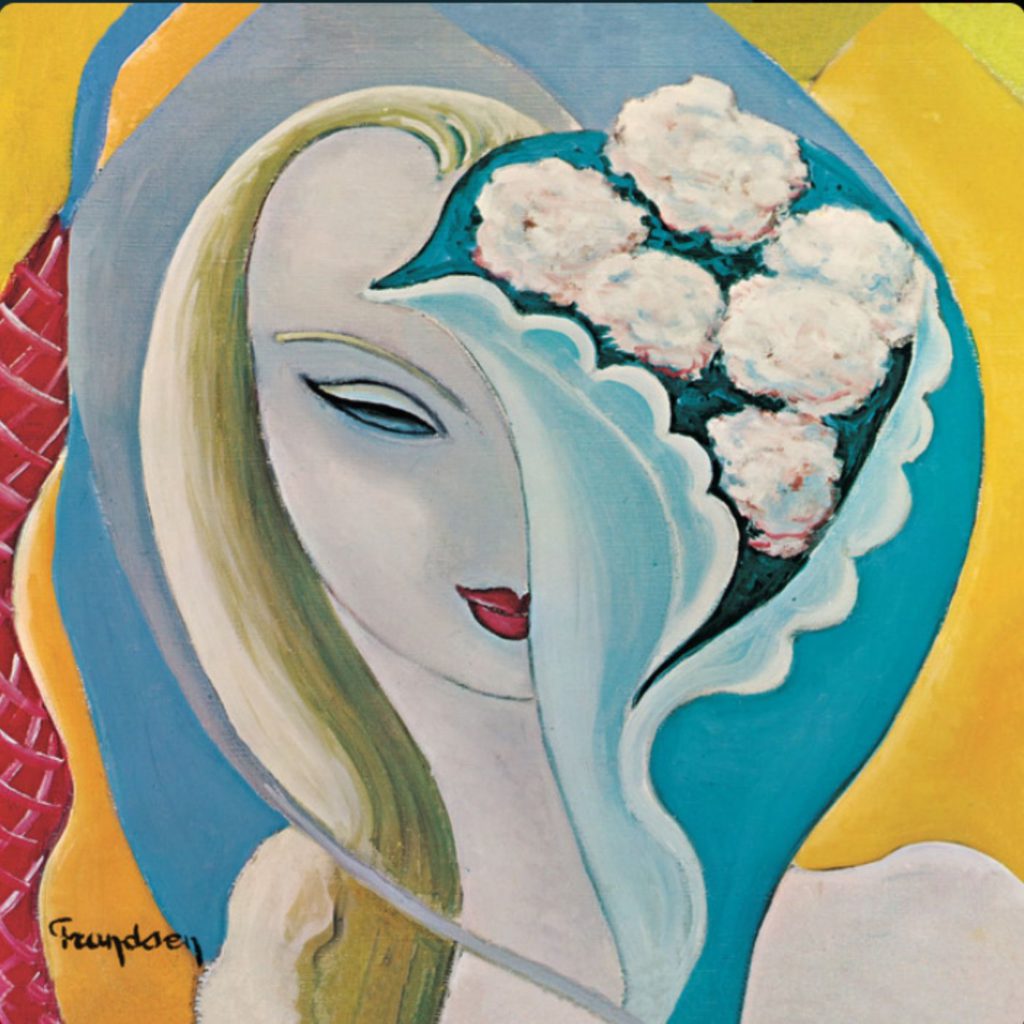
Revolutionary rock harmony emerges through jazz-influenced techniques applied with the same reckless abandon characterizing Eric Clapton’s playing during this period. While avoiding traditional backdoor progressions, Layla’s unorthodox chord movements and V7 resolution avoidance create restless energy mirroring forbidden love’s emotional turmoil. Layered guitar parts support unconventional selections, creating density that was groundbreaking for rock music. The progression transforms personal anguish into universal artistic expression.
15. American Boy
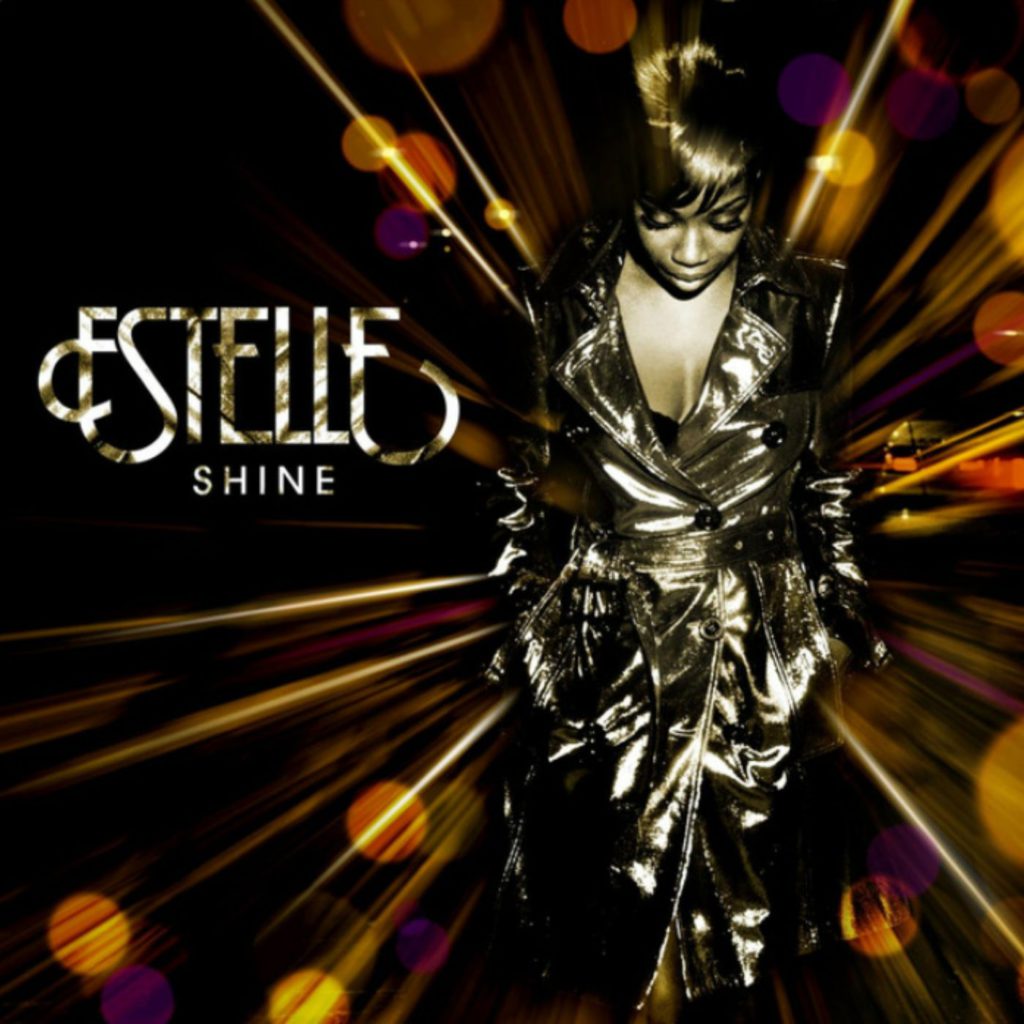
Beneath its indie-pop surface, “American Boy” conceals sophisticated harmonic trickery that would make jazz composers jealous. The track presents itself as straightforward E major fare, but an A minor 7 to D to E progression creates unexpected emotional complexity. This modal interchange doesn’t just add theoretical interest—it generates that peculiar aftertaste, keeping listeners hitting repeat without understanding why. The result feels like discovering bourbon-infused sea salt in what appeared to be a simple chocolate chip cookie.
14. New York State of Mind (Billy Joel)
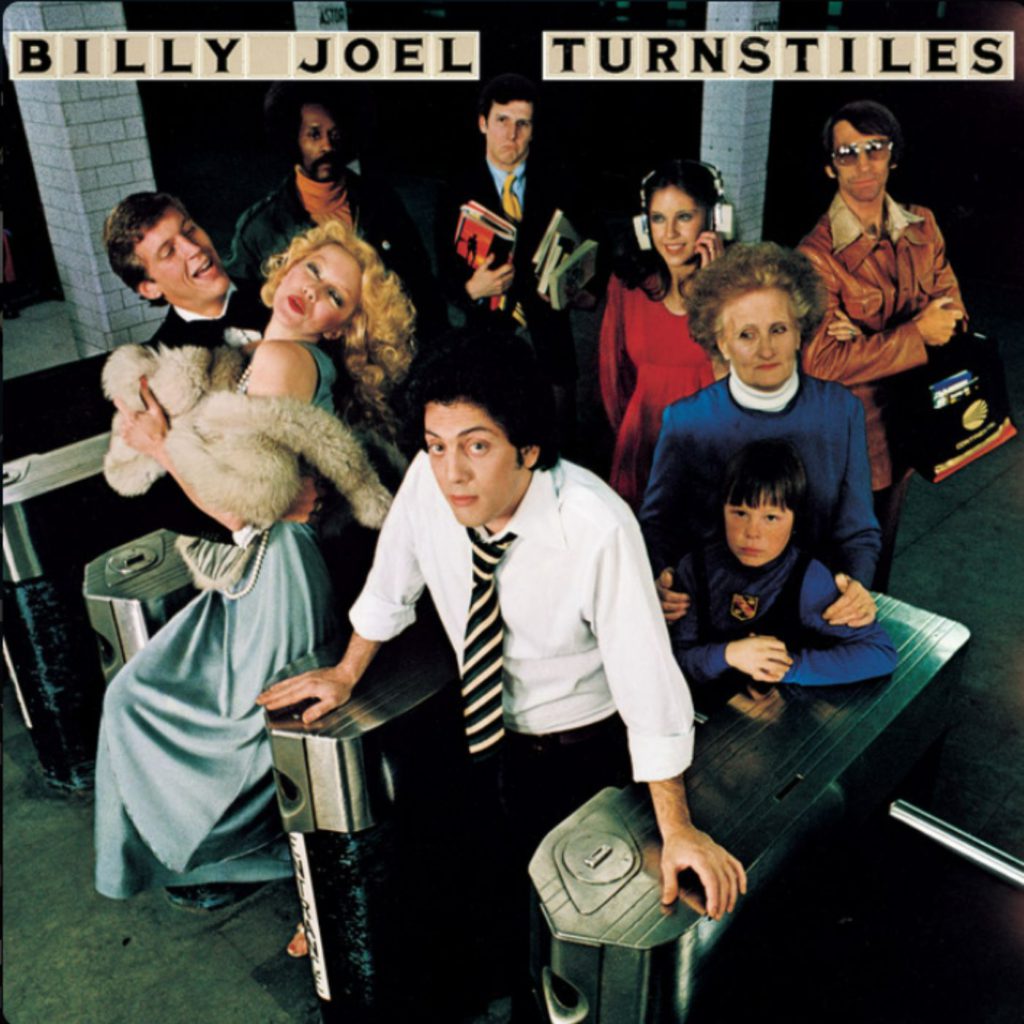
Urban complexity finds musical expression through chord voicings that blend jazz sophistication with rock accessibility in this New York anthem. The ♭VII7-to-I resolution creates a nostalgic quality that perfectly complements the lyrical content about returning home. Each chord builds upon previous harmonies like historical layers in old city neighborhoods. The harmonic texture in this song becomes essential storytelling rather than mere melodic support, creating sonic environments that feel simultaneously familiar and full of possibility.
13. Choosing Notes for the Backdoor Progression

Melodic decisions over backdoor progressions determine whether songs will merely be heard or deeply felt by listeners seeking emotional connection. Blending elements from different scales enhances harmonic impact while highlighting tension and release inherent in these sophisticated movements. The relationship between chord tones and melody notes creates a specific emotional character for each progression. Backdoor progressions offer particularly rich possibilities because they exist at the intersection of major and minor tonalities.
12. Knock Me Off My Feet (Stevie Wonder)
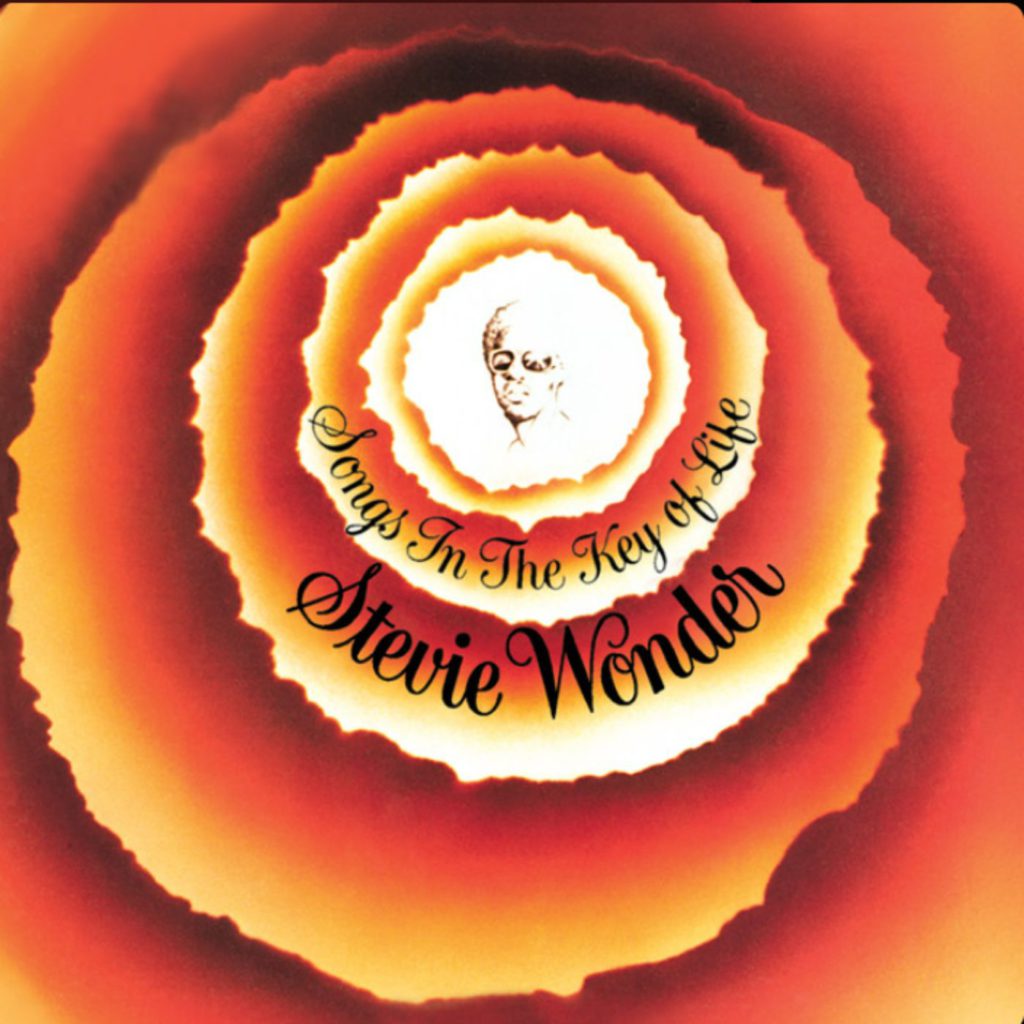
Genius-level harmonic rewriting happens casually throughout Stevie Wonder‘s catalog, with this track exemplifying his effortless mastery of sophisticated pop-soul fusion. Set in C major, the F minor 7 through B♭7 to C major 7 progression creates spiritual depth that transcends typical love song territory. The harmonic sophistication operates like a master chef, elevating simple ingredients through invisible technique. Wonder demonstrates how complex harmony enhances rather than obscures emotional expression.
11. Just Friends
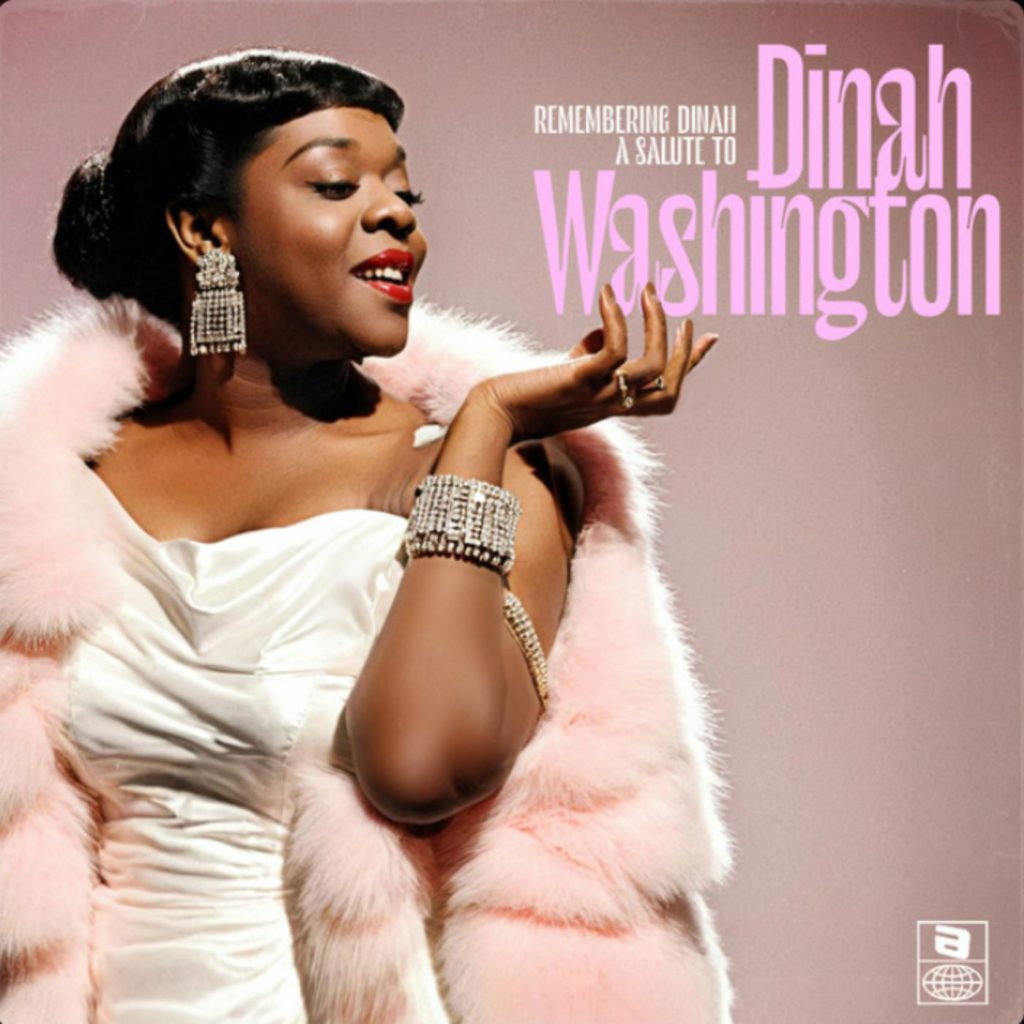
A perfect introduction to backdoor progressions emerges through this jazz standard’s accessible yet sophisticated harmonic template in G major. The C minor 7 through F7 to G major 7 movement, often performed with rootless voicings, creates space for melodic exploration and emotional expression. This progression mirrors the title’s emotional complexity—familiar yet charged with unresolved tension. The standard remains beloved among jazz musicians precisely because its structure enables endless emotional interpretation possibilities.
10. Modal Interchange and Parallel Minor

Borrowing chords from parallel keys creates harmonic foundations for countless emotionally rich combinations beyond simple major-minor categorizations. This technique allows composers to access broader emotional palettes that capture human complexity—joy tinged with melancholy, hope emerging from despair. Moving between parallel major and minor enables harmonic narratives that express emotional truths beyond basic happiness or sadness. These borrowed chords transform abstract theory into concrete emotional experiences.
9. I Want to Be Where You Are
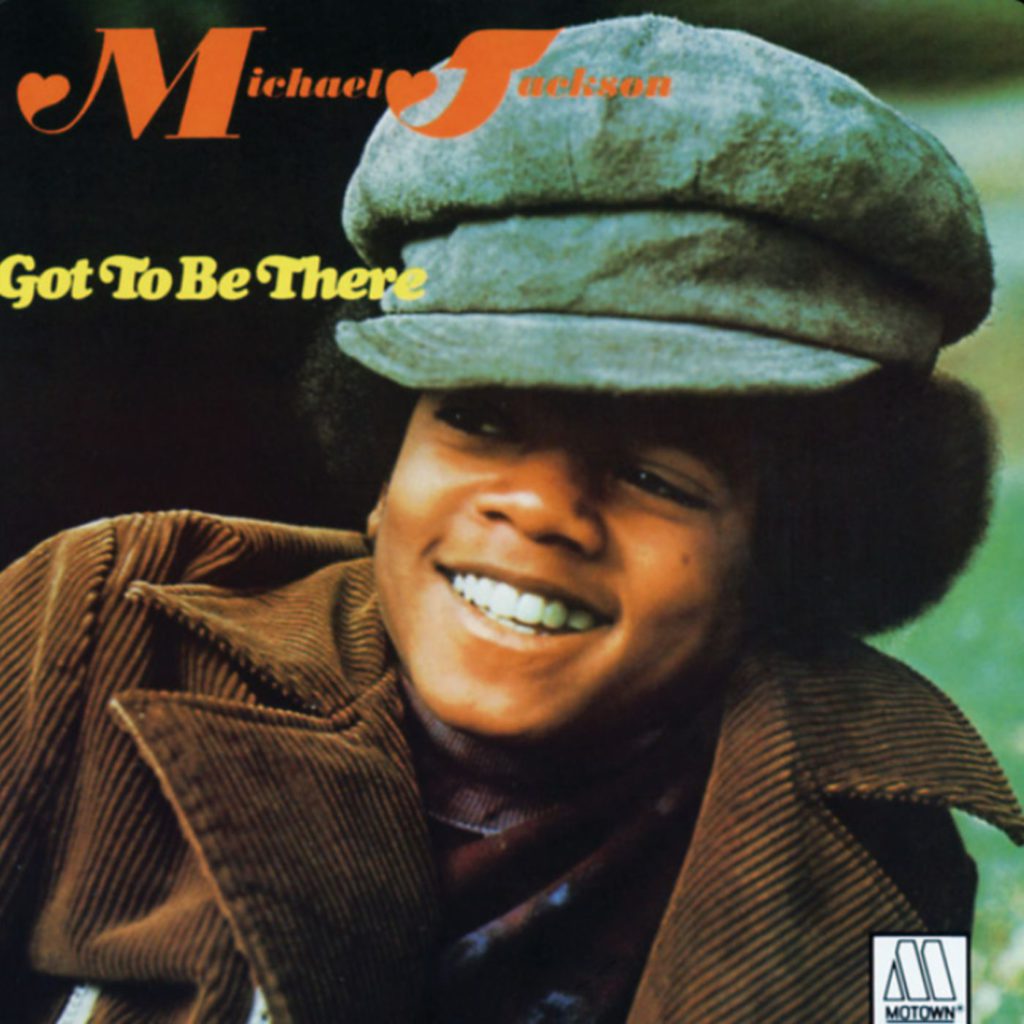
Early 1970s R&B witnessed a harmonic revolution as simple pop structures evolved into jazz-influenced sophistication, with this track serving as prime evidence. Set in D major, the G minor 7 through C7 to D major 7 progression showcases the growing complexity of mainstream Black music. These borrowed chords capture emotional nuance that simpler progressions simply cannot access. The result represents that beautiful moment when pop accessibility and jazz sophistication discovered their perfect balance.
8. Waiting Line (070 Shake)
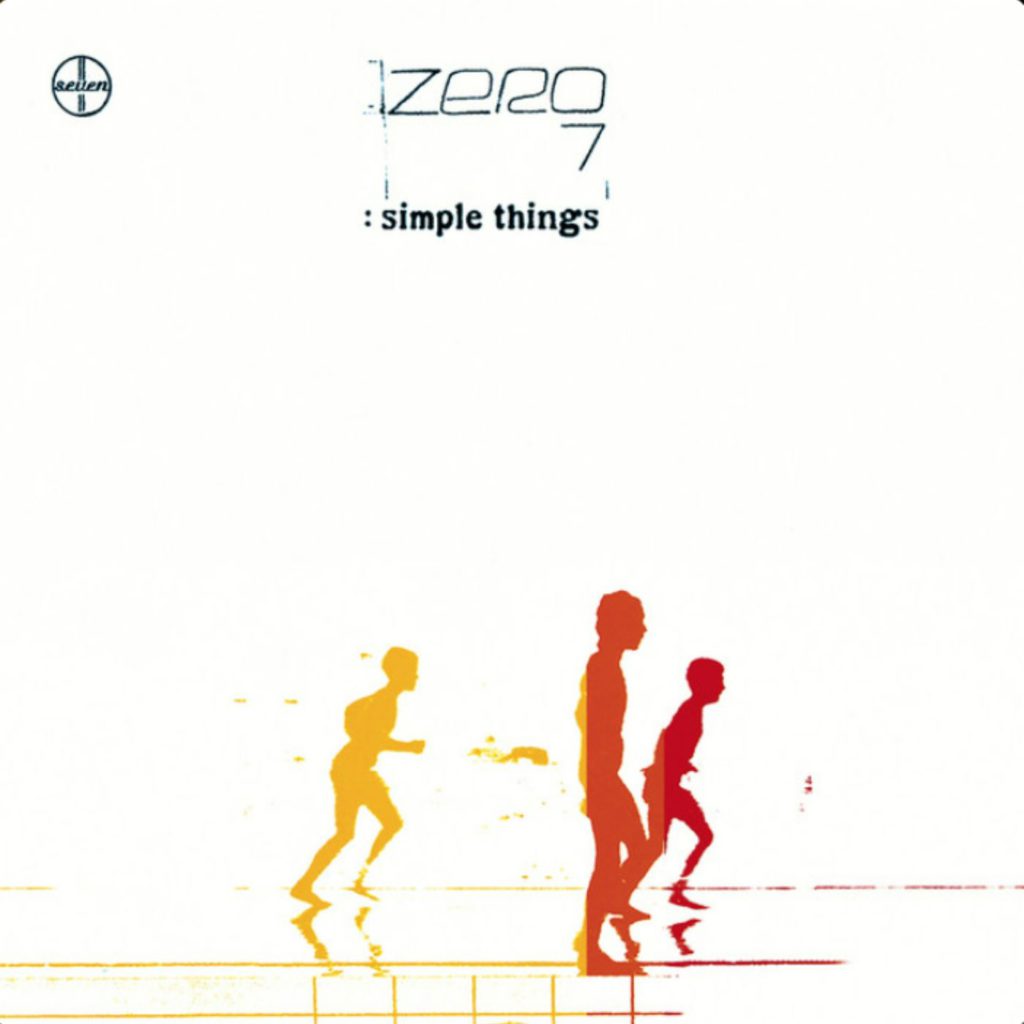
Contemporary pop’s harmonic simplicity gets decisively rejected in “Waiting Line,” which demonstrates that modern artists can embrace complexity without sacrificing accessibility. The F minor 7 to B♭ to C progression in C major feels simultaneously classic and cutting-edge. This blend of jazz-derived harmony with contemporary production creates a sound expressing profound longing tinged with hope, like spotting a single star through heavy clouds. 070 Shake continues pushing boundaries in a landscape that typically rewards formulaic simplicity.
7. Stella by Starlight
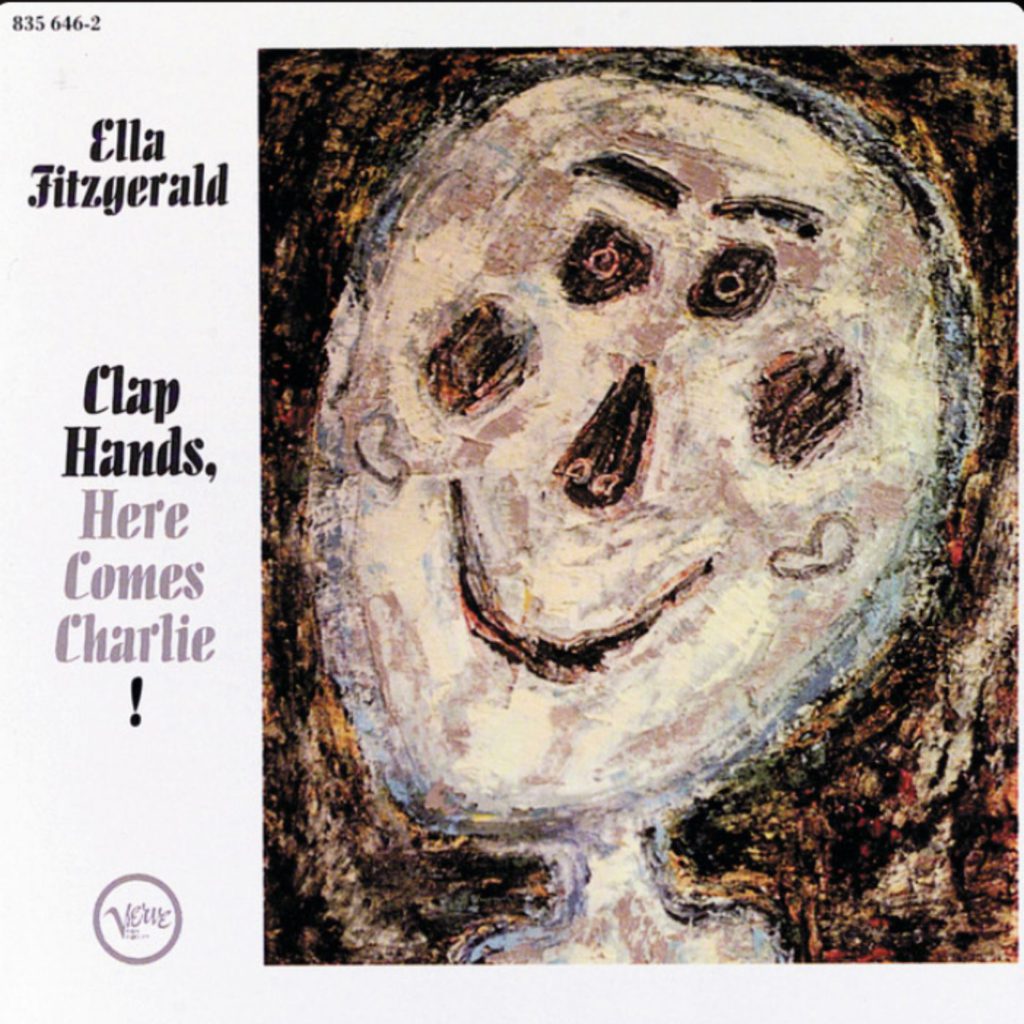
Harmonic modulation reaches transcendent heights through this standard’s masterful divergence from traditional resolutions and expected destinations. Before jazz reinterpretation, the song possessed a much more straightforward harmonic structure, but sophisticated substitutions elevated simple material into something profound. The unexpected tonal shift to G showcases how advanced harmony can transform basic melodies into poetry. This complexity gives the standard its enduring appeal among musicians seeking harmonic adventure.
6. Ordinary Pain (Stevie Wonder)
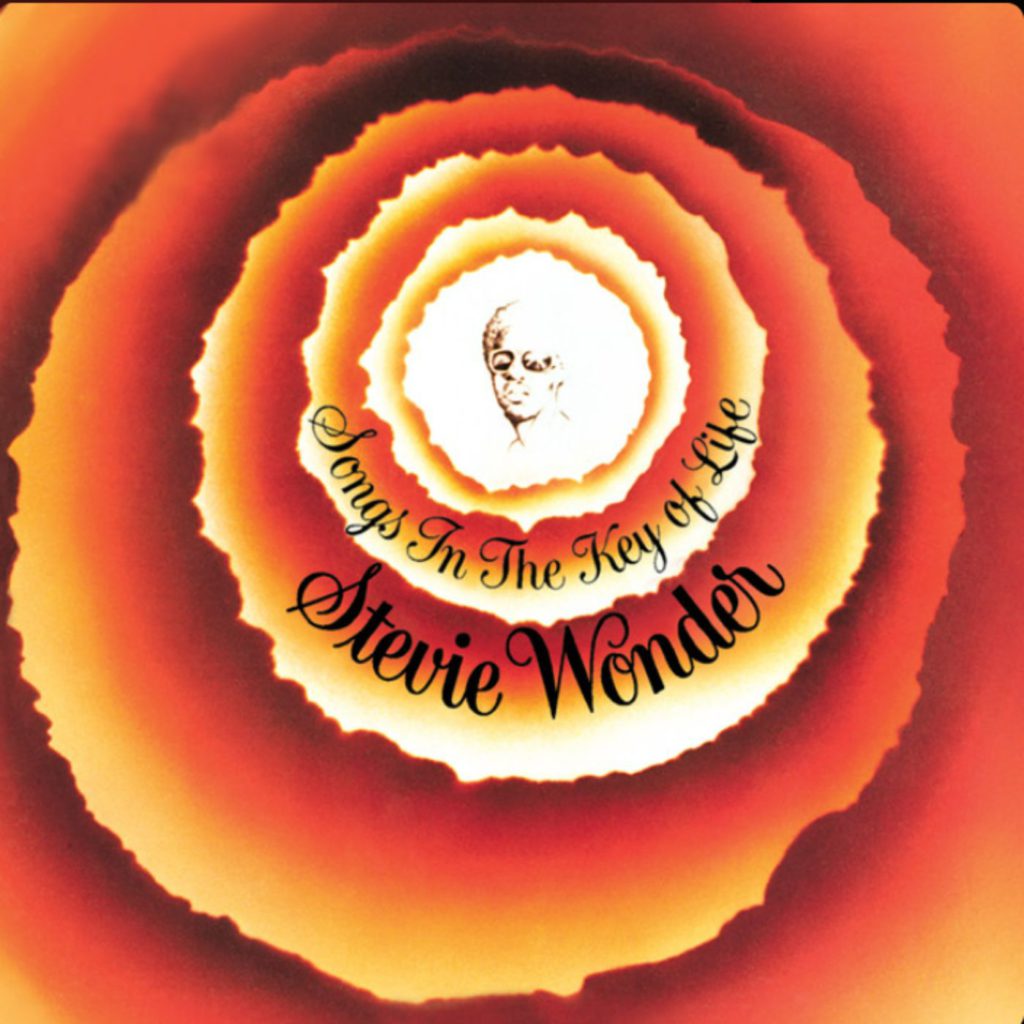
Emotional complexity finds perfect musical expression through Wonder’s harmonic storytelling in this overlooked masterpiece from “Songs in the Key of Life.” The B♭ minor 7 to E♭9 to F major progression mirrors the contradictory feelings accompanying relationship endings—loss, relief, and lingering attachment coexisting simultaneously. Wonder doesn’t merely understand music theory; he comprehends the human heart’s intricate emotional architecture. The result is a song that transforms an ordinary breakup song into a profound meditation on love’s aftermath.
5. Again and Again and Again (Wings)

Backdoor dominant substitution elevates standard pop into something worthy of repeated listening through Wings’ subtle harmonic sophistication. The rich chord structure invites discovery of new details with each play, creating depth that belies apparent simplicity. These progressions enhance emotional expression naturally rather than calling attention to their technical cleverness. Paul McCartney demonstrates how sophisticated harmony can serve songcraft rather than overshadowing the essential human connection in this song.
4. Lights Up (Harry Styles)

Anyone dismissing modern pop as harmonically bankrupt hasn’t experienced the sophisticated architecture of “Lights Up.” While employing modal shift rather than traditional backdoor progression, the transition from A♭ minor verse to A♭ major chorus creates emotional lift that mirrors the song’s journey from introspection to self-acceptance. The transformation feels natural and miraculous, like watching time-lapse footage of a flower blooming. Harry Styles proves harmonic complexity can engage mainstream audiences when deployed with genuine emotional intent.
3. No Such Thing (John Mayer)

John Mayer’s breakout hit achieves its lasting appeal through harmonic sophistication disguised as accessible pop songwriting. The backdoor progression functions like an emotional escalator, lifting listeners from mundane verse structures to transcendent chorus moments. This jazz-influenced movement perfectly captures that early-2000s combination of youthful optimism and growing awareness of life’s limitations. The harmonic complexity of this song explains why this track launched a career spanning decades rather than disappearing into one-hit-wonder obscurity.
2. Midnight at the Oasis
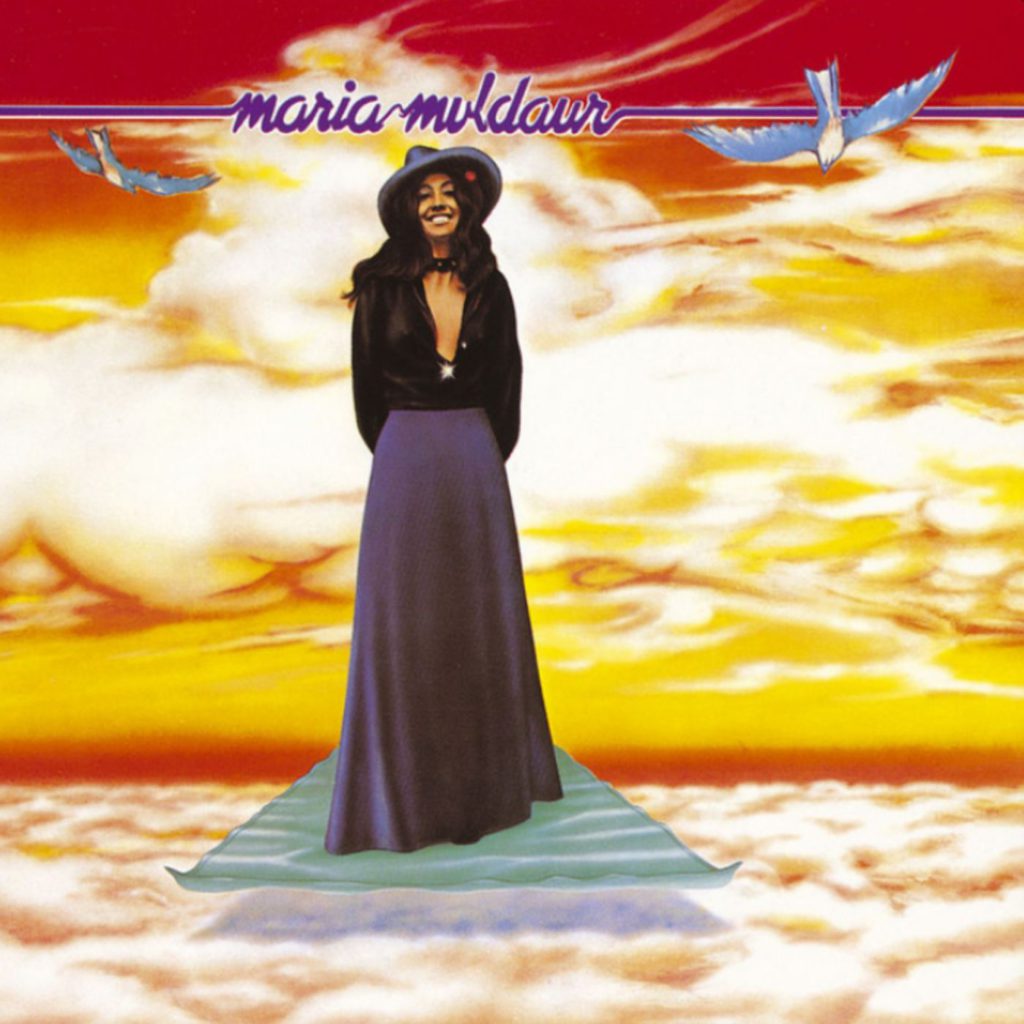
Exotic sophistication emerges through blending jazz, pop, and R&B harmony in this E-flat major seduction that transports listeners to luxurious desert retreats. While not strictly following classic backdoor formulas, the harmonic movement of this song through borrowed chords contributes to distinctive moods—relaxed yet sophisticated, familiar yet mysterious. The chord choices create entire atmospheres rather than simply supporting melodies. Time seems to move at its own pace within this harmonic embrace.
1. Backdoor Progression as 2-5-1

Substitution transforms music’s most essential cadence into something far more emotionally complex through the replacement of standard ii–V–I with borrowed chords. This technique has become fundamental in jazz, soul, and sophisticated pop because it creates depth without sacrificing accessibility. The alternative path reveals emotional possibilities that conventional progressions cannot access. It’s like conversations that suddenly take unexpected turns, revealing depths nobody anticipated discovering.