




Picture your favorite rock star. They’re probably holding a guitar, right? But what if that same person spent yesterday analyzing asteroid dust or saving lives in an ambulance? Many fans are surprised to learn about the diverse rock star second careers that reveal the hidden talents and passions of their musical heroes. These stories show how creativity often extends far beyond the stage, as seen in other musicians and surprising odd jobs who have found new ways to channel their artistry.
When the stage lights dim, many music legends transform into completely different people. These aren’t publicity stunts or random hobbies. We’re talking serious second careers. Brian May helps NASA explore space. David Lee Roth worked as an emergency responder. Bob Dylan welds massive sculptures. Why do rock stars branch out like this? Simple. The same restless creativity that made them legends refuses to stay in one lane.
11. David Lee Roth: The Flamboyant First Responder
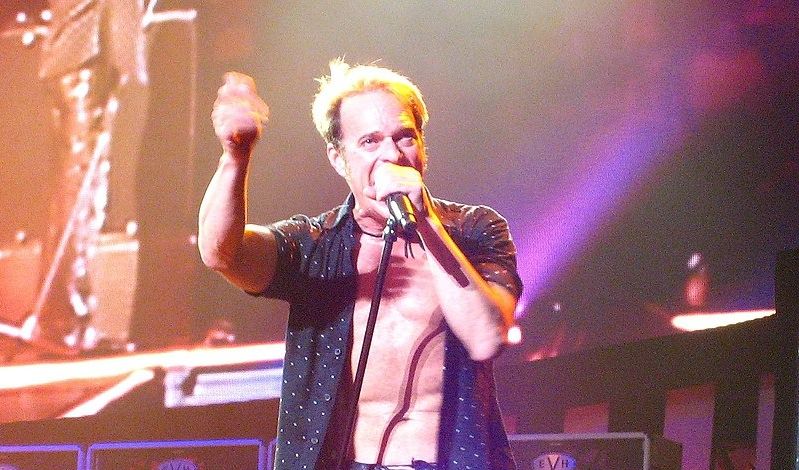
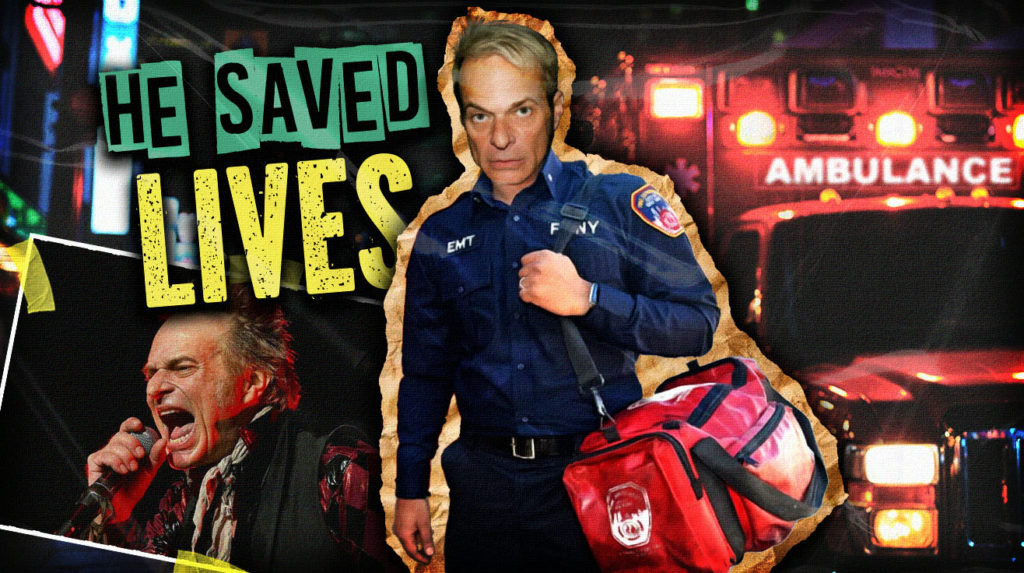
Van Halen’s David Lee Roth became an EMT in 2007. Yes, the same guy who did splits on stage spent two years responding to emergencies in the Bronx. This wasn’t a stunt — Roth completed full training and worked real shifts. His David Lee Roth EMT experience in the Bronx is well-documented, with Roth himself describing how the role transformed his outlook on life; much like other artists who saved their careers by embracing unexpected new paths.
Picture this: you’re having a medical emergency and Diamond Dave shows up in an ambulance. That actually happened to people in New York. Roth has said the uniform changed him completely. After decades of performance, he found purpose in helping people during their worst moments. The experience added real weight to his later performances.
10. Maynard James Keenan: The Vintner of the Desert
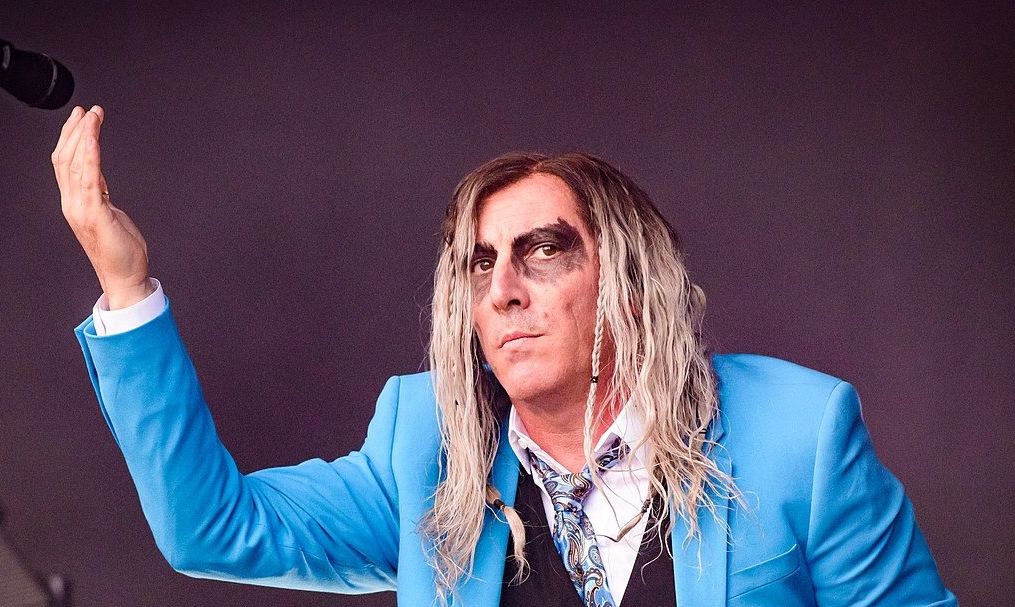
Tool’s Maynard James Keenan makes wine in Arizona’s desert. Sounds impossible, right? His Merkin Vineyards has been proving doubters wrong since the early 2000s. The Caduceus label now produces respected wines that sell across the country. For over two decades, Maynard James Keenan’s winemaking journey has produced acclaimed wines under the Merkin Vineyards and Caduceus Cellars labels.
Keenan doesn’t just slap his name on bottles. He’s involved in every step, from growing grapes to final bottling. His Arizona vineyard faces extreme conditions — scorching heat, limited water, harsh soil. But Keenan treats these challenges like complex time signatures. With patience and precision, he’s created something beautiful from difficult circumstances.
9. Brian May: The Cosmic Guitarist
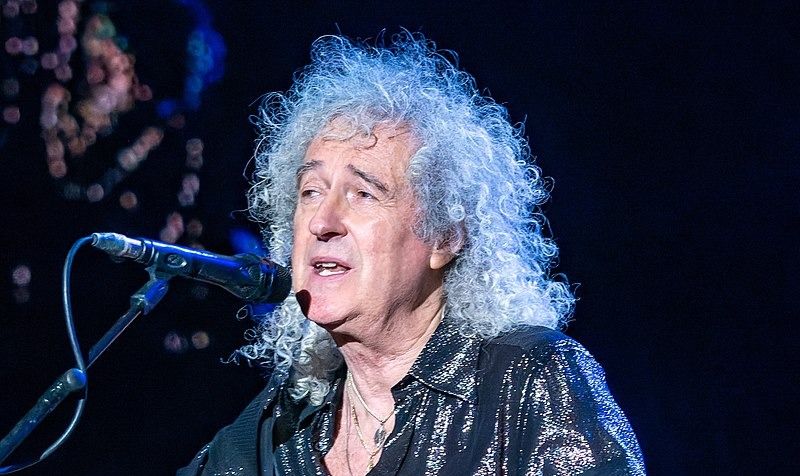
Here’s a fact that still blows minds: Queen’s guitarist actively helps NASA explore space. May earned his PhD in astrophysics from Imperial College London in 2007, completing work he started before Queen hit it big. Few realize the extent of Brian May NASA asteroid mission contributions, which include creating 3D imagery for the OSIRIS-REx project.
But May’s space work goes beyond old research. In 2020, he created 3D images for NASA’s OSIRIS-REx mission to asteroid Bennu. These images helped scientists choose the perfect landing spot. May’s contribution was crucial to the mission’s success. The same hands that played “Bohemian Rhapsody” literally guided a spacecraft to another world.
8. Dusty Hill: The Incognito Baggage Handler
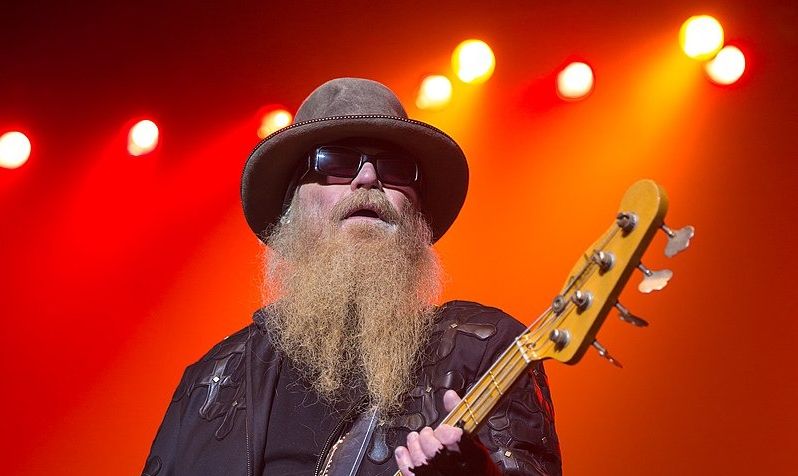
After ZZ Top’s massive 1977 tour, something unexpected happened. Dusty Hill needed to disappear. So he got a job loading luggage at a local airport. No publicity. No cameras. Just honest work under the name “Joe.”
Hill would clock in, load bags into planes, then head to a nearby bar where nobody knew he was a rock star. The contrast was wild — performing for thousands one month, then loading suitcases the next. For Hill, this wasn’t about money or adventure. He needed to remember what normal life felt like.
7. Bob Dylan: The Poet of Iron
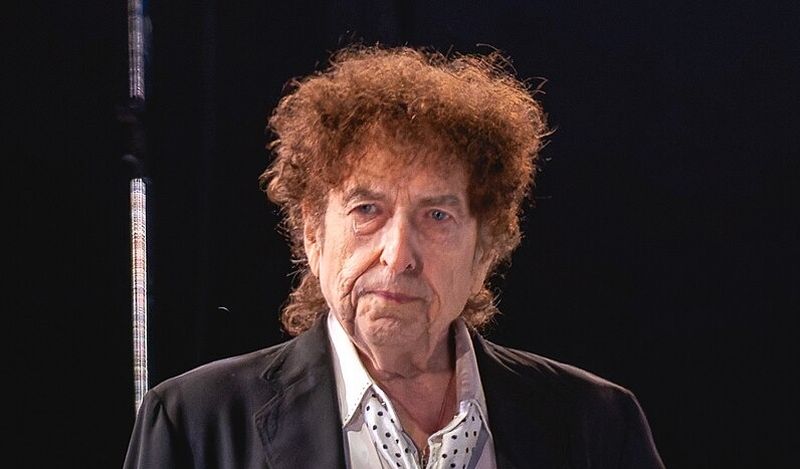
Bob Dylan welds metal sculptures. Since the 2000s, he’s created massive iron artworks that museums and collectors eagerly acquire. His biggest piece, “Portal,” stands 26 feet tall at MGM National Harbor in Maryland — a permanent installation that thousands see daily. Bob Dylan’s iron sculptures, such as his massive “Rail Car” installation, have attracted international attention and are now displayed in renowned art venues.
Dylan’s metalwork started with found objects and evolved into complex sculptures. A 2013 London exhibition introduced his work to the art world. Each piece feels like a Dylan song made physical — mysterious, powerful, and open to interpretation. The same hands that wrote “Blowin’ in the Wind” now shape iron with fire and force.
6. Ronnie Wood: The Rolling Stone Who Paints
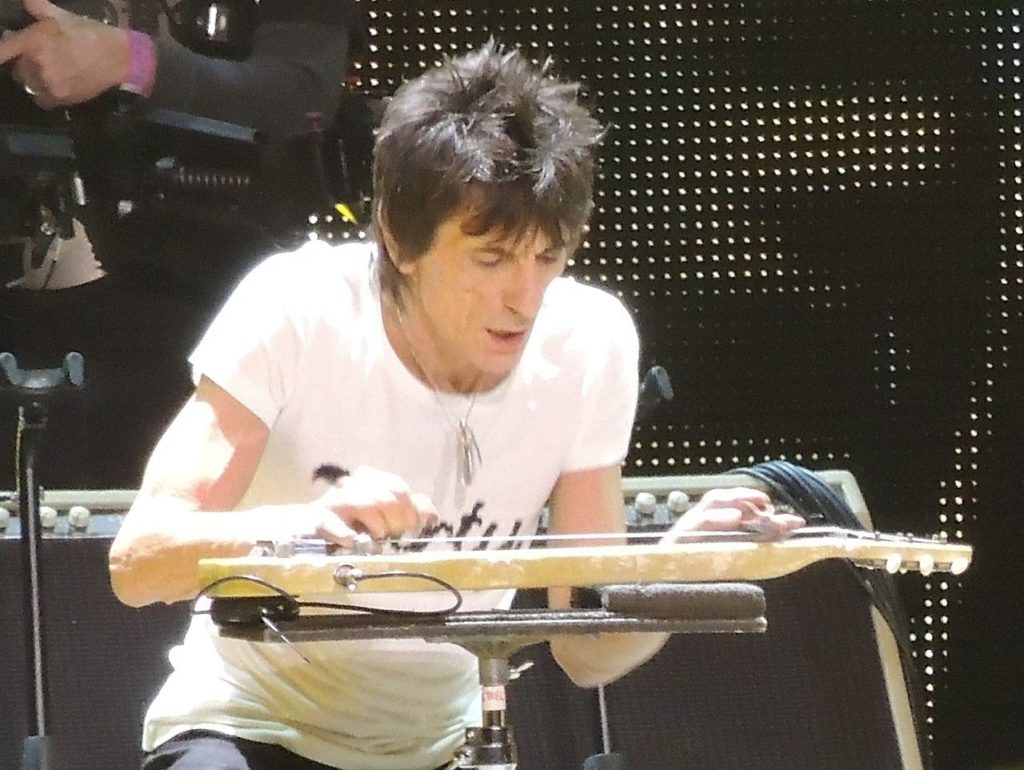
Art galleries worldwide display Ronnie Wood’s paintings. This isn’t celebrity hobby stuff — Wood was creating art before he joined the Rolling Stones. His paintings sell for thousands of dollars to serious collectors.
Wood’s website offers both originals and prints to fans. His style captures rock energy through bold colors and quick brushstrokes. Critics debate his technique, but nobody questions his passion. Wood approaches painting the same way he plays guitar: pure feeling over perfect execution. Even Mick Jagger collects his bandmate’s work.
5. Joey Kramer: The Drumming Barista
Long before IKEA made furniture trendy, Ringo Starr was designing it. Starting in 1969, he partnered with Robin Krookshank to create sleek furniture pieces. Their company, Ro International, ran from 1971 to 1986.
What did a Beatle know about furniture? More than you’d think. Starr’s pieces featured clean lines and smart design. Celebrity clients bought his work. Hotels used his designs. The BBC even had him demonstrate pieces on “Blue Peter.” Starr brought the same understated cool to furniture that he brought to drumming.
4. David Lovering: The Magical Drummer
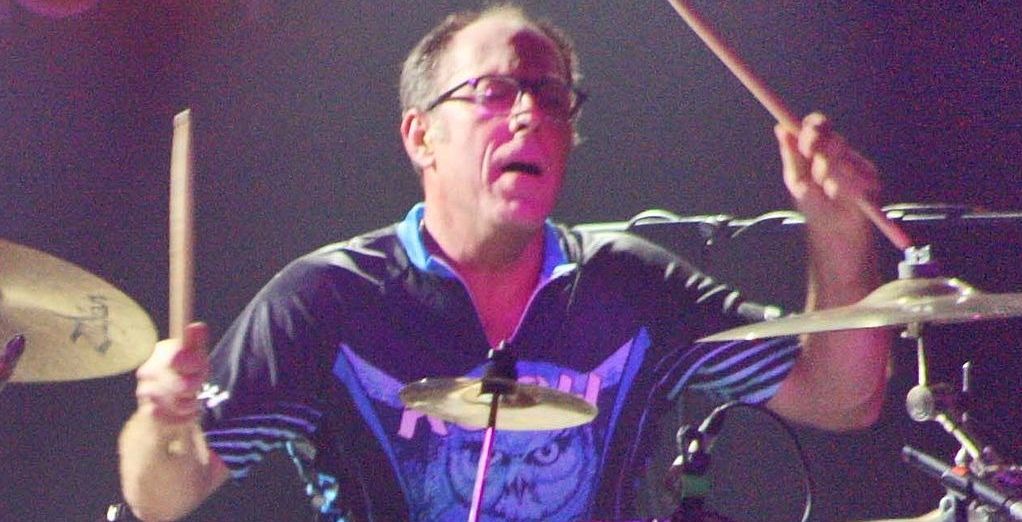
When the Pixies broke up in the ’90s, drummer David Lovering learned magic tricks. Not party tricks — serious illusions that combine science and wonder. He studied with real magicians and developed his own act called “The Scientific Phenomenalist.”
Today, Lovering often opens for his bandmates’ solo shows with magic instead of music. His tricks maintain the same quirky energy that made the Pixies special. Recent interviews reveal he still practices magic regularly, even while touring with the reunited band. Like the best Pixies songs, his illusions mess with your expectations in delightful ways.
3. Billy Corgan: Wrestling’s Unlikely Savior
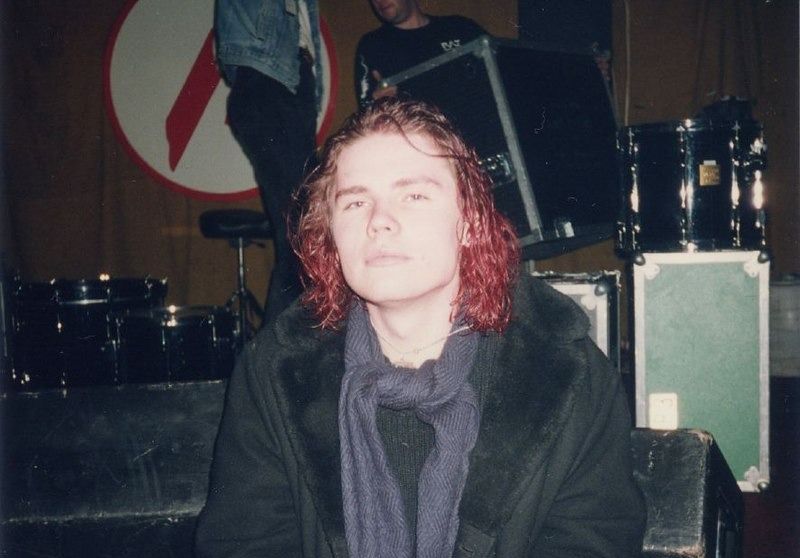
Wrestling fans know Billy Corgan bought the National Wrestling Alliance in 2017. But few realize how deep his commitment runs. The Smashing Pumpkins frontman doesn’t just own the company — he books matches, writes storylines, and appears on camera regularly. Since 2017, Billy Corgan revives NWA and has overseen its growth, introducing new programming and expanding its reach to a wider audience.
Since taking over, Corgan has rebuilt the NWA from near-death to renewed relevance. His “NWA Powerrr” show streams weekly, attracting both old-school fans and new viewers. In 2024, Corgan announced plans for a reality series about running the promotion. He treats wrestling like music: it’s all about the emotional journey.
2. Lenny Kravitz: The Rock Star of Interior Design
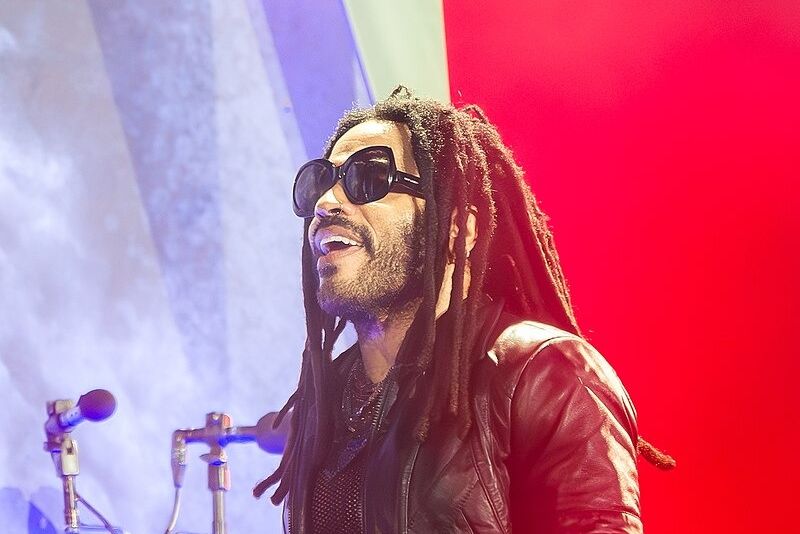
Kravitz Design isn’t just a celebrity side project. Since 2003, Lenny Kravitz has built a serious design empire. In 2023, Architectural Digest named him to their AD 100 list — the most important people in design and architecture. Lenny Kravitz interior design projects, such as his work at 75 Kenmare in Manhattan, showcase his unique approach to blending music and design.
Recent projects prove Kravitz’s vision. He designed the $38 million Stanley House, a stunning modern home that looks like his music sounds. He’s also worked on luxury hotels and even Queen Latifah’s talk show set. Kravitz approaches each space like writing a song, creating rooms with rhythm and soul that feel both intimate and bold.
1. Ringo Starr: The Beatle Who Built
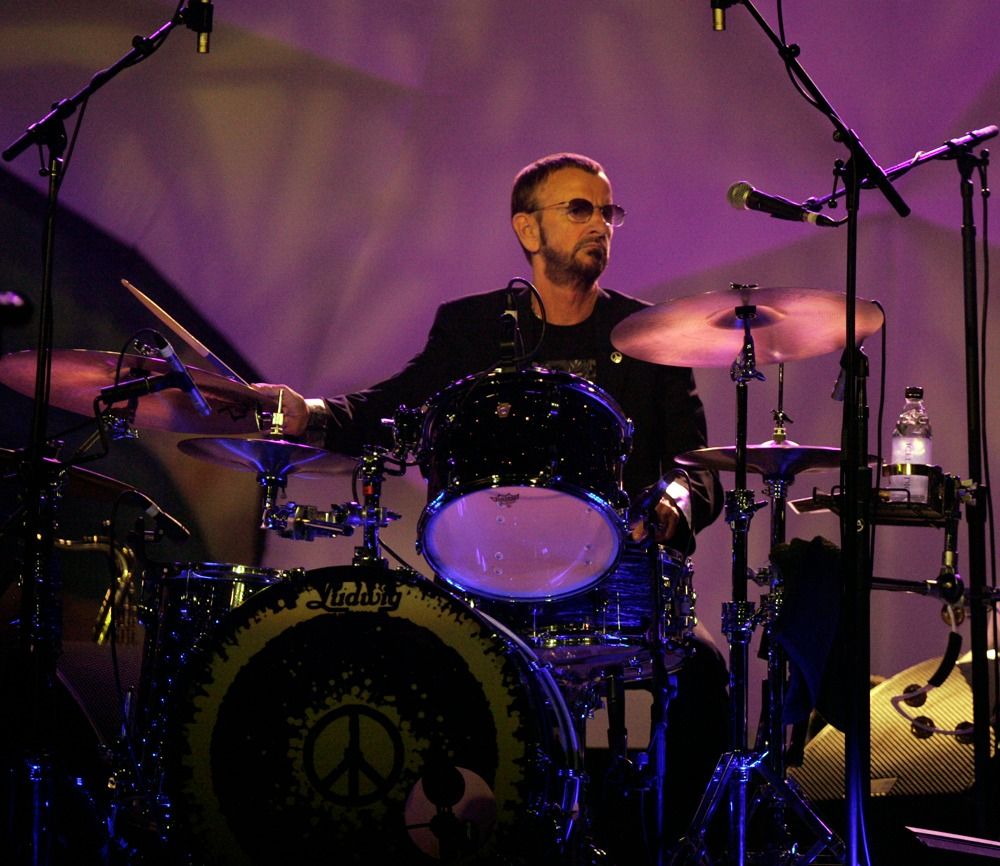
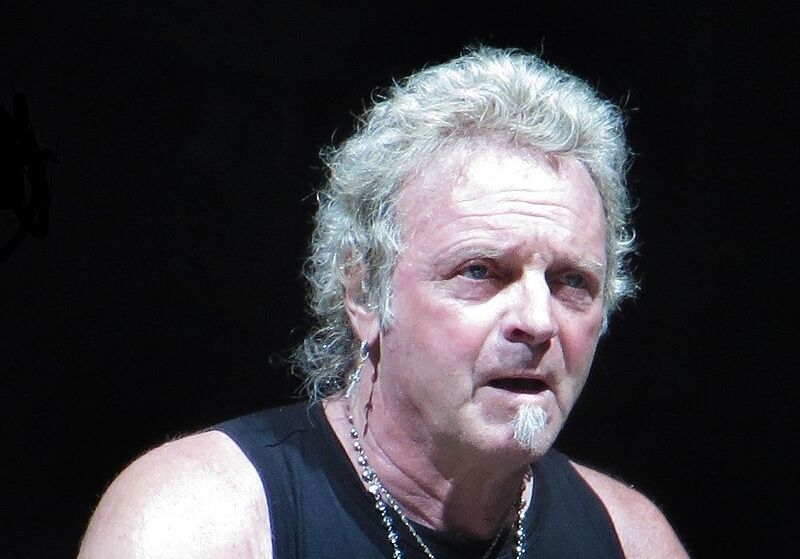
Aerosmith’s Joey Kramer opened a coffee shop in 2015. The Joey Kramer Rockin’ and Roastin’ Café in North Attleboro, Massachusetts served more than just caffeine — it became a local hangout where fans could experience Kramer’s taste in something other than drumbeats.
Unfortunately, running a café proved tougher than touring. The business closed in 2024, with Kramer citing the challenges of daily operations. But the venture wasn’t a failure — it showed Kramer’s commitment to quality and community. Now he’s back to focusing on music full-time, applying the same precision he brought to coffee roasting.















 - File:Pixies-2010.jpg, CC BY 2.0, https://commons.wikimedia.org/w/index.php?curid=26058340)