


The progressive rock legend’s delight over “I Have the Touch” landing in Marty Supreme reveals how overlooked catalog gems can find surprising second lives.
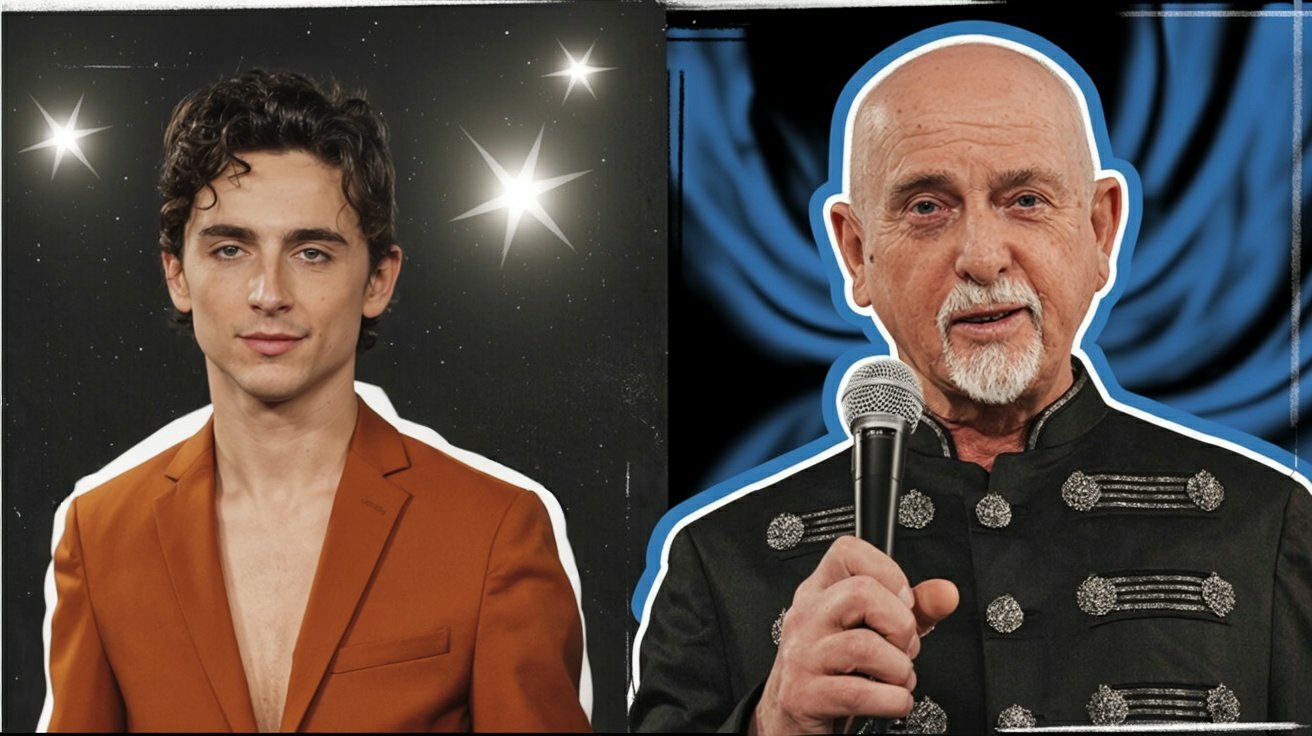
When Peter Gabriel heard that his 1982 track “I Have the Touch” made it onto the Marty Supreme soundtrack, his response carried the refreshing honesty of an artist who knows his own catalog’s commercial history. “The song is rarely asked out for a dance,” Gabriel admitted, expressing genuine delight that Josh Safdie’s table tennis film gave his overlooked gem a chance to shine.
A Deep Cut Gets Its Moment
Gabriel’s enthusiasm stems from more than professional courtesy. “I Have the Touch,” buried on his fourth solo album, lived in the shadow of “Shock the Monkey” for over four decades. While that album achieved commercial success, this particular track collected dust—until Timothée Chalamet started swinging paddles in 1950s New York.
Gabriel’s personal connection to table tennis added authenticity to his excitement. “We always have a table backstage for any of the crew or band to jump on [and play],” he noted, revealing how his crew maintains ping pong setups as standard practice.
Soundtracks That Break Time Rules
Director Josh Safdie crafted a soundtrack that ignores historical accuracy in favor of emotional resonance. The film opens with Tears For Fears and includes New Order alongside Gabriel, creating what critic Chris Evangelista called “a vibrant, thrilling aura.” This approach mirrors how memory actually works—your brain doesn’t separate experiences by decade.
Safdie understood that Chalamet’s ambitious table tennis champion needed music that matched his forward-thinking energy, not period-correct limitations.
When Artists Choose the Big Screen Experience
Despite receiving an Academy screener, Gabriel chose to wait for the theatrical experience during Christmas holidays. “We are waiting to see it on the big screen in the Christmas holiday,” he stated, demonstrating respect for cinematic art and genuine curiosity about how his music functions within Safdie’s vision.
With Marty Supreme earning three Golden Globe nominations, including Best Picture and Best Actor for Chalamet, Gabriel’s forgotten tracks joins company with awards season contenders. The placement represents something larger than soundtrack selection—it’s validation that even legendary artists‘ overlooked work can resurface decades later, finding new audiences through unexpected contexts.
Streaming algorithms can’t predict which deep cuts will eventually soundtrack someone else’s breakthrough moment.