



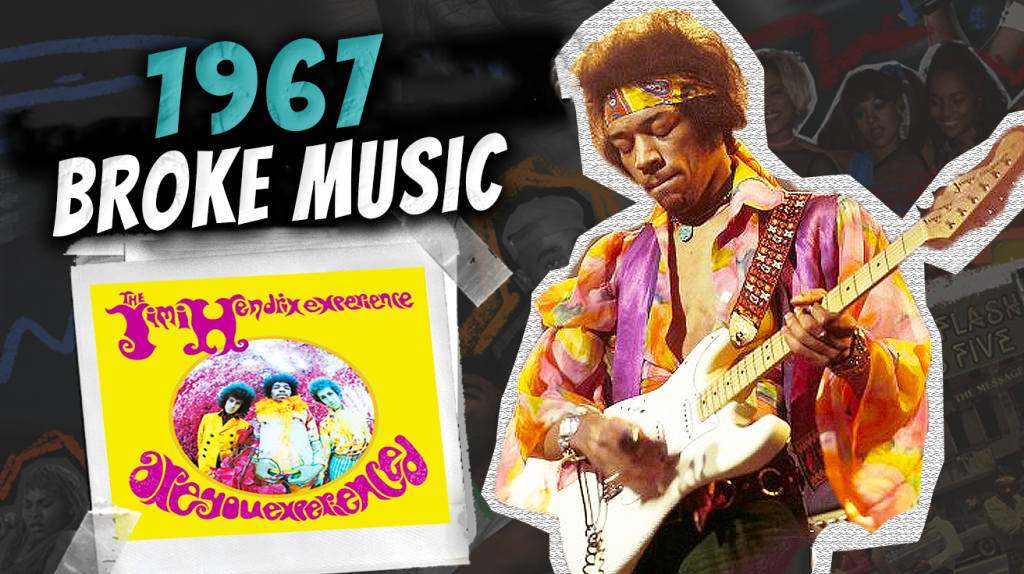
1967 delivered a sonic punch that rewrote the album’s rulebook. Forget the era’s flimsy singles-and-filler approach; a wave of LPs emerged that year, each a meticulously crafted universe. These records weren’t just collections of songs; they were immersive journeys, pushing studio boundaries and lyrical frontiers like a psychedelic remix of reality itself. These five albums represent the year’s defining sounds that continue to resonate decades later, offering a tangible transformation in your appreciation for 1960s rock.
5. Sgt. Pepper’s Lonely Hearts Club Band
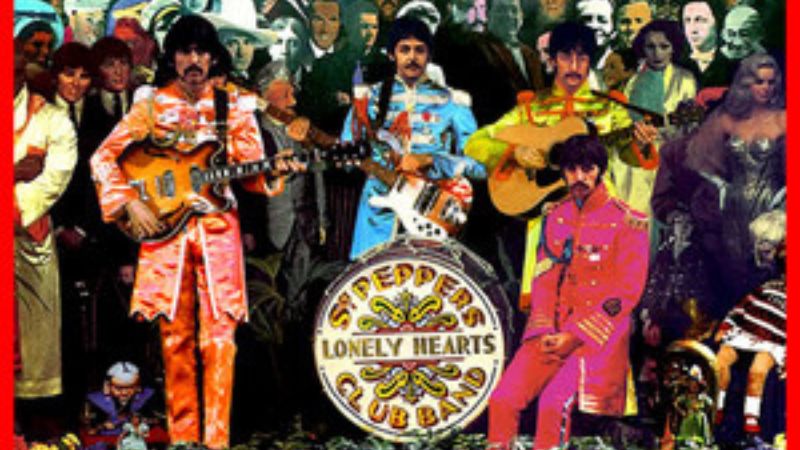
The Beatles transformed the recording studio into an instrument itself, proving that pop albums could be high art.
Released in the UK on June 1, 1967, Sgt. Pepper’s Lonely Hearts Club Band wasn’t just another album; it was a declaration of independence from the standard pop song structure. The Beatles transformed the recording studio into an instrument itself, employing techniques like multi-tracking and artificial double-tracking—methods that were brand new for the era. This 13-track conceptual masterpiece became a sonic landscape for the Summer of Love.
Tracks like “Lucy in the Sky with Diamonds” and “A Day in the Life” remain anthems, but the album’s true brilliance lies in its cohesive flow. For anyone who experienced music in the late ’60s, or who’s since delved into its layered genius, Sgt. Pepper’s redefined what an album could be, pushing the boundaries of psychedelic pop and rock further than anyone thought possible.
4. Surrealistic Pillow
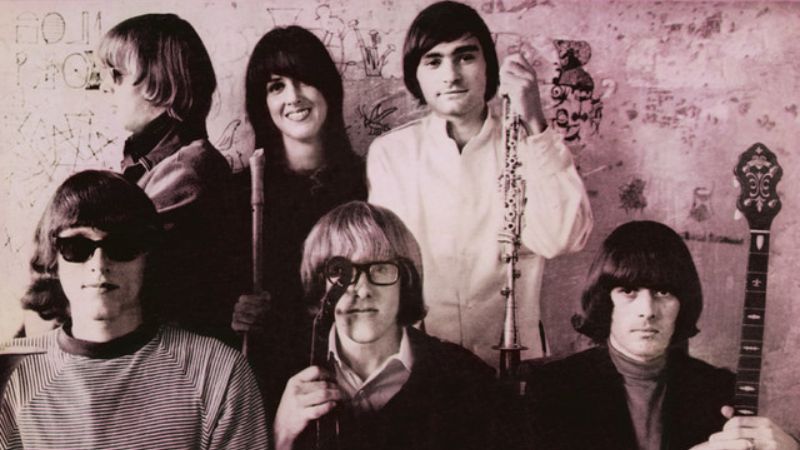
Grace Slick’s fiery debut turned mainstream radio into a vehicle for counterculture anthems.
Released February 1, 1967, Surrealistic Pillow became the sonic equivalent of tie-dye for the mainstream. This was Jefferson Airplane’s second studio album, and critically, it marked Grace Slick’s fiery debut with the band, injecting a vocal intensity that would define the San Francisco sound. Hits like “White Rabbit,” with its unsettling Alice in Wonderland-esque narrative, and the anthemic “Somebody to Love” weren’t just songs; they were the soundtrack to a generation questioning everything.
The album rocketed to No. 3 on the Billboard 200, proving that psychedelic rock could command serious commercial attention. It’s a vibrant sonic tapestry that absolutely nails the era’s rebellious spirit, solidifying its place in the psychedelic canon.
3. The Piper at the Gates of Dawn
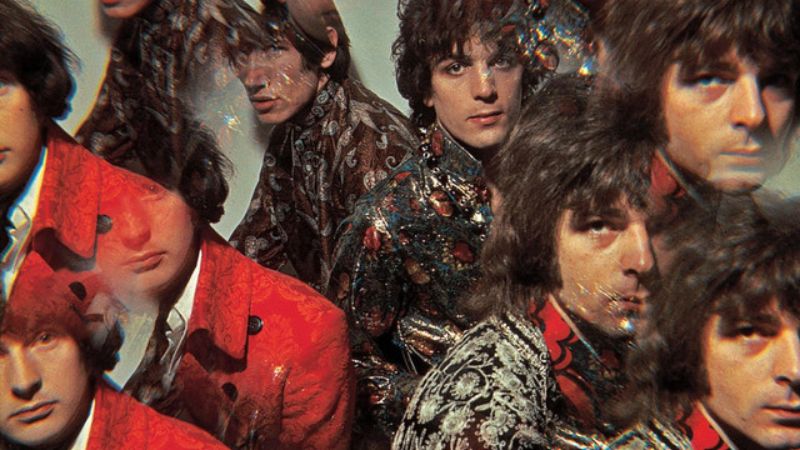
Syd Barrett’s cosmic whimsy proved that eccentricity could indeed climb the charts.
Released August 5, 1967, Pink Floyd’s debut album aimed to capture the cosmic and the whimsical. Recorded at Abbey Road Studios, the same hallowed ground that birthed The Beatles’ Sgt. Pepper, this album stands apart. Its 11 tracks weave psychedelic pop and rock into sonic tapestries inspired by Syd Barrett’s unique experiences. Tracks like “Astronomy Domine” and “Interstellar Overdrive” showcase Barrett’s singular, often playful, vision.
The UK version of the album peaked at No. 3 on the charts, a testament to its distinct appeal. It represents Barrett’s only full album contribution before his mental health struggles began to escalate. This record remains a groundbreaking collection, offering surreal soundscapes that still captivate listeners decades later.
2. Are You Experienced
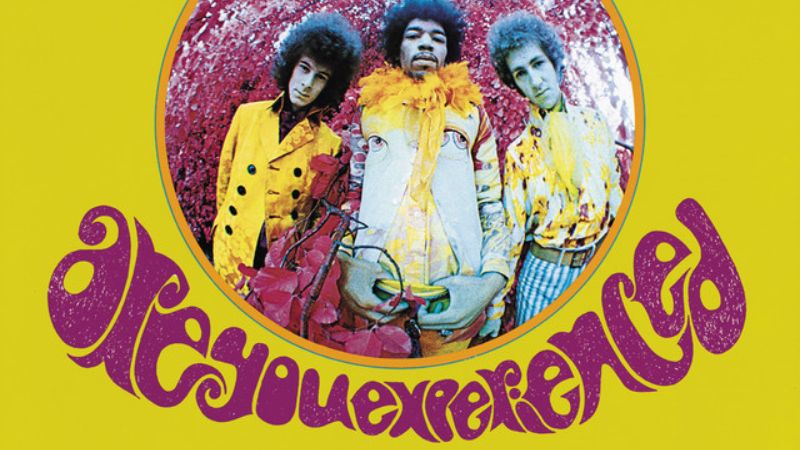
Hendrix treated his guitar like a wild animal, coaxing sounds that were previously unimaginable.
The Jimi Hendrix Experience’s debut album has sold over 18 million copies worldwide, a testament to its groundbreaking sound. Released in the UK on May 12, 1967, this blues-rock and acid-rock landmark redefined what a guitar could do. Hendrix, alongside bassist Noel Redding and drummer Mitch Mitchell, unleashed a torrent of innovation, mastering feedback, distortion, and the wah-wah pedal.
The US version, which landed later that year, expanded the tracklist to 17 songs, including classics like “Purple Haze” and “Foxey Lady,” solidifying its chart dominance on both sides of the Atlantic. Hendrix treated his guitar like a wild instrument, coaxing sounds from it that were previously unimaginable. It’s the kind of record that makes you understand why vinyl still holds a special place—the raw energy practically leaps out of the speakers.
1. John Wesley Harding
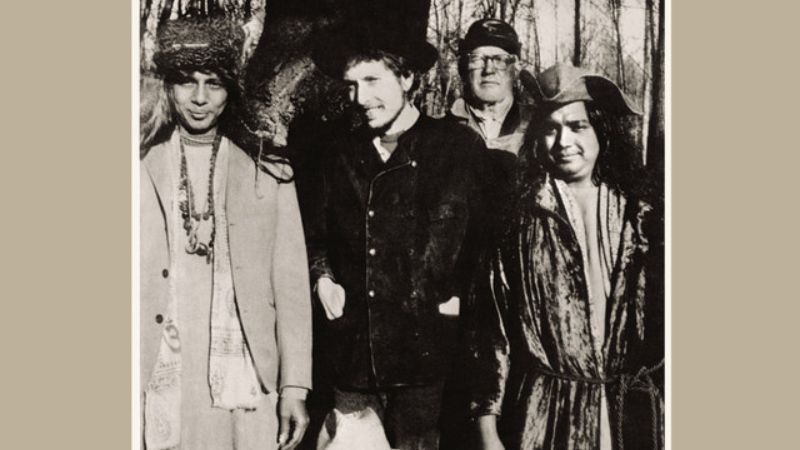
Dylan’s deliberate move away from psychedelic trends proved that stark acoustic honesty could still dominate the charts.
While the rest of the music world was tripping over itself in a kaleidoscopic haze, Bob Dylan pulled a hard left turn. Arriving on December 27, 1967, his eighth studio album ditched the psychedelic circus for something far more potent: stark, acoustic honesty. Recorded in Nashville, the album stripped itself down to the bare essentials – guitar, bass, drums, and harmonica – a deliberate middle finger to the era’s maximalist leanings.
John Wesley Harding shot up to No. 2 on the Billboard 200, a testament to its undeniable power. The record’s 12 tracks, including the iconic “All Along the Watchtower” that Jimi Hendrix later immortalized, stand as a perfect example of what happens when an artist trusts their gut over the hype machine. It’s a masterclass in how less can absolutely be more.