



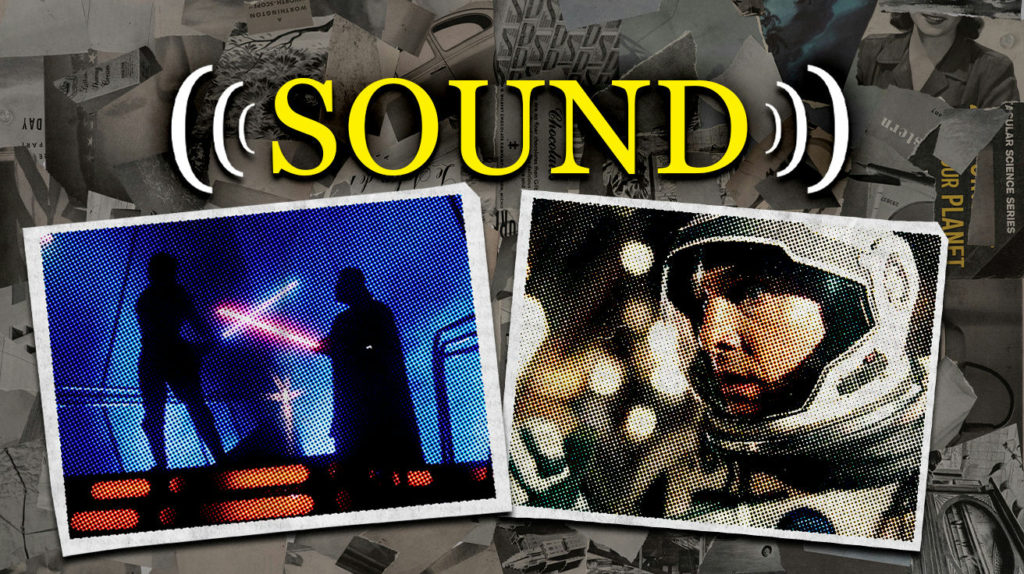
Have you ever closed your eyes during a movie and still felt scared? Sound shapes half of what we remember about films. Those footsteps, whispers, and musical swells actually control your emotions without you noticing. The creaking door in horror films and triumphant orchestras in adventures aren’t accidents. They’re carefully designed to manipulate how you feel.
Your brain processes these audio cues directly into emotional responses. Most viewers never consciously recognize this invisible influence. In this article, we give you a breakdown of how sound brings movies to life and why it’s an art form in itself.
10. The Art of Sound Effects
Nearly half of what you remember from movies comes through your ears, not your eyes. Sound effects provide texture and believability that pull you into the film’s world. This craft traces back to Jack Foley, who pioneered recording and syncing sounds separately.
Foley artists enhance everyday moments—footsteps on different surfaces, clothes rustling, doors opening. They also craft the extraordinary, from spaceship engines to dragon roars, creating soundtracks that kids and adults obsess over. It’s like cooking with invisible ingredients that everyone can taste but no one sees directly.
Watch “Mad Max: Fury Road” with your eyes closed for a minute. The engine roars, metal scraping, and sand storms tell their own story. Your brain fills in visuals from sound alone.
9. Capturing Dialogue on Set
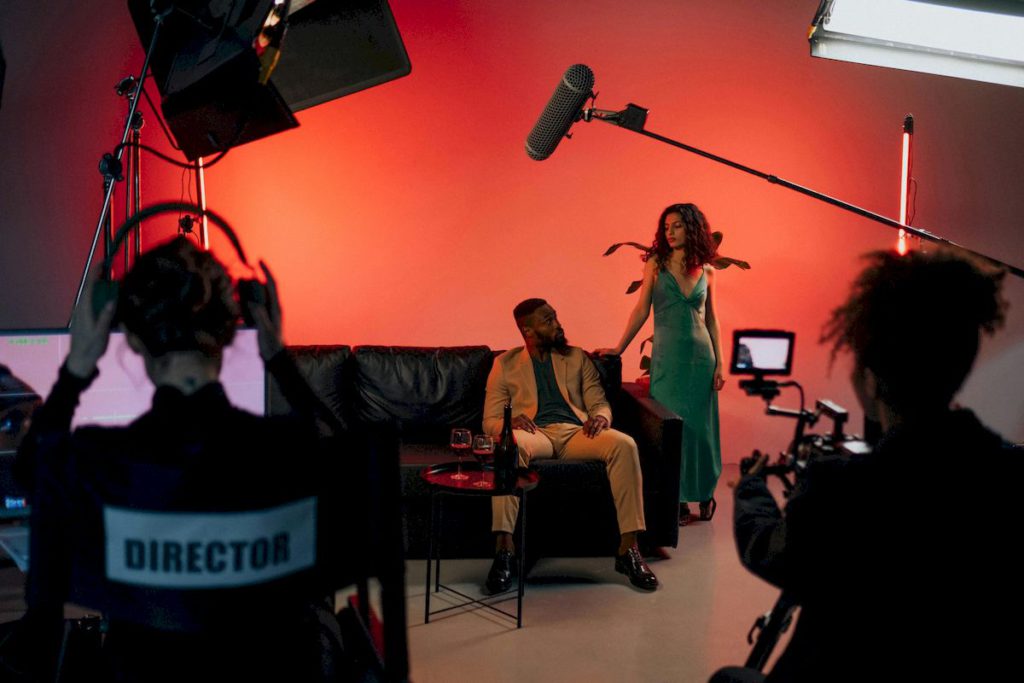
Background noise ruins more film takes than any other issue, but expert dialogue recording transforms muddled words into crystal-clear conversations. On-set sound recordists battle leaf blowers, air conditioners, and every other noise trying to ruin the perfect take.
While dialogue can be re-recorded later (ADR), it often loses the authentic energy of the original performance. That’s why sound recordists work magic to capture clean audio the first time. Their success determines whether you hear what characters say or reach for the subtitle button.
The team on “A Quiet Place” had the ironic challenge of recording near-silent performances. Every tiny sound—a breath, a footstep—needed perfect clarity while eliminating even the smallest background noises.
8. The Role of Music
When the hero finally kisses their love interest after two hours of will-they-won’t-they tension, music ensures you feel exactly what the director intended. A simple scene becomes heartbreaking, triumphant, or terrifying based solely on what’s playing underneath. That’s real power.
Platforms like Musicbed have changed the game for filmmakers at all levels. Finding the perfect track now means searching extensive libraries rather than hiring composers only big studios could afford. It’s like having a spice rack with every flavor imaginable when you used to have just salt and pepper.
Whether it’s subtle piano notes or a pumping electronic beat, music choices shape your entire emotional experience of a film.
7. The Emotional Power of Music in Film
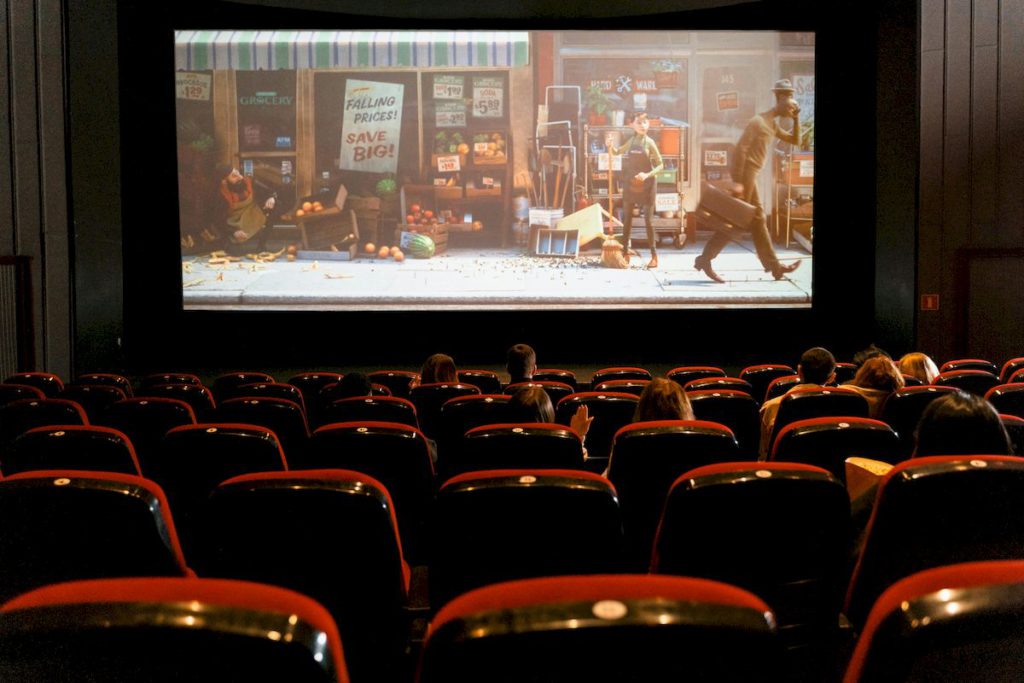
Music’s direct line to your emotional core transforms ordinary scenes into unforgettable moments without requiring a single word of dialogue. Your heart rate increases during chase scenes with pounding drums. You tear up when strings swell during emotional moments.
Filmmakers use this direct emotional pipeline to guide your feelings throughout the story. They’re essentially DJs for your mood, cueing up exactly what you should feel scene by scene. The right musical cue works like emotional shorthand.
Remember the shower scene in “Psycho“? Those screeching violins created more terror than any graphic violence could. Bernard Herrmann’s score made audiences feel the knife without showing the wounds.
6. Music as a Character
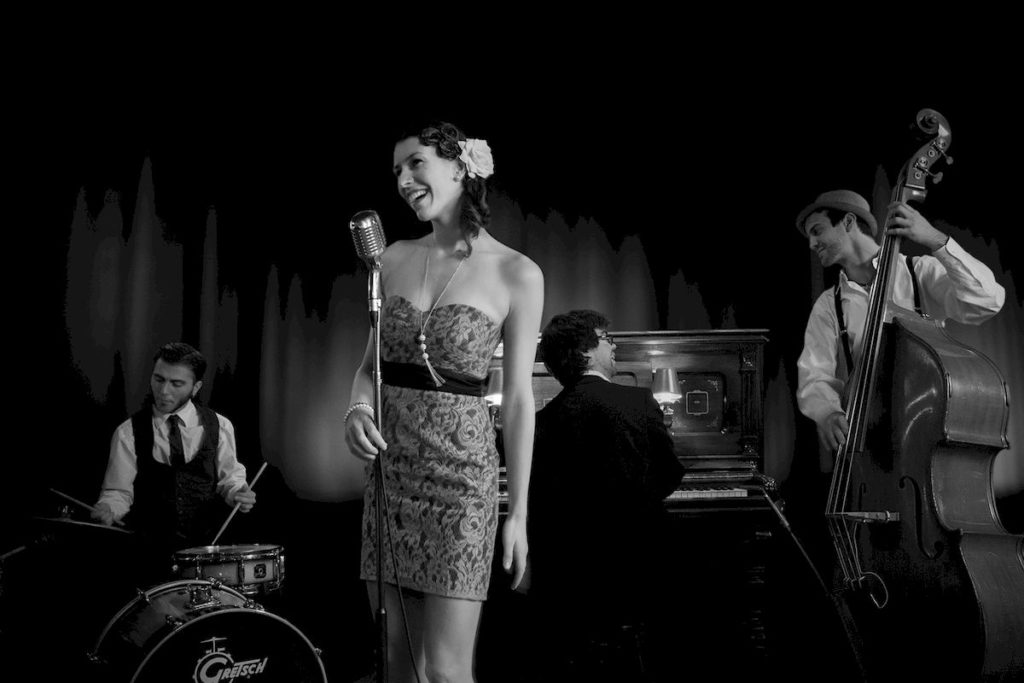
If you’ve ever hummed the ‘Imperial March’ when someone difficult enters a room, you’ve experienced how film music becomes a character in its own right. The shark in “Jaws” needed only two notes to announce its presence. Darth Vader’s theme tells you everything about his menace before he says a word.
These musical signatures stick in your head long after the movie ends. They function as audio logos for characters and moments. Hearing them immediately transports you back to specific scenes and emotions.
Great themes work like sonic fingerprints—instantly identifiable and impossible to duplicate. Try humming the “Indiana Jones” theme without picturing the adventure. (Bet you can’t do it.)
5. Integrating Music and Sound Effects for Maximum Impact

Sound integration creates the most powerful moments in cinema, yet audiences rarely consciously notice this technical wizardry. A gunshot punctuated by an orchestral hit. A car crash synchronized with a musical climax. A whispered line delivered in sudden silence.
These sonic intersections elevate scenes beyond what either element could achieve alone. The combination creates something that resonates in your bones. It’s like cooking where timing matters as much as ingredients—everything must come together at precisely the right moment.
When done well, you don’t even notice the technical achievement. You just feel the impact.
4. Building Atmosphere with Soundscapes
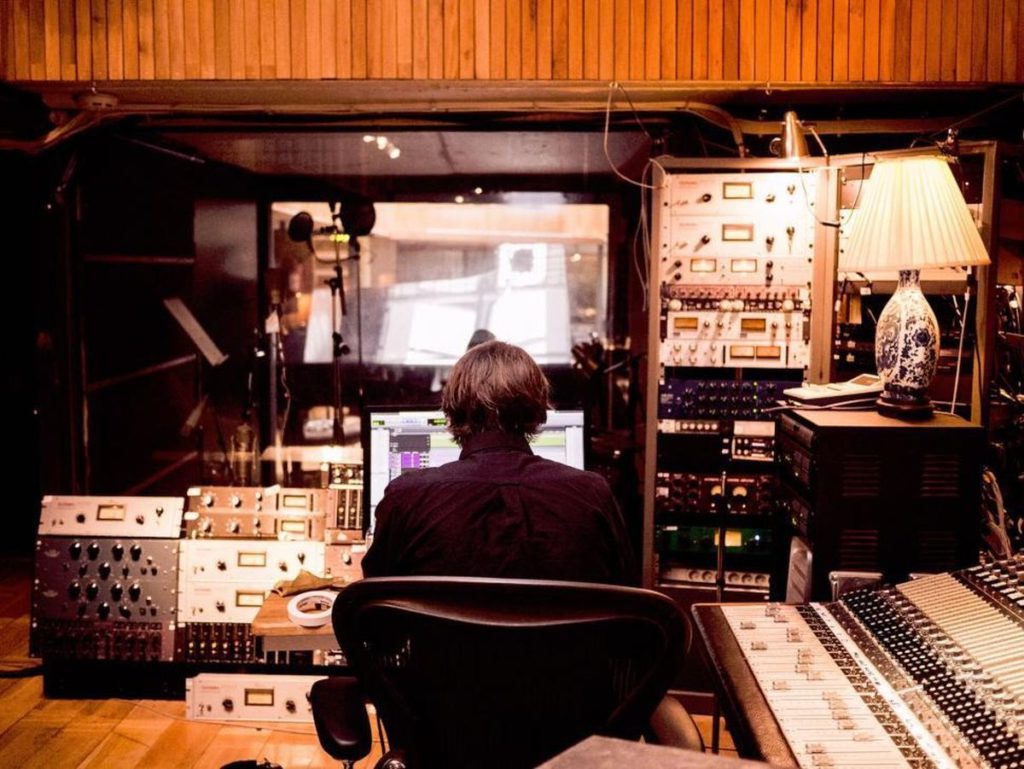
Walking alone through a dark forest becomes terrifying or magical depending entirely on the soundscape a designer creates. Horror films build dread through subtle creaks, distant whispers, and unsettling tones long before any monster appears.
Action films layer engine noises, explosions, debris falling, and pulsing scores to create controlled chaos that heightens excitement. The soundscape transforms what you see into something you can almost physically feel. All those audio elements combine like weather patterns to create a complete environment.
The opening beach landing in “Saving Private Ryan” created such an intense sonic experience that veterans with PTSD had to leave theaters. The chaotic, disorienting soundscape put audiences directly into the horrors of war.
3. Editing Sound for Emotional Impact
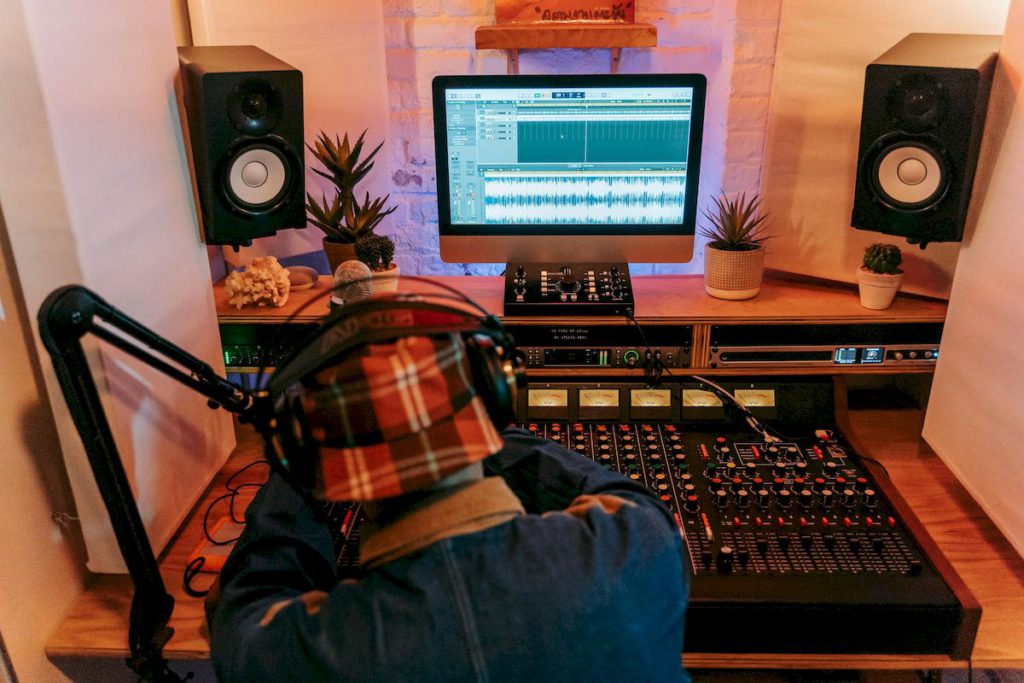
Disjointed audio elements can destroy audience immersion, but skilled sound editing seamlessly blends hundreds of separate recordings into one cohesive experience. This transformation happens in dark rooms where editors obsess over milliseconds of timing and subtle volume adjustments.
Sound editors synchronize hundreds of audio elements into one cohesive experience. They decide when you need to hear a heartbeat, when music should swell, and when silence creates the most tension. Their craft resembles architectural design—building structures that support the story while remaining largely invisible.
Every decision shapes how you respond to what happens on screen. The wrong sound at the wrong moment breaks the spell. The right sound at the right moment makes movie magic.
2. Iconic Film Scores and Their Legacy
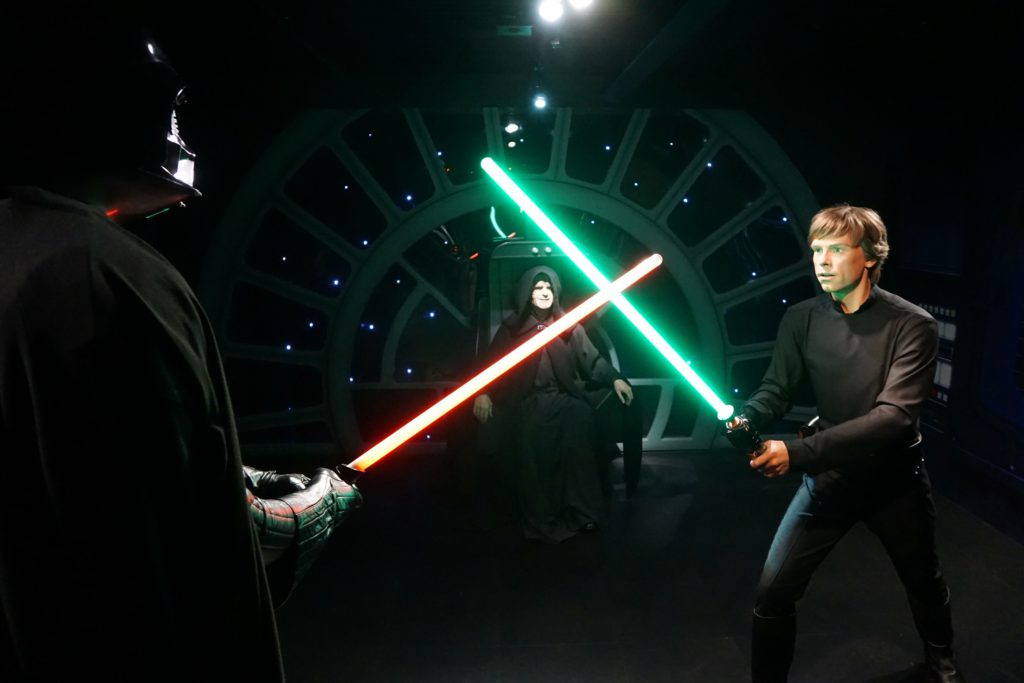
Iconic scores provide instant emotional shorthand, allowing a simple musical phrase to trigger complex feelings decades after a film’s release. The “Imperial March” from Star Wars. The haunting theme from “Halloween.” The noble fanfare from “Superman.”
These compositions do more than support their films—they define eras of cinema. They influence how future scores sound and how audiences expect to feel during similar moments. Some become so recognizable they function as emotional shortcuts across completely different contexts.
Hans Zimmer’s “BRAAAM” sound from “Inception” became so iconic that for years afterward, every action movie trailer seemed legally required to include it. (Seriously, it was everywhere.)
1. Wrapping It All Together
Behind every tear you’ve shed or jump you’ve experienced in a theater lurks the masterful manipulation of sound. From precisely captured dialogue to carefully crafted effects to emotionally perfect music, each sonic element adds depth to storytelling.
For filmmakers, understanding sound’s power isn’t optional—it’s essential. Even the most visually stunning movie falls flat with poor sound. Meanwhile, sometimes closing your eyes during a scene reveals how much of the story lives in what you hear.
Sound design balances technical precision with emotional intuition. When both align perfectly, the audience feels everything without noticing the technique—like being guided through a dark room by someone who knows exactly where all the furniture is.