



Jazz has a heartbeat. It swings. Today’s producers sample swing into trap beats. But nothing beats hearing these standards through good headphones. Skip $300 audiophile gear. These ten songs sound great through $80 Audio-Technica ATH-M40x headphones. Save money for vinyl that matters.
10. Autumn Leaves
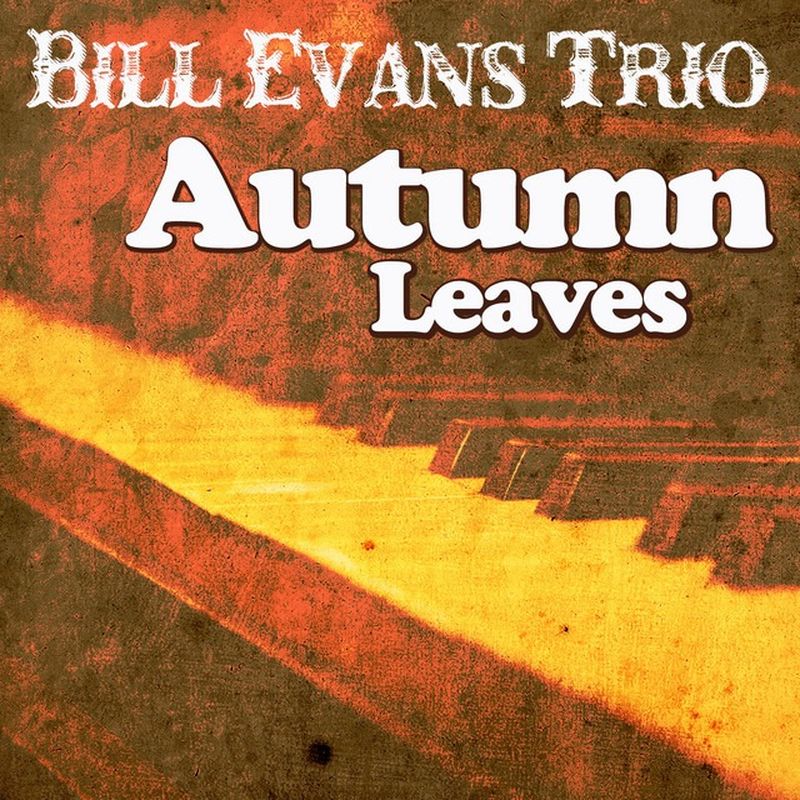
Joseph Kosma wrote this in France in 1945. Johnny Mercer added English words later. The chord pattern pulls you back every time. Bill Evans recorded it in 1959. He turned cocktail music into deep art. Good headphones show how his left hand fights the melody. That tension is swing’s secret. Skip Michael Bublé’s fake version.
9. Fly Me to the Moon
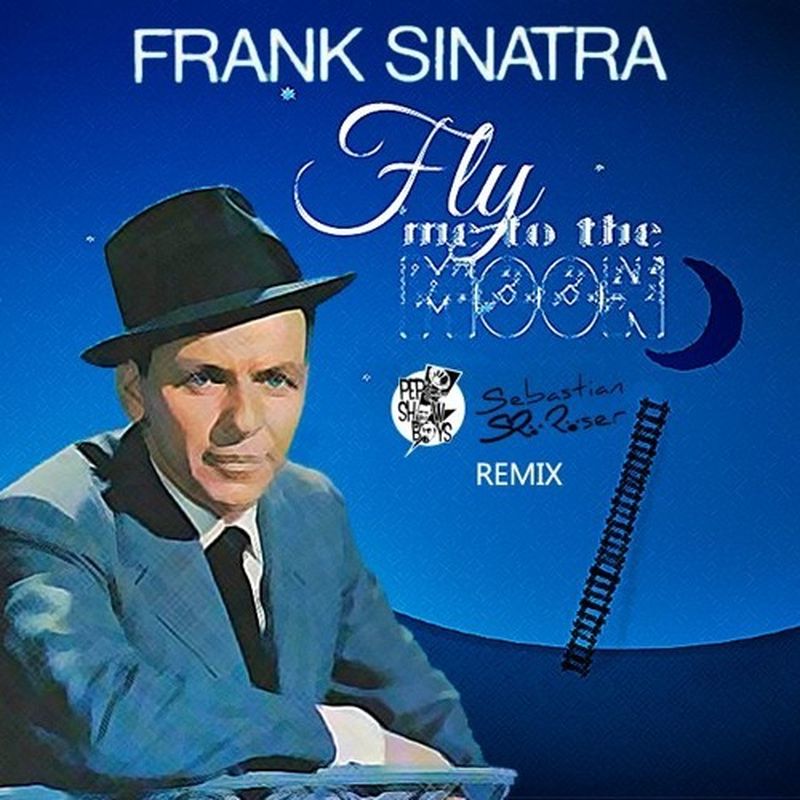
Bart Howard wrote this in 1954. Yes, in 4/4 time. The waltz myth needs to die. Sinatra recorded it with Count Basie in 1964. America was obsessed with space then. Listen to the bass line. It drives everything forward. The song is like strong building blocks. Masters keep rebuilding it. NASA played it during Apollo 11. Good swing travels anywhere.
8. All of Me
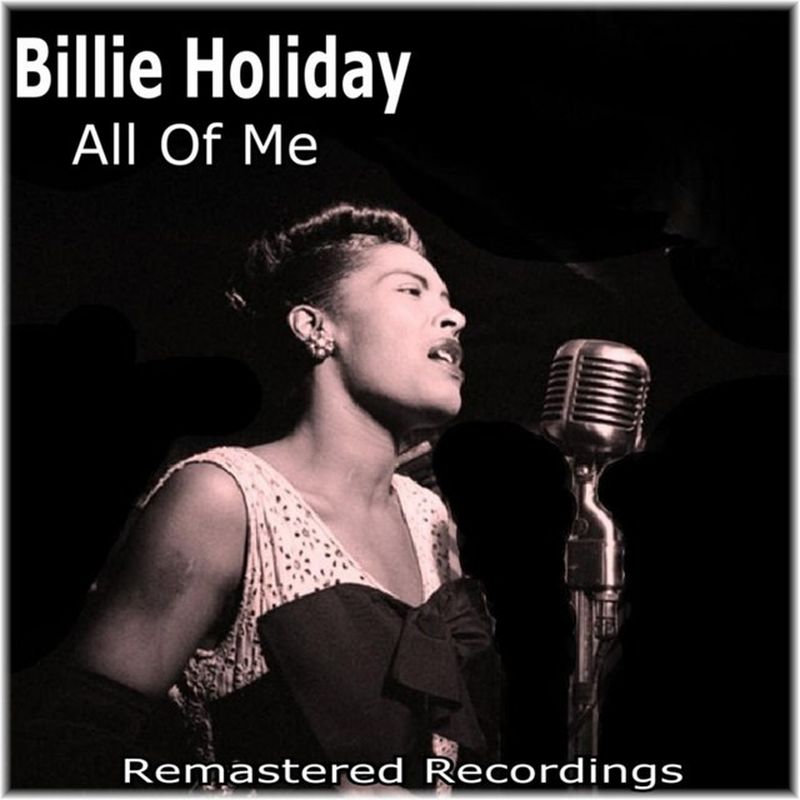
Gerald Marks and Seymour Simons wrote this in 1931. The chords are simple but smart. New players get it fast. Masters find endless ways to change it up. Billie Holiday recorded it in 1941. She found the pain under the happy tune. Louis Armstrong found the fun in it. One song. Many moods. All in 32 bars that feel like home.
7. The Way You Look Tonight
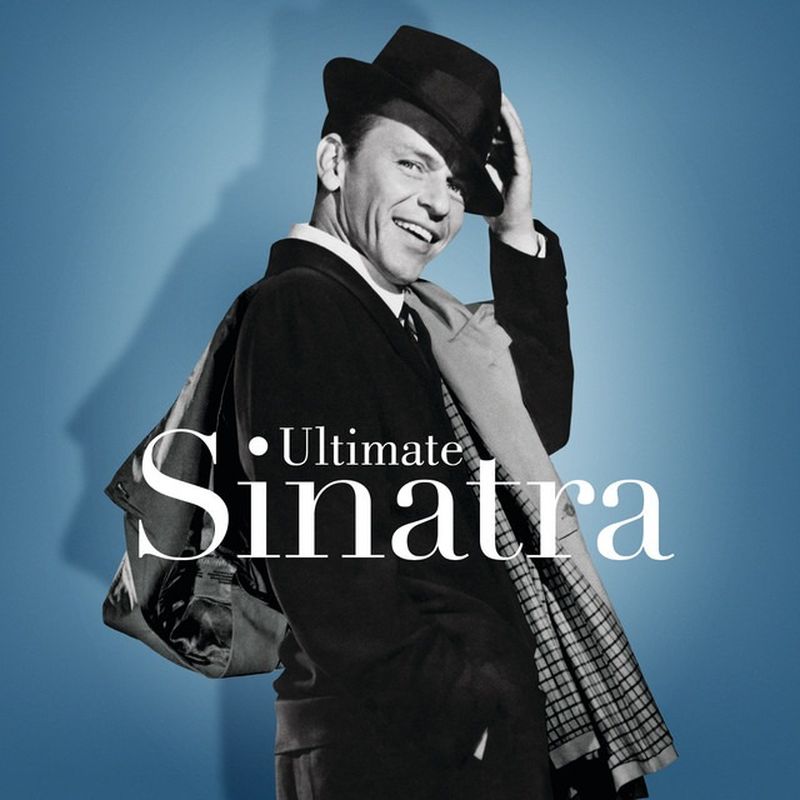
Jerome Kern and Dorothy Fields wrote this for a 1936 movie. Sinatra recorded it with Nelson Riddle in 1964. He made romance feel real and timeless. Bill Charlap plays it without words. You hear the smart writing under the sweet lyrics. The tune builds up then comes down. It feels just right. You can play it many ways and it still works.
6. Don’t Get Around Much Anymore
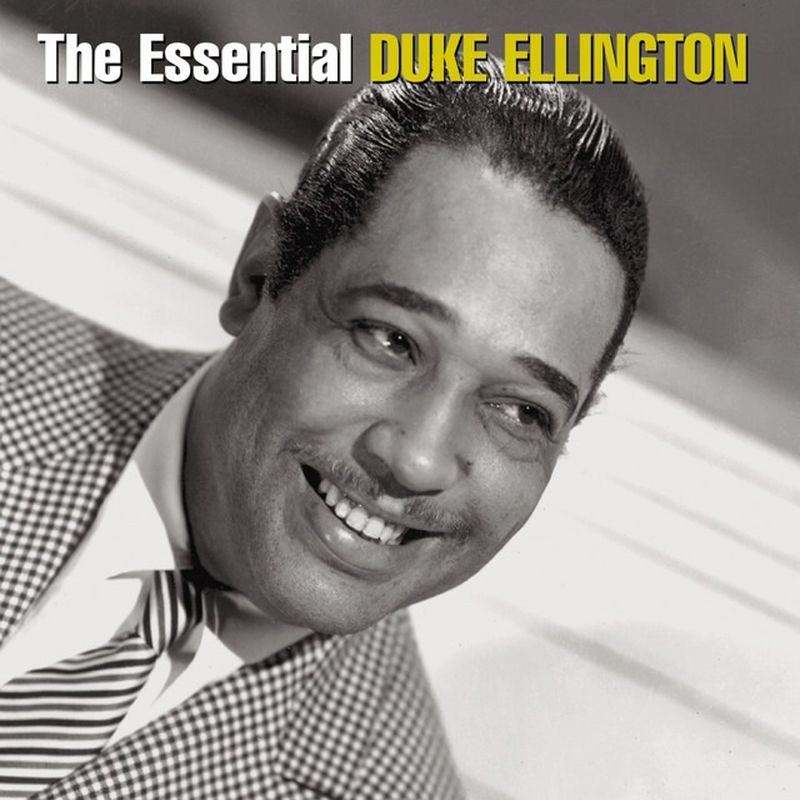
Duke Ellington wrote the music in 1939. Bob Russell added words in 1942. Happy tune, sad words. That mix keeps people coming back. Ella Fitzgerald made it swing hard. Michael Bublé made it work today. The opening riff says hello to everyone. This song proves swing can make heartbreak feel okay.
5. In a Mellow Tone
Ellington built this on “Rose Room” in 1939. Milt Gabler added words. It hits like strong coffee. Pure energy with class. Oscar Peterson shows how swing moves your mood. The rhythm pushes you forward. You can’t sit still. Ellington made this to fight sadness. It still works today.
4. Heart and Soul
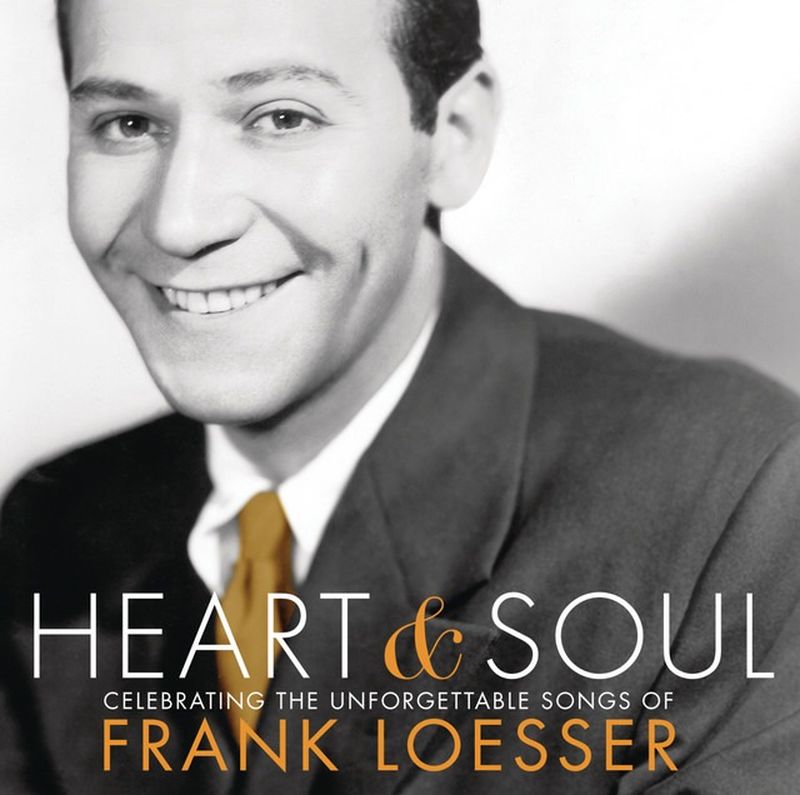
Hoagy Carmichael and Frank Loesser wrote this in 1938. Kids learn it on piano. But the middle part is really smart. It uses fancy chord moves. Kids play the tune. Pros study the structure. Slow and it sounds romantic. Fast and it swings hard. Few songs work both ways so well.
3. It Had to Be You
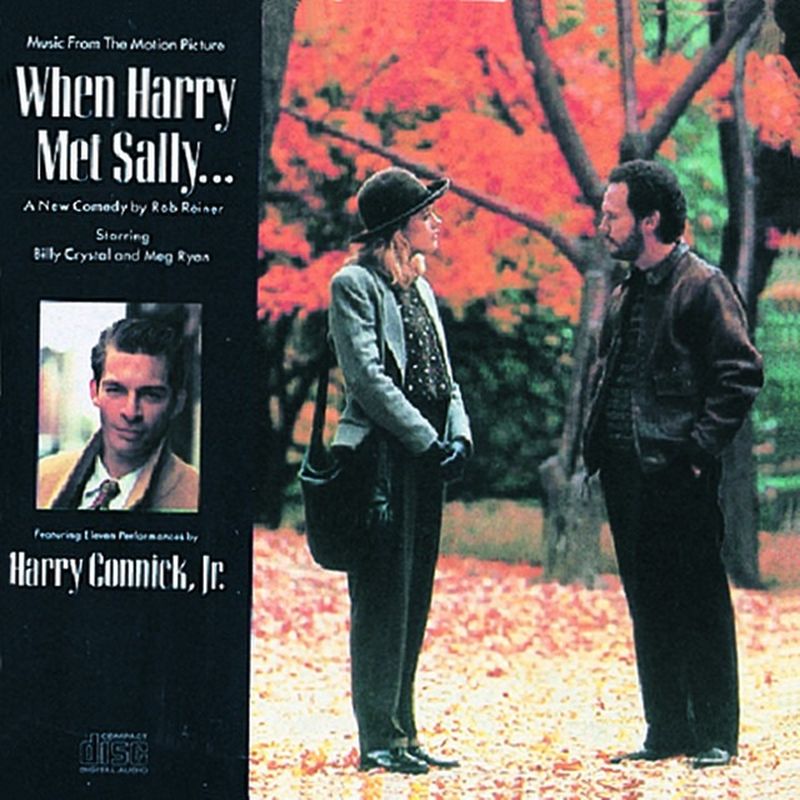
Isham Jones and Gus Kahn wrote this in 1924. Harry Connick Jr. made it famous again in 1989. The movie was “When Harry Met Sally.” Old song, new fans. The words talk about fate in love. The tune moves forward with confidence. This song shows swing works for many moods. City romance or deep feelings. The player picks the mood.
2. Blue Skies
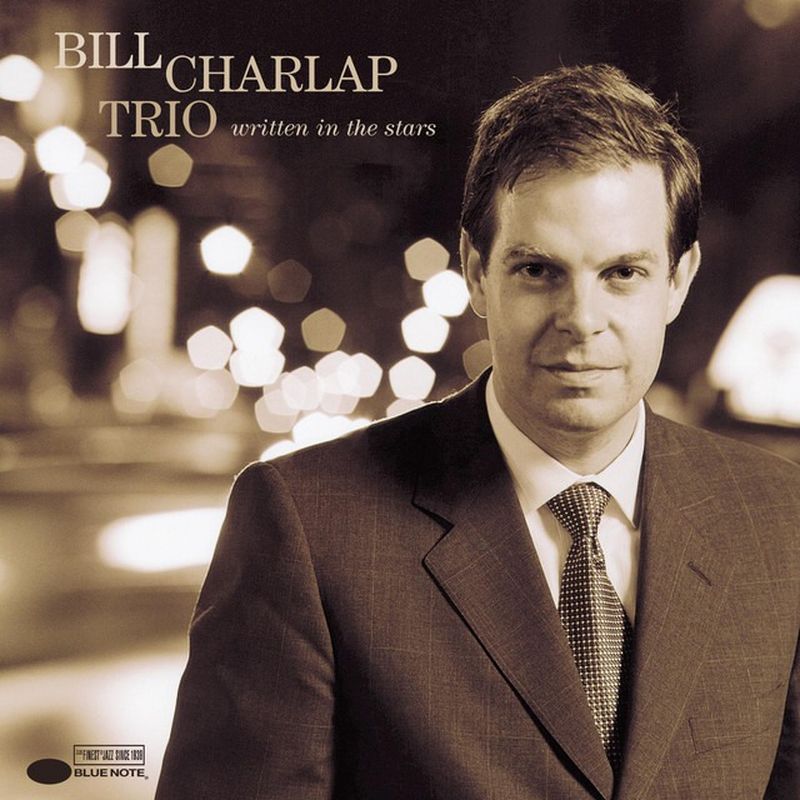
Irving Berlin wrote this in 1926. Sounds happy and simple. But the chords are really smart. The tune builds tension then lets it go. Very satisfying. Bill Charlap plays it today. You hear the clever writing Berlin hid. Easy for regular people to like. Deep enough for musicians to explore. Like a good book that works for everyone.
1. Blue Moon
Rodgers and Hart wrote this in 1934. It changed from ballad to swing to doo-wop. Like a song that keeps changing clothes. The tune is strong enough for anything.
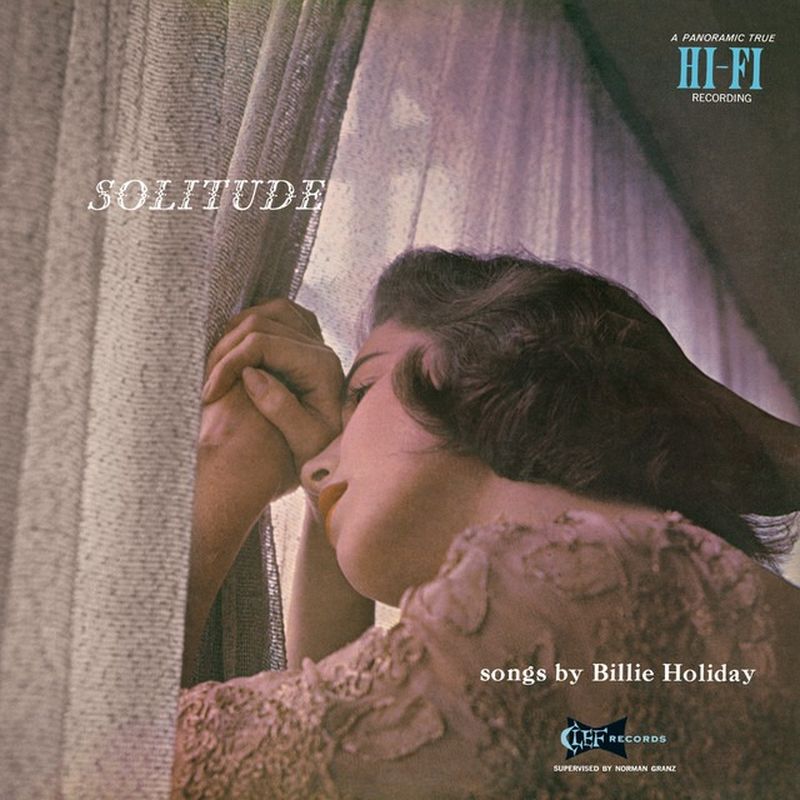
Billie Holiday made it sad. Wynton Kelly made it swing. The song adapts to any style. Good rhythm sections can make it dreamy or driving. That’s what makes great songs last.