



Television executives in the 1970s operated like record producers chasing the next hit single. They spotted successful shows and immediately started planning franchise extensions. Networks believed any beloved character could anchor their own series. This strategy backfired spectacularly while hits like All in the Family and Happy Days dominated primetime. Most spinoffs crashed harder than a garage band’s debut album. These failures teach us about creative risk-taking and audience loyalty. You can’t manufacture magic by simply moving characters to new settings. The following disasters prove that sometimes the remix destroys the original song.
12. Hello, Larry
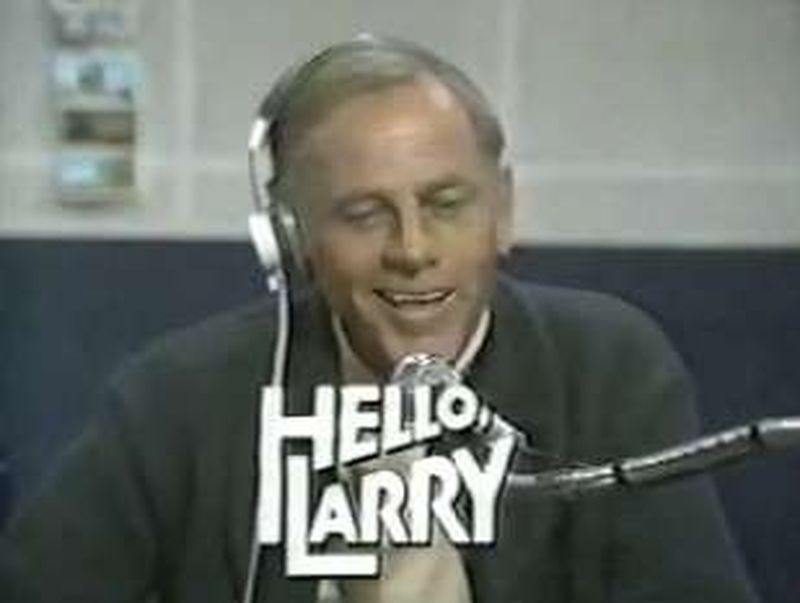
McLean Stevenson left M*A*S*H hoping to strike gold with his own sitcom while the original show continued dominating ratings. Hello, Larry cast him as a Portland radio host dispensing advice while failing to manage his teenage daughters. The show became Johnny Carson‘s favorite punchline on The Tonight Show.
Carson regularly mocked its awkward moments and stilted dialogue during his monologues. Desperate producers engineered bizarre crossovers with Diff’rent Strokes, pulling 23.9 million viewers for the original show. The Drummonds inexplicably visited Portland for ratings-grabbing episodes. These forced connections felt like watching your favorite band collaborate with elevator music.
11. Phyllis
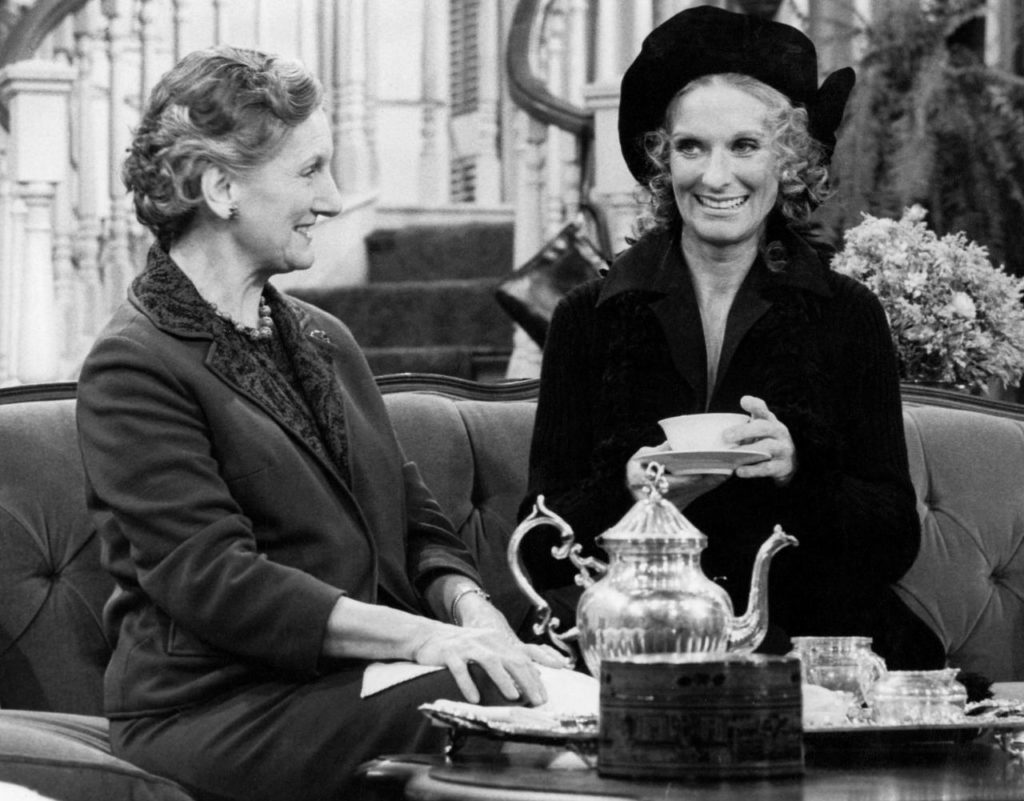
Cloris Leachman’s narcissistic landlady worked perfectly as Mary Tyler Moore’s foil while the original show dominated Saturday nights with 25 million viewers. Phyllis Lindstrom balanced Mary’s sweetness with self-centered commentary. Producers thought audiences would embrace her as a lead character during television’s golden age.
Real tragedy struck when three cast members died during production. Barbara Colby, Judith Lowry, and Burt Mustin passed away during the show’s brief run. The series became overshadowed by genuine sadness. Phyllis’s relentless self-absorption exhausted viewers without Mary’s charm to provide balance, like a guitar solo that never finds its way back to the melody.
10. Logan’s Run
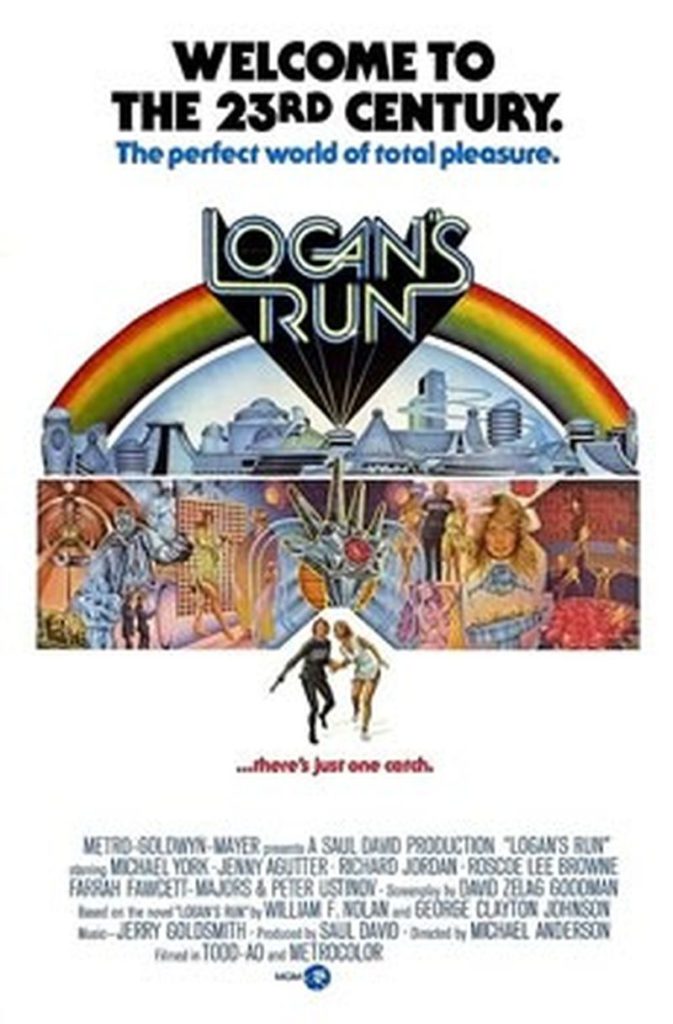
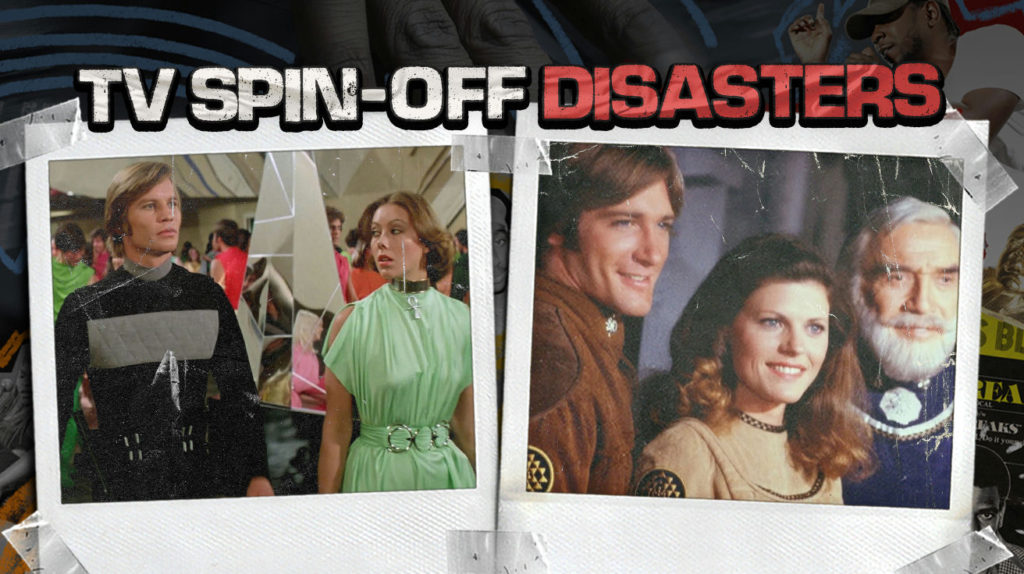
The 1976 film presented a chilling future where everyone dies at 30, earning $25 million at the box office. CBS adapted this concept into a weekly series that died after 14 episodes while Star Wars was revolutionizing science fiction. Logan and Jessica fled their domed city each week, encountering bizarre civilizations across the galaxy.
Budget constraints transformed the film’s stunning visuals into bargain basement sci-fi. Recycled props and costumes became standard operating procedure. The “Civilization of the Week” format grew predictable faster than a three-chord progression, delivering the same story beats week after week.
9. Mrs. Columbo/Kate Loves a Mystery
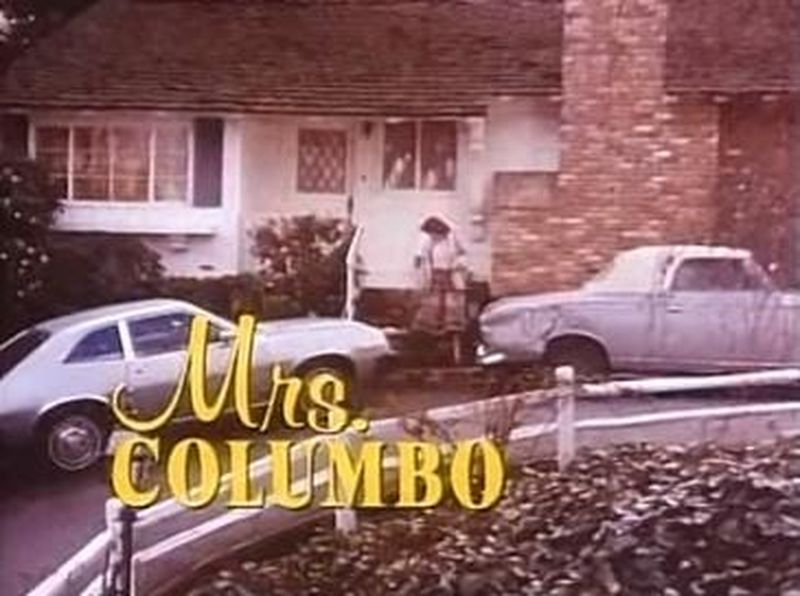
Peter Falk’s rumpled detective frequently mentioned his unseen wife, sparking viewer imagination while Columbo drew 30 million viewers per episode. Casting Kate Mulgrew as a 20-something journalist solving crimes betrayed everything Columbo established during mystery television’s golden era. The detective described his wife as middle-aged with gray hair throughout the original series.
Viewer outrage forced producers to rename the show Kate Loves a Mystery. They pretended she was divorced or a completely different Mrs. Columbo altogether. Peter Falk himself refused to mention his wife in future Columbo episodes, like a songwriter removing a beloved lyric after fans revolt.
8. Fish
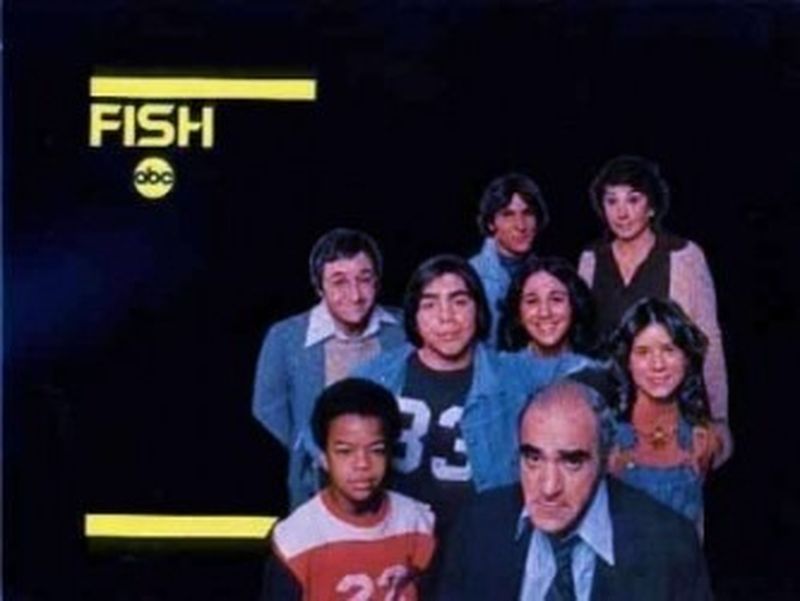
Abe Vigoda’s deadpan Detective Phil Fish shone on Barney Miller while the original show was winning Emmy nominations. Producers moved this cantankerous detective from the precinct to foster care duty. Fish became a caretaker for five troubled kids in this family-oriented spinoff.
Fish’s cynicism seemed concerning when aimed at children rather than criminals. The character lost his appeal without the ensemble cast to bounce comedic timing off. His humor worked best in the squad room, not the family room, like a bass player trying to front their own acoustic set.
7. Galactica 1980
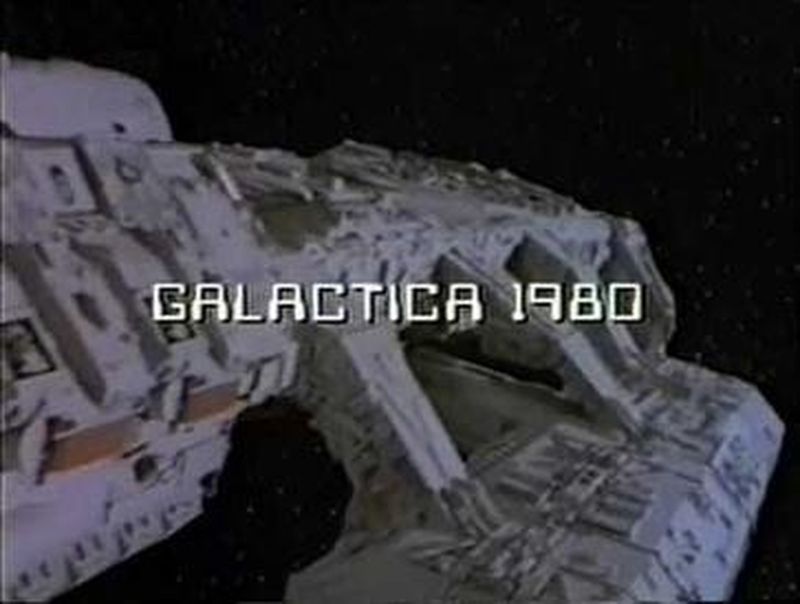
Battlestar Galactica wowed audiences with stunning space battles and menacing robot Cylons. This sequel saw the fleet reaching Earth in a budget-slashing disaster that felt like watching a platinum album get remixed into elevator music. Viewers expected grand space opera but got flying motorcycles and kids with superpowers instead.
Most scenes took place on present-day Earth to save production costs. The Cylons barely appeared in their own franchise continuation. Budget cuts relegated the series to earthly antics instead of galactic adventures. Galactica 1980 felt like a cowboy movie set on a trampoline rather than legitimate science fiction.
6. The Ropers
Stanley and Helen Roper provided comic gold on Three’s Company with their constant marriage bickering while the original show drew 20 million viewers weekly. The spinoff moved them to an upscale neighborhood where Stanley’s working-class ways clashed with Helen’s social climbing ambitions. This one-note concept couldn’t sustain 30 minutes weekly.
The couple’s constant arguing became tiresome without Jack Tripper’s antics to comment on. Their relationship dynamics worked better as supporting elements in the original show, like a rhythm section that sounds hollow without the lead vocals. The series lasted two seasons before proving that some characters function best in limited doses.
5. Delta House
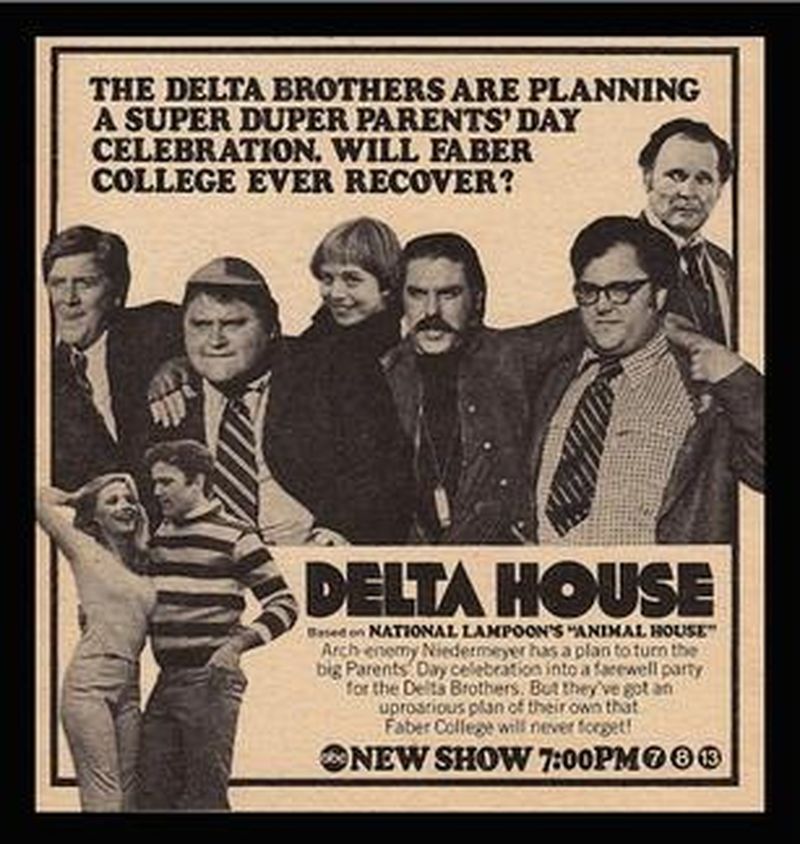
Animal House dominated box offices with wild college humor and John Belushi’s outrageous performance, earning over $141 million worldwide. The sanitized TV version traded edge for network-friendly content during television’s family hour restrictions. Delta House replaced Belushi with a blander character named Blotto for family television.
Viewers got high jinks tame enough for a church social gathering. The adaptation felt like a punk rock anthem turned into a children’s lullaby. Network censorship stripped away everything that made the original film memorable. Delta House was expelled after 13 episodes, proving that watered-down adaptations rarely succeed.
4. Tabitha
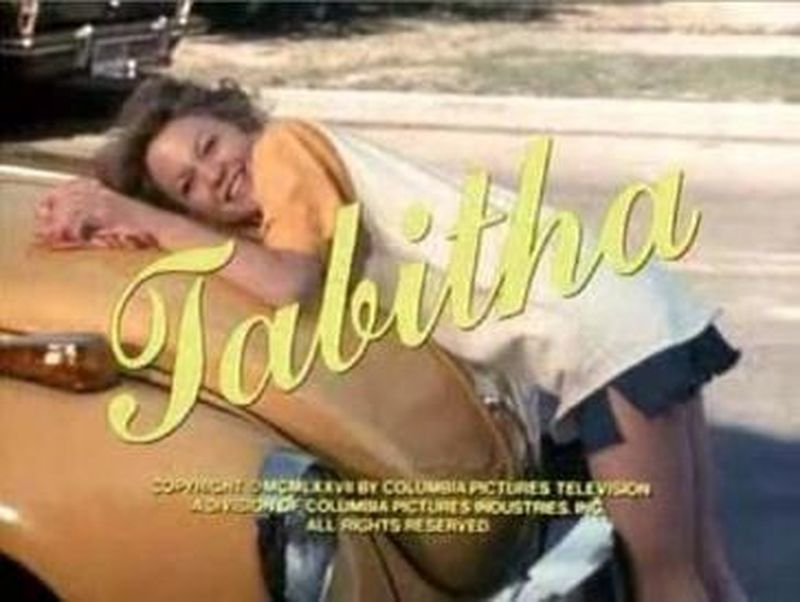
Bewitched enchanted audiences for eight seasons with suburban witchcraft and nose-twitching magic, averaging 25 million viewers during its peak. This spinoff focused on their daughter, now grown up and working at a TV station. Tabitha used the same magical premise with a twisted timeline that aged characters inconsistently.
Tabitha aged 20 years while other characters stayed relatively young. Adam, her younger brother, was suddenly older in the new continuity. Lisa Hartman played the character with charm but lacked the original cast’s established chemistry, like a cover band missing the lead singer’s distinctive voice.
3. Mr. T and Tina
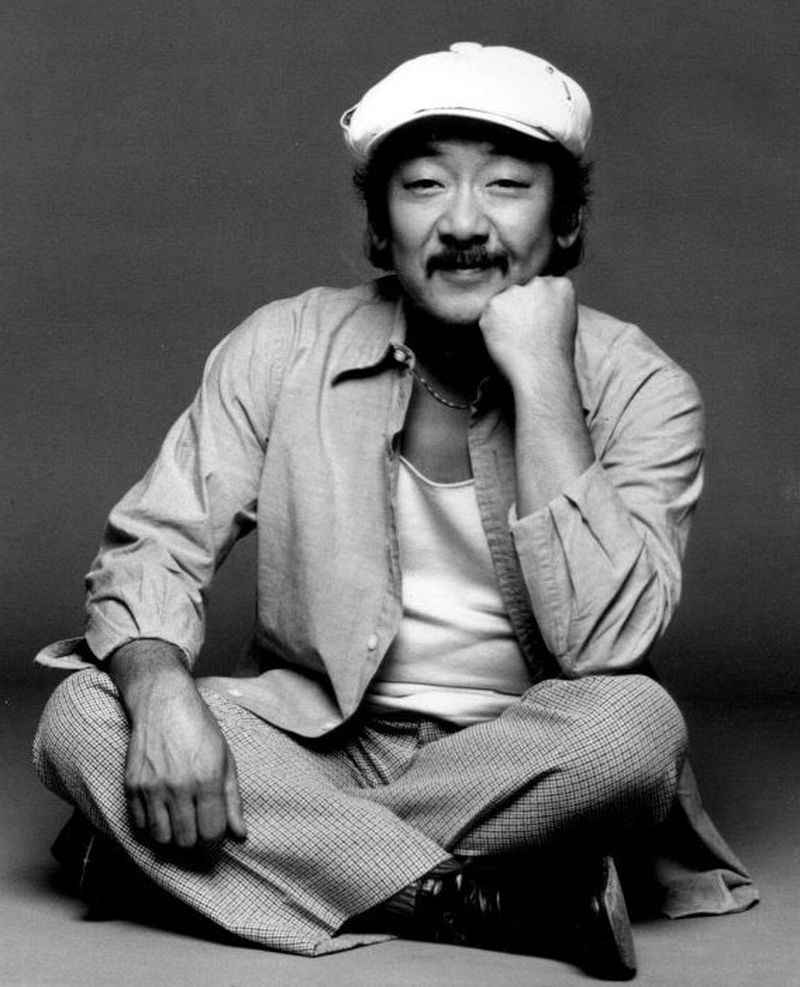
Welcome Back Kotter gave Pat Morita a guest spot that launched television’s first Asian-American sitcom during an era when representation mattered more than ever. Morita played Taro Takahashi, who hired Tina Kelly as a nanny to help him adjust to Chicago life. The groundbreaking concept relied heavily on cultural misunderstandings.
Tina misinterpreted Japanese customs while Mr. T struggled with American idioms weekly. The show became an uncomfortable parade of stereotypes instead of genuine cultural representation, like a world music album recorded without understanding the source material. This missed opportunity proved that good intentions don’t guarantee quality execution or respectful storytelling.
2. Flo
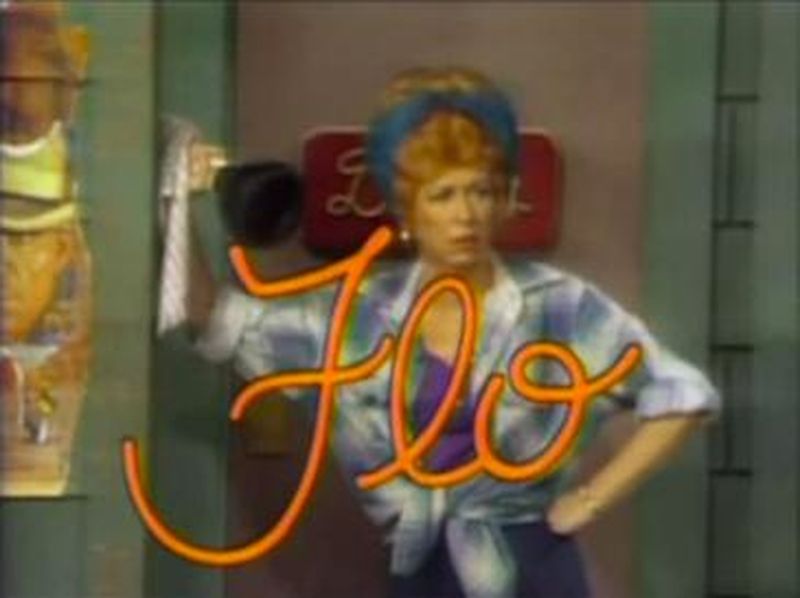
Alice spun off Polly Holliday‘s character to Cowtown, Texas, where she opened Flo’s Yellow Rose roadhouse while the original show maintained steady ratings. The premiere attracted over 40 million viewers, then hemorrhaged audience faster than a broken jukebox. Fans found Flo’s personality less appealing as the boss rather than employee.
Flo’s catchphrases became repetitive without Alice and Mel’s Diner for comedic context. The character worked better as part of an ensemble cast during television’s workplace comedy boom. This spinoff proved that even the funniest backup singer struggles to carry the whole concert alone.
1. AfterMASH
M*A*S*H concluded with the most-watched episode in television history, drawing 106 million viewers while comedies like Cheers were just beginning. CBS rushed out this spinoff following Colonel Potter, Klinger, and Father Mulcahy working at a stateside veterans hospital. The concept seemed promising with these beloved characters.
The show lacked Alan Alda’s Hawkeye and the wartime setting that made M*A*S*H emotionally resonant. It became a generic sitcom trading on past glory rather than creating new magic, like a greatest hits album with no actual hits. TV Guide eventually ranked it among the worst shows ever produced.