



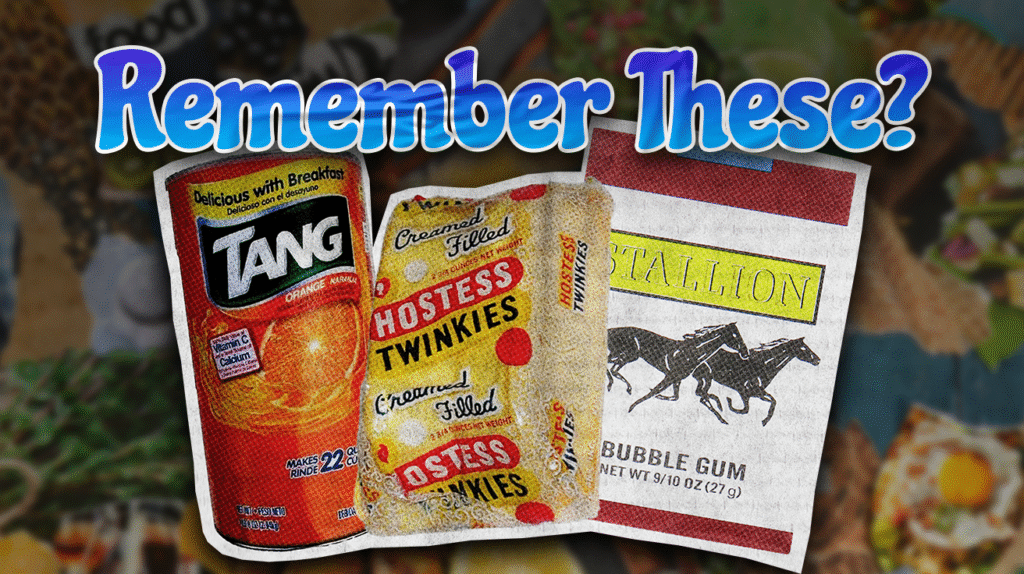
American grocery stores between 1940 and 1980 were cultural laboratories where food innovation met post-war optimism, creating edible icons we still recognize today. Those colorful packages lining the shelves shaped how families ate, gathered around tables, and experienced flavor for the first time. The clever containers, revolutionary preservation methods, and convenience-focused design solved everyday problems in ways that modern alternatives rarely match.
The grocery aisle treasures that fueled the Baby Boomer generation tell us more about American values and aspirations than any history book ever could.
13. Blue Chip Stamps
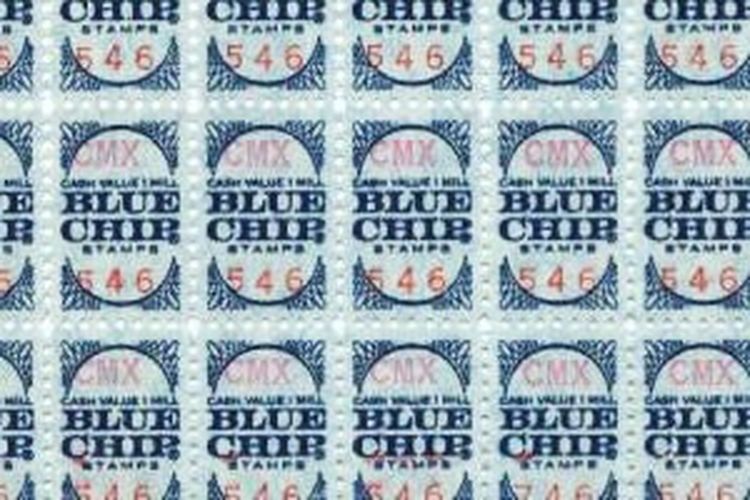
Blue Chip Stamps created America’s first gamified shopping experience decades before marketing executives discovered the term. These humble paper rectangles, distributed at checkout counters across America, transformed grocery shopping from a mundane errand into a strategic collection quest. Each stamp represented not just its face value, but also its potential future toasters, blenders, or, if you were truly dedicated, perhaps even living room furniture.
The process demanded commitment: moistening stamps, precisely aligning them in collection books, and making pilgrimages to redemption centers—commercial temples where patience transformed paper into possessions. Blue Chip Stamps flourished in an era before instant gratification, when delayed rewards still held cultural value. The program’s decline paralleled America’s shifting relationship with time and convenience, eventually giving way to credit card points and digital rewards that eliminated both the tactile pleasure and the maddening inconvenience of physical stamp collection.
12. Bubblegum Cigarettes
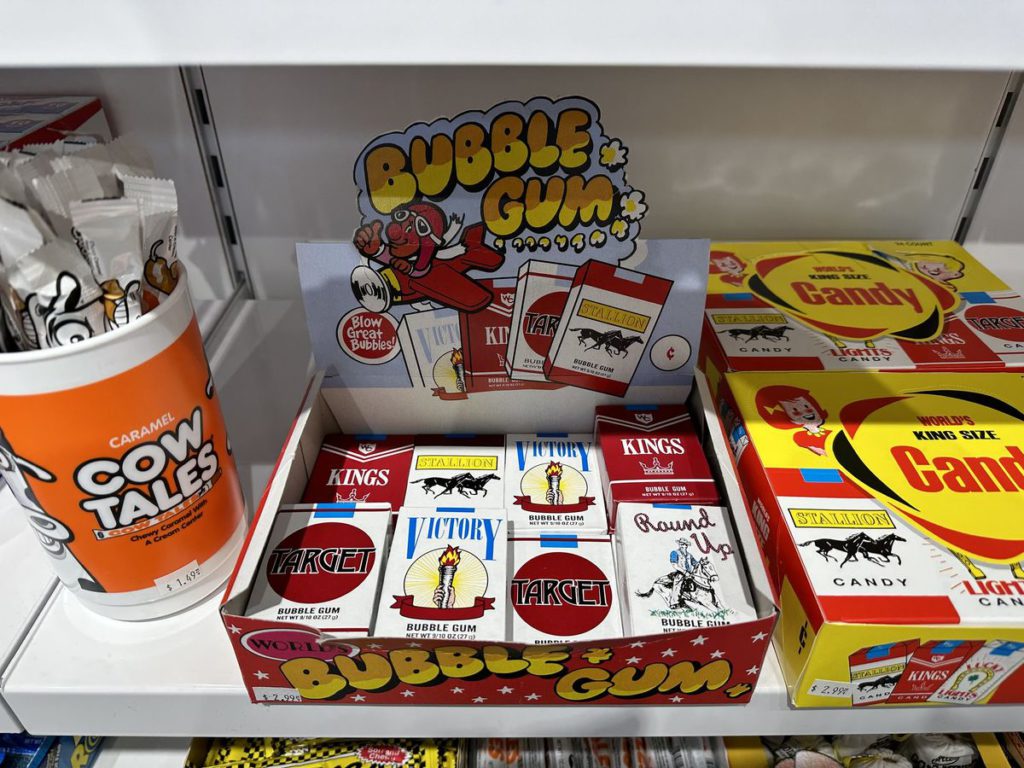
Bubblegum cigarettes embodied the beautiful contradiction of mid-century America—simultaneously innocent and problematic in pink cardboard boxes. These candy sticks, dusted with powdered sugar for a smoke effect when blown upon, transformed playgrounds into miniature versions of adult cocktail parties, minus the martinis and existential crises. If you’re a big fan of parties, you might like this list of party foods that were popular in the 60s.
The ritual was everything: sliding the candy from its pack with practiced nonchalance, holding it between two fingers with affected sophistication, and then puffing a cloud of sugar into the air. These treats performed cultural theater on the playground stage. Yet, like so many beloved foods with questionable implications, changing awareness gradually pushed them from mainstream shelves to obscurity, making them artifacts of a time before health warnings and concerned parent groups.
11. Marathon Bar
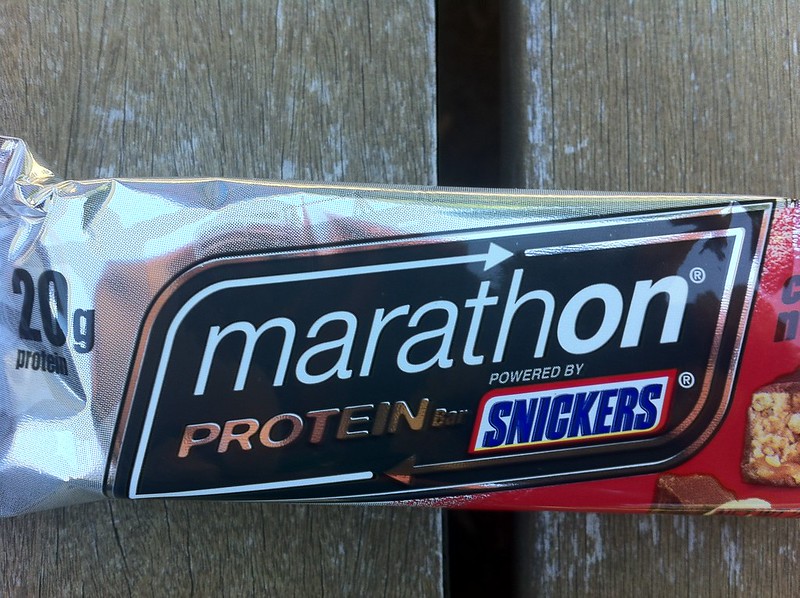
The Marathon Bar strutted onto candy shelves in 1973 like a rockstar with something to prove. At a rebellious 8 inches long, this twisted rope of caramel draped in chocolate wasn’t just eating candy—it was embarking on an endurance sport. Mars Incorporated even printed a ruler directly on the wrapper, practically daring other candy bars to stand beside it for a humbling comparison.
Children unwrapped these confectionery serpents with the reverence of archaeologists, savoring each bite while strategizing how to make the experience last. The Marathon disappeared in 1981, leaving behind a chocolate-shaped hole in America’s candy consciousness. One bite of this extinct treat delivered the thrill of excess in an era before king-sized everything, making today’s candy bars seem like timid appetizers rather than the main event.
10. Manual Cash Registers
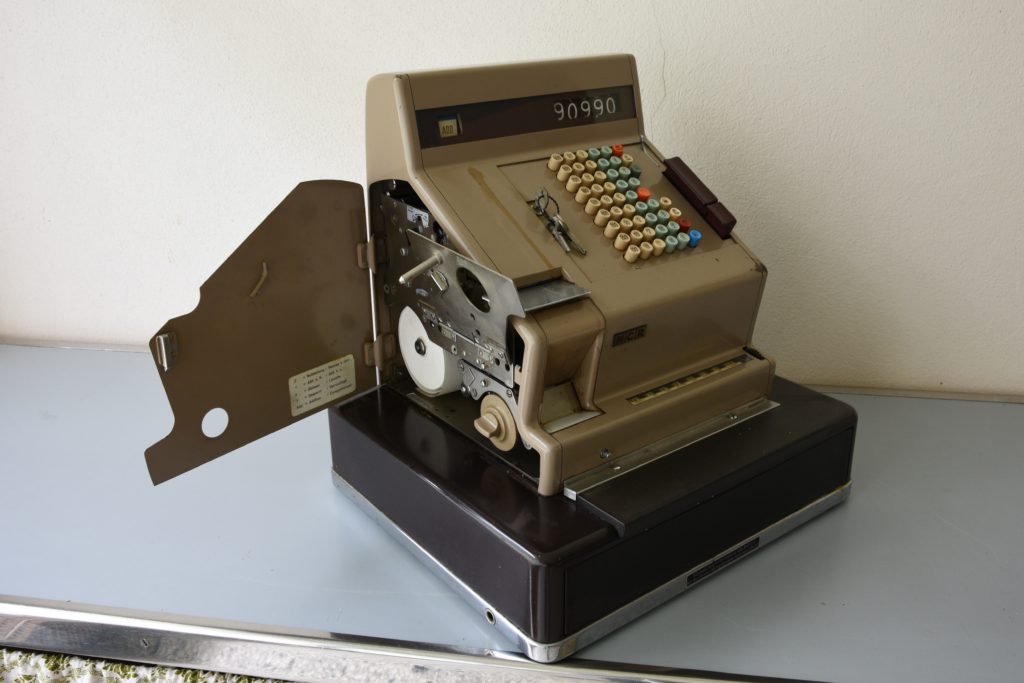
Manual cash registers performed mechanical ballet after every shopping trip, their cast-iron performers executing precise choreography with each sale. The mechanical harmony of keys depressed in sequence, internal gears meshing, and that satisfying terminal bell announced money changing hands with a theatrical flourish. These machines didn’t just record transactions—they celebrated them.
Each keystroke required intentionality in an era before digital do-overs, creating commercial ceremonies where both parties witnessed exchange unfold with mechanical transparency. These machines embodied trust, made metal—the customer could see the exact numbers as the cashier, creating a shared commercial reality. Digital systems eventually replaced these mechanical marvels, trading sensory ritual for efficiency. The visceral satisfaction of commerce conducted through physical action disappeared, like losing the sound of a needle dropping on vinyl in the age of streaming—functionally improved but experientially diminished.
9. Wonder Bread
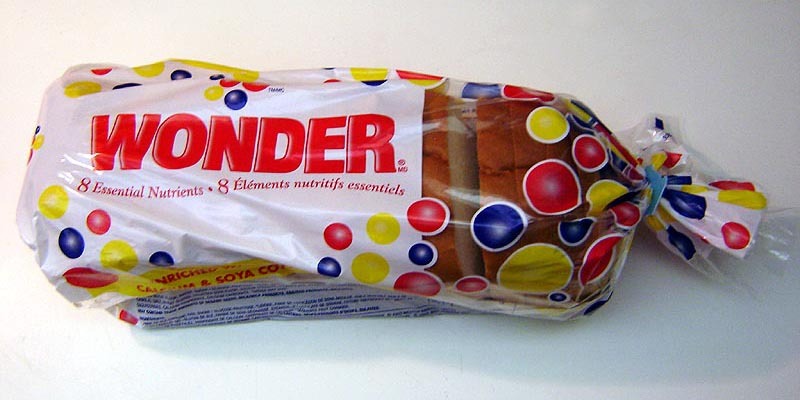
Wonder Bread achieved the culinary equivalent of the American dream—humble wheat transformed through industrial innovation into a pillowy status symbol for postwar households. Those perfectly uniform slices stacked with mathematical precision represented triumph over inconsistency, each slice as reliable as suburban grid planning. The bread’s pristine whiteness—achieved through flour stripped of nature’s nutritional complexity and then artificially fortified—embodied America’s complicated relationship with progress.
This bread didn’t merely feed Baby Boomer children; it shaped their expectations about food’s appearance, texture, and convenience. Wonder Bread sandwiches populated countless metal lunchboxes, their soft conformity absorbing peanut butter without resistance. The pre-sliced innovation, once revolutionary enough to set cultural benchmarks of progress, gradually became a baseline expectation. Wonder Bread’s legacy lives not just in its continued production but in how it conditioned American palates to value consistency and convenience alongside, or sometimes above, flavor complexity.
8. Smaller Grocery Stores
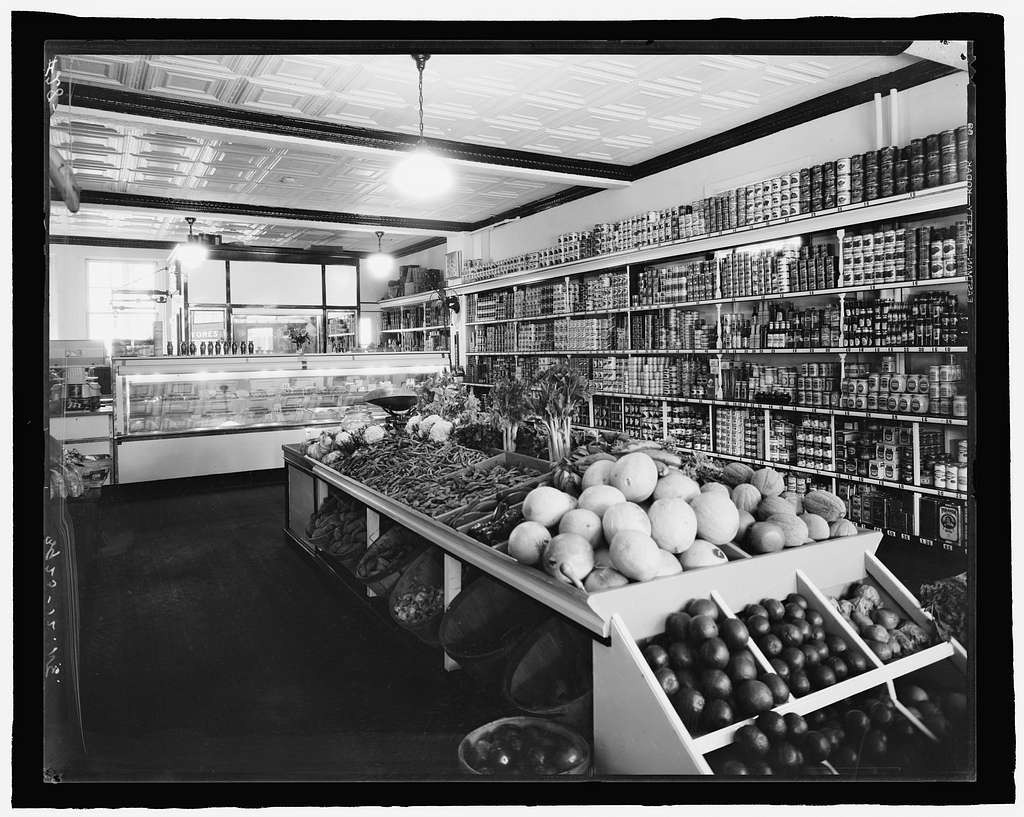
Neighborhood groceries once stood as the perfect middle ground between convenience and community, their modest 15,000 square feet feeling neither overwhelming nor inadequate. These markets—with their 4,000 carefully curated items rather than today’s paralyzing 40,000—were culinary town squares where deciding between two pasta brands didn’t require existential contemplation or GPS coordinates.
Grocers knew which customers preferred their ground beef with a hint more fat and which ones needed reminding about the fresh bread delivery. Shopping transcended transaction, becoming social nourishment alongside the edible variety. Modern supermarkets expanded their selection exponentially but diluted the connection proportionally, trading intimate food knowledge for vast inventory. We gained endless options but lost the grocer who could tell you exactly which apple variety would transform your grandmother’s pie recipe from good to transcendent.
7. Post Sugar Rice Krinkles
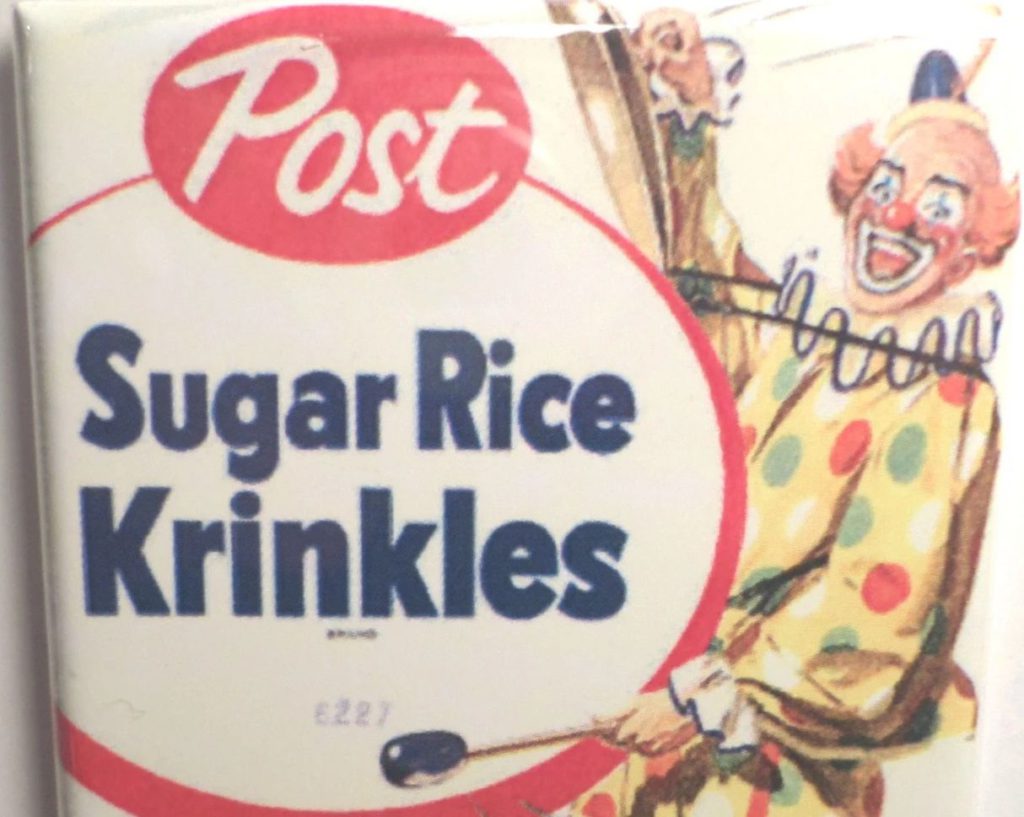
Post Sugar Rice Krinkles emerged from 1950s cereal alchemy—humble puffed rice transformed through sugar-coating into morning gold. Each crunchy morsel sparkled with crystallized sweetness like tiny gemstones in a cardboard treasure chest. Captain Jolly, the mascot, beckoned children into a breakfast experience that tasted suspiciously like dessert with implied parental approval.
The cereal landed at the perfect cultural moment, when convenience trumped nutrition and sugar was considered less of a dietary villain and more of a breakfast companion. Children savored their bowls while being mesmerized by Saturday morning cartoons, their milk gradually transforming into a sweet secondary drink. Sugar Rice Krinkles vanished as nutritional wisdom evolved, becoming collateral damage in America’s complicated relationship with morning sustenance. This relationship continues to swing between virtuousness and indulgence like a nutritional pendulum.
6. Lunch Counters
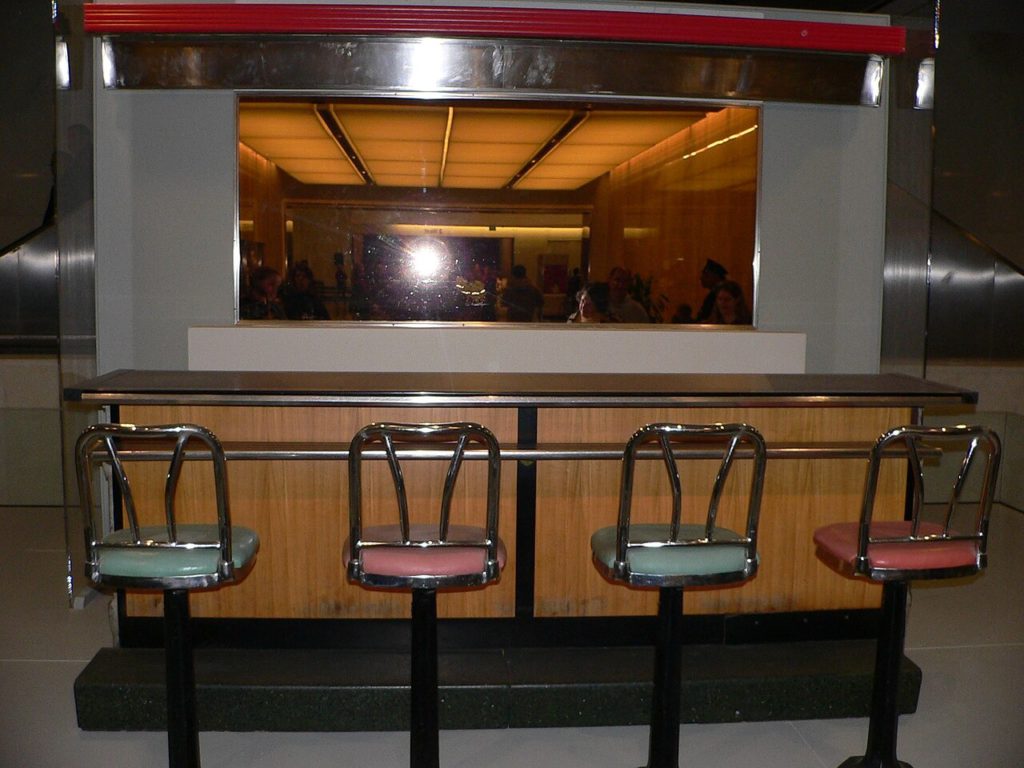
Grocery store lunch counters served as America’s communal dining tables, their Formica landscapes hosting first dates, business discussions, and the everyday theater of community life. The sensory experience bordered on symphonic—bacon sizzling on flattops provided percussion while soda fountains added effervescent grace notes to the melody of clattering plates and conversation.
These weren’t just places to refuel between shopping aisles but social crossroads where food facilitated connection. Yet the nostalgic patina obscures darker truths about who could sit at these counters and who stood outside looking in. The same seats that represent innocent nostalgia for some Americans marked battlegrounds of dignity for others, as civil rights activists transformed these everyday spaces into platforms for profound change. The lunch counter’s gradual disappearance reflects both changing retail priorities and America’s complicated relationship with public spaces—spaces that simultaneously nourished bodies and exposed societal hunger for justice.
5. Hostess Twinkies
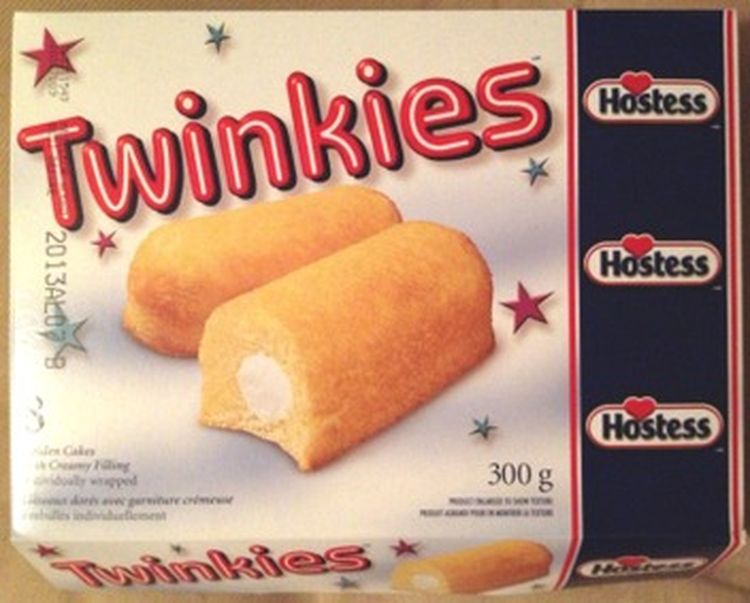
The Twinkie stands as American food’s great magic trick. Created in 1930, these golden submarines of sponge cake somehow managed to smuggle vanilla cream into lunchboxes across the nation without refrigeration. Each cellophane-wrapped wonder delivered on its promise: perfect consistency, ideal cream-to-cake ratio, and unmatched portability. Unwrapping one sounded like opening a tiny gift, the wrapper crinkling with anticipation.
Urban myth turned Twinkies into food folklore – tales of infinite shelf life suggesting they could outlast nuclear war spread with the same speed as playground rumors. The reality was less dramatic but equally impressive: Hostess created a reliable joy delivery system, uniform as factory widgets but satisfying as handmade treats. Their brief disappearance during Hostess’s 2012 bankruptcy created panic buying reminiscent of toilet paper shortages, proving that cultural icons taste sweeter than mere snacks. The Twinkie doesn’t just feed the body – it nourishes nostalgia, connecting generations through unchanged flavor memories.
4. Good Humor Bars
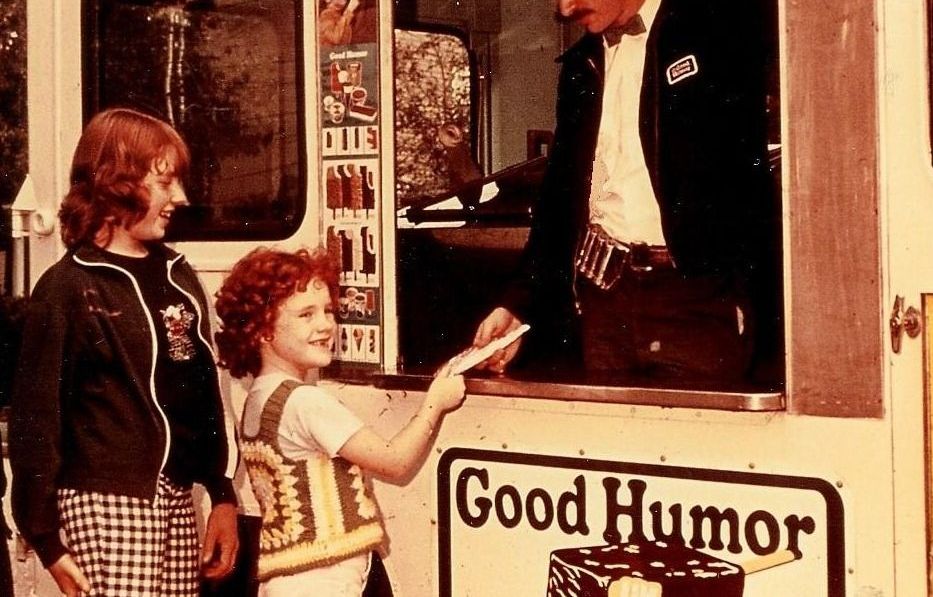
The Good Humor truck didn’t just sell ice cream – it delivered summer itself. Created in 1920 by Harry Burt, these simple bars elevated frozen treats from kitchen afterthought to mobile celebration. The white-uniformed “Good Humor Men” performed daily neighborhood ice cream ballet, their truck bells triggering a Pavlovian response that sent children running with coins clutched in sweaty palms, creating scenes reminiscent of the Pied Piper.
The bars themselves were engineering marvels – vanilla ice cream encased in chocolate that somehow cracked with just the right resistance between teeth. The wooden stick added structural integrity while doubling as a handle, a design as elegant as it was practical. Later variations like Strawberry Shortcake and Toasted Almond proved that innovation needn’t abandon tradition. The experience transcended mere consumption – it was a sensory event that combined the bell’s call, the anticipation of selection, and that first bite, revealing cold cream beneath cracking chocolate, creating pleasure as multilayered as a properly constructed tiramisu.
3. Peter Pan Peanut Butter
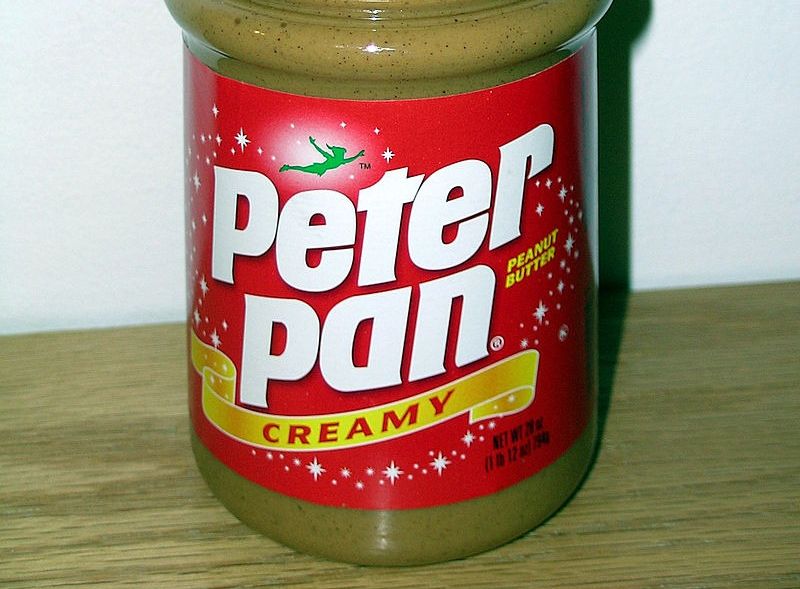
The sound of a knife against the inside of a Peter Pan jar is the soundtrack of American childhood. Introduced in 1928 with that iconic green label featuring the boy who wouldn’t grow up, Peter Pan wasn’t just a spread – it was infrastructure. While homemade versions separated into oil slicks and dry peanut islands, this jarred miracle maintained perfect consistency like a culinary Dorian Gray, never changing despite the world shifting around it.
That first twist of the lid released a distinctive nutty perfume that signaled lunch was imminent. The spread itself had architectural properties – it could seal jelly inside sandwich crusts or create a protective barrier against soggy bread. The spoon-straight-from-the-jar experience remains one of life’s perfect guilty pleasures, similar to eating cookie dough in secret. For many, that first hit of peanut butter was the gateway drug to a lifetime of food curiosity – the first time flavor registered as something worth seeking out rather than merely consuming.
2. Tang
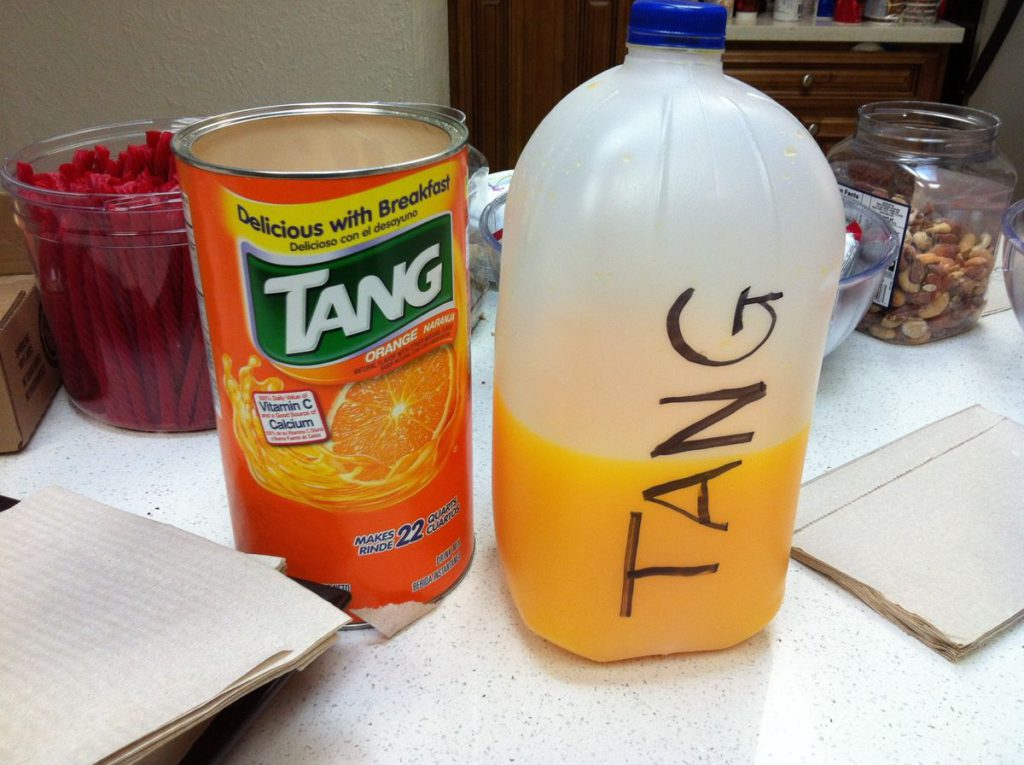
Tang wasn’t just a drink – it was rocket fuel for suburban imaginations. Released in 1959, this orange-flavored dust made breakfast feel like mission control. While fresh juice required actual fruit, refrigeration, and effort, Tang needed only water and a willingness to believe. Its cosmic connection came when NASA’s Gemini astronauts sipped it in space, instantly transforming kitchen tables into launchpads and turning ordinary glasses into vessels of exploration.
The flavor profile was nature reimagined through a lab coat – like orange juice that had gone to college and returned with new ideas. That neon orange color existed nowhere in the natural world, glowing in glasses with the same otherworldly hue as movie theater nacho cheese. Kids of the era didn’t just drink Tang; they consumed the space age itself, one sweet-tart sip at a time. The powder’s ability to instantly dissolve was less about convenience and more about witnessing everyday magic – the same wide-eyed wonder as watching a Polaroid develop.
1. Nabisco Saltine Crackers
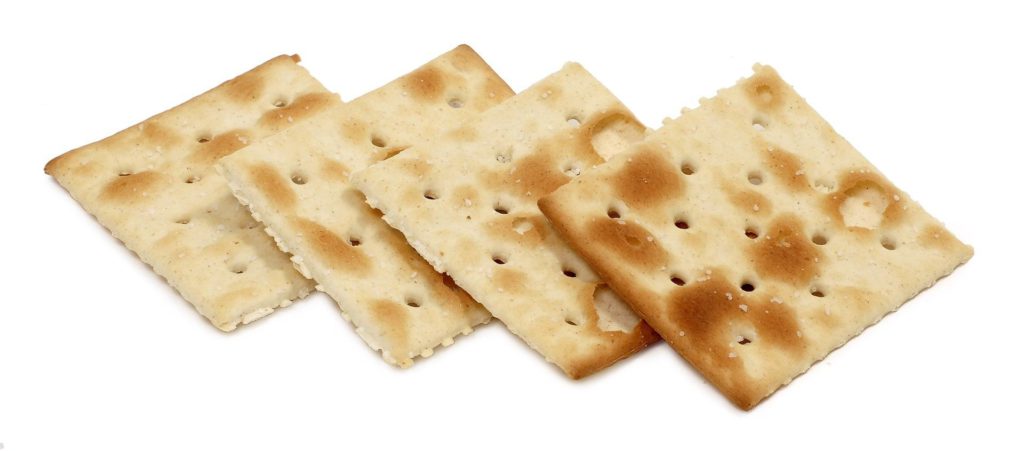
Saltines represent culinary minimalism at its finest. Packaged in that iconic red and white box, these crackers achieved perfection through restraint – flour, baking soda, salt, and yeast transformed into crisp canvases of possibility. The distinctive grid pattern with its tiny air holes wasn’t decorative but functional, ensuring even baking and that characteristic crisp snap. The sound of opening a fresh sleeve – paper tearing, wax paper crackling – signaled comfort was imminent.
Their versatility made them kitchen staples – crushed into soup, piled with cheese, or eaten plain during stomach distress. Saltines performed culinary shapeshifting like ingredients in the hands of a skilled chef. Their subtle salt crystal topping delivered tiny flavor explosions, proving that seasoning isn’t just about quantity, but also about strategic placement. During illness, they became more than food – they were medicine, their bland reliability settling upset stomachs like edible peacemakers. Their enduring presence in American pantries proves that sometimes, true culinary genius lies not in complexity but in perfecting simplicity, much like a master sushi chef who might spend decades perfecting just rice.