



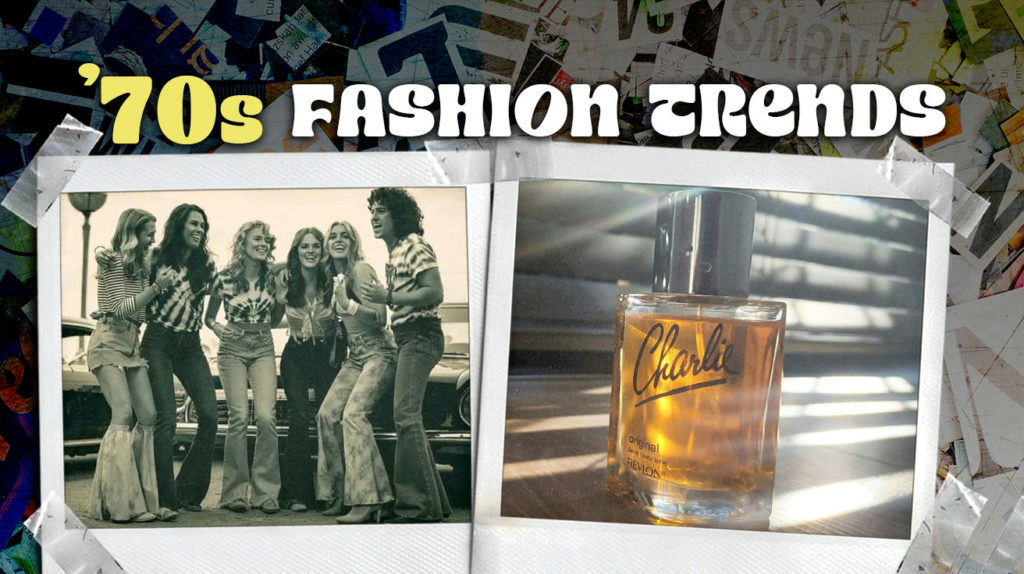
The 1970s transformed everyday fashion into cultural statements. This decade turned clothing into cultural weapons, with each garment challenging establishment norms more effectively than protest signs.
While history books focus on political movements, these textile choices reshaped society’s understanding of personal expression and identity. Fashion historians describe this decade as a perfect convergence: economic upheaval, shifting gender roles, and technological advancements created a distinctive style language still analyzed today.
24. Moon Boots
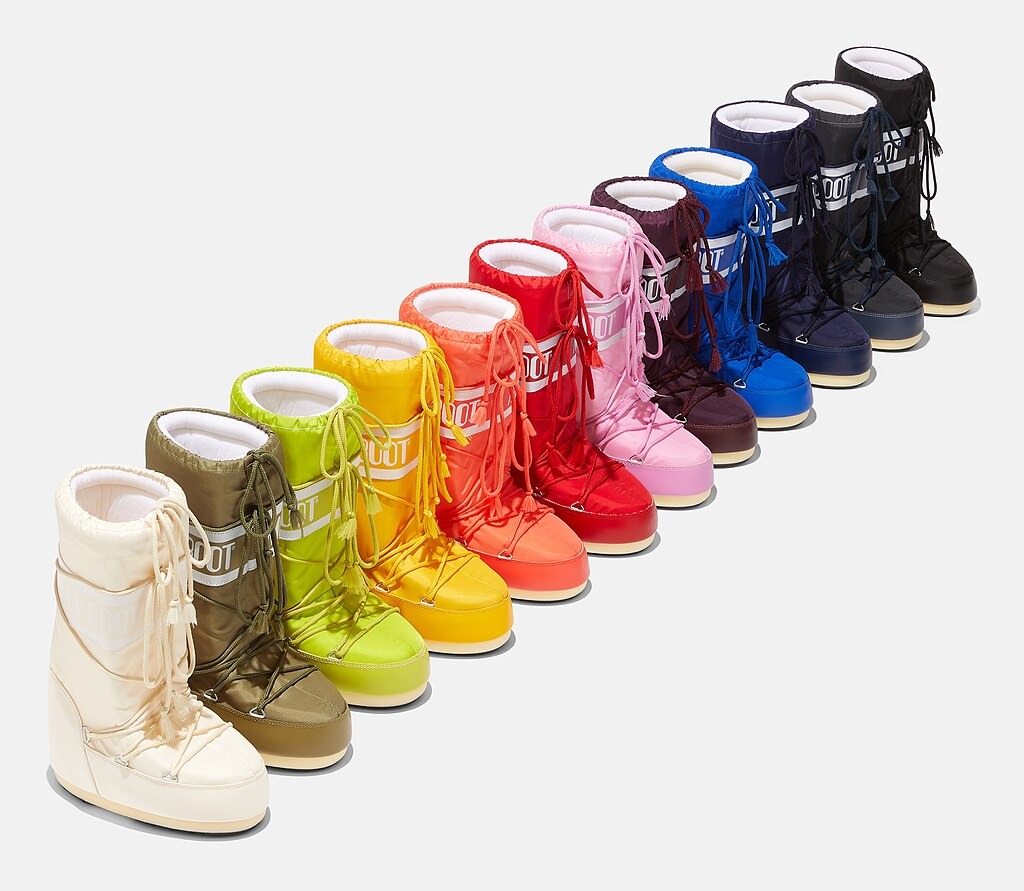
Launched by Tecnica in 1970, Moon Boots exemplified successful technology transfer from aerospace engineering to consumer products. Following the Apollo moon landing, these winter boots incorporated EVA foam and nylon technology at accessible price points, connecting everyday consumers to space exploration aesthetics during peak cultural fascination.
Technical design analysis reveals their distinct approach to footwear proportions, creating an entirely new visual language that prioritized futuristic expression alongside function. These boots provided tactile experience of tomorrow through unconventional materials and exaggerated silhouettes. Current retail pricing between $100-$250 demonstrates their evolution from novelty to enduring design classic.
23. Tube Tops

This garment achieved impact through architectural minimalism. Eliminating fashion’s traditional elements (straps, sleeves, closures) created a straightforward piece that reconfigured body-textile relationships. The design principle offered radical simplification when complexity dominated construction methods in mainstream fashion.
According to 1971 Vogue patterns, the structural simplicity opened fashion access—anyone with $15-$25 for ready-to-wear versions or basic sewing skills could participate, effectively bypassing traditional gatekeeping. The tube top’s ability to remain in place without visible support system represented a technical achievement while metaphorically expressing women’s increasing social independence.
22. Charlie Perfume
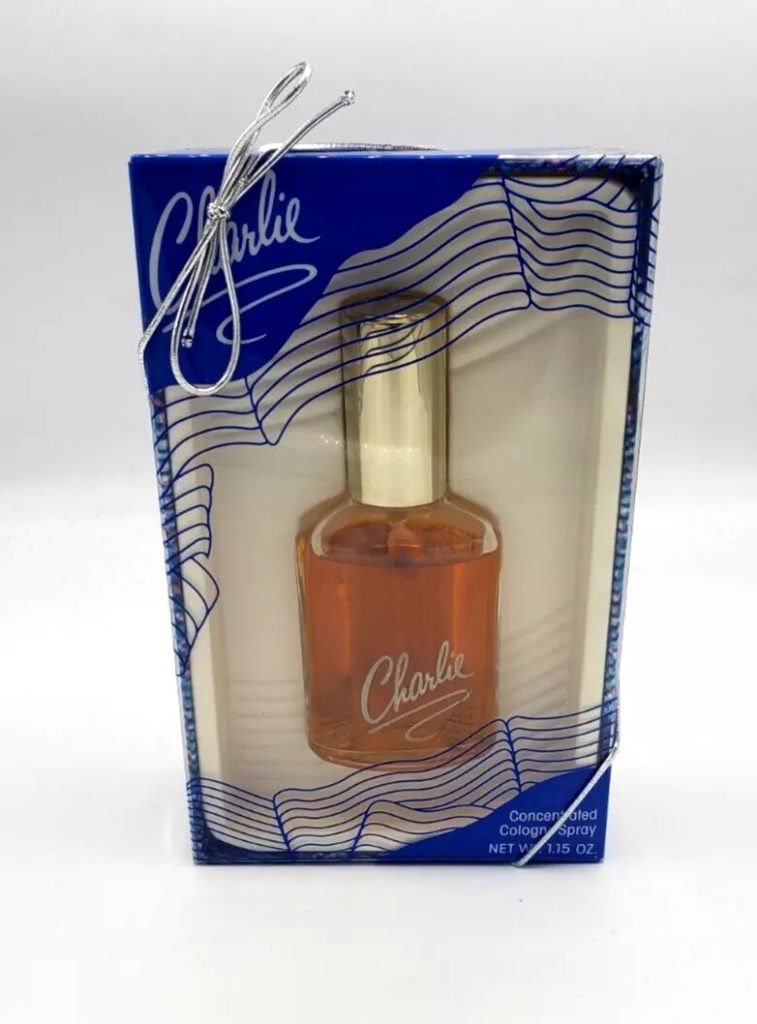
Revlon’s 1973 fragrance innovation altered perfume’s social contract. Before corporate feminism became marketing strategy, Charlie positioned fragrance as self-empowerment rather than male attraction. While competitors marketed scents as man-pleasing necessities, Charlie positioned fragrance as power armor for the emerging professional woman—revolutionary in concept and advertising.
Advertising archives show Charlie’s breakthrough approach with $6-$10 retail prices initially, making feminist scent statements available across economic classes. Campaigns featuring models in pantsuits confidently striding through male-dominated spaces created powerful visual references for women entering hostile workplaces, establishing new paradigms in fragrance marketing.
Fragrance in the 1970s wasn’t just about scent—it was a means of democratizing personal identity and rebellion. To relive the most memorable fragrances of the era, revisit the 1970s nostalgic perfumes that truly defined how a generation smelled—and felt.
21. Crocheted Bikinis
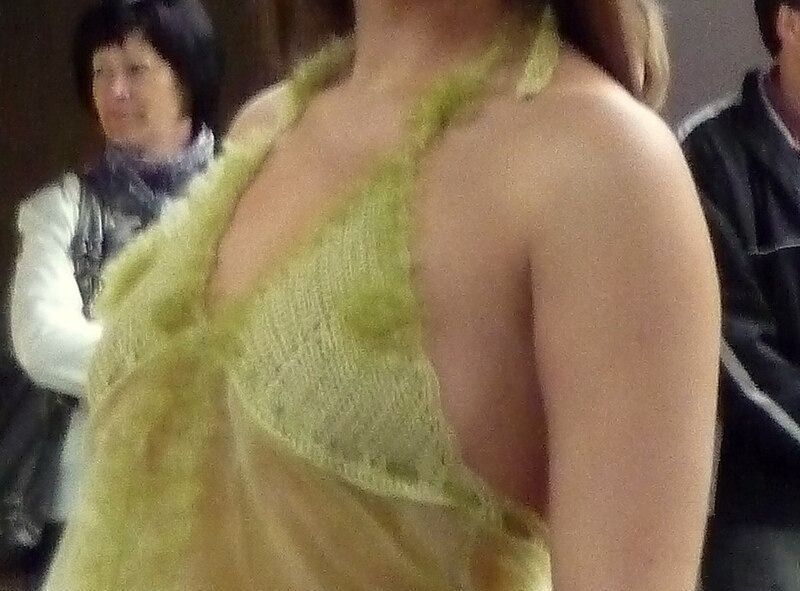
Featured in 1974 issues of Sunset magazine and counterculture publications, handmade swimwear illustrated craft revival against mass manufacturing. While commercial swimwear advanced toward technical synthetics, these handcrafted garments opposed industrial production through material subversion—using natural fibers for beach garments.
Textile studies highlight the paradoxical appeal—material impracticality communicated commitment to aesthetic principles over convenience, identifying wearers as participants in craft revival movements. Each uniquely patterned bikini communicated maker values through visual pattern language. Current pricing between $30-$100 represents remarkable value retention for labor-intensive handcrafts.
20. Wide Collared Shirts
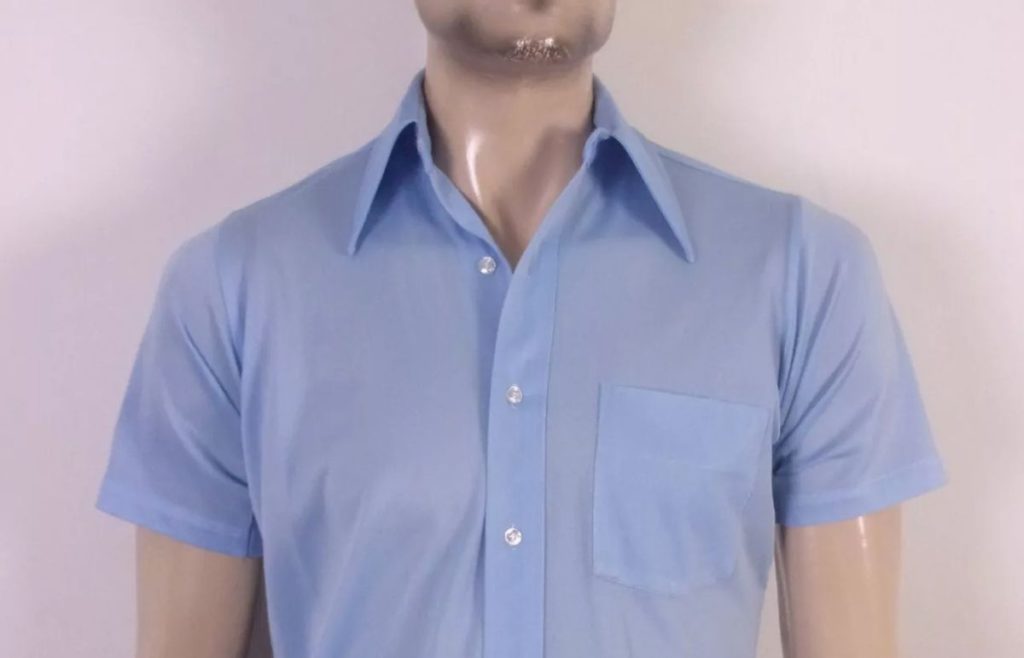
Menswear catalogs from the early 1970s showcase the radical modification of traditional shirt collars. These exaggerated, pointed designs converted conservative menswear into expressive platforms through proportional experimentation. The result wasn’t merely decorative but architectural—redirecting attention to the wearer’s face like visual framing devices.
Pattern-making innovations maintained structural integrity despite dramatic dimensions. These weren’t simply enlarged collars but calculated expansions creating new spatial dynamics. Produced in bold patterns previously deemed unsuitable for professional settings, these shirts broke visual boundaries across gender lines.
19. Earth Shoes
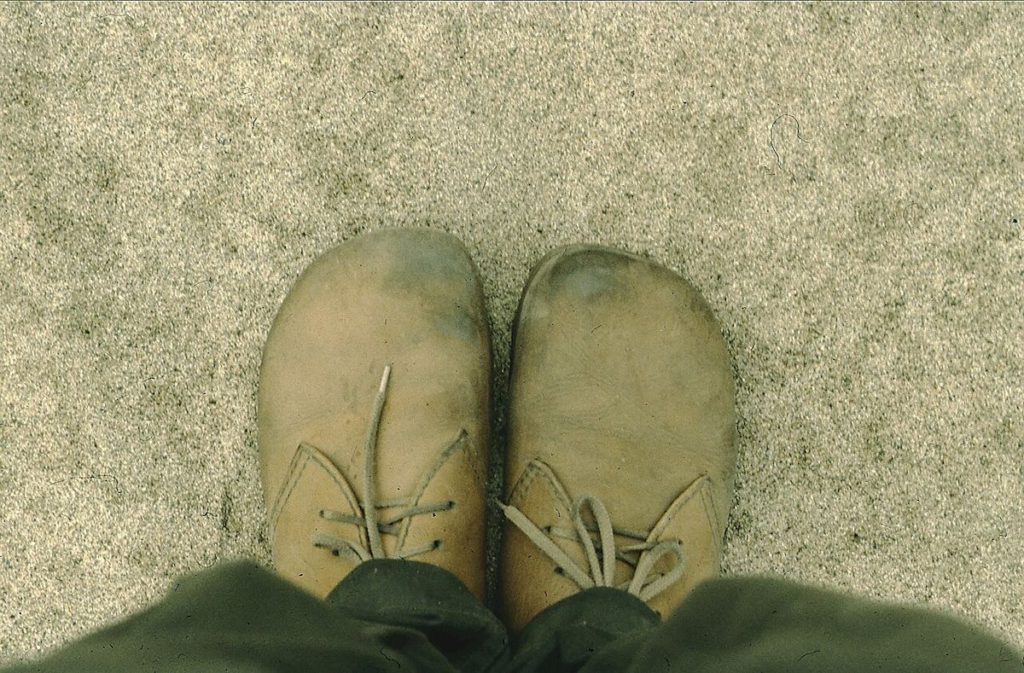
While not originating negative-heel design, Kalsø Earth Shoes brought biomechanical concepts to mainstream retail when launched in 1970. Traditional footwear elevated aesthetics over function, but Earth Shoes’ negative heel suggested feet should operate as naturally intended. This approach marked a shift from fashion-first design principles.
The suede and leather construction cleverly disguised this orthopedic innovation in countercultural-acceptable materials. Devoted wearers endured initial discomfort while their feet adjusted—a physical manifestation of countercultural adaptation. Current vintage marketplaces price original pairs between $40-$150, with mint condition examples reaching $200+, demonstrating their continued significance in footwear design history.
18. Wrap Dress
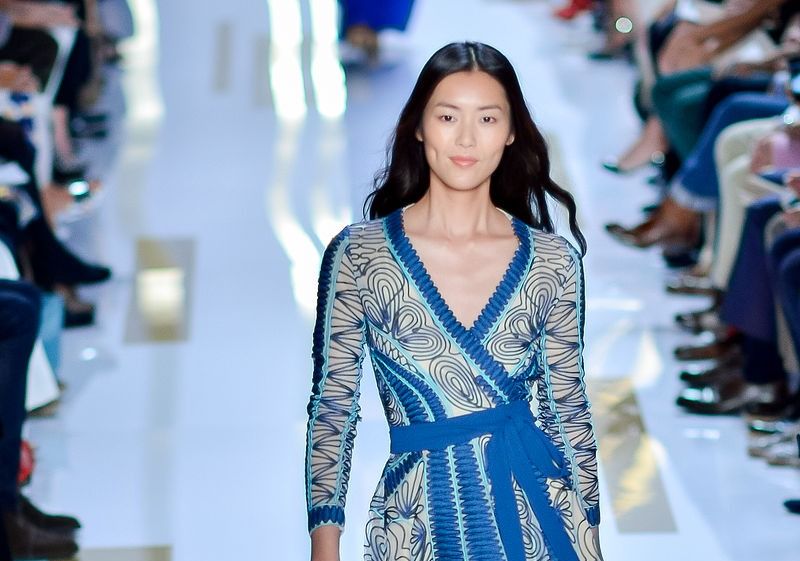
Launched in 1974 by Diane von Furstenberg, the wrap dress solved multiple wardrobe challenges through elegant engineering. This garment addressed practical needs through simple construction. Style commentators compare its elegant solution to scientific formulas—simple in concept yet effective in application.
Design scholars note its context flexibility—transitioning from office to evening through accessory changes, providing efficiency for professional women. The construction enabled self-dressing independence, reflecting changing social roles. The wrap mechanism created body adaptability, accommodating size variations through tension adjustment rather than rigid standardization.
17. Bell Bottom Jeans
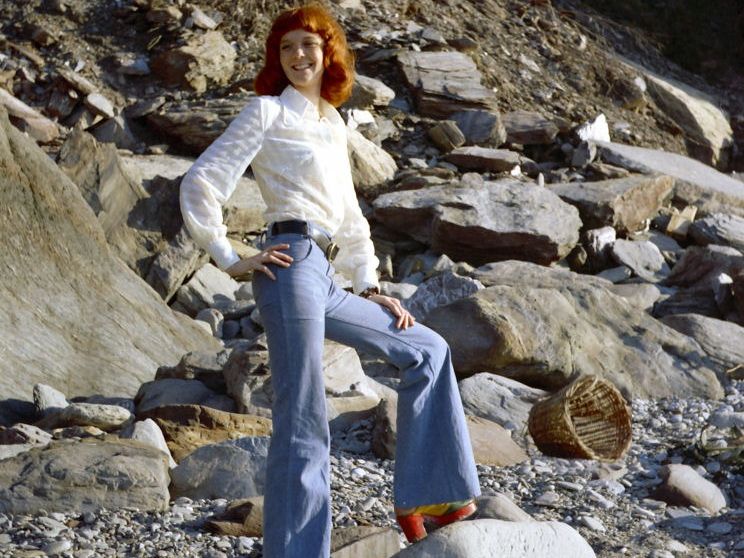
Trending from the 1960s through mid-1970s, bell bottoms reinvented silhouettes through pattern innovation. The widened hem altered visual proportions dramatically, making wearers appear simultaneously taller and more grounded through textile geometry. This optical effect created distinctive fashion identities through minimal pattern changes.
Movement studies show practical benefits—flared legs created freedom after decades of restrictive narrow trousers. This facilitated new dance expressions previously limited by fabric constraints. The unisex adoption showed rare design inclusivity across gender boundaries, proving fashion’s potential for breaking down traditional divisions.
16. Quilted Jackets
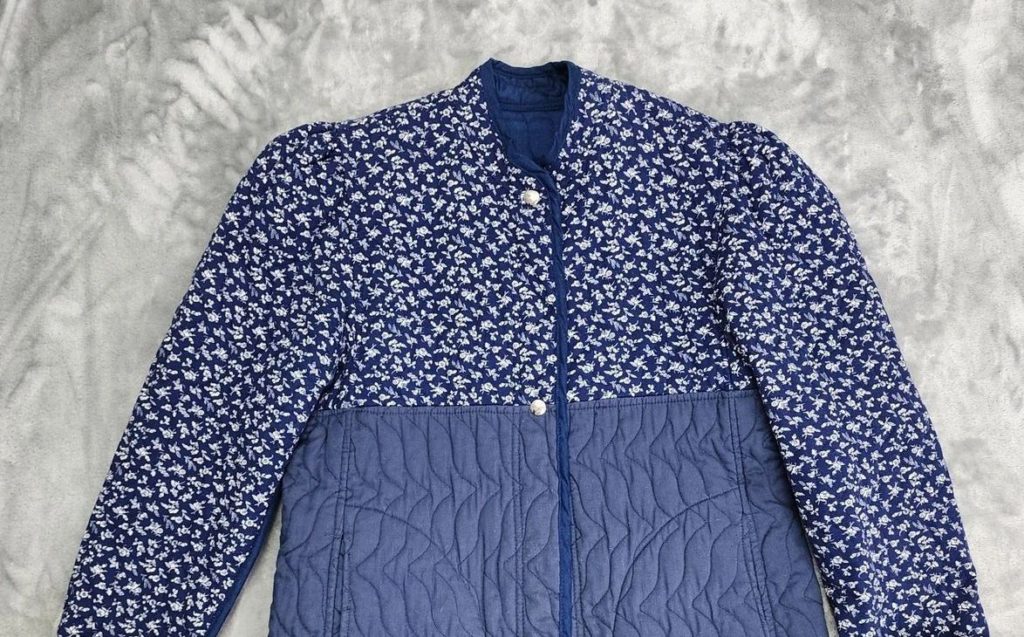
Building on sporting traditions dating to British hunting apparel, quilted jackets underwent transformation in the 1970s. These geometrically stitched garments escaped aristocratic origins to reach broader audiences. The diamond or square patterns weren’t merely decorative but engineering solutions creating insulated pockets through geometric efficiency.
Textile engineering analysis reveals how stitching patterns turned single-layer fabrics into three-dimensional protective systems without bulk. This created versatility across temperature ranges and social contexts. Current pricing from $50-$300 demonstrates remarkable adaptability across economic spectrums, representing technical innovation disguised as accessible style.
15. Opium Perfume
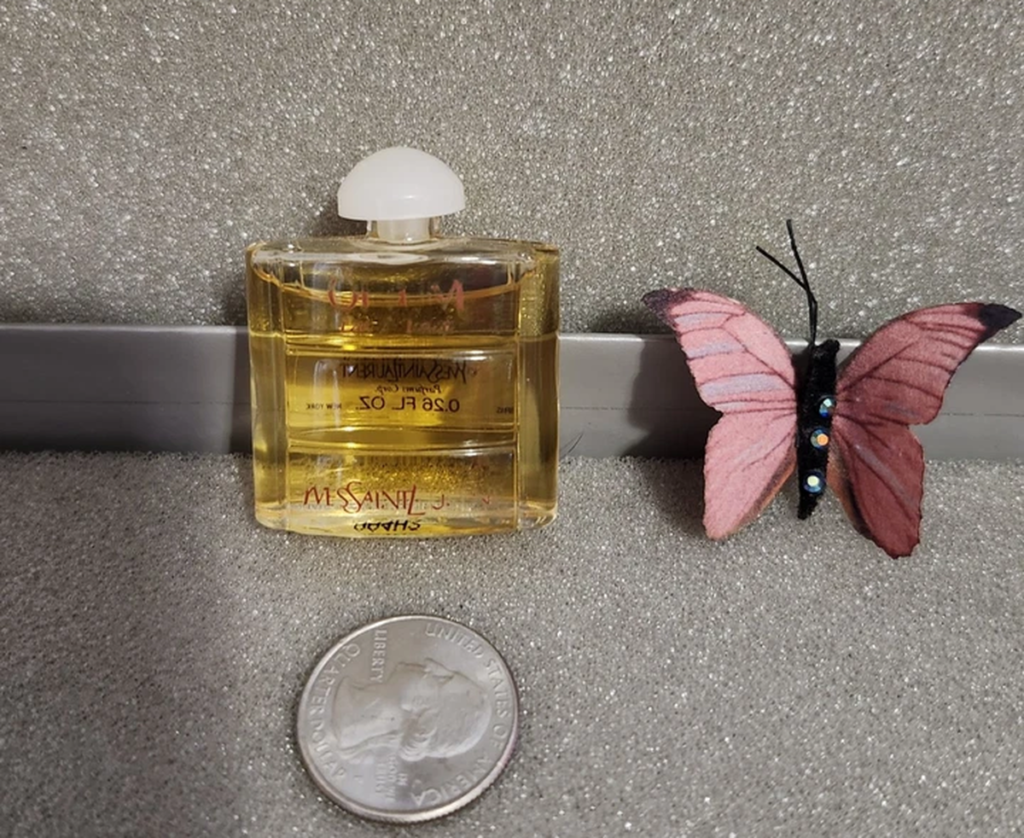
Yves Saint Laurent’s September 1977 fragrance launch demonstrated controversy marketing decades before social media. This spicy oriental fragrance wasn’t merely scent but calculated provocation—the packaging and name leveraged cultural taboos while the formula deployed an unprecedented intensity that challenged perfume conventions.
Fragrance industry historians identify the marketing brilliance in deliberate provocation as strategy. By naming a luxury product after a controversial substance with complex colonial history, YSL generated significant earned media coverage through controversy. Original pricing of approximately $45-$60 positioned it as accessible luxury, while today’s $65-$120 range reflects its evolution from scandal to classic status.
14. Patchouli

Counterculture found its signature scent in affordable patchouli oil. While department stores sold synthetic fragrances at premium prices, this earthy potion derived from the Pogostemon cablin plant became olfactory rebellion. The scent functioned as social currency in underground spaces, identifying the consciousness-expanded from the conventionally perfumed.
Vintage collectors highlight its accessibility advantage. Unlike designer fragrances locked behind luxury counters, patchouli circulated freely at $4-$20 per bottle in the 1970s. The fragrance industry traditionally maintained exclusivity through pricing, but patchouli bypassed these barriers. Today, original bottles from this era fetch $25-$80 from collectors seeking authentic counterculture artifacts.
13. Old Spice
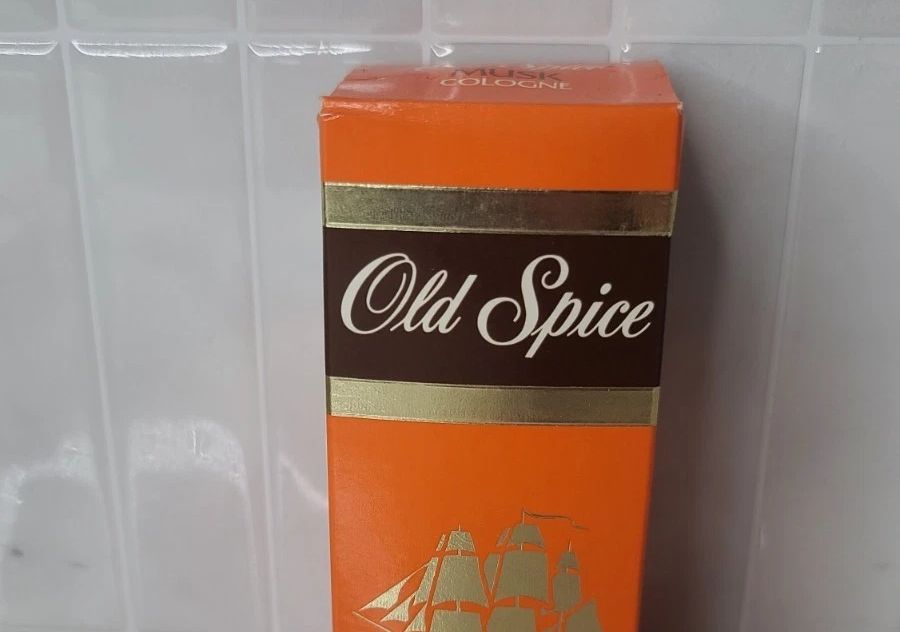
Launched in 1937 but achieving iconic status by the 1970s, Old Spice represents successful brand consistency across generations. While competitors chased fragrance trends, this spicy-woodsy blend maintained chemical consistency, creating generational scent memories that functioned as olfactory time capsules.
Brand historians identify the packaging genius in visual consistency—the white bottle with nautical motif remaining recognizable despite market pressure to modernize. Originally selling for approximately 50¢ and now priced between $5-$12, this represents remarkable stability across economic changes, demonstrating how heritage products achieve cultural significance through consistency rather than innovation.
12. Turtleneck Sweaters
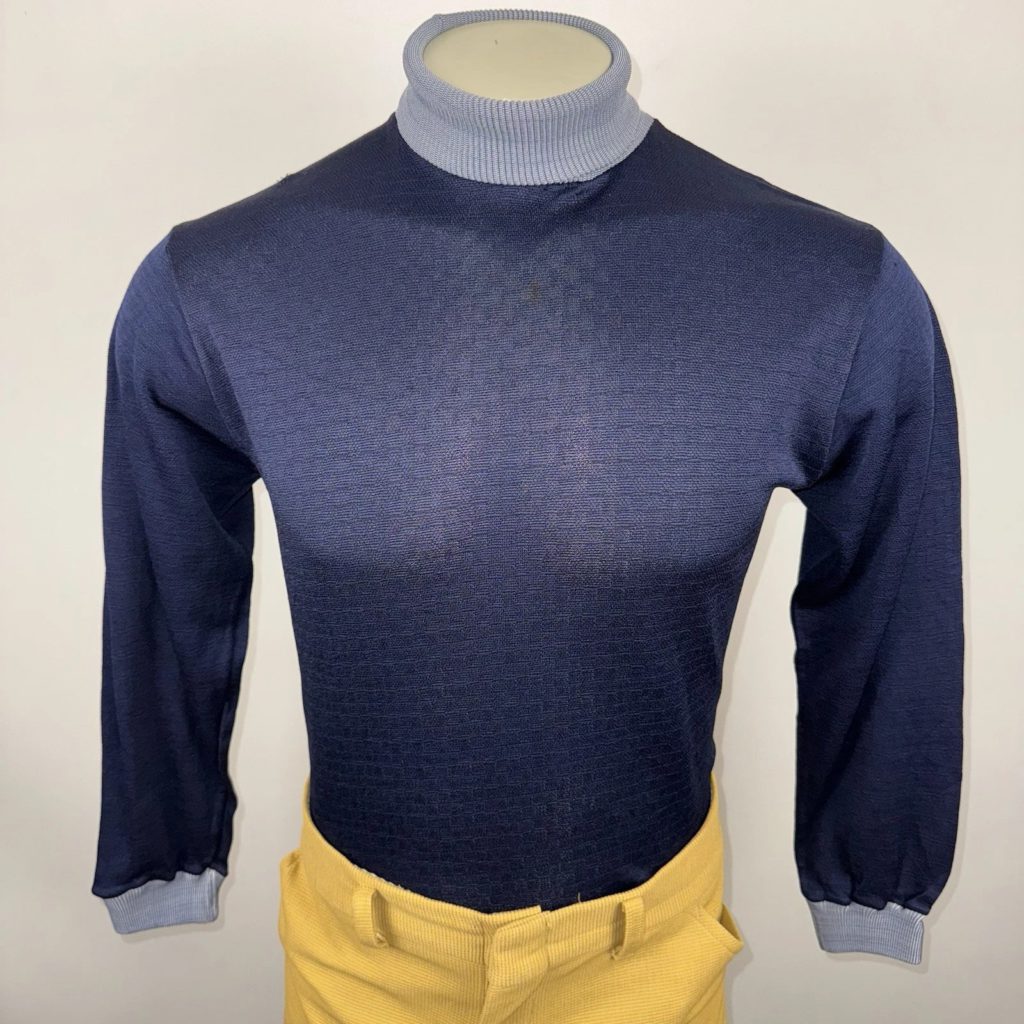
Though originating earlier, turtlenecks reached iconic status in the 1970s through celebrity adoption and cultural associations. This garment remodeled basic knitwear into intellectual signaling through minimal design intervention. The high, folded collar created visual architecture separating head from body, suggesting cerebral rather than physical emphasis.
Fashion photography archives featuring Steve McQueen and Diane Keaton demonstrate its contextual adaptability—the same construction could convey beatnik rebellion, academic authority, or European sophistication depending on styling. Originally available from $10-$50, with designer versions commanding $150-$300 today, turtlenecks represent design democracy where architectural brilliance remains accessible across economic spectrums.
11. Doctor Scholl’s Wooden Sandals
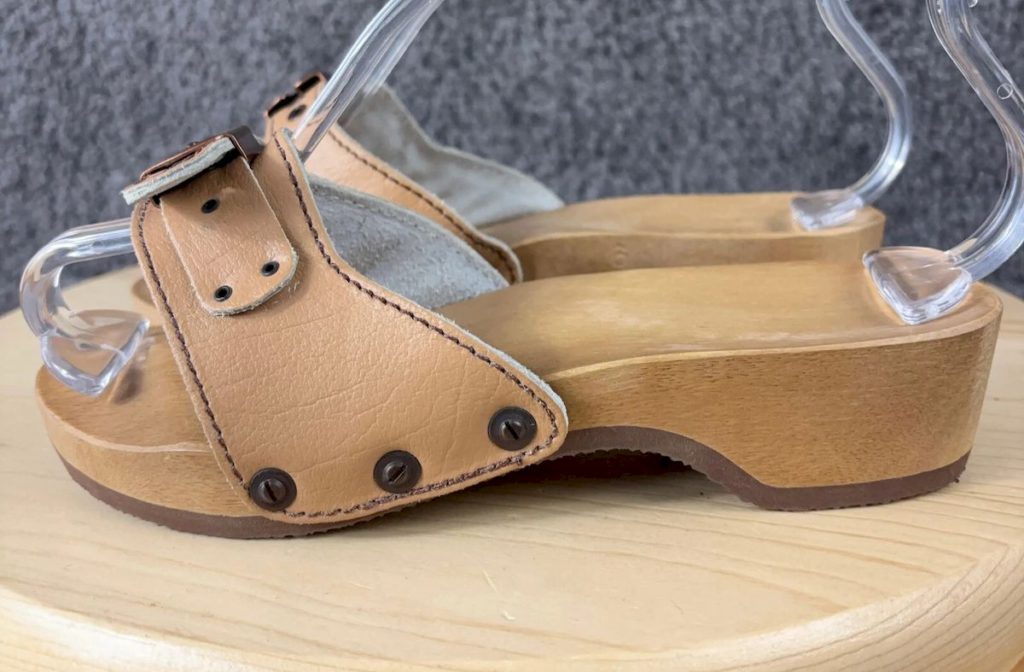
These wooden platforms reformed posture through deliberate ergonomic design. While competitors stuffed shoes with soft padding promising immediate comfort, Dr. Scholl’s executed a different vision with sandals that operated like ergonomic therapy—initially unyielding but ultimately effective. Their distinctive clacking sound became an auditory signature.
The contoured wooden footbed applied firm, distributed pressure principles similar to modern wellness products. The adjustment period separated casual trend-followers from committed converts. Originally selling for approximately $15-$20, current reissues through collaborations like Birkenstock for Dr. Scholl’s are priced at $70-$120, demonstrating their enduring influence on ergonomic footwear design.
10. Wedge Sandals
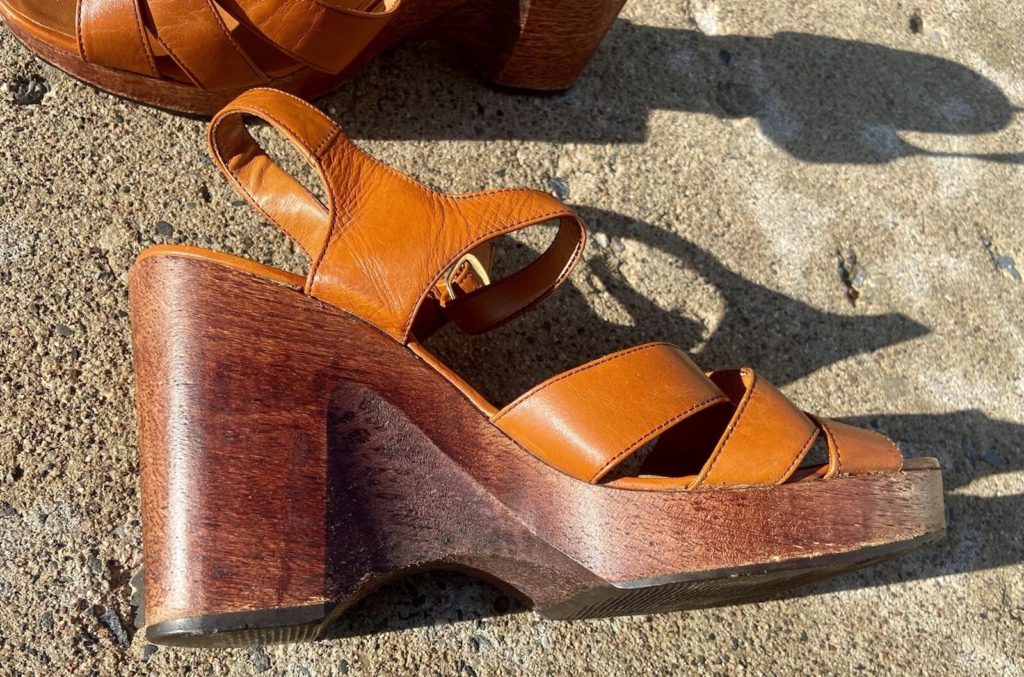
While initially credited to Roger Vivier in the 1930s, wedge sandals enjoyed renewed popularity in the 1970s as comfortable alternatives to stilettos. They represented a functional negotiation between traditional height expectations and practicality. This architectural innovation redistributed pressure across the entire foot, allowing wearers to literally stand longer in social spaces.
Period documentation shows cork and wood construction connecting wearers to natural materials during increasing synthetic manufacturing. These shoes functioned effectively across diverse terrains—from beach to dance floor—when conventional heels would prove impractical. This versatility contributed to their enduring appeal across fashion cycles and price points.
9. Rainbow Suspenders
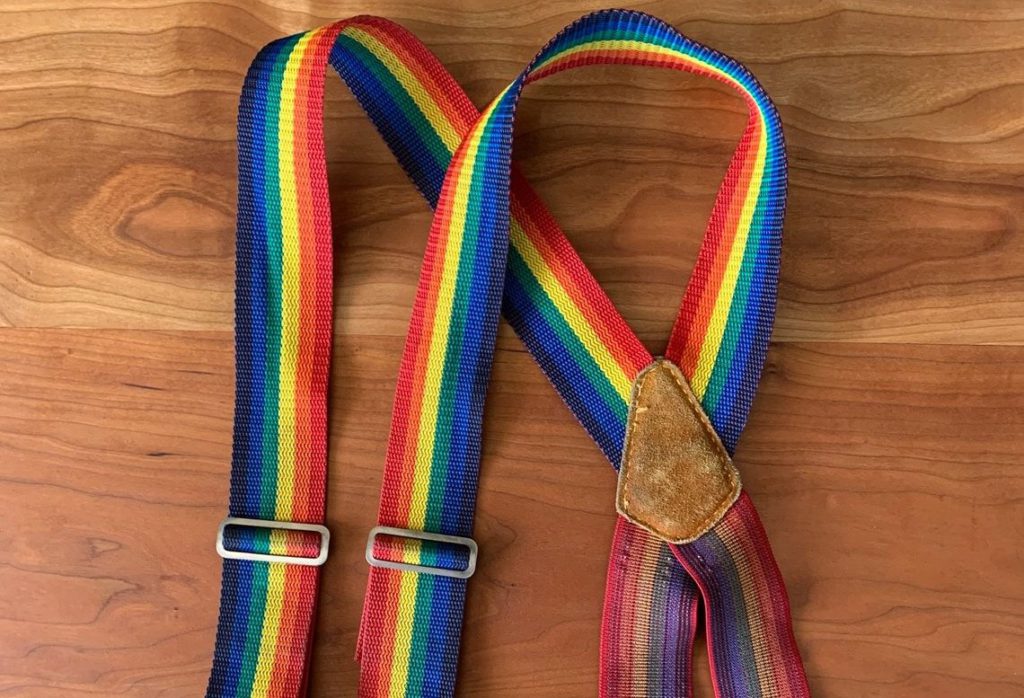
Gaining mainstream visibility through Robin Williams on Mork & Mindy (1978-82), rainbow suspenders represented functional accessories reimagined as expression. While traditional menswear focused on subtle details, these multicolored elastic bands recognized that bold expression could emerge through previously utilitarian elements, challenging monotone conventions.
Fashion archives reveal their versatility across diverse social contexts—from professional settings to comedy to political demonstrations—creating unprecedented demographic reach. Originally retailing for $5-$15, current versions maintain accessibility at $10-$25, preserving their democratic appeal across generations. Their significance lies in changing practical support systems into visual communication tools.
8. Jumpsuits
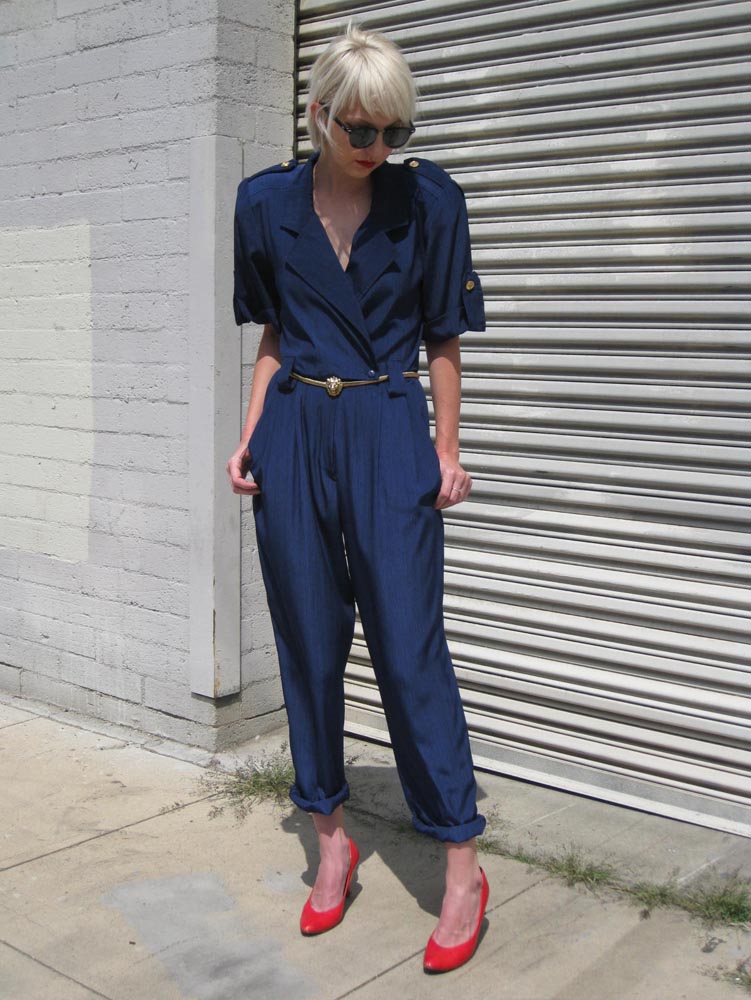
One zipper provided complete stylistic versatility with the jumpsuit, a garment that crossed class lines. While traditional wardrobes required complicated multi-piece ensembles demanding insider knowledge, the jumpsuit offered accessibility—one zip and you’re dressed, regardless of socioeconomic background or fashion education.
Contemporary fashion archives reveal the price spectrum’s significance. From $15-$50 ready-to-wear versions to high-end designer interpretations reaching $500+ by decade’s end, jumpsuits created fashion equality where workers and executives could wear structurally identical garments. This versatility made jumpsuits a universal foundation piece, providing baseline style security while accommodating personal expression.
7. Gunne Sax Dresses
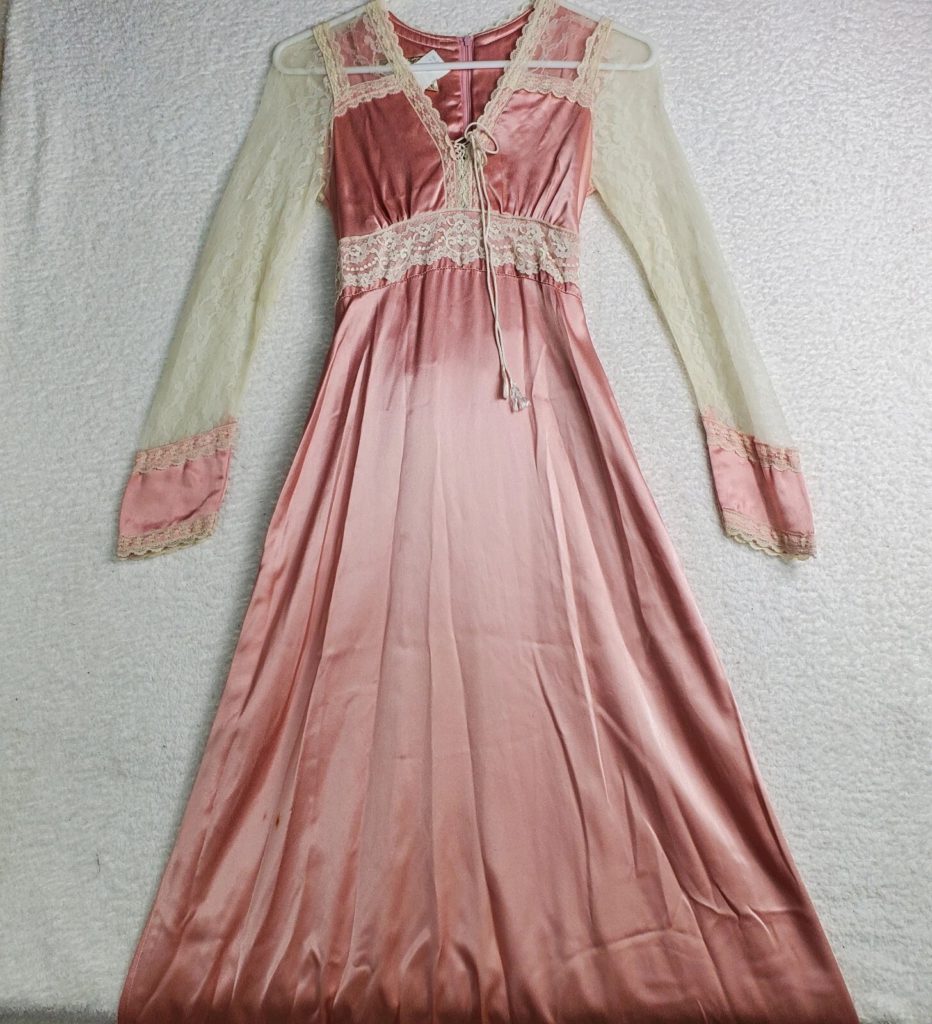
Initially launched in 1967 but reaching peak popularity in the mid-1970s, Gunne Sax presented an alternative fashion narrative through historical reinterpretation. While disco styles embraced synthetic futurism, Jessica McClintock’s designs enacted quiet rebellion through historical reverence, demonstrating nostalgia’s radical potential alongside more overtly progressive styles.
Style publications note the intentional use of traditionally feminine elements—lace, ribbons, high necklines—reclaimed these details as chosen rather than imposed, parallel to modern reclamations of traditionally gendered aesthetics. Current vintage marketplace data shows these dresses commanding $80-$450 at auction, confirming their significance as cultural artifacts documenting early experiments in alternative femininity.
6. Gee Your Hair Smells Terrific Shampoo

Launched in 1971, this shampoo pioneered stealth scent-delivery disguised as hair care. The product name reads like conversational praise, but its cultural engineering was precise: revamp teenagers into walking diffusers while bypassing parental restrictions on perfume purchases. It bridged the gap between childhood hygiene and adult fragrance.
The formula’s distinction wasn’t cleaning power but tactical longevity. That floral-spicy signature clung to follicles for hours, marking social territory in high school hallways with invisible scent boundaries. The enduring appeal is confirmed by current collectors—empty vintage bottles command $25-$65 online at specialty sites, their contents long evaporated but their cultural significance intact.
Products like Gee Your Hair Smells Terrific blurred the lines between self-care and bold olfactory statements. For a look at more distinctive personal care trends, browse these quintessential 1970s beauty trends.
5. Leisure Suits
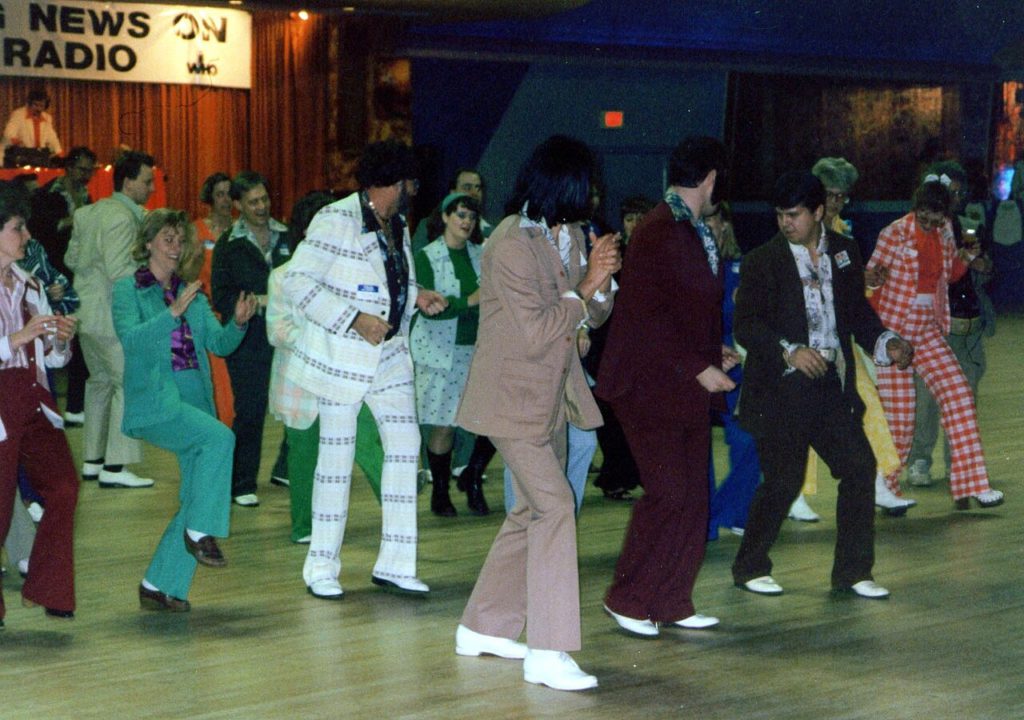
Workplace clothing restrictions relaxed when leisure suits infiltrated corporate America with comfortable rebellion. These unstructured polyester ensembles dismantled office power structures that had used stiff wool suits as hierarchical uniforms since the Industrial Revolution. Their exaggerated lapels weren’t design flaws but intentional style markers establishing visual identity.
As confirmed by period catalogs from Sears and Montgomery Ward, the synthetic construction provided practical advantages. While fabric traditionalists dismissed polyester, they overlooked its vital benefit: these garments freed wearers from expensive professional maintenance. Machine-washable battle uniforms brought working-class practicality into middle-management spaces, challenging class distinctions through laundry technology.
4. Satin Bomber Jackets
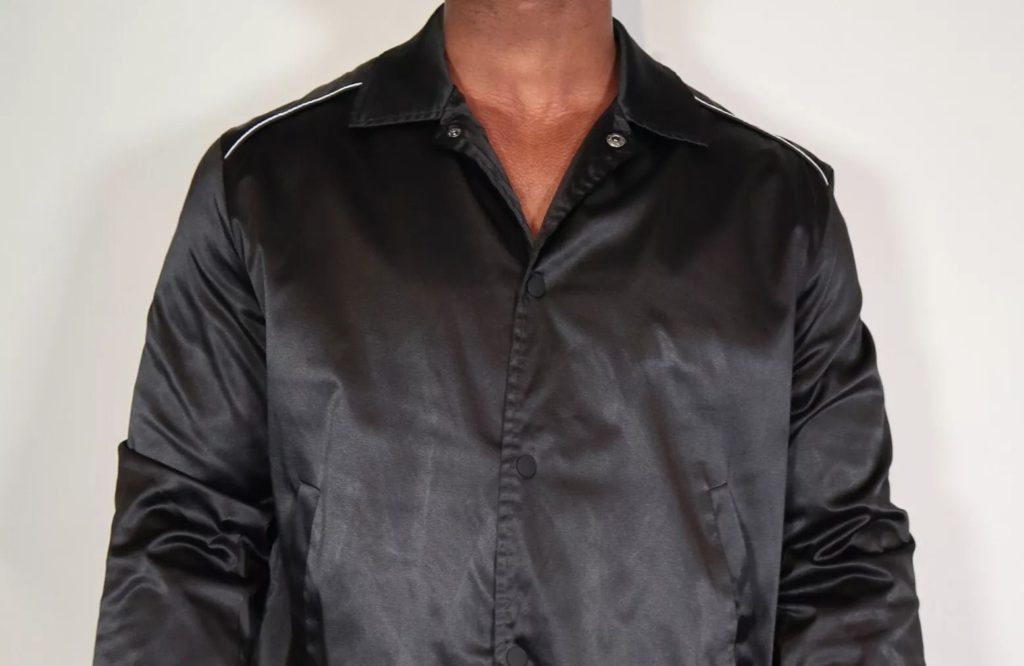
Building on military designs from the 1940s, satin bomber jackets evolved into civilian fashion statements by the 1970s. Originally created for flight crews, these garments brought luxury materials into everyday contexts. The satin exterior—previously reserved for formal eveningwear—introduced tactile pleasure to streetwear, crossing material boundaries between function and fashion.
Vintage clothing experts note the bomber’s engineering excellence in its structural balance—lightweight yet substantial, casual yet commanding. This adaptable identity made it versatile for a decade questioning established categories. Current collectible versions from this era command $40-$250 at auction, representing significant material culture artifacts documenting early experiments in status reconfiguration across social boundaries.
3. Platform Shoes
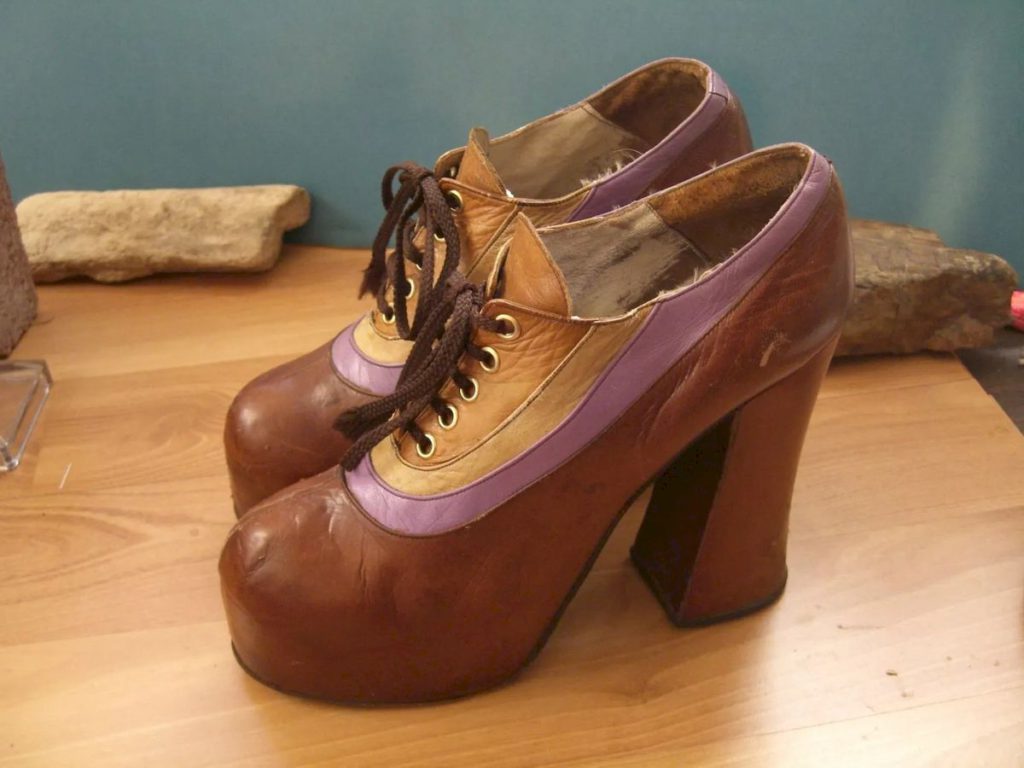
Though historical platforms date to ancient civilizations, their 1970s revival by brands like Dr. Martens represented significant cultural innovation. Traditional high heels maintained restrictive elevation through painful, destabilizing constructions, but platforms redistributed height through architectural improvement that maintained stability while adding dramatic presence.
Dance historians document how this construction created unprecedented gender crossing—allowing men access to height enhancement previously limited to women without sacrificing stability. This design innovation fueled disco culture’s physical expression potential, enabling movement possibilities impossible in conventional footwear. Platforms effectively challenged the false binary between height and comfort through weight distribution rather than concentrated pressure points.
2. Love’s Baby Soft Perfume
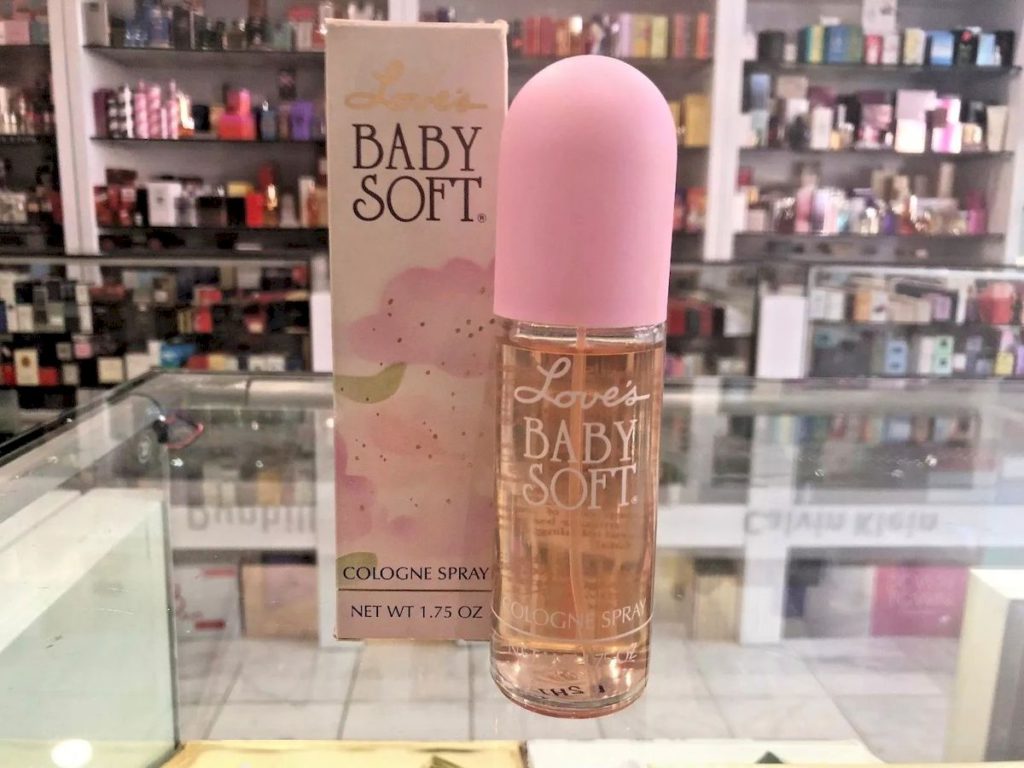
Launched in 1974, this fragrance executed precision marketing targeted at the adolescent demographic. This powdery concoction in a distinctive pink bottle engineered a commercial solution to teenage identity formation—providing a transitional scent positioned carefully between childhood associations and adult sophistication.
Consumer marketing studies identify its genius in emotional architecture—leveraging teens’ desire for desirability while simultaneously reassuring parents with innocent packaging. This delicate balance created unprecedented demographic reach. Original retail pricing of approximately $5-$8 established what beauty marketers now identify as “masstige positioning”—accessible luxury that extracted maximum pocket money with minimal parental resistance.
1. Patchwork Denim
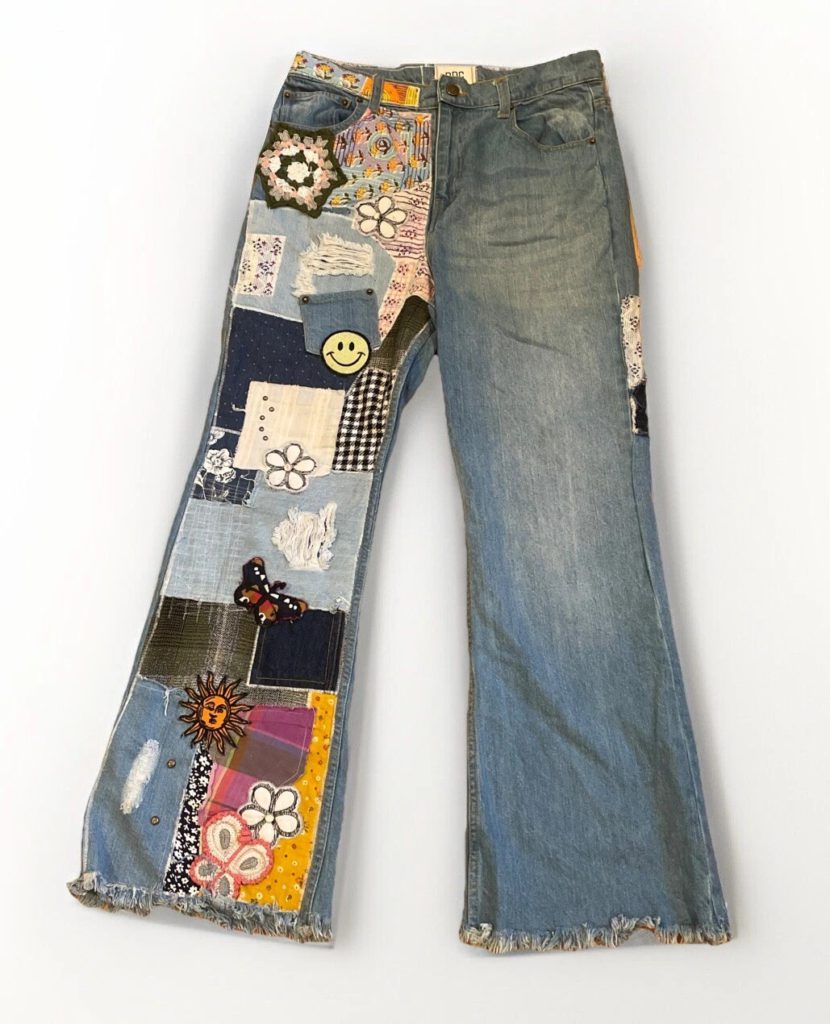
DIY textile practices flourished when favorite jeans ripped beyond conventional repair. Illustrated in early 1970s counterculture publications, patchwork denim represented practical resistance against planned obsolescence. While contemporary sustainability influencers showcase elaborate transformations, 1970s practitioners implemented circular resource use out of necessity and countercultural values.
Each hand-sewn patch communicated both creativity and resourcefulness—repairing rather than replacing in opposition to emerging consumer culture that treated clothing as disposable. Current vintage marketplaces value authentic patchwork pieces from this era between $100-$350, particularly Levi’s custom creations, revealing fashion’s irony—the most authentic garments were individually evolved rather than mass-produced.