



The 1970s didn’t transform rock music—it completely rewired its DNA, creating sonic blueprints that artists still reference like sacred texts.
While the decade gave you plenty of one-hit wonders and forgotten stadium fillers, the bands that truly mattered combined virtuosic musicianship with emotional authenticity. Their innovations weren’t just technical achievements but emotional revelations that continue resonating with listeners who weren’t even born when these records first dropped.
15. Sweet: Glam Warriors With Heavy Metal Hearts
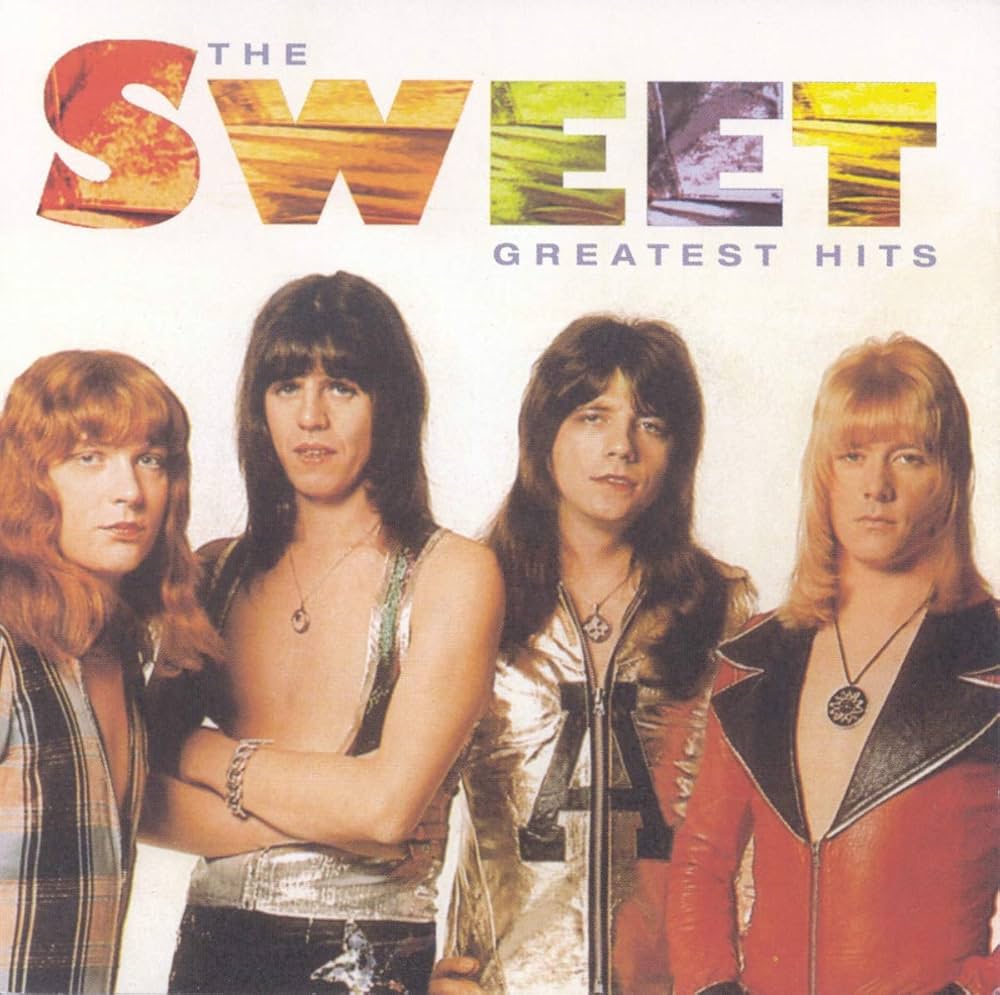
The Sweet formula was simple: take bubblegum melodies and weaponize them with metal intensity. Forming in London in 1968 as Sweetshop, they evolved into architects of a sound where pop accessibility collided with proto-metal aggression, producing music that was simultaneously radio-friendly and dangerously subversive.
An arsenal of hits—”Ballroom Blitz,” “Fox on the Run,” and “Love is Like Oxygen”—dominated charts worldwide with their perfect fusion of catchiness and aggression. Sweet’s music was like a Trojan horse, sneaking heavy metal elements into mainstream consciousness disguised as glittery pop confections.
14. Grand Funk Railroad: Blue-Collar Rock Revolutionaries

With 25 million records sold during the 1970s alone, Grand Funk Railroad became a cultural phenomenon by connecting with audiences through a direct, no-frills approach that prioritized gut-level impact over technical showboating.
Dominance through hits like “We’re an American Band” and “Some Kind of Wonderful” came from synthesizing hard rock, soul, and blues into something immediately accessible yet substantial. Grand Funk were rock populists in the best sense—making music that spoke directly to listeners without condescension or pretense.
This era also saw the rise of popular and forgotten bands, with groups like Led Zeppelin, Pink Floyd, and Queen pushing boundaries and reshaping mainstream music.
13. Blue Oyster Cult: Intellectual Metal Pioneers
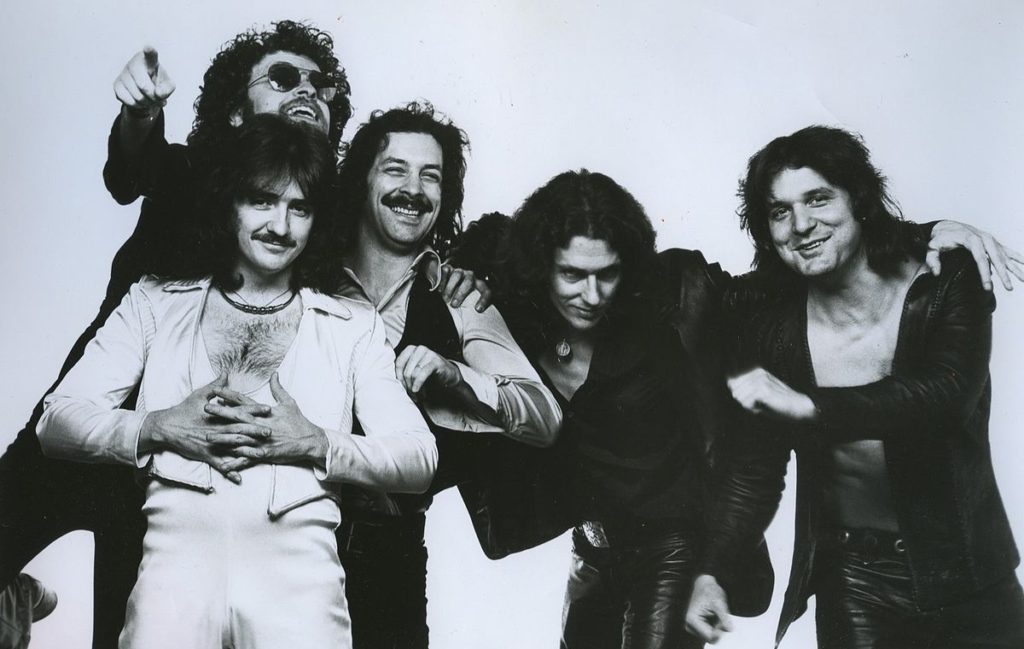
The Blue Öyster Cult approach merged literary sophistication with crushing heaviness in ways no band had attempted before. Emerging from Stony Brook, New York in 1967 as perhaps rock’s most literate heavy band, they proved that intellectual depth could enhance rather than diminish metal’s primal power.
A singular fusion of hard rock muscle, heavy metal power, and psychedelic exploration was matched by lyrics that referenced everything from Lovecraftian horror to Japanese monster films. The original configuration built a catalog where commercial hits like “Don’t Fear the Reaper” and “Godzilla” coexisted with ambitious deep cuts exploring science fiction and occult themes.
12. The Runaways: Teenage Rebellion With Amplifiers
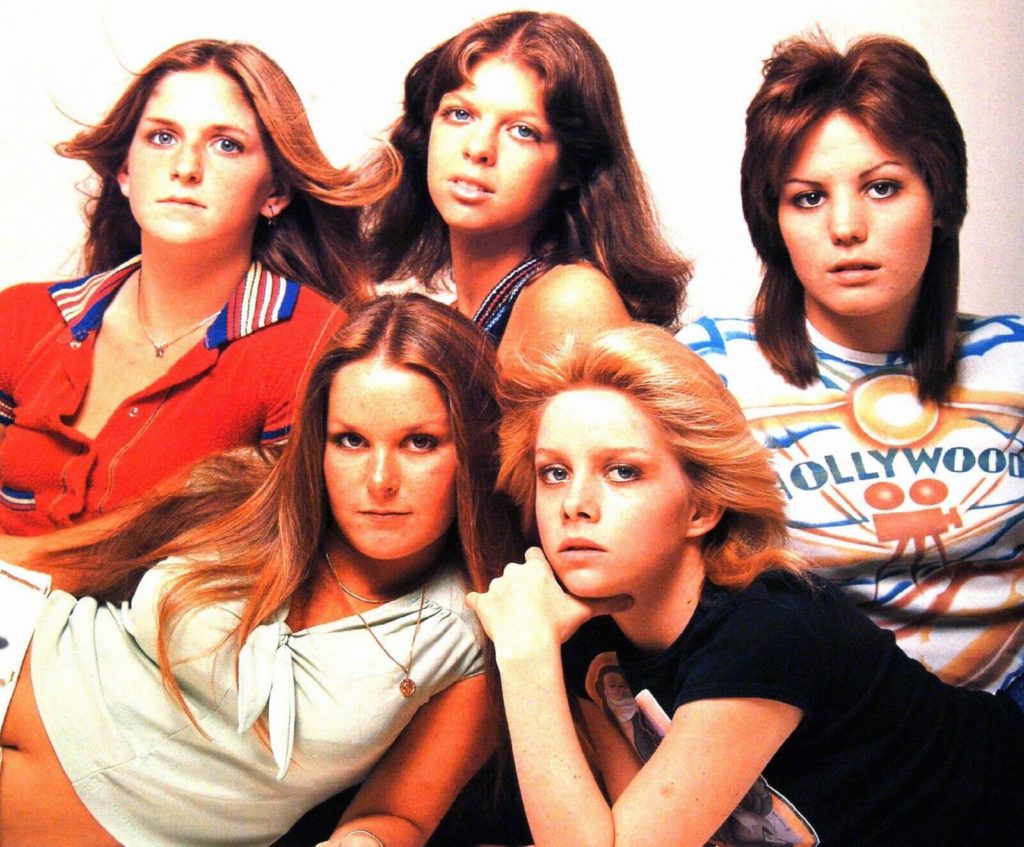
If you think rock was always a boys’ club, The Runaways would like a word. All-female group exploded onto the Los Angeles scene in 1975 as a revolutionary force in a male-dominated industry, assembled by producer Kim Fowley to combine hard rock power with punk attitude and glam theatricality.
Signature anthem “Cherry Bomb” captured adolescent rebellion with an authenticity that connected powerfully with teenage audiences. Though they achieved greater success in Japan than America, they released four albums that documented young women claiming space in a genre that had largely excluded them, pioneering pathways for future generations.
11. Uriah Heep: Heavy Metal Mystics
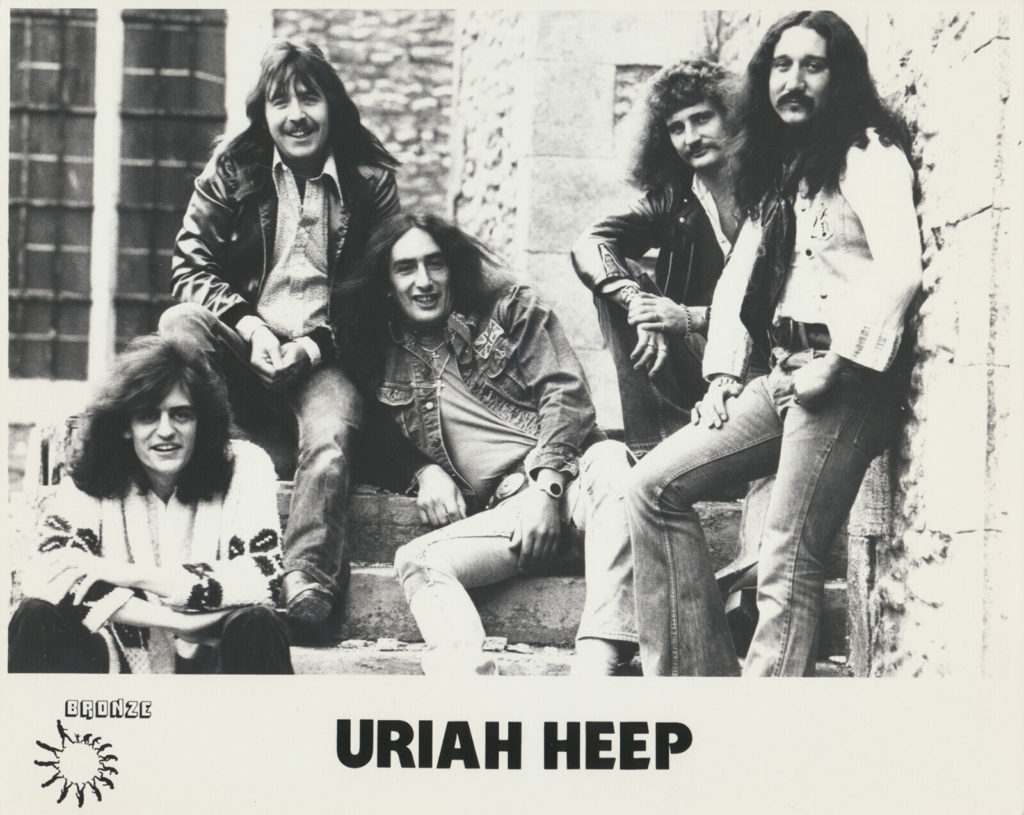
Materializing in London in 1969 as early alchemists in the heavy metal laboratory, Uriah Heep combined hard rock foundations with progressive structures and fantasy themes that would define an entire subgenre.
Two 1972 twin peaks—Demons and Wizards and The Magician’s Birthday—built worlds where Tolkien-esque imagery met thundering riffs and soaring vocals. These albums stand as essential documents of heavy music’s formative period, establishing the vocabulary that metal would speak for decades while inspiring countless future practitioners.
10. Badfinger: Tragic Pop Perfectionists
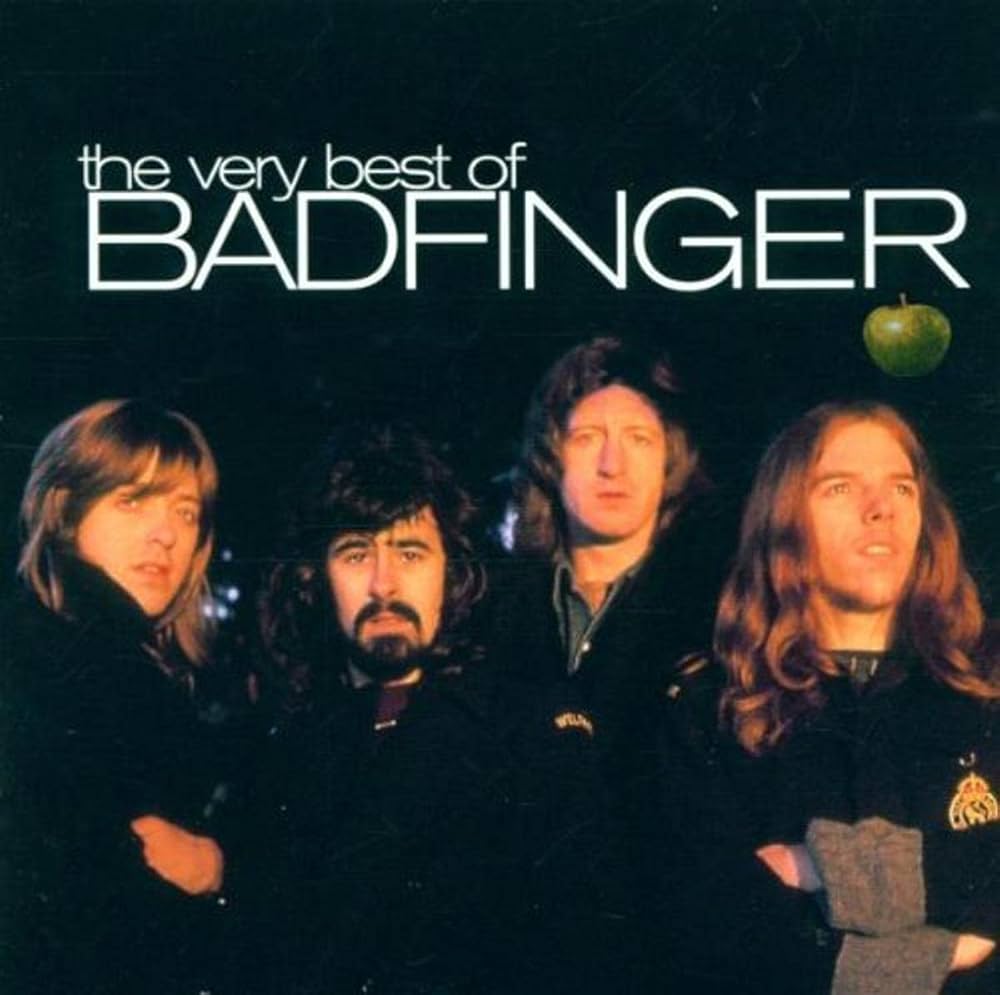
The Badfinger story represents both pop perfection and industry tragedy in equal measure. Welsh band’s narrative contains both extraordinary musical triumph and devastating personal loss, beginning as The Iveys before being signed by The Beatles’ Apple Records in 1968 to craft some of the era’s most perfectly formed power pop.
Between 1970 and 1972, an astonishing run of classics including “Come and Get It” and “Baby Blue” emerged from their songwriting partnership. Financial mismanagement and industry exploitation led to unimaginable tragedy that represents both the heights of musical achievement and the darkest consequences of music industry business practices, leaving their artistic legacy forever shadowed by loss.
If you’re interested in more stories from the best gone groups of the 1970s that still shape the spirit of classic rock, you’ll find plenty to rediscover.
9. Steely Dan: Jazz-Rock Perfectionists in a Three-Minute World

Studio perfectionism reached its peak when Donald Fagen and Walter Becker formed Steely Dan in 1971. Becoming sonic scientists who engineered laboratory-perfect fusions of rock, jazz, and pop, they proved that meticulous craftsmanship could coexist with commercial appeal in ways few thought possible.
Hit singles smuggled complex harmonies and sophisticated structures into radio formats typically hostile to such musical ambition. The 1977 masterpiece Aja represented the pinnacle of their approach—music of such immaculate conception and execution that it established its own category within popular music, proving technical perfection could serve emotional expression.
8. Big Star: The Band That Launched a Thousand Bands
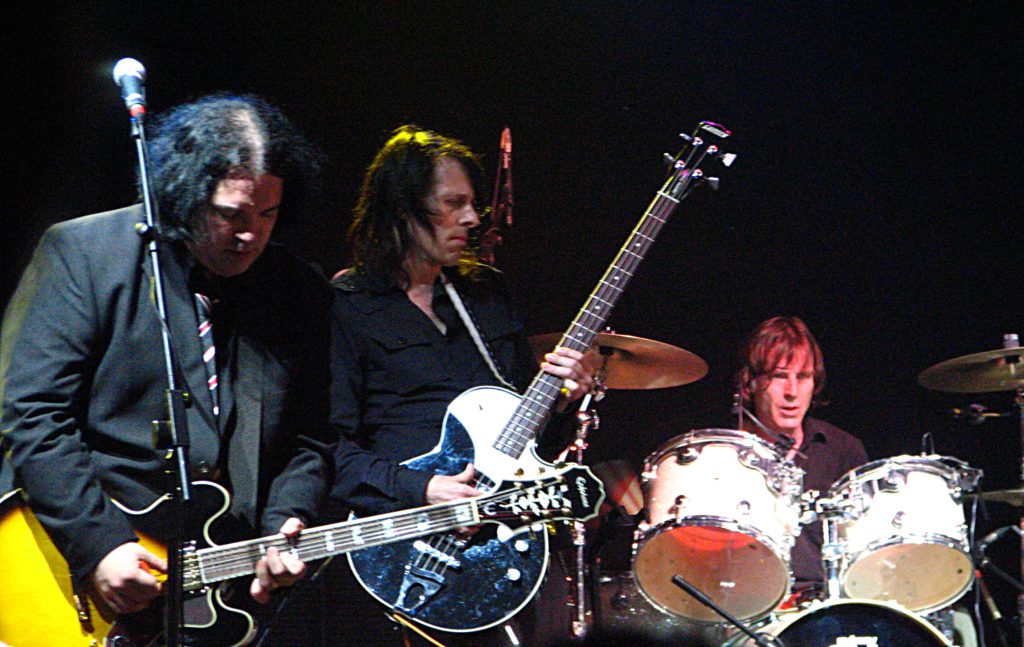
Commercial failure rarely predicts lasting influence, but Big Star defied every industry assumption. Memphis outfit formed in 1971 and produced music so influential it’s impossible to imagine alternative rock without them, despite achieving virtually no commercial success during their brief active period.
Alex Chilton, Chris Bell, Jody Stephens, and Andy Hummel synthesized British Invasion pop with soulful delivery and ringing guitars, establishing an outline for emotional vulnerability in rock music. A 1972 debut earned critical adoration but commercial indifference, standing in stark contrast to their enormous influence on generations of musicians seeking authentic expression.
7. UFO: Hard Rock’s Unsung Architects

Overlooked at home but revered abroad, UFO built the foundation for an entire generation of metal bands. British rockers materialized in London in 1968, building a foundation for what would eventually become the New Wave of British Heavy Metal while struggling to find acceptance in their native country.
Creative and commercial peak arrived with Michael Schenker’s addition, producing essential albums like Phenomenon and Lights Out. UFO developed a musical vocabulary that bands from Iron Maiden to Metallica would later incorporate into their own music languages as essential architects of rock’s future.
6. Humble Pie: Blues-Rock Alchemists
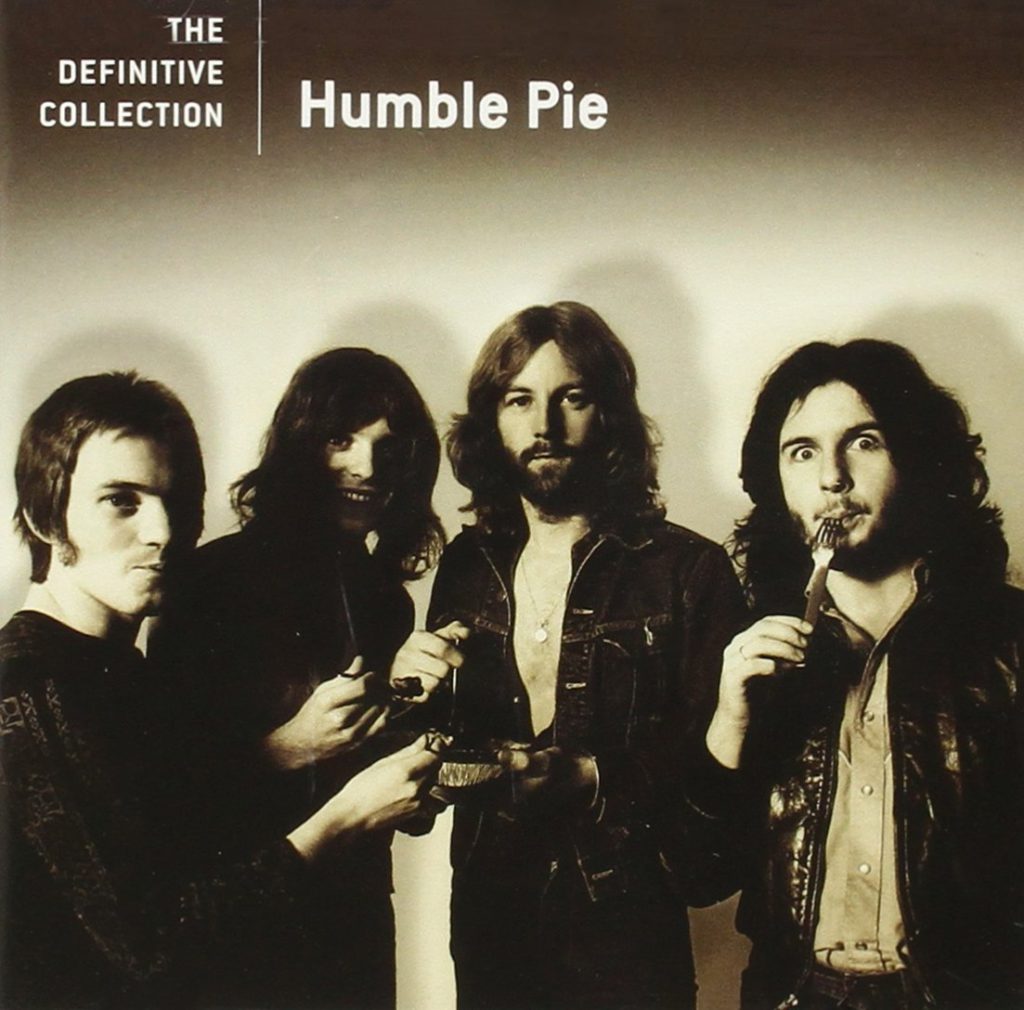
Supergroups often disappoint, but Humble Pie delivered on their considerable promise. Essex rockers formed in 1969 when Small Faces frontman Steve Marriott joined forces with Peter Frampton to build a musical powerhouse that fused blues foundations with hard rock power, proving that collaborative chemistry could transcend individual talents.
A catalog showcased their ability to maintain bluesy authenticity while delivering arena-sized impact. Despite formidable talents, substance abuse issues and management problems prevented them from achieving their full potential, leading to their 1975 dissolution and leaving their story as one of rock’s great “what ifs.”
5. Ambrosia: Progressive Pop Perfectionists
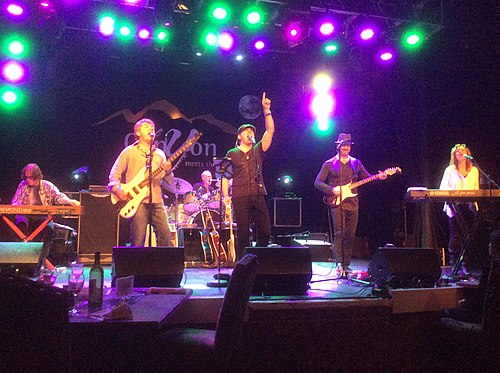
Complex arrangements didn’t have to sacrifice commercial appeal, and Ambrosia proved it conclusively. Los Angeles-based musical chemists emerged in 1970 blending seemingly incompatible elements into something uniquely satisfying, beginning with progressive rock ambitions before evolving into something entirely their own through careful experimentation.
By mid-decade, a refined approach yielded hits with “How Much I Feel” and “Biggest Part of Me”—songs that maintained technical sophistication while delivering emotional directness. Legacy lies in demonstrating that musical complexity and commercial accessibility formed complementary rather than competing forces in popular music.
4. Boston: Engineering Rock Perfection
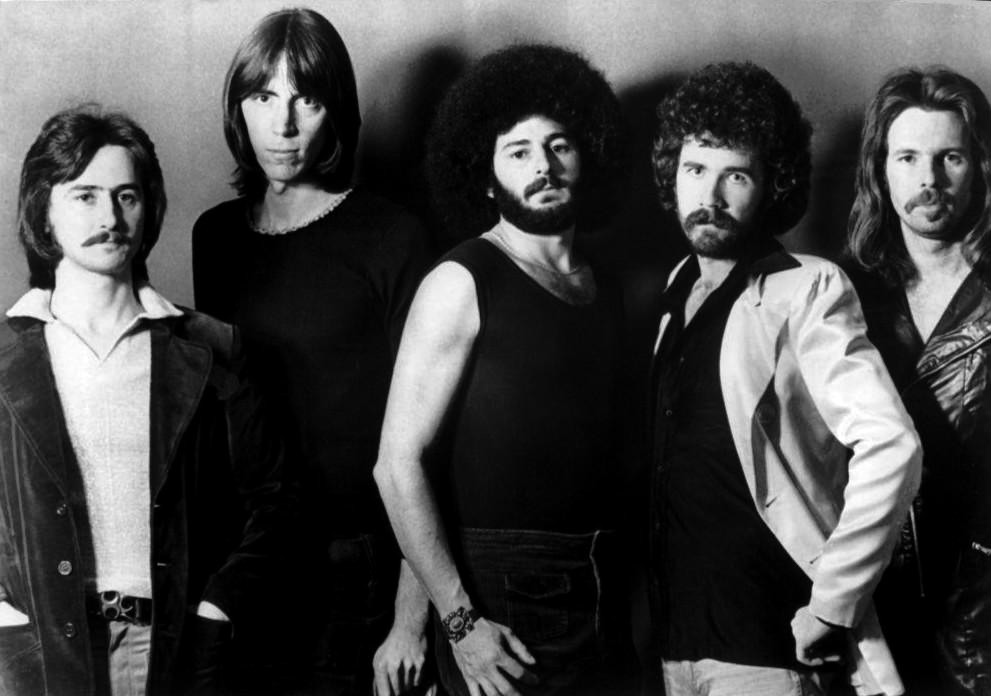
The Boston debut album sold over 17 million copies, making it one of the best-selling debut albums in rock history. MIT graduate Tom Scholz converted his Massachusetts basement into a laboratory where rock’s future was being synthesized one meticulously crafted layer at a time.
When “More Than a Feeling” and “Peace of Mind” first thundered through radio speakers, listeners encountered something both familiar and revolutionary—guitar harmonies stacked with scientific precision yet delivered with emotional wallop. Boston established music blueprints that producers still reference when seeking that elusive perfect guitar tone.
3. Wishbone Ash: Twin-Guitar Trailblazers

The Wishbone Ash twin-guitar technique revolutionized how bands approached lead guitar arrangements. Emerging from Devon, England in 1969 as innovators of the twin lead guitar approach, they developed a distinctive sound where dual guitar melodies intertwined like musical DNA strands, establishing new harmonic possibilities that countless bands would adopt.
Early albums, particularly Argus (1972), demonstrated how two lead guitars could generate harmonic complexity without sacrificing power or clarity. They proved that technical innovation could serve emotional expression, building a framework that bands from Thin Lizzy to Iron Maiden would expand upon throughout subsequent decades.
2. Thin Lizzy: Celtic Warriors With Twin-Guitar Armor
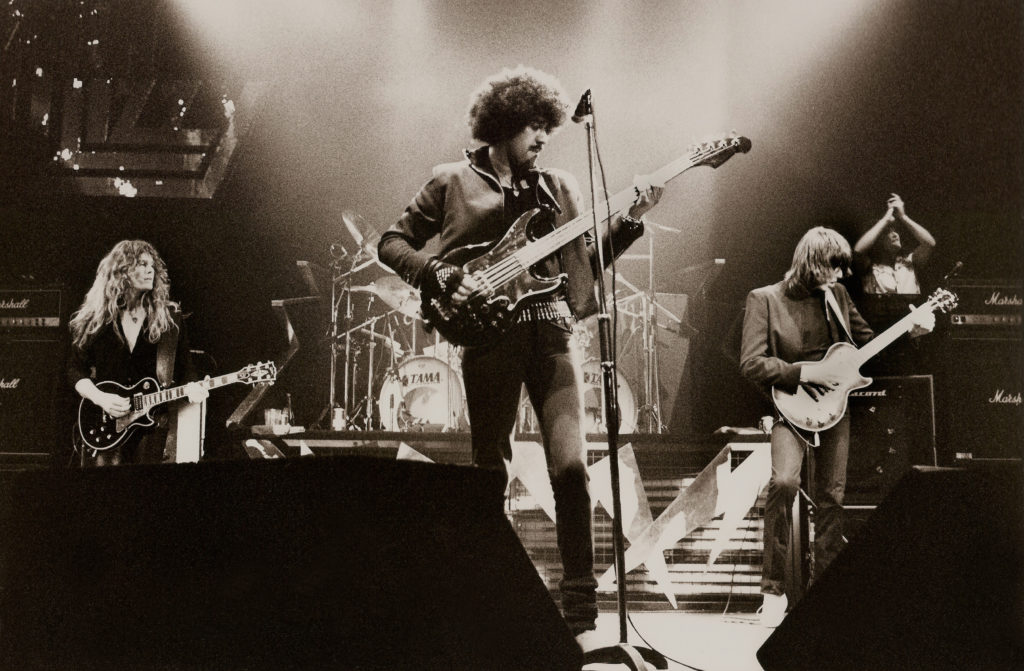
Hard rock needed an injection of Irish soul, and Thin Lizzy delivered exactly that remedy. Emerging from Dublin in 1969, they crafted a musical mythology where hard rock muscle met Irish storytelling traditions that had been absent from the genre.
The transformation of traditional “Whiskey in the Jar” in 1972 signaled their unique approach, but it was anthems like “The Boys Are Back in Town” that cemented their legacy. Twin-guitar harmonies became as influential as their Celtic-infused storytelling, establishing a template that metal bands would study for decades like sacred texts.
1. Focus: Where Classical Virtuosity Met Rock Rebellion

If you’ve ever wondered what happens when jazz flute meets hard rock, Focus provided the definitive answer. Dutch progressives Focus formed in Amsterdam in 1969 and answered a question nobody knew needed asking: what happens when you fuse jazz flute, classical structures, and hard rock intensity?
The 1971 breakthrough “Hocus Pocus” remains rock’s most gloriously unhinged experiment—a track where blistering guitar work collides with operatic yodeling in a way that shouldn’t work but absolutely soars. Focus dismantled genre barriers, forging pathways that countless progressive bands still travel today.