



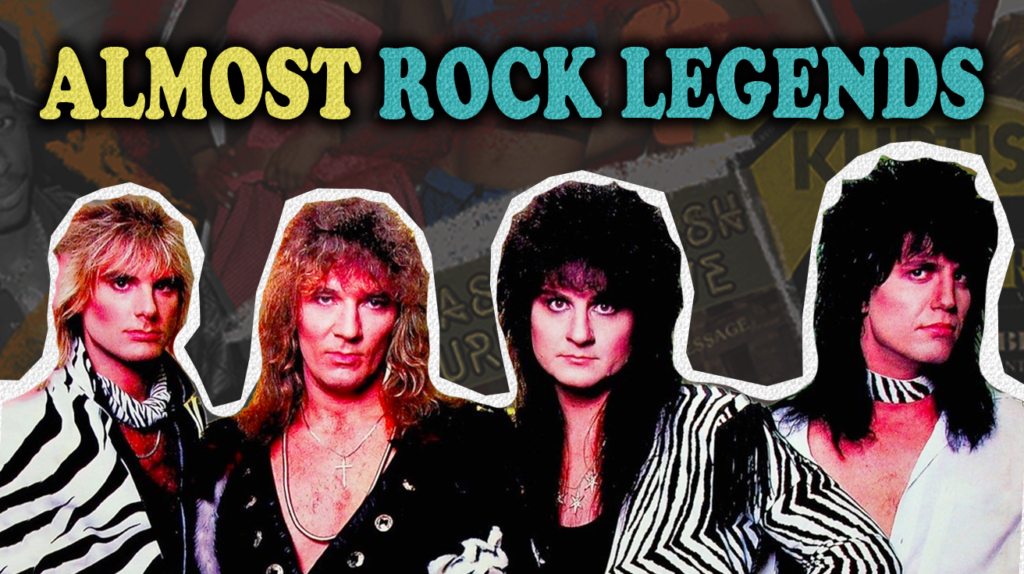
The late ’70s through the early ’90s wasn’t just about big hair and bigger riffs; it was a sonic arms race where talent often got nuked by bad luck and changing tastes. In a world with thousands of bands clawing for fame—the L.A. scene alone had thousands of groups—even killer live acts could get lost in the shuffle without a label willing to bet big. We dug deep, past the Bon Jovis and Guns N’ Roses, to spotlight the bands that almost made it. Ever wonder how close rock history came to sounding totally different?
4. Q5
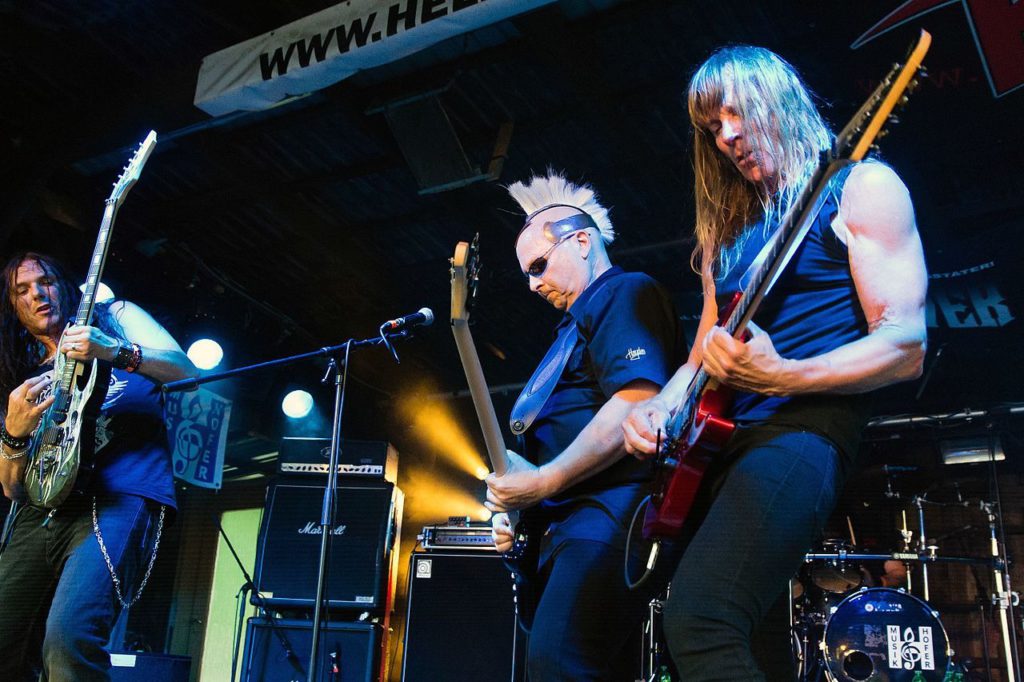
Seattle’s Q5 proved the city had metal chops years before grunge took over the world.
Q5 delivered a blend of Judas Priest punch and Def Leppard polish on their 1984 debut album Steel the Light. That sword-wielding warrior woman on the cover promised metal glory, and the band mostly delivered. They had the hooks, the production, and the look—everything except the right timing.
Label issues and a shift toward commercial sound saw Q5 lose its initial spark. It’s like promising a headbanging feast but serving a pop-rock appetizer. Seattle’s soundscape wasn’t all flannel and angst, but Q5’s story shows how easily great bands can get steamrolled by changing trends.
3. Baton Rouge
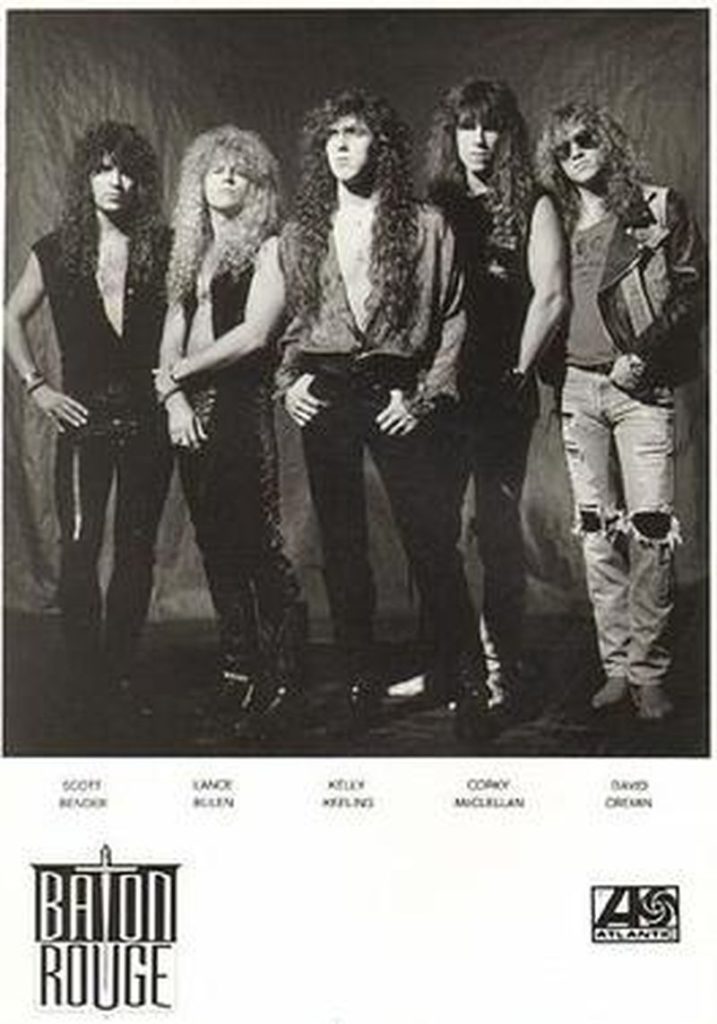
Louisiana’s answer to Tesla mixed Southern grit with glam-metal swagger, but timing killed their momentum.
Baton Rouge‘s 1989 debut album Shake Your Soul, produced by Jack Ponti, had all the right ingredients—Tesla’s grit mixed with Cinderella’s glam. They were that cool dive bar band everyone swore was about to blow up, complete with the bluesy hard rock sound that should’ve conquered radio.
The scene was a saturated swamp, as Richard Black observed about the L.A. circuit. Too many bands, not enough spotlight, leaving tons of talent unheard. Baton Rouge fell victim to the numbers game, another casualty of an overcrowded market that couldn’t support every deserving act.
2. White Tiger
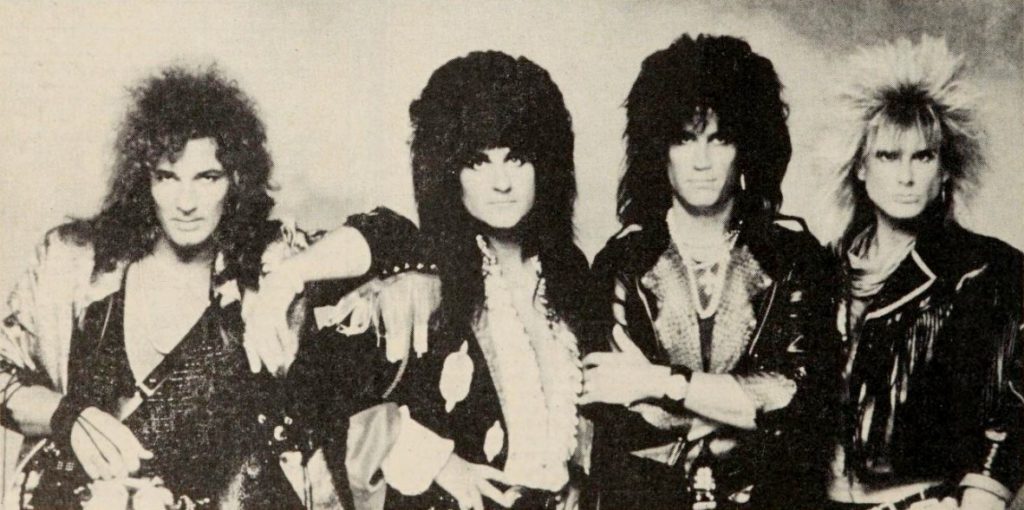
Mark St. John’s guitar wizardry deserved better than the neon-lit purgatory of almost-famous.
White Tiger‘s self-titled debut showcased St. John’s shredding skills alongside a sound comparable to Dokken and Y&T. The album was polished as chrome, but promotion was a flat tire. St. John could turn every riff into a quest, with each solo serving as a treasure map to a scene that should have been theirs.
“Rock Warriors” remains a testament to what happens when guitar virtuosity meets mediocre marketing. St. John’s talent was undeniable, but talent alone couldn’t overcome label neglect in an increasingly crowded marketplace.
1. Rough Cutt
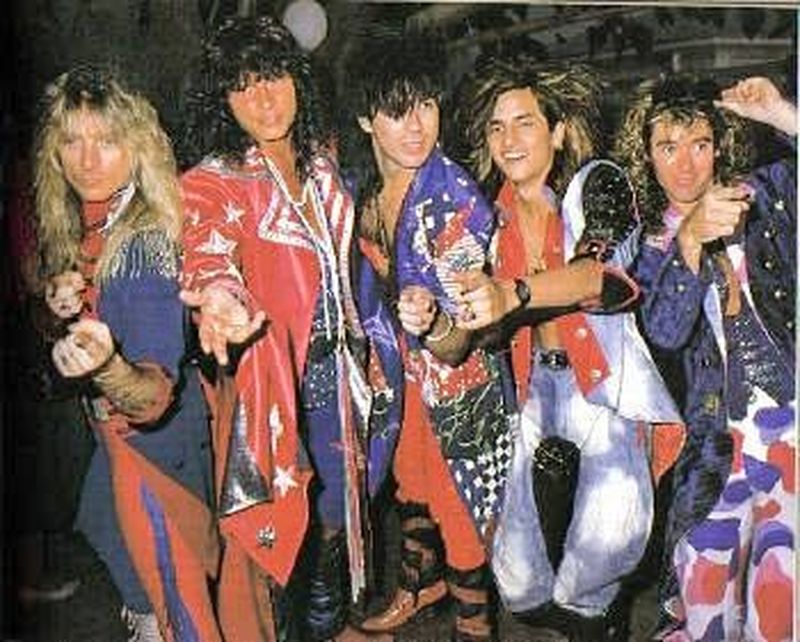
Paul Shortino’s powerhouse vocals and Tom Allom’s production should’ve launched this band into the stratosphere.
Rough Cutt’s self-titled debut, produced by Tom Allom (Judas Priest‘s British Steel), had connections to Quiet Riot and Ratt, plus Shortino’s voice that could make a grocery list sound epic. They possessed all the hallmarks of hard rock royalty but couldn’t escape the gravitational pull of internal struggles.
Rough Cutt was a glam-metal act that sounded arena-ready but became another “what if” band forever debated by diehards. Label politics dimmed their spotlight before they could properly ignite, leaving behind only speculation about their potential.