



Once-essential tech transforms into museum curiosities faster than OS updates on aging laptops. The digital revolution sweeps gadgets away at warp speed, leaving behind a trail of obsolete devices that defined entire generations.
These abandoned technologies reveal our evolving relationship with innovation.
20. Fax Machines
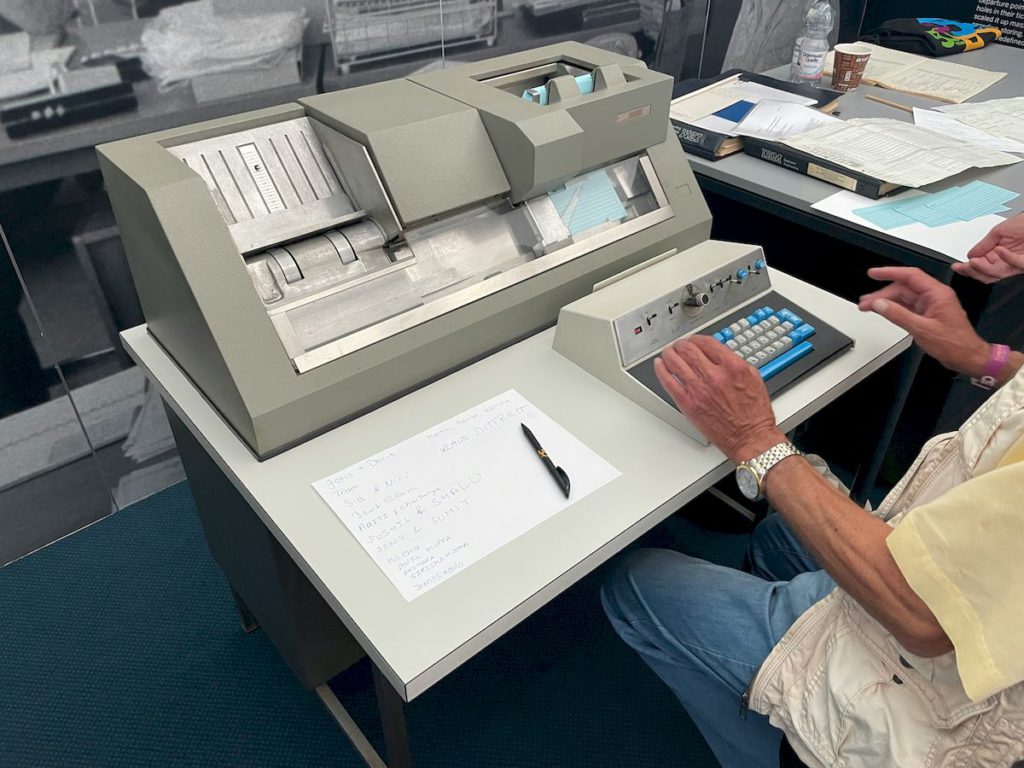
Document transmission previously depended on paper-eating boxes that converted physical pages into electronic screeches, then reassembled them elsewhere. Office spaces featured these noisy contraptions with distinctive connection tones reminiscent of robot symphonies.
Despite becoming outdated since email attachments became standard, certain industries cling to fax machines with the determination of toddlers refusing to leave playgrounds. Healthcare, legal, and government sectors maintain this technology as backup systems.
19. Rolodex
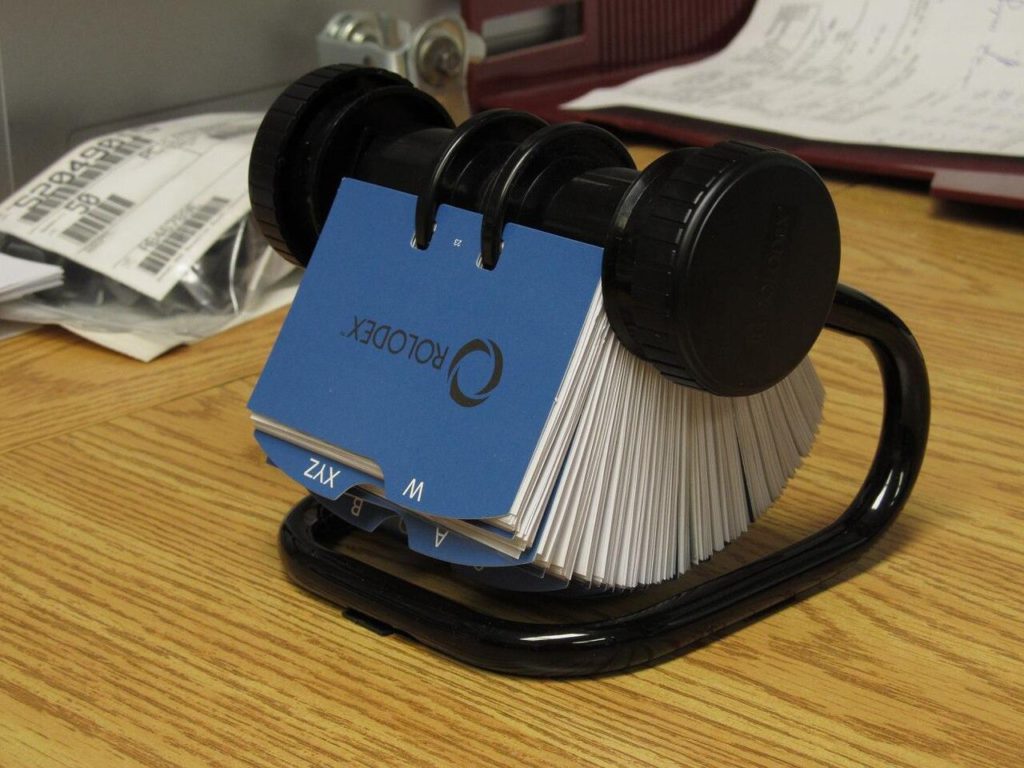
Before contact lists lived in the cloud, professionals displayed their networking prowess through spinning card collections on desktops. The Rolodex held alphabetized cards containing contact information for everyone from clients to lunch spots that delivered. A secretary could flip to the right card faster than voice assistants respond to commands.
Sales professionals measured career success by their bulging Rolodex – the analog equivalent of LinkedIn connections but without the notifications.
18. Cigarette Vending Machines
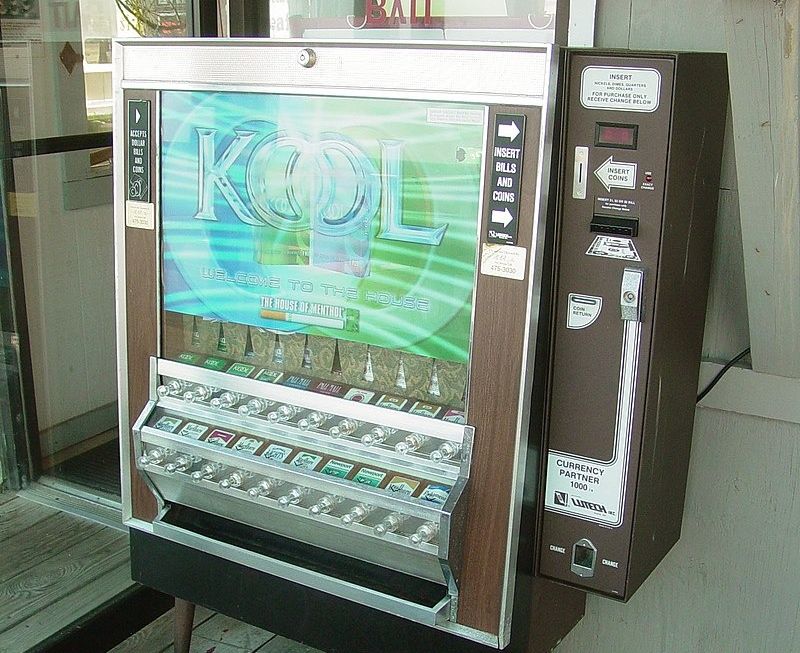
Scoring cigarettes used to require just pocket change fed into a metal box. No ID check, no awkward conversations – just coins, click, tobacco.
The machines ran on a system that completely ignored age restrictions. As health awareness grew and teen smoking rates climbed, these metal enablers got yanked from public spaces across America. Today, they exist mostly as collector items, throwbacks to an era when public health concerns took a backseat to convenience.
17. Alarm Clocks
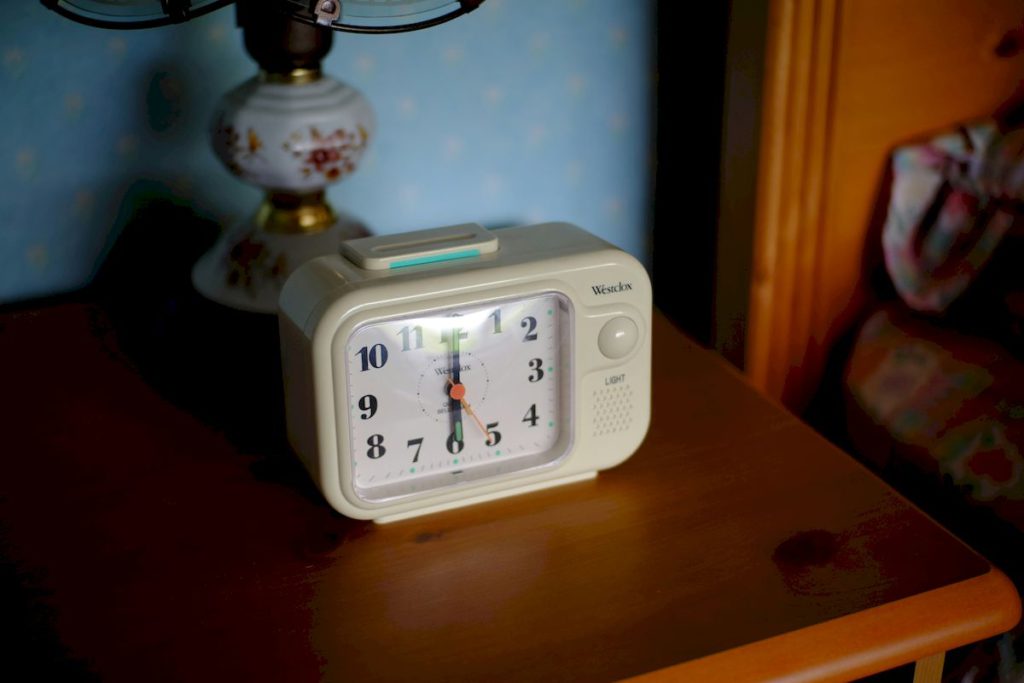
Morning wake-up calls previously came from dedicated devices with a single function – startling you awake with mechanical buzzing next to your bed. Traditional alarm clocks needed nightly manual setting, often with physical switches that engaged timing mechanisms with satisfying clicks.
Travelers distrusted hotel alarm reliability enough to request backup wake-up calls from staff. Smartphones eliminated these single-purpose devices, though many sleep experts suggest returning to dedicated alarms to keep phones outside bedrooms.
16. Film Cameras
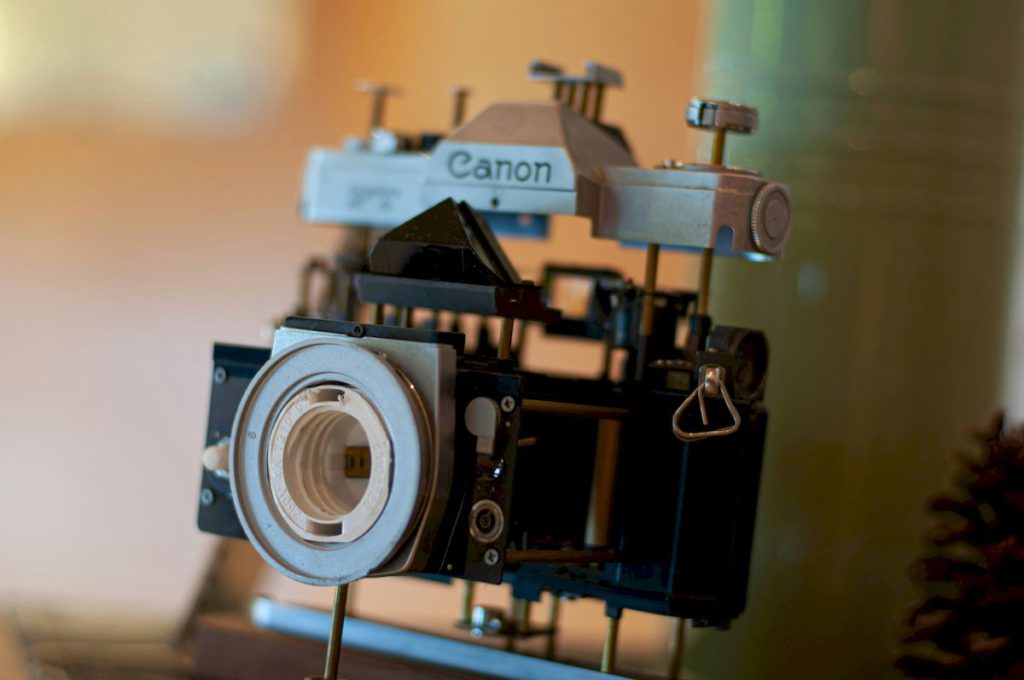
Photography previously demanded both skill and patience instead of algorithms and filters. Film cameras required investment in equipment and expertise. Each snapshot represented a tiny financial commitment – film costs, development fees, and no do-overs if your finger covered the lens.
Parents capturing childhood milestones faced genuine suspense about whether they’d preserved memories or wasted film. The waiting period between taking photos and seeing results transformed photography from today’s instant-gratification activity to a delayed reward.
15. Phone Books
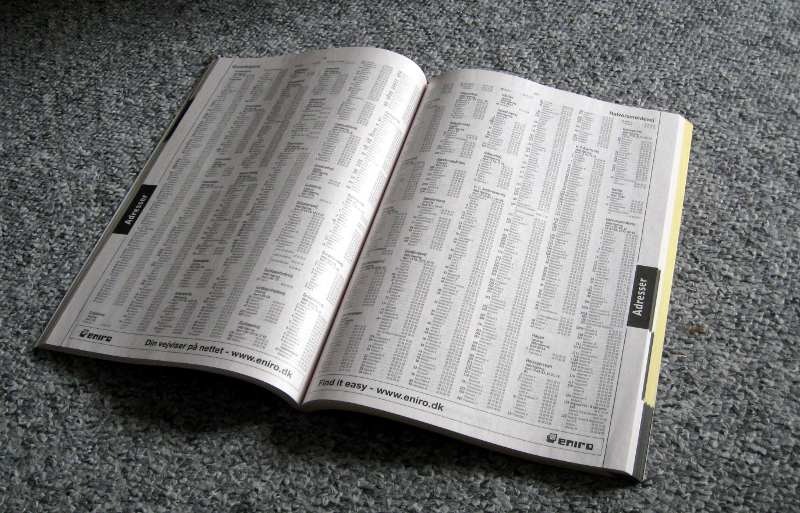
Paper directories functioned as analog search engines and were delivered yearly to doorsteps, whether they were wanted or not. White Pages listed residents alphabetically while Yellow Pages categorized businesses by service type. Plumbing emergency at midnight? You flipped through ink-stained pages rather than typing queries into search bars.
Phone books served multiple purposes beyond contact information – impromptu booster seats, doorstops, and paper weights. At peak production, they required billions of pages, devastating forests nationwide. While digital alternatives made these paper giants obsolete, rural areas with unreliable internet still receive them today – outdated information delivery in a streaming world.
14. Printed Maps
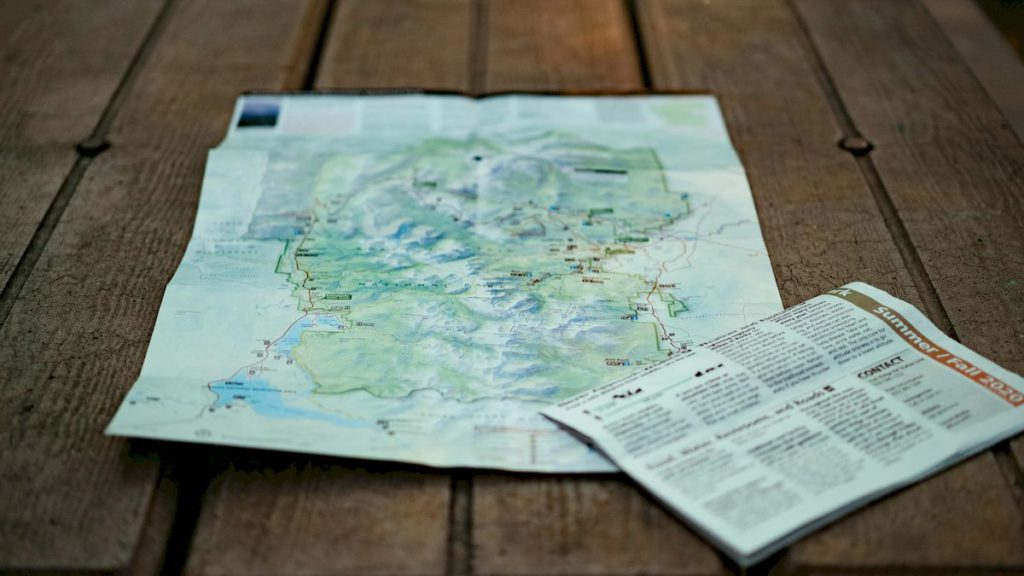
Navigation relied entirely on items from the ’60 now forgotten like payphone and paper guides that never rerouted or recalculated journeys. Gas stations functioned as map distribution centers, their racks filled with colorful regional guides.
Family journeys included heated debates about routes while pulled over at rest stops, the open map covering the dashboard entirely. The navigator role carried serious responsibility – wrong turns added hours without automatic recalculation. GPS and smartphone applications transformed static directions into dynamic experiences.
Despite digital alternatives, many hikers maintain paper maps for wilderness exploration where batteries die at the worst possible moments.
13. Payphones and Phone Booths
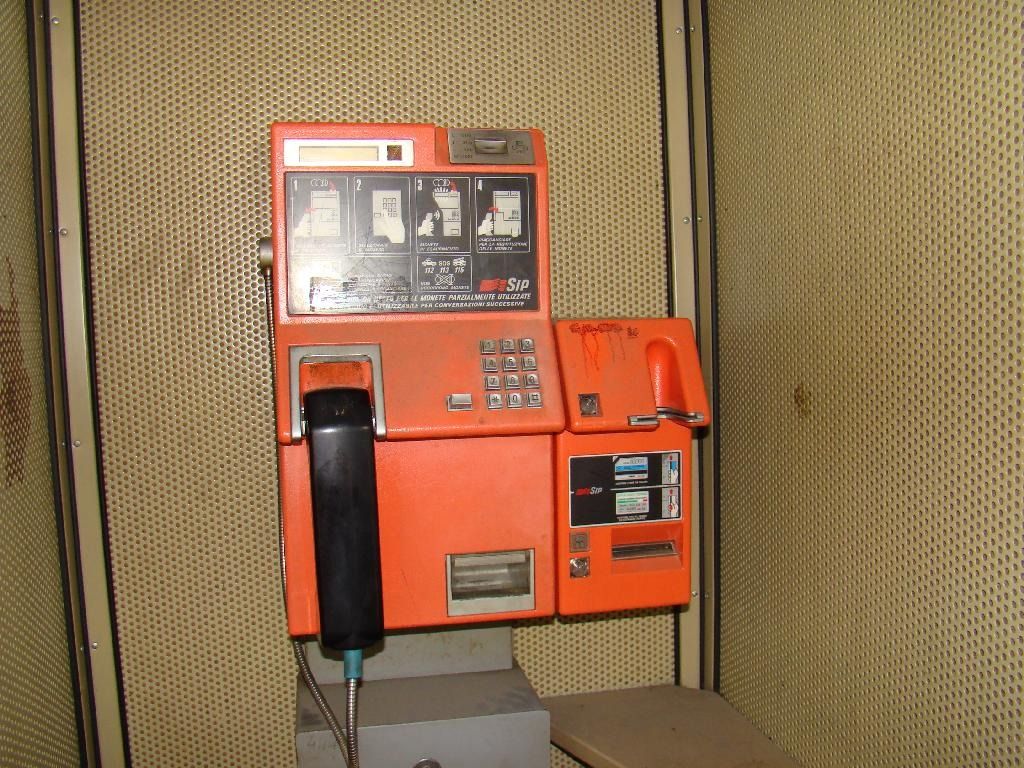
Communication lifelines once dotted urban landscapes more consistently than coffee shops today. The clinking sound of quarters dropping, followed by dial tones, represented the gateway to connection. Phone booths offered rare privacy in public spaces – something wireless earbuds cannot replicate.
Finding working payphones during emergencies became crucial networking before mobile phones existed. Now these communication oases have mostly vanished as cellular devices flooded markets worldwide. Some cities have transformed old booth locations into WiFi hotspots or charging stations, maintaining public utility while acknowledging that shared handsets no longer make sense.
12. Carbon Copy Credit Card Imprinters
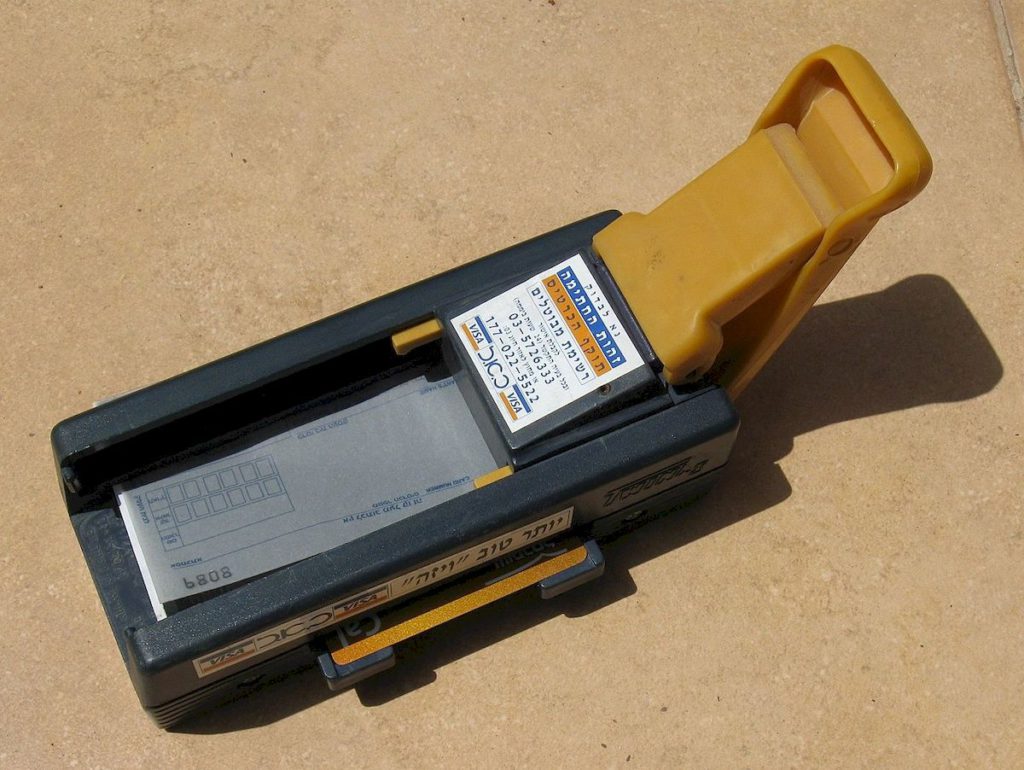
Payment processing involved mechanical steps resembling tiny printing press operations. Cashiers placed cards onto metal plates, layered carbon paper forms on top, then slid rollers across with a distinctive chunk-chunk sound, creating physical receipts instantly. The process took longer than the computer startup sequences.
These manual imprinters – nicknamed “knuckle-busters” – created transaction records requiring overnight processing and verification against printed fraud lists.
11. X-Ray Shoe Fitters
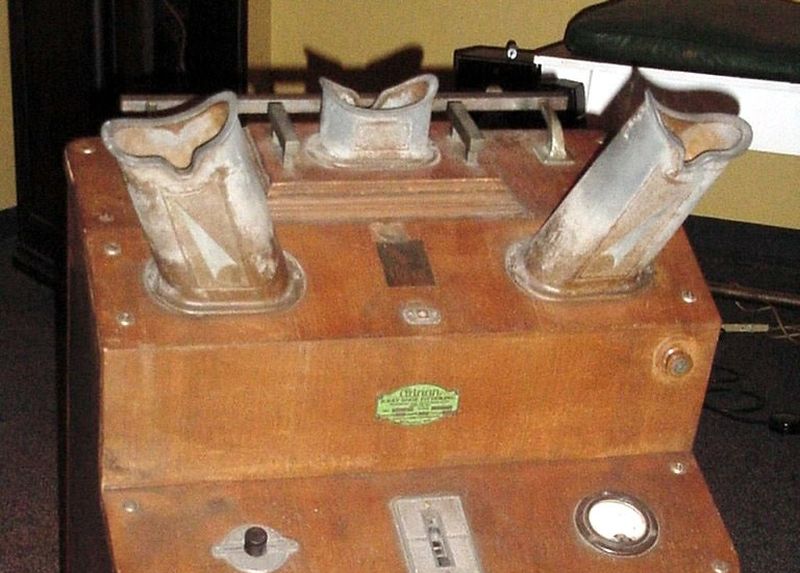
Retail innovation once included radiation exposure as a selling point. Shoe stores X-rayed customers’ feet in the name of proper fit. These machines let parents watch their children’s toe bones wiggle inside new shoes while store clerks delivered radiation doses with each fitting.
Health officials eventually recognized the dangers of casual radiation exposure in retail settings. By 1970, most states prohibited these skeletal peep shows through legislation.
10. Typewriters

Writing once required physical effort – striking keys hard enough to mark paper with ink. These mechanical marvels produced permanent text without Ctrl+Z options.
Office staff developed specialized techniques around these machines, mastering error correction with liquid paper or special tapes. Creating professionally formatted documents required planning and foresight.
9. DVDs and Blu-rays
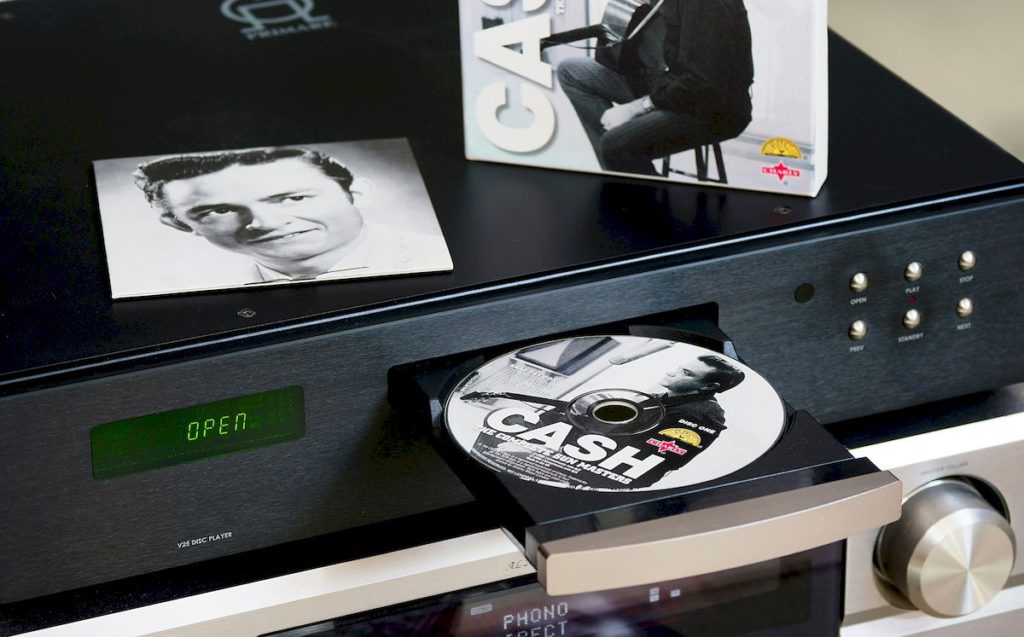
Physical media collections required dedicated storage furniture before digital streaming existed. Movie fans built impressive libraries with carefully organized cases displayed prominently in living rooms.
The viewing ritual included selecting a disc, opening protective cases, and loading players connected to television systems. Special editions included director commentaries and behind-the-scenes features now buried in streaming menus.
8. Cash and Coins

Physical money continues its steady decline, with fewer current transactions involving actual currency you can hold.
Cashless payment systems spread rapidly across developed nations, with some countries actively eliminating physical currency. Canada retired its penny, while Sweden approaches a nearly cash-free economy. This transition creates barriers for unbanked populations who lack access to digital banking services, showing how technological convenience sometimes creates unexpected social divisions.
7. Checkbooks

Money management relied on paper booklets and basic math skills. Carrying a checkbook meant being prepared for any purchase. Monthly reconciliation meant comparing bank statements with personal records – a financial detective game requiring attention to detail.
Writing checks in grocery store lines created unique social pressure – other shoppers waiting while you completed the multi-step process. The digital banking revolution pushed checkbooks toward obsolescence, now used mainly for rent payments or sending funds to grandchildren in greeting cards.
6. Public Pay Telephones
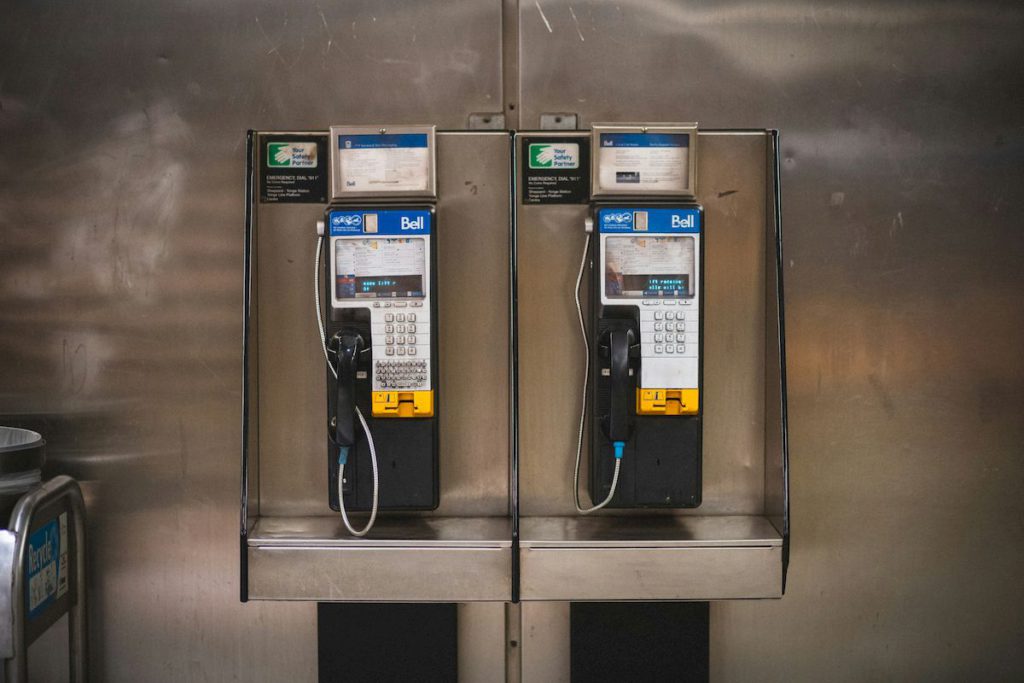
Urban infrastructure featured standardized communication points on street corners and transportation hubs. Public telephones provided essential services to anyone with spare change. Their widespread availability meant constant connection possibilities before mobile networks existed.
Emergencies meant finding payphones fast – a quest shown in countless films where characters desperately needed to make crucial calls. These communication landmarks, like things from the ’60s kids will never understand, demonstrate how quickly technology transforms from a universal necessity to a historical curiosity within a single generation.
5. Newspaper Vending Machines
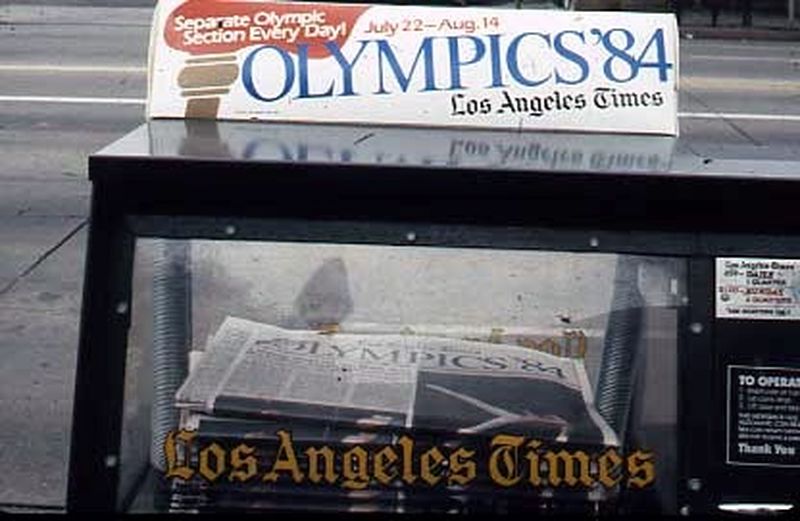
News consumption previously required touching actual paper rather than scrolling screens. Street corners hosted metal boxes with perhaps the most trusting business model ever: deposit one coin, access dozens of newspapers, take just one. The system worked about as well as leaving unattended treats on porches during Halloween night.
These honor-system dispensers reached 140,000 units nationwide in the 1990s – fewer remain today. Many stand abandoned or repurposed as tiny libraries or art installations.
4. Jukeboxes

Music existed as shared experiences before becoming isolated listening through personal headphones. Jukeboxes created soundtracks in public spaces, standing tall in diners and bars with chrome details and colorful lights. Your favorite songs are played for everyone nearby, not just yourself.
Selecting music publicly required social courage – your choices broadcast personal taste to everyone within hearing range. Modern digital systems lack the mechanical charm of watching records move and drop into position.
3. Answering Machines
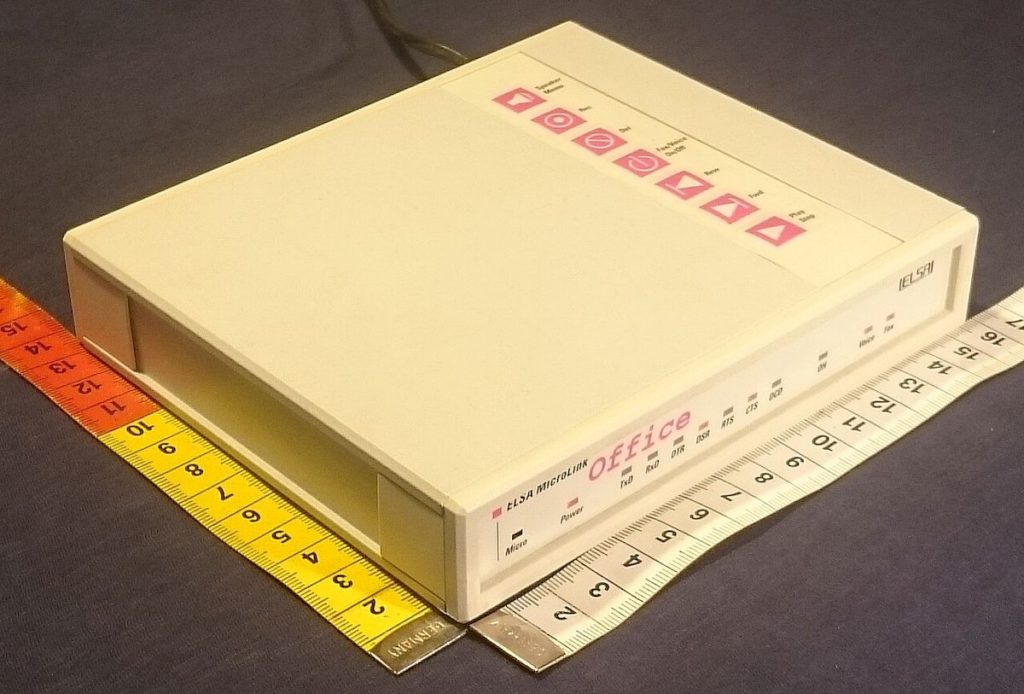
Voice messages required physical recording equipment with moving parts. Missing calls meant complete disconnection – no texts, no notifications, just absence.
These devices created new social challenges – recording the perfect greeting became an art form. Coming home meant checking for the blinking light indicating someone had reached out during your absence.
2. TV Guide

Television schedules arrived weekly in magazine format before algorithms suggested what to watch next. These printed guides reached a peak circulation of 20 million households, creating nationwide viewing rituals and shared cultural touchpoints.
Family viewing required planning – grabbing the guide, circling must-watch programs, and negotiating screen time with siblings. Missing favorite shows meant waiting for summer reruns without on-demand options.
1. Landline Telephones
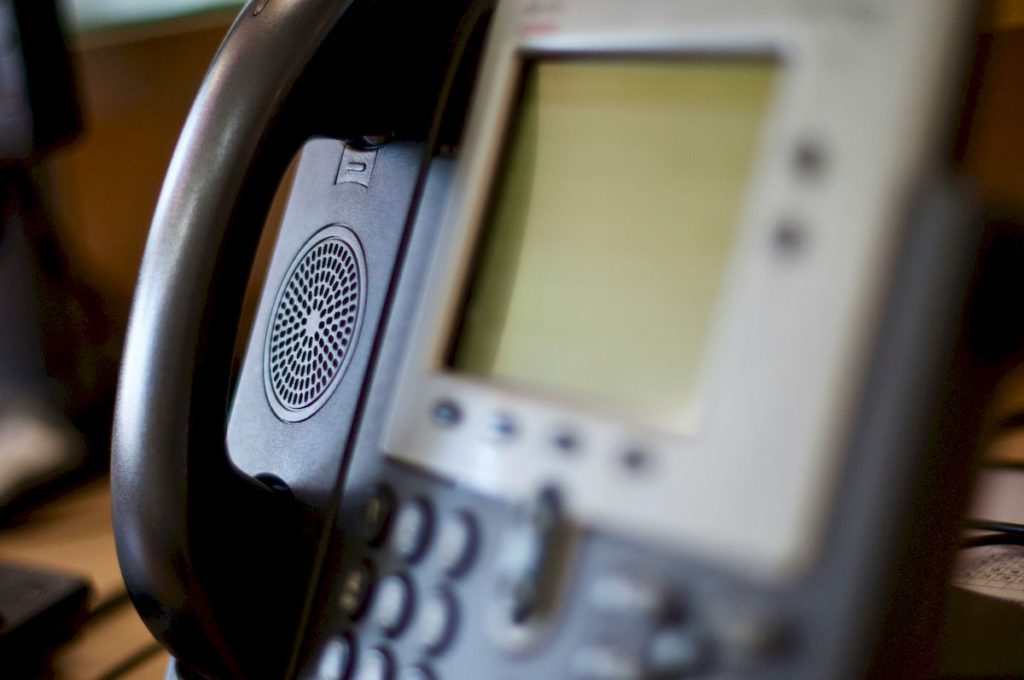
Home communication centered around fixed telephone locations. Distinctive rings prompted quick responses to avoid missed calls. Without voicemail or call return features, unanswered phones meant permanently missed connections.
Families shared single lines, creating natural time limits for conversations and usage rules unknown to today’s kids with personal devices. Phone numbers for friends and family were memorized through repeated use rather than stored contacts.