



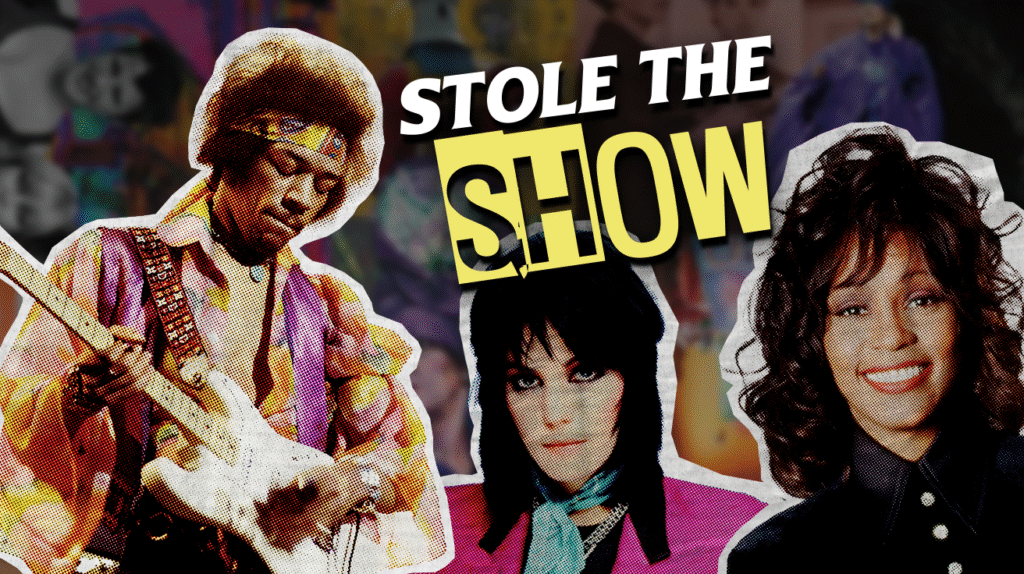
When lightning strikes twice in music, sometimes the second bolt obliterates the first. Like watching someone transform a sedan into a spaceship, these artists created cultural monuments.
While executives chase algorithm-friendly formulas, these artistic gambles prove authenticity resonates in ways no focus group can predict. The magic happens when the right voice meets the right song at the perfect cultural moment.
10. Jeff Buckley’s “Hallelujah”
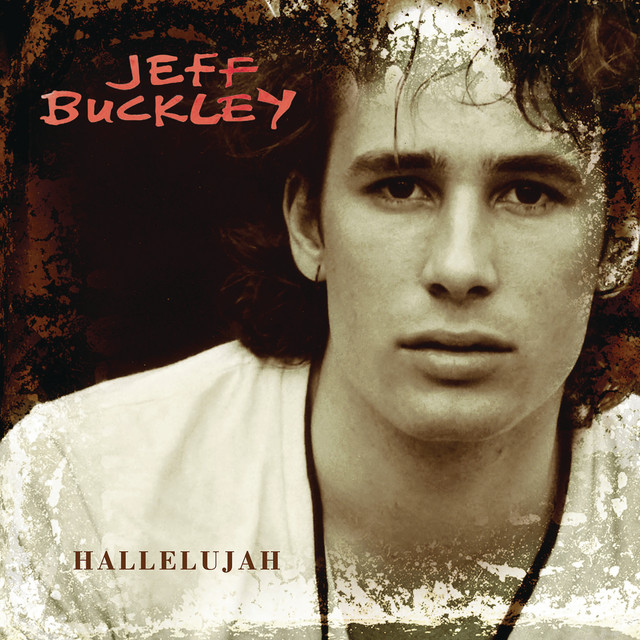
Leonard Cohen wrote dozens of verses for “Hallelujah” before John Cale stripped it down. But it took Buckley’s ethereal voice to elevate it to spiritual experience. His version sounds like it’s performed in a cathedral inside your headphones—intimate yet infinite.
Columbia Records buried Grace upon release, and Buckley’s drowning seemed to ensure the track would remain cult listening. Yet the song’s haunting vulnerability resonated through word-of-mouth despite zero promotion. The industry’s manufactured ballads look embarrassingly artificial compared to Buckley’s raw performance.
9. Soft Cell’s “Tainted Love”
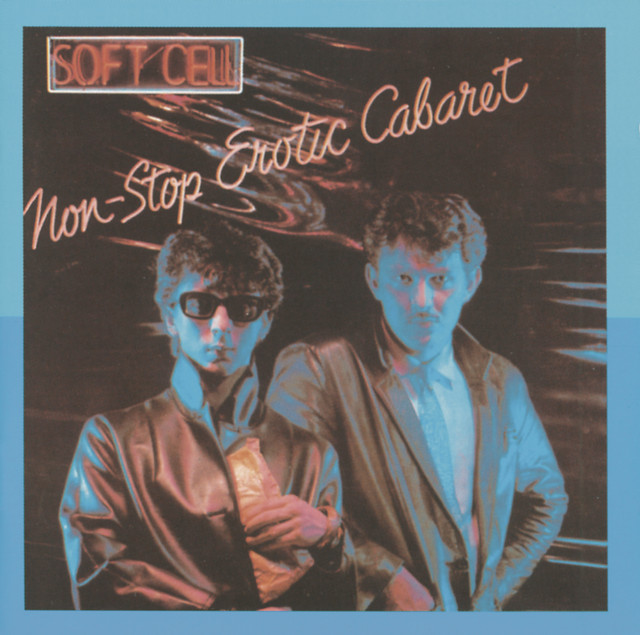
Gloria Jones’ energetic 1965 soul stomper became the soundtrack to 1980s disaffection through Soft Cell’s reimagined version. By slowing the tempo and adding cold electronics, they transformed a danceable track into a chronicle of toxic desire that captured new wave alienation.
Major labels initially dismissed it as too weird for radio—a delicious irony considering its eventual ubiquity. The synth-pop renovation spawned countless imitations, yet none captured the icy emotional detachment that made this cover so compelling. Younger listeners are consistently shocked to discover this ’80s anthem originated in the Motown era.
8. Johnny Cash’s “Hurt”
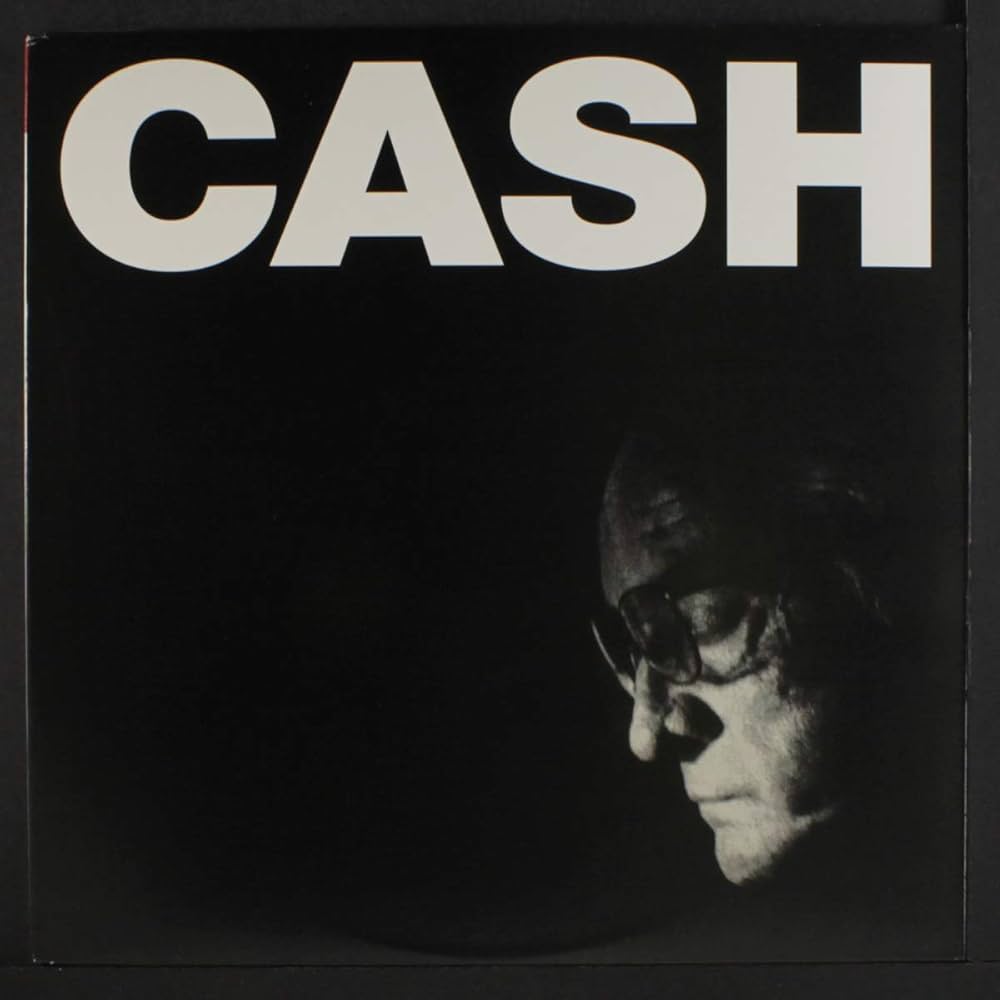
Nine Inch Nails’ industrial angst becomes something entirely different filtered through Cash’s weathered voice. Recorded months before his death, Cash transformed Reznor’s youthful pain into an elderly man’s final reckoning with mortality.
The stark production strips away everything but emotional truth. Cash’s trembling baritone delivers lines like “everyone I know goes away” with the weight of lived experience no effects could replicate. The video—showing his fading glory days against his frail present—was so devastating that Reznor admitted, “that song isn’t mine anymore.”
7. Aretha Franklin’s “Respect”
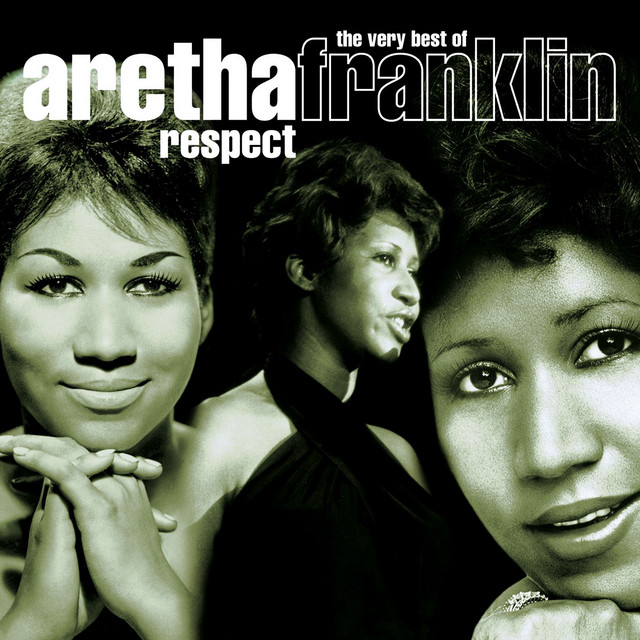
Otis Redding wrote “Respect” as a man’s plea for recognition, but Franklin flipped the script entirely. Her revolutionary interpretation turned a domestic request into a powerful declaration of dignity that became a rallying cry for civil rights and women’s movements.
Atlantic executives questioned her feminist reframing—proving suits rarely recognize revolution until it hits platinum. Franklin added the iconic “R-E-S-P-E-C-T” spelling and her authoritative demand rather than request for respect. The Library of Congress recognized what radio knew immediately: this wasn’t just a cover, but a cultural reset.
6. The Beatles’ “Twist and Shout”
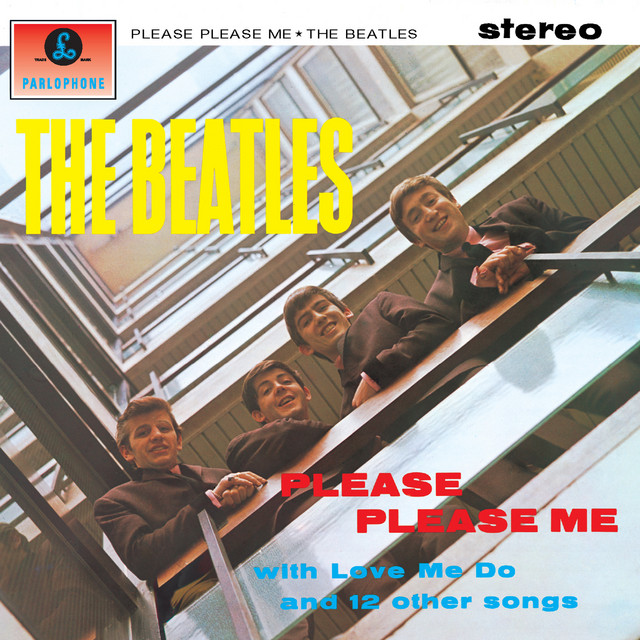
Originally recorded by the Top Notes and popularized by the Isley Brothers, this dance tune reached new heights when The Beatles pushed the energy past what vinyl could contain. Lennon’s voice-shredding performance—captured in one take after a marathon session—brings raw intensity to what had been merely enthusiastic.
Producer George Martin’s decision to record this last—when Lennon’s voice was already ravaged—created a happy accident of rock perfection. While modern producers would smooth such vocal strain, the imperfection became the selling point. It captures something studio polish couldn’t: the manic energy of Merseybeat clubs.
5. Joan Jett’s “I Love Rock ‘n’ Roll”
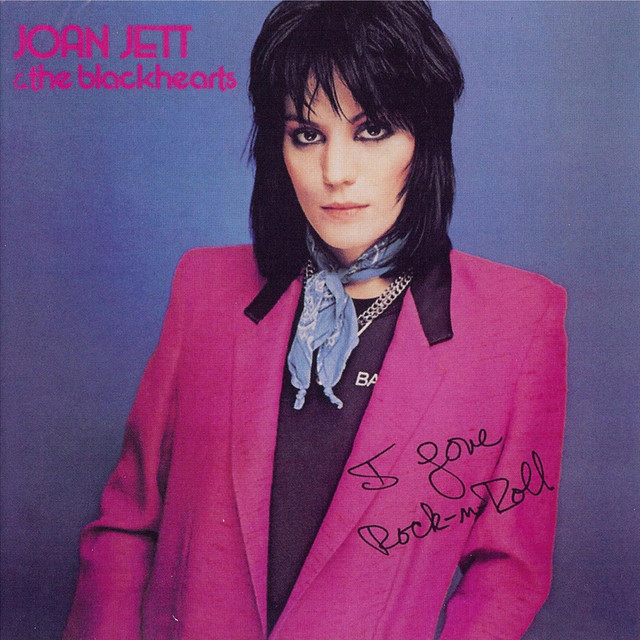
The Arrows’ 1975 version had all the right notes but none of the attitude Joan Jett injected into her career-defining cover. Her version doesn’t state the title—it throws it like a Molotov cocktail into the male-dominated rock establishment. Her defiant snarl transformed a forgotten single into an anthem of rebellion.
Record executives initially rejected Jett after The Runaways disbanded—23 labels passed before she started her own imprint. The song’s seven-week reign at #1 was sweet vindication, proving authentic attitude connects more than manufactured posturing. Her version remains the soundtrack to countless rebellions.
4. Cyndi Lauper’s “Girls Just Want to Have Fun”
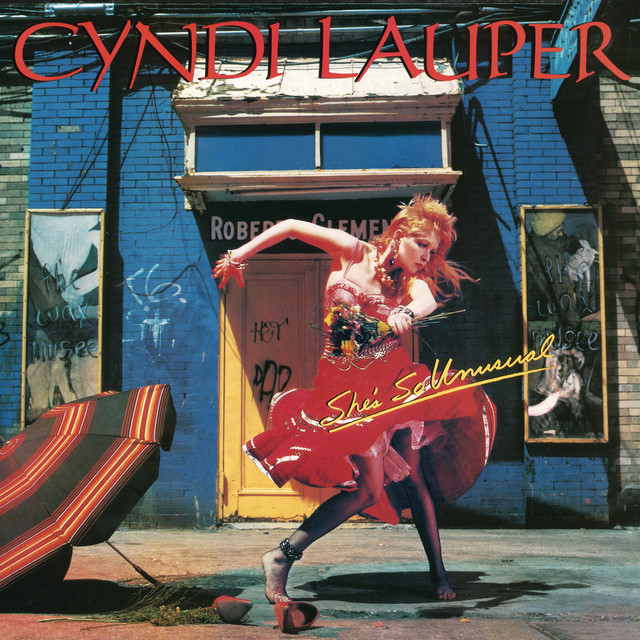
Robert Hazard wrote this from a male perspective about wild girls, but Lauper rewired its DNA into an empowerment anthem. Where industry consultants pushed her to be another Madonna clone, her quirky authenticity and inspired reinterpretation cemented her as an ’80s icon.
The song sold over 16 million copies worldwide and created a template for pop feminism that still resonates. Lauper’s kaleidoscopic video and distinctive vocals showed female artists didn’t need to choose between commercial success and artistic vision. Its continued cultural presence proves some covers become cornerstones that define entire eras.
3. Whitney Houston’s “I Will Always Love You”
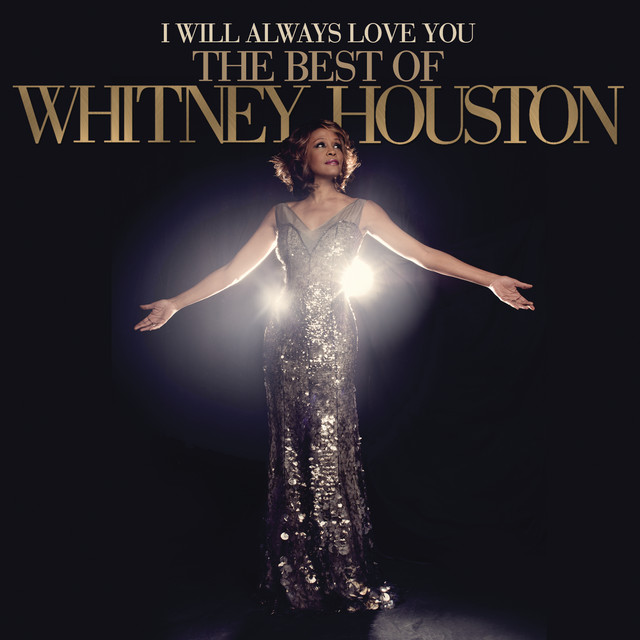
Houston’s tsunami-like reinvention of Dolly Parton’s gentle country farewell demonstrates the transformative power of interpretation. Her version delivers emotional devastation with surgical precision, building from whispers to that stratospheric key change now embedded in our collective memory.
Parton’s elegant original feels like a handwritten letter compared to Houston’s full orchestral proclamation. The Bodyguard soundtrack version sold over 20 million copies, turning a personal goodbye into a universal experience. When Houston holds that final note, she’s rewriting the power ballad rulebook while everyone else takes notes. Dolly Parton’s simple, handwritten-goodbye approach represents the heart of classic country songs, while Houston’s reinvention transforms it into an unforgettable pop ballad.
2. Sinead O’Connor’s “Nothing Compares 2 U”
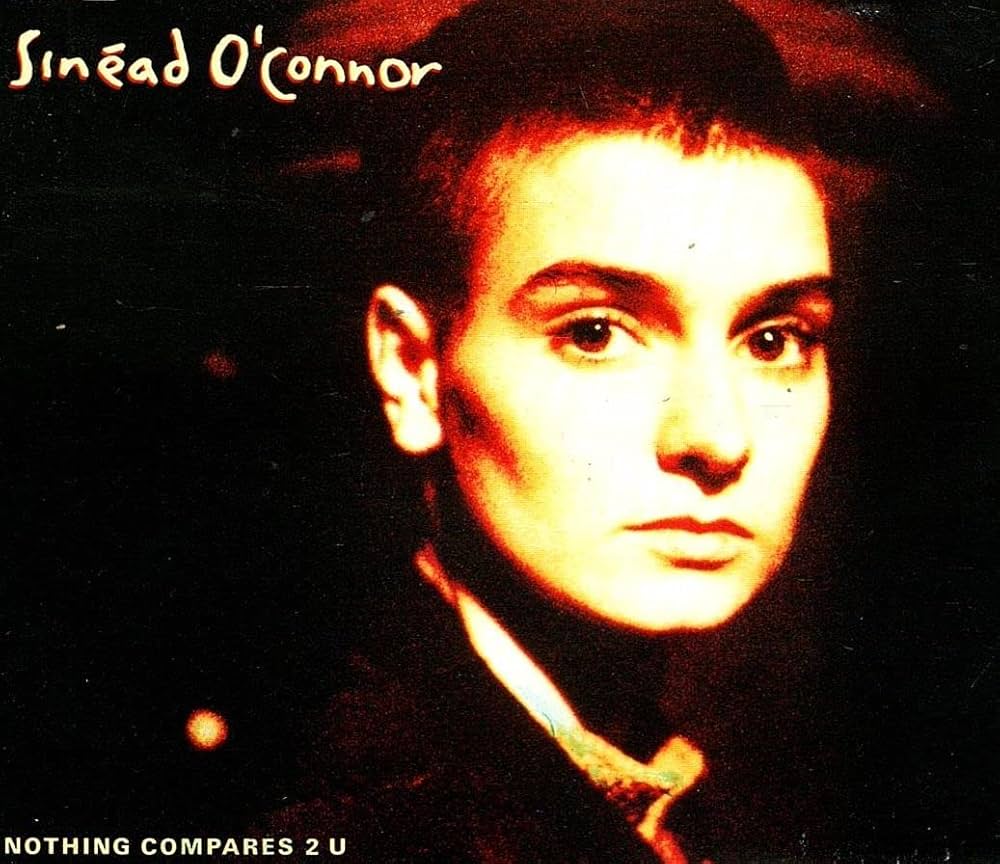
Prince wrote dozens of songs for others, but none underwent such transformation as in O’Connor’s hands. Her minimalist take strips away everything but raw heartbreak, creating space for her voice to crack with authentic emotion rather than technical perfection.
The iconic video—featuring an extreme close-up as real tears fall during the bridge—created a visual vulnerability matching the audio. Those genuine tears accomplished what million-dollar budgets couldn’t: undeniable emotional truth. While executives pushed manufactured stars, O’Connor’s uncompromising authenticity created one of the most memorable moments of the 1990s.
1. Jimi Hendrix’s “All Along the Watchtower”
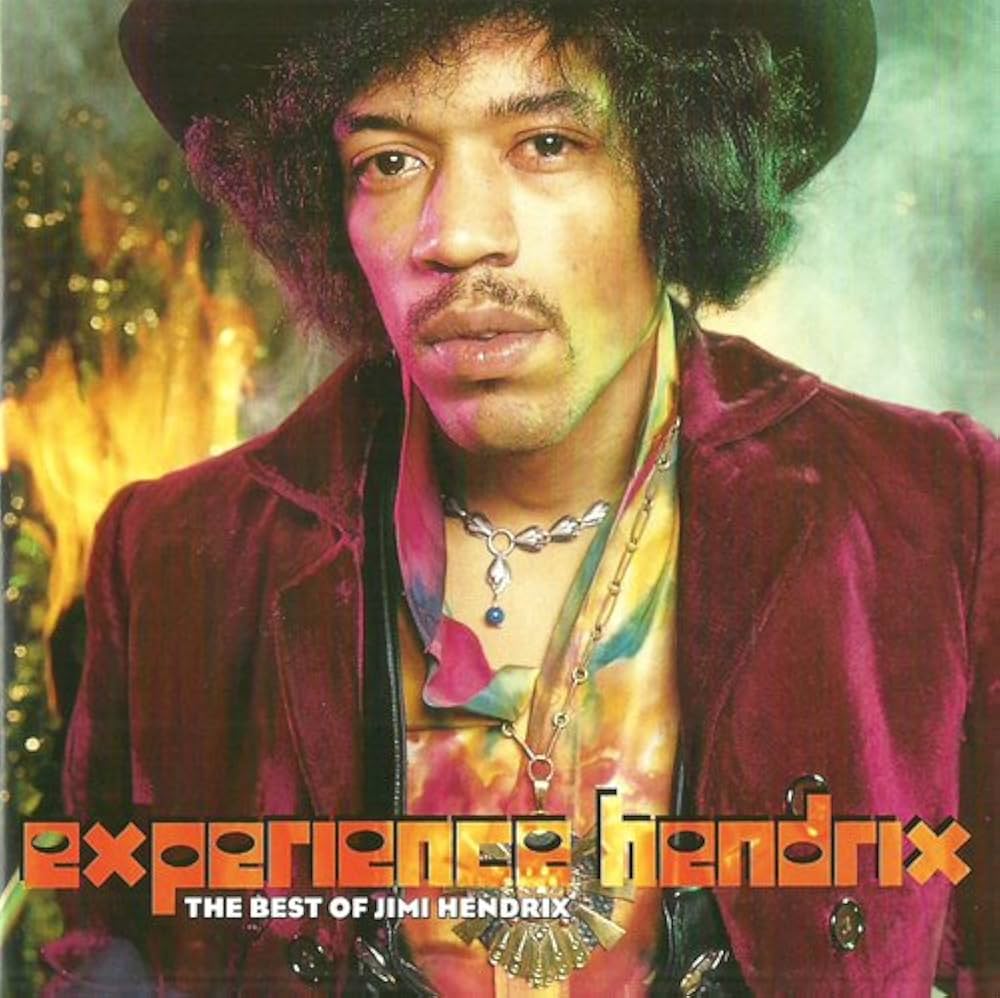
Dylan’s folk narrative became psychedelic prophecy in Hendrix’s hands. Released just months after the original, Hendrix’s version sounds transmitted from a technicolor alternate dimension. His guitar doesn’t just play notes—it screams and whispers the apocalyptic lyrics Dylan wrote.
The transformation was so complete that Dylan himself began performing it Hendrix-style, effectively covering his own song. Industry wisdom said guitar heroes shouldn’t touch Nobel-caliber songwriting, but Hendrix proved brilliance recognized brilliance. His version didn’t just chart better—it rewired how future generations would approach interpretation. Hendrix’s guitar wizardry not only reshaped a Bob Dylan song but also cemented his legacy among the top 100 greatest guitarists in rock history.