



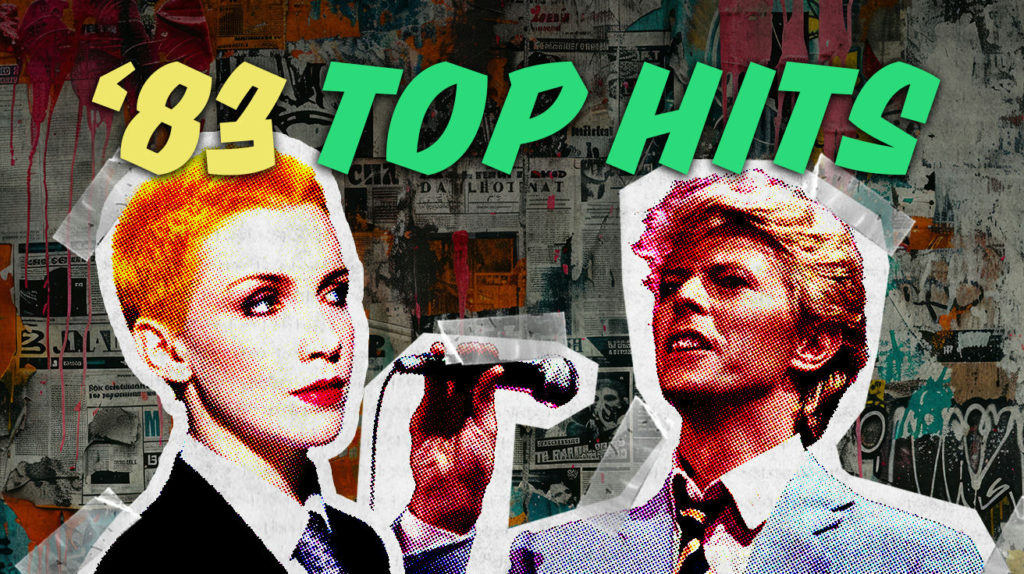
Across cramped nightclubs and suburban living rooms, 1983 unleashed a sonic metamorphosis that ripped through MTV’s newly influential airwaves, shattering conventional boundaries between fringe experimentation and commercial appeal. Never before had a calendar year ushered in such profound musical transformation—a cultural watershed where synth-pop’s artificial intelligence collided with new wave’s primal urgency. Throughout recording studios and basement clubs, artists crafted manifestos disguised as singles, challenging established notions of gender, race, and institutional power. Beyond mere entertainment products, these tracks functioned as cultural artillery, their reverberations continuing to echo through musical landscapes four decades later.
8. Down Under
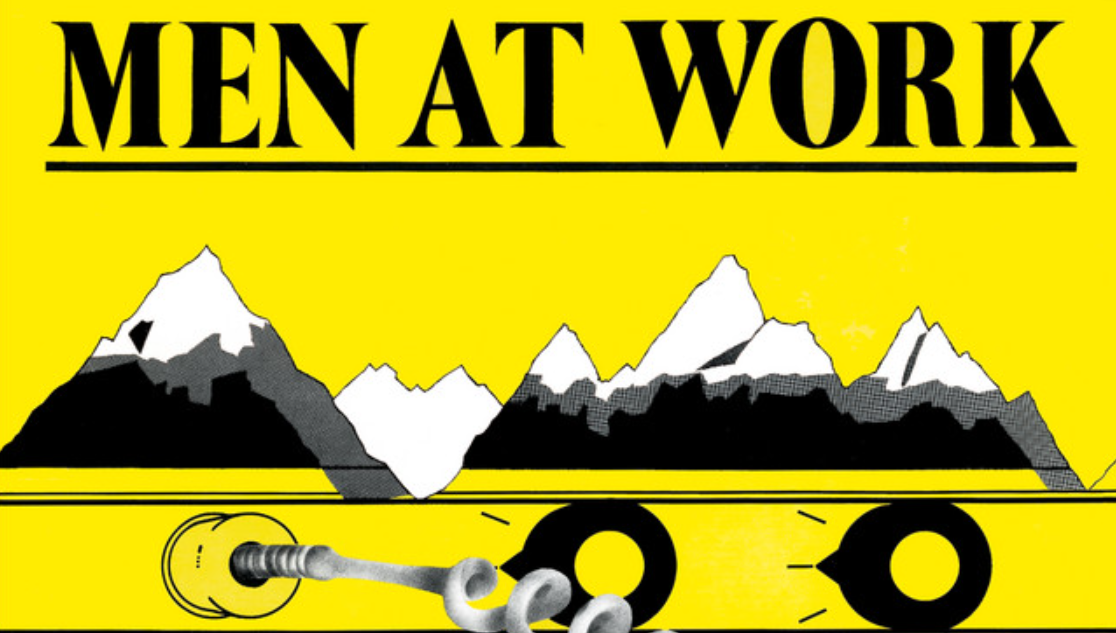
Witness colonialism flipped into cultural capital—Men At Work’s “Down Under” arrived as Australia’s stealth sonic export. During early 1983, this Antipodean anthem infiltrated global consciousness, wielding its appropriated kookaburra flute motif like musical contraband. Throughout American audio imperialism’s golden age, this unlikely hit smuggled distinctly non-American vernacular sounds, and cultural references into standardized radio formats worldwide.
Genius lies not merely in making Australian identity digestible but transforming national character into valuable commercial currency. Functioning like musical vegemite—distinctly regional, addictively peculiar, completely foreign to most consumers who devoured it regardless—the track’s seemingly carefree atmosphere masked sophisticated commentary on tourism. Its infectious melody operated as diplomatic passport, transforming Australia within global consciousness from geographic curiosity into serious cultural contender. Each broadcast elevated the continent from cartographic afterthought to recognized musical territory—accomplishing more for Australian soft power than decades of traditional diplomacy.
7. Let’s Dance
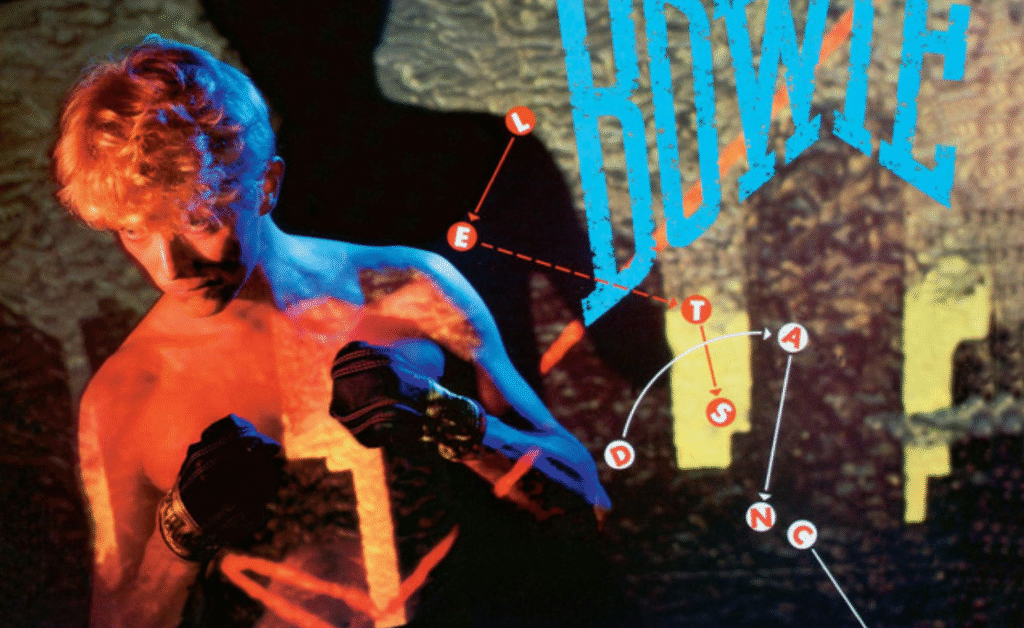
April 1983 witnessed Bowie orchestrating not just a single release but a calculated cultural infiltration. Through strategic partnership with disco architect Nile Rodgers, the chameleon craftsman engineered music’s ultimate crossover experiment: avant-garde sensibilities packaged in dance floor functionality, delivered with commercial precision that would make Madison Avenue executives swoon.
Beyond mere chart success, this masterstroke embodied calculated commercial insurrection. Stevie Ray Vaughan’s blues licks carved through electronic production like vintage denim disrupting a futuristic fashion shoot. Visual accompaniment transcended simple promotion—Bowie’s Australian-filmed video embedded sociopolitical commentary inside MTV-friendly aesthetics, using Aboriginal actors to critique colonialism while viewers remained distracted by Bowie’s magnetic presence. Such mainstream saturation transformed him from cult figure to global phenomenon, demonstrating how artistic integrity and commercial dominance could coexist within MTV’s emerging visual ecosystem.
6. Maniac
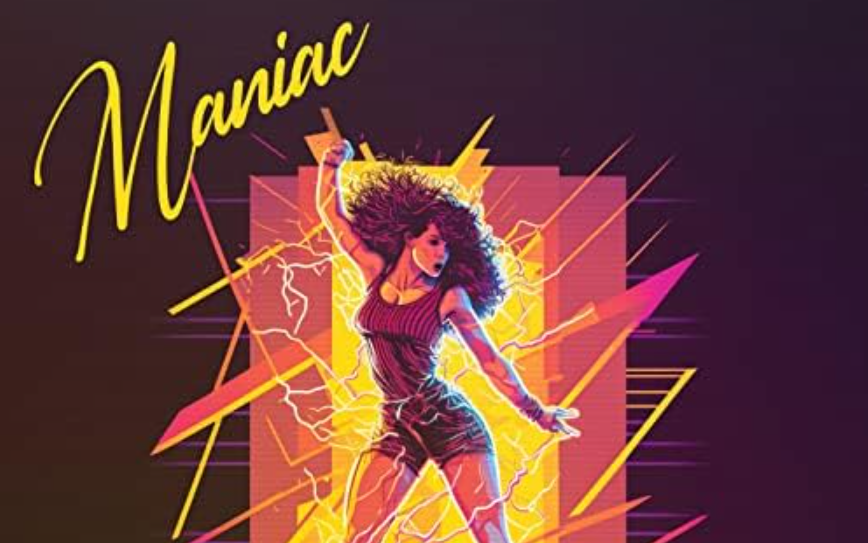
Consider the most successful identity theft in music history—Michael Sembello’s “Maniac” underwent radical transformation from slasher-film inspiration to empowerment anthem through corporate alchemy. July 1983 witnessed this soundtrack standout representing everything about the era’s cinematic-musical industrial complex—where visual context completely hijacked sonic meaning with stunning effectiveness.
Relentless synthesizer arpeggios operated like Reagan-era capitalism’s pulsing heartbeat, transforming physical labor from working-class necessity into aspirational lifestyle accessory. Jennifer Beals’ chair-straddling dance sequence permanently fused the track to fitness culture like industrial-strength adhesive. Within months, “Maniac” infiltrated aerobics studios nationwide, becoming accidental soundtrack to thousands of gym-goers physically exorcising economic anxiety through legwarmers and leotards. No song better exemplifies how 1983’s visual-audio hybrid culture transformed meaning through context—a musical specimen preserved in MTV’s amber, capturing that precise cultural moment when sweat became marketable commodity.
5. Every Breath You Take
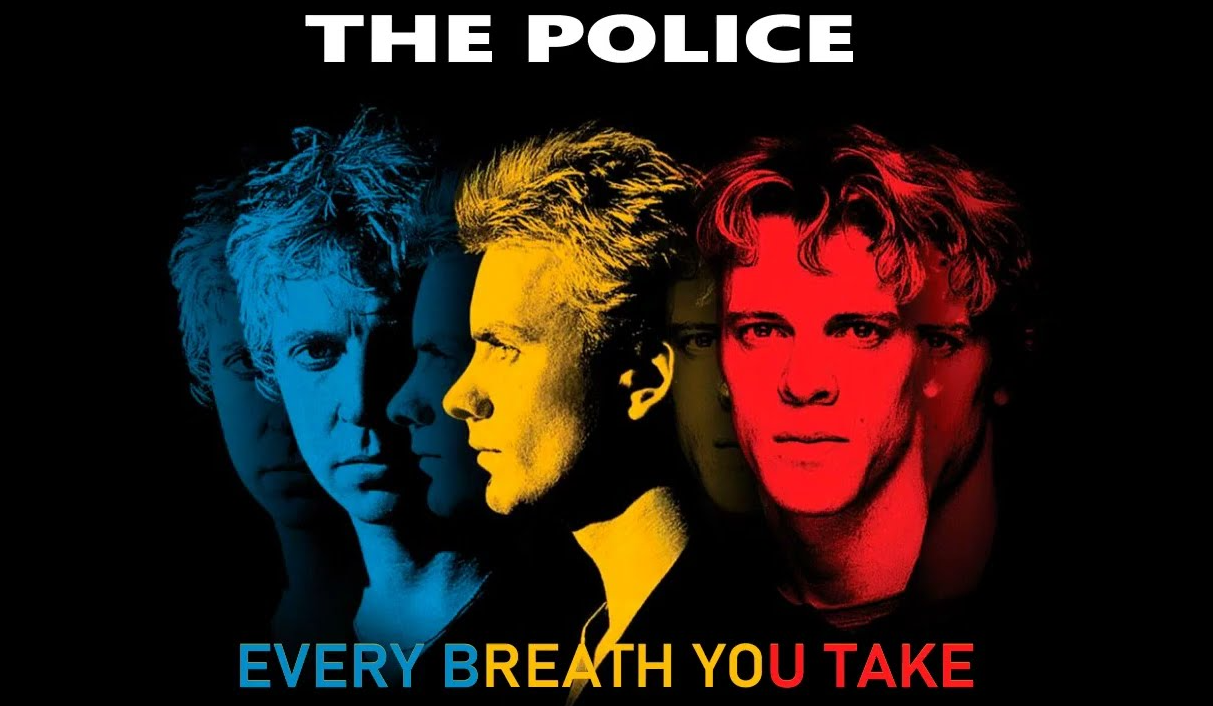
May 1983 unleashed perhaps music’s most successful psychological operation—The Police’s “Every Breath You Take” disguising patriarchal surveillance as romantic devotion. Sting’s bitter divorce-fueled composition infiltrated wedding receptions globally through exquisite melodic misdirection—menacing lyrical stalking concealed inside arrangements so pristinely crafted they could soundtrack Anglican ceremonies.
Cognitive dissonance forms its fundamental power—domestic control wrapped in bespoke tailoring. Minimalist production creates the quintessential wolf-in-sheep’s-clothing effect with each immaculate note providing cover for sentiments better suited for restraining orders than first dances. This fundamental tension between sonic beauty and lyrical menace explains the track’s cultural longevity—functioning as societal Rorschach test revealing our collective willingness to ignore threatening messages when packaged attractively. Its consistent misinterpretation across four decades stands as testament to our remarkable ability to compartmentalize content and presentation, selectively filtering disturbing themes when delivered through aesthetically satisfying channels.
4. Sweet Dreams (Are Made Of This)
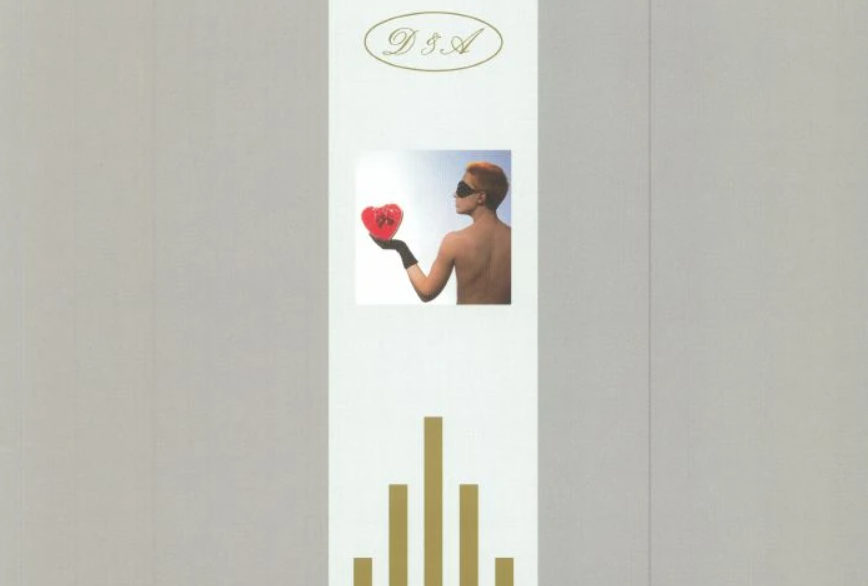
Before 1983, synths were already everywhere, but Eurythmics turned cold machinery into something dangerously human. Storming MTV with her cropped tangerine hair and masculine tailoring, Annie Lennox weaponized androgyny, forcing middle America to confront deeply entrenched assumptions about gendered presentation. Her visual insurrection transcended mere fashion statement—it operated as tactical warfare against binary gender thinking.
Hypnotic sequenced pulses throbbed beneath the track like electronic heartbeats from some parallel dimension where machines developed emotional intelligence. Between Lennox’s soulful vocal delivery and the clinical precision of synthesized backgrounds stretched a tension palpable enough to leave fingerprints. Constant video rotation ensured each subsequent viewing hammered another nail into traditional gender presentation’s commercial viability. Surreal visual juxtapositions—boardroom tables paired with grazing livestock, clinical offices hosting dreamlike scenarios—created the ideal visual companion to a composition simultaneously accessible to mainstream audiences yet subversive to cultural norms.
3. Do You Really Want To Hurt Me
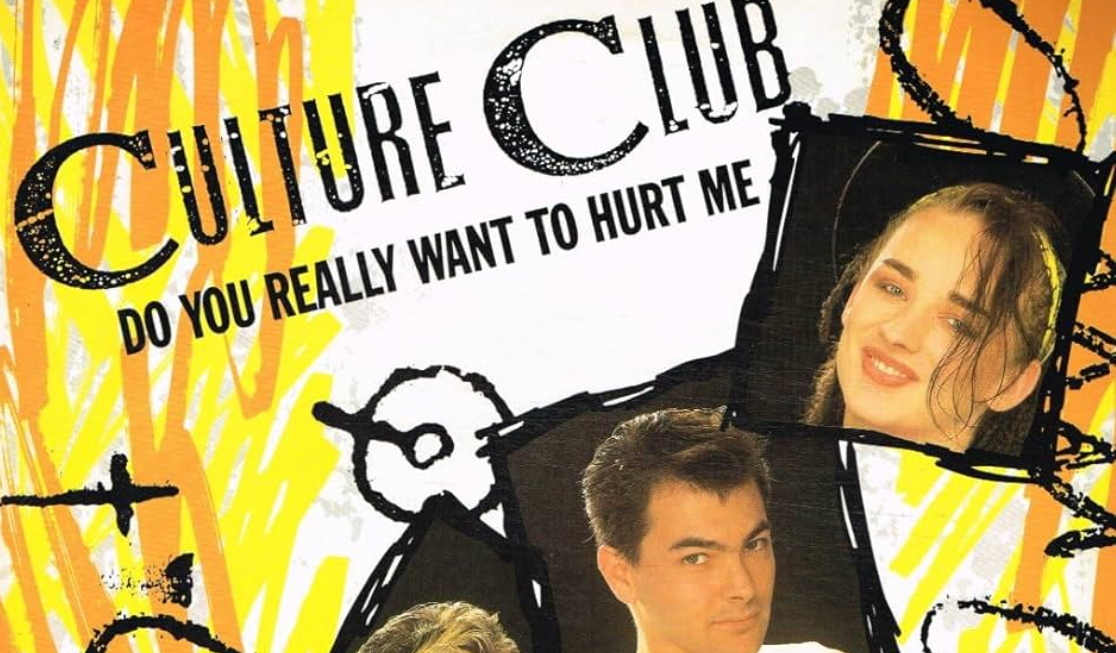
During an era when authenticity hadn’t yet been weaponized by marketing departments, Culture Club smuggled vulnerability into MTV’s growing ecosystem. Late 1982 brought this track’s release, but early 1983 witnessed its dominance as “Do You Really Want To Hurt Me” infiltrated conservative American households through reggae-infused beats and Boy George’s gender-fluid presentation—effectively functioning as cultural contraband sneaking past moral guardians through melodic excellence.
Contradictions powered its widespread appeal: packaging queer narratives within accessible pop frameworks that suburban families couldn’t resist humming along to. George’s visual presentation transcended mere fashion choice, operating instead as fundamental disruption of established norms. His blue-eyed soul delivery transported marginalized perspectives into traditional living spaces, forcing parents to reconcile their children’s adoration with a performer whose very existence challenged their limited worldview. Television music channels served less as promotional platform and more as delivery mechanism for transformation in how gender could manifest within popular cultural contexts.
2. Come On Eileen
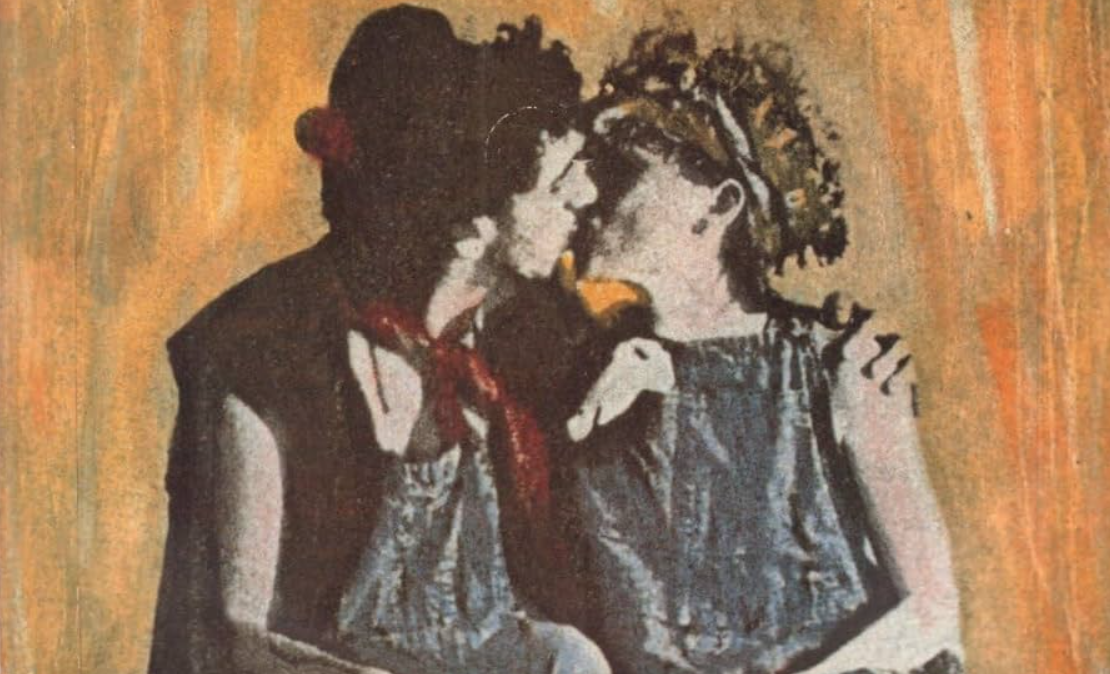
Amidst synthesizer dominance and programmed perfection, Dexys Midnight Runners stormed musical barricades with fiddles and thrift-store workwear. Released into unsuspecting ears during April 1983, “Come On Eileen” functioned less as mere hit single. even though it was one of the greatest one-hit-wonders, and more as guerrilla warfare against electronic homogenization. Through ingenious fusion of Celtic folk traditions with working-class authenticity, their sound simultaneously evoked ancient traditions while feeling revolutionary within contemporary contexts.
Structural brilliance arrives through psychological manipulation—the slow-burning introduction gradually building toward frantic release that accelerates like emotional puberty compressed into four minutes. Their sartorial choices—those much-discussed dungarees and work boots—represented conscious rebellion against every over-styled, over-produced act dominating video rotation. Through this calculated aesthetic, they reclaimed traditional instrumentation as radical political statement—working-class warriors wielding violins as effectively as safety-pinned punks had once brandished guitars.
1. Flashdance… What a Feeling
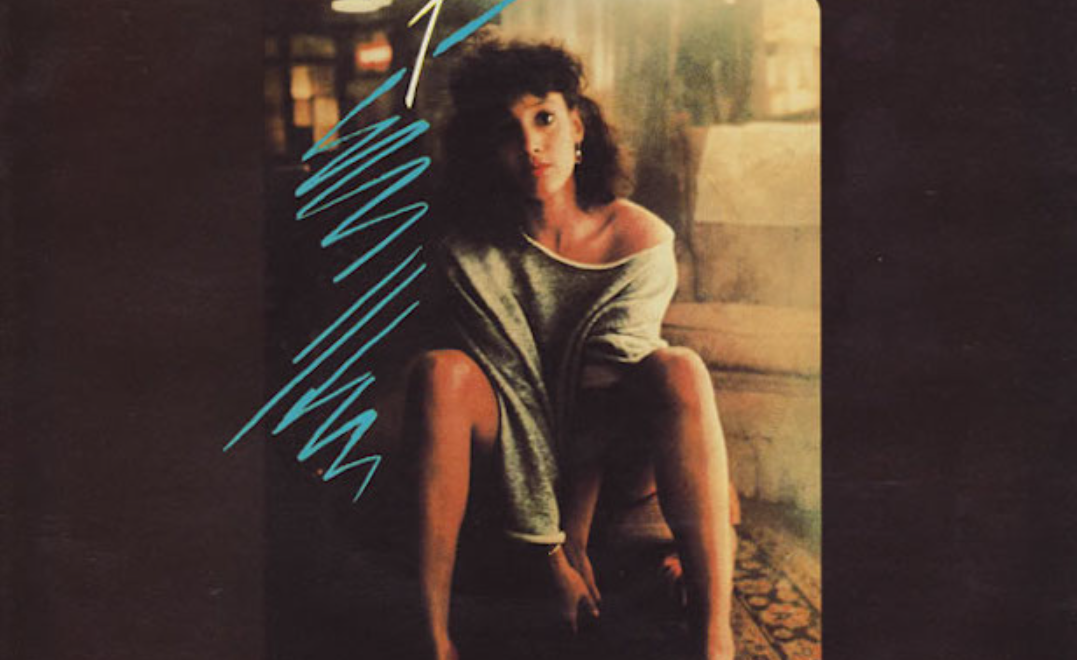
Beneath Reagan’s trickle-down fairy tales, Irene Cara marketed something far more intoxicating—permission to dream beyond socioeconomic constraints. Throughout spring 1983, “Flashdance… What a Feeling” emerged as capitalism’s ultimate aspirational soundtrack, transforming pure determination into marketable commodity. Beyond mere film promotion, this anthem perfectly distilled America’s obsession with individual achievement against systemic barriers.
Cara’s contribution exceeded vocal performance—her co-writing credits infused the track with authentic struggle, cleverly repackaging industry hardship into glossy inspiration that conveniently obscured structural obstacles to success. Giorgio Moroder’s production perfectly captured 1983’s sonic zeitgeist, creating synthesized euphoria that functioned like auditory stimulant: artificial, exhilarating, psychologically addictive. The track’s cultural effectiveness stems from its masterful transformation of institutional roadblocks into personal challenges requiring only sufficient montage sequences to overcome—America’s foundational myth dressed in neon spandex and electronic ecstasy.