




The 1980s television graveyard is littered with canceled shows that nobody remembers but everyone should. These weren’t just forgettable flops; they were career incubators that gave future A-listers their first shot at stardom. Before multimillion-dollar film contracts and Emmy wins, icons like Bryan Cranston, Patrick Swayze, and Matthew Perry cut their teeth on shows that networks killed before they had a chance to find an audience. These short-lived series may have vanished from the cultural conversation, but they planted the seeds for some of entertainment’s most successful careers. Let’s unearth these forgotten launching pads where Hollywood legends first faced the camera—and the cruel reality of network cancellation.
10. Seven Brides for Seven Brothers
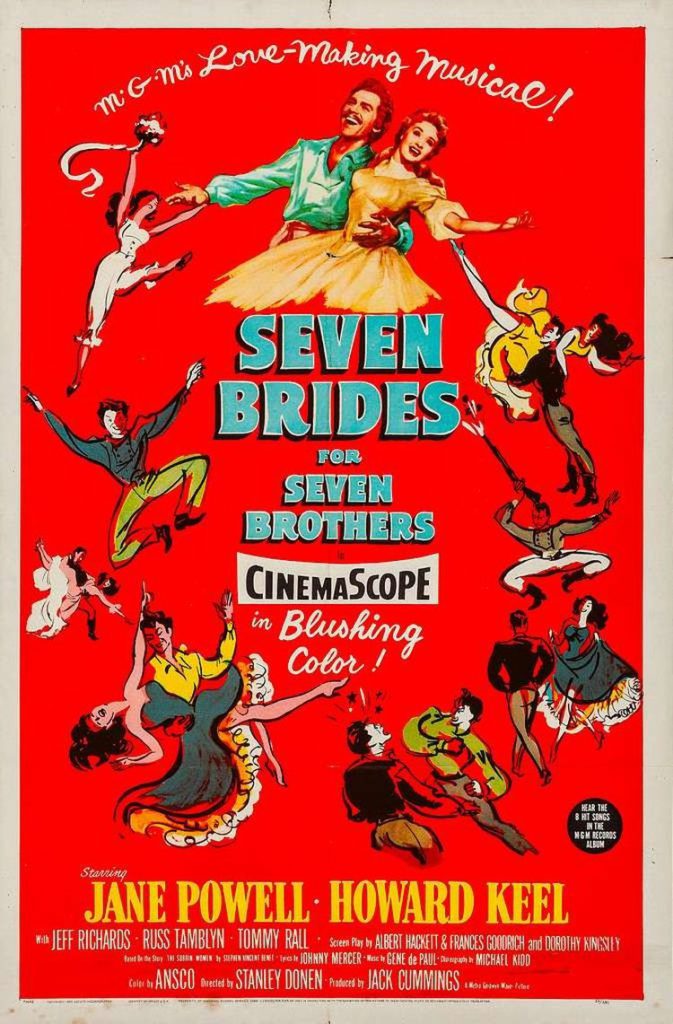
This 1982 CBS adaptation set in 1950s Oregon Territory gave Richard Dean Anderson his big break before he went on to star in more successful shows. A young River Phoenix joined him as part of a family running a rustic farm. The series blended Western, family drama, and musical genres, but struggled to capture the charm of the original 1954 MGM film. Despite producing 22 episodes, the show ranked just 60th out of 98 programs with an average of 14.1 million viewers before CBS axed it, a far cry from the best TV ratings achievable today. The series remains culturally significant as a rare attempt to translate a classic musical to weekly television, though it now exists solely as an early milestone for two actors who would later achieve tremendous success in drastically different careers.
9. Everything’s Relative
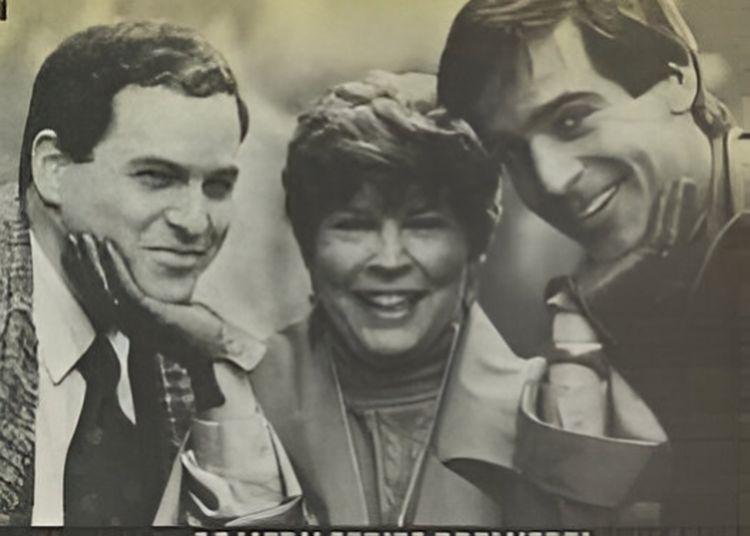
If you’re hunting for Jason Alexander’s pre-Seinfeld work, this 1987 CBS sitcom delivers a fascinating glimpse of his early comedic style. Alexander starred alongside John Bolger in a creation from comedy powerhouses Paul Junger Witt, Tony Thomas, and Susan Harris. The premise featured two brothers with contrasting lifestyles sharing a trendy New York City space. CBS pulled the plug after airing only 4 of 6 produced episodes, preventing meaningful character development in a comedy that attracted approximately 9.5 million viewers per episode. The series stands out as a rare example of a future sitcom legend headlining a show that vanished before finding its comedic voice.
8. Secrets of Midland Heights
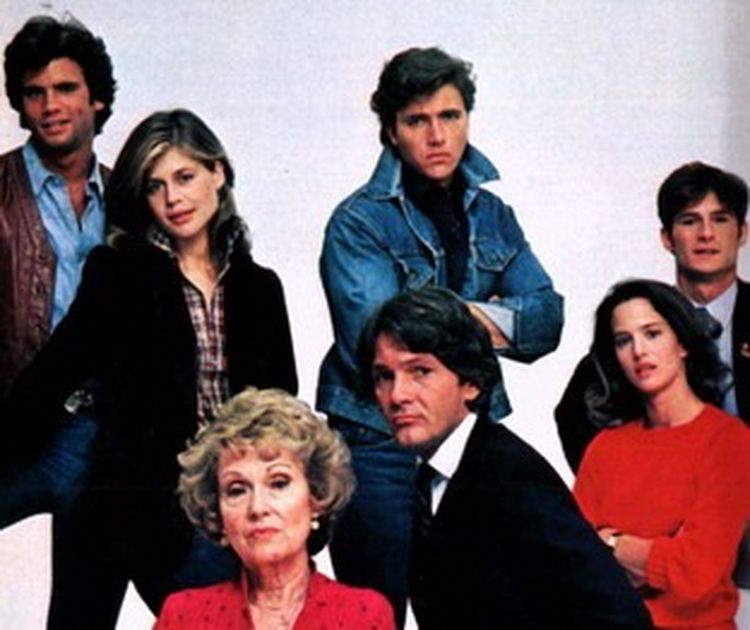
Desperate for another Dallas-style hit? This 1980 CBS experiment featured early performances by Linda Hamilton and Lorenzo Lamas before they became household names. Created by Bennett Sims and Charles Proctor, the prime-time soap opera explored mature themes unusual for its time slot. Despite drawing about 13 million viewers per episode, the network terminated the series after just 8 episodes due to pacing issues and unfavorable comparisons to more established dramas. The program represented an intriguing case study in how networks attempted to replicate the success of primetime soap formulas with younger casts and smaller budgets.
7. Report to Murphy
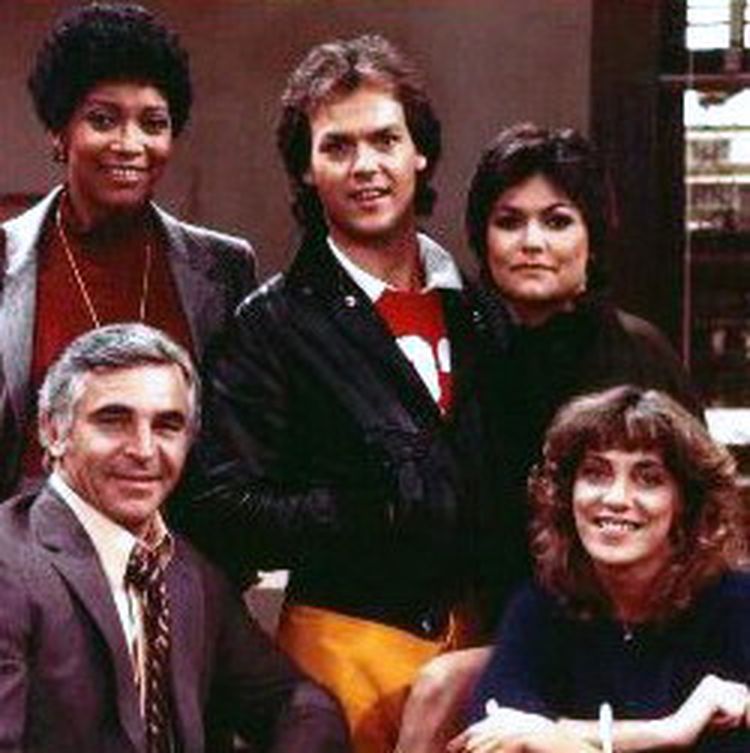
Workplace humor got a fresh angle when Michael Keaton played a parole officer in this 1982 CBS comedy that showcased his unique comedic sensibilities. The series ventured into the rarely depicted world of parole officers while attempting to blend humor with social commentary. When the program failed to strike the right balance between levity and substance, CBS cancelled it after just 5 episodes despite attracting around 11 million viewers per episode. The short-lived series demonstrated how even exceptional talent couldn’t salvage a concept that audiences found difficult to embrace, foreshadowing similar challenges future workplace comedies would face.
6. Tucker’s Witch
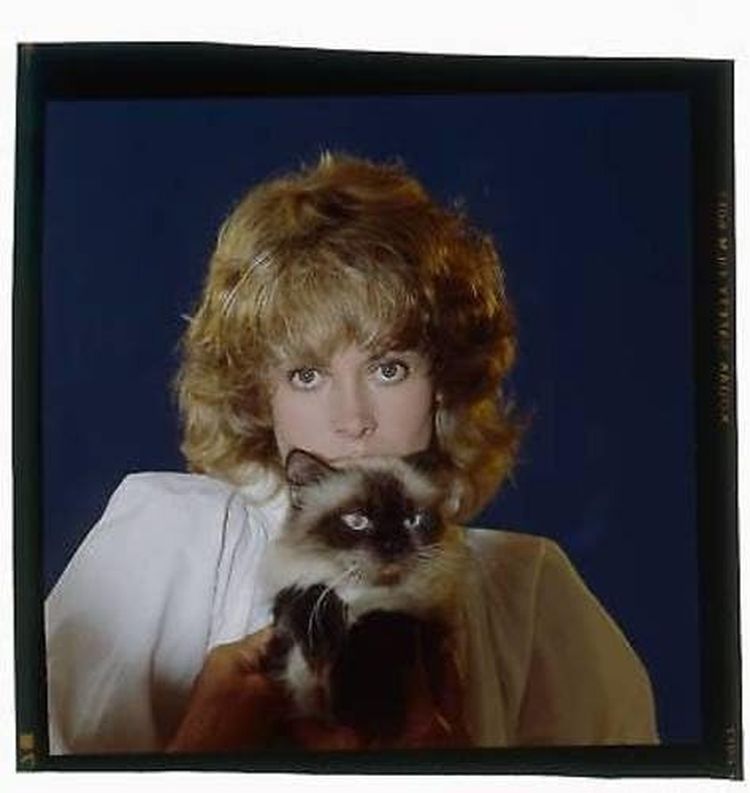
Imagine solving crimes with supernatural powers – that’s exactly what Catherine Hicks and Tim Matheson did in this CBS series (1982-1983). Created by William Bast, known for biographical TV movies, the production weathered significant challenges, including recasting the female lead (originally played by Kim Cattrall) and struggling with tonal consistency. CBS terminated the program after only 12 episodes despite attracting 13.5 million viewers per episode. The series pioneered a supernatural/procedural hybrid format that networks would later revisit with much greater success in shows like “Medium” and “Ghost Whisperer.”
5. Raising Miranda
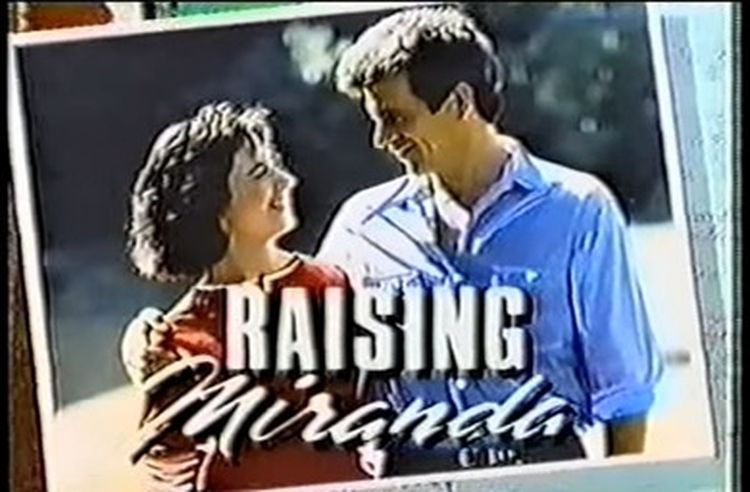
Single parenthood struggles took center stage in this 1988 CBS family sitcom featuring Bryan Cranston in a supporting role decades before “Breaking Bad” made him a household name. Veteran TV writer Bob Brush created the program starring James Naughton and Royana Black as a single father raising his teenage daughter. Despite tackling themes of single parenthood and adolescence, CBS canceled the sitcom after 9 episodes when it drew only 10 million viewers per installment. The series marked an early exploration of the single-father dynamic that would eventually become a staple of 1990s family programming.
4. Boys Will Be Boys
What advice would you give your younger self? This question drove the concept of a short-lived 1987 ABC summer series featuring Matthew Perry before his “Friends” fame. Initially incorporating a supernatural premise, the show depicted an older man returning to advise his younger self. The cast also included Shannen Doherty and Don Gibb, with creative leadership from Bob Brush (later known for “The Wonder Years”). After a concept revamp mid-production created inconsistency, ABC discontinued the series after just 6 episodes when it attracted a mere 7 million viewers per broadcast. The program represented a rare experiment in high-concept storytelling during an era when most sitcoms relied on traditional family or workplace dynamics.
3. The Renegades
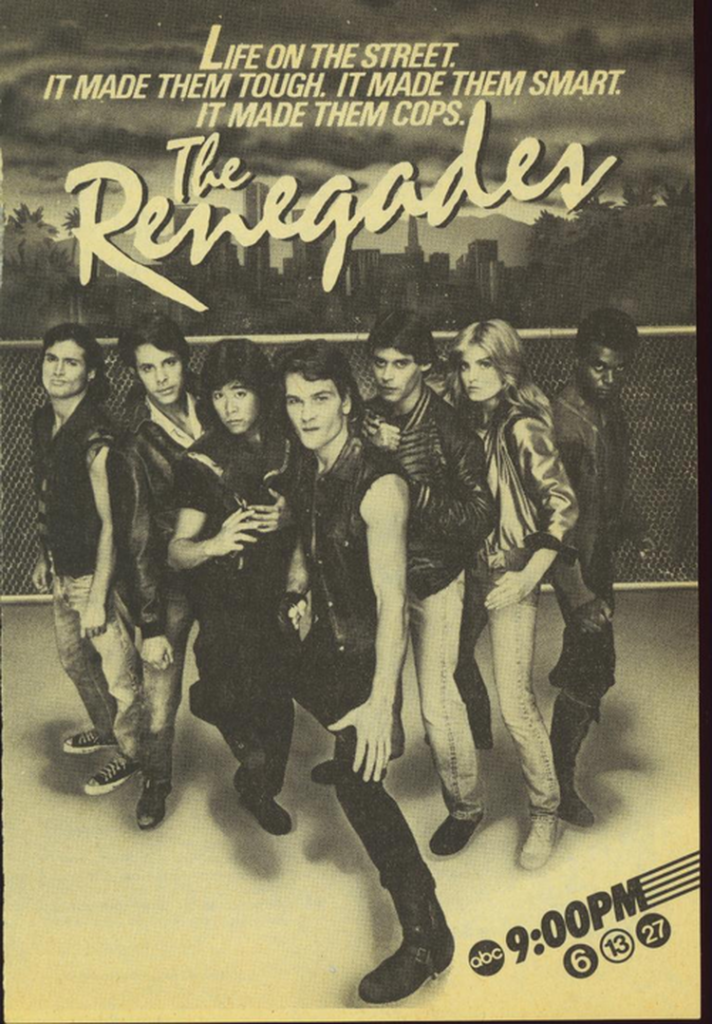
Youth, danger, and undercover operations collided in this 1983 ABC series starring Patrick Swayze as part of a team tackling organized crime. Lawrence Gordon (later producer of “Die Hard” and “Predator”) developed the series, which also featured Tracy Scoggins and Randy Brooks. Despite targeting the youth market, ABC terminated the program after just 6 episodes when it attracted only 11 million viewers against tough Friday night competition. The short-lived production showcased an early iteration of the “pretty young cops” formula that would later find massive success in series like “21 Jump Street.”
2. Casablanca
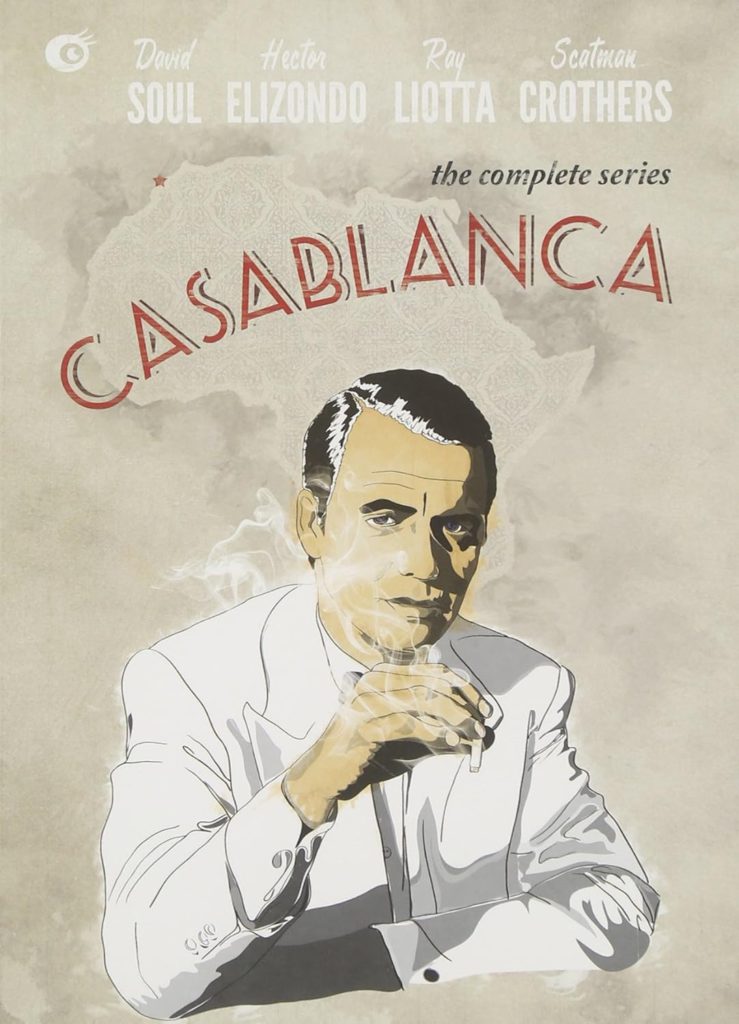
Bold adaptations sometimes fail spectacularly, as proven by this 1983 NBC attempt to reimagine the classic 1942 film. Starring David Soul, Hector Elizondo, and a young Ray Liotta, Warner Bros. Television hoped to expand the world of Rick’s Café Américain, but critics panned it as unnecessary. When audiences avoided the program in droves, NBC pulled it after broadcasting only 3 of the 5 produced episodes, with approximately 9 million viewers tuning in each week. The failed adaptation exemplified the significant challenges of translating beloved cinema classics to television, illustrating why such attempts remained rare throughout the decade.
1. One of the Boys

Trapped with your grandpa in a college dorm? This unlikely scenario formed the premise of a 1982 NBC sitcom that assembled an impressive roster of future celebrities alongside veteran Mickey Rooney. Dana Carvey (pre-SNL), Nathan Lane, and Meg Ryan all appeared in this series about a grandfather moving in with his college-aged grandson. Despite exploring intergenerational relationships and college life, NBC canceled the program after one 13-episode season when it attracted only 12 million viewers per episode. The series represented an unprecedented concentration of future star power in a single sitcom, making it perhaps the most remarkable talent incubator of the 1980s television landscape.