



In the early 1980s, a solid electric guitar like the Westone Thunder 1A retailed for around £160 in the UK. That kind of value feels like a glitch in the Matrix today, where a halfway decent coffee maker demands more cash. Before labels inflated prices on mediocre gear, factories across Japan were quietly producing instruments that defied expectations. This listicle cuts through the noise to highlight five overlooked vintage budget guitars that consistently delivered unexpected quality for a fraction of the cost.
This content may contain affiliate links. If you wish to support us and use these links to buy something, we may earn a commission.
5. Squier Stratocaster
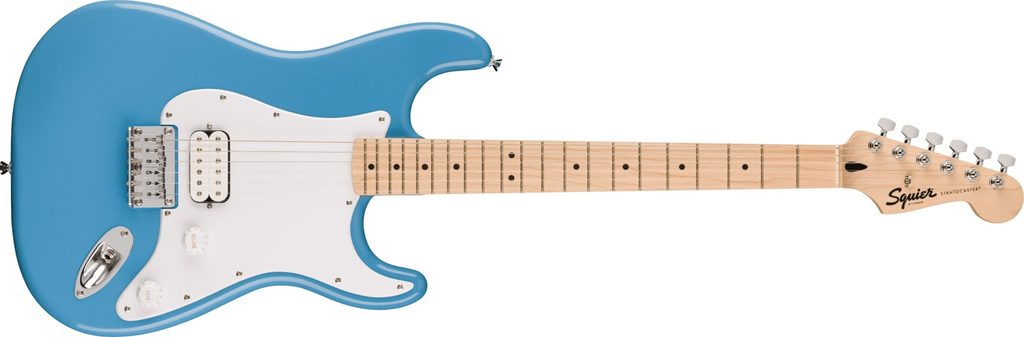
Early Japanese production proved budget didn’t mean bargain-bin.
Fender launched its Squier brand in the early 1980s, aiming to offer an affordable Stratocaster for European markets. Japanese production by Fujigen Gakki, marked by JV and SQ serial ranges, delivered unexpectedly strong quality. These early models, with their traditional construction, cost around £223-£230 in the 1983-84 UK market depending on the model.
Many college musicians, prioritizing cheap pints, missed out entirely. But these were far from disposable starter guitars. The construction quality redefined expectations for entry-level instruments, proving a budget price didn’t mean sacrificing tone or build. Today, these initial runs are highly sought-after, collectors treating them like vintage action figures pulled from a dusty attic. They set a crucial benchmark, ensuring no aspiring shredder had to settle for a glorified plank with strings.
4. Westone Thunder 1A
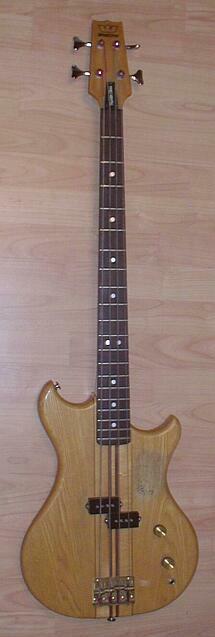
Matsumoku’s sleeper hit offered Stratocaster-level quality at half the price.
Despite its £160 (1983 UK) price tag, the Japanese-made Matsumoku Westone Thunder 1A offered quality comparable to a Fender Stratocaster costing more than double. This wasn’t some knock-off; it was a bona fide contender, built like a tank. Its laminated ash, maple, and walnut body, paired with a three-piece maple neck and rosewood fingerboard, offered a level of resonance and stability that defied its cost.
This guitar featured a 24.75-inch (62.8 cm) scale, 22 frets, and versatile electronics, including two humbuckers with a three-way selector and coil-tap switching, all anchored by robust brass hardware. The comfortable neck profile and flexible tonal options made it a favorite among rhythm players who needed versatility without the premium price. Anyone who’s discovered a band that makes their established favorites sound like elevator music knows that feeling; that’s the Thunder 1A in guitar form.
3. Japanese Hondo Professional Series guitars
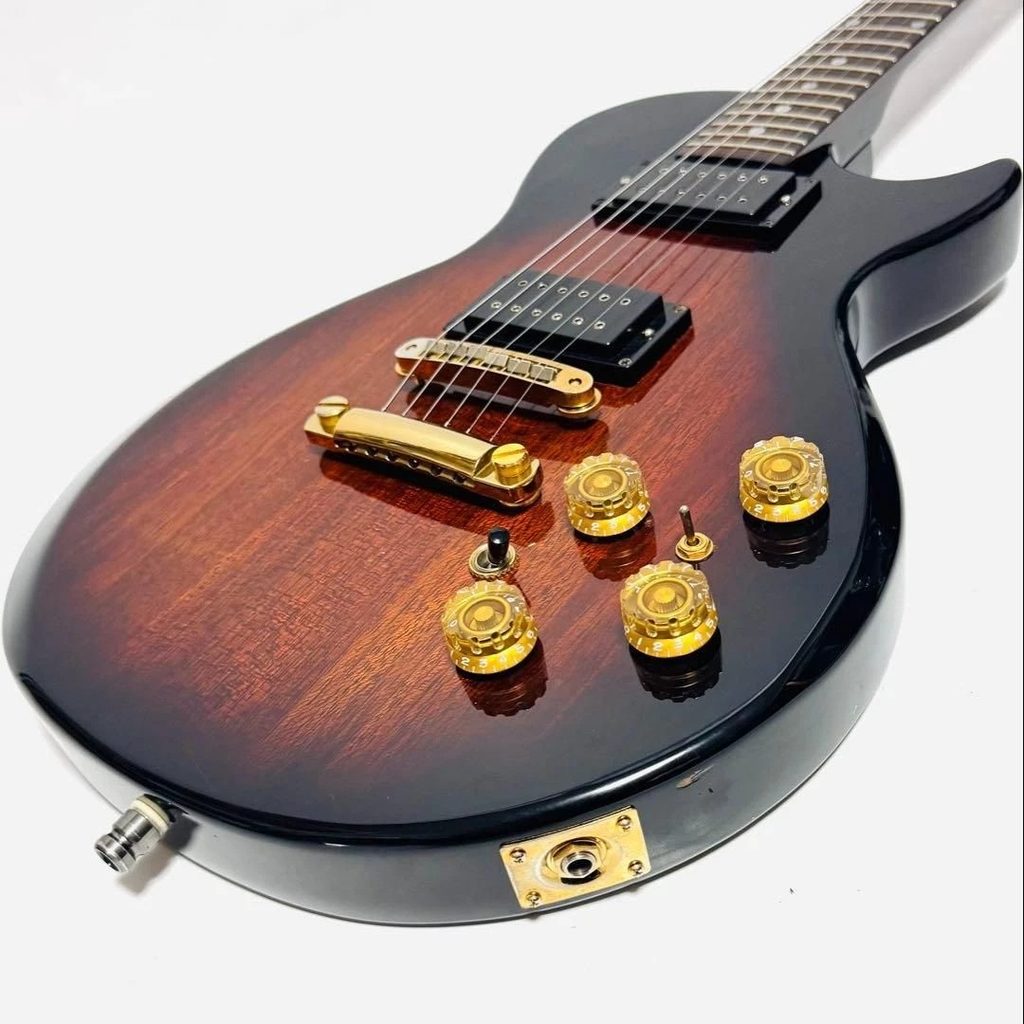
Factory-installed DiMarzio pickups at import prices rewrote the rulebook.
Introduced around 1980, Hondo’s Professional Series guitars emerged from Japanese factories like Matsumoku and Tokai, carving out a reputation distinctly separate from the brand’s common image. These instruments were a different breed entirely from their Korean-made cousins. Documented models featured maple construction, 25.5-inch scale lengths, and 21 frets, delivering a feel more aligned with boutique instruments than mass production.
Hondo was also among the first import companies to factory-install American-made DiMarzio pickups beginning in 1978, a move as unexpected as finding a five-star meal at a truck stop diner. This foresight gave players versatile, great-sounding instruments right off the rack. The Japanese Professional Series proved genuine quality could hide in unexpected places, leaving skeptics stunned by their tone and durability.
2. Yamaha Pacifica 112
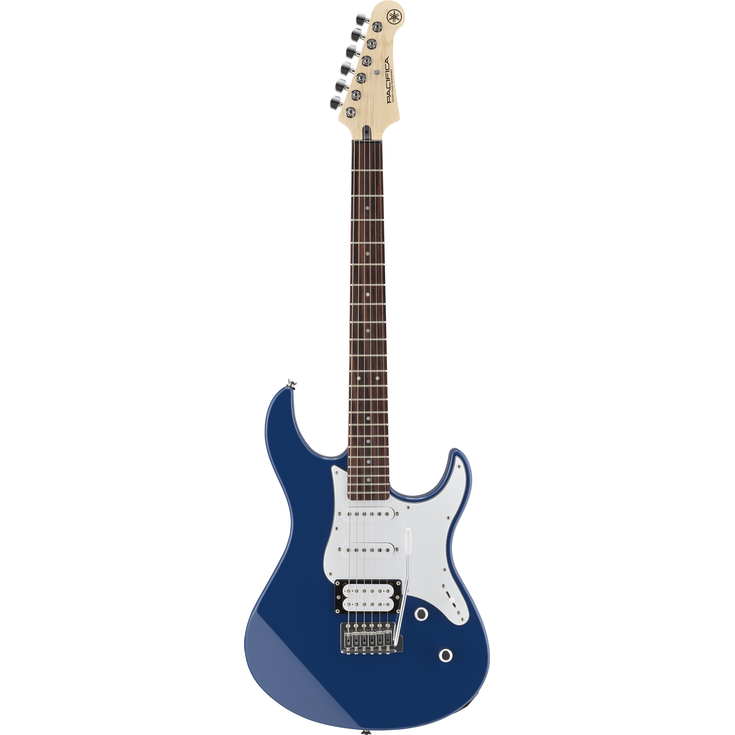
The 1993 budget destroyer that made plywood obsolete.
The Yamaha Pacifica 112, introduced in 1993, didn’t just enter the budget guitar market; it detonated it. Before its arrival, spending £200 on a guitar often meant questionable construction, fret ends sharp enough to draw blood, and pickups that buzzed more than they sang. Players were frequently buying props, not serious instruments.
The Pacifica changed expectations entirely. Its solid timber body (alder or basswood depending on version and market) and comfortable, Stratocaster-influenced double-cutaway felt like a real guitar. A versatile bridge humbucker with single-coil pickups delivered tones that defied its price point. Semi-pro players in local clubs started using the Pacifica 112 as a primary or backup, a genuine shock at the time. It made flimsy plywood models as obsolete as a landline phone, redefining what affordable quality
actually meant.
1. Aria Pro II electric guitars
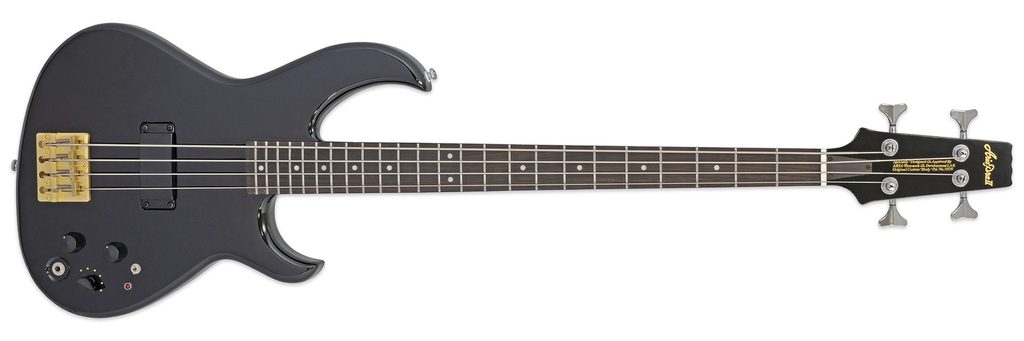
Andy Summers’ endorsement gave Japanese construction the credibility it deserved.
The ultimate street cred for a budget guitar comes from a famous player’s approval, a truth Aria Pro II demonstrated repeatedly. Arai Trading launched these guitars in the 1970s with Japanese production closely associated with the Matsumoku factory, aiming for quality that defied their price. Andy Summers of The Police became associated with the brand, an endorsement no ad campaign could buy.
Early ’80s models offered solid construction and often genuine DiMarzio pickups on higher-specification versions. The Rev-Sound series (1978 to 1982) featured neck-through-body designs and active electronics, pushing boundaries for what import guitars could deliver. Aria Pro II earned its respected name through consistent quality and high-profile player associations, proving solid sound doesn’t always come with a platinum price tag. Players who remember when Japanese guitars meant “cheap copies” watched this brand help rewrite that narrative entirely.