



Industry insiders joke that no farewell tour is truly final. The spectacle repeats: bands returning to the stage years after hanging up their instruments, chasing nostalgia, ego, and cash. These comebacks expose the raw tension between artistic legacy and financial reality, often resembling carefully curated social media profiles that rarely match the filters.
9. Jefferson Airplane (1989 reunion)
By 1989, lawsuits outnumbered hit singles.
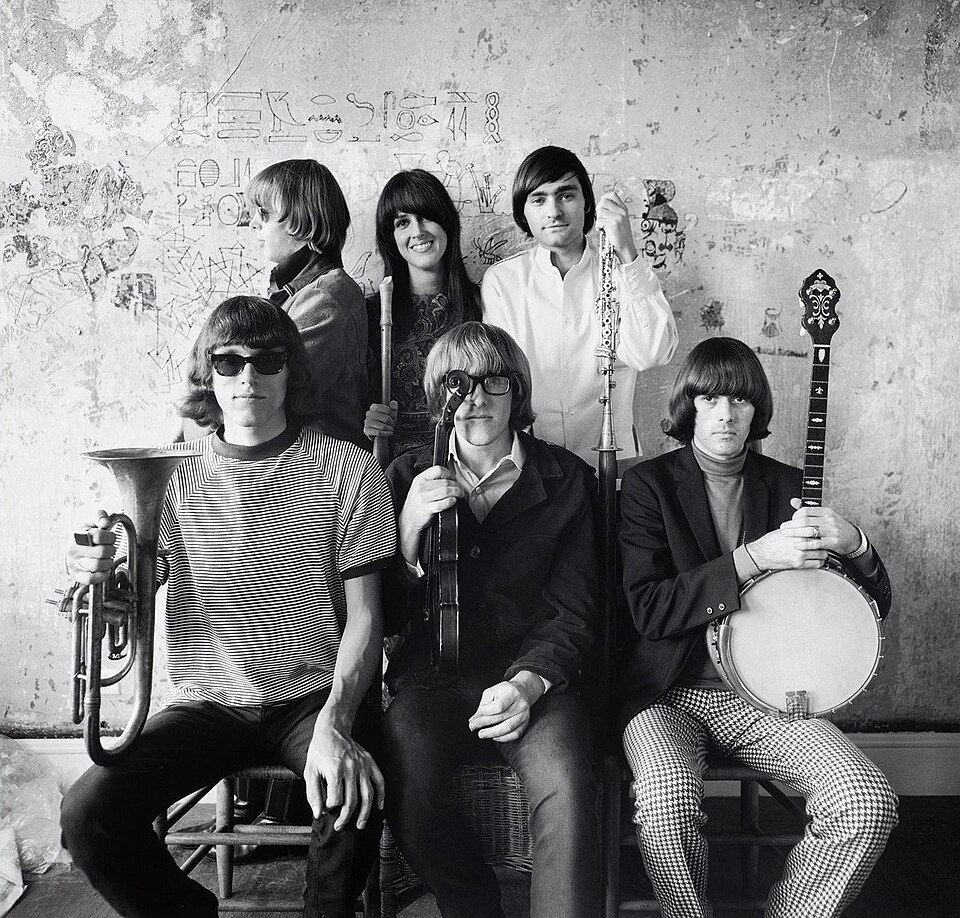
Marty Balin famously declared, “Every time I read about them, they’re always suing each other,” noting “at least 15 or 20 active lawsuits now between managers, record companies, agencies.” Jefferson Airplane, once architects of 1960s psychedelic rock with anthems like “White Rabbit,” morphed significantly after their initial run. By 1989, after the pop-rock pivot to Jefferson Starship in 1974 and the even slicker Starship, the band attempted reconciliation. Their self-titled reunion album sounded less like a revival and more like a corporate retreat trying to recapture festival vibes with dated synth production.
Grace Slick later called the project “a mistake.” Singles like “Planes” and “Summer of Love” flatlined, proving more forgettable than a dusty VHS tape. Anyone expecting the trippy defiance of Surrealistic Pillow instead found something resembling a forgotten movie soundtrack. The band’s legal drama, a constant hum like a bad ground loop, never truly faded, making the reunion a cautionary tale of creative and financial entanglement.
8. The Sex Pistols – Filthy Lucre reunion
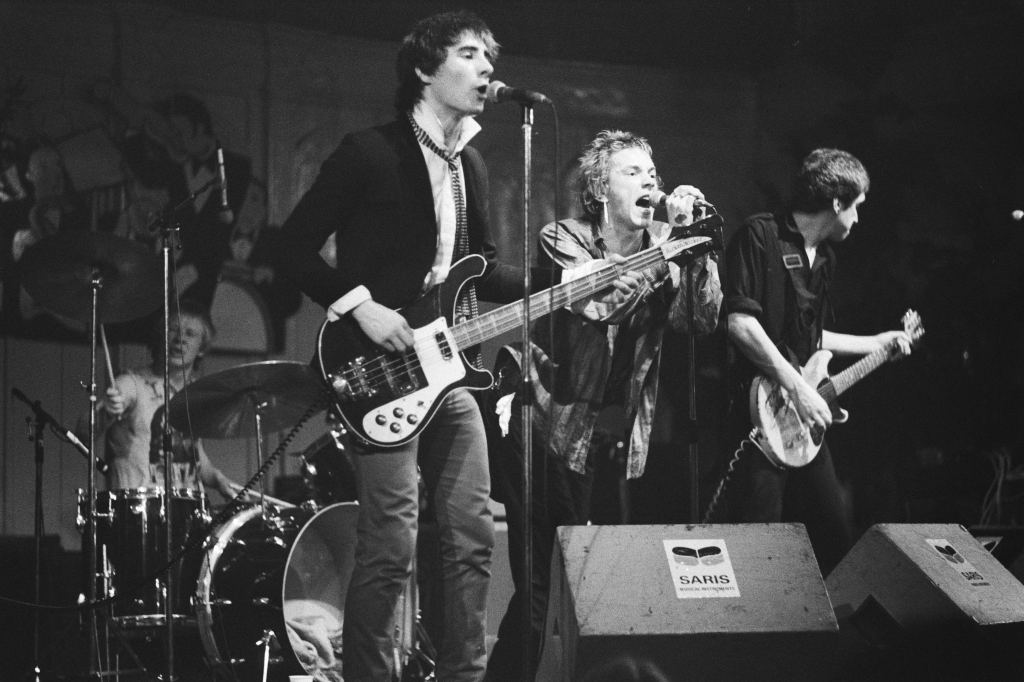
Cash flowed, but the animosity festered.
Can a band built on chaos and anti-establishment fury sell out for a stadium tour without losing its soul? The Sex Pistols answered with a resounding “yes” in 1996, labeling their comeback the “Filthy Lucre Tour.” Frontman Johnny Rotten, aka John Lydon, famously declared at the press conference: “We’ve found a common cause, and that’s your money.” The global trek packed houses and reportedly netted substantial revenue. Yet it felt like watching beloved street art get slapped with a corporate logo—pure commerce, little conviction.
Band members reportedly “still hated each other,” demanding separate travel and accommodations, like a divorcing couple sharing a holiday resort. Subsequent tours in 2002, 2003, and 2007 continued this lucrative, stagnant pattern. By 2024 and 2025, performances under the Sex Pistols name occurred without Lydon, highlighting ongoing rifts. Even punk’s anti-heroes eventually trade revolutionary fervor for a reliable paycheck.
7. The Velvet Underground – early 1990s reunion
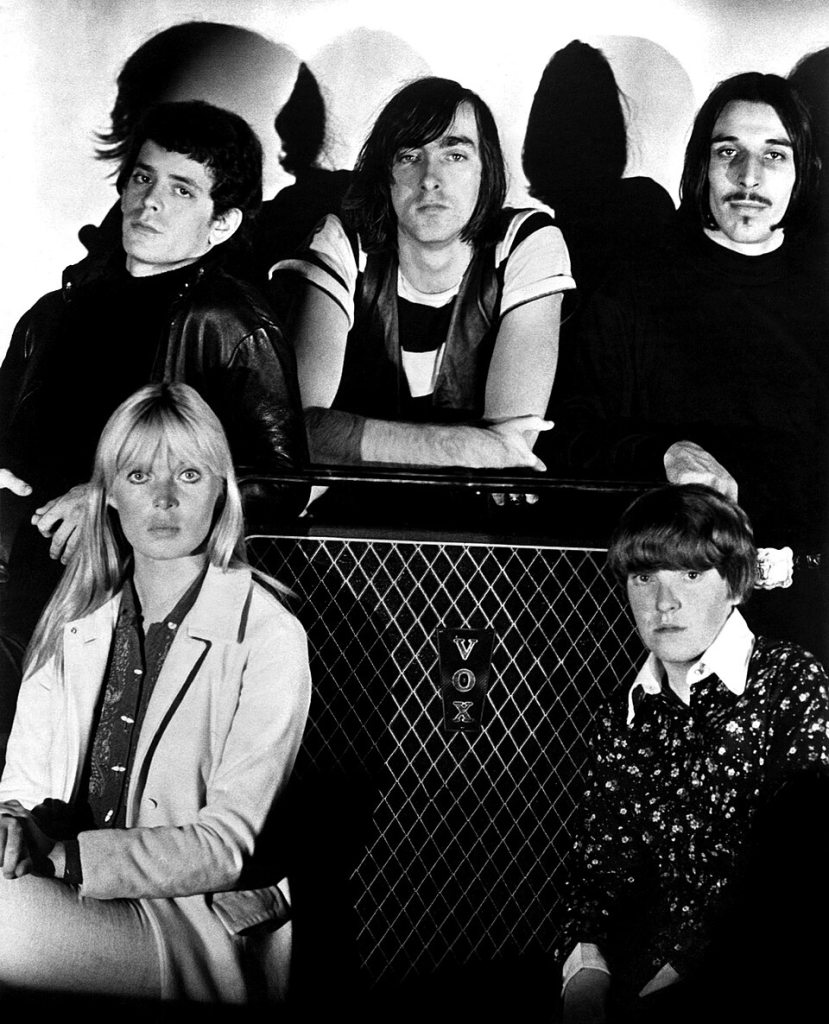
Image: Wikipedia
Old feuds resurfaced faster than a bad algorithm on repeat.
The Velvet Underground’s debut, The Velvet Underground & Nico (1967), initially sold modestly but inspired a generation, profoundly shaping art-rock and punk. Brian Eno famously quipped that only 30,000 people bought the album, but they all started bands. Andy Warhol’s 1987 death paradoxically forced a reconciliation between Lou Reed and John Cale, like estranged siblings sharing an uneasy holiday meal. This paved the way for an original lineup reunion in the early 1990s.
The reformed Velvet Underground, with Sterling Morrison and Maureen Tucker, toured Europe in 1993, documented by Live MCMXCIII. Old feuds between Reed and Cale quickly resurfaced. This led to the cancellation of a planned U.S. tour leg and an MTV Unplugged appearance. Critical reception was mixed, ensuring their 1993 outing was their final major reunion, ending abruptly and leaving fans disappointed.
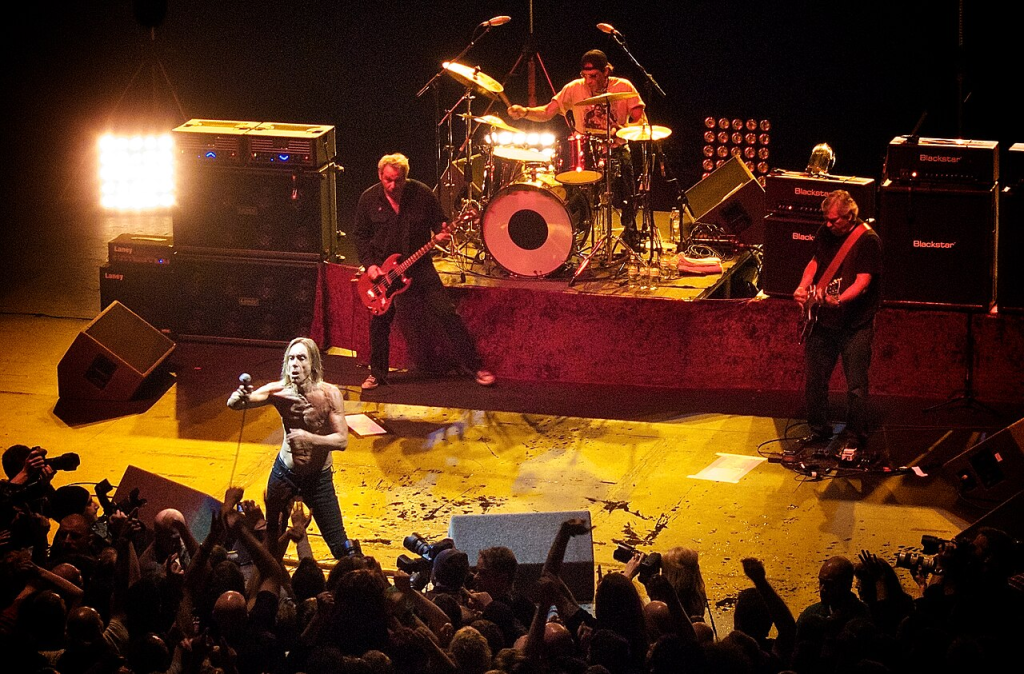
6. The Stooges – 2000s reunion
Studio magic rarely strikes twice.
Despite their immense influence, The Stooges initially struggled for commercial recognition, with even their seminal Raw Power album being a commercial flop. Seeing Iggy Pop, Ron Asheton, and Scott Asheton reunite in the early 2000s, especially at Coachella 2003, offered a jolt of raw punk energy. Their live shows proved some bands still delivered the goods—a true second act worth celebrating.
Yet trying to bottle that lightning in the studio proved tricky. Albums like The Weirdness (2007) and Ready to Die (2013) were panned, failing to recapture their early innovation. Anyone who has watched a beloved band attempt a comeback knows studio chemistry is elusive. With key members Ron Asheton, Scott Asheton, and Steve Mackay having passed, Iggy Pop declared The Stooges effectively finished in 2016, bringing their complicated reunion to a somber close.
5. Creedence Clearwater Revisited
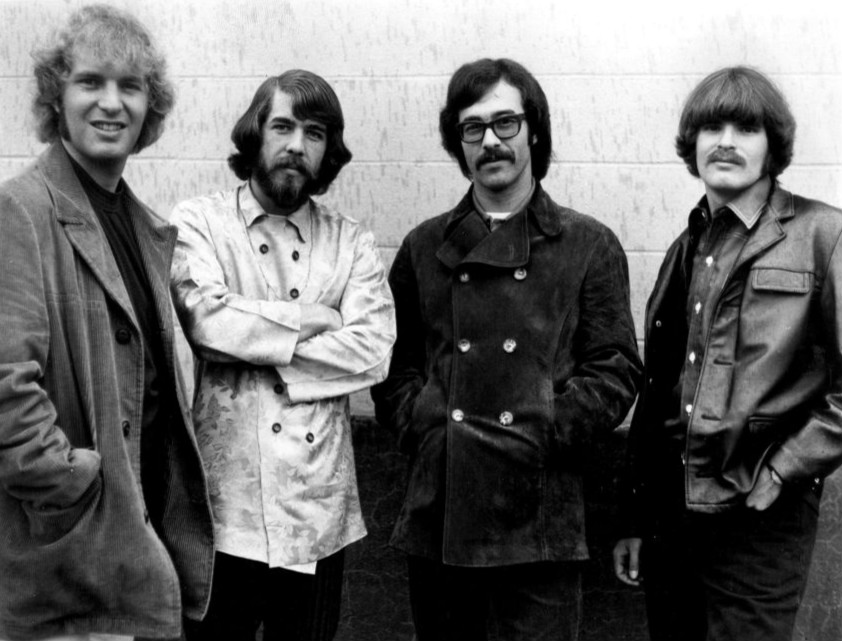
Without Fogerty, it never quite hit the same.
The Rolling Stone critic Jon Landau famously described Creedence Clearwater Revival’s 1972 album Mardi Gras as “the worst album I have ever heard from a major rock band,” a sentiment that foreshadowed the original group’s swift demise. After numerous top-10 singles like “Bad Moon Rising” and “Proud Mary,” CCR imploded, largely because John Fogerty’s creative energy was both central to their sound and a powder keg of tension.
Bassist Stu Cook and drummer Doug Clifford weren’t ready to let those hits vanish. In 1995, they formed Creedence Clearwater Revisited, sparking legal battles with Fogerty over the name. They toured extensively as a nostalgia act but produced only one live album, Recollection (1998). Without Fogerty’s songwriting and distinctive vocals, the project never recaptured the original magic. The venture ultimately wrapped around 2020, proving some legacies are best left untouched.
4. Jane’s Addiction – 2024 reunion collapse
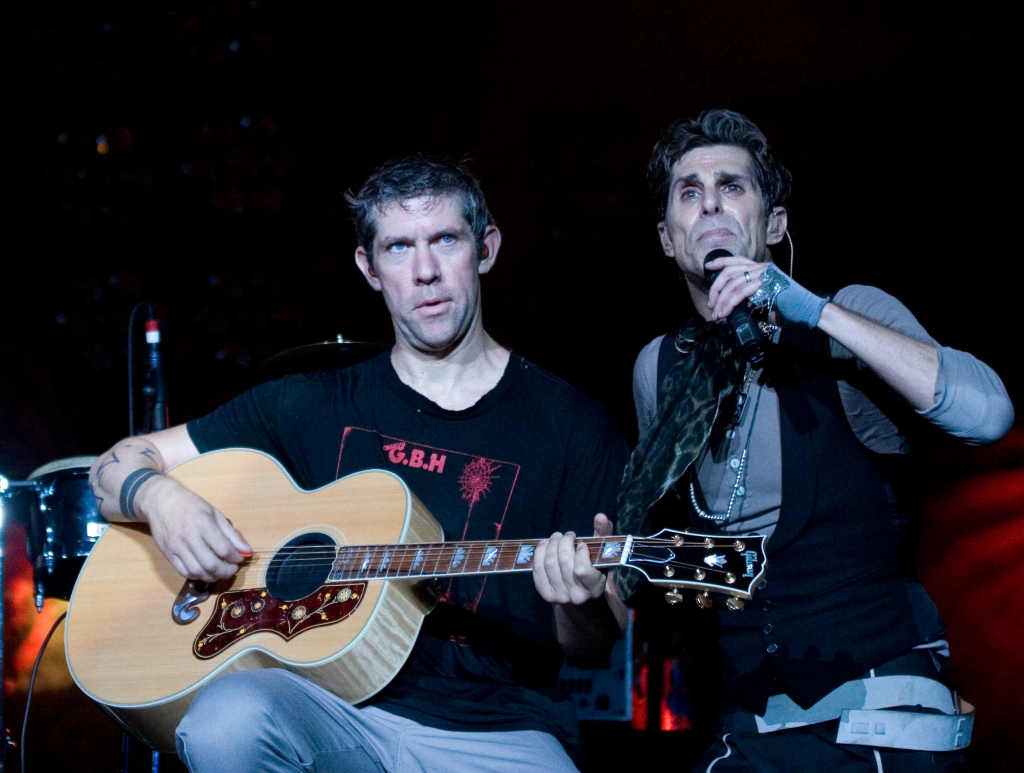
One of rock’s shortest-lived reunions.
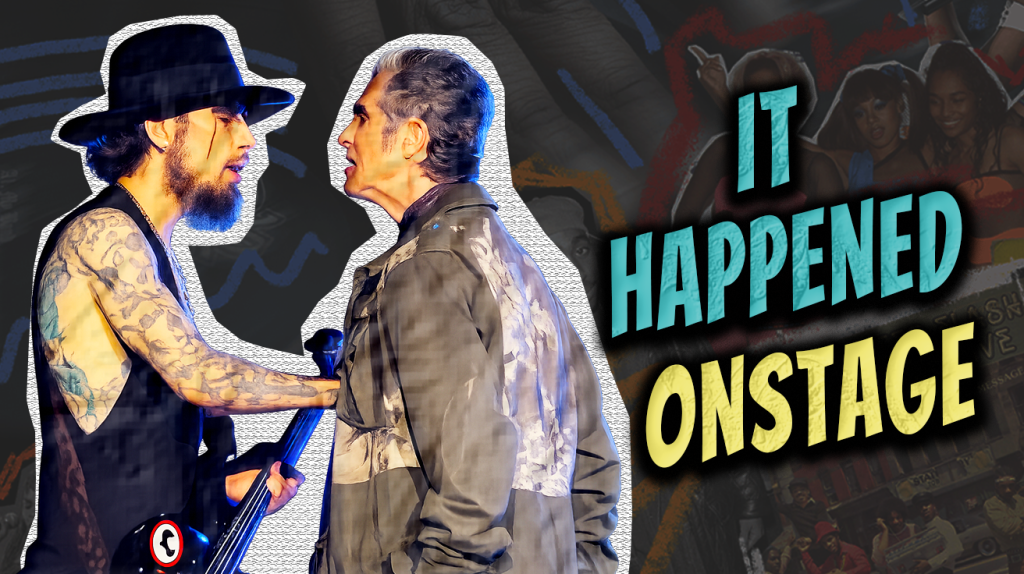
At a Boston show in September 2024, hopes for a stable Jane’s Addiction reunion shattered. Frontman Perry Farrell reportedly attacked guitarist Dave Navarro on stage, instantly ending the tour. Fans clinging to memories of Nothing’s Shocking and Ritual de lo Habitual watched the band’s iconic status crumble. This sudden implosion dashed all hopes for cohesion, proving some legacies are too volatile for an encore.
The fallout was swift and legally messy. Navarro, Eric Avery, and Stephen Perkins filed a $10 million lawsuit against Farrell, citing alleged erratic behavior and failure to attend rehearsals. Farrell countersued, alleging bullying and intentionally loud playing designed to provoke him. Navarro later called it his “least favorite gig” that “destroyed the band’s life.” The 2024 tour became one of rock’s most spectacular reunion failures.
3. Mötley Crüe – post-“farewell” reunion
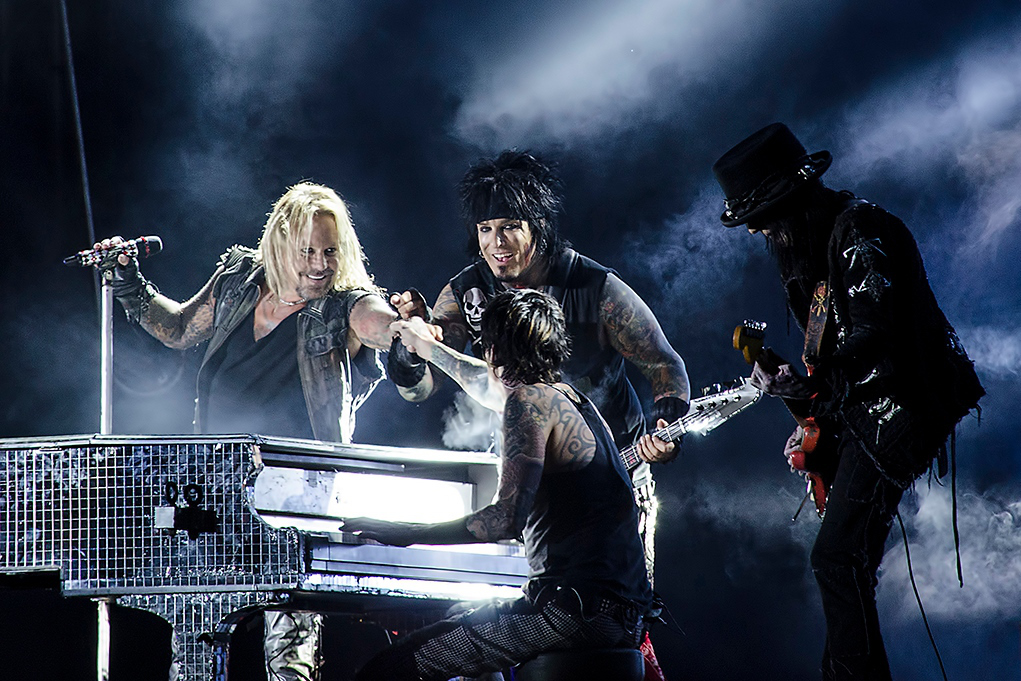
A pinky promise the band had no intention of keeping.
In 2014, Mötley Crüe signed a “cessation of touring agreement,” a highly publicized farewell that proved to be little more than performance art. The band reversed course, announcing a stadium reunion tour with Def Leppard. Originally slated for 2020, it was postponed until 2022 due to the COVID-19 pandemic. The tour grossed over $173 million, yet many fans criticized the transparent financial motive, feeling the band had undermined its own farewell pledge.
Beyond the lucrative numbers, live performances delivered harsh reality checks. Vince Neil’s deteriorating vocals and stage stamina became persistent issues, with online recordings highlighting missed lyrics and heavy reliance on the crowd. Guitarist Mick Mars retired from touring in 2022, citing health issues, and later sued the band over profits and royalties. The group continued with replacement guitarist John 5, further distancing the reunion lineup from the classic Crüe.
2. Van Halen – 2004 reunion with Sammy Hagar
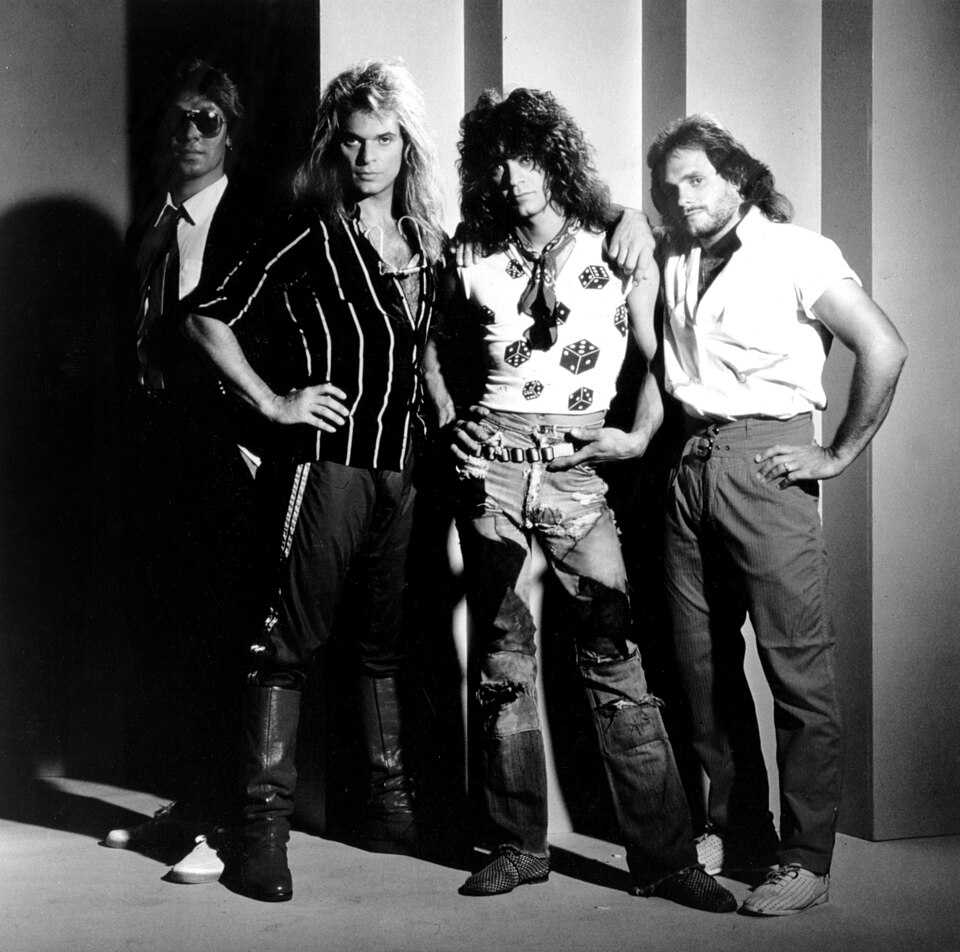
Behind impressive receipts, backstage chaos reigned.
The 2004 Van Halen reunion tour with Sammy Hagar promised to relive past glories, selling it as a triumphant return. Fans bought tickets hoping to experience multi-platinum magic. The North American leg alone pulled in over $54 million, and the band released The Best of Both Worlds, a compilation featuring new Hagar-fronted tracks like “Up for Breakfast.”
Behind those impressive tour receipts, reality was chaotic. Sammy Hagar called it “the worst experience of my life,” citing Eddie Van Halen’s serious alcohol problems and erratic behavior that deteriorated performance standards. Eddie countered that Hagar’s work ethic was lacking, with both sides trading public barbs. Tour and fan reviews were mixed, and the band effectively dissolved again afterward. This comeback dissolved into acrimony, failing to recapture its original spark.
1. The Who – 1989 reunion tour
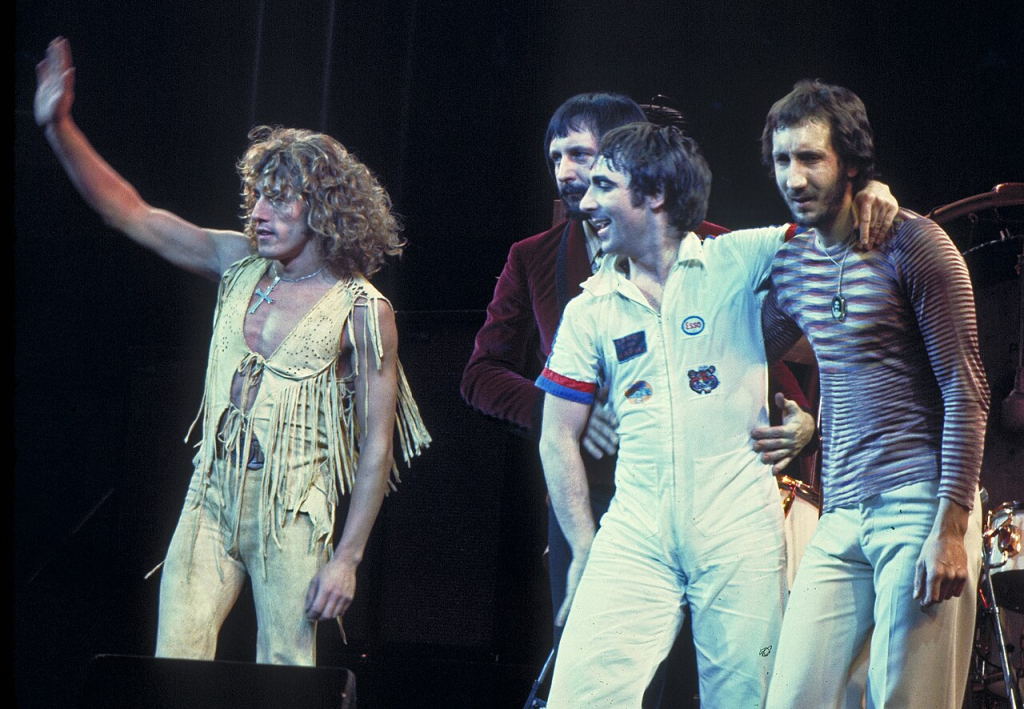
Some goodbyes are just cliffhangers.
Just 7 years after their declared 1982 farewell tour, The Who hit the road again in 1989, a move that felt less like a rock revival and more like raiding the attic for forgotten treasures. Pete Townshend admitted the motivation was largely “financial need” and that the band was “a spent force creatively,” a sentiment John Entwistle echoed, confessing he “needed the income.” This was less a phoenix rising and more a band checking if the old cash register still worked.
Despite Townshend’s serious hearing damage forcing him to frequently play acoustic guitar to protect his ears, the shows often approached 3 hours—a marathon effort. Critics claimed the band now “belonged to oldies radio” and had lost their legendary intensity. The spectacle felt more like a carefully staged Broadway show than the raw power of their youth. The irony isn’t lost that they announced yet another touring retirement in 2025, proving some goodbyes are merely intermissions.