



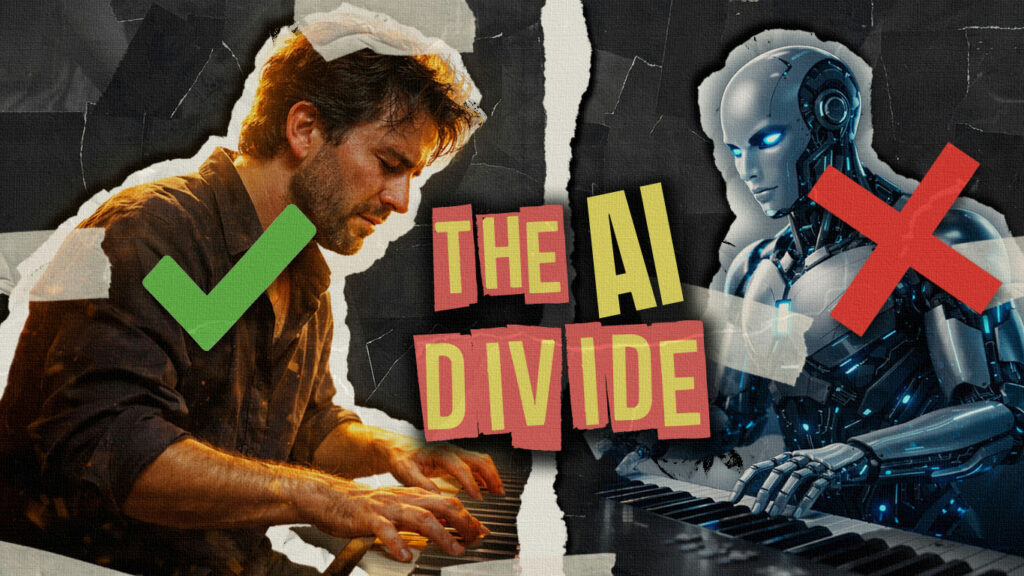
Performance rights organizations just rewrote the playbook for AI-generated tunes, and the timing couldn’t be more perfect for anyone curating soundscapes for their next culinary adventure. ASCAP, BMI, and SOCAN dropped aligned policies on October 28, 2025, allowing registration of partially AI-generated works while keeping fully automated compositions off the copyright menu. Think of it as the industry’s way of saying robots can help cook, but humans still need to season the dish.
5. ASCAP, BMI, and SOCAN Aligned AI Policies

These three industry giants finally got on the same page about AI music registration.
Anyone who’s ever watched a band argue over songwriting credits knows the music business thrives on clear rules. ASCAP, BMI, and SOCAN announced their aligned policies on October 28, 2025, allowing registration of music partially created with AI tools. It’s like finally getting that receipt for your streaming royalties—except this time, the robots are helping write the check.
Fully AI-created tracks with zero human input remain ineligible for registration. Elizabeth Matthews, ASCAP‘s CEO, laid it out perfectly: “AI can be a powerful tool for our members, as long as the law puts humans first.” The message is crystal clear—your creative fingerprints better be all over that track.
4. Registration Requirements for AI-Assisted Music
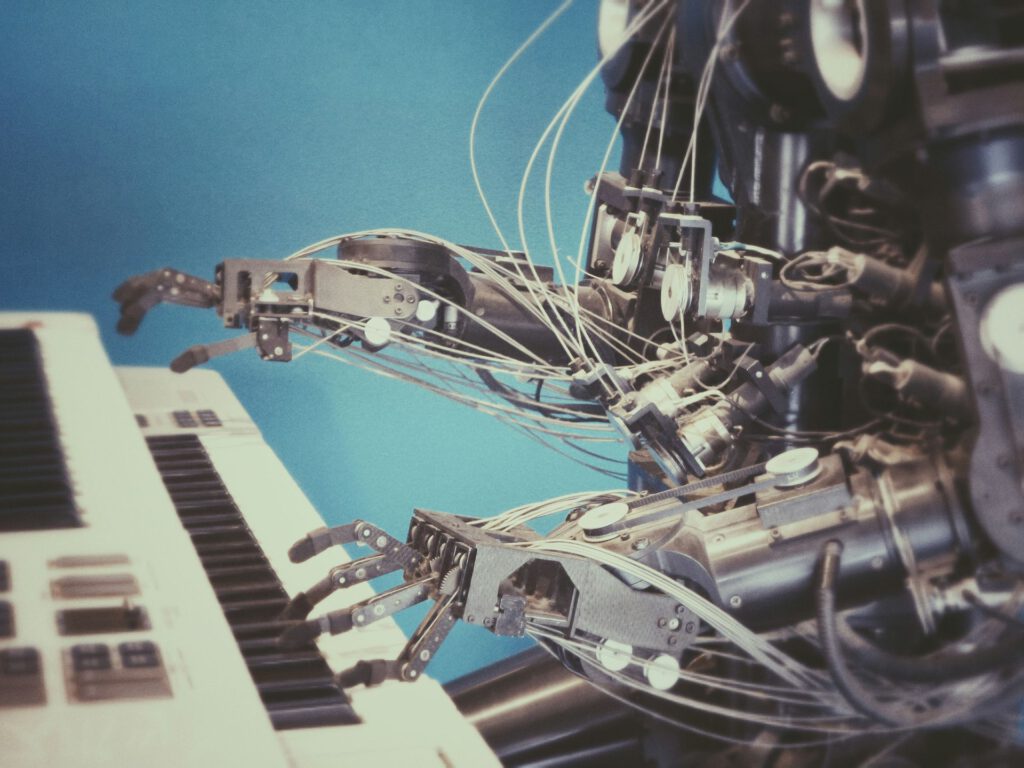
Human creativity remains the non-negotiable ingredient for copyright protection.
The new policies accept musical compositions partially generated using AI tools, but there’s a catch bigger than a pop star’s ego. Someone with actual brain cells and creative vision needs to contribute meaningful input to the process. You can’t just feed a prompt into ChatGPT‘s musical cousin and expect royalty checks.
Voluntary disclosure of AI use is recommended for transparency, though it won’t affect your royalty rates. These hybrid tracks receive the same payment structure as fully human-created compositions. It’s refreshingly straightforward—no AI surcharge, no robot tax, just honest work getting honest pay.
3. What Counts as Human Contribution
Image: Unsplash
The “minimum threshold of human creativity” separates legitimate work from algorithmic noise.
Fully AI-created works face the same welcome at the U.S. Copyright Office as a kazoo player at Carnegie Hall. The Copyright Office requires a “minimum threshold of human creativity,” which means actual humans need to shape melodies, arrange structures, or craft lyrics. AI can suggest ideas, but it can’t replace the creative decisions that make music worth protecting.
BMI CEO Mike O’Neill called these policies “an important first step in protecting human creativity.” The distinction matters because it preserves the value of human artistic vision while acknowledging AI as a legitimate creative tool.
2. AI as Creative Assistant, Not Replacement
The technology works best when it enhances human creativity rather than replacing it.
“The future of music can embrace AI and still remain deeply human,” explained SOCAN CEO Jennifer Brown. Picture a chef using AI to suggest flavor combinations while still controlling every aspect of the final dish. The technology becomes a sophisticated instrument in capable hands, not a replacement for the artist wielding it.
These policies create what Brown calls an “ethical path forward” for creators who want to experiment with AI tools without compromising their artistic integrity. The emphasis stays firmly planted on human authorship, with AI filling a supporting role in the creative process.
1. Fighting Unauthorized Training Data Theft
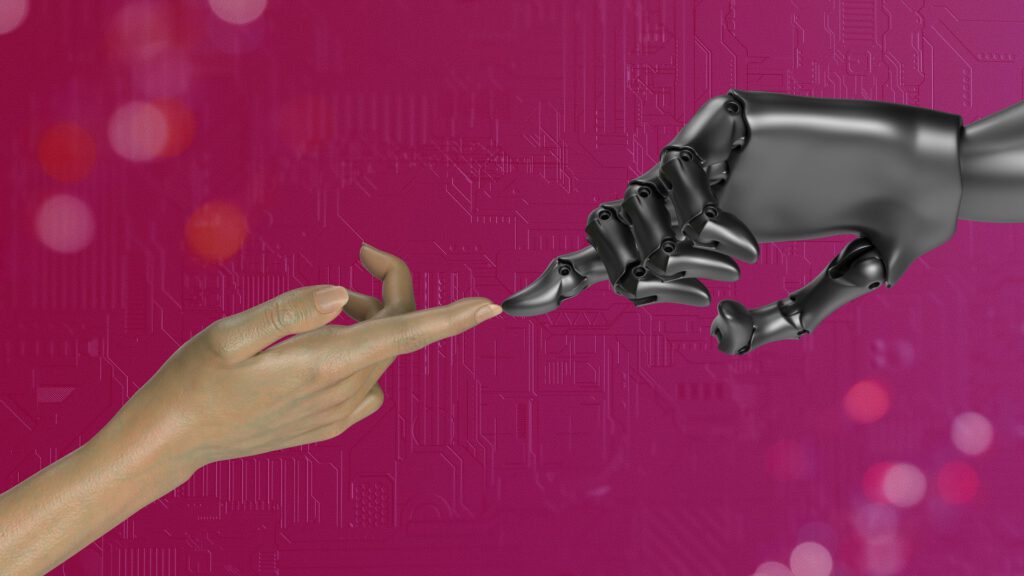
PROs are taking a hard stance against AI companies using copyrighted music without permission.
Performance rights organizations aren’t just setting registration rules—they’re actively fighting AI companies that train models on copyrighted music without permission. These PROs call the practice “theft,” not fair use, and they’re backing that stance with lawsuits, legislation, and policy advocacy at federal levels.
The organizations have provided input to the U.S. Copyright Office, White House, and Canadian government on protecting creators from unauthorized data harvesting. Anyone expecting algorithms to feast freely on existing catalogs is in for a rude awakening as the industry draws clearer battle lines around intellectual property rights.