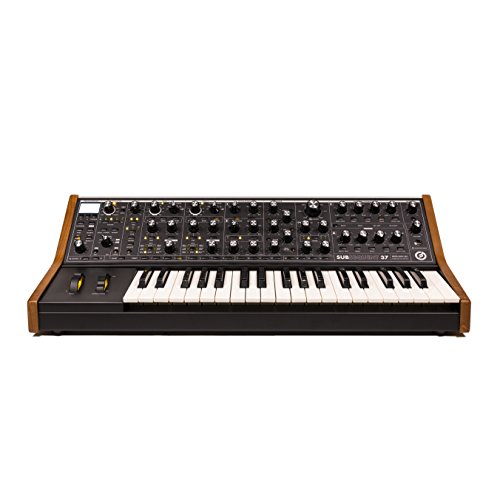




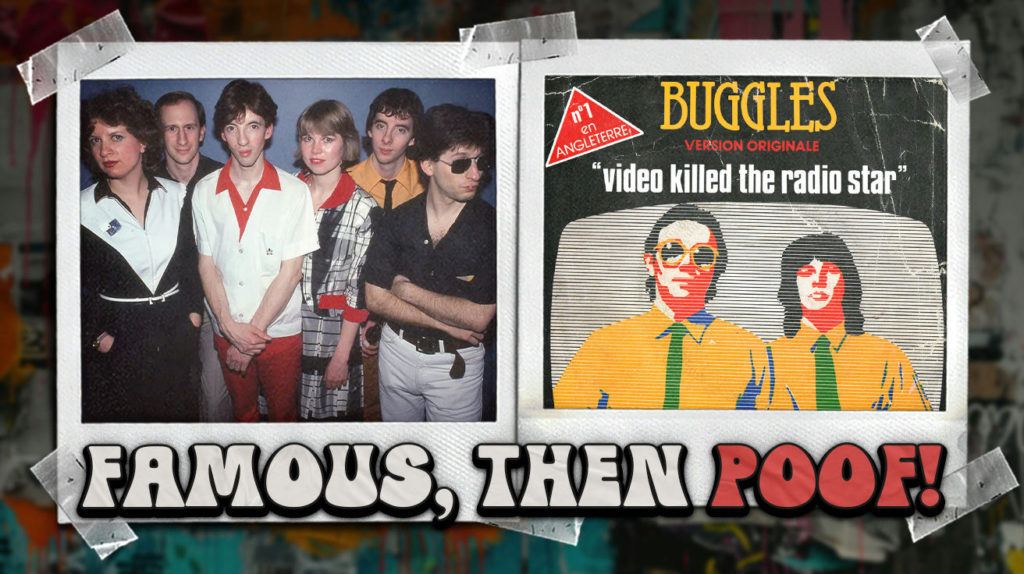
Nineteen eighty was musical roulette with a disco ball spinning overtime. While MTV prepared to launch and the music industry braced for video’s impact, dozens of brilliant unknowns rolled the dice on three-minute lightning bolts that would define their entire careers. Disco gasped its final sequined breath while new wave crashed American shores, armed with newly affordable synthesizers like the Roland Jupiter-4 and Prophet-5 that democratized electronic music production. You’re about to rediscover fifteen tracks that proved sometimes the best songs come from artists who had nothing left to lose. You’re about to rediscover fifteen tracks that proved sometimes the best songs come from artists who had nothing left to lose. Many of these shifts were part of the broader analog experiences of the 1980s that defined how people listened, discovered, and interacted with music.
14. Video Killed the Radio Star – The Buggles
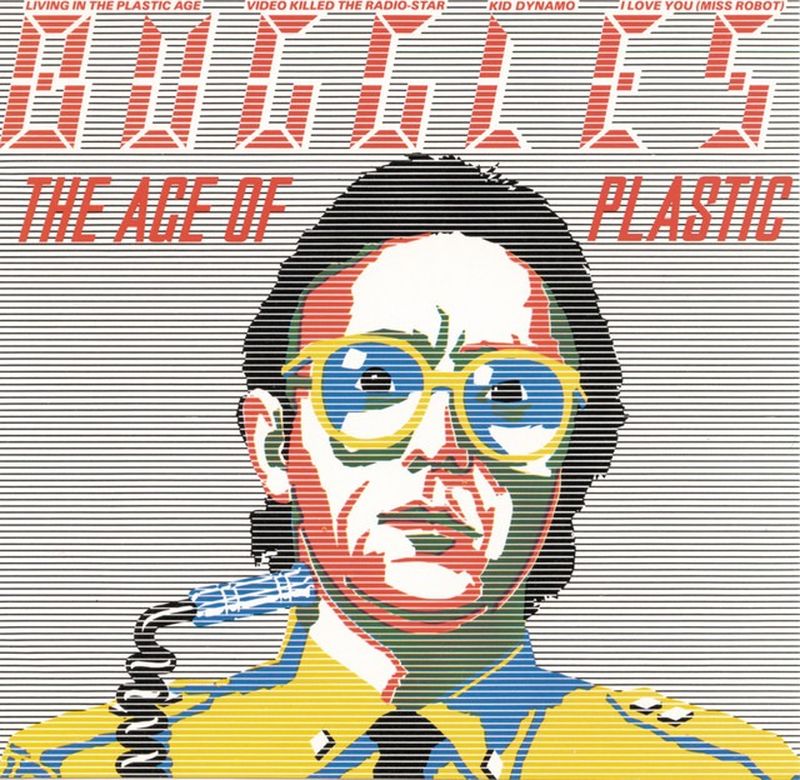
The most prophetic one-hit wonder ever recorded arrived courtesy of Trevor Horn and Geoff Downes, who didn’t just predict the future—they narrated their own historical importance. When MTV launched on August 1, 1981, this became the first video broadcast, making its declaration that “we can’t rewind, we’ve gone too far” eerily self-fulfilling. Built around the Fairlight CMI sampler, the production sounds like what 1980 imagined the future would sound like. The launch of MTV didn’t just change how music was consumed—it revolutionized artist promotion and the visual language of pop, as detailed in this analysis of the impact of MTV on 80s pop culture.
Horn’s production techniques from this track would later define hits for Yes and Frankie Goes to Hollywood, while Downes joined Yes—making them perfect messengers for this tale of creative destruction that announced the video revolution.
13. Echo Beach – Martha and the Muffins
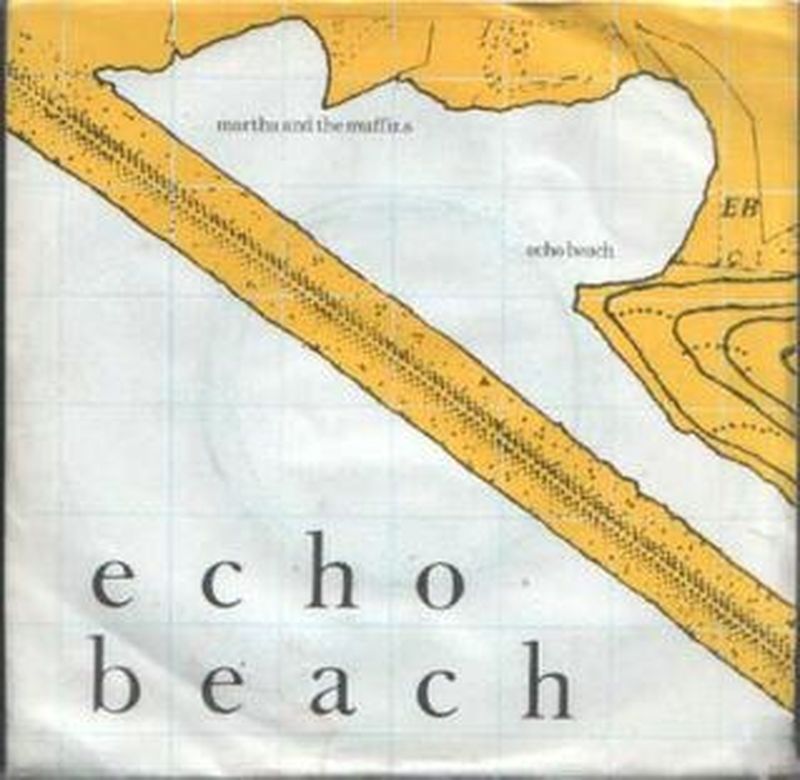
Canadian export Martha and the Muffins arrived in February 1980 with this shimmering postcard from a place that exists only in memory. Mark Gane‘s composition transforms mundane workplace dissatisfaction into poetic longing—an office worker’s mental escape to somewhere “far away in time.” Using the same Roland CR-78 drum machine that would later drive Phil Collins‘ “In the Air Tonight,” the track reached number ten in the UK.
The band never again captured this perfect balance of energy and wistful yearning. This remains their masterpiece—three minutes of sonic escapism for anyone who’s mentally replaced cubicle walls with horizon lines during boring meetings.
12. Pop Muzik – M
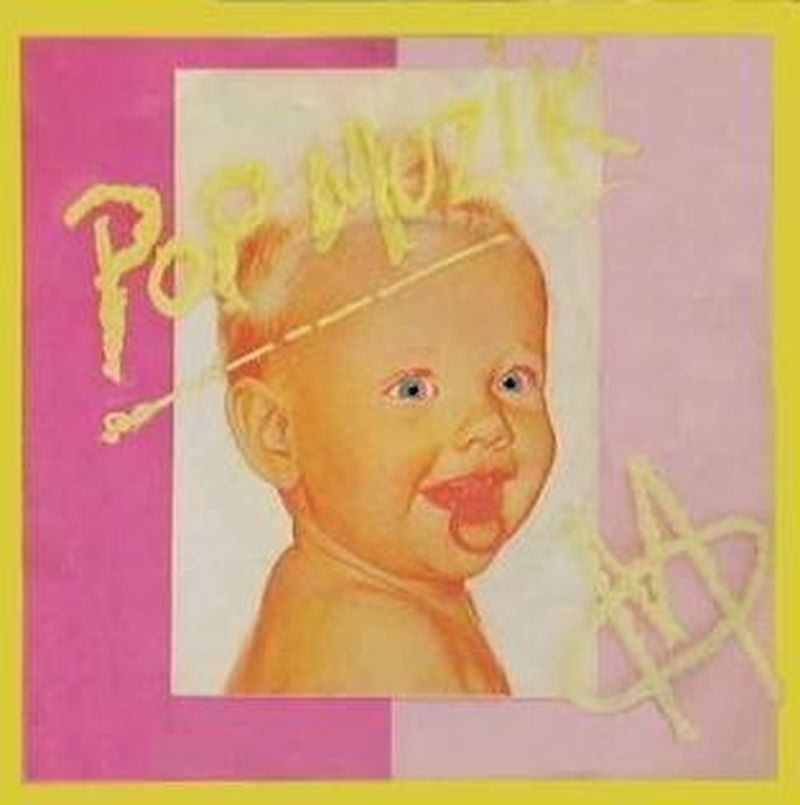
British musician Robin Scott created this satirical celebration of commercial music that somehow became exactly what it was gently mocking. Released in the UK during 1979 but hitting US number one in April 1980, “Pop Muzik” blended disco, new wave, and synth-pop into self-aware earworms that demonstrated genre fusion decades before it became standard practice.
Robotic hooks and playful repetition (“New York, London, Paris, Munich, everybody talk about pop muzik”) created global dancefloor unifiers. M never charted again, making this meta-commentary on disposable music ironically disposable itself—yet it survived as a cultural touchstone that gets more knowing with each passing decade.
11. Let Me Love You Tonight – Pure Prairie League
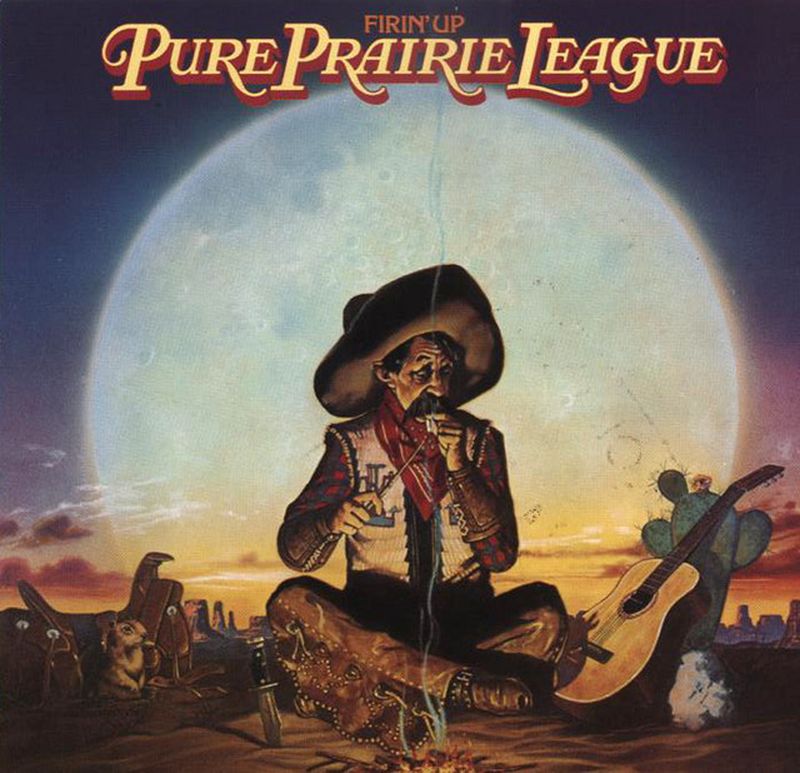
May 1980 brought this country-pop crossover showcasing young Vince Gill‘s honeyed vocals before he became a country institution. Gentle harmonies and romantic sentiment offered soft landing spots amid harder rock dominating airwaves, topping adult contemporary charts while reaching number ten on Billboard.
Pure Prairie League continued performing, but this particular constellation of sounds and sentiment proved impossible to recapture—a perfect alignment that produced one moment of mainstream magic. Sometimes the best crossover success comes from artists following their musical instincts wherever they lead.
10. Tired of Toeing the Line – Rocky Burnette
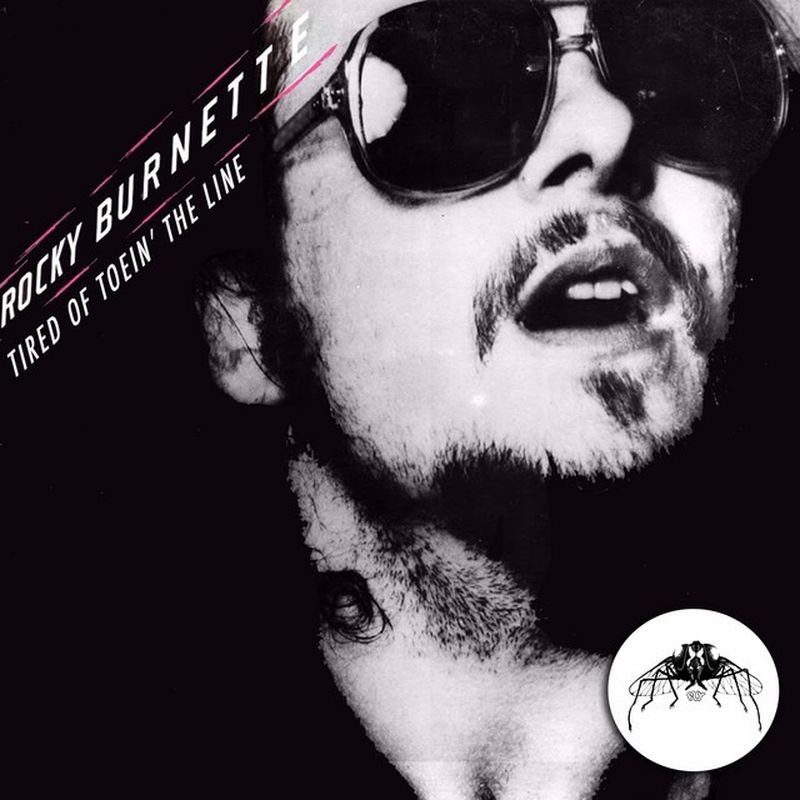
Rockabilly refused to die in 1980, and Johnny Burnette‘s son proved it could adapt to contemporary production without losing its rebellious spirit. Rocky‘s May release hit number eight on Billboard and topped Australian charts, suggesting he might carry his family’s musical legacy forward. Instead, this became his sole commercial moment—a rockabilly time capsule that sounds both vintage and timeless.
The track modernizes classic rockabilly with power pop sensibilities and universal breakup narratives. Burnette had the genre in his DNA but understood how to translate it for ears raised on different sounds. Sometimes musical DNA skips generations, creating perfect hybrids.
9. Pilot of the Airwaves – Charlie Dore
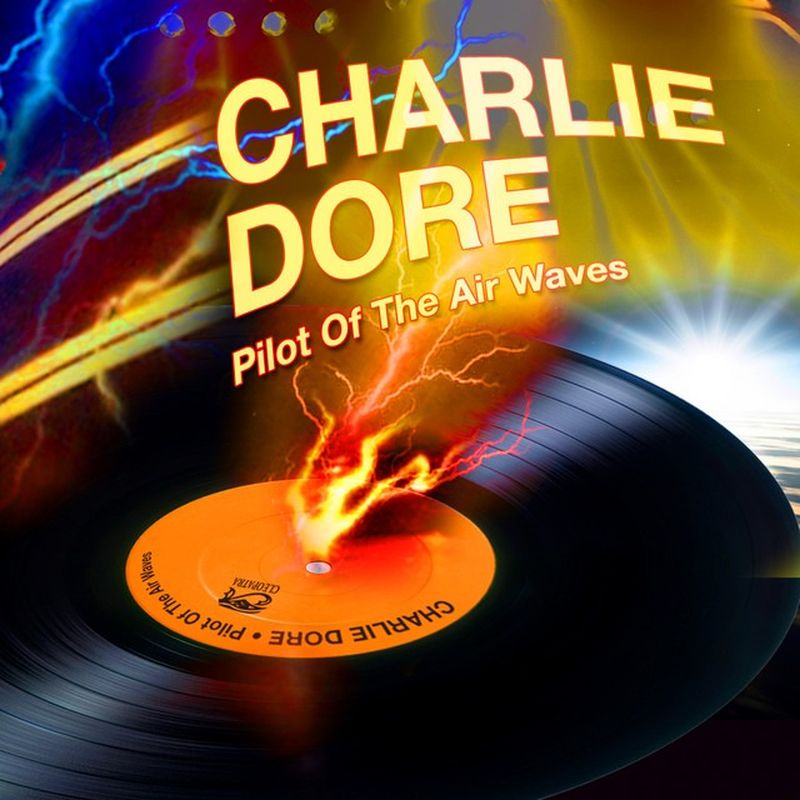
Dore‘s early 1980 folk-pop narrative about late-night radio connection arrived during FM radio’s cultural zenith, when DJs still served as intimate voices cutting through isolation. The British singer-songwriter crafted a three-minute movie about loneliness broken by radio intimacy—a theme that resonated deeply in pre-internet America.
Climbing to number thirteen on Billboard, the song’s warm production created emotional movies for ears. Dore later found success writing for others including Tina Turner, but this remains her signature creation—a love letter to radio when voices through speakers felt like conversations with friends you’d never met.
8. Whip It – Devo
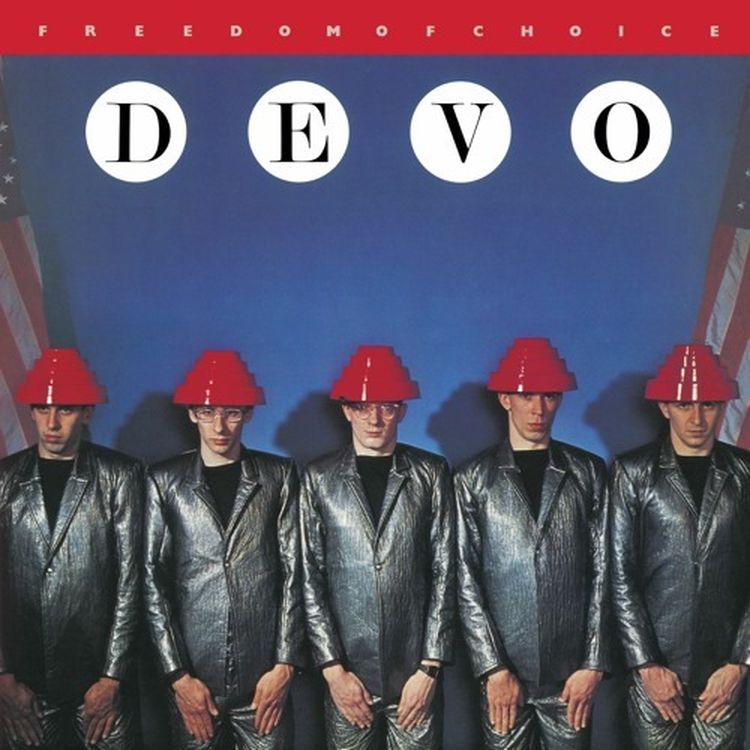
Devo‘s August breakthrough represents what happens when conceptual art meets pop accessibility like atoms in a particle accelerator. The Akron quintet had been developing their musical philosophy for years before this jerky, synthesizer-driven oddity cracked mainstream consciousness, reaching number fourteen. Their use of the Minimoog and primitive drum machines created a mechanized sound that predicted industrial music’s rise. Even beyond their chart success, Devo’s cultural influence can be traced across genres, inspiring countless artists and shaping the aesthetics of alternative music.
Devo never had another major hit, but their influence on electronic music and internet culture proves commercial success and cultural impact don’t always arrive in the same package—just look at other forgotten one-hit wonders that continue to shape playlists and trends decades later.
7. Romeo’s Tune – Steve Forbert
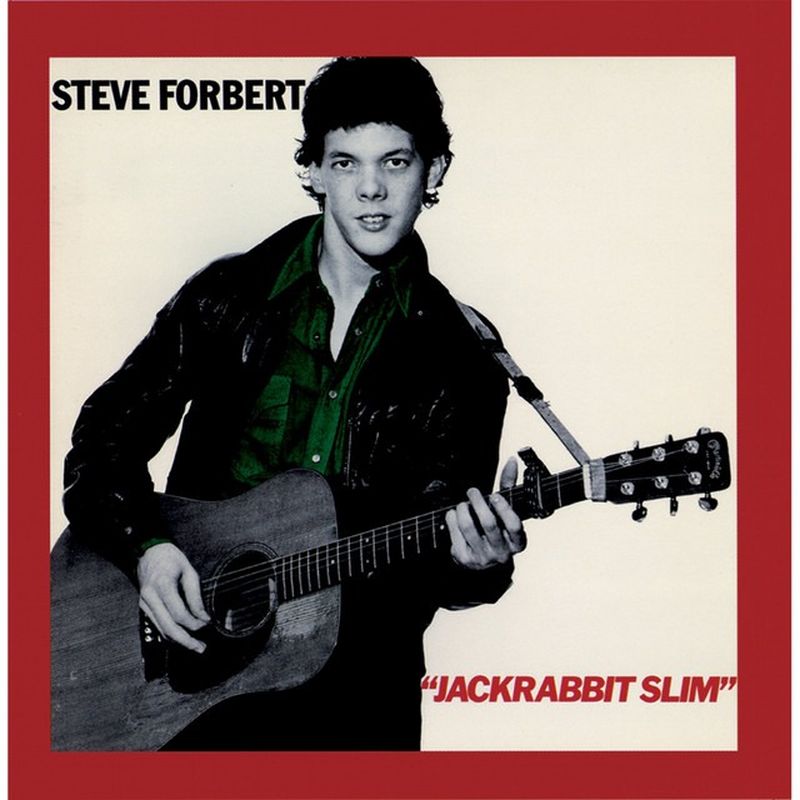
January 1980 delivered this heartland gem that feels like driving with windows down on the first warm day of spring. Forbert‘s piano-driven ode to longing peaked at number eleven, showcasing his distinctive vocal rasp and storytelling prowess that earned him “the new Dylan” comparisons—a label historically about as helpful as a concrete life preserver.
The track captures that bittersweet feeling of memories that improve with distance, wrapped in a perfect marriage of folk sincerity and pop accessibility. Forbert continued making critically respected albums for decades, but this remains his calling card—proof that sometimes one perfectly crafted moment beats a lifetime of trying to recreate magic.
6. Funky Town – Lipps Inc.
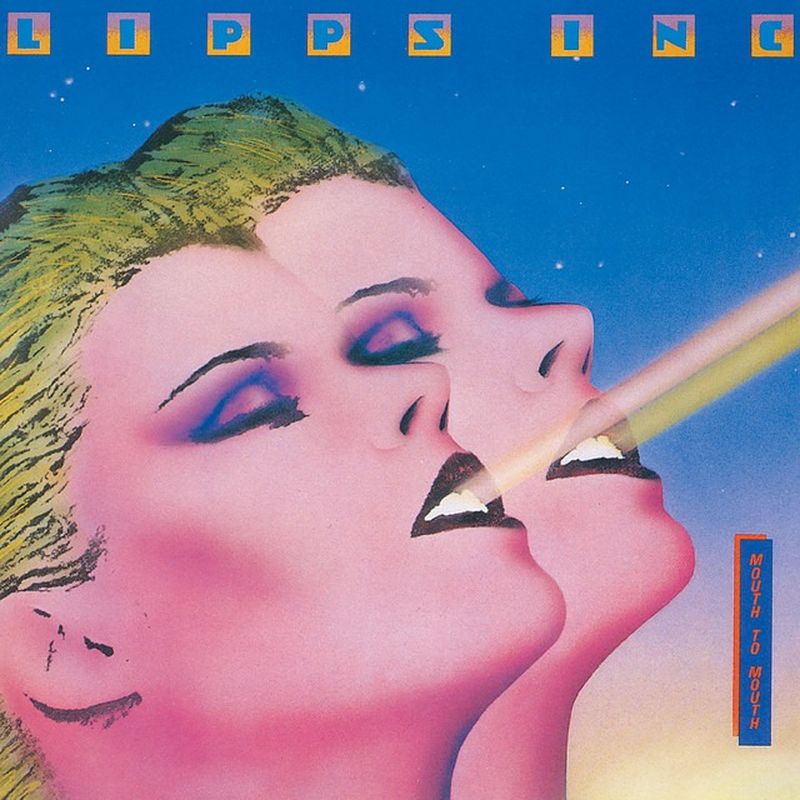
Disco’s last evolutionary leap happened in a Minneapolis studio where Steven Greenberg built tomorrow’s dancefloor using yesterday’s genre. “Funky Town” transcended the anti-disco backlash through sheer futuristic audacity—vocoder-processed vocals pleading to escape somewhere more vibrant than the Midwest. Released in March 1980, this track reached number one in multiple countries by sounding like proto-techno. “Funky Town” stands out as one of the most successful one-hit wonders from 1980, topping charts in 28 countries and keeping disco’s spirit alive as pop music evolved.
Greenberg‘s hypnotic synth sequences would influence house music decades later, paired with Cynthia Johnson‘s vocals processed through enough technology to make robots jealous. This early embrace of vocoders created a sonic blueprint that producers like Trevor Horn would later expand upon.
5. Living by Numbers – New Musik
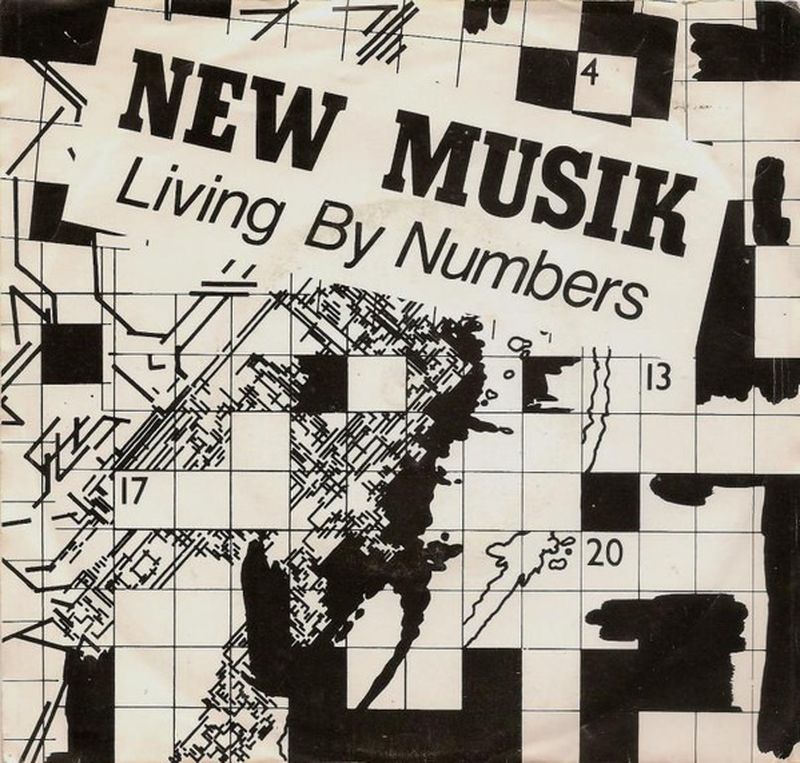
This UK synth-pop gem captured contemporary anxieties with mathematical precision, pairing sharp electronic rhythms with lyrics about life reduced to statistics and routines. Tony Mansfield‘s production brilliance peaked at number thirteen in the UK while finding cult followings on American college radio, years before he would apply similar synthesizer techniques to a-ha‘s “Take On Me.” New Musik’s sound reflects the broader trends among 80s synth-pop bands, who blended electronic textures with catchy melodies to define a new era in pop.
New Musik never broke through commercially again, but their commentary on technology’s role in daily life now reads like early observations about where society was heading. The track demonstrates how the best social commentary comes wrapped in irresistible melodies—making people dance while delivering surprisingly enduring observations.
4. Hot Rod Hearts – Robbie Dupree
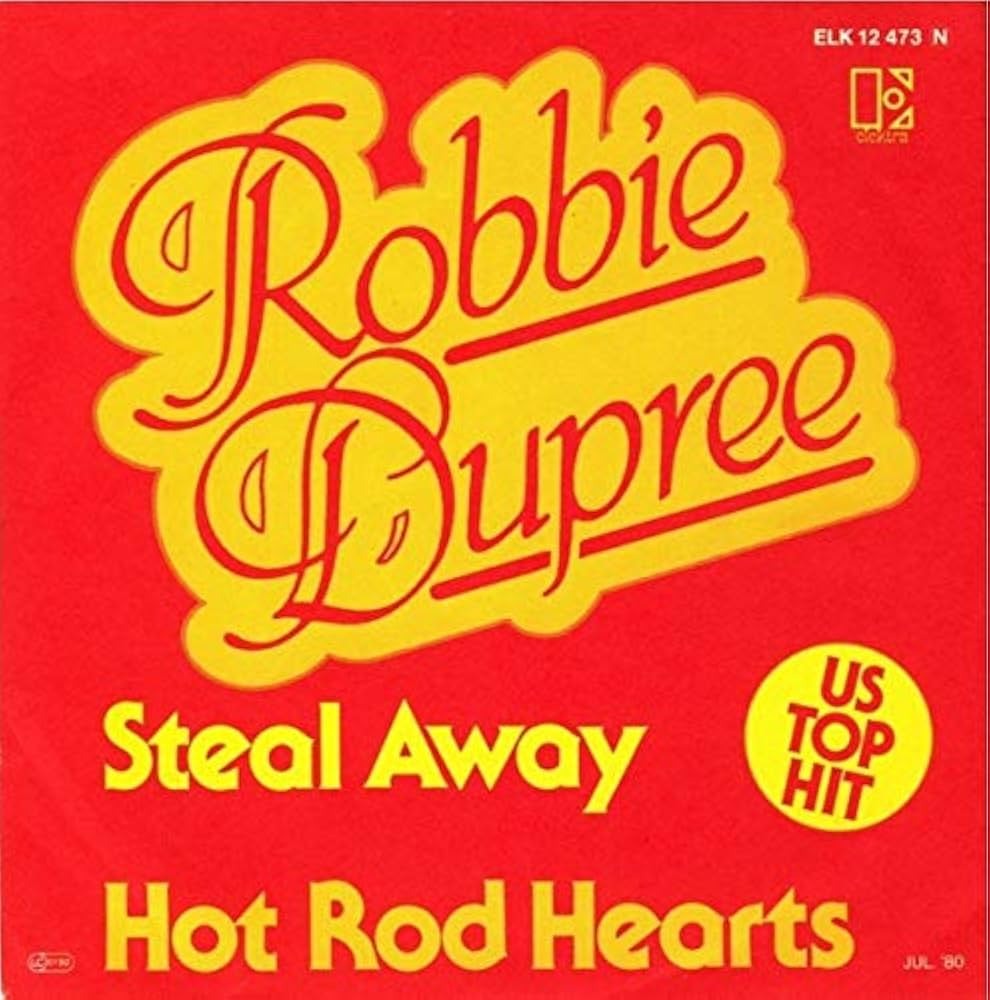
Dupree‘s yacht rock classic feels like California sunshine distilled into audio form, following his earlier hit “Steal Away” by reaching number fifteen with breezy production and carefree driving imagery. The song perfectly captures that transitional moment when seventies soft rock evolved into something more polished and produced.
Dupree never charted again mainstream, but this perfectly crafted slice of escapism continues transporting listeners like a convertible time machine. Sometimes the best nostalgia comes from songs that weren’t trying to be nostalgic—they were just capturing their present moment so well that the feeling becomes timeless.
3. Fade to Grey – Visage
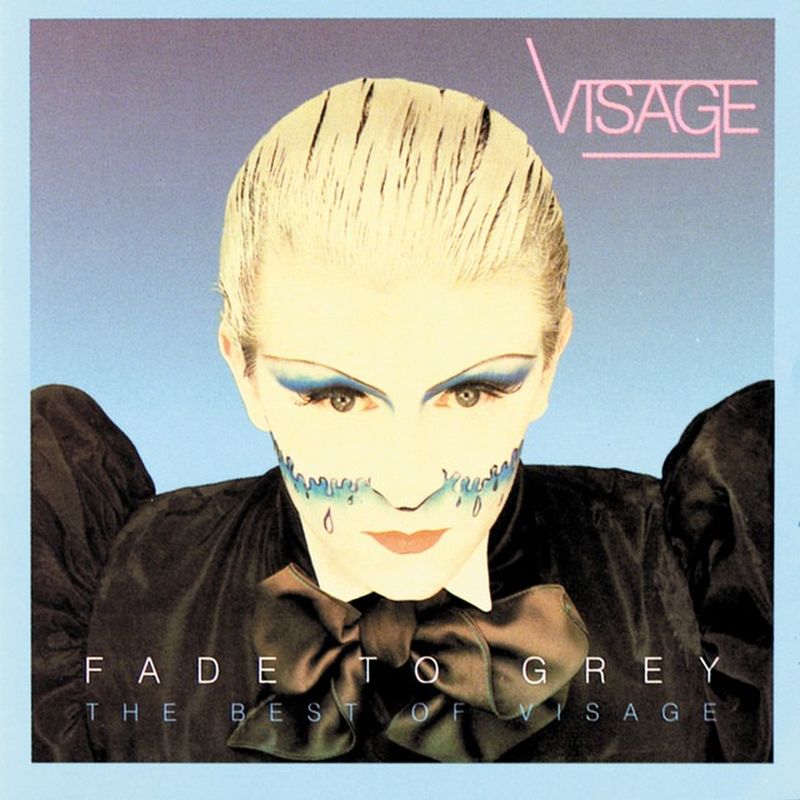
Late 1980 brought this pioneering new romantic anthem that sounded like it arrived from a future where fashion and music had completely merged. Steve Strange and Midge Ure created cold, beautiful soundscapes where bilingual lyrics and synthesized atmospherics suggested European nightclubs that existed only in imagination. The Roland Jupiter-4 synthesizer—the same instrument powering Duran Duran‘s early hits—dominates everything, reaching number eight in the UK.
The track remains a blueprint for how technology can create emotional landscapes, proving synthesizers don’t have to sound cold just because they’re made from circuits—a lesson that would inspire everyone from Depeche Mode to modern synthwave artists.
2. Funkin’ for Jamaica – Tom Browne
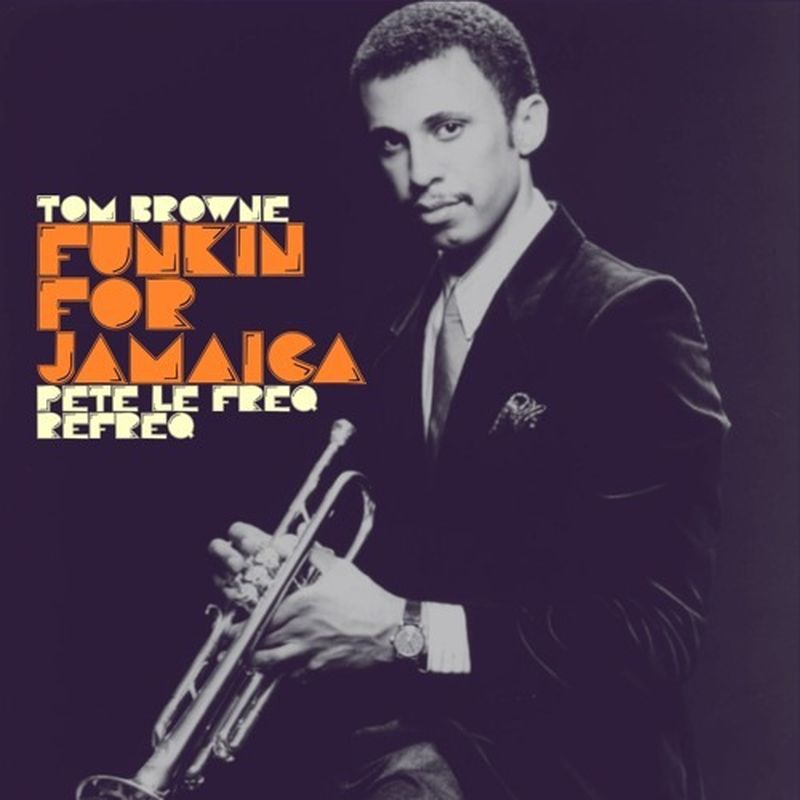
August 1980 brought this brass-fueled celebration that transformed Tom Browne‘s Queens neighborhood experiences into musical gold. Browne‘s trumpet prowess and Toni Smith‘s powerful vocals created jazz-funk fusion that topped R&B charts while reaching number nine in the UK. The track’s improvisational spirit created a template for how music could be simultaneously neighborhood-specific and universally appealing. Tracks like “Funkin’ for Jamaica” exemplify the defining musical moments of the 1980s, when genre boundaries blurred and new sounds emerged from local scenes.
The song found new life through hip-hop sampling—its horn stabs appearing in tracks by LL Cool J and A Tribe Called Quest. Sometimes influence matters more than chart position, especially when your three minutes of funk become foundational to entire genres.
1. Turning Japanese – The Vapors
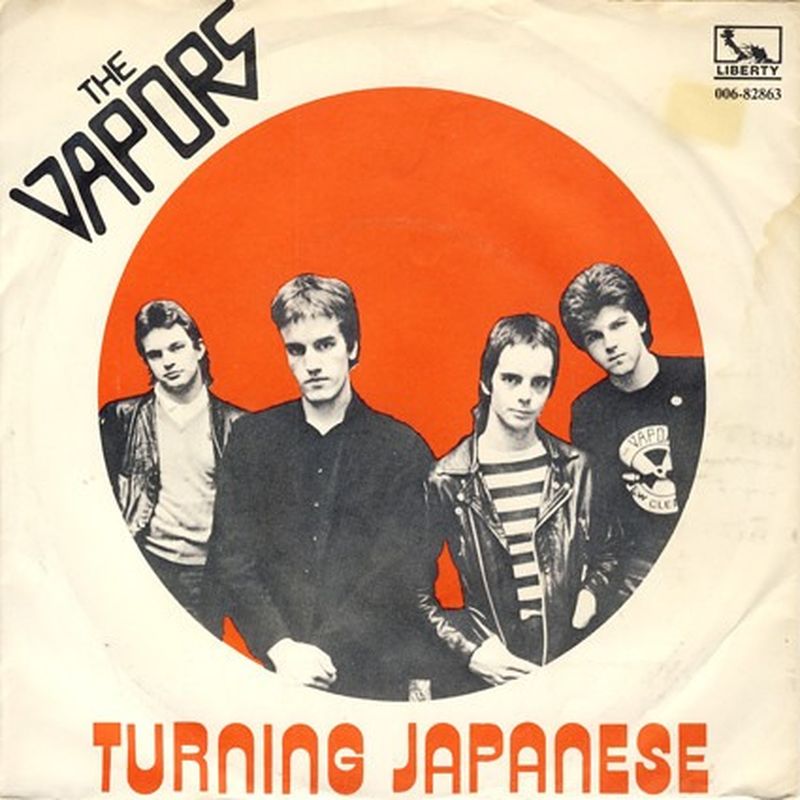
February 1980 brought this manic new wave gem that captured post-punk Britain’s nervous energy with all the subtlety of a sugar-fueled teenager. Dave Fenton‘s urgent vocals ride a kinetic guitar riff that sounds like musical caffeine, reaching number three in the UK before becoming an American college radio obsession.
Despite controversy surrounding its meaning, The Vapors maintained this was pure heartbreak and identity crisis set to staccato rhythms. The band scattered after two albums, but this three-minute burst of neurotic pop remains embedded in cultural memory. Sometimes the best songs come from artists brave enough to let their neuroses become everyone else’s dance moves.