



The 1970s exploded like a musical yard sale where psychedelic rock bumped into disco while folk whispered secrets to funk. As Vietnam ended and Watergate unfolded, artists dismantled boundaries with the enthusiasm of kids tearing down blanket forts.
What gets forgotten is how many “one-hit wonders” were actually serious musicians trapped in an increasingly hit-obsessed industry machine. These artists built entire sonic worlds beyond their radio staples, creating alternate histories of a pivotal musical decade. Thanks to streaming algorithms and TikTok rediscovery, their deeper cuts reveal stories that deserve recognition alongside their biggest hits.
15. Blue Swede: Cover Artists With Original Vision
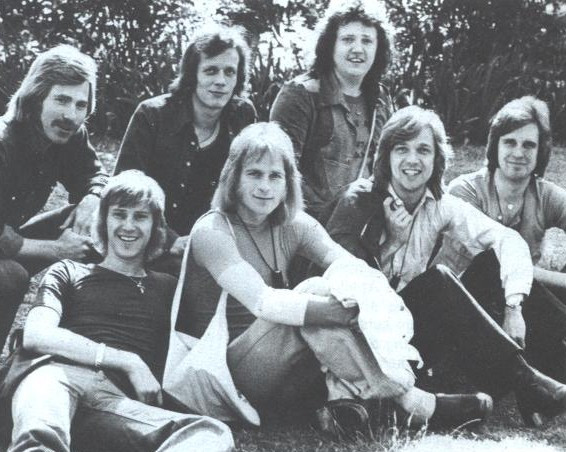
This Swedish group reimagined covers completely by transforming B.J. Thomas’s gentle “Hooked on a Feeling” into something unrecognizable with that infamous “ooga-chaka” intro that became instantly memorable. Their version topped charts worldwide and became one of the decade’s most distinctive sonic signatures, proving covers could eclipse originals.
Their follow-up “Never My Love” landed at #7 and demonstrated their first hit wasn’t just novelty luck but evidence of genuine creative vision. The Swedish group approached covers like renovation experts who didn’t just repaint walls but knocked them down and reimagined entire floor plans with unexpected results.
14. Redbone: Native American Rock Pioneers
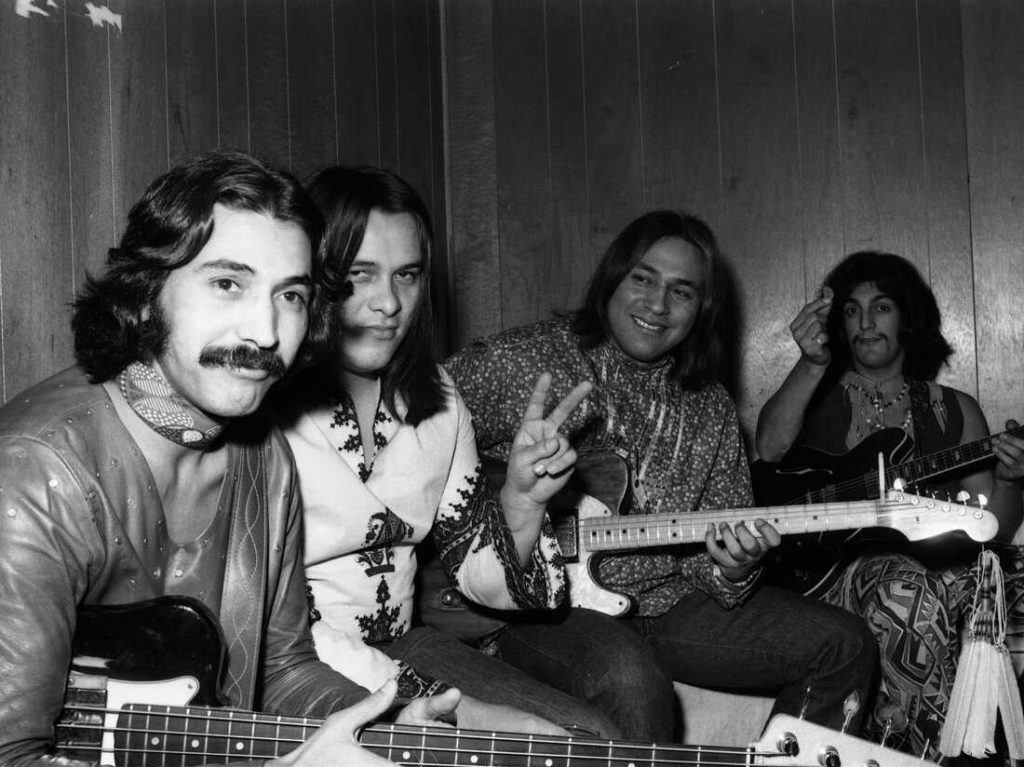
Breaking barriers requires more than talent—it demands vision, and Redbone possessed both when they became rock’s first all-Native American band to crack mainstream success before “Come and Get Your Love” soundtracked dancing baby Groot in Guardians of the Galaxy. “The Witch Queen of New Orleans” peaked at #21 domestically and climbed to #2 in the UK, blending tribal rhythms with funk-rock.
Redbone created “swamp rock” by infusing contemporary sounds with indigenous influences decades before cultural fusion became trendy among world music enthusiasts. Their musical innovations weren’t just artistic choices but identity statements in an industry that typically reduced Native Americans to stereotypes or complete invisibility.
13. Van McCoy: Disco’s Architect
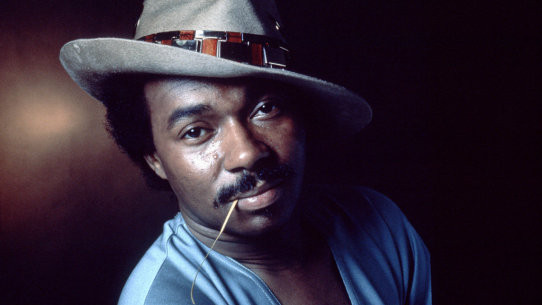
If you’re looking for disco’s true mastermind, Van McCoy deserves the title after “The Hustle” became disco’s national anthem in 1975, but his production genius extended far beyond that single dance floor classic. His follow-up “The Shuffle” soared to #4 in the UK and demonstrated his gift for crafting instrumental dance music with orchestral sophistication that elevated the genre.
McCoy approached disco production like a master chef, layering strings, brass, and percussion into perfectly balanced sonic meals that satisfied both dancers and serious music listeners. While many producers threw elements together hoping something would stick, McCoy understood the science behind making bodies move and hearts feel the rhythm simultaneously.
12. Terry Jacks: Melancholy Pop Master
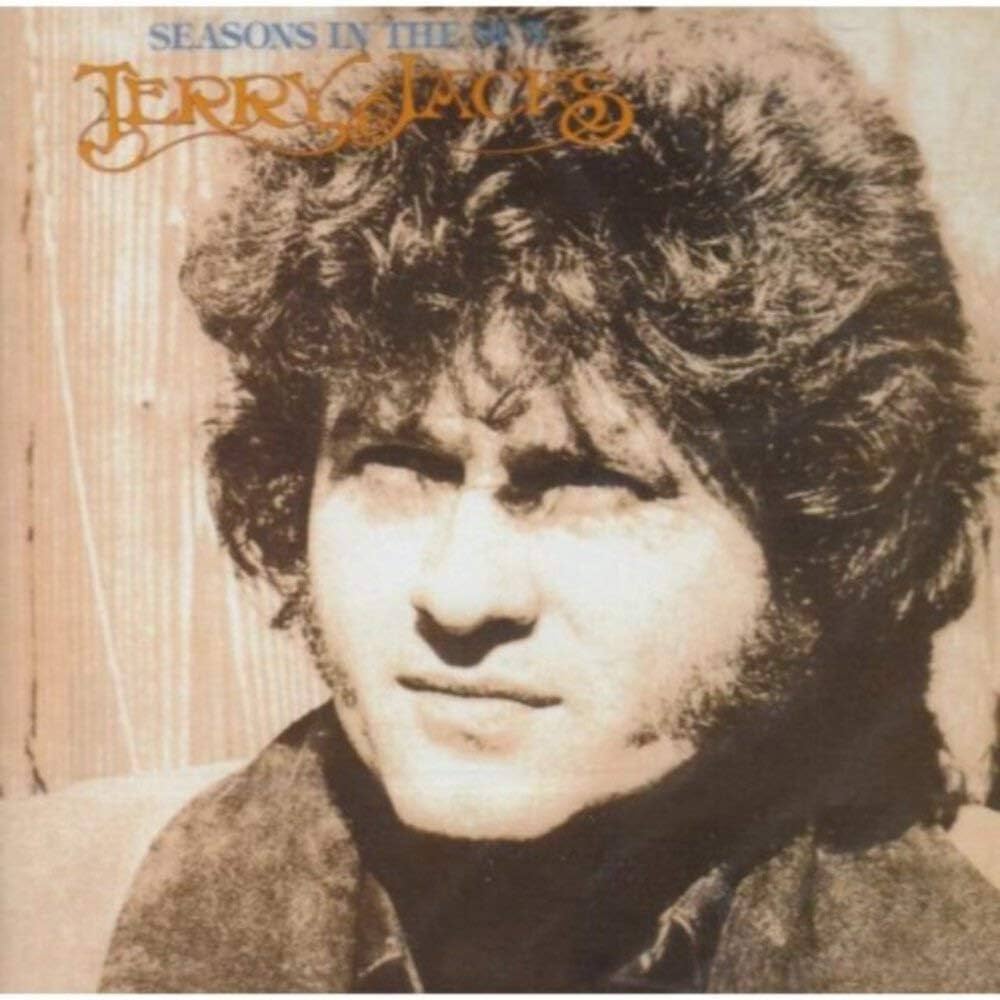
Making death radio-friendly requires special talent, and Terry Jacks possessed exactly that when he transformed Jacques Brel’s existential “Le Moribond” into “Seasons in the Sun,” a #1 hit that somehow made impending death feel appropriate for AM radio without traumatizing listeners. His follow-up “If You Go Away” charted at #8 in the UK and further demonstrated his gift for finding commercial potential in inherently melancholy material.
Jacks approached sad songs like a skilled bartender, knowing exactly how to mix bitter emotional truths with sweet melodic elements to create something palatable rather than depressing. His gentle vocal delivery made potentially devastating lyrics feel comforting rather than oppressive, finding success by addressing mortality with unflinching directness wrapped in accessible arrangements that didn’t overwhelm casual listeners.
11. Free: Blues-Rock Essentialists
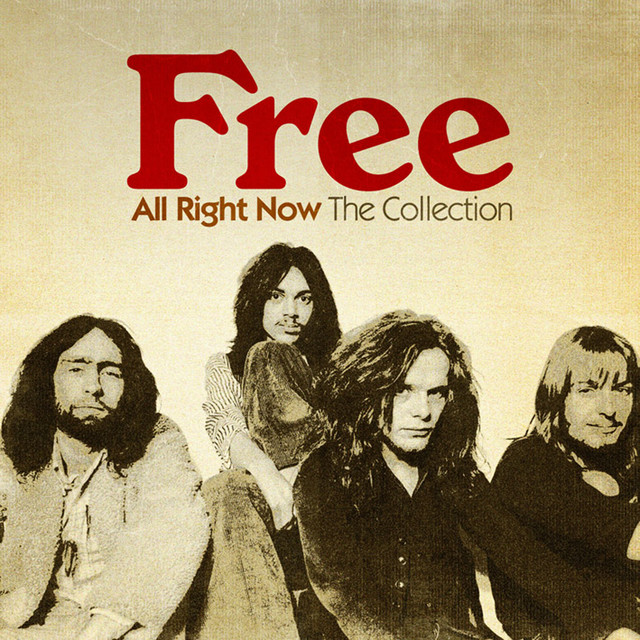
Minimalism just got more powerful with Free’s approach to blues-rock, as their “All Right Now” remains one of rock’s most recognizable riffs, but 1972’s “Wishing Well” deserves equal recognition for its soulful vocals and understated power that influenced countless rock bands. Paul Rodgers delivered one of rock’s most expressive vocal performances, illustrating that technical restraint often communicates more than vocal gymnastics.
Free stripped blues-rock down to essential elements when contemporaries were adding unnecessary layers of production and instrumentation that muddied their sound. Their minimalist approach created space for each instrument to breathe, establishing a less-is-more philosophy that influenced many interesting tracks from this era.
10. Ozark Mountain Daredevils: Country Rock Chameleons
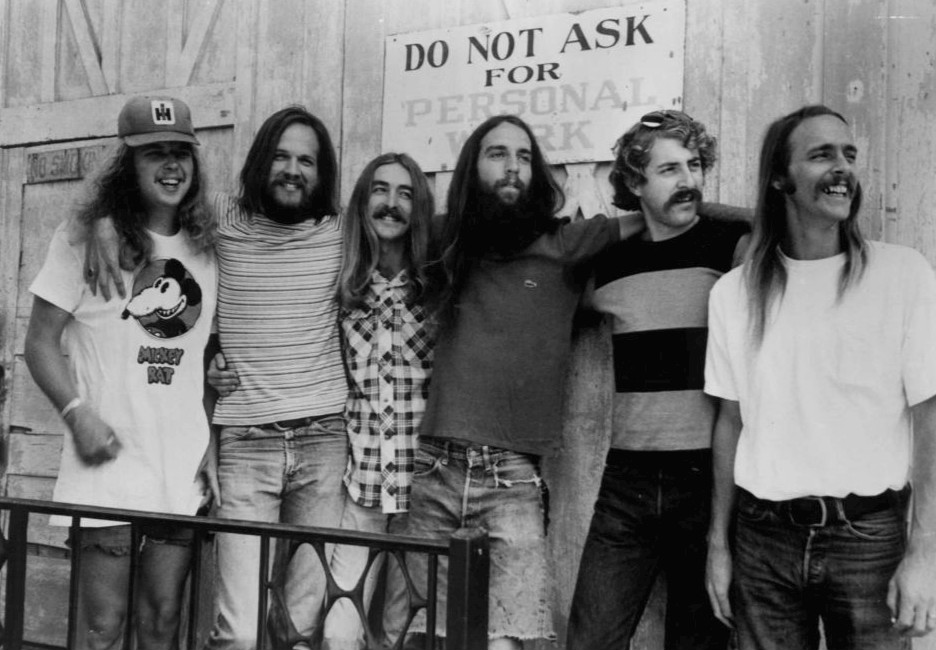
Caught between authenticity and commercial appeal? The Ozark Mountain Daredevils navigated this perfectly when “Jackie Blue” started as a song about a male drug dealer before transforming into a mysterious female character, a gender swap that helped propel it to #3 in 1975. Their earlier single “If You Want to Get to Heaven” exposed authentic country-rock roots before producer Glyn Johns polished their sound.
The Daredevils embodied the tension between rural authenticity and commercial appeal that defined much of 70s rock music. Their evolution from backwoods jammers to chart-climbers mirrored America’s ongoing conversation about regional identity versus cultural homogenization, creating an Americana sound that anticipates today’s roots revival perfectly. But many talented acts from this era have quietly slipped out of the spotlight and are rarely celebrated today.
9. Silver Convention: Disco Minimalists
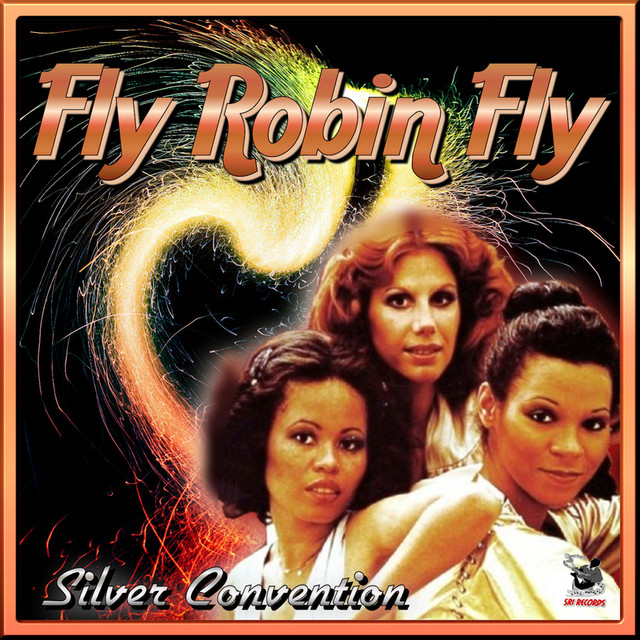
Six words just became enough to top the charts when Silver Convention distilled disco to its essence with “Fly, Robin, Fly,” a #1 hit built around just six words repeated over hypnotic strings and irresistible rhythm that proved less could be more. Their follow-up “Get Up and Boogie” sailed to #2 with equally minimalist lyrics, demonstrating that in disco, the message was definitely in the medium.
The German group approached dance music like modernist architects, stripping away unnecessary elements to focus purely on function and form that moved bodies efficiently. Their producer-driven sound anticipated today’s EDM focus on beats over lyrics, understanding that sometimes less creates more impact on crowded dance floors where conversation is impossible.
8. Looking Glass: Narrative Songcraft Masters
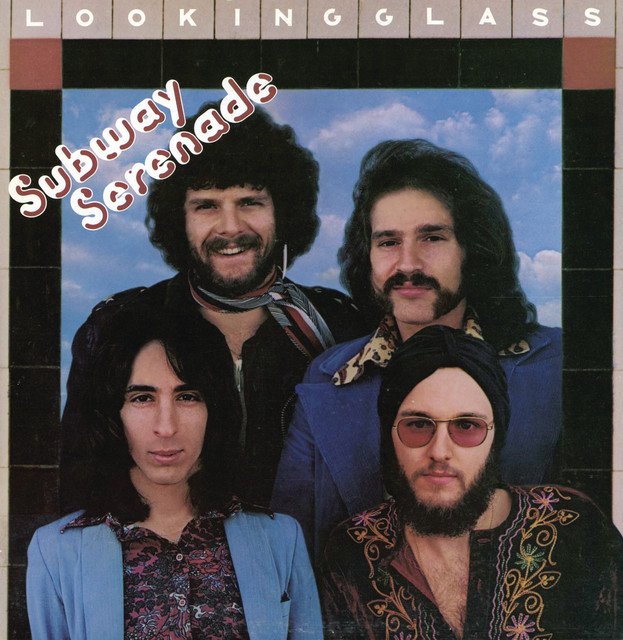
Storytelling reached new heights when Looking Glass created one of the 70s’ most enduring story-songs with “Brandy,” which topped charts in 1972 with its tale of a port-town barmaid and the sailor who couldn’t commit to anything beyond the sea. Their follow-up “Jimmy Loves Mary-Anne” placed at #33 and shifted from wistful nostalgia to urban desperation.
Both songs showcased their gift for narrative songwriting that created fully realized characters in under four minutes, like musical short stories that left listeners wanting more. Their evolution from the relatively innocent “Brandy” to the darker “Jimmy Loves Mary-Anne” reflected America’s own loss of innocence as Vietnam and political scandals eroded public trust.
7. Player: The Staying Power of Pop Rock
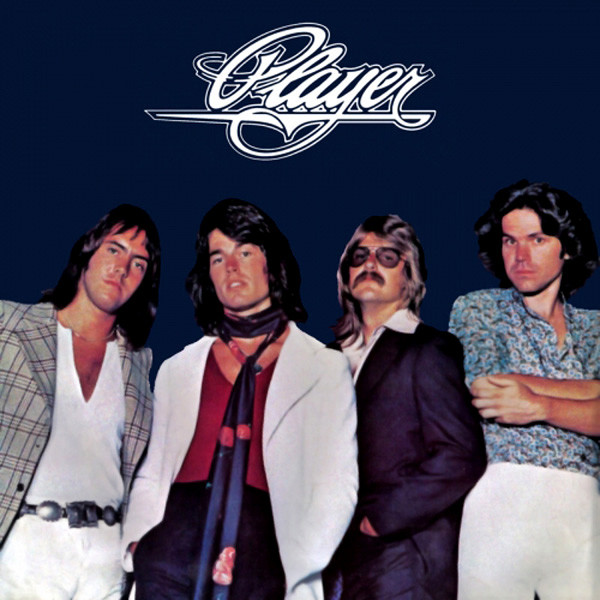
If you’re tired of flashy artistic statements that confuse more than they connect, Player offered something different by crafting “Baby Come Back” into 1978’s perfect breakup soundtrack, but their #10 follow-up “This Time I’m In It For Love” deserved more than footnote status in rock history. The track showcased their gift for polished soft rock that managed to be both radio-friendly and emotionally honest.
Their self-titled debut displayed craftsmen more interested in building solid songs than making flashy artistic statements that impressed critics but confused listeners. While contemporaries chased profundity and experimented with synthesizers, Player focused on making music that actually worked in cars and living rooms across America.
6. Maureen McGovern: Disaster Theme Queen
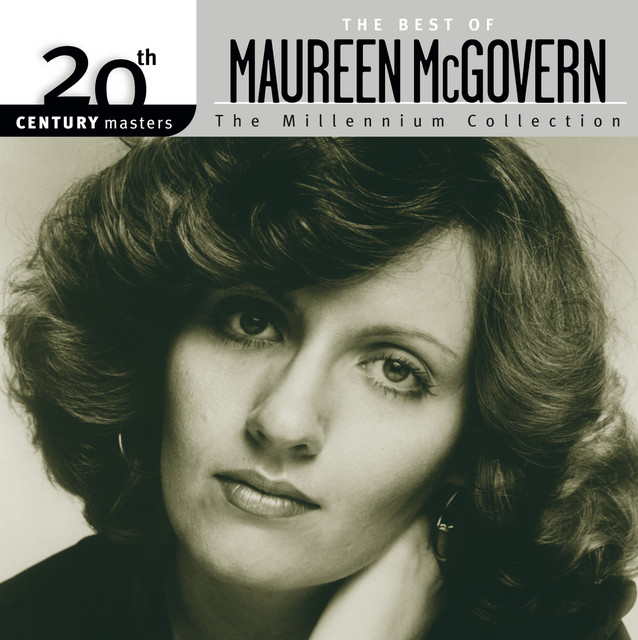
Disaster movies needed memorable soundtracks, and Maureen McGovern delivered perfectly when her career began with “The Morning After,” an Oscar-winning song from The Poseidon Adventure that topped charts in 1973 by making disaster feel romantic. She later scored at #18 with “Different Worlds,” the theme from TV’s Angie, demonstrating her gift for bringing emotional depth to theme songs that could have been throwaway material.
McGovern’s classically trained voice brought technical precision to pop material, creating a bridge between traditional vocal performance and contemporary production that few artists could navigate successfully. Her career resembles a streaming algorithm that somehow connected disaster movies, television themes, and Broadway into an unexpected but cohesive musical identity that spans multiple entertainment mediums.
5. The Knack: Power Pop’s Cautionary Tale
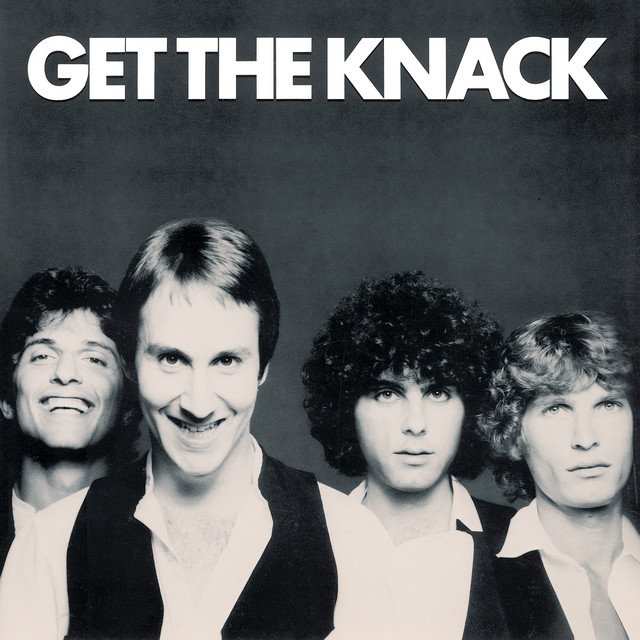
Hype machines can crush the artists they’re designed to elevate, and The Knack learned this lesson the hard way when “My Sharona” erupted in 1979 with the subtlety of a caffeine overdose, becoming Capitol Records’ fastest gold debut since The Beatles landed in America. The label pushed those Beatles comparisons until everyone begged for mercy, but the comparison wasn’t entirely wrong.
“Good Girls Don’t” climbed to #11 and showcased the band’s gift for wrapping sexual frustration in radio-friendly packages that somehow made it past program directors. The Knack became victims of their own hype machine, crushed by the very pedestal they were placed upon while their power-pop craftsmanship got buried beneath marketing overkill.
4. Blue Oyster Cult: Literary Hard Rock Pioneers
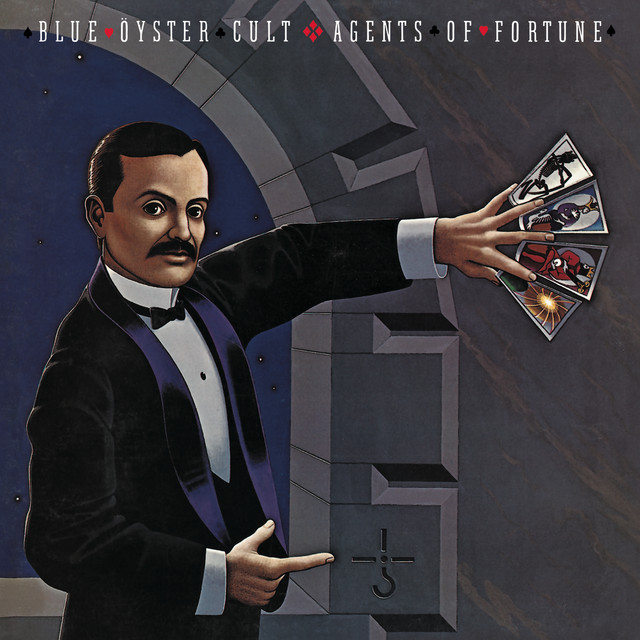
If you’re tired of mindless party anthems, Blue Öyster Cult offered something different as their “Don’t Fear the Reaper” reached #12 in 1976, creating one of rock’s most recognizable guitar intros and later inspiring SNL’s most quotable sketch about cowbell. Their 1981 follow-up “Burning For You” hit #40 and showcased their evolution toward polished production while maintaining their distinctive literary sensibilities.
BÖC approached hard rock like English majors who discovered amplifiers, infusing their music with references to mythology, science fiction, and literary themes that set them apart. They created thinking person’s hard rock when most contemporaries were content with party anthems, prioritizing artistic coherence over singles in an increasingly hit-driven industry.
3. A Taste of Honey: Cross-Cultural Innovators
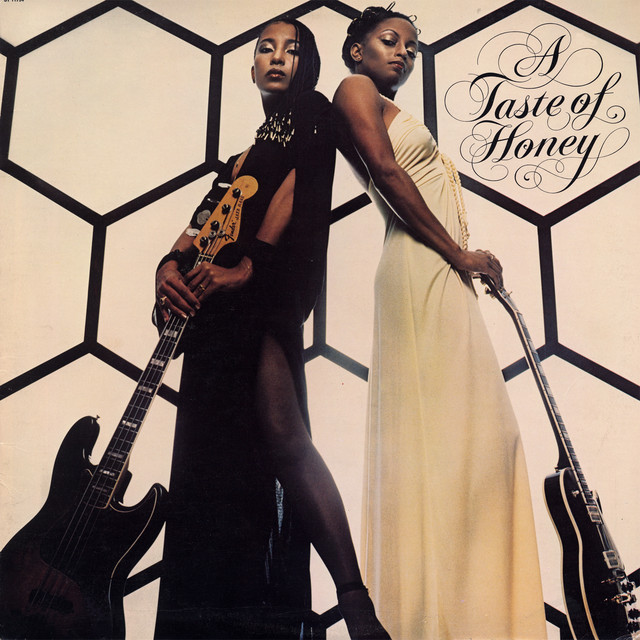
Cultural ambassadors came in unexpected forms when the female duo A Taste of Honey topped charts with “Boogie Oogie Oogie” and won a Grammy in 1978, but their 1981 reimagining of “Sukiyaki” deserves equal recognition for cultural bridge-building. Their R&B interpretation hit #3 and transformed Kyu Sakamoto’s 1963 original into something both familiar and fresh for Western audiences discovering international music.
The female duo of bassist Janice-Marie Johnson and guitarist Hazel Payne approached music like cultural ambassadors, finding connections between seemingly disparate musical traditions with remarkable sensitivity. Their success as women instrumentalists in a male-dominated industry represented its own form of boundary-breaking, while their musical fusion anticipated today’s global pop landscape where cultural exchange is standard practice.
2. Andrew Gold: Pop’s Secret Weapon
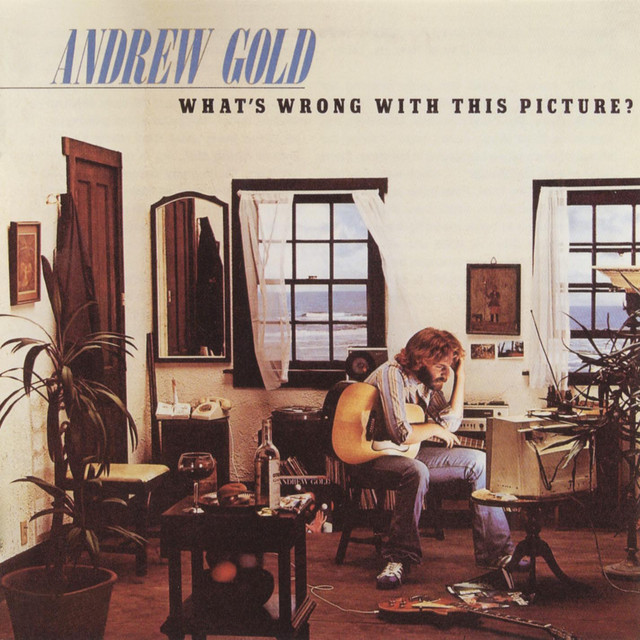
Session musicians rarely become household names, but Andrew Gold proved the exception by crafting “Lonely Boy” into a #7 hit in 1977 with its piano-driven tale of childhood displacement that resonated with anyone who’d ever felt like an outsider. His later composition “Thank You For Being A Friend” found immortality as The Golden Girls theme song, proving some music needs time to find its perfect context.
Gold’s session work with Linda Ronstadt displayed his musical versatility, while his solo material showcased his gift for emotional directness wrapped in deceptively simple arrangements. His songs operate like time-release capsules, initially appreciated for immediate hooks but revealing deeper emotional resonance with each passing decade of cultural change.
1. Stealers Wheel: Dysfunctional Folk-Rock Brilliance
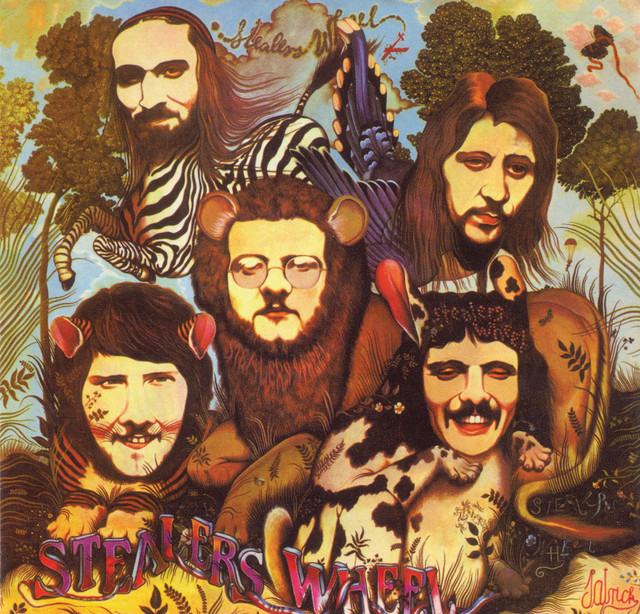
Creative tension can produce unexpected masterpieces, and Stealers Wheel proved this by imploding just as success arrived with their biggest hit before Quentin Tarantino forever linked them with ear removal in Reservoir Dogs. “Stuck in the Middle With You” reached #6 while brilliantly satirizing the music industry, though founding member Gerry Rafferty had already left before it became a hit.
Their follow-up “Star” topped out at #29 and showcased Beatles-influenced harmonies alongside observational lyrics that cut deeper than their radio-friendly surface suggested. Stealers Wheel operated like a dysfunctional family that somehow produced beautiful art, with creative tension generating songs that outlived their brief, tumultuous career.