



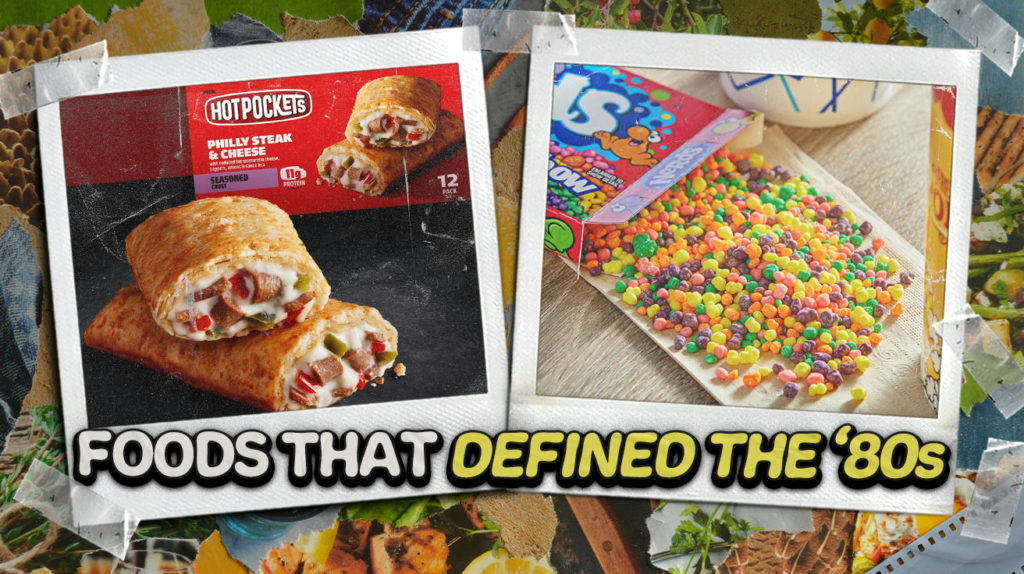
The 1980s weren’t just about big hair and synthesizers—they were about big flavors that captured our hearts forever. This decade transformed what we craved, creating a culinary landscape where convenience and novelty reigned supreme. From breakfast cereals that doubled as entertainment to snacks that promised energy boosts, the ’80s food scene was like a laboratory experiment that escaped into the wild. These products didn’t just feed us; they redefined how we think about eating, creating taste memories that still influence our cravings decades later.
10. Cinnamon Toast Crunch: The Breakfast Rebel That Survived
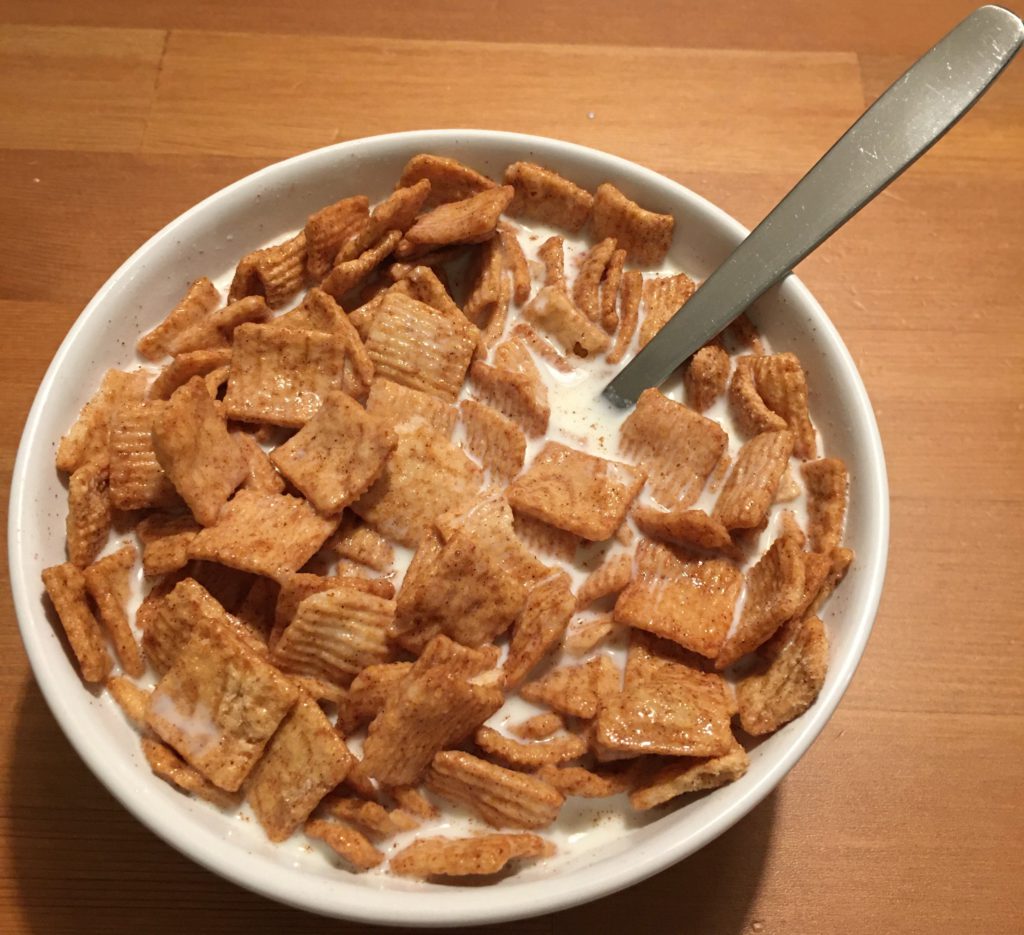
Sometimes the best ideas come from the mouths of babes—literally, in the case of Cinnamon Toast Crunch. In 1984, scientists John Mendesh and General Mills‘ assistant product manager Elisabeth Trach took a child’s radio contest idea and turned it into a breakfast revolution. This wasn’t just another cereal; it was essentially breakfast reimagined as dessert, permitting kids to eat cookies before school.
The genius lay in its simplicity—tiny squares of wheat and rice coated in cinnamon and sugar that transformed milk into a sweet, spiced elixir. Originally marketed by three animated bakers (Wendell, Bob, and Quello), the brand eventually streamlined to Chef Wendell as sole mascot in 1991. Even after recipe adjustments that added whole grains while reducing sugar from 10 to 9 grams per serving, it maintained its essential character—proof that sometimes the most enduring innovations understand exactly what people want.
9. Cool Ranch Doritos: The Flavor Ambassador
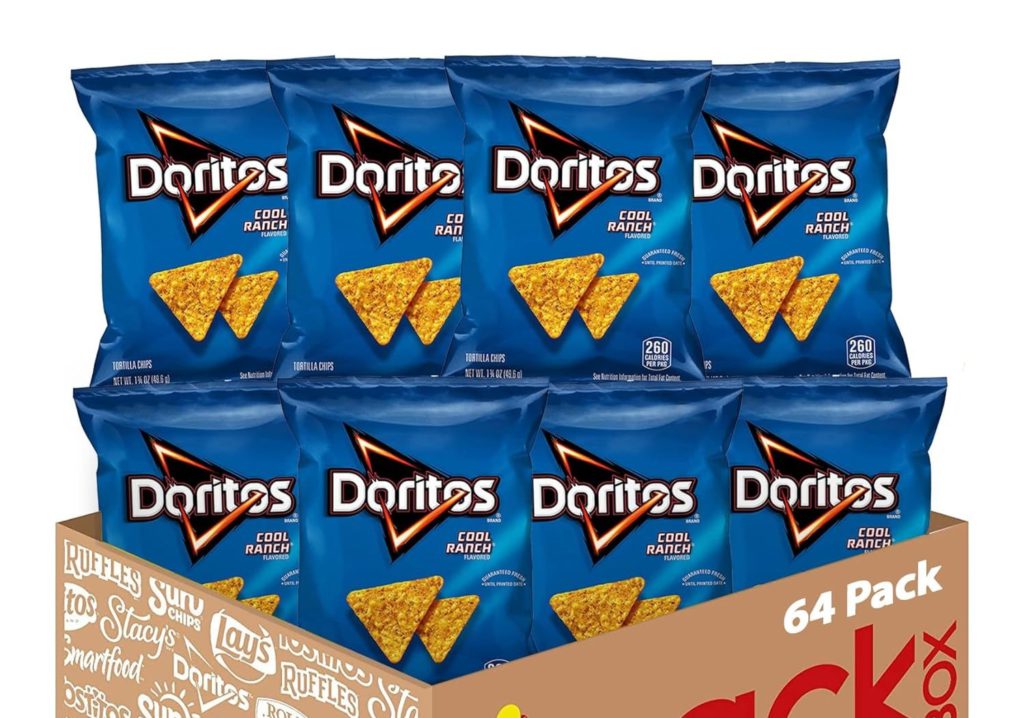
Before Cool Ranch Doritos existed, nobody knew they needed ranch-flavored tortilla chips, which makes their 1986 launch all the more brilliant. Picture this: 1986, watching cartoons with fingers coated in mysterious dust that’s somehow both tangy and savory, leaving evidence on Nintendo controllers nationwide. Cool Ranch wasn’t just a new chip flavor—it was a cultural artifact that captured Reagan-era leisure time perfectly.
The brilliance lay in translating an American condiment into a universal language. When Frito-Lay realized “ranch” meant nothing internationally, they pivoted with marketing agility, rebranding as “Cool American” or “Cool Original” abroad. This cultural translation allowed a distinctly American flavor profile to conquer global snack aisles without losing identity. While gaming graphics evolved from pixels to photorealism, the craving for that distinctive Cool Ranch flavor remains unchanged—taste memory as powerful as muscle memory.
8. Hot Pockets: The Microwave Revolution in a Sleeve
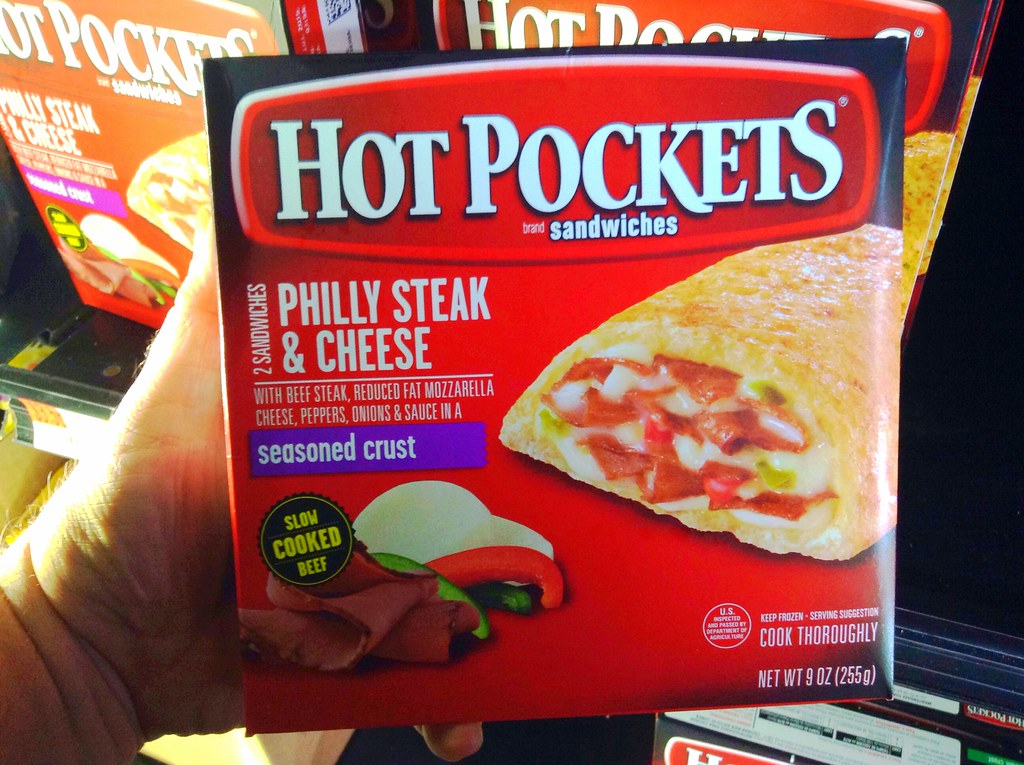
The microwave had a problem in 1983: everything came out soggy, sad, or somehow both. When Chef America introduced Hot Pockets, they weren’t just selling frozen food—they were selling time itself. In an era when latchkey kids needed independence and working parents craved convenience, Hot Pockets offered solutions wrapped in revolutionary crisping sleeve technology.
The innovation solved the eternal microwave dilemma: sogginess. That unassuming paper and metallized film combination performed culinary magic, turning microwave energy into browning heat while the filling reached molten temperatures. Hot Pockets became the ultimate democratic food—beloved by kids, college students, and overworked adults alike. They collapsed meal preparation from 30 minutes to two, creating sustenance optimized for maximum efficiency—the culinary equivalent of a power nap.
7. Eggo Waffles: From Convenience to Cultural Icon
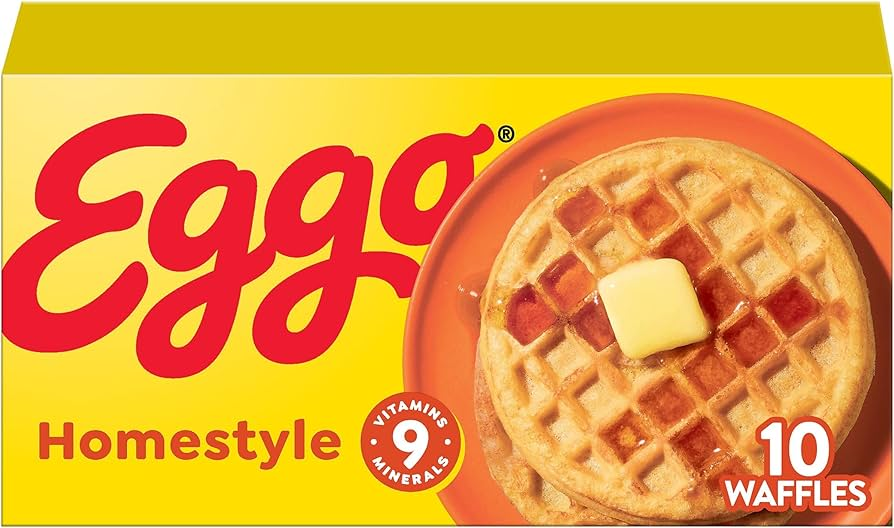
Most frozen foods aspire to approximate their fresh counterparts—Eggo waffles transcended their category entirely. Created in 1953 and acquired by Kellogg’s in 1968, Eggo might have remained another frozen breakfast option. Instead, the 1980s “L’eggo my Eggo” campaign transformed them into the battlefield for advertising’s most memorable catchphrases.
What made Eggos revolutionary wasn’t culinary innovation—it was time innovation. They eliminated the mess and effort of traditional waffle-making, delivering a reasonable facsimile in toaster time. Decades later, when “Stranger Things” creators needed a food obsession for Eleven that would communicate childlike joy and 1980s authenticity, they reached for Eggo waffles. This cultural moment revitalized the brand for new generations in a way that might make you feel old, proving that sometimes the most enduring food innovations aren’t about flavor—they’re about fitting seamlessly into our lives and memories.
6. Nerds Candy: Tiny Treats, Massive Impact
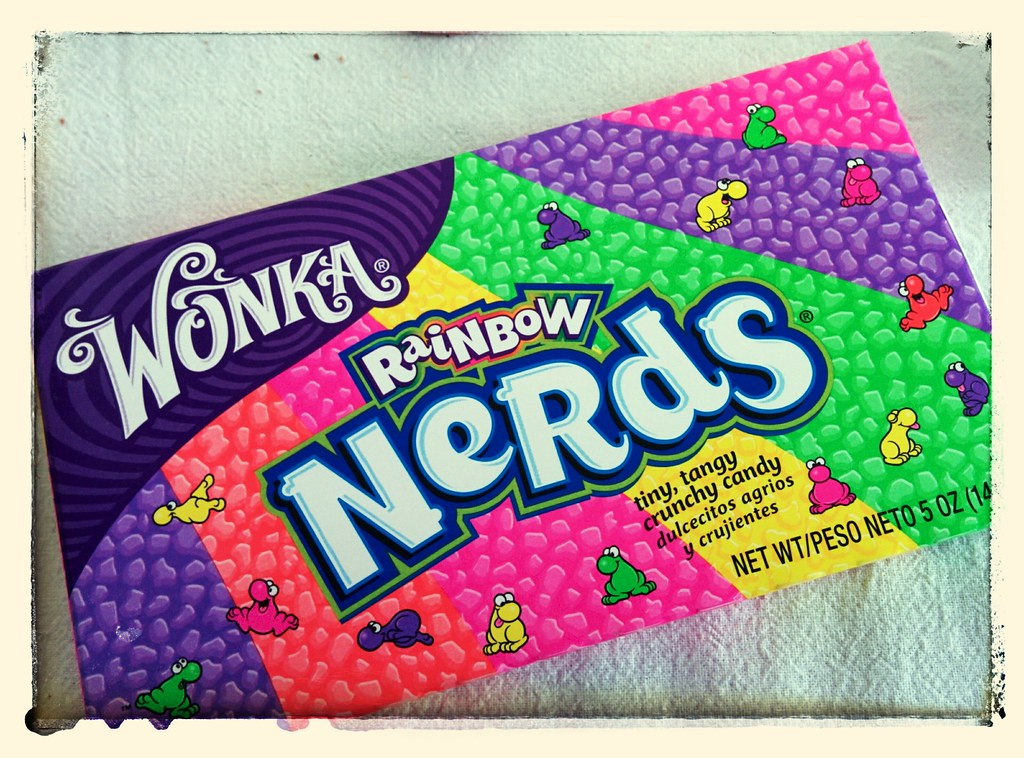
While other candies pursued perfection through uniformity, Nerds celebrated beautiful chaos. Introduced in 1983 by Willy Wonka Candy Company, these tiny, misshapen pieces defied conventional candy wisdom by making eating feel like treasure hunting in a box.
The dual-chambered packaging was marketing genius, turning a simple candy purchase into a choice: keep flavors separate or mix them? This interactive element transformed Nerds from passive consumption to active participation, helping secure the National Candy Wholesalers Association’s “Candy of the Year” award in 1985. Far from fading, Nerds evolved into Rope, Big Chewy, and rainbow varieties. Their continued presence represents a rare victory for the genuinely weird in a market rewarding conformity—proof that sometimes the most delightful experiences come in strange packages.
5. Reese’s Pieces: The Candy That Phoned Home
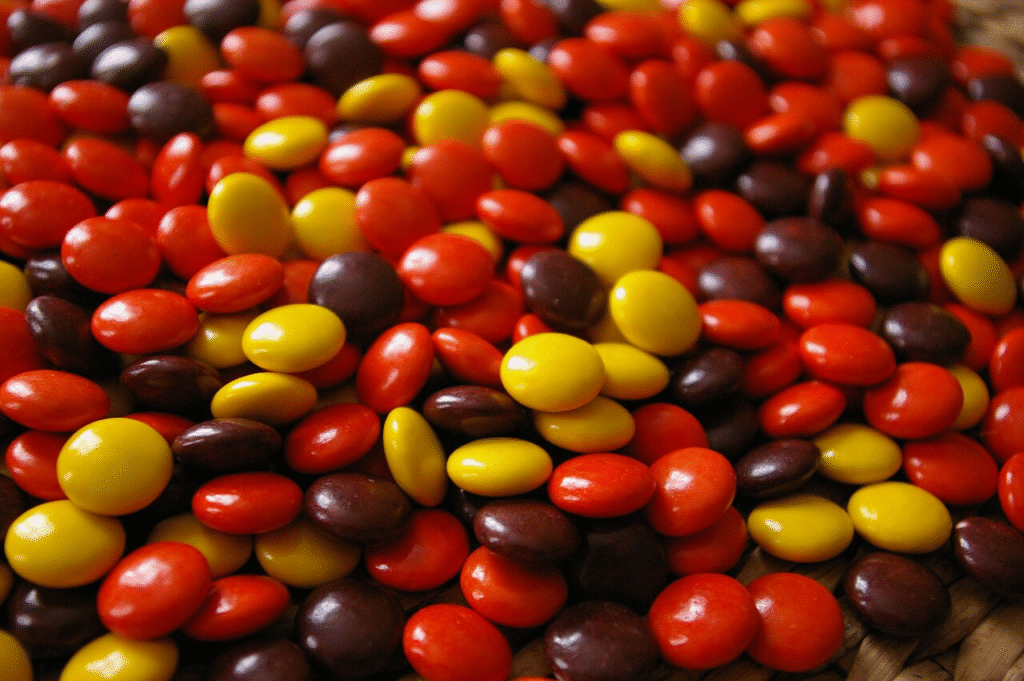
Mars said no, and accidentally created one of the most powerful product placements in cinema history. When Mars declined M&M placement in Steven Spielberg’s 1982 “E.T.,” they created a vacuum Hershey’s Reese’s Pieces eagerly filled, transforming struggling candy into a cultural phenomenon through one alien’s sweet tooth.
The candy itself was a flavor engineering marvel—Reese’s famous peanut butter and chocolate combination miniaturized and shell-protected. But E.T. following that colorful trail cemented them in public imagination, creating associations between candy and childlike wonder that marketing dollars couldn’t buy. Sales reportedly increased 300% post-film, demonstrating unprecedented product placement power. Today, grabbing Reese’s Pieces means purchasing film history—a tangible connection to when an alien reached across stars to touch our hearts and snack preferences.
4. Fruit Roll-Ups: When Food Becomes Play
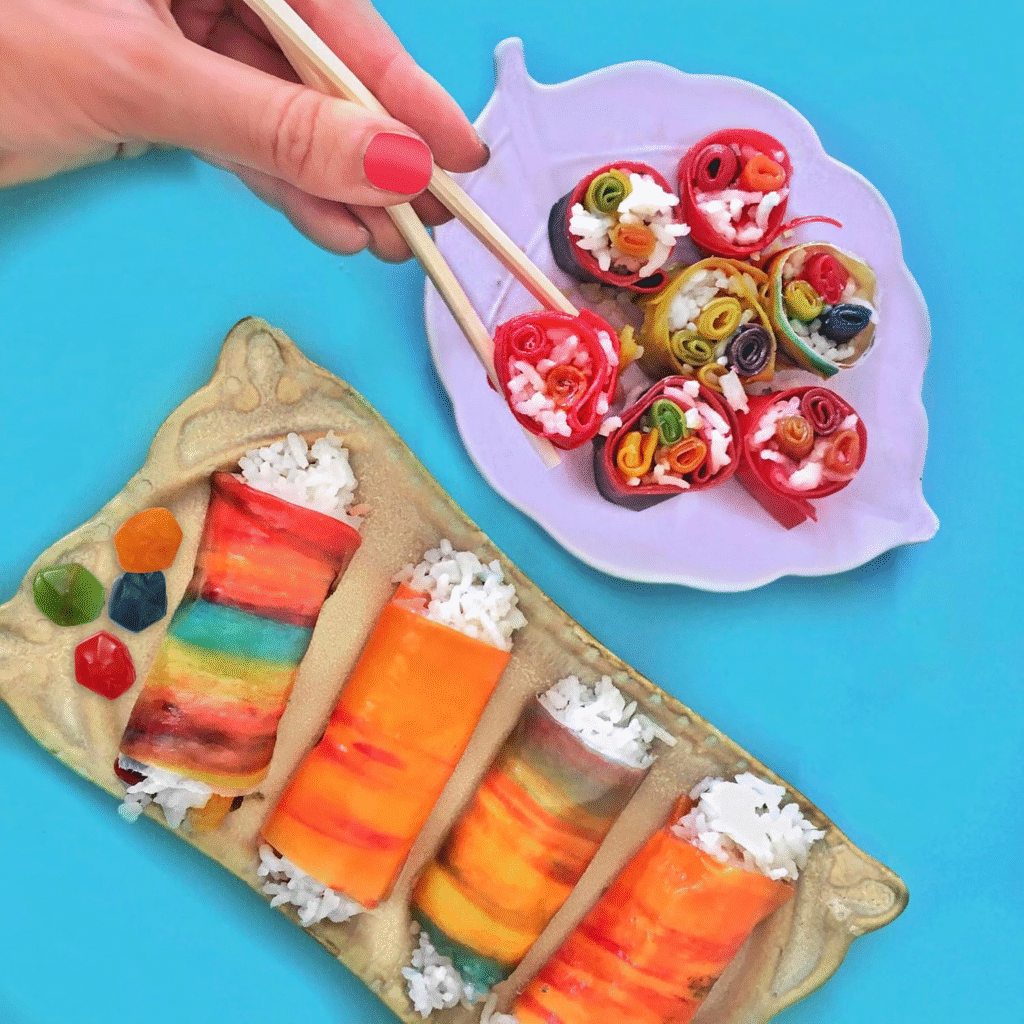
General Mills looked at fruit leather and asked: What if snacks could entertain you before you ate them? Their 1983 Fruit Roll-Ups represented a paradigm shift in snacking philosophy—not just taste, but interaction. These flexible fruity sheets blurred the lines between food and toy, creating an entirely new edible entertainment category.
The genius lay in format innovation. Unrolling created anticipation while pliable texture invited creativity—wrapping around fingers, stretching into shapes, pressing against tongues for temporary “tattoos.” While loosely based on traditional fruit leather, Fruit Roll-Ups industrialized the concept with vibrant colors, consistent texture, and eventually punch-out shapes. They represented a perfect 1980s synthesis: convenient, portable, visually striking, and connected enough to something natural to ease parental concerns while transforming snack time into an extended art project.
3. Jolt Cola: The Original Energy Drink
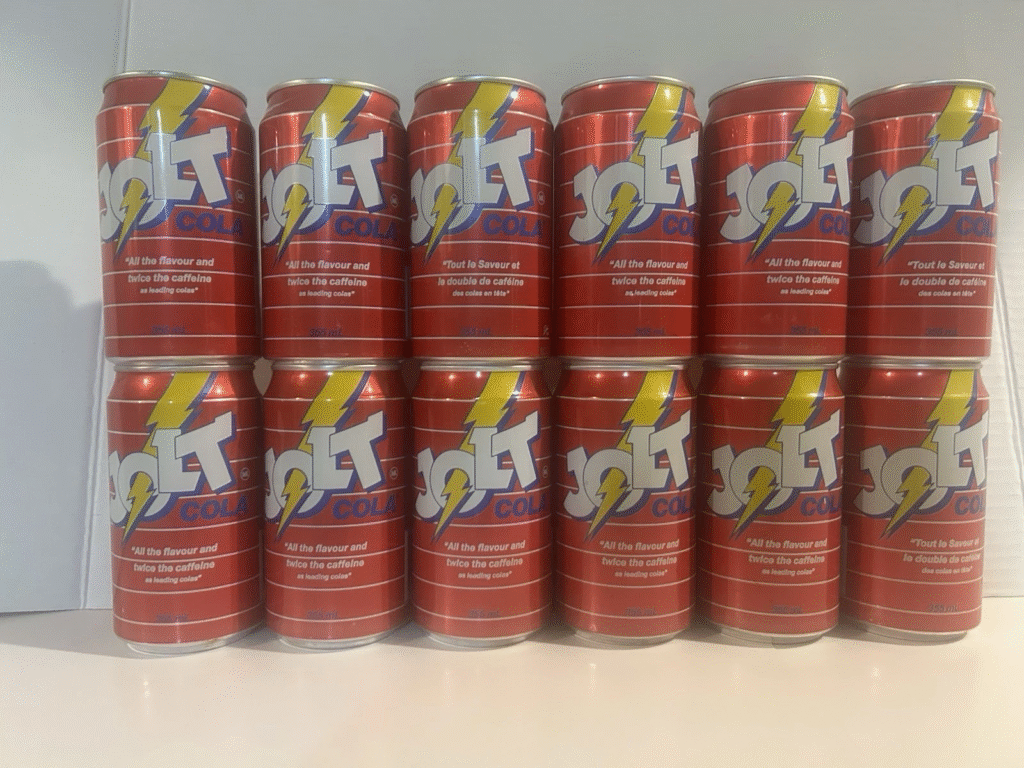
While every other soda company was busy apologizing for caffeine, Jolt Cola made it its selling point. Launched in 1985 with revolutionary honesty—”All the flavour and twice the caffeine!“—Jolt proudly embraced what competitors avoided. This marketing strategy was so direct that it shocked an industry built on euphemisms.
This transparency resonated with consumers tired of health-washing and artificial positioning. Jolt didn’t pretend to be good for you; it promised exactly what caffeinated America wanted—more energy, delivered efficiently. The brand pioneered the energy drink category years before Monster or Red Bull existed, proving that sometimes the most effective marketing is brutal honesty about your product’s actual purpose rather than manufactured lifestyle positioning.
2. Original New York Seltzer: The Transparent Trendsetter
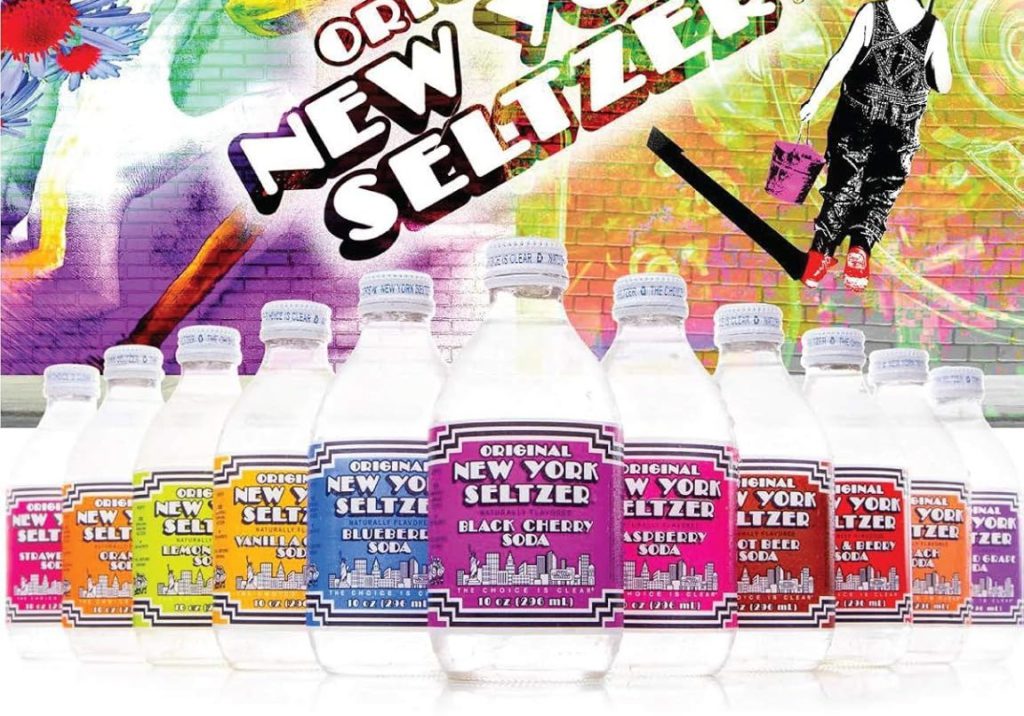
In an era of Day-Glo everything, Original New York Seltzer dared to be clear. When Original New York Seltzer bubbled onto the scene in 1981, it was beverage minimalism in an era of artificial everything. While soft drinks competed for maximum color, ONYS offered crystal clarity and natural flavors that felt revolutionary—clean, sophisticated, and pretentious enough to feel special.
The distinctive stubby bottles with white labels became lunchroom status symbols, signaling lifestyle choice rather than mere thirst-quenching. When the brand disappeared in the 1990s, it left a carbonated void until the great seltzer renaissance. Its 2015 comeback wasn’t just nostalgia marketing—it was a pioneer’s return when the world finally caught up. With approximately 85% customer retention monthly, Original New York Seltzer proves that being ahead sometimes means getting a second act.
1. Jell-O Pudding Pops: The Frozen Treat That Melted Away
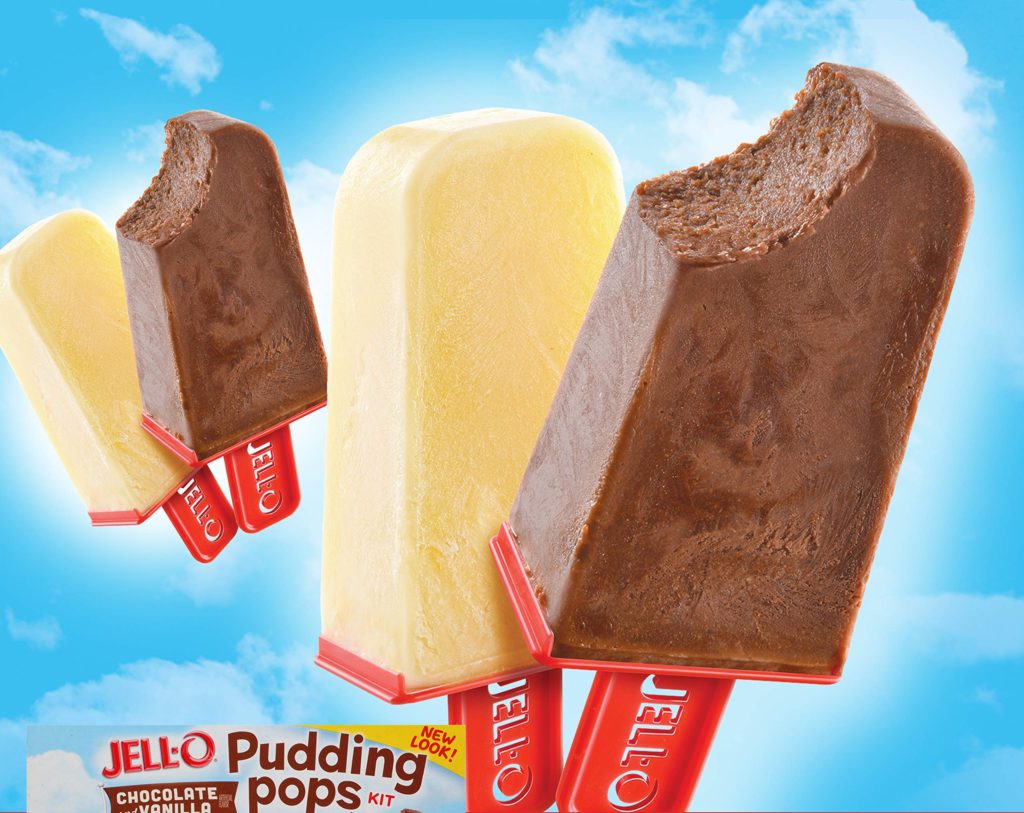
The rise and fall of Jell-O Pudding Pops reads like a Greek tragedy of the freezer aisle—a beloved product that achieved perfection only to vanish at the height of its powers. Introduced in 1979 and reaching their cultural zenith in the 1980s, these frozen pudding bars solved a problem we didn’t know we had: how to make pudding portable, refreshing, and even more delicious.
The genius lay in their texture transformation—taking the creamy comfort of pudding and freezing it created something entirely new, with consistency that was neither ice cream nor popsicle but something uniquely satisfying. Available in chocolate, vanilla, and swirl varieties, they offered familiar flavors in an innovative format that felt both novel and nostalgic. Despite their massive popularity, Pudding Pops disappeared in the 1990s, reportedly victims of production costs that exceeded profit margins, proving that some food experiences can’t be replicated.