



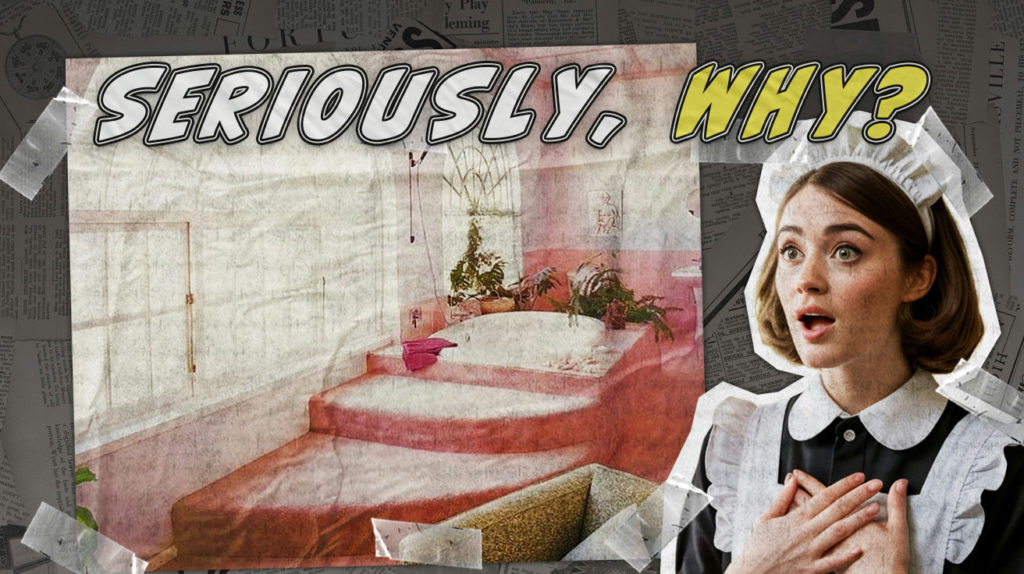
Bathrooms have undergone a remarkable metamorphosis from utilitarian waste disposal spaces to personal retreats worthy of design magazines. This evolution reveals far more than changing fixtures—it’s a mirror reflecting our shifting relationship with privacy, hygiene, and self-care. Each relic tells a story about societal priorities, technological leaps, and the occasional face-palm moment when form trampled function. Like watching a time-lapse of human ingenuity meeting basic needs, bathroom history captures the eternal tension between necessity and comfort. These 16 artifacts chronicle humanity’s quest to transform the most private space into something approaching civilized.
16. Wall-to-Wall Carpeted Bathrooms
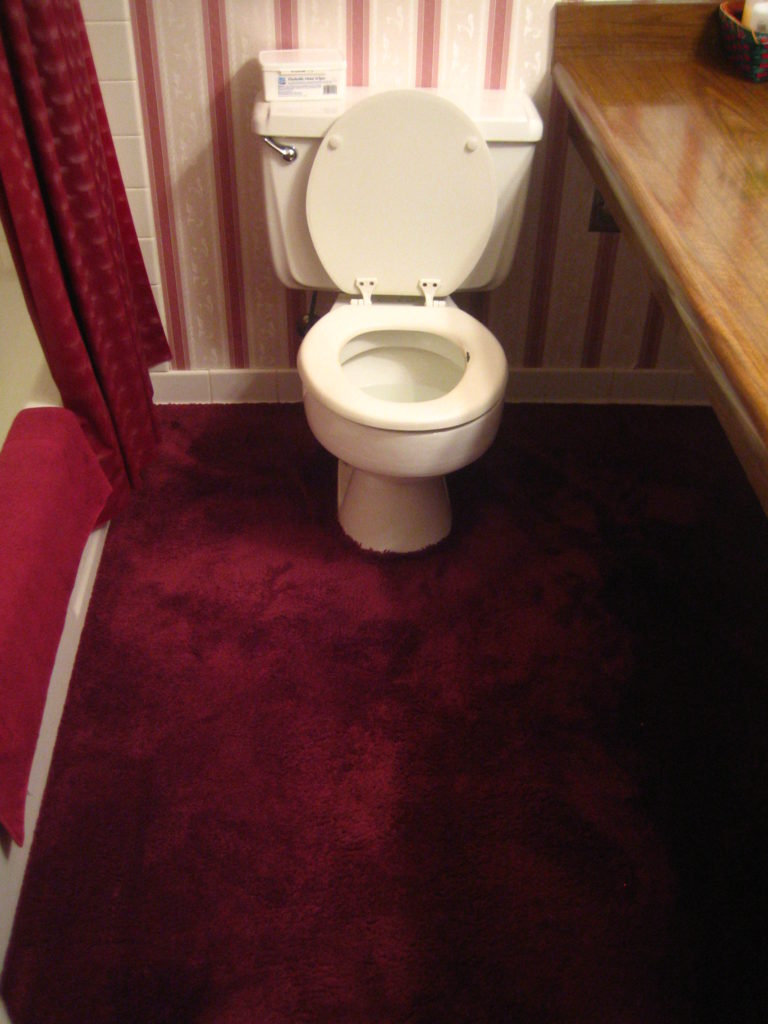
Carpeted bathrooms promised soft, warm surfaces underfoot, seeming especially appealing in cold climates. This trend offered comfort alternatives to hard tile floors while coordinating with bedroom carpeting for design continuity. The practice peaked in the 1970s, a decade rich with bold choices and unique styles.
Industry studies showed that bathroom carpets retained 200% more moisture than recommended levels, creating perfect breeding grounds for mold and bacteria. Carpet and water proved incompatible, with spills soaking into fibers and creating persistent odors that required complete replacement rather than cleaning.
15. Medieval Castle Garderobes
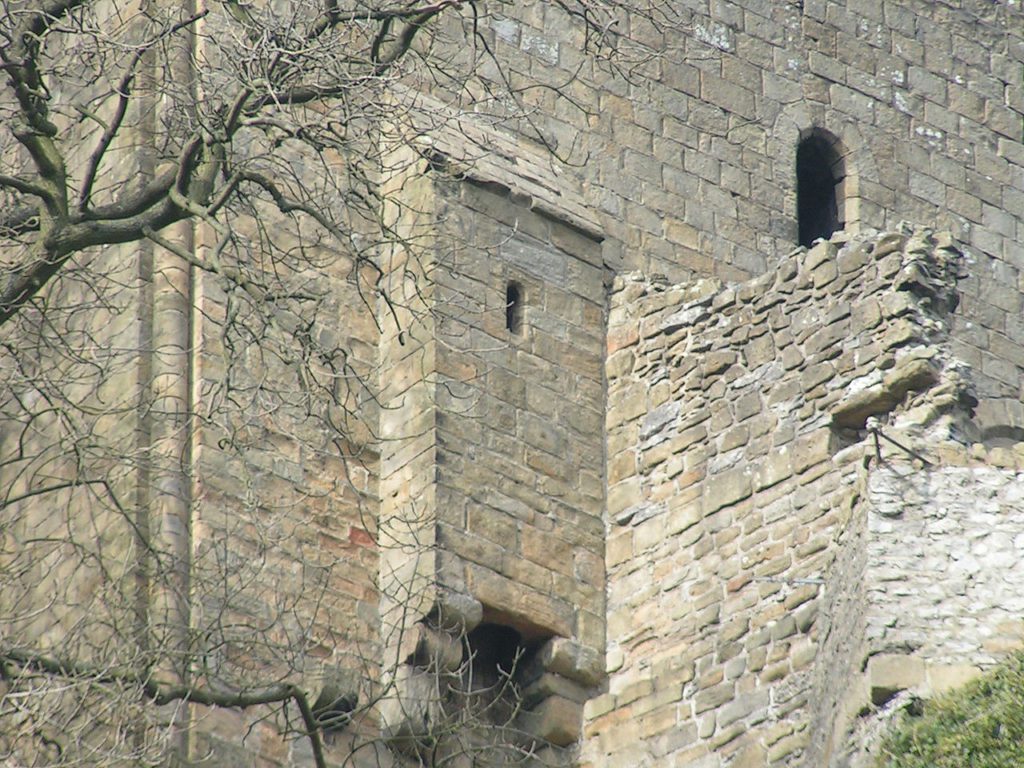
Medieval castle designers created garderobes—primitive toilet chutes that dumped waste directly into moats below. These architectural features prioritized convenience over comfort, representing a stark regression from Roman sophistication. The name derives from “wardrobe,” as these spaces doubled as closets where clothes hung to deter moths with ammonia fumes.
Castle dwellers dealt with obvious hygiene challenges and overwhelming odors, especially during summer months. This crude system also served defensive purposes, as waste-filled moats deterred attackers—proving that even bathroom design could be weaponized in medieval times.
14. Hand Pump Faucets
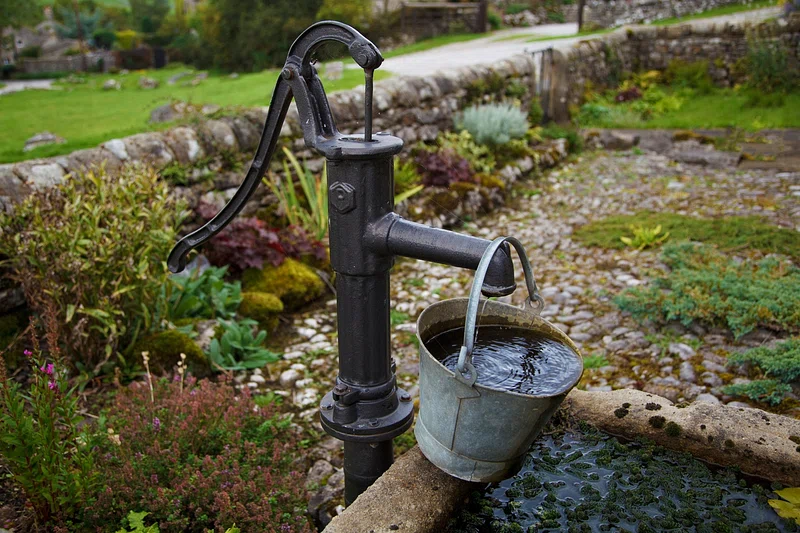
Hand pump faucets turned getting water into mini workouts, representing cutting-edge technology before pressurized plumbing systems. Users built arm strength operating these mechanisms, though reliability remained questionable—sometimes producing trickles or nothing at all.
These pumps offered alternatives to fetching water from wells or outdoor sources, bringing water access closer to living spaces. Their replacement by consistent, pressurized fixtures demonstrates how mechanical innovations paved the way for modern convenience systems.
13. Chamber Pots
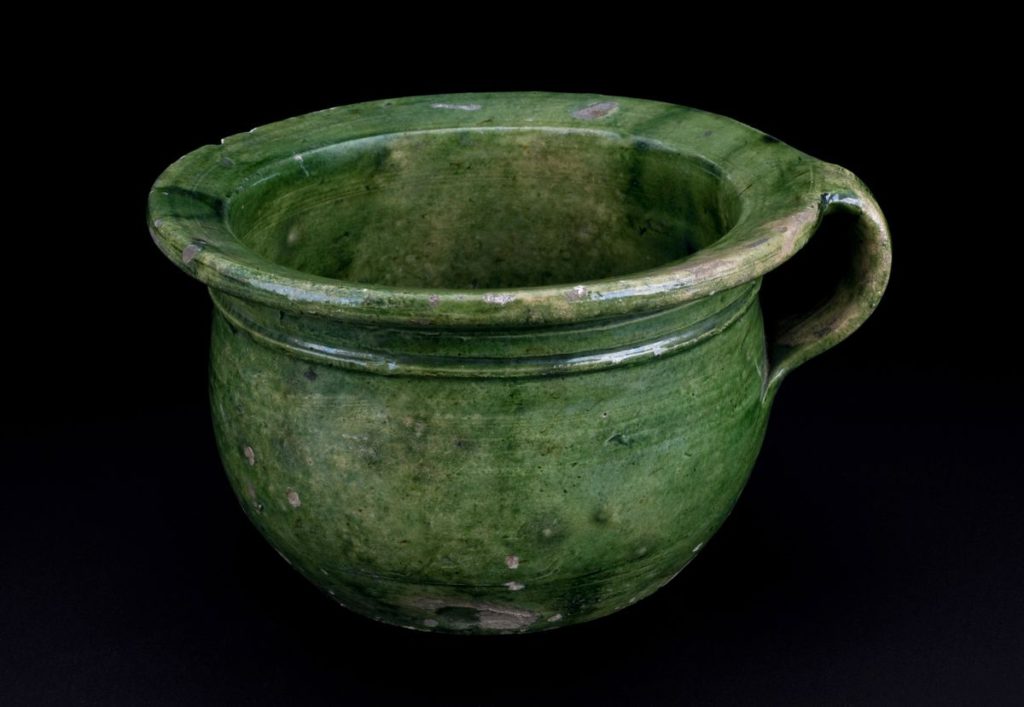
Chamber pots provided nighttime bathroom solutions before indoor plumbing, with morning routines including the delicate task of emptying these vessels. In urban areas, contents were sometimes dumped directly through windows onto streets below, creating hazardous conditions for pedestrians.
These practical items often featured ornate designs in fine ceramic or china, demonstrating how even utilitarian objects became status symbols when crafted with attention to detail. Their decoration elevated a basic necessity into an opportunity for displaying wealth and taste.
12. Built-In Laundry Chutes
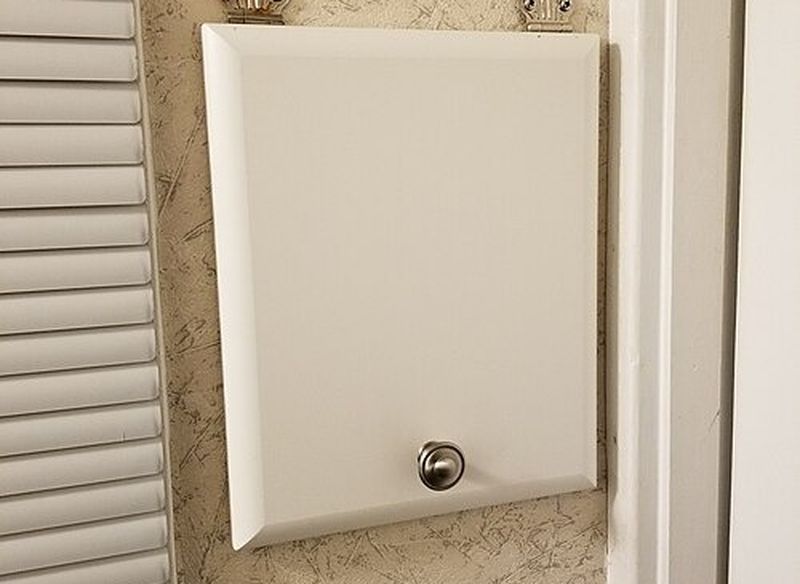
Built-in laundry chutes transported dirty clothes from bathrooms to laundry rooms below through dedicated shafts with small access doors. These systems streamlined laundry collection while keeping dirty clothes out of sight, particularly useful in multi-story homes.
Modern fire safety and building codes have made traditional laundry chutes less common, though some homeowners still incorporate updated versions with fire-rated doors and improved safety features. They represent thoughtful integration of household workflow into architectural design.
11. Wooden Outhouses
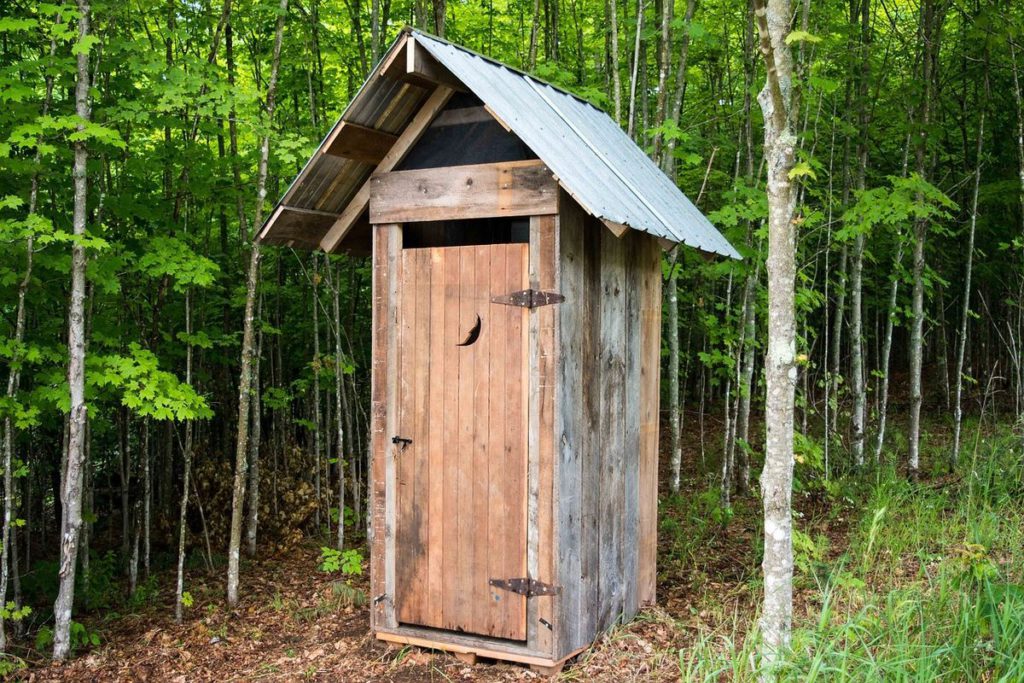
Outhouses served essential functions before indoor plumbing, typically featuring iconic crescent moon door cutouts for ventilation and light. These standalone structures kept waste management separate from living spaces, gradually becoming obsolete as indoor plumbing expanded during the 1920s and 30s.
Their evolution from necessity to novelty garden decoration highlights how quickly we forget daily challenges once technology advances. Some modern homes still incorporate outhouses as backup facilities or vintage aesthetic elements, proving their enduring cultural significance.
10. Wall Razor Blade Slots
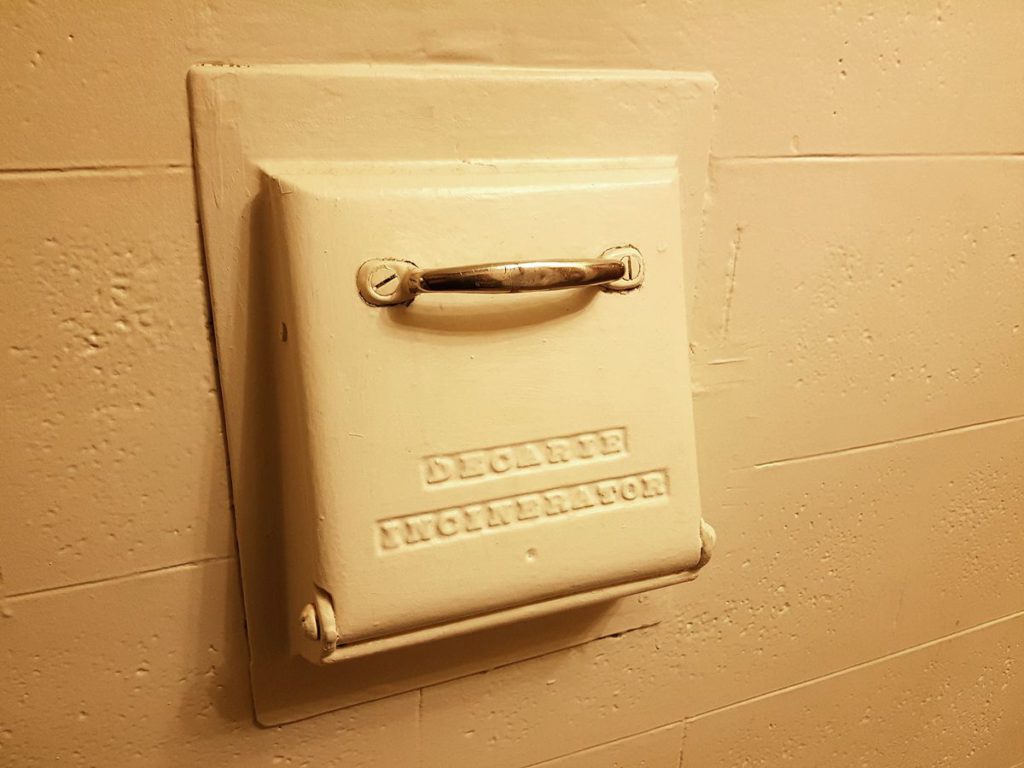
Many older homes contained wall slots specifically designed for razor blade disposal, creating hidden collections of sharp objects inside walls. These features seemed innovative at the time, providing convenient disposal solutions for used safety razor blades that couldn’t be thrown in regular trash.
A 2019 renovation survey found that 40% of homes built before 1970 still contain these blade-filled cavities. This short-sighted waste management solution continues to surprise renovation crews who discover decades-worth of razor blades during wall demolition, creating both safety hazards and disposal challenges.
9. Frilly Toilet Seat Covers
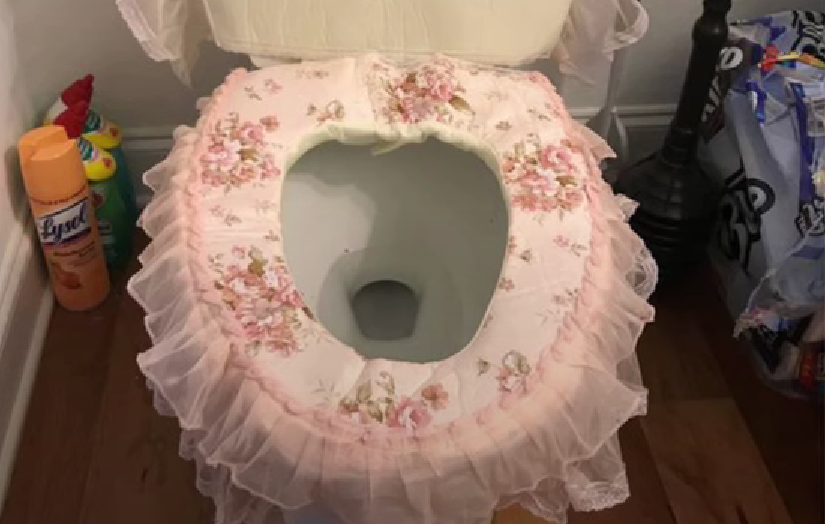
The 1970s and 80s embraced frilly toilet seat covers as bathroom accessories, attempting to soften utilitarian spaces with fabric elements. These decorative additions promised to add elegance and warmth to cold bathroom environments, matching the era’s preference for cozy, homey aesthetics. if you’re fascinated by this era’s quirks beyond bathroom carpeting, dive deeper into 1970s nostalgia.
Unfortunately, fabric and moisture proved incompatible partners. These covers trapped dirt, germs, and moisture, requiring constant laundering while creating perfect breeding grounds for bacteria. They represent an era when decorative elements sometimes trumped practical concerns in home design.
8. Space-Saving Pedestal Sinks
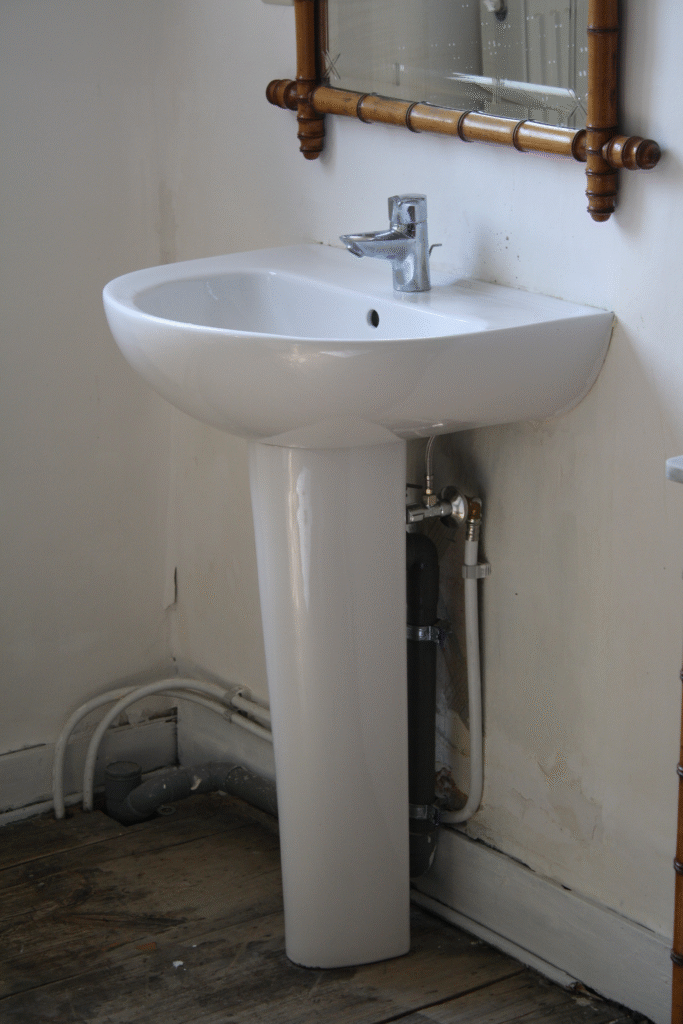
Pedestal sinks showcased elegance with graceful basins perched atop slender columns, offering streamlined forms perfect for small bathrooms. Their minimalist design made cleaning easier while providing visual lightness in cramped spaces.
However, pedestal sinks offered minimal storage compared to vanities, forcing users to find alternative solutions for bathroom necessities. Their form-over-function approach eventually lost ground to vanities with integrated storage, though they remain popular in powder rooms and vintage-inspired designs.
7. Portable Tin Baths
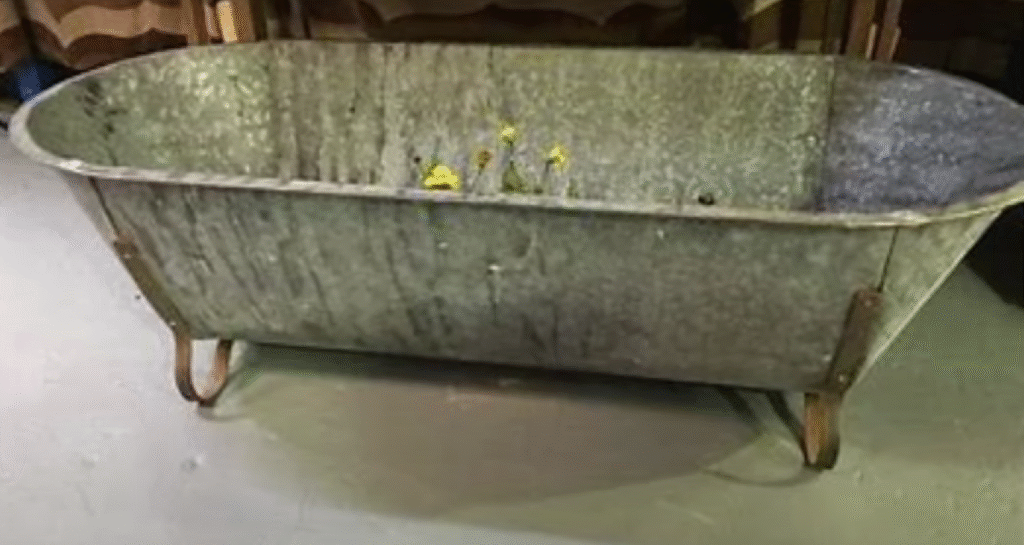
Before indoor plumbing, portable tin baths offered bathing flexibility at the cost of convenience. Users heated water separately then transported it bucket by bucket to fill their tubs—turning bath time into a logistical nightmare. The metal conducted heat poorly, creating races against time as bathwater cooled rapidly.
These lightweight, portable solutions were popular among travelers and rural residents who lacked permanent bathing facilities. Despite their drawbacks, tin baths provided bathing opportunities where none existed, demonstrating how people adapted to technological limitations with creative solutions.
6. Underground Cesspools
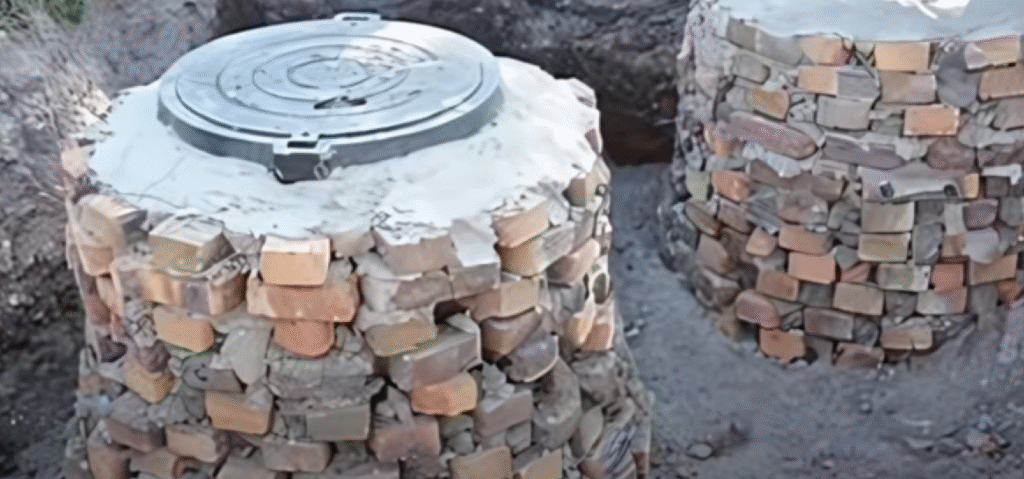
Cesspools served as primitive waste management systems, essentially creating underground collection pits beneath homes and buildings. During heavy rainfall, these systems regularly overflowed, contaminating soil and groundwater while creating unbearable odors for surrounding areas.
These rudimentary solutions posed significant environmental and health hazards, with waste seeping into drinking water sources and creating breeding grounds for disease. The transition from cesspools to municipal sewer systems represents one of the most significant public health advances in human history.
5. Public Bath Houses
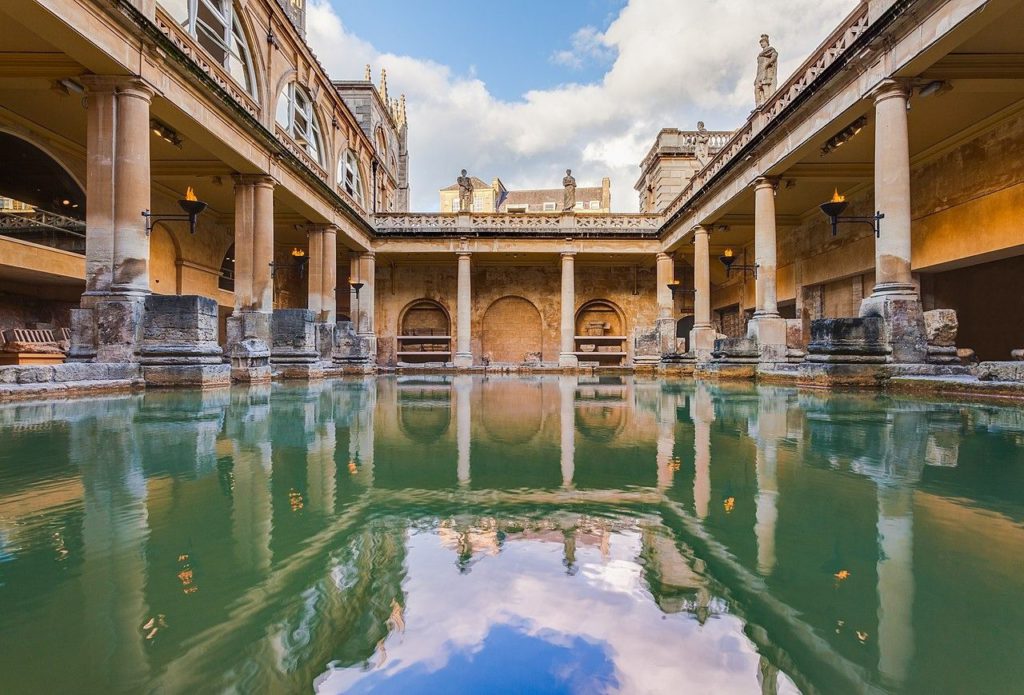
Public bath houses combined hygiene with social interaction throughout history, creating spaces where class distinctions temporarily dissolved in communal waters. Despite questionable water quality from shared bathing, these facilities fostered community connections that private bathrooms cannot match.
Some cultures still embrace public bathing traditions, suggesting that modern obsession with bathroom privacy might represent a loss of community rather than pure progress. These facilities demonstrate how different societies balance individual privacy against communal benefits.
4. Lead Water Pipes
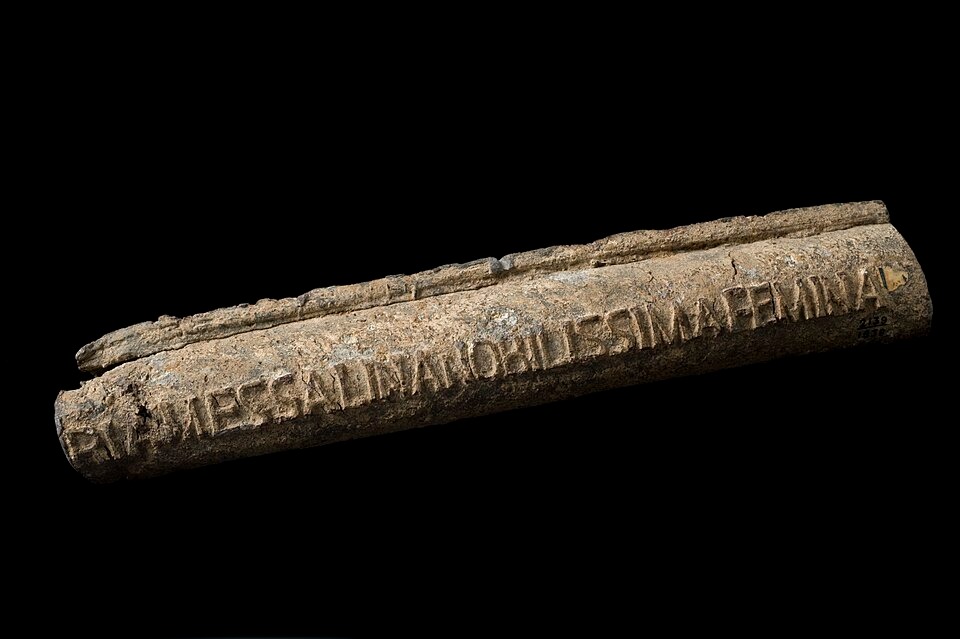
Until the early 20th century, lead pipes dominated water delivery systems across America and Europe. Their popularity stemmed from practical advantages—they were inexpensive, easy to work with, and could be shaped into necessary configurations. This convenience masked catastrophic health consequences that would plague communities for generations.
According to the EPA, over 9.2 million lead service lines still deliver water to American homes today. Lead poisoning caused neurological damage, stomach ailments, and developmental issues, particularly affecting children. The ongoing $15 billion infrastructure challenge demonstrates how seemingly innovative solutions can become generational burdens.
3. Roman Communal Latrines
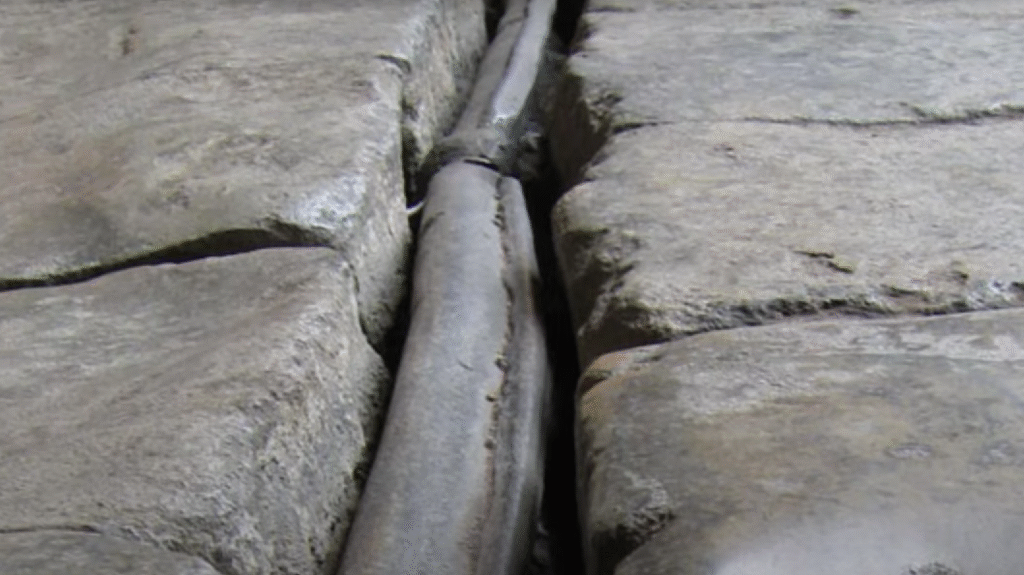
Ancient Romans turned bathroom breaks into social events with their elaborate public latrines featuring marble seats and flowing water. Picture networking over bodily functions—essentially the original coworking space. These sophisticated facilities included running water for cleaning and social spaces for conversation, creating bathroom culture that prioritized community over privacy.
Despite their advanced engineering, hygiene concerns loomed large with shared facilities and communal cleaning tools. Disease transmission was an ever-present threat, yet Romans accepted this trade-off for the social benefits and engineering convenience that communal facilities provided.
2. Freestanding Medicine Cabinets
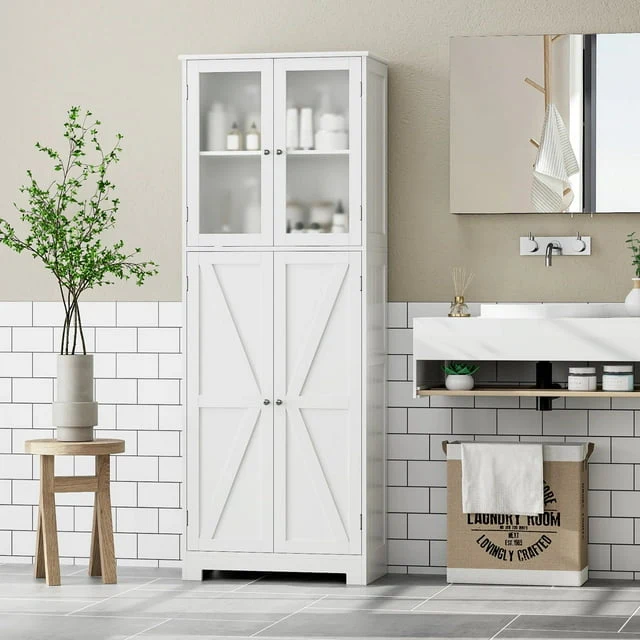
Freestanding medicine cabinets provided essential bathroom storage before built-in alternatives became standard. Made from wood or metal with mirrored doors, they offered valuable space while maintaining furniture-like dignity. Some featured secret compartments for storing valuables alongside medications.
Today, vintage medicine cabinets enjoy renewed popularity as accent pieces, demonstrating how design trends cycle between built-in efficiency and standalone character. Their revival shows appreciation for furniture-quality bathroom accessories over purely functional built-ins.
1. Elegant Clawfoot Tubs
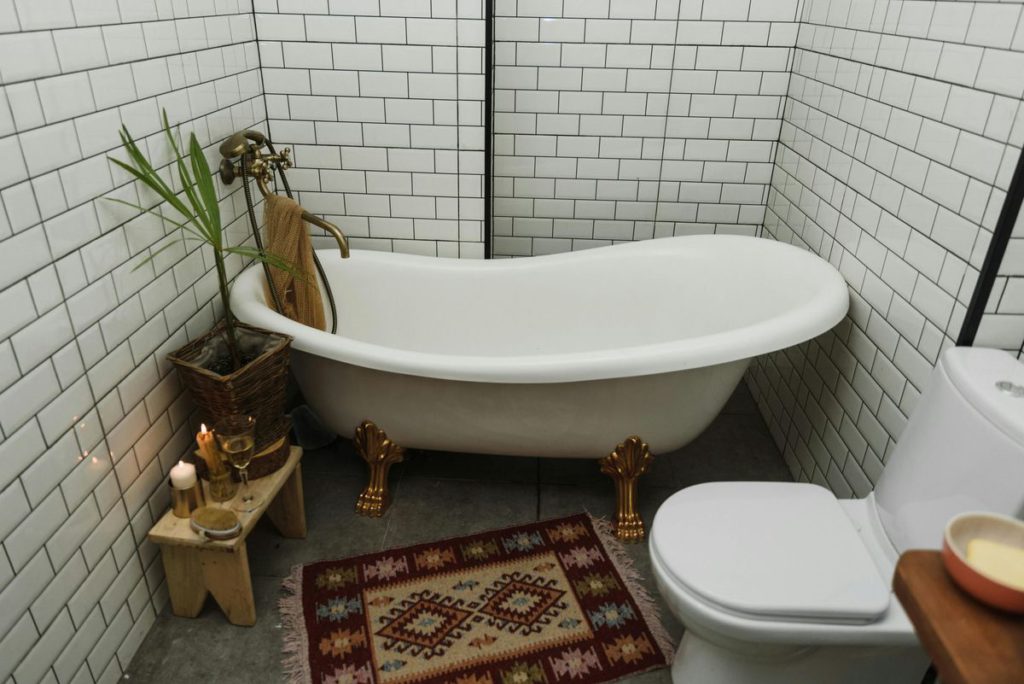
Clawfoot tubs symbolized luxury bathing experiences with their elevated design on decorative feet creating visual drama. These porcelain fixtures offered deep soaking experiences that modern built-in tubs often cannot match, becoming status symbols in affluent homes.
Despite their aesthetic appeal, clawfoot tubs presented practical challenges—extreme weight requiring reinforced floors, difficult cleaning around ornate feet, and significant space requirements. Modern versions incorporate lightweight materials while preserving classic looks, adapting iconic design to contemporary needs. If you enjoyed these old bathroom trends, perhaps these beauty trends from the past might also be worth a look.