



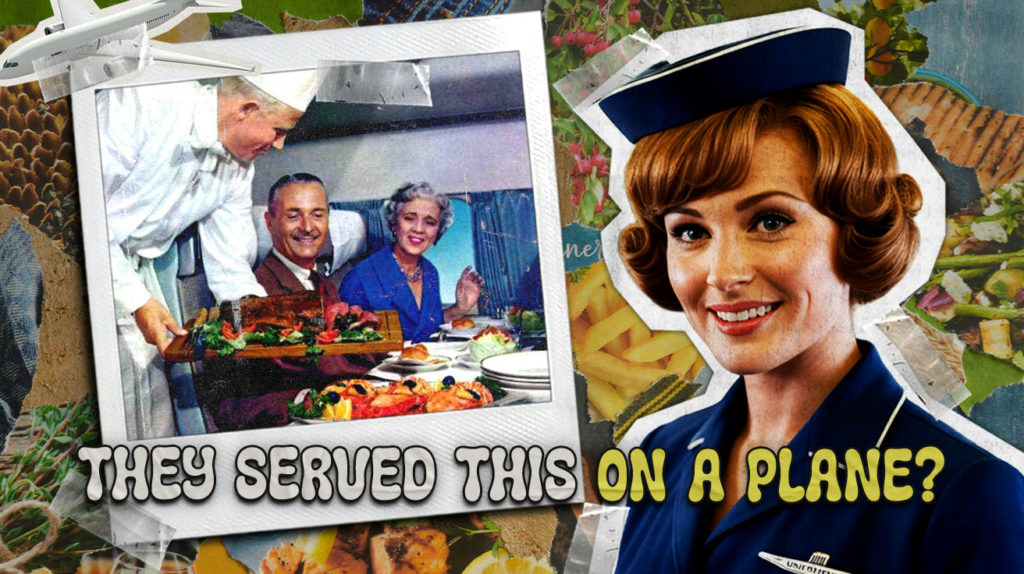
There was a time when airline food wasn’t the punchline to every comedian’s travel routine. Back then, passengers dressed up for flights, and meal service rivaled fine dining establishments—aviation experienced its culinary golden age.
During the mid-20th century, airlines competed fiercely on service quality rather than ticket prices. Elaborate multi-course meals served on fine china became the industry standard, with careful orchestration that elevated every aspect of air travel.
7. The Birth of Airline Cuisine (1930s-1940s)
If you’ve ever wondered how airline meals evolved from terrible to legendary and back again, it all started humbly in 1919 with Handley Page Transport’s pre-packaged lunch boxes at London’s Hounslow Heath Aerodrome. These simple beginnings evolved rapidly as airlines recognized food’s potential to differentiate their service in an emerging competitive market.
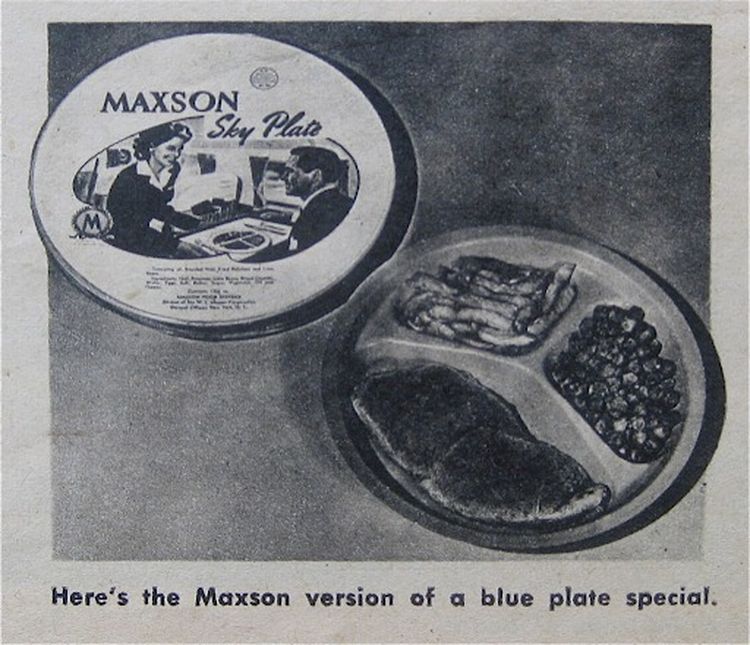
United Airlines revolutionized the concept in 1936 by introducing the industry’s first dedicated flight kitchen in Oakland, California. This innovation transformed what was possible at 30,000 feet, allowing for freshly prepared meals rather than cold sandwiches. The Maxson Whirlwind Oven solved the fundamental challenge of reheating food in pressurized cabins—turning aviation’s biggest dining obstacle into a solvable engineering problem.
6. The Golden Era Takes Flight (1950s-1960s)
Competition breeds innovation, and post-war economic prosperity combined with jet engine technology created perfect conditions for airline dining’s greatest era. Pan Am led this revolution, treating passengers to multi-course meals served on fine china with real silverware. Their “President Special” service featured caviar, champagne, and dishes prepared tableside with theatrical flair.
Competition was fierce, particularly on popular routes. United’s 1956 “Executive Flight” between New York and Chicago featured five-course dinners with printed menus and wine pairings. TWA’s lobster thermidor became so legendary that passengers would book specific flights just to enjoy it, while Continental’s “Golden Door” meals pioneered healthy in-flight dining decades before it became trendy. This era proved that superior service could command premium pricing—a lesson today’s budget airlines might want to revisit.
5. The Science Behind Sky-High Flavor
Imagine trying to enjoy your favorite meal while wearing a clothespin on your nose—that’s essentially what happens to taste perception at cruising altitude. Airlines’ culinary teams faced unique challenges that required creative solutions beyond traditional restaurant cooking, with cabin pressure and dry air dulling sweet and salty flavors by up to 30%.
Master chefs compensated with bolder seasonings and umami-rich flavor-enhancing techniques. Pan Am’s kitchens developed rich sauces that could penetrate the sensory fog of high-altitude dining, pioneering approaches that predated molecular gastronomy by decades. And while modern travelers might notice that planes are flying slower than in previous decades, the science behind in-flight dining remains just as complex today.
4. Cultural Touchstones and Themed Experiences
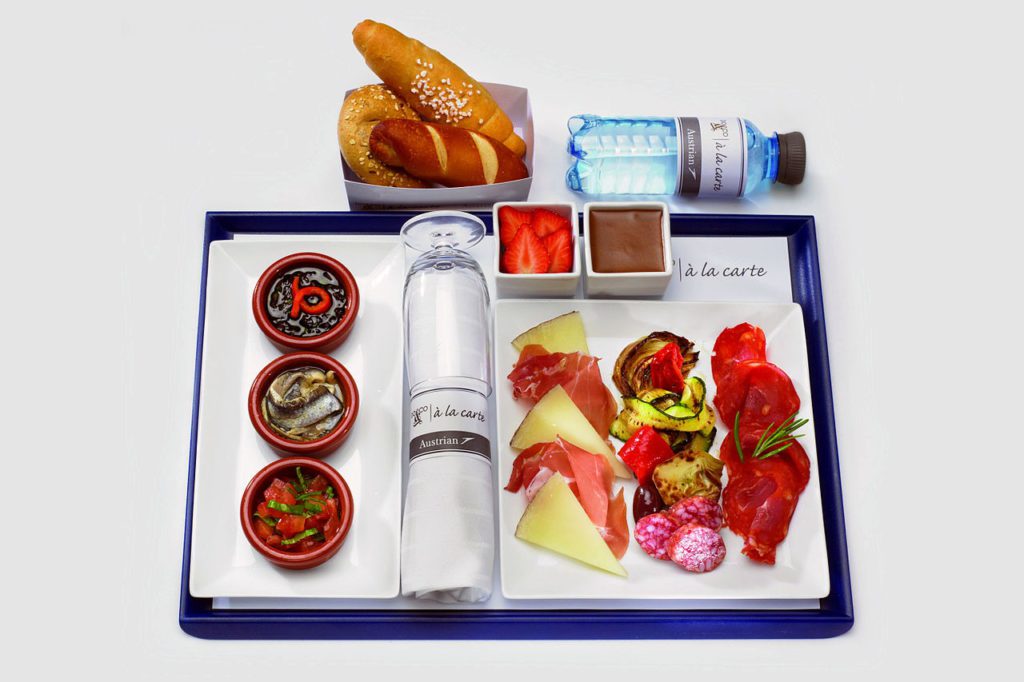
The smartest airlines realized that memorable meals create lasting brand loyalty, with each carrier developing distinctive culinary identities that reflected their routes and personalities. TWA’s “Ambassador Service” on transatlantic flights featured European-inspired menus that prepared travelers for their destinations, transforming cabins into cultural transition spaces.
Eastern Airlines created “Weekday Club” service for business travelers, featuring efficient American classics and tableside cocktail mixing. When one carrier introduced enhanced offerings, others quickly responded with upgrades, creating a creative arms race that benefited passengers who suddenly found themselves choosing airlines based on dining options rather than just schedules. Flying during rush hour meant experiencing the ultimate dinner theater at 35,000 feet.
3. The Art of Service: Beyond the Food
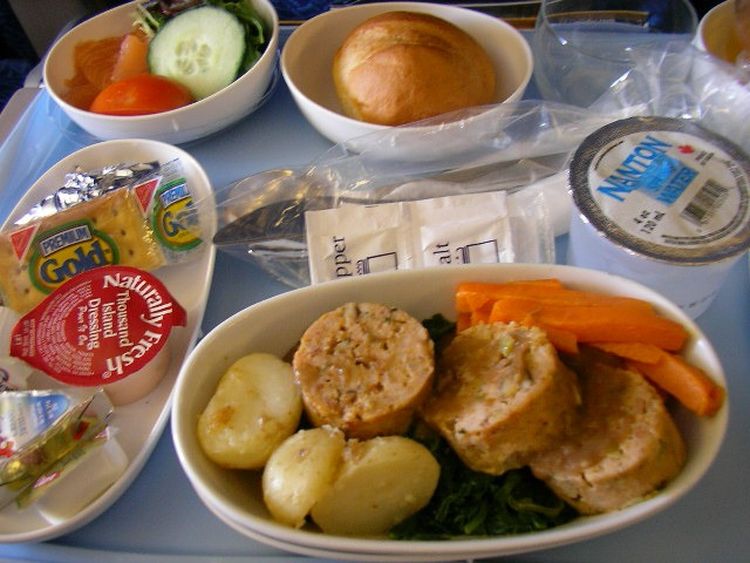
Beautiful presentations matter just as much as delicious food, and the golden age wasn’t just about what was served but how it was presented. Flight attendants underwent rigorous training in service techniques that would impress even today’s fine dining establishments, learning wine knowledge, proper serving temperatures, and cultural etiquette for international routes.
Airlines commissioned custom china from renowned designers, with Rosenthal creating Pan Am’s iconic blue-rimmed patterns and Noritake designing pieces for Japan Airlines. Custom cocktail stirrers, branded sugar packets, and airline-specific containers created cohesive brand experiences. These attention-to-detail investments transformed ordinary flights into extraordinary experiences that passengers still reminisce about decades later.
2. The Beginning of the End: Deregulation’s Impact
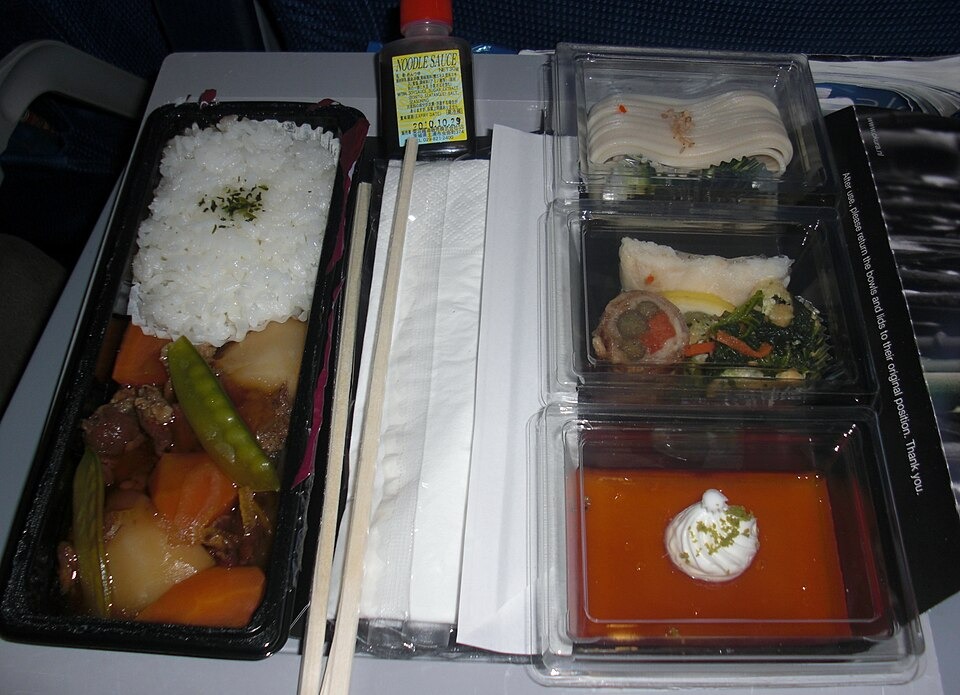
One legislative act changed everything: The Airline Deregulation Act of 1978 fundamentally shifted the industry’s economics, marking the beginning of the end for luxurious in-flight dining. As competition focused increasingly on ticket prices rather than service quality, food budgets were among the first casualties.
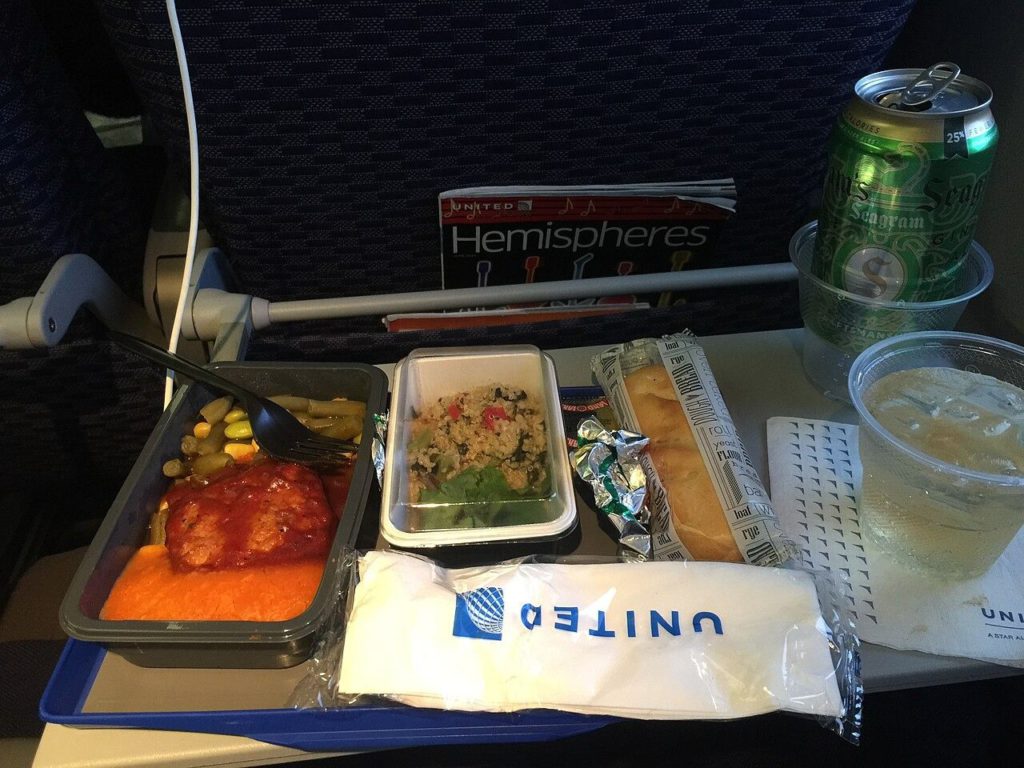
American Airlines’ CEO Robert Crandall famously saved $40,000 annually by removing a single olive from each first-class salad—a decision that symbolized the new cost-cutting era. By the 1980s, frozen pre-packaged meals had largely replaced freshly prepared dishes, and plastic replaced china in economy cabins. Cost-conscious travelers got cheaper tickets, but they sacrificed the theatrical dining experiences that once made air travel memorable.
1. Modern Echoes of the Golden Age
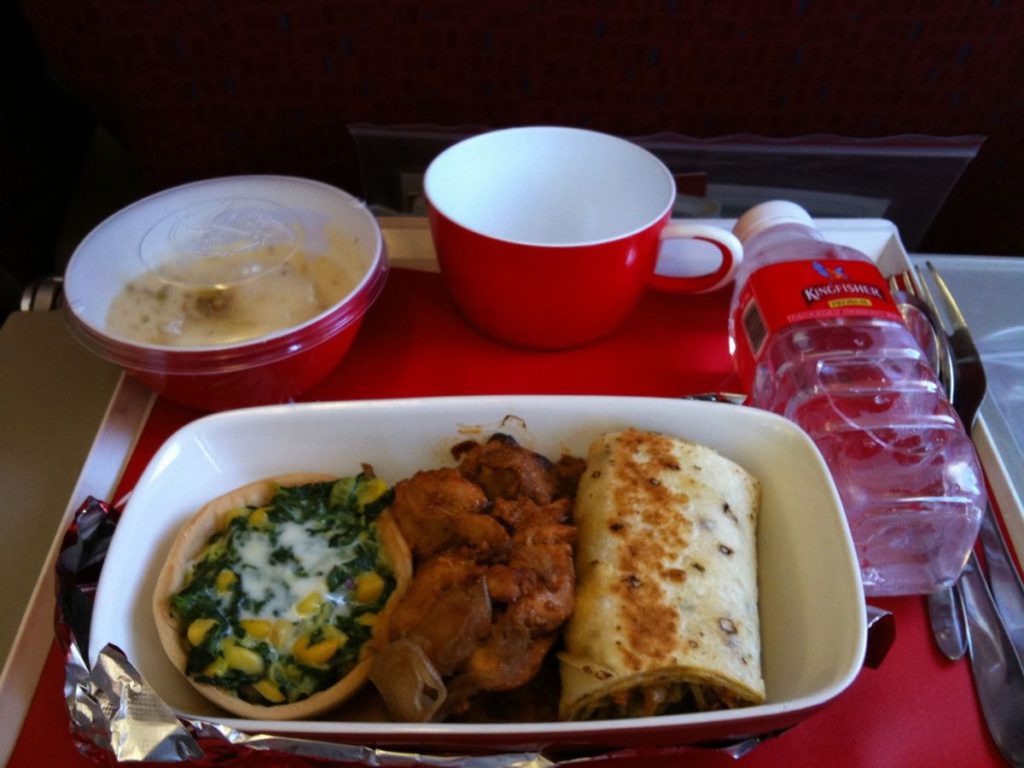
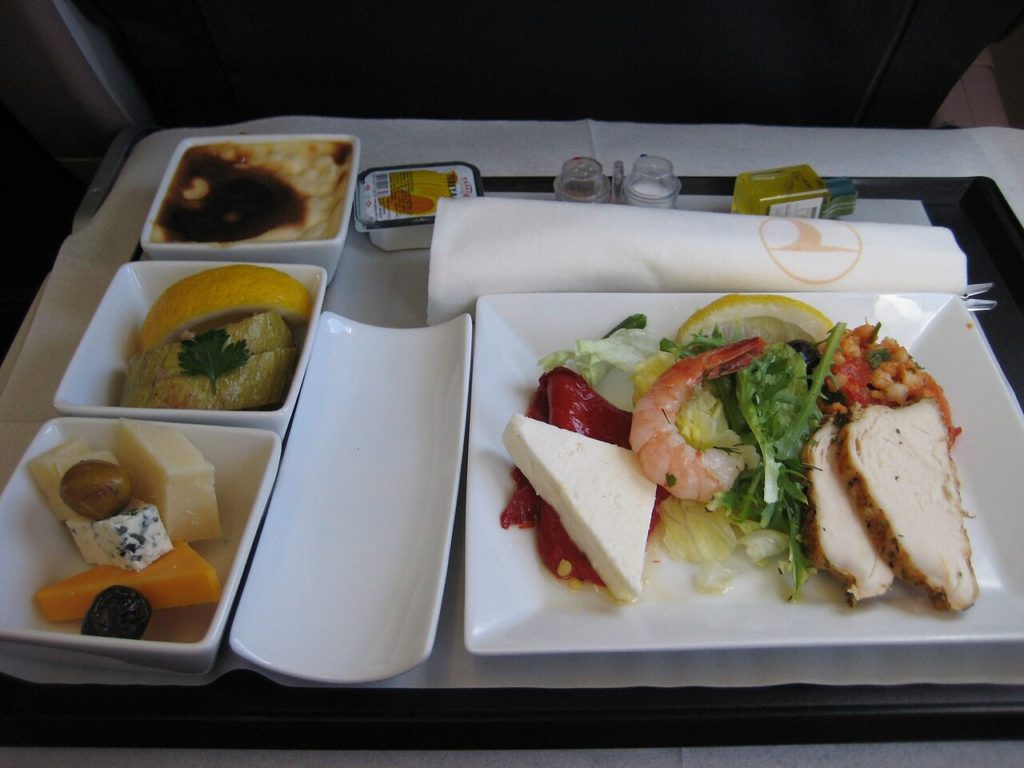
If you’re hoping to experience golden age-style dining today, you’ll find elements of that era’s innovation continuing in premium cabins and select international carriers. Singapore Airlines and Emirates employ consulting chefs to design menus that overcome altitude challenges, much like Pan Am’s culinary teams did decades ago.
Some airlines have embraced nostalgia as a marketing strategy, with United’s “Polaris” business class incorporating elements reminiscent of their 1950s premium offerings. For those seeking to recreate these flavors, several iconic recipes have survived, including Pan Am’s beloved honey spice cake that former flight attendants still share decades later. Book first class on the right carrier, and you might just taste what flying used to feel like.
For those flying economy, packing a few Amazon travel essentials might help make your journey more comfortable, even if you can’t recreate the fine dining experience of aviation’s golden era.