




Recording history lives in the grooves of these sonic shapeshifters. Each microphone didn’t just capture sound—it sculpted the voice of entire generations. From crooner whispers to rock screams, these mics turned raw emotion into eternal art that still influences every song you hear today.
8. Early Recording Limitations
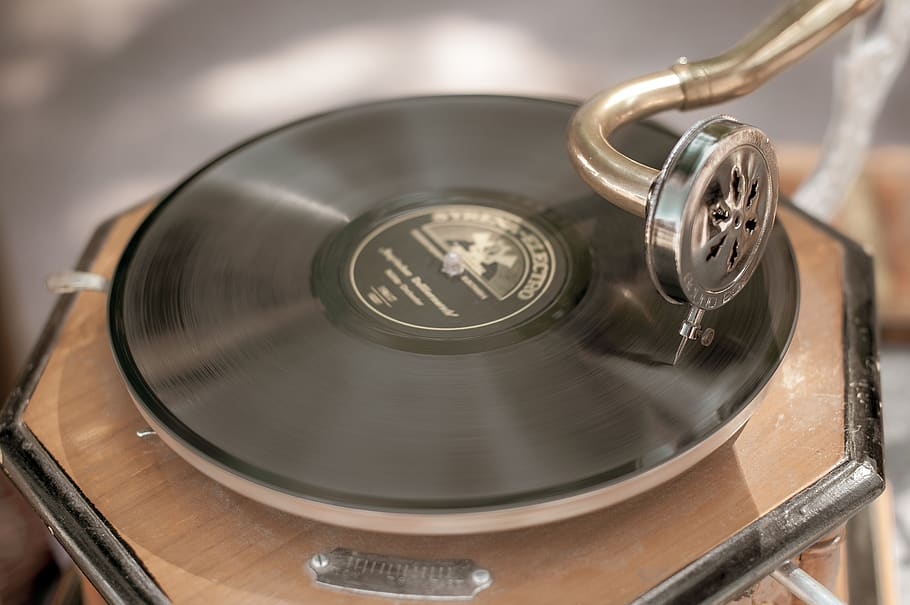
Picture this: musicians huddled around massive horns, shouting into wax cylinders that captured only a fraction of their performance. Early 1900s recording was like trying to paint the Mona Lisa with finger paints and a blindfold.
Frequencies above 4 kHz simply vanished into the ether. Everything sounded muffled and distant—imagine listening to music through a pillow. Artists had to belt out songs with opera-level projection just to leave any impression on those fragile wax discs, explaining why early recordings sound so dramatically different from live performances. Learn more about the history of the phonograph at the Smithsonian Institution.
7. Neumann CMV3: The First Grand Elder
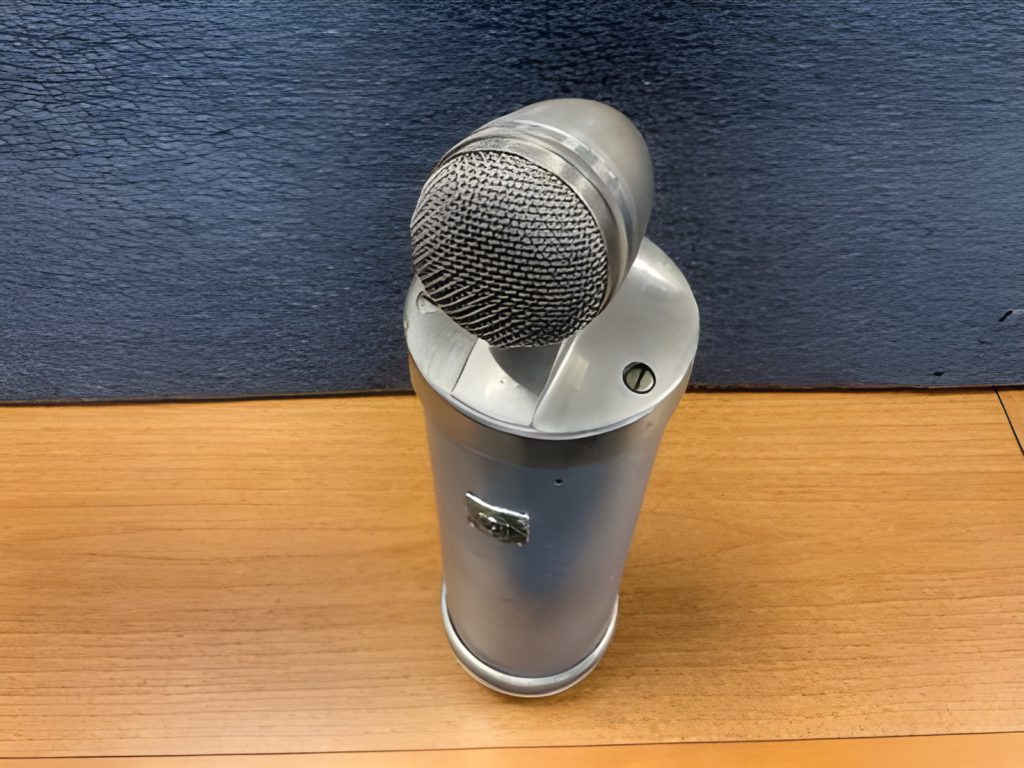
The 1928 CMV3 was the first commercially successful condenser microphone that actually delivered professional results. While other mics captured sound like they were wrapped in blankets, this German engineering marvel reached up to 15 kHz—revolutionary for its time.
The BBC and German radio stations adopted these bottle-shaped mics rapidly, transforming broadcast quality overnight. The CMV3’s interchangeable capsule heads meant one mic could handle different recording situations, from intimate vocals to full orchestras. This modular approach became the blueprint for professional microphone design that persists today. Discover more about the Neumann CMV3 on the official Neumann website.
6. The Crooner Revolution
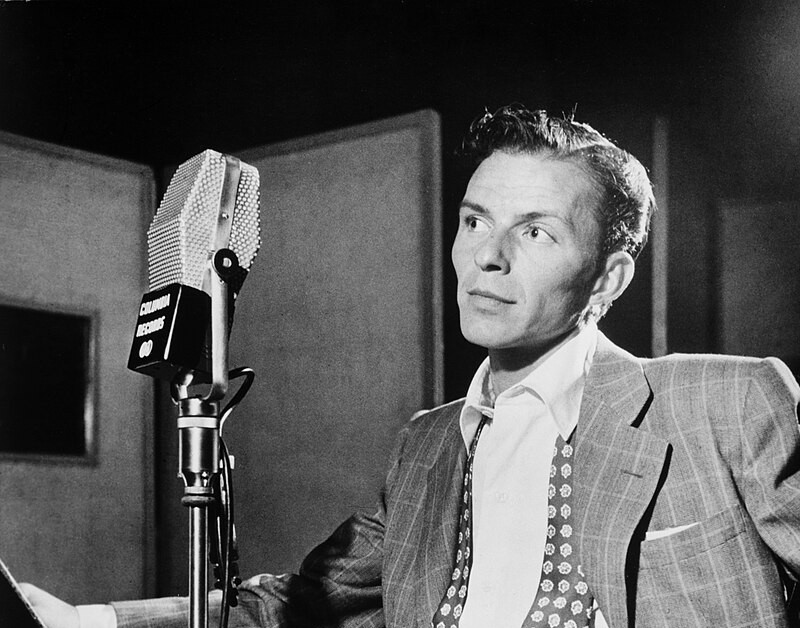
Bing Crosby changed everything by proving intimate vocals could captivate audiences. His 1931 recording of “Where the Blue of the Night” demonstrated how close-mic technique could create unprecedented emotional connection with listeners.
Before crooners, singers had to project like they were addressing troops without amplification. Crosby’s approach prioritized emotional nuance over volume, requiring sensitive microphones that could catch every breath and subtle inflection. Suddenly, bedroom voices could fill concert halls through radio waves, fundamentally rewiring the music business around intimacy rather than power. Read more about close-mic technique in our studio microphone techniques guide.
5. Neumann U47: Vocal Priority
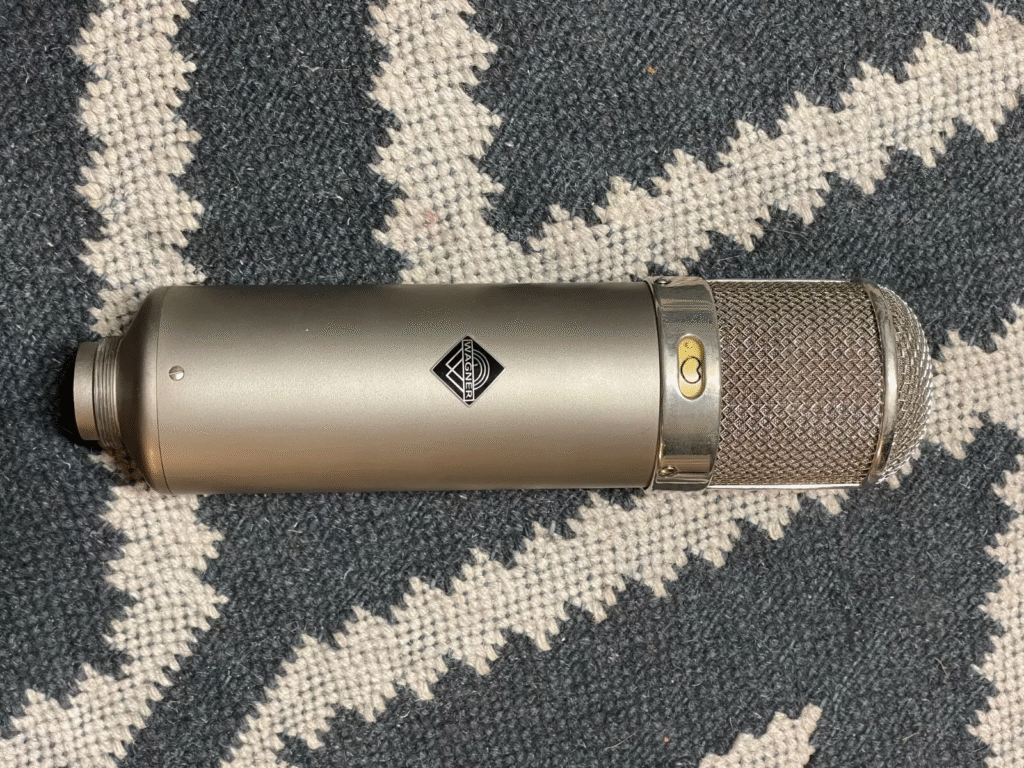
The U47, launched in 1947, became the industry’s vocal reference point because it enhanced voices rather than simply recording them. This tube-powered microphone’s warm midrange magic can be heard on countless classics, including Nat King Cole’s “Unforgettable”.
Frank Sinatra was known for preferring the U47 for his Capitol Records sessions throughout the 1950s. The microphone’s distinctive character made voices sound rich and present, establishing it as the go-to choice for serious vocal work. Every singer who stepped up to a U47 suddenly sounded like they had supernatural charisma—whether they actually did or not.
4. The U47’s Distortion Problem
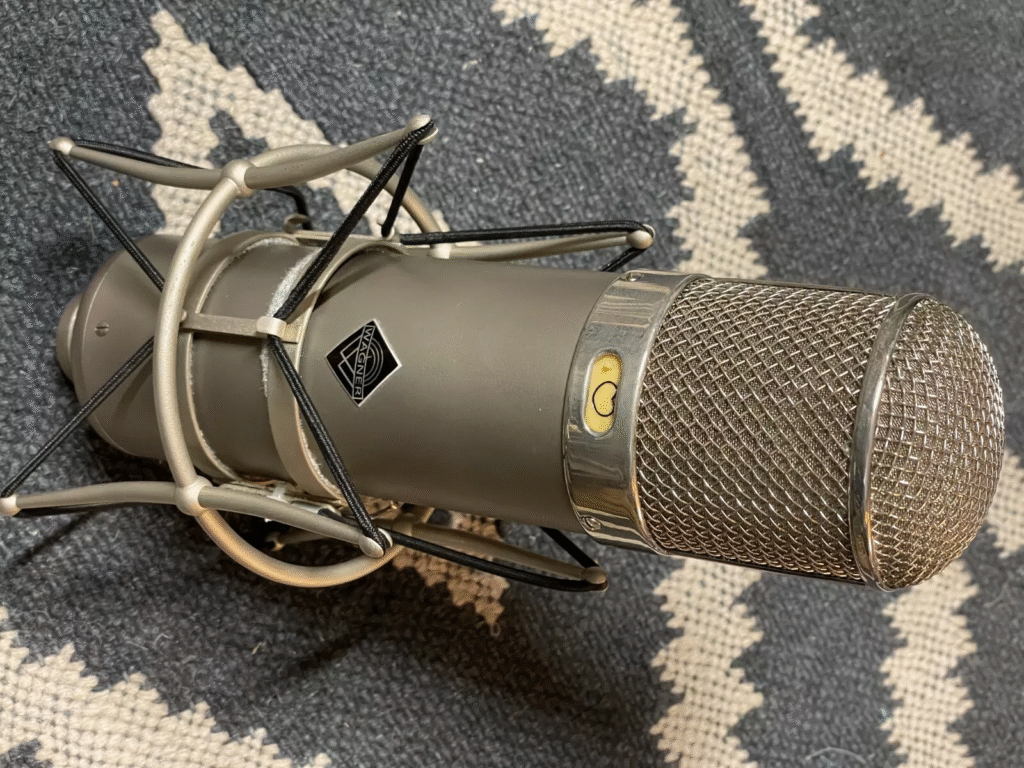
The U47 had one embarrassing limitation: it couldn’t handle high sound pressure levels without throwing a sonic tantrum. As music got louder in the ’50s and ’60s, this legendary mic started breaking up under pressure like a vintage amp pushed too hard.
Engineers discovered that powerful rock vocals would push the U47 beyond its limits, creating unwanted distortion that turned pristine recordings into fuzzy messes. This technical constraint forced the industry to innovate—proving that even legendary gear has its breaking point when musical styles evolve.
3. Neumann U67: The Rock and Roll Saber
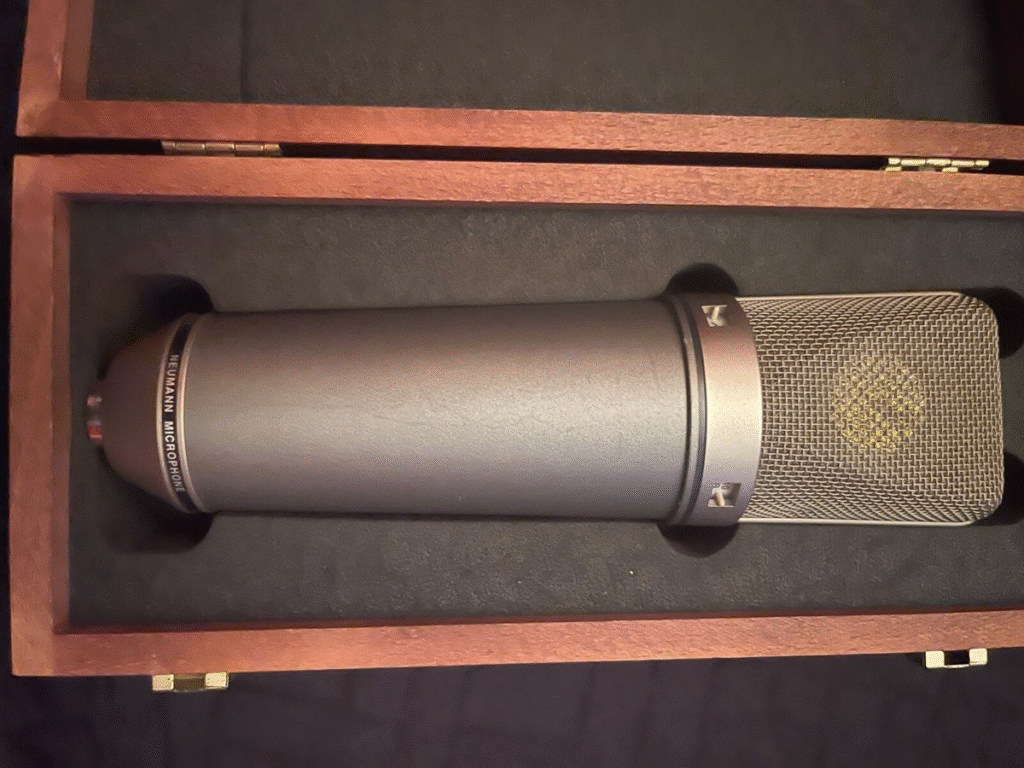
Neumann’s 1960 solution to the distortion problem was the U67—a microphone engineered to handle rock’s intensity without breaking a sweat. You can hear its bright, cutting tone on The Rolling Stones’ “Paint It Black”, where it captured Mick Jagger’s attitude without any of the U47’s high-SPL struggles.
This tube mic delivered brightness without harshness and clarity without sterility. The U67 became a studio standard for rock recordings, proving that great mics don’t just record music—they help define entire genres. It’s the sonic difference between rock that sounds powerful and rock that sounds overwhelming.
2. Neumann U87: The Solid-State Standard
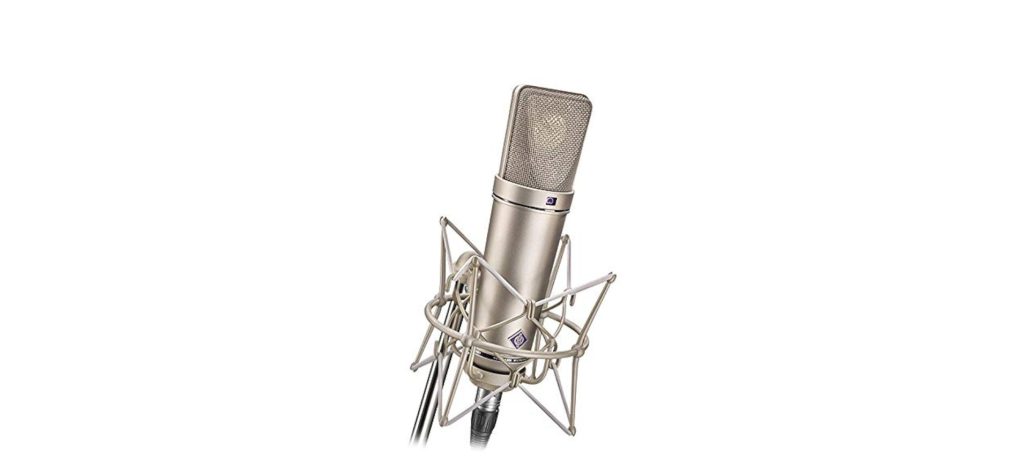
The 1967 U87 replaced tubes with transistors and became the Swiss Army knife of studio microphones. Its versatility shines on tracks like Fleetwood Mac’s “Dreams”, where it captured Stevie Nicks’ ethereal vocals with crystalline clarity across the full frequency spectrum.
This solid-state workhorse eliminated tube maintenance while delivering pristine sound from 20 Hz to 20 kHz. Walk into any professional studio today and you’ll spot these silver cylinders—they’re the microphone equivalent of a reliable Honda Civic that somehow also wins races.
1. The Neumann Legacy
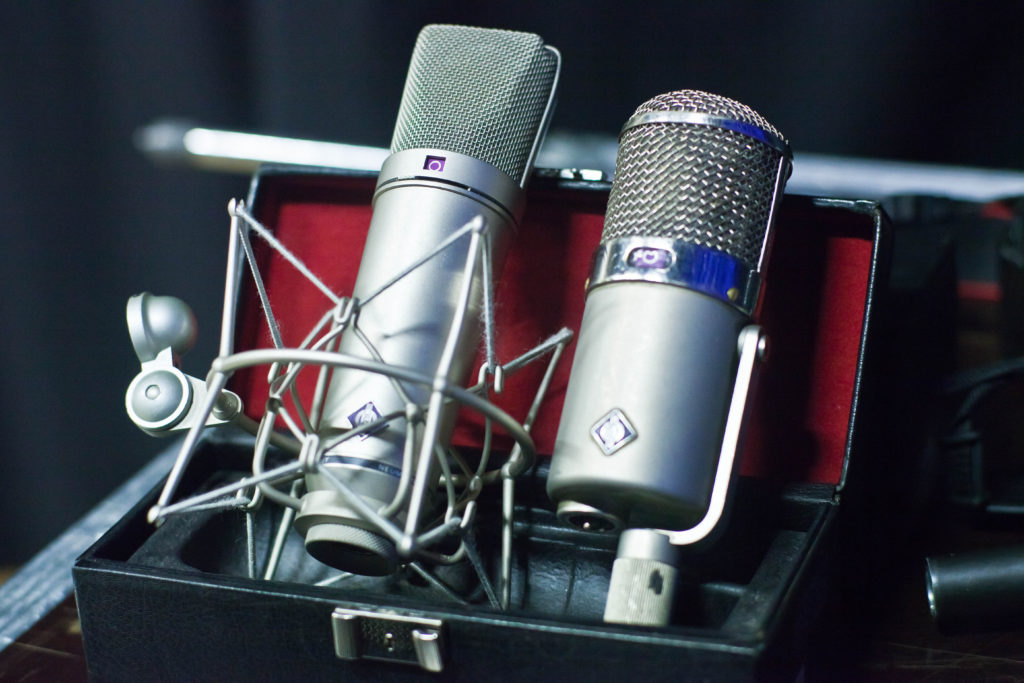
The U-series created more than great microphones—they established sonic DNA that shapes how music sounds today. Each model reflected its era: the U47’s tube warmth suited post-war intimacy, the U67’s clarity matched rock’s rebellion, the U87’s precision met digital’s demands.
These microphones influenced both recordings and musical evolution itself. Artists and producers made creative decisions knowing how these mics would translate their vision into sonic reality. Modern engineers still chase the “U47 sound” with plugins and reissues, while today’s AI-powered microphone arrays owe their multi-pattern capabilities to the CMV3’s modular design from nearly a century ago.
The Neumann legacy proves that exceptional technology doesn’t just serve art—it becomes part of the creative process, shaping not just how we capture sound, but how we imagine it should sound in the first place.