




That luxury fabric costs thousands of silkworm lives. Traditional silk production boils cocoons with the worms still inside. About 2,500 silkworms die to create just one pound of raw silk. This process preserves the continuous protein strand that gives silk its unique properties and feel against your skin.
Ethical alternatives exist for conscious shoppers who want luxury without harm.
This guide reveals what major brands don’t want you to know and empowers you to make smarter choices that align with your values.
16. Canned Tomatoes
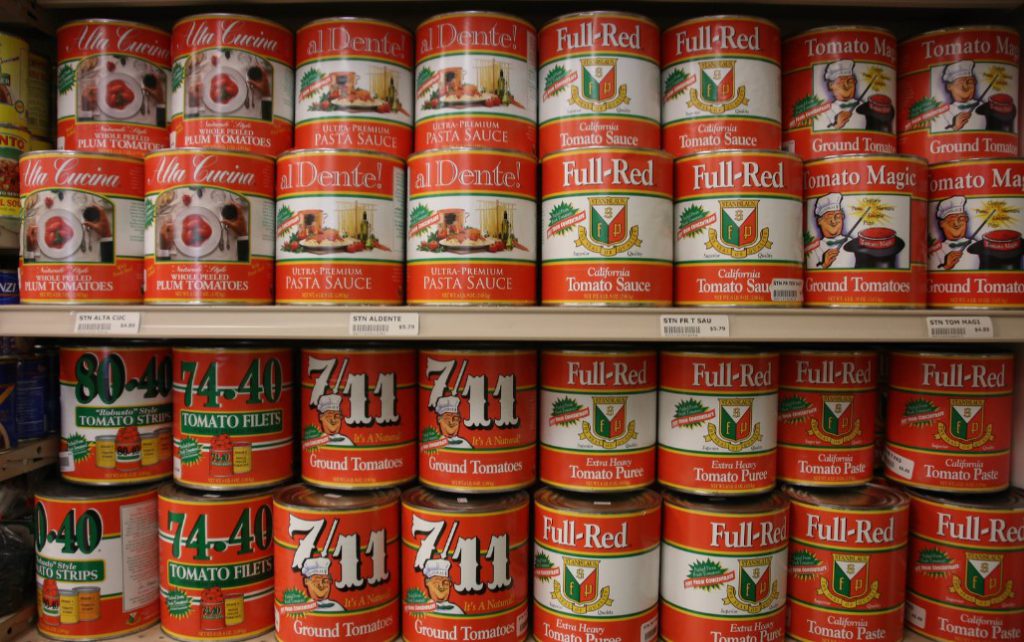
BPA hides in your pantry basics, causing health problems you probably never thought about. Metal cans typically contain Bisphenol A, and acidic tomatoes make this chemical leach into your food faster. The CDC found BPA in 93% of Americans tested, linking it to hormone issues.
Research connects BPA exposure to problems like damaged sperm and organ defects. The fix is simple: buy tomatoes in glass jars instead. Glass containers from brands like Jovial and Bionaturae offer better flavor and safety. Next time you shop for pasta sauce ingredients, the container matters as much as what’s inside it.
15. Apple Juice
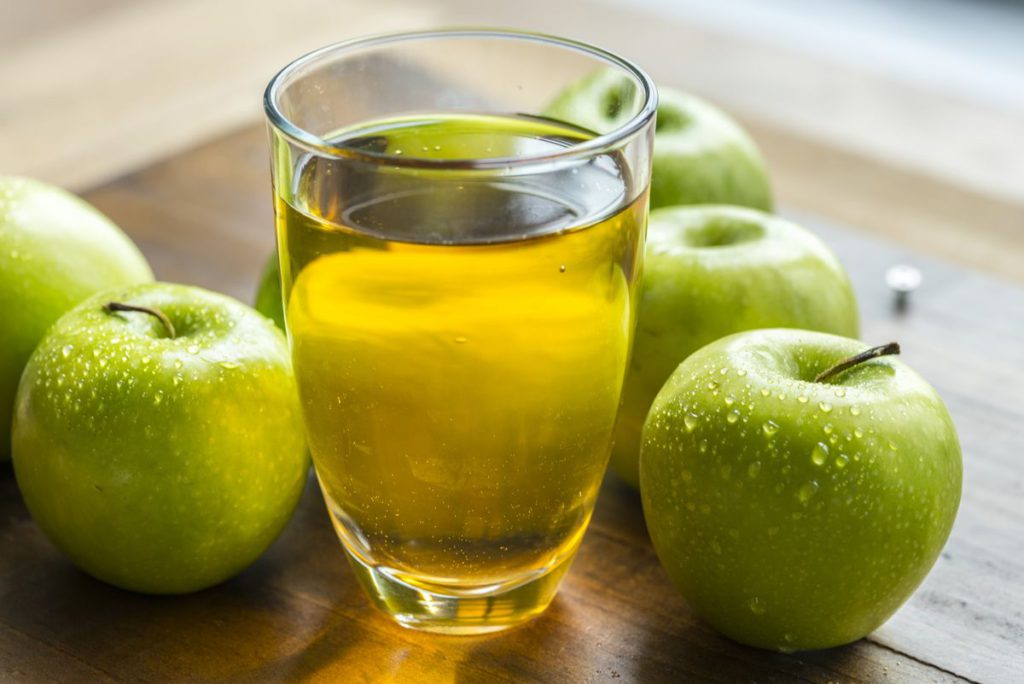
Arsenic in your kid’s juice box might freak you out. While apples naturally contain some arsenic, higher amounts pose health risks. A 2011 Dr. Oz investigation found some brands had 10 parts per billion of arsenic, making the FDA take notice.
The FDA first said 23 ppb was safe but later dropped the limit to 10 ppb, matching bottled water standards. Medical experts confirm that small amounts of arsenic in juice rarely cause problems if you don’t drink too much.
Worried parents can try organic brands like Santa Cruz and Mott’s Organic that test more strictly. You don’t need to ban juice completely – just know which brands to buy and keep serving sizes reasonable.
14. McDonald’s Burgers
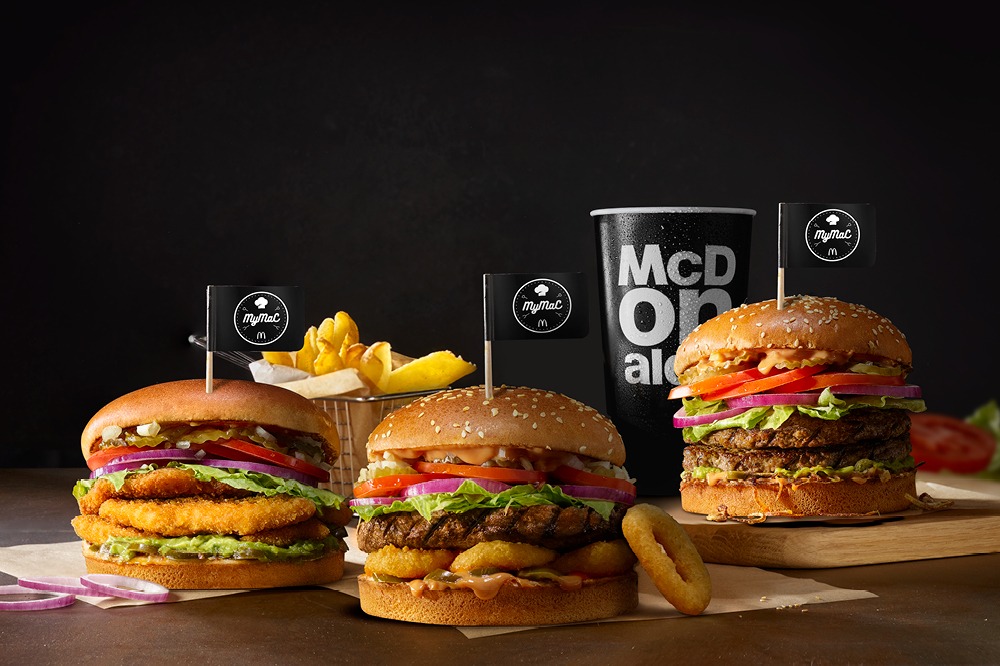
Despite rumors, McDonald’s patties actually contain 100% beef without the weird additives many people think they have. The company buys meat from trusted ranchers in the US, Canada, Australia, and New Zealand, with Lopez Foods supplying since the 1960s.
They carefully inspect and remove bone fragments before flash-freezing, adding only salt and pepper during cooking. The ingredients stay simple, but nutrition issues exist because of high sodium.
A Quarter Pounder packs 520 calories and 950mg of sodium – that’s 41% of what you should have all day. The real problem isn’t mystery ingredients but balancing quick meals against health needs when you hit the drive-thru.
13. Pringles
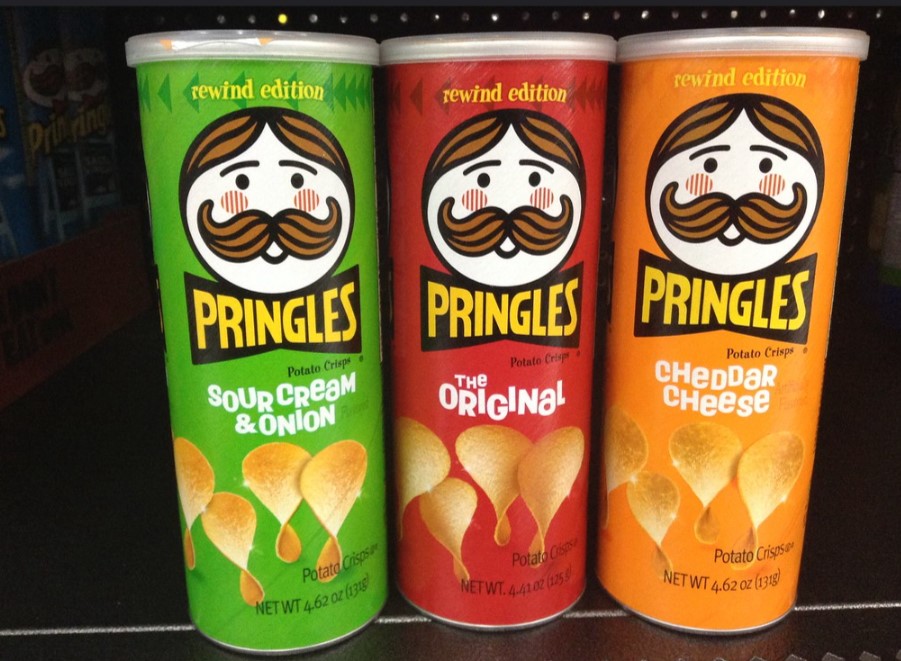
Shaped like curved saddles and stacked in tubes, Pringles barely qualify as “potato chips.” They contain just 42% potato, with the rest coming from rice, wheat, corn, and other processed stuff.
They make these by creating a mush that gets pressed into sheets, cut, fried, and flavored. This weird recipe helped Procter & Gamble avoid higher UK taxes until courts ruled against them in 2008.
The high-heat cooking creates acrylamide, which the FDA says might increase cancer risk over time. Think of these stacked snacks as occasional treats rather than everyday munching—they’re more food engineering than actual food.
12. Jelly Beans
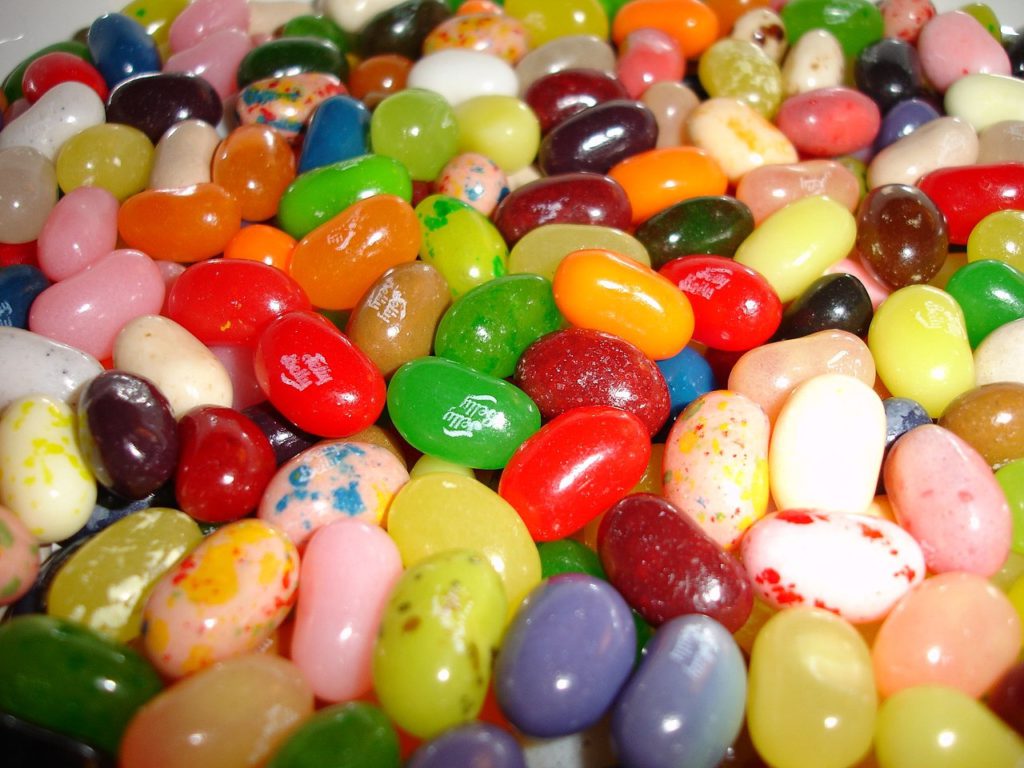
That shiny coating on jelly beans comes from bugs, something candy fans might not expect. Shellac, a resin secreted by insects after eating tree sap, creates that glossy finish. These bugs, found in Thailand and India, produce the substance that companies harvest, process into flakes, and dissolve in alcohol before using.
Candy makers apply this to create shine, calling it “confectioner’s glaze” in ingredient lists. This same stuff shows up in furniture polish and medicine capsules.
Vegans and people with certain religious diets often skip products with shellac. Reading labels turns from boring to detective work when you realize what those innocent-sounding terms actually mean.
11. Chewing Gum
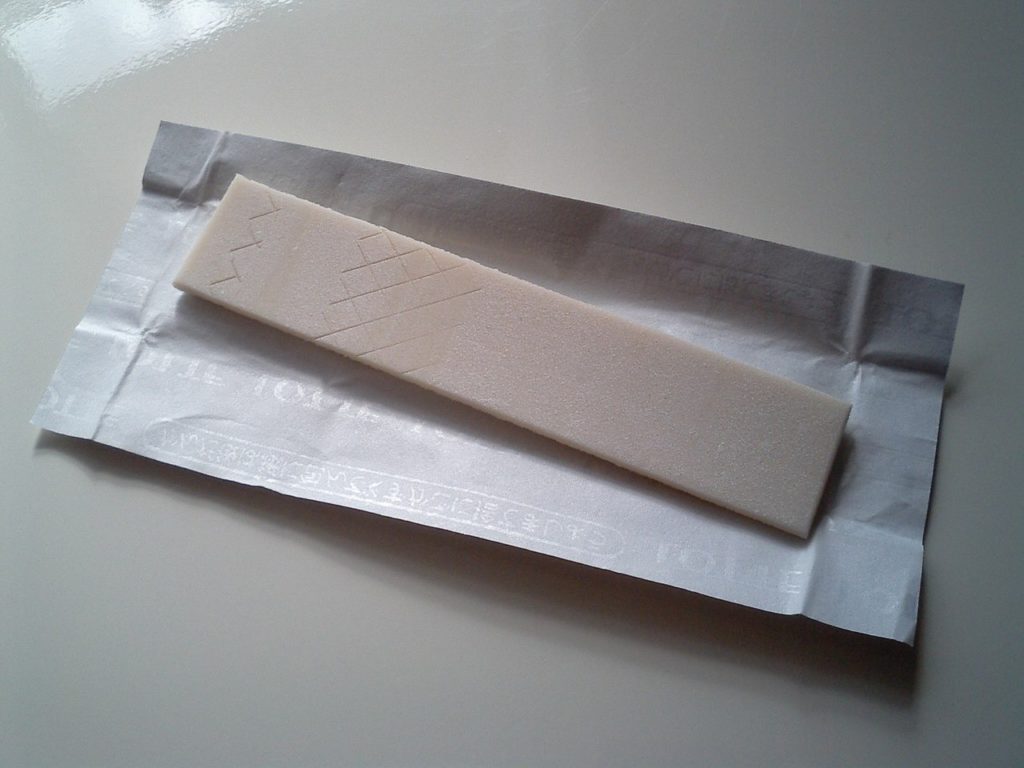
Caught chewing? You might be surprised what gives your gum that unique texture. Some kinds use lanolin, a waxy secretion from sheep’s wool, to make it chewier. The main ingredient, gum base, can come from natural latex or synthetic rubber.
While some gums help dental health or help people quit smoking, others contain titanium dioxide, a whitening agent recently limited in Europe because of health concerns.
For healthier options, look for brands like Simply Gum or PUR that use chicle (natural tree sap) as their base. That simple habit of chewing connects you to global supply chains you’ve probably never thought about.
10. Diamonds
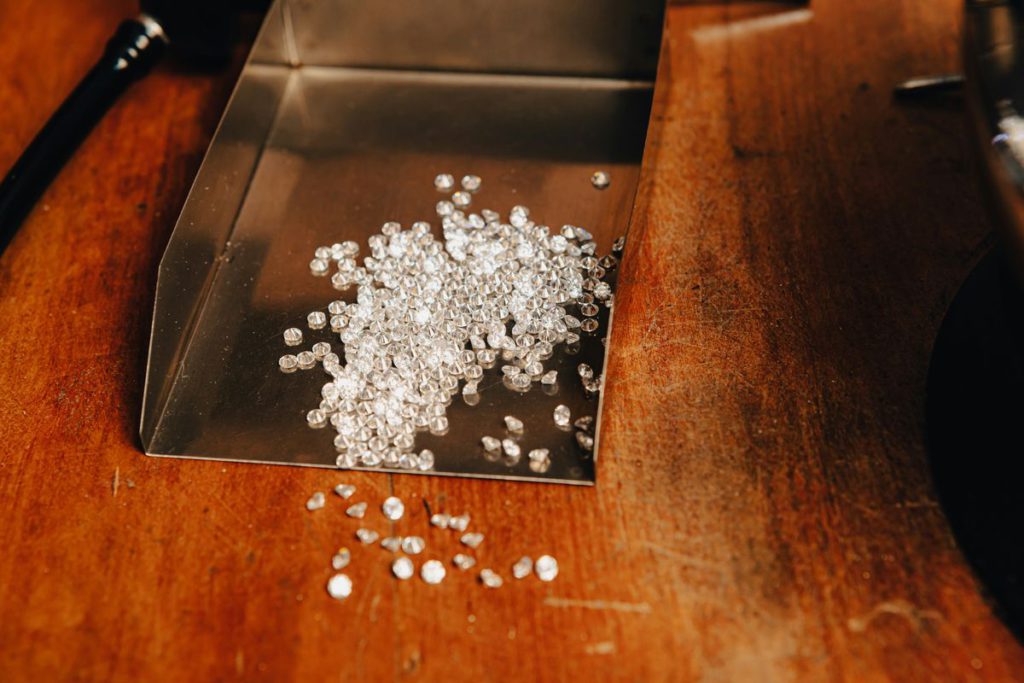
Blood and conflict taint many diamonds sold today. Conflict diamonds fund violent groups in war zones, where workers face dangerous conditions and abuse. Despite the Kimberley Process started in 2003 to stop conflict diamond trade, loopholes and corruption make it less effective.
Once a diamond enters the global market, tracking its real origin becomes nearly impossible. Lab-grown options offer an ethical choice, creating stones chemically identical to mined diamonds with 99% less impact according to Frost & Sullivan research.
Companies like Brilliant Earth and Clean Origin provide clear sourcing information. When buying symbols of love, ask if their origin matches the values your relationship stands for.
9. Silk
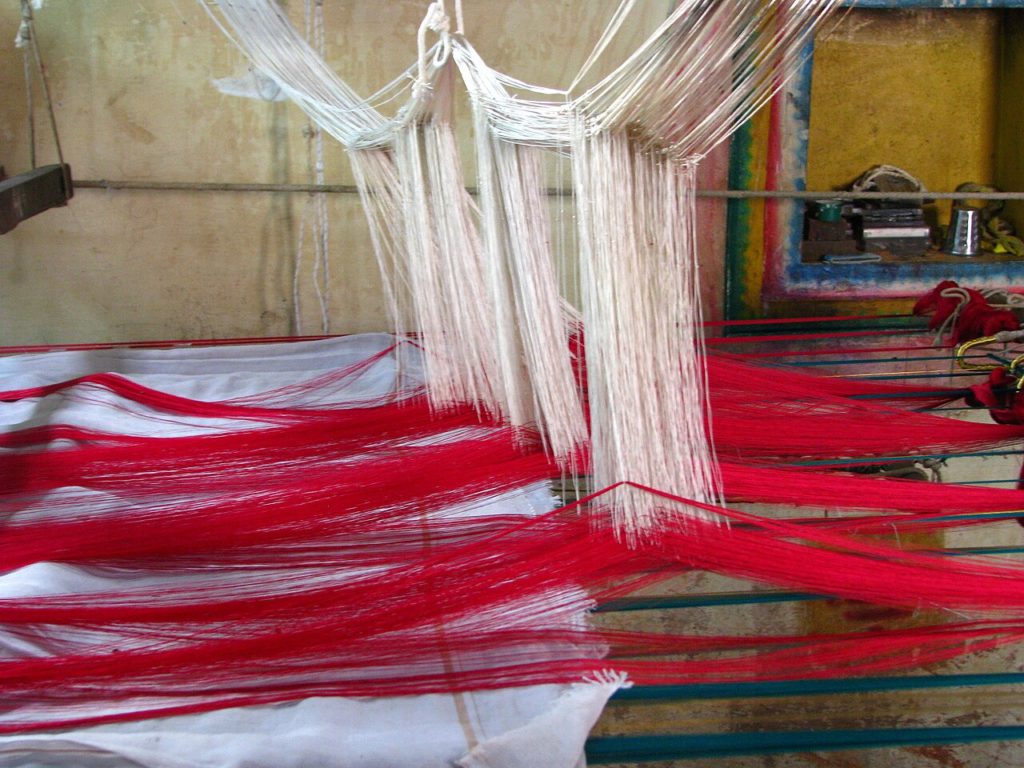
Luxury fabric costs more than money when silkworms die in the process. Traditional methods boil or steam silk cocoons, killing the silkworms before they become moths. About 2,500 silkworms die to make just one pound of raw silk.
Boiling preserves the continuous protein strand that makes silk so special. People who care about animal welfare can choose “peace silk” where moths emerge naturally before cocoon collection.
This fabric feels slightly different but doesn’t harm the insects. Each fabric choice makes a statement about your values when you know the full story behind that smooth feeling against your skin.
8. McDonald’s Apple Pie
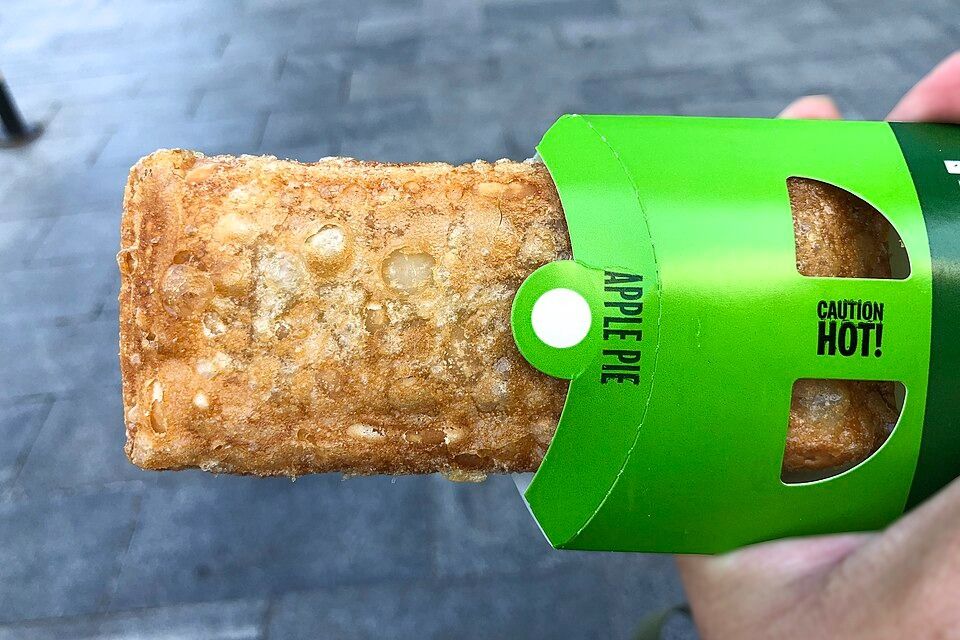
If you’ve enjoyed McDonald’s dessert, duck feathers might be a surprise ingredient. One unexpected component is L-cysteine, a dough softener derived from feathers in many commercial bakeries. This amino acid works to improve dough texture.
Other surprises include palm oil, which causes environmental problems from deforestation, and apple powder instead of just fresh apples. People wanting transparency can make pies at home or buy from bakeries using simple ingredients.
Companies like Wholly Wholesome make frozen pies with minimal processing and no animal parts. That golden crust tells a more complex story than most realize—one that makes you question what “apple pie” really means.
7. Enhanced Chicken and Beef
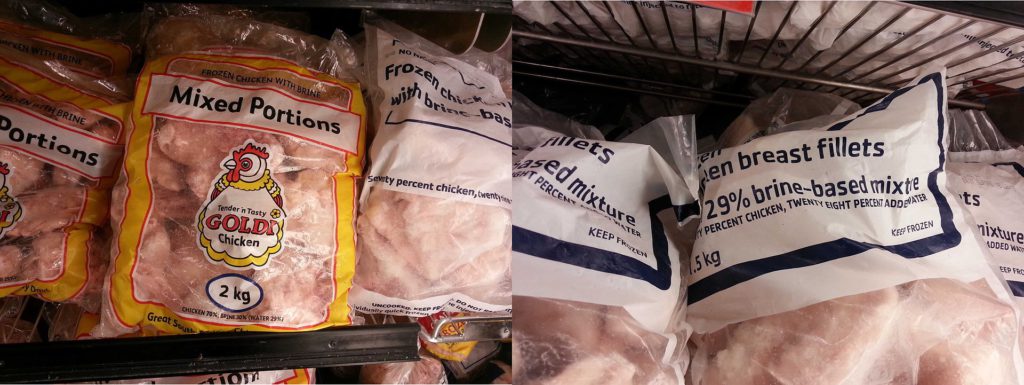
Your supposedly healthy chicken breast might hide a watery secret that costs you money and adds unwanted sodium. Food companies inject meats with salt water, letting chicken breasts hold 30% added water weight. This started as a way to keep meat moist during cooking.
The practice evolved into a profitable way to make products heavier while adding flavor with corn syrup, lemon concentrate, or broths. These additions drastically increase sodium, with enhanced chicken containing 540mg of sodium per serving compared to 70mg in natural chicken.
Look for “no added solutions” or “air-chilled” labels for chicken without this treatment. Simply checking packages for water content can protect both your health and wallet from this industry trick.
6. Parmesan Cheese
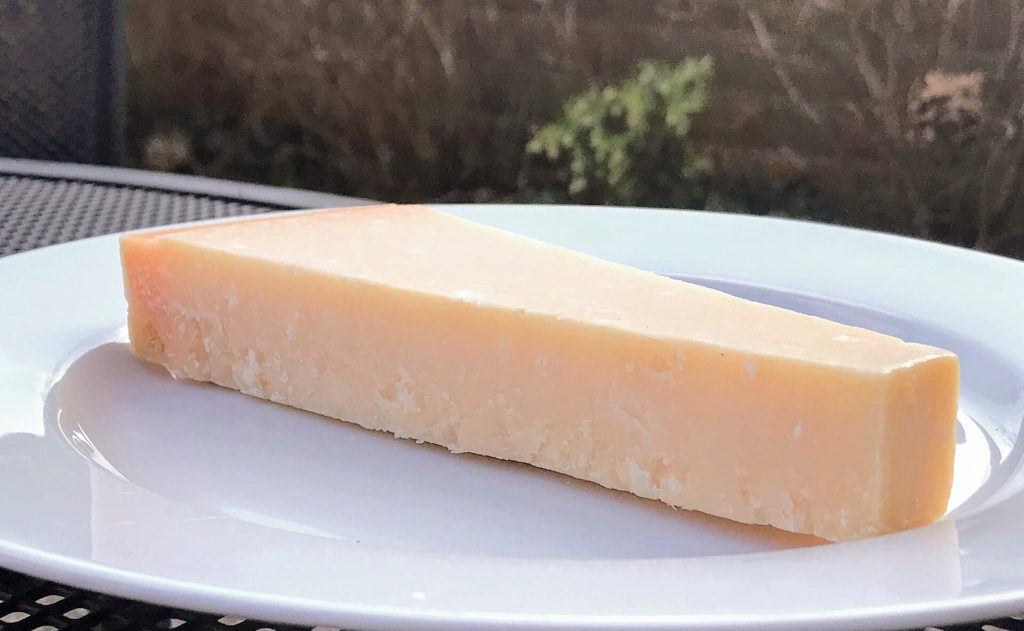
Vegetarians beware: Parmesan hides an animal ingredient few people think about. Real Parmesan uses rennet, an enzyme from calf stomachs after slaughter. This enzyme separates milk into curds and whey during cheese-making.
Some pre-grated Parmesan brands also include cellulose (wood pulp), with Bloomberg tests finding levels up to 8.8% in some products despite FDA guidelines suggesting 2-4% maximum.
Vegetarians can choose alternatives made with microbial rennet, though labels don’t have to specify rennet sources. Your cheese board carries more ethical complexity than most dinner talks—maybe it should start one about food transparency.
5. Beer

Fish bladders might swim in your beer without you knowing. Traditionally, many brewers use isinglass for clarification, though Guinness stopped this practice in 2017 after customers complained.
Tests by Mehmet Coelhan at the Technical University of Munich found trace arsenic in beers, with drinking about 2.5 beers daily potentially raising body arsenic levels by 30%. This comes mainly from filtering with diatomaceous earth.
For concerned drinkers, unfiltered craft beers and those labeled vegan avoid both issues. The craft beer movement does more than create interesting flavors—it often leads transparency practices that eventually change industry standards.
4. Chocolate and Coffee
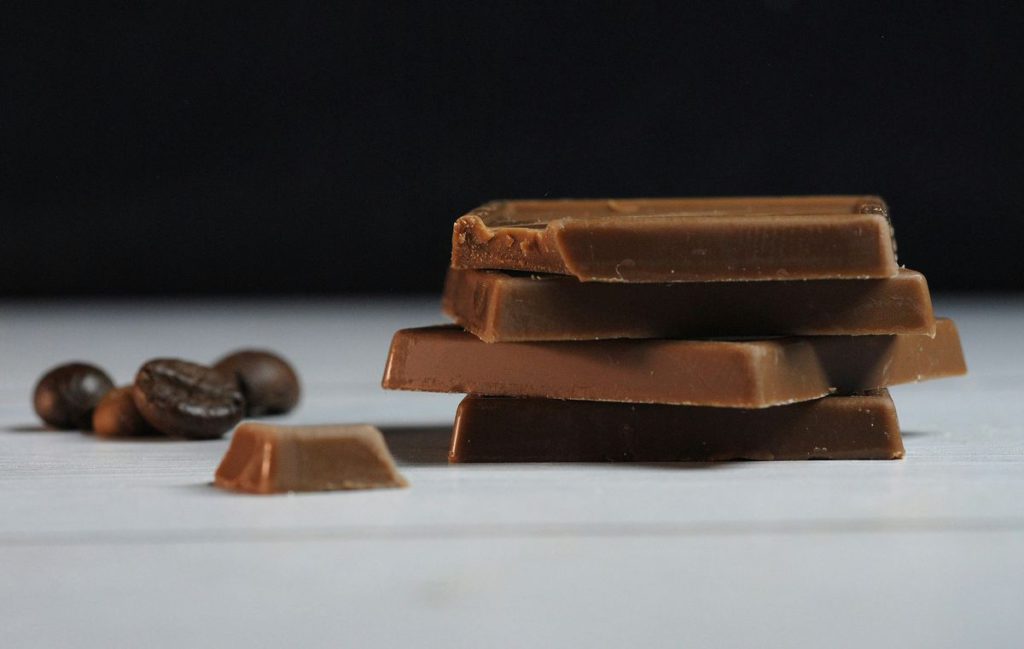
Behind every sip and bite of your favorite treats, troubling labor practices often hide unseen. These industries frequently exploit workers in developing countries, with child labor increasing 18% in West African cocoa regions between 2009-2014 according to Tulane University research.
In Brazil, coffee farms employ 37% more children than other agricultural sectors. Major companies like Nestle and Hershey faced criticism for supply chain problems despite sustainability promises.
To support ethical production, look for direct trade certifications rather than mass-market labels. Your morning ritual connects you directly to global labor practices—make it a conscious choice rather than mindless habit.
3. Red Bull
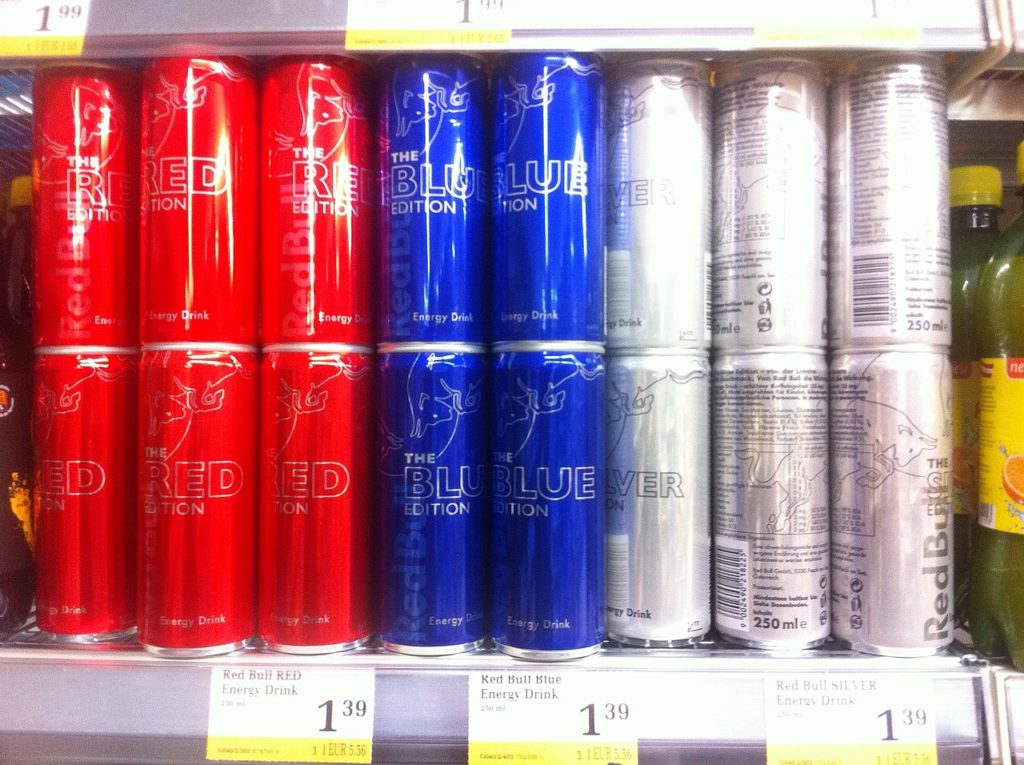
A single can packs 27 grams of sugar – nearly 7 teaspoons – plus 80mg of caffeine, synthetic taurine, and B vitamins. This powerful mix creates an immediate energy spike followed by a crash.
Research in the Journal of the American Heart Association found drinking just one or two cans might trigger abnormal heart rhythms even in healthy people. The caffeine and sugar combo delivers a quick energy surge that doesn’t last.
For healthier alternatives, try natural options like matcha tea or yerba mate. That temporary boost from energy drinks costs more long-term than most people realize—weigh that quick advantage against potential health problems.
2. Strawberry Frappuccinos

If you drink pink beverages, crushed bugs might create that pretty color. The bright red often comes from cochineal extract, made by crushing insects native to South America. Starbucks previously used this in strawberry Frappuccino’s until customer awareness made them switch to lycopene in 2012.
The FDA classifies cochineal as safe, requiring specific labeling as “carmine” rather than hiding it under “natural colors.” While this ingredient remains in many red foods and cosmetics, companies increasingly use plant alternatives.
Beet juice, lycopene, or purple carrot extract provide similar vibrant colors without insect parts. Consumer voices caused big changes at one of the world’s largest chains—proof that informed buyers can transform industry practices.
1. Perfumes
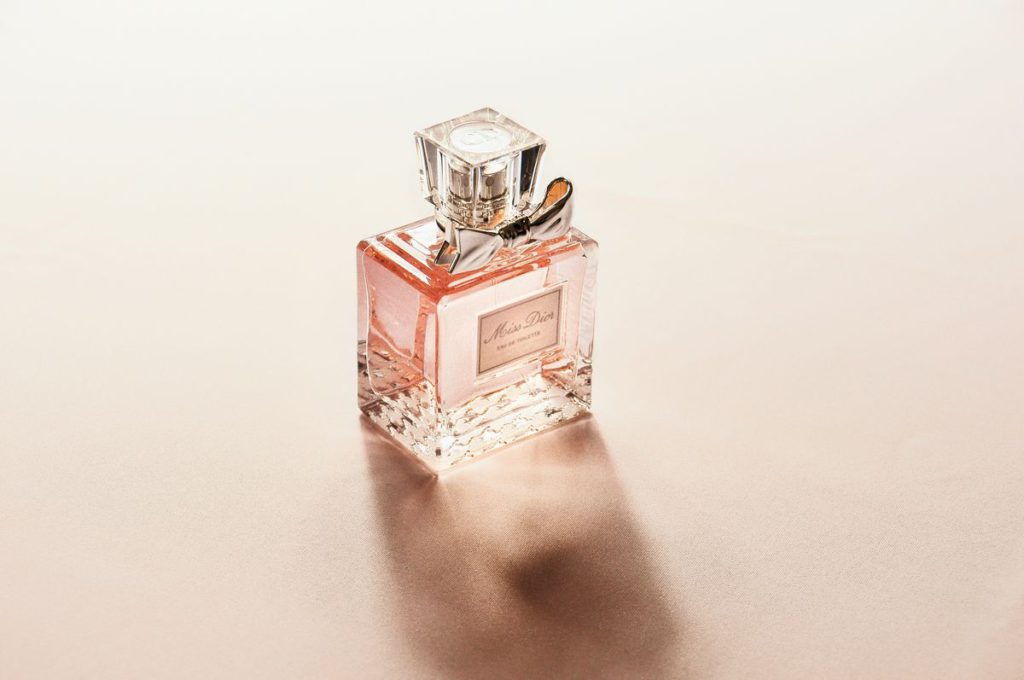
Your favorite fragrance’s lasting power might come from whale digestive material that can cost up to $35 per gram. Luxury perfumes often use ambergris, a waxy substance from sperm whale digestive systems, to fix scents and make them last longer. This rare material forms when whales expel indigestible squid beaks, which oxidize in seawater before washing ashore.
While the United States bans its use under the Endangered Species Act, countries like France and Switzerland still allow ambergris in perfumery, with prices reaching $35 per gram.
Ethical alternatives include synthetic ambrox and plant-derived fixatives from labdanum and balsam. Even invisible aspects of your scent carry ethical implications—perhaps the most luxurious choice is knowing your fragrance harms no species.