



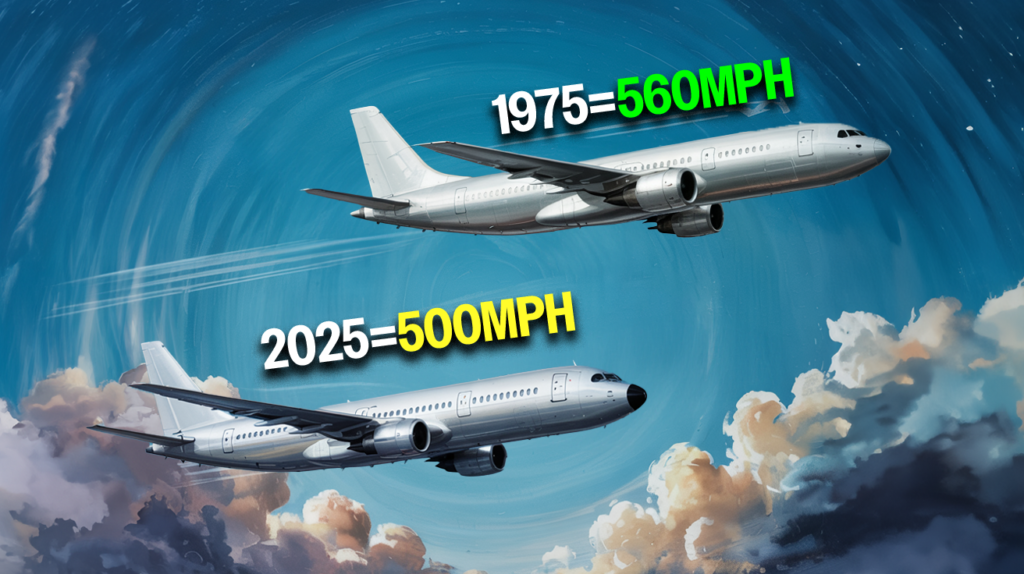
While jets have never been more advanced, passengers paradoxically experience slower travel times than their parents did decades ago. Aviation once prioritized speed above all else. Early jetliners dramatically slashed travel times, setting high expectations among passengers.
Today’s focus has shifted. Airlines now emphasize fuel efficiency and environmental responsibility over pure speed. Regulations and increasing air traffic further influence flight durations. These factors contribute to a perceived slowdown that challenges what you might expect from technological progress.
The friendly skies seem to have hit the brakes, but for good reason. When your next flight takes longer than expected, remember you’re benefiting from a revolution in sustainability that’s saving both money and the planet.
7. Fuel Efficiency
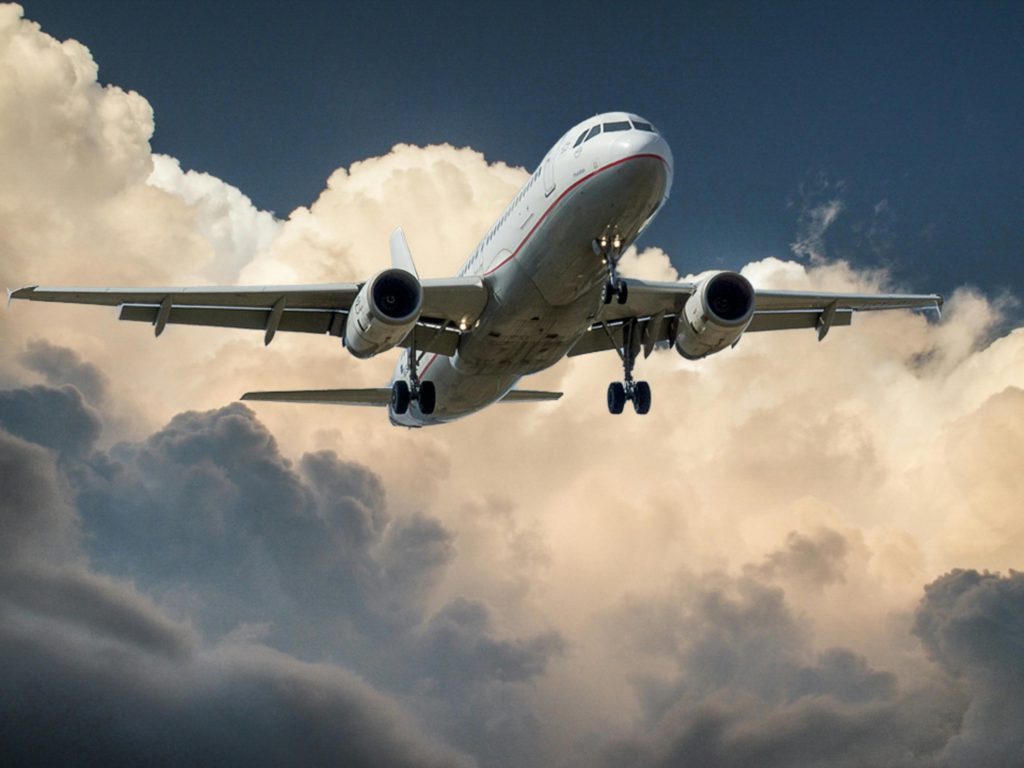
A mere 10% reduction in cruise speed delivers a whopping 20% fuel saving—a tradeoff airlines can’t afford to ignore. Small change, huge impact. This adjustment, much like those underrated songs from the 80s that later became classics, translates into millions of dollars saved annually for a single airline.
Boeing’s 787 Dreamliner showcases this principle with its 20% fuel economy improvement over previous models. This remarkable advance comes from using lighter, advanced composite materials that reduce overall weight while maintaining structural integrity.
For perspective, the Concorde consumed 6.7 times more fuel per passenger than a Boeing 747 on the same routes. That’s about as efficient as using a flamethrower to toast marshmallows. If you’ve noticed ticket prices haven’t skyrocketed with inflation, thank the engineers who chose efficiency over breaking the sound barrier.
6. Environmental Concerns
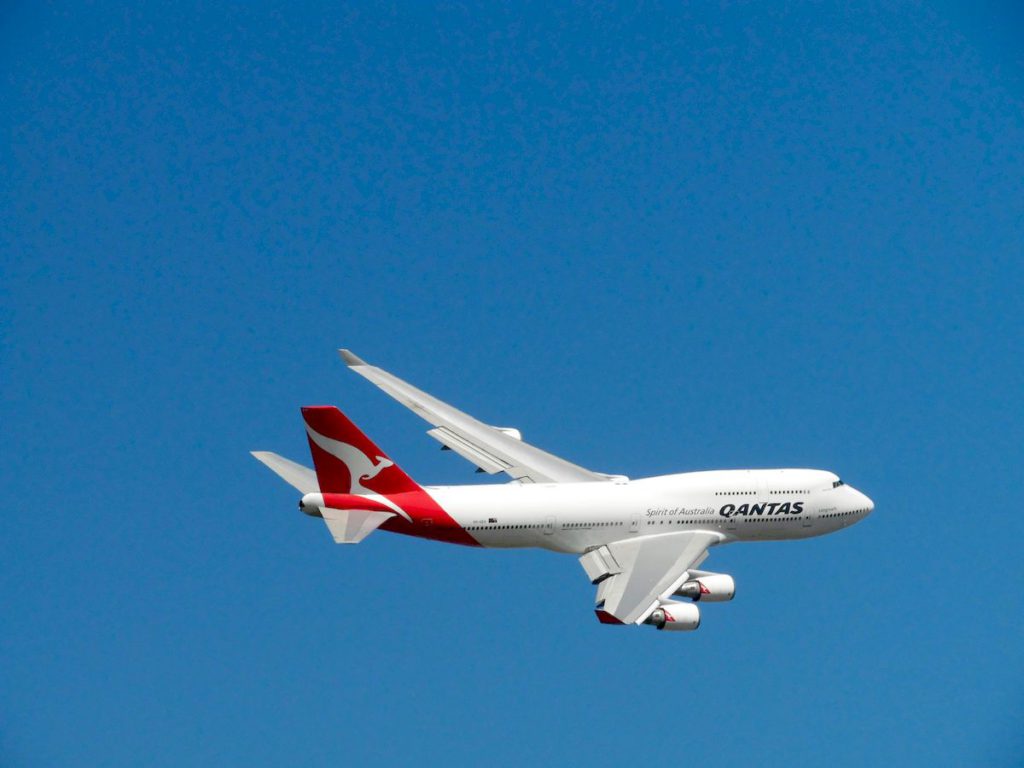
If you’re concerned about your carbon footprint, today’s slower flights offer a surprising environmental benefit that supersonic travel never could. Faster planes create sonic booms and significant noise pollution, especially over populated areas. As regulations tightened, manufacturers designed quieter engines that often operate at lower speeds.
Emissions from speed-focused aircraft were considerably higher overall. The Concorde, impressive as it was, produced more carbon in a single flight than some cars emit in years. This environmental impact became increasingly difficult to justify.
As global environmental consciousness grew, the aviation industry adapted. The tradeoff makes sense when you think about long-term sustainability. Every minute added to your flight time translates to a 3-5% reduction in environmental impact—a tradeoff that makes those extra minutes worth the wait.
5. Air Traffic Congestion
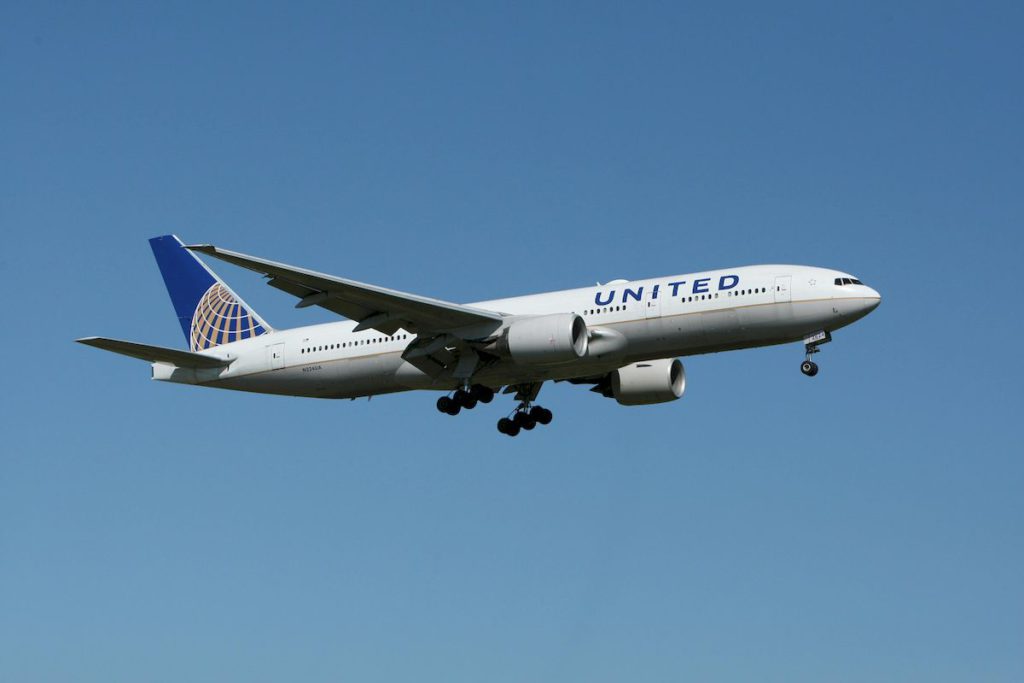
With over 4 billion annual passengers crowding global skies, even the fastest aircraft must now navigate what amounts to aerial traffic jams. That’s a lot of tiny shampoo bottles.
Major hubs face unprecedented congestion. Beijing Capital Airport became so overwhelmed that Daxing opened in 2019 as relief. Together, these airports will handle over 170 million passengers by 2025.
Delays at London’s Heathrow in 2019 cost airlines approximately $1.5 billion. This congestion directly impacts flight speeds and creates cascading delays throughout the system. Morning flights typically face 40% less congestion-related delay than afternoon departures, particularly at major hubs like Atlanta and Chicago.
4. Schedule Padding
That “on-time arrival” you celebrated last trip? It likely came after the airline secretly added an extra 30-60 minutes to the schedule. This practice, called schedule padding, helps airlines improve their on-time performance ratings. Sneaky? Yes. Effective? Also yes.
In 2019, about 79% of flights arrived “on time” according to US Department of Transportation data. Airlines now routinely add buffer time to schedules. A flight from London Heathrow to New York’s JFK took 7 hours and 15 minutes in 1996. By 2019, the same flight was scheduled for 8 hours and 15 minutes—a full hour longer!
This padding creates an interesting paradox: flights technically take longer on paper, but arrive “on time” more often. Next time you land “early,” remember your airline likely built in 30-60 minutes of buffer—turning potential complaints into passenger satisfaction.
3. Rise of Budget Airlines
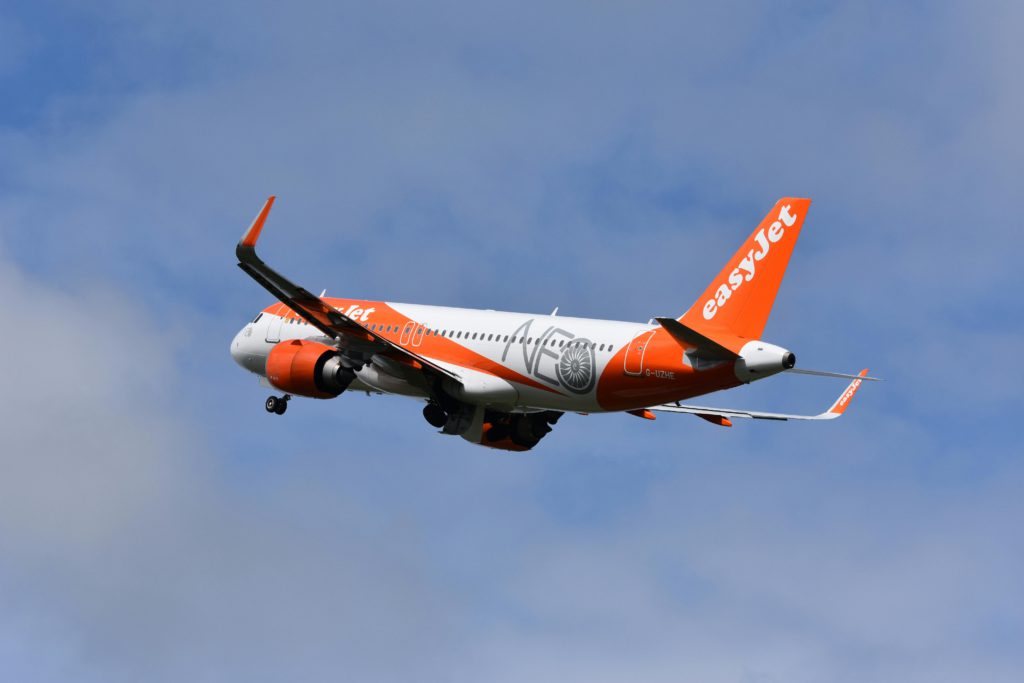
When Southwest and Ryanair prioritized $49 tickets over 590 mph speeds, they fundamentally changed what passengers expect from air travel. Companies like Ryanair, Southwest, and EasyJet disrupted traditional models by the early 2000s. They’re the fast-food chains of aviation—no frills, but they get the job done at a price that works for most people.
These airlines brought cost-effective travel options to millions of new flyers. Flying faster and burning more fuel would devastate their business model. They prioritized efficiency and utilization over speed, revolutionizing air travel accessibility.
This budget-focused approach influenced even the largest legacy carriers. Traditional airlines found themselves competing in an increasingly cost-conscious market, further reinforcing the industry-wide shift away from speed. Budget carriers’ focus on efficiency over speed has democratized air travel, turning what was once a luxury for the few into transportation for the many.
2. Modern Aircraft Design
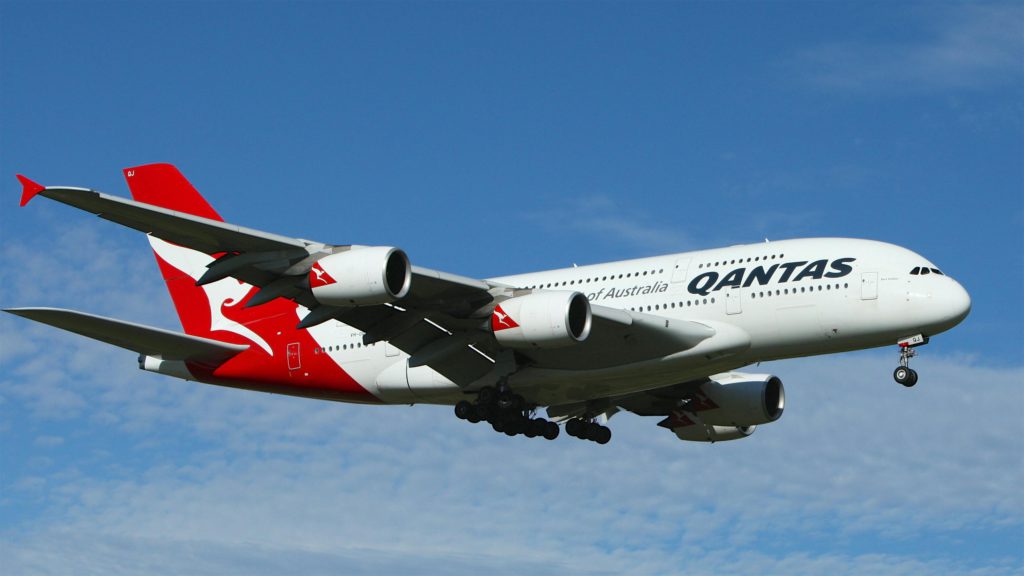
Caught between demands for efficiency, comfort, range, and environmental compliance, modern aircraft designs sacrifice raw speed for a more balanced approach. Modern planes fly quieter and more efficiently than their predecessors. They also offer longer ranges than earlier models, allowing direct flights between previously unconnected city pairs.
Built with advanced materials, these aircraft are lighter and more aerodynamic. Sophisticated technology ensures smoother rides and reduces the impact of turbulence. It’s a bit like how smartphones got thinner yet more powerful—engineers found ways to do more with less.
These modern designs represent impressive engineering achievements. When you experience a smooth flight through turbulent weather, you’re benefiting from design compromises that prioritized your comfort over shaving minutes off flight time.
1. Future of Aviation
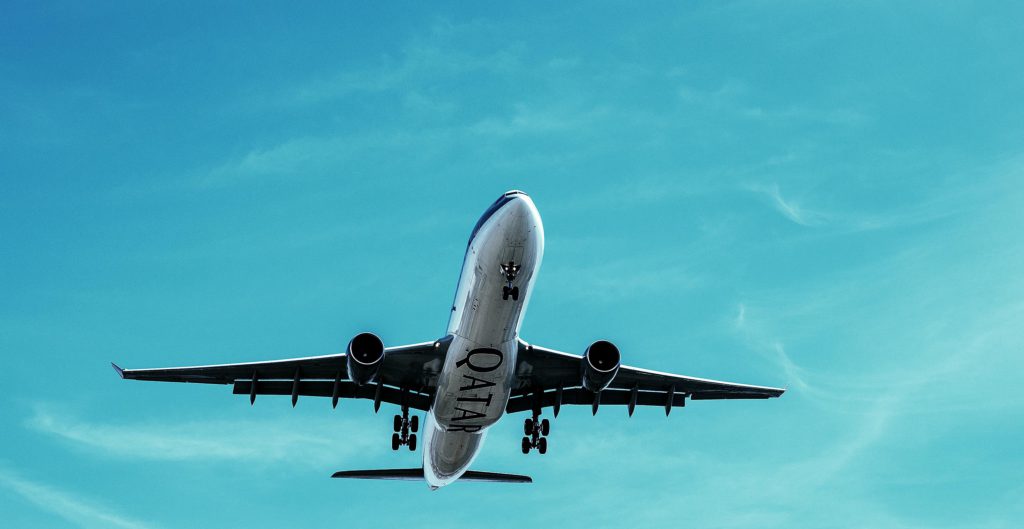
Speed enthusiasts rejoice—ventures like Boom Supersonic aim to resurrect faster-than-sound travel while solving the fuel-guzzling problems that doomed Concorde. Meanwhile, the industry pushes toward greener transportation alternatives. Electric planes and hydrogen fuel cell technology show promise but remain in development. These technologies currently have limitations, including lower speeds than conventional jet engines.
The future may bring innovations that reconnect with aviation’s speed-focused past while maintaining today’s efficiency standards. Packing Amazon travel essentials for a less stressful flight can help travelers cope with current limitations while we await these developments. Supersonic travel at economy prices remains the holy grail for aviation—and companies investing billions believe they can deliver it within this decade.