



Listen closely to any truly iconic 1970s soul record and you hear a distinct sonic fingerprint. This era, bursting with innovation, delivered a raw, emotive power that modern artists, despite unlimited budgets and advanced digital tools, often struggle to replicate. Even with every plugin and pristine microphone, that tape-saturated warmth remains a ghost in the machine. Those grooves hit harder than a Monday morning alarm. These albums defied industry expectations, and their enduring, unpolished sound continues to challenge contemporary music, proving some magic just cannot be bottled.
10. The Isley Brothers – 3 + 3 (1973)
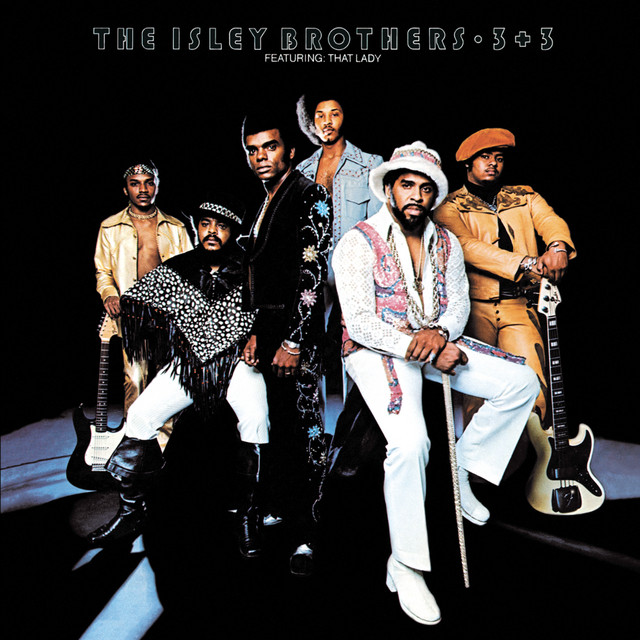
When family harmony met Hendrix’s fire, soul music found its rock edge.
In August 1973, The Isley Brothers released ‘3 + 3‘ on their own T-Neck imprint, distributed by Epic/CBS, masters firmly in hand. This wasn’t just business; it was a sonic revolution. The original vocal trio expanded to a six-man lineup, welcoming Ernie, Marvin Isley, and brother-in-law Chris Jasper. This fused their deep soul and funk with an aggressive rock edge, a bold pivot like a Michelin chef dropping stars for a food truck.
Ernie Isley’s Jimi Hendrix-inspired lead guitar became the album’s raw, fiery core, especially on “That Lady (Part 1).” That single rocketed to #6 Pop and #2 R&B, proving ambitious fusion could conquer radio. Artists often overthink evolution, producing bland airport sushi. The Isleys, however, blended rock, soul, and funk seamlessly, delivering an album both potent and uncompromising.
9. Isaac Hayes – Shaft (1971)
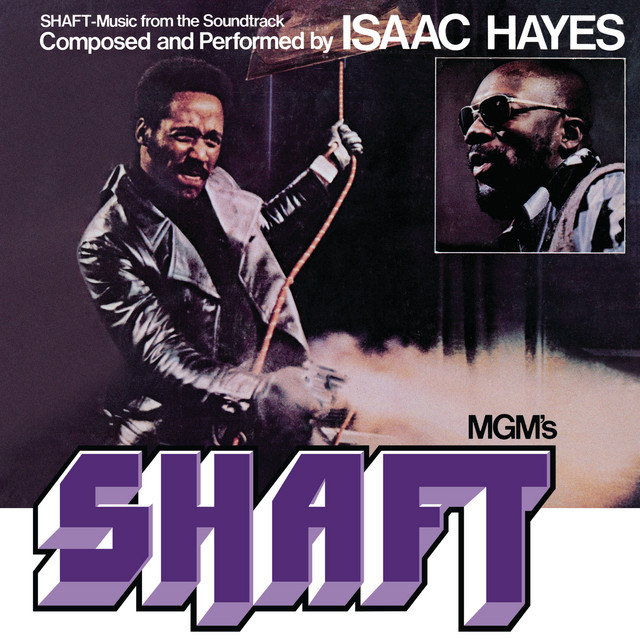
The soundtrack that made orchestral soul a cinematic force and turned wah-wah guitar into an Oscar winner.
In 1972, Isaac Hayes became the first African American to win a non-acting Academy Award for Best Original Song with “Theme from Shaft.” This felt like showing up for an audition, missing the part, but still leaving with the golden statue. The 1971 Shaft soundtrack, released on Stax Records’ Enterprise label, redefined film music as one of the first R&B double albums of original material.
The iconic title track hit No. 1 on the Billboard Hot 100. Hayes shattered traditional soundtrack formats, featuring “Soulsville,” a 6-minute urban meditation, and “Do Your Thing,” a 19-minute funk improvisation. This was no mere background score; it became the definitive sonic blueprint that defined the blaxploitation soundtrack era and remains the best-selling release in Stax Records history.
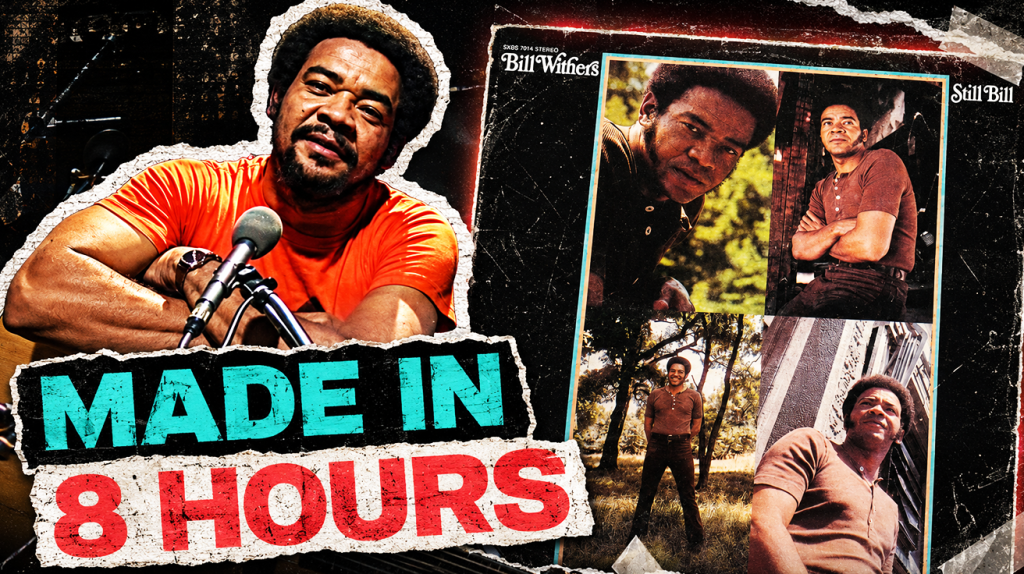
8. Bill Withers – Still Bill (1972)
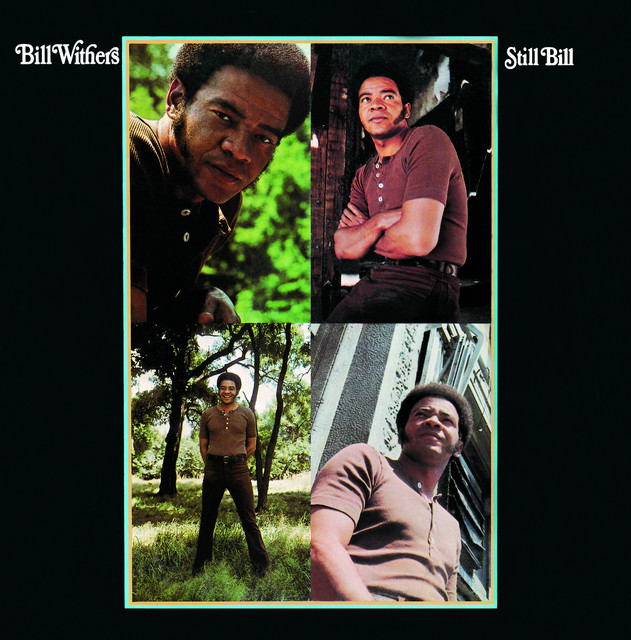
Eight hours in the studio, a $7,500 budget, and two chart-toppers that proved soul needs no grand production.
Bill Withers’s 1972 album, Still Bill, was famously recorded in just eight hours for a mere $7,500, proving true soul needs no extravagant budget. Released in May 1972, this record cuts through industry pretense, delivering raw, lived-in truth. Anyone who’s heard “Lean on Me” feels that authentic connection.
The song climbed to #1 on both the Billboard Hot 100 and R&B charts, directly reflecting Withers’s communal upbringing in Slab Fork, West Virginia. The album’s genius continues with “Who Is He (And What Is He to You?),” building tension from a minimalist four-note bass groove, a subtle power often lost in modern pop’s maximalist tendencies. “Use Me” carved its own path, and Withers poured his life into this music.
7. Al Green – Call Me (1973)
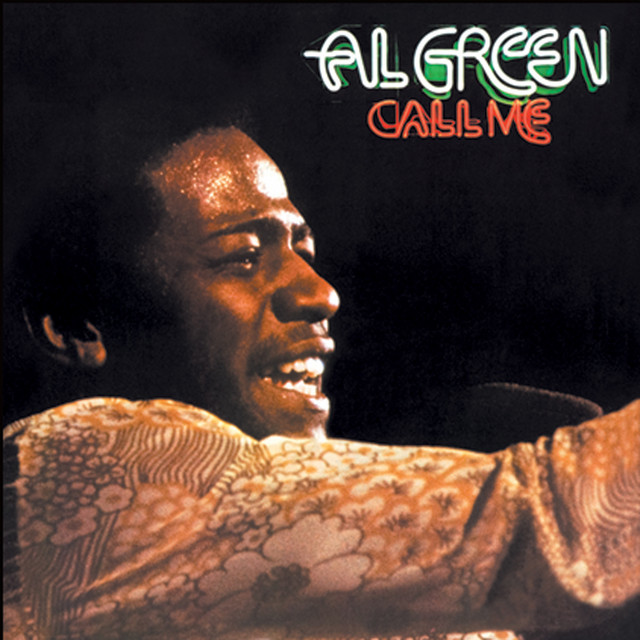
Memphis soul met country heartbreak, and the result hit the Top 10 three times.
Dropping two country covers onto a soul album at the height of fame takes nerve. Recorded at Royal Studios in Memphis with producer Willie Mitchell, Call Me wasn’t just another LP. It delivered signature Memphis soul while subtly weaving in country and gospel, like a Michelin-starred chef serving up elevated diner food.
This blend paid off, spawning three Top 10 Pop and Top 10 R&B singles, with “You Ought to Be with Me” hitting #3 Pop and #1 R&B. Green transformed Hank Williams’s “I’m So Lonesome I Could Cry” and Willie Nelson’s “Funny How Time Slips Away” into intimate soul performances. Both “Call Me (Come Back Home)” and “Here I Am (Come and Take Me)” reached #10 Pop and #2 R&B. The album’s final track, “Jesus Is Waiting,” subtly foreshadowed his pivot to pastoring in 1976.
6. Earth, Wind & Fire – That’s the Way of the World (1975)
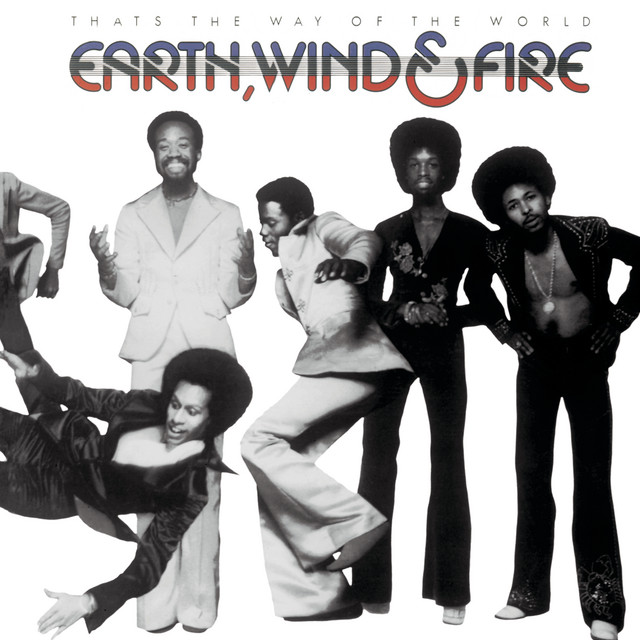
A forgotten film got a diamond-certified soundtrack that topped both pop and R&B charts for weeks.
Released in March 1975, That’s the Way of the World became a multi-platinum success, thoroughly eclipsing the forgotten film it was meant to soundtrack. This wasn’t a mere companion; it was an artistic supernova that swallowed its cinematic sparkler. Maurice White, a session drummer honed at Chess Records, forged Earth, Wind & Fire’s robust sound through years of foundational work.
The album rocketed to #1 on both the Billboard 200 and R&B charts, showcasing White’s sophisticated vision. It unleashed the Grammy-winning #1 single “Shining Star” and its title track, which hit the R&B Top 20. Philip Bailey’s falsetto on “Reasons” solidified its place, blending intricate arrangements with raw emotion. This record stands as a textbook example of sophisticated 1970s progressive soul and funk.
5. Donny Hathaway – Live (1972)
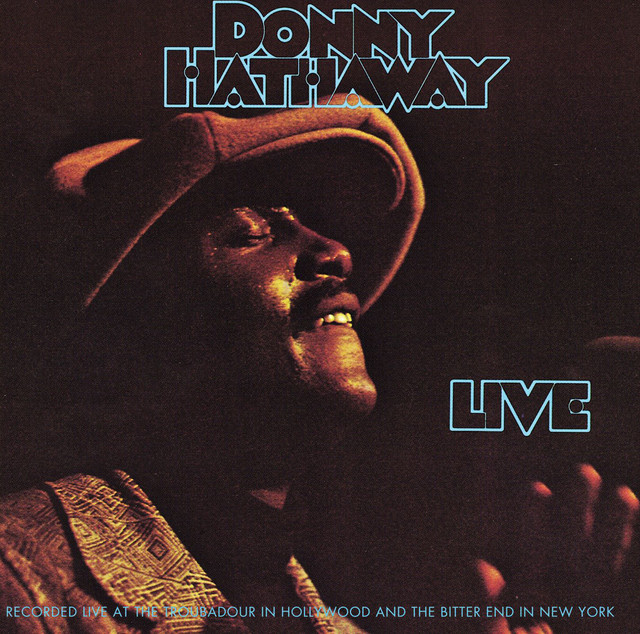
When a 12-minute “The Ghetto” turns an audience into a choir, recordings capture something beyond performance.
Donny Hathaway’s Live, released in 1972, offers more than sound; it’s a visceral document of raw, unrepeatable presence. This album, a fixture on Rolling Stone’s list of the greatest live albums ever, immerses listeners in his electric 1971 performances at The Troubadour in Los Angeles and The Bitter End in New York City. His renditions of Carole King’s “You’ve Got a Friend” and Marvin Gaye’s “What’s Going On” aren’t just covers, but seismic re-imaginings.
The 12-minute “The Ghetto” epitomizes Hathaway’s unique communion. The audience carries the song for a full minute, transforming it into a collective heartbeat—a moment as rare as finding a quiet corner at a TikTok house. This album captures Hathaway at his electrifying peak, a vital performance from a man battling mental illness who died at 33 in 1979.
4. Curtis Mayfield – Super Fly (1972)
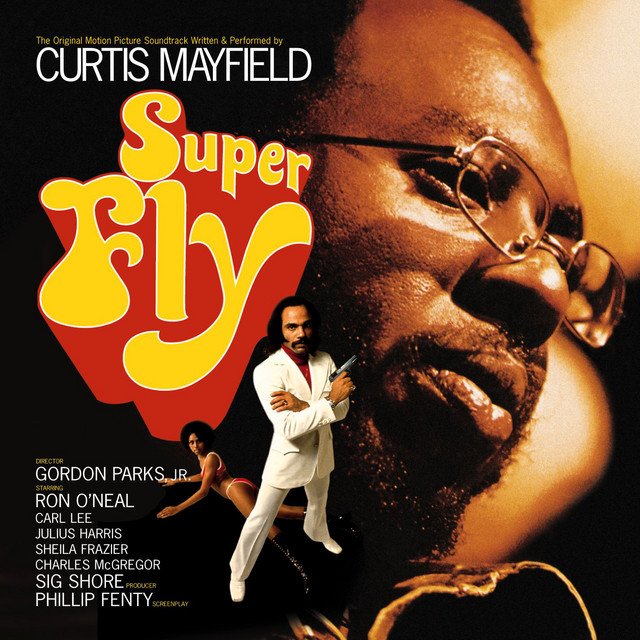
Street-level truth about addiction and dealers outsold the film it soundtracked and topped the Billboard 200.
Released in July 1972 on his Curtom label, Curtis Mayfield’s Super Fly offered a moral counter-narrative, a raw look at addiction and urban decay that the movie often glossed over. Some artists recycle sounds like old fast fashion trends; Mayfield was crafting a moral compass for a generation, a brutal backdrop that infused tracks like “Pusherman” with street-level truth sharper than a switchblade.
The album became his first #1 Pop album and one of the rare soundtracks to commercially overshadow its film. This album produced two hit singles: “Freddie’s Dead,” which reached #4 Pop, and the title track, which hit #8 Pop. Mayfield’s upbringing in Chicago’s Cabrini-Green housing projects gave his lyrics undeniable authenticity, turning songs about drug dealers and addiction into critical commentary. This unfiltered realism, paired with his innovative progressive soul, solidified its influence on artists from Beyoncé to Kendrick Lamar.
3. Marvin Gaye – Let’s Get It On (1973)
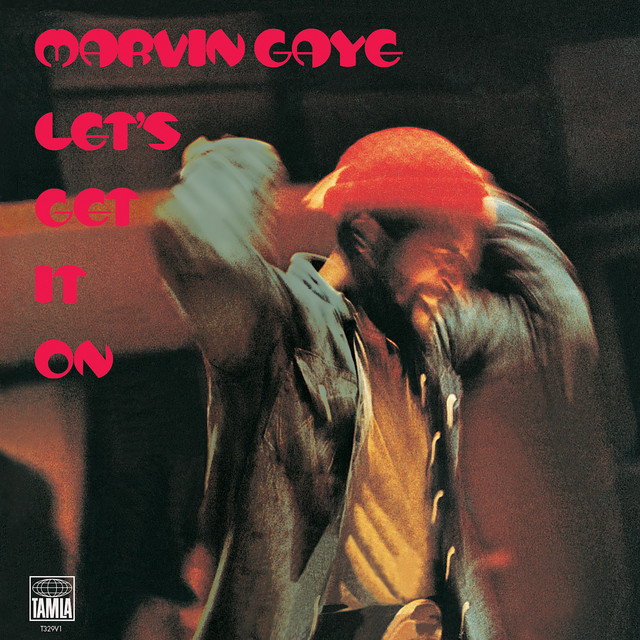
After dissecting society’s wounds, Gaye turned inward and created one of music’s most vulnerable seduction records.
The album Let’s Get It On, released August 28, 1973, on Motown’s Tamla label, defied expectations after Marvin Gaye’s social commentary masterpiece, What’s Going On. Instead, this record plunged headfirst into romantic and sexual intimacy, yet critics and fans embraced it immediately. The title track soared to #1 on both the Billboard Hot 100 and R&B charts, proving that vulnerability could still dominate the airwaves.
The full album peaked at #2 on the Billboard 200 and #1 on the R&B charts, a seismic shift from his previous work. Co-writer Ed Townsend was pivotal in framing physical love not as mere pleasure, but as a sacred, spiritual experience. Anyone familiar with the tension between public persona and private self can understand what Gaye navigated, especially after Tammi Terrell’s death. His vocal performance on the title track remains one of the most unguarded in recorded history, feeling less like a performance and more like overhearing a confession at 3 AM.
2. Stevie Wonder – Songs in the Key of Life (1976)
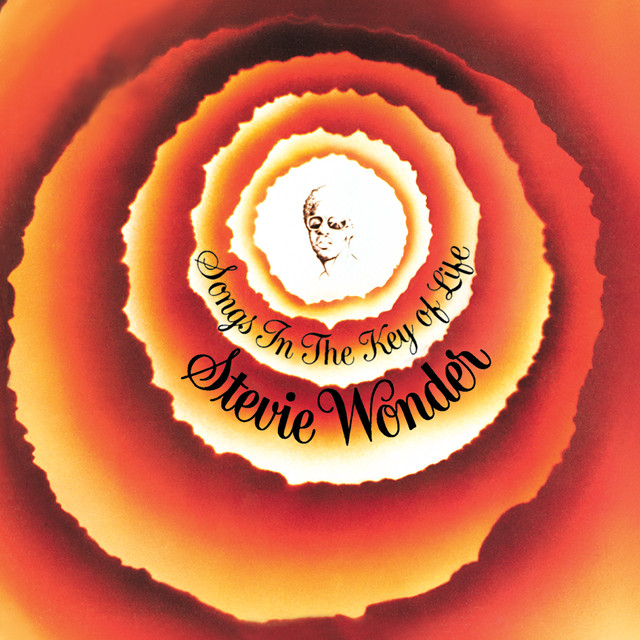
Twenty-one original compositions, 14 weeks at #1, and a creative vision that makes modern algorithms look clueless.
In early 1975, Stevie Wonder considered walking away from music entirely. Motown countered with one of history’s largest recording contracts. The result, released on September 28, 1976, was Songs in the Key of Life, a sprawling double album plus a four-song bonus EP. It featured 21 original compositions, all largely written, produced, and performed by Wonder over 2.5 years—an act of singular vision that felt like building an entire restaurant empire from scratch, plate by plate, alone.
The album wasn’t just ambitious; it was a commercial juggernaut, debuting at #1 on the Billboard 200 and holding that spot for 14 consecutive weeks. Everything from the funk of “I Wish” and the jazz tributes in “Sir Duke,” both hitting #1 on the charts, to the deeply personal “Isn’t She Lovely,” featuring his daughter Aisha’s baby sounds, appears here. This creative output, balancing personal moments with sharp socio-political commentary like “Village Ghetto Land” and “Pastime Paradise,” defies algorithmic comprehension. The record sold 10 million copies in the US.
1. Marvin Gaye – What’s Going On (1971)
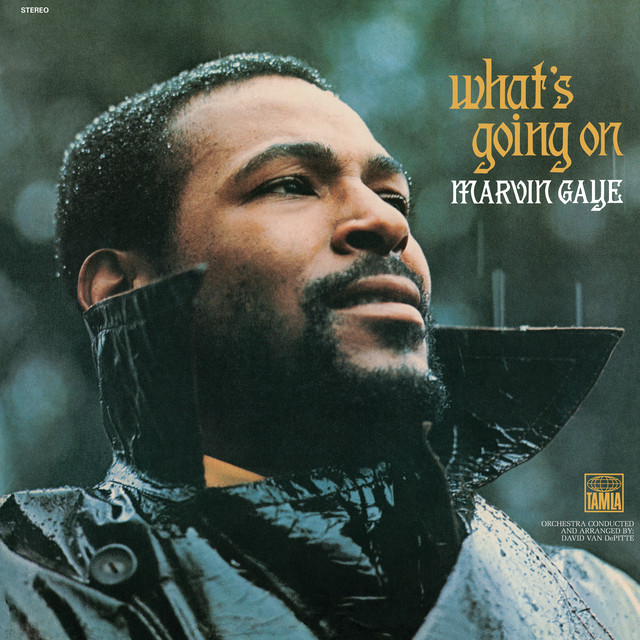
Berry Gordy called it the worst record he’d ever heard; it sold 100,000 copies on day one and now tops Rolling Stone’s greatest albums list.
Berry Gordy dismissed the title track for What’s Going On as the worst record he’d ever heard. Yet this profound concept album sold 100,000 copies on its first day. Released May 21, 1971, Gaye delivered a 35-minute continuous suite, a jazz-inflected narrative from a Vietnam veteran’s perspective. It confronted war, poverty, police brutality, and environmental damage—a radical departure for Motown’s pop machine. The legendary James Jamerson even recorded the iconic bassline for the title track lying on his back.
Despite initial rejection, the album’s fearless social commentary spawned three Top 10 singles: “Mercy Mercy Me (The Ecology),” “Inner City Blues (Make Me Wanna Holler),” and the title track. It forced the industry to acknowledge music beyond escapism, a cultural shift. Today, What’s Going On ranks #1 on Rolling Stone’s list of greatest albums. Gaye, who died on April 1, 1984, at age 44, remained skeptical about global progress. The album stands as an unyielding question, a mic drop heard across decades.