


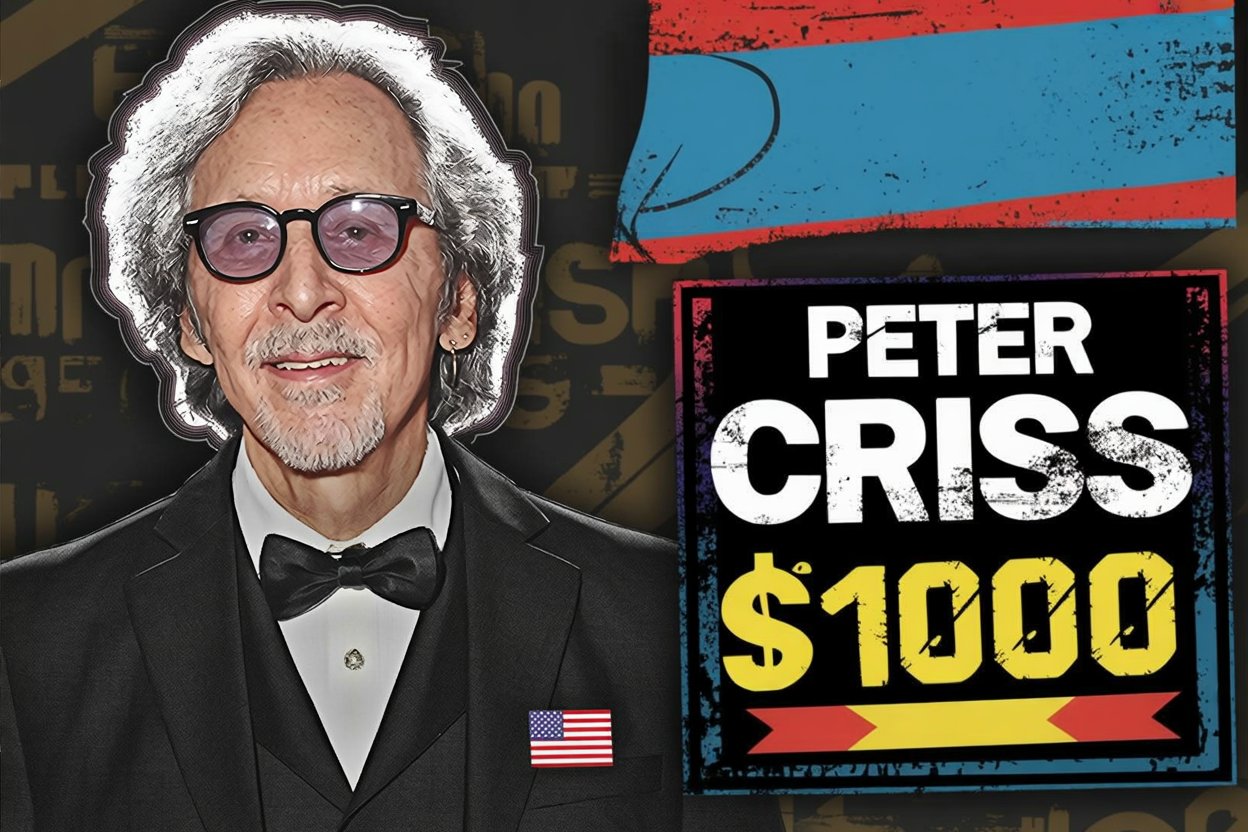
Peter Criss‘s new album costs $1,000 to download digitally while the same tracks cost $15 on CD or $33 on vinyl. That’s not a typo or a BandCamp glitch. The KISS drummer’s first solo album in 18 years comes with an intentionally prohibitive digital price tag and a blunt explanation: “Digital purchases are discouraged. That’s why the high price.”
The self-titled album, released December 19, marks Criss’s return to straight-ahead rock after nearly two decades of jazz-leaning solo work. Featuring collaborations with guitarist John 5, bassist Billy Sheehan, and keyboardist Paul Shaffer, the 11-track effort deliberately channels the hard rock energy of classic KISS albums like “Destroyer” and “Rock and Roll Over.”
According to Criss, “I had an absolute blast doing this rock album. Everyone was so great and so fun to work with.”
Here’s where the strategy gets interesting: both physical formats include download codes anyway. You’re essentially getting the digital version for free when you buy the vinyl or CD. It’s a pricing structure that rewards collectors while making a statement about music ownership in the streaming age.
Physical Media’s Digital Rebellion
This pricing experiment highlights fundamental tensions about artist autonomy and music consumption.
The approach reveals something deeper than nostalgia for physical media. While major streaming platforms offer artists pennies per play, direct sales through platforms like BandCamp put control back in artists’ hands. Criss isn’t just discouraging digital downloads—he’s encouraging a specific type of fan engagement that involves tangible ownership and intentional listening.
The strategy faces immediate contradictions, though. The album simultaneously sells for $9.99 on iTunes, highlighting the complexity of modern music distribution. Different platforms operate under different agreements, and artists don’t always control pricing across every outlet.
This mirrors broader industry conversations about artist autonomy, from Taylor Swift’s re-recording project to Radiohead’s pay-what-you-want experiments. As vinyl sales continue outpacing CD sales for the fourth consecutive year, Criss’s gambit taps into genuine consumer behavior rather than manufactured scarcity.
Whether fans bite remains unclear, but the pricing experiment highlights a fundamental tension between convenience and ownership, streaming algorithms and intentional discovery. For an artist who helped define arena rock’s theatrical excess, making a statement through pricing feels perfectly on-brand.