



A statistical anomaly unfolds when a debut album sells millions without a single radio hit acting as its hype man. These aren’t bands playing algorithmic bingo, chasing the dopamine hit of a playlist slot; they are the few who bet on pure talent and a sound too singular to ignore. They skipped the endless single-churn, trusting listeners to plunge into an entire record that built enduring legacies, not just fleeting trends. Uncover the secrets behind these self-selling masterpieces that bypassed the industry’s typical ladder and still scaled the charts.
5. Led Zeppelin
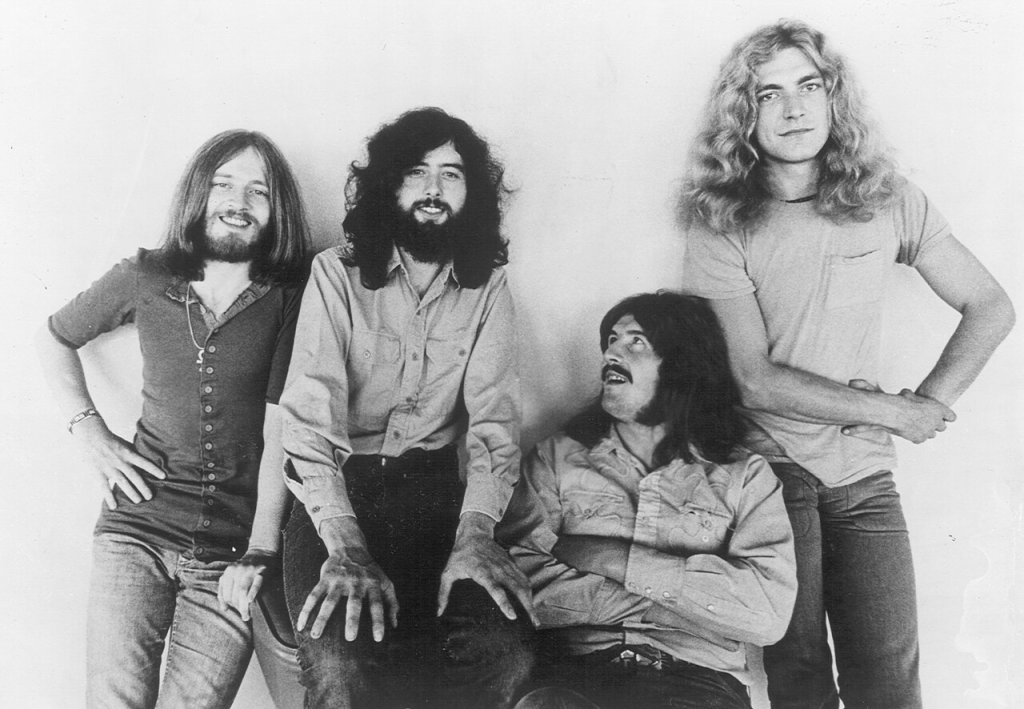
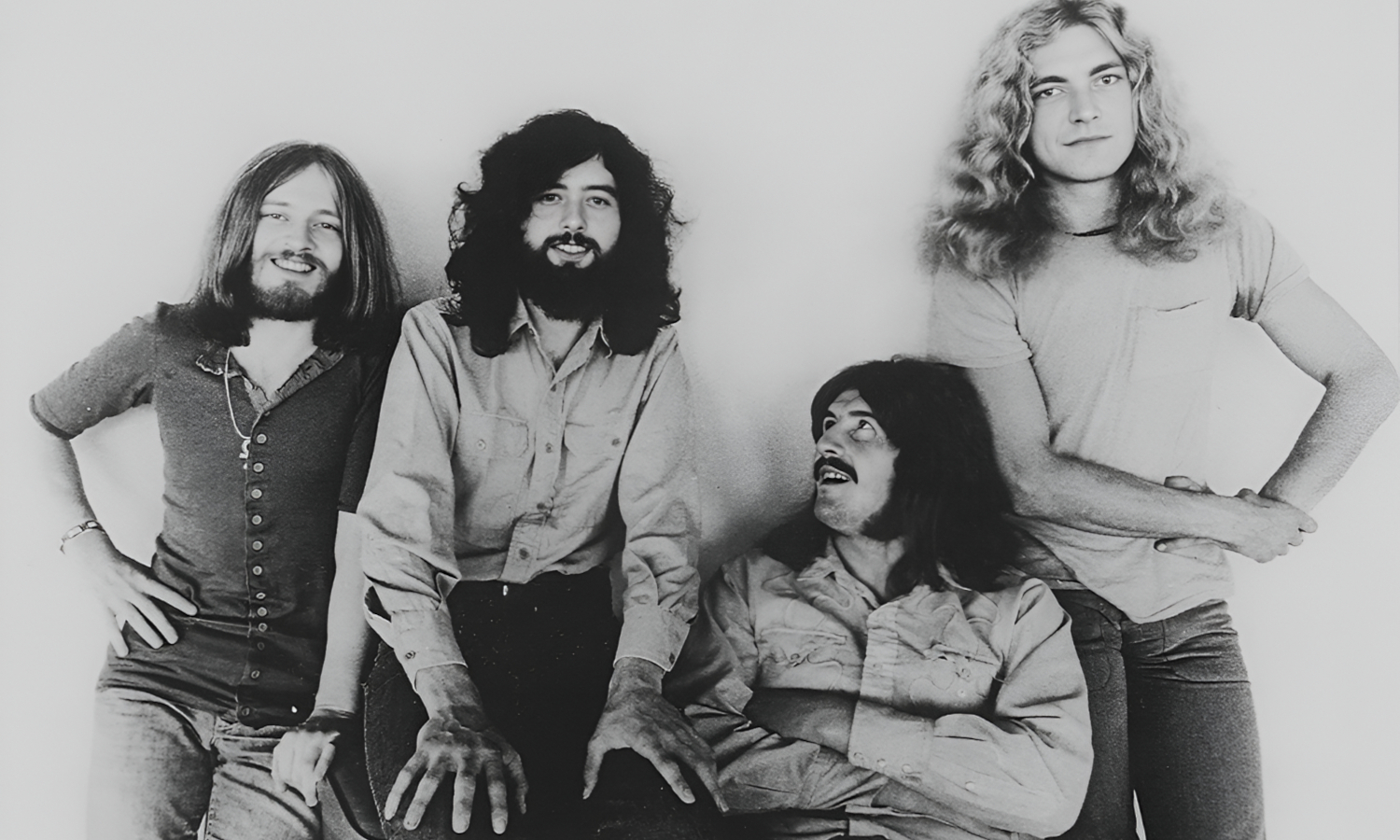
Jimmy Page’s 30-hour studio sprint birthed a sonic sledgehammer that rewrote rock’s rulebook.
Recorded in a blistering 30–36 hours for just £1,782, Led Zeppelin’s debut sounds less like a studio artifact and more like a live detonation. Jimmy Page, self-producing, pioneered a distant microphone technique, giving John Bonham’s drums undeniable weight. This gritty, immediate experience defied 1960s pop conventions entirely.
This sonic sledgehammer ascended, hitting No. 10 on the US Billboard 200 and No. 6 on the UK Albums Chart. Tracks like “Good Times Bad Times” and “Communication Breakdown” demanded full attention, pulling listeners into a sonic mosh pit. Headphones on, the world fading, suddenly tangled in its wiring, feeling every riff like a jolt to the nervous system.
4. Boston
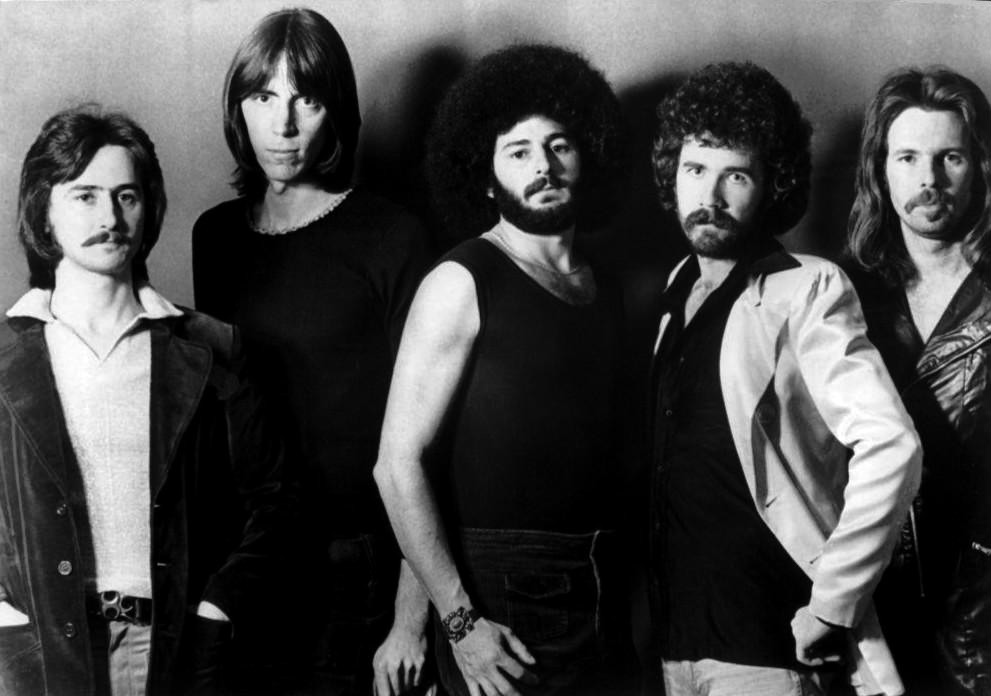
An MIT engineer armed with a soldering iron proved basement perfectionism beats label-funded hype every time.
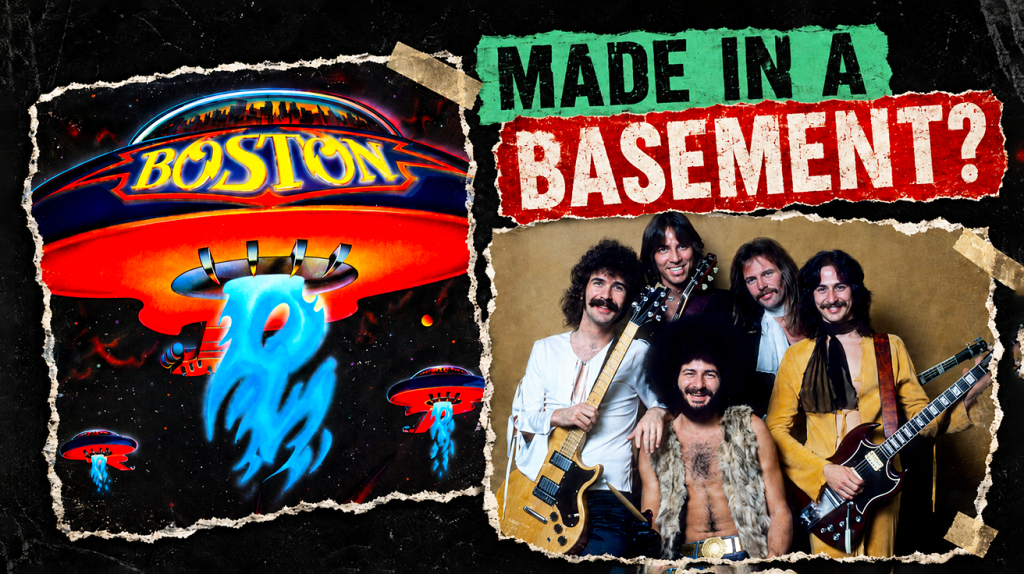
Selling over 17 million copies in the United States and 20 million worldwide, Boston’s self-titled debut was less an album and more a sonic invasion. Tom Scholz, an MIT-trained mechanical engineer who worked at Polaroid, spent years in his basement studio meticulously crafting demos. He wasn’t just recording; he was reverse-engineering stadium rock, striving for a spacious, clean, multi-tracked guitar sound that felt beamed from another dimension.
Even with “More Than a Feeling” peaking at No. 5, FM radio relentlessly drove this album into permanent rotation. Scholz’s perfectionism made the record feel indestructible, a testament to his endless tweaking. Spin this album countless times and still discover a new guitar layer or vocal harmony somehow missed before. The result redefined “debut” and proved that sometimes, the quiet engineer with a soldering iron is the real rock star.
3. The Allman Brothers Band
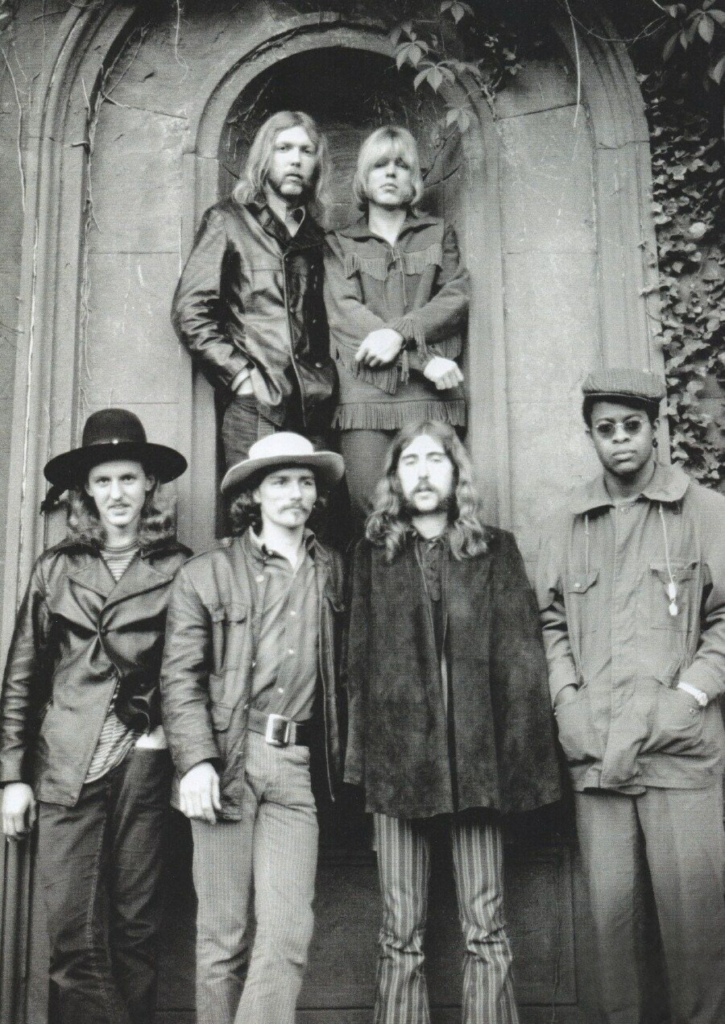
Two weeks in a New York studio yielded the Southern rock blueprint everyone’s been copying since 1969.
Released in November 1969, The Allman Brothers Band’s self-titled debut sold a mere 30–35,000 copies initially, peaking at No. 188 on the Billboard LP chart. This commercial indifference was a smokescreen for a genuine phenomenon. Recorded in about two weeks at Atlantic Studios, the album radically synthesized Robert Johnson’s raw blues with John Coltrane’s jazz improvisation.
Duane Allman’s distinctive guitar work on tracks like “Whipping Post” and the nearly 7-minute “Dreams” demanded deep listening. This album quietly became the foundational blueprint for Southern rock, proving true genius often simmers before it boils. Some bands build legacies on unforgettable live shows, not instant hits—this crew wrote the manual.
2. Roxy Music
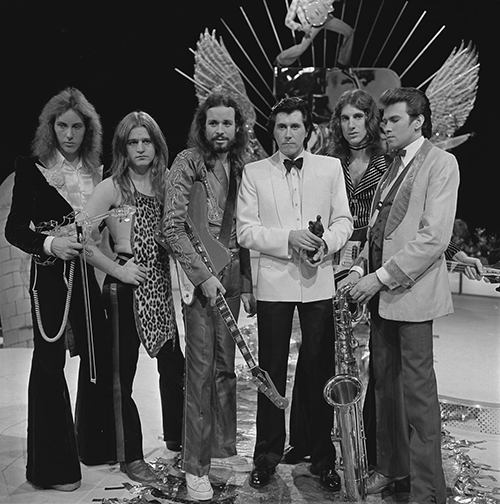
£5,000 and a VCS3 synthesizer proved glam-rock science fiction could outsell sincerity without breaking a sweat.
Rock music in 1972 was often about guitar anthems and blues-soaked sincerity. Then Roxy Music’s debut arrived, sounding less like a band and more like a chrome-plated alien invasion orchestrated on a budget of just £5,000. Their self-titled album, released in June 1972, clawed its way to No. 10 on the UK Albums Chart, proving that glam, avant-garde, and art-school conceptualism could sell.
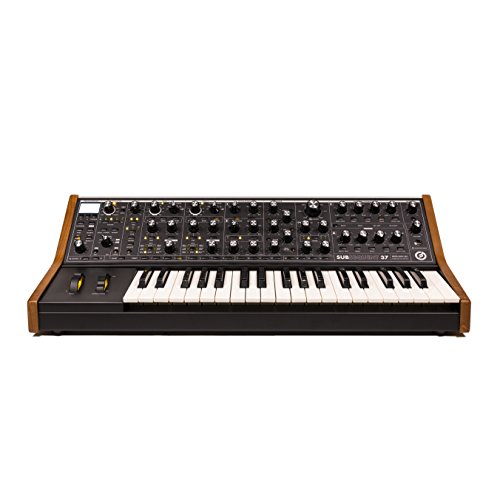
Brian Eno, the band’s sonic alchemist, deployed his VCS3 synthesizer and tape treatments, weaving science-fiction atmospheres that felt both futuristic and unsettling. This wasn’t just another rock record; it was a deliberate destabilization, merging lush soundscapes with abstract saxophone solos that challenged expectations. “Virginia Plain,” their No. 4 UK hit single, was conspicuously absent from the original album—a power move that defined their rebellious spirit. A listener in 1972, expecting predictable progression, encountered music that felt like a deconstructed dream, laying the groundwork for postmodern rock.
1. Television
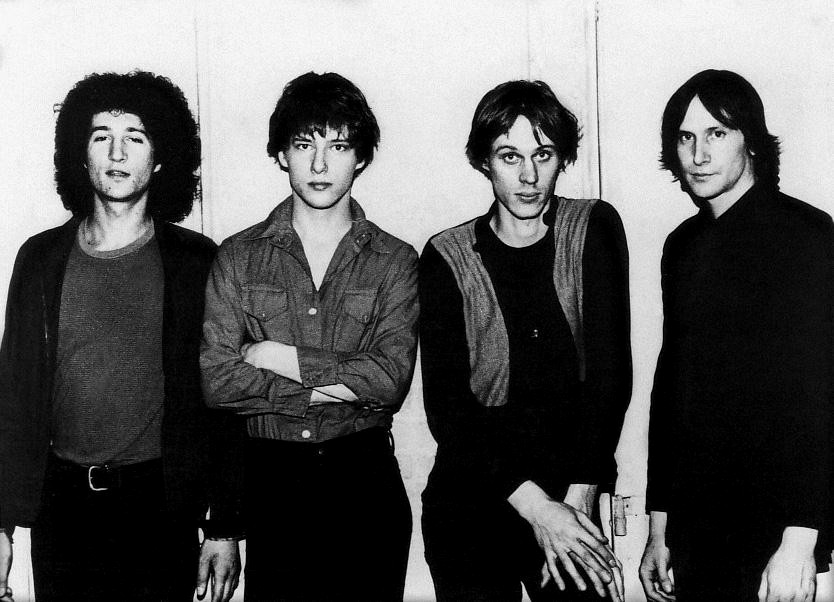
Ten-minute guitar dialogues and zero patience for radio formulas created the post-punk blueprint everybody borrowed.
In a universe where rock’s intellectual ambition eclipsed its stadium swagger, Television’s Marquee Moon would be its foundational text. Released in 1977, this debut delivered a cerebral counter-punch to mainstream rock’s bloat. It cemented the band’s place as an art-punk/post-punk beacon, a genre defined by its willingness to challenge conventional song structures. The album garnered immediate critical acclaim in the UK, despite its modest commercial run in the US.
The album’s nearly 10-minute title track sprawled across an entire vinyl side, a bold move in an era of three-minute singles. Tom Verlaine and Richard Lloyd’s guitar dialogues weren’t just solos; they were interlocking, weaving tapestries, almost like a jazz ensemble debating philosophy. This clean, intricate approach proved foundational, leaving an undeniable mark on subsequent acts. The Cure, R.E.M., and countless indie bands afterward essentially took notes, proving that sometimes, quiet brilliance echoes loudest.