



Pinpointing musical controversy amid diverse artistic expressions feels nearly impossible. Music, after all, speaks uniquely to each creator. Yet some cover versions transcend subjective preference, becoming universal flashpoints of contention. These rare instances combine creative reinterpretation, commercial success, and artistic backlash that continues to shape music industry ethics today.
10. Linda Ronstadt covering Elvis Costello
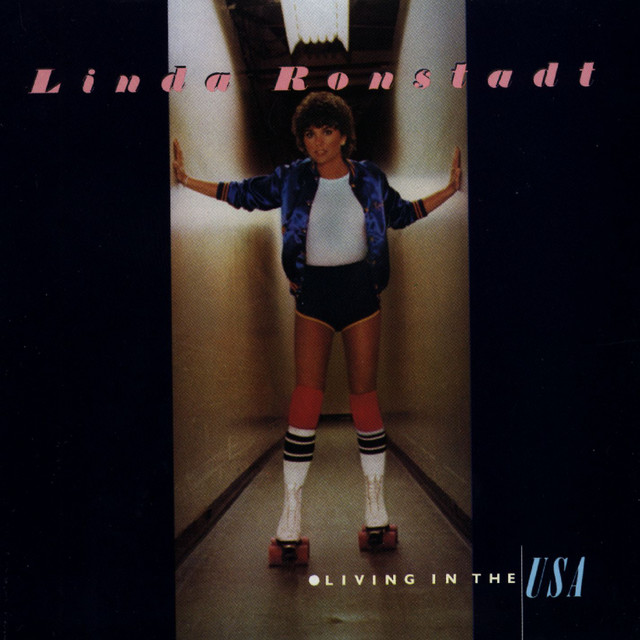
Ronstadt’s smooth, mainstream renditions of Costello’s raw, new wave classics sparked legendary animosity. Her 1978 version of “Alison,” followed by three more Costello songs in 1980, transformed his gritty compositions into polished pop productions. Costello famously deemed these interpretations “sheer torture” and a “waste of vinyl.”
While commercial success validated Ronstadt’s approach, the controversy highlighted fundamental tensions between artistic vision and mass appeal. Over time, Costello softened his stance, acknowledging the exposure benefits her versions provided while still preferring his original recordings.
9. Manfred Mann’s Earth Band covering Bruce Springsteen
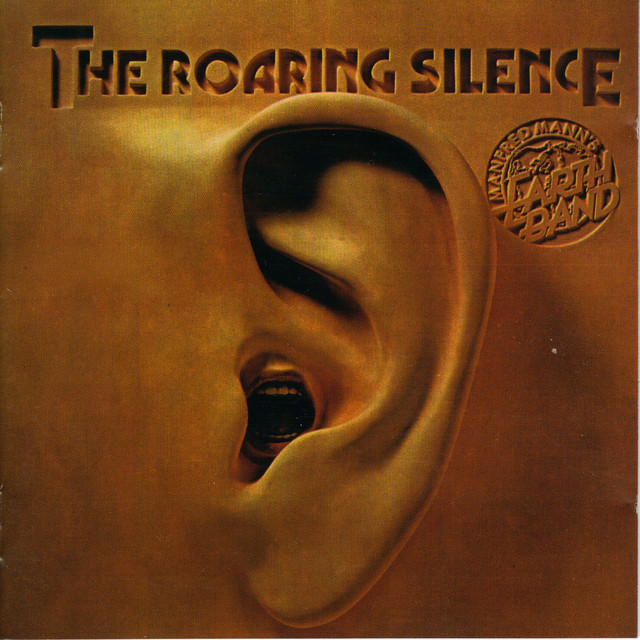
When Manfred Mann’s “Blinded by the Light” topped Billboard charts in 1977, it accomplished something Springsteen’s original never did. Their synth-heavy rendition changed lyrics from “cut loose like a deuce” to “revved up like a deuce,” creating decades of misheard lyrics and Springsteen’s public frustration.
Many listeners discover the Boss’s version only after knowing Mann’s hit, creating an unusual legacy where the original feels like the cover. This commercial triumph became a benchmark case of a cover eclipsing its source material, raising complex questions about artistic credit and creative ownership.
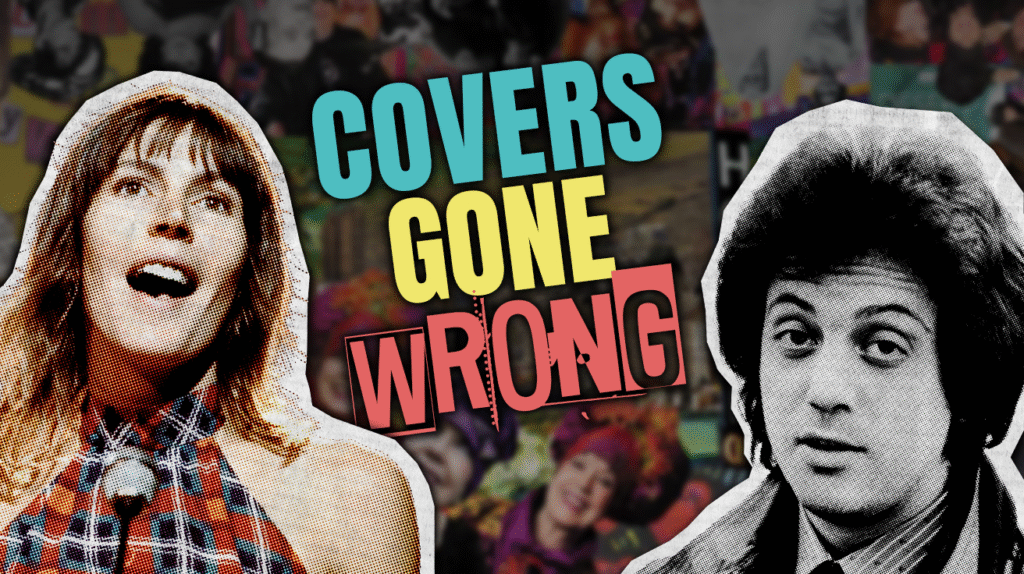
8. Helen Reddy covering Billy Joel
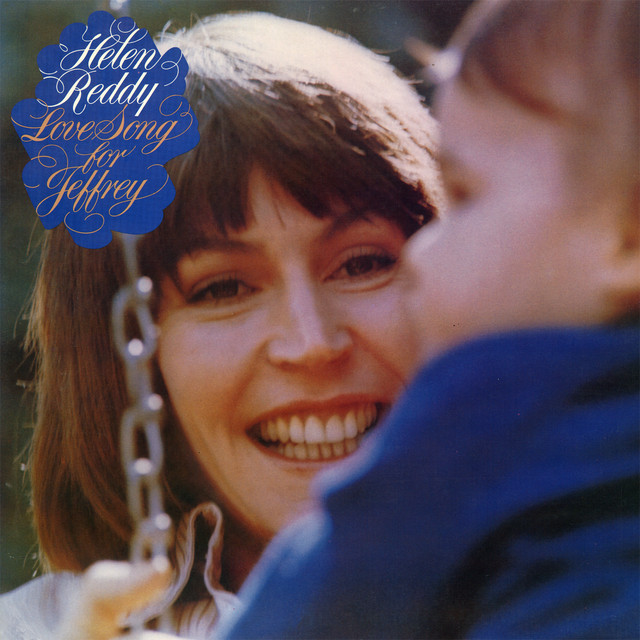
The personal nature of songwriting makes covers particularly sensitive. Joel wrote “You’re My Home” as an intimate tribute to his wife, only to hear Reddy transform it with orchestral arrangements that fundamentally altered its character.
Joel discovered Reddy’s representative in attendance during a concert and unleashed a blistering critique of her version. The public criticism mortified Reddy, who reportedly vowed never to touch another Joel composition. This incident exemplifies how deeply artists can feel violated when their expressions are reimagined.
7. The Hollies covering The Beatles
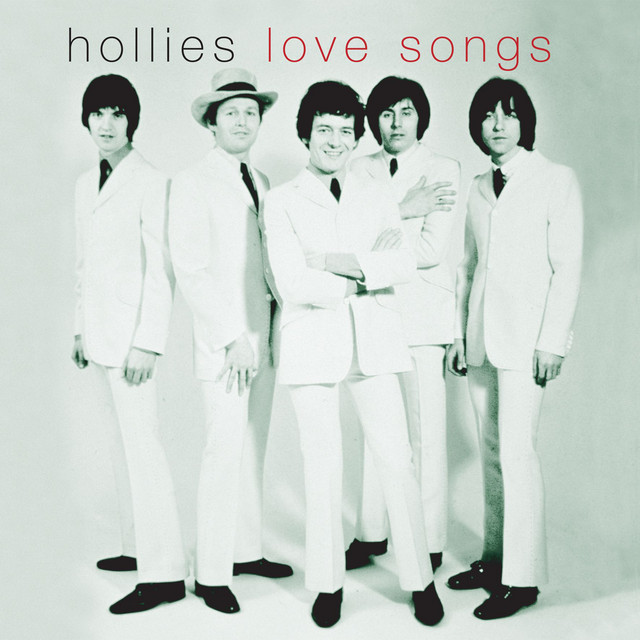
Timing matters in music as much as execution. The Hollies released “If I Needed Someone” as a single on the same day as The Beatles’ “Rubber Soul” album in 1965, a move that appeared deliberately opportunistic and sparked a British Invasion rivalry.
George Harrison publicly dismissed their version, triggering fan backlash that Graham Nash later blamed for the single’s commercial failure. This case highlighted the competitive dynamics of the 1960s UK music scene, where bands constantly vied for chart positions while navigating delicate industry relationships, often with tensions as finely tuned as the guitars of George Harrison.
6. Pet Shop Boys covering U2
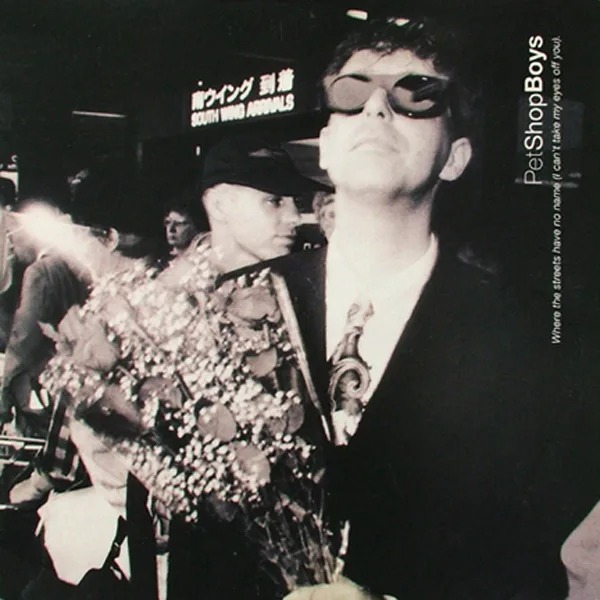
Genre experimentation often irritates original artists, as proven when Pet Shop Boys combined U2’s “Where the Streets Have No Name” with Frankie Valli’s “Can’t Take My Eyes Off You.” Their synth-pop reinvention prompted Bono to ask, “What have we done to deserve this?“
Neil Tennant later revealed it took twelve years to repair relations with Bono after this ambitious mashup. The controversy demonstrated how artists react when their anthemic creations become vehicles for radically different aesthetics, challenging notions of musical ownership and artistic intent.
5. Peter Gabriel covering Radiohead

Sometimes the most powerful criticism comes through silence. Gabriel covered “Street Spirit (Fade Out)” for his “Scratch My Back” project, which involved reciprocal covers between artists. When Gabriel sent his orchestral version to Thom Yorke, the expected Radiohead cover of “Wallflower” never materialized.
The unspoken disapproval spoke volumes, leaving Gabriel’s project incomplete. This musical cold shoulder represents a passive rejection in cover song history, demonstrating how artistic boundaries can be enforced without confrontation, resulting in collaborations that withered on the vine.
4. Eagles covering Tom Waits
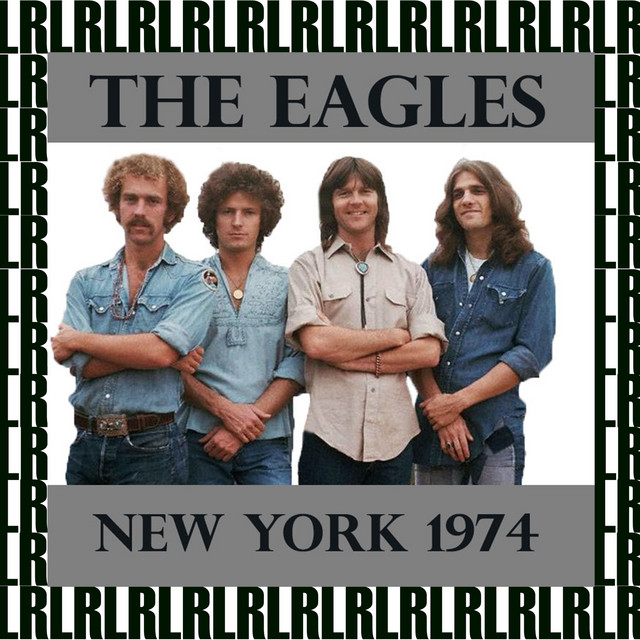
Can you hate a cover version yet love the royalty checks? Waits described the Eagles’ 1974 version of “Ol’ 55” as “antiseptic” and “as exciting as watching paint dry.” Despite his artistic distaste, the cover generated substantial royalties that softened his criticism over time.
Glenn Frey noted that Waits’ stance mellowed as payments increased, creating an unusual scenario where financial compensation balanced artistic disapproval. This case reveals the practical commercial realities underlying creative disagreements, where economic benefits occasionally trump artistic principles.
3. Van Halen covering The Kinks
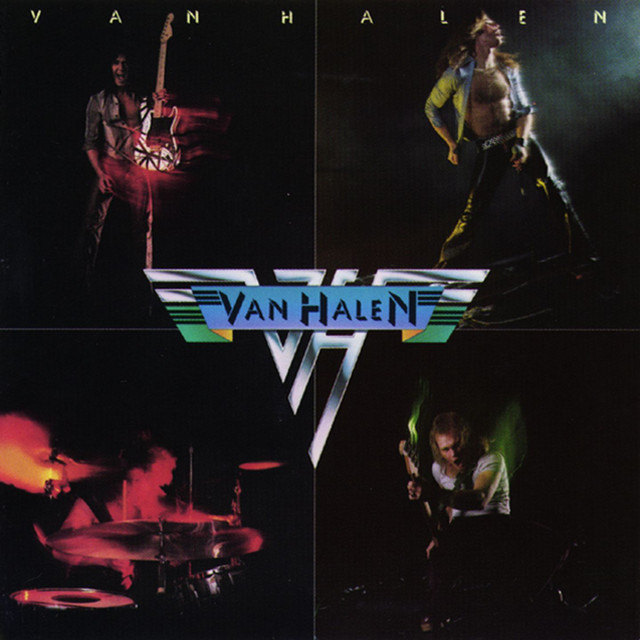
Hard rock covers often receive warm welcomes from original artists, making Dave Davies’ criticism of Van Halen’s ‘You Really Got Me‘ particularly surprising. Despite the cover’s massive success, Davies dismissed it as ‘artlessly technical,’ preferring his brother Ray’s rougher guitar approach over Eddie Van Halen’s virtuosity—a critique that, in its own way, mirrors the intensity of Van Halen’s vocal showdown, where stylistic differences between frontmen became as defining as the riffs themselves
The generation gap became evident when concertgoers assumed the Kinks were covering Van Halen rather than playing their composition. This misattribution demonstrates how powerful reinterpretations can sometimes overshadow originals in cultural memory, particularly across generational divides.
2. Type O Negative covering Seals and Crofts
Extreme genre shifts can create both offense and eventual respect. Type O Negative initially created a lewd parody of “Summer Breeze” called “Summer Girl” that deeply offended Seals and Crofts. Recognizing their misstep, the gothic metal band recorded a more respectful version for their “Bloody Kisses” album.
The band’s evolution from mockery to tribute demonstrates how even the most transgressive artists can acknowledge boundaries. Though the vulgar demo eventually leaked, Type O Negative’s official release showed artistic growth and surprising reverence for the soft rock duo’s mellow classic.
1. Led Zeppelin covering Jake Holmes
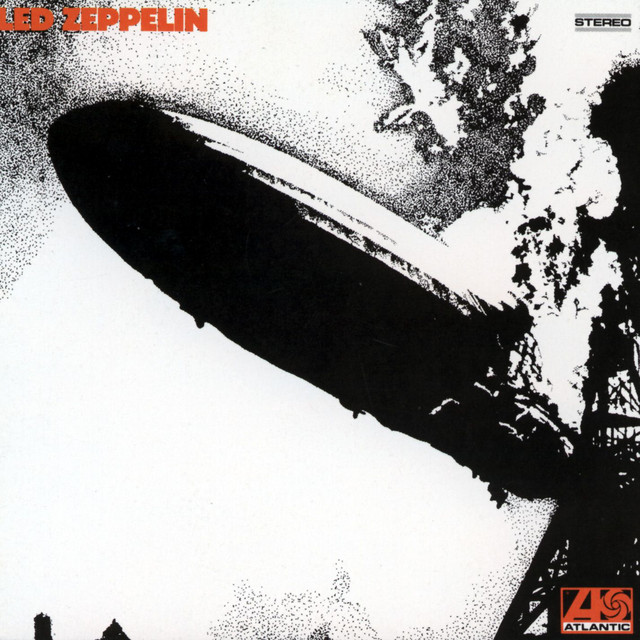
Led Zeppelin’s “Dazed and Confused” represents one of music’s most contested appropriations. Jake Holmes performed his original version when opening for The Yardbirds, only to see it transformed by Led Zeppelin without proper credit. The legal battle culminated in 2010 when Holmes filed a copyright infringement lawsuit.
After decades of attribution solely to Jimmy Page, Holmes eventually received an “inspired by” credit following legal action. This landmark case highlights the ethical responsibility of crediting original artists and the thin line between inspiration and plagiarism that still challenges the music industry today.